
2027 Most Valuable Education Degree Programs Ranking in Providence

Co-Founder and Chief Data Scientist
Choosing the right education degree program is an important step toward a rewarding career in Providence. This article introduces the 2027 Most Valuable Education Degree Programs Ranking in Providence, created by the Research.com team of data scientists.
Designed to guide you through your options, the ranking helps you identify programs that offer strong career prospects and meaningful learning experiences. Exploring these programs can empower you to make a confident decision about your future.
Investing in an education degree opens doors to inspiring opportunities and the chance to make a positive impact in your community.
Key benefits of getting education degree in Providence
- Education degree graduates in Providence can expect rewarding salaries, such as $70,740 for Elementary School Teachers, $76,000 for Special Education Teachers, and $65,430 for ESL Teachers, making the career financially stable.
- A graduate from Rhode Island College, a popular university in Providence, often explores diverse career paths including classroom teaching, curriculum development, or special education, offering strong job flexibility.
- Completing an education degree online through institutions like University of Rhode Island provides convenience and time management advantages, helping students balance work, life, and studies effectively.
- 2027 Most Valuable Education Degree Programs Ranking in Providence
- What can I expect from education degree in Providence?
- Where can I work with education degree in Providence?
What can I expect from education degree in Providence?
Imagine stepping into a classroom at Rhode Island College or Brown University, feeling the excitement mixed with the reality of tuition costs. Most education degree seekers in Providence find that the average total cost hovers between $20,000 and $35,000 per year, with in-state public options offering a warmly affordable path compared to private institutions. Graduates often recall juggling scholarships, grants, and part-time jobs while immersing themselves in student teaching across local schools for 12 to 15 weeks.
This balance of expense and experience creates a vibrant learning atmosphere, where budgets stretch like elastic but dreams remain unrestrained. For students at Brown, nestled amidst ivy and innovation, the investment feels like an opening door to leadership roles, while Rhode Island College students celebrate practical, community-centered education that often includes in-state tuition breaks.
That direct link to Providence's school districts not only fuels hope but also eases concerns about return on investment, turning financial hesitations into purposeful planning and heartfelt commitment.
Where can I work with education degree in Providence?
With an education degree in Providence, your classroom might be a bustling K-12 school filled with eager faces, as you join the ranks of over 3,500 teachers shaping young minds within Providence Public Schools. Imagine starting your day inspired by the diverse energy of these city schools, just like graduates from Rhode Island College often do when they step into their first teaching role.
Alternatively, picture moving beyond teaching-becoming a school principal guiding your staff toward innovative curriculum or a curriculum coordinator crafting enriching learning paths. Johnson & Wales University graduates frequently describe the thrill of these leadership roles, where you influence the future schooling experience.
Some graduates find joy in nurturing toddlers at early childhood centers, collaborating with families and community groups to spark critical developmental milestones. Providence's early learning initiatives make this path not only possible but deeply rewarding.
Others become instructional coordinators or special education specialists, responding to real student needs guided by laws like IDEA. The demand here is strong, and local counselors often share how their work directly transforms student journeys.
Finally, consider college campuses in Providence-faculty or support staff roles at Rhode Island College offer education grads a chance to shape higher learning, fueling both personal growth and academic dreams in an inspiring urban setting.
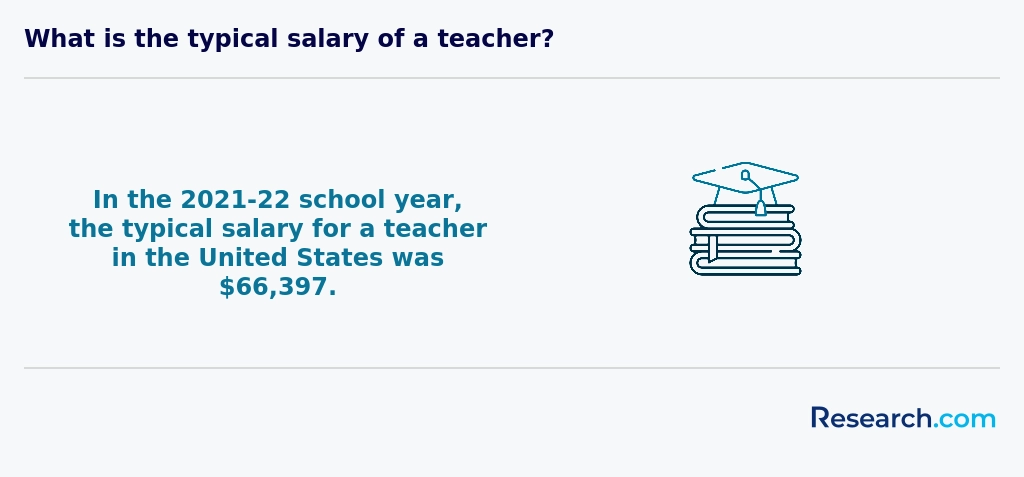
Graduates with an education degree in Providence often step into roles that pay handsomely for their dedication to shaping young minds. Picture a recent graduate from a well-known Providence college starting as an elementary school teacher, earning around $70,740 a year-enough to enjoy the city's vibrant culture while planning a future. Those who specialize, like special education teachers, find median earnings climbing north of $76,000, reflecting the crucial role they play in personalized learning.
Imagine another graduate focusing on ESL teaching, earning approximately $65,430 annually, skillfully bridging language gaps in Providence's diverse classrooms. Early childhood educators, the heart of foundational learning, earn about $41,410, turning playtime into life lessons. Meanwhile, those who dive into instructional design can command salaries near $77,200, crafting innovative learning tools from a local university's lab.
Providence's unique educational landscape-from historic campuses to dynamic urban schools-offers not just jobs, but rewarding careers where salaries match passion and expertise.
- Rhode Island College is a key institution offering education degrees in Providence.
- In-state tuition for a bachelor's degree in education ranges from $10,000 to $15,000 per year, while out-of-state students pay over $25,000 annually.
- Education programs in Providence are regionally accredited and meet Rhode Island Department of Education certification requirements.
- Starting salaries for new educators typically range from $45,000 to $50,000 per year, with experienced teachers earning around $70,000 or more.
- The job market remains stable with ongoing demand for qualified teachers, though competition exists for specialized positions.
- Student teaching and internships are commonly included in programs to improve graduate employability in diverse school settings.
In Providence, chasing an education degree feels like stepping into a well-orchestrated dance where timing shapes your entire journey. A typical Bachelor of Education takes about four years of full-time dedication at popular colleges, where graduates recall bustling campuses filled with late-night study sessions and spirited classroom debates. Imagine the rhythm of general education classes blending seamlessly with hands-on teaching experiences, crafting not just knowledge but confidence.
Master's hopefuls embrace a slightly different cadence, often committing two intense years full-time at Providence universities, or opting for a slower, thoughtful three-plus years part-time, balancing work with study. Graduates often describe this as a rewarding challenge-like tuning an instrument while performing, flexible yet demanding.
Some ambitious learners leap into accelerated combined degree programs, shaving the usual six years down to about five, where the pace quickens but the payoff is crisp: earlier entry into the rewarding world of education, energized by clinical teaching at trusted local schools.
For Providence residents seeking to minimize tuition costs without sacrificing quality, affordable online education degree programs present a compelling alternative. Many accredited universities now offer fully online Bachelor’s and Master’s in Education degrees with tuition rates 20–50% lower than traditional on-campus programs, enabling students to balance work, family, and studies more effectively. Online formats often eliminate fees associated with campus facilities and commuting, reducing the total annual cost to as low as $10,000–$15,000. Coursework is delivered through interactive platforms featuring video lectures, digital discussion boards, and virtual practicums, ensuring that theoretical foundations in pedagogy and classroom management remain robust. When comparing total expenses, Providence on-campus programs average $28,724 per year for residents, whereas many online alternatives can lower financial barriers significantly. For a detailed ranking of similarly priced programs outside Rhode Island, explore our Inexpensive Online Education Degree Programs Ranking in St. Paul, MN, which highlights cost, accreditation, and student outcomes. Before enrolling, verify regional accreditation and state licensure alignment to ensure transferability of credits and eligibility for Rhode Island teaching certification. With prudent planning, cost-conscious students can obtain a respected Education degree online without incurring excessive debt.
Picture a graduate from Rhode Island College juggling family life while logging into live lectures late at night-this is the beauty of online education degrees in Providence. Flexibility rules here: assignments fit around your schedule, and the commute is just a few steps to your home desk. Yet, the online path sometimes calls for local internships or face-to-face teaching moments, where you step into a nearby Providence school to apply your skills hands-on.
Contrast that with the on-campus student roaming Providence College's leafy quads, soaking up the buzz of in-person discussions and late-night study sessions in the library. This immersive bubble fosters instant feedback from professors and peers, anchoring classroom theory with real-time student teaching placements arranged by the college's local partnerships.
Both experiences carry weight-one offers boundless convenience, the other vivid community connection-all while prepping you to thrive in Rhode Island's classrooms.
In today’s competitive landscape, achieving long-term career success in education requires more than just obtaining a degree-it involves continuous professional development, strategic networking, and staying updated with emerging trends. Prospective educators should explore opportunities to enhance their leadership and management skills, whether through mentorship programs, certifications, or advanced degree options. For instance, many successful professionals recommend considering educational leadership programs online to further sharpen their expertise and expand their impact beyond the classroom. By engaging in lifelong learning, educators not only boost their credentials but also become influential figures in shaping the future of education. This proactive approach, coupled with regular feedback and collaboration with industry peers, builds a robust foundation for a thriving career in education.
For those chasing an education degree in Providence, the typical financial footprint paints a unique picture shaped by residence and institution. Graduates from public colleges here speak of an average total cost hovering around $62,688 for in-state students-a number that speaks to both the weight of ambition and the price of opportunity. Out-of-state learners face a nearly identical median total cost, about $55,819, reflecting the city's blend of accessibility and quality.
Imagine walking the historic halls of Rhode Island College, where aspiring educators juggle textbooks and dreams, balancing tuition with the rhythm of campus life. Meanwhile, Providence College offers another scene: students keenly aware of the higher cost but energized by the prestige and intimate classroom engagement their tuition supports. These are not just numbers; they mark journeys where investment fuels passion and shapes futures.
When pondering Providence education degree tuition and fees, keep in mind the subtle dance between cost and value. Beyond tuition, many find financial aid, scholarships, and grants as lifelines, easing the monetary load. One can dive deeper into options at the valuable education schools in Rhode Island, a resource highlighting where your dollars might stretch further while still capturing exceptional teaching experiences.
Every dollar spent resonates with the thrill of becoming an educator-the planner of tomorrow's classrooms and the cultivator of bright minds. Providence's education paths come with costs that intertwine with hope, offering both challenge and the promise of rewarding careers.
When deciding on an education program in Providence, RI, prospective students face a critical juncture that can significantly impact their future careers and personal fulfillment. It is essential to consider various factors, including accreditation, program specializations, tuition, and financial aid options. For those interested in exploring education programs in Rhode Island, understanding the landscape of valuable education schools in Rhode Island can provide invaluable insights into the top-ranked institutions and their offerings. By weighing these factors and considering the array of available programs, students can make informed decisions that align with their career aspirations and personal interests, ultimately leading to a more satisfying and successful educational journey.
Imagine stepping onto the Rhode Island College campus, clutching a Pell Grant award letter for $7,395-a lifeline that transforms the daunting $12,000 tuition into a more approachable goal. Many Providence education students share this relief, as federal Pell Grants cut financial stress without the nightmare of repayment. Meanwhile, the Rhode Island Promise Scholarship acts like a kind mentor, covering tuition for those chasing education degrees at state schools, lifting the weight from young shoulders eager to shape futures.
At Brown University, ambitious education majors often feel the warmth of institution-specific scholarships, where academic grit and financial need converge into tangible support. Work-study gigs sprinkle daily doses of independence, letting students earn while they learn, juggling books and job hours in tandem. Graduates often recall how teacher loan forgiveness programs-like the federal PSLF-felt like a beacon, turning debt into a manageable puzzle after committing to public schools. In Providence, financial aid isn't just about money; it's the heartbeat that powers dreams to reality.
Calculating the true value of an Education degree involves comparing program costs against average post‐graduation earnings and career growth. In Providence, the average annual tuition of $28,724 for resident students (and $43,119 for non-residents) must be weighed against mean salaries of $38,640 for early childhood educators, $63,130 for ESL teachers, and $73,080 for instructional designers. Key factors in your ROI analysis include: • Total Cost of Attendance: Factor in tuition, fees, books, and living expenses-approximately $108,584 over four years for in-state students. • Average Starting Salary: Use conservative estimates-e.g., $40,000 for new K–12 teachers-to calculate your payback period. • Payback Period: Divide total cost by annual net salary (salary minus living expenses). For example, a $108,584 investment recovered at $30,000 net per year equals a ~3.6-year break-even point. • Long-Term Earnings Growth: Teaching salaries often increase by 2–4% annually with experience and advanced degrees. Instructional designers may see larger jumps as they transition into corporate or higher-ed roles. • Debt Service Ratio: Keep monthly loan payments below 10% of your gross monthly income to maintain financial wellness. For prospective students exploring budget-friendly pathways, consider alternative online options demonstrated in our Inexpensive Online Education Degree Programs Ranking in St. Paul, MN, which may offer lower tuition and flexible schedules to accelerate your return on investment.
Walking into the admissions office of a Providence college with dreams of shaping young minds, you'll find the gateway is built on a few familiar stones: a high school diploma or GED stands firm as the foundation. Graduates from Rhode Island's respected institutions often recall that clear starting point-a simple but crucial ticket to entry.
For those aiming higher, like at Providence College or Rhode Island College, a bachelor's degree opens the door wide. Many alumni remember the gentle pressure of maintaining a GPA around 2.5 to 3.0, a sweet spot that balances aspiration and realism, proving readiness for tougher academic adventures ahead.
Standardized tests may whisper through the process. Some admittees are glad Providence schools embrace test-optional policies, easing nerves, while others reflect on submitting GRE scores, which sometimes feel like a rite of passage on their transformative journeys.
Letters from mentors who've witnessed dedication firsthand, heartfelt essays spilling genuine passion, and occasional background checks for hands-on experiences-these mosaic pieces come together, painting the vibrant candidacy of those set to inspire the next generation.

Prospective students seeking an Education degree in Providence, RI, should begin by reviewing specific program requirements on each institution’s admissions page. Most colleges, such as Rhode Island College and the University of Rhode Island, follow a semester-based calendar with priority deadlines in early February for fall admission and mid-October for spring. Applications typically require:
- Official transcripts from all prior institutions
- SAT/ACT scores (if not waived)
- A personal statement outlining teaching philosophy and career goals
- Two to three letters of recommendation from academic or professional references
- Documentation of volunteer or practicum hours in an educational setting To ensure a complete application, submit all materials at least two weeks before the published deadline and confirm receipt via your applicant portal. Many programs also host virtual information sessions-register early to secure personalized guidance. For students balancing work and study, consider exploring other flexible options like the Inexpensive Online Education Degree Programs Ranking in St. Paul, MN, which may offer transferable credits or hybrid formats compatible with Providence institutions. Finally, set calendar reminders for supplemental requirements such as writing samples or portfolio reviews, and contact an admissions advisor if you encounter discrepancies. Early planning and attention to deadlines can maximize your chances of acceptance into Providence’s top education degree programs.
Imagine stepping into a lively classroom at Rhode Island College, where future educators embark on an exploration of the vibrant world of educational psychology-decoding how children's minds unlock curiosity and motivation. Graduates recount how understanding these developmental mysteries fuels their passion for crafting lessons that resonate emotionally and intellectually with diverse learners in Providence schools.
Courses in curriculum development and instructional methods transform abstract theories into dynamic lesson plans. One graduate describes weaving technology tools seamlessly into daily teaching, making learning both exciting and accessible, reflecting Providence's commitment to innovation. Classroom management classes equip students with real-life conflict resolution tactics they test during spirited internships at local elementary schools.
Assessment techniques become a toolkit for measuring success beyond grades, enabling educators to adapt and uplift every student's journey. Special education training opens hearts and minds to inclusivity, with many remembering their hands-on experiences in Providence's supportive classrooms where difference is celebrated as strength.
- Educational Foundations: History, philosophy, and sociology of education
- Instructional Strategies: Techniques for various subjects and grade levels
- Classroom Management: Behavior management and conflict resolution
- Assessment and Evaluation: Testing methods and data-driven instruction
- Educational Technology: Integration of technology tools in teaching
- Special Education: Strategies for inclusive classrooms
- Field Experience: Supervised student teaching and internships
Imagine walking through the vibrant halls of a Providence college where education degree specializations in Providence transform passion into impact. Graduates from local institutions often share stories of molding young minds in Elementary Education, where they ignite curiosity in K-6 classrooms with dynamic lessons in literacy and math. Others find their calling in Secondary Education, shaping the futures of teenagers through immersive science or history classes designed to spark aha moments.
Many also dive deep into Special Education, embracing the rewarding challenge of supporting students with diverse needs, guided by state and federal standards. Those chasing leadership dreams enroll in programs focused on Educational Leadership and Administration, such as at Rhode Island College, where hands-on internships prepare them to become future principals or superintendents. For students curious about holistic youth development, School Counseling provides tools to nurture mental health and academic planning, vital for thriving schools. For those intrigued by the digital realm, Providence offers engaging options like educational leadership programs online, blending flexibility and expertise.
Choosing from varied Providence teaching degree program options means stepping into a world where specialization is a passport to both personal growth and professional fulfillment, wrapped in the city's rich educational tapestry.
Picture yourself walking the historic halls of a Providence college where education students eagerly share stories of their journey from theory to classroom magic. Choosing the best education degree programs in Providence means blending passion with practicality-think about your ultimate role in the school ecosystem, whether sparking young minds or leading innovative programs. Graduates often recall how programs offering flexible schedules, including evening or online courses, helped balance their busy lives.
Cost weighs heavily on many minds here. Providence's mix of public and private institutions means you can find affordable education degrees Providence 2027 students rave about, especially when factoring in financial aid and scholarships. One graduate praised a master's program accredited by the Council for the Accreditation of Educator Preparation, which opened doors for Rhode Island licensure and practical internships within local schools-this made theory tangible.
Delve into programs that treasure specialization-imagine focusing on special education or educational leadership while immersed in hands-on learning. Graduation and job placement rates act like a trust compass, pointing toward quality. If you want more inspiration, check out the Inexpensive Online Education Degree Programs Ranking in St. Paul, MN for a lens on affordability beyond Providence, broadening your perspective.
Graduates with an education degree in Providence find themselves stepping into a vibrant tapestry of teaching and education jobs Providence offers, where every day can unfold like a new chapter in a dynamic story. Imagine starting as an elementary school teacher in one of Providence's bustling public schools, shaping curious minds while feeling the genuine pulse of the city's growing student population. Others move beyond the classroom, becoming school principals or curriculum coordinators, blending leadership with passion to transform educational policies and environments for the better.
Some graduates dive into special education roles, where empathy meets expertise, championing inclusivity in classrooms across Rhode Island. Others enjoy advising students or leading adult education programs that tie perfectly into Providence's lively commitment to lifelong learning. And for those who dream of innovation, instructional design and educational technology unlock doors in digital learning-careers that feel as alive and forward-thinking as the colleges here that train them.
Those exploring a list of college majors and careers in the area often discover this blend of possibilities reflects the true spirit of education degree career options in Providence, delivering both fulfillment and promise for the future.
The job market for education degree job opportunities Providence offers is vibrant, fueled by a steady climb in demand for passionate educators. Graduates from beloved local institutions often share stories of how their hands-on practicums in Providence's diverse classrooms unlocked doors to positions in special education and bilingual teaching, areas booming with opportunity. With public and private schools eager to embrace innovative teaching minds, those with degrees find themselves welcomed into a community that values STEM education and inclusion.
Providence's education degree employment outlook brightens with attractive median salaries hovering around $69,000, outpacing many areas nationally. Graduates from well-known Rhode Island colleges tout not just the quality of instruction, but also affordable tuition paired with financial aid, making the journey accessible. Many choose colleges offering open admissions here, emphasizing a supportive environment that encourages entering education despite varied backgrounds.
2027 Most Valuable Education Degree Programs Ranking in Providence
Investing in your education is a significant decision that can shape your future, and the Research.com team understands the importance of making informed choices. To assist prospective students in Providence, we have meticulously crafted the "2027 Most Valuable Education Degree Programs Ranking in Providence." Our commitment to quality, credibility, and accuracy is reflected in the extensive research and analysis conducted to compile this ranking.
We utilized the following reputable data sources to ensure a comprehensive evaluation of education degree programs:
By exploring this ranking, readers will gain valuable insights into the most valuable education degree options in Providence, empowering them to make well-informed decisions about their academic and professional futures. For more details on our methodology, please visit our Research.com methodology page.


Frequently Asked Questions About education
Education degree students in Providence can maximize their learning experience by engaging deeply with local teaching opportunities. Providence is home to various public and charter schools where students may complete hands-on practicum hours. According to the Rhode Island Department of Education, having 100 to 150 clinical practice hours is essential for program completion and licensure. This real-world experience helps students apply theory in classrooms while building critical classroom management skills.
Additionally, Providence students benefit from the city's diverse population, which provides exposure to multiple cultural perspectives. Participating in community events and educational workshops enhances understanding of inclusive teaching strategies. Networking with local educators and joining professional organizations, such as the Rhode Island Education Association, also supports academic and career growth.
Emerging niches within the education field reflect growing societal and technological changes, especially relevant for students in Providence. One expanding area is educational technology, focusing on integrating digital tools to enhance learning outcomes. According to the Rhode Island Department of Education, local schools increasingly seek professionals skilled in designing and implementing tech-driven curricula.
Another notable niche is special education, where demand rises due to increased recognition of diverse learning needs. Providence schools report a steady growth in hiring educators trained in special needs support and behavioral interventions.
Additionally, bilingual education is gaining importance, reflecting Providence's diverse population and commitment to inclusive learning environments. These niches offer promising career paths for education graduates.
Preparing for the job market after earning an education degree in Providence involves several strategic steps. First, gaining practical experience through student teaching or internships in local schools is essential, as Rhode Island's Department of Education emphasizes hands-on training. Networking with local educators and attending job fairs can also improve employment prospects.
Additionally, obtaining state certification is critical; Rhode Island requires a teaching license for public school positions, which involves passing the Praxis exams. According to the Rhode Island Office of Higher Education, nearly 70% of graduates in education secure jobs within a year, highlighting the importance of early preparation.
Developing skills in technology integration and special education can make candidates more competitive in the Providence area job market.
Employers in Providence value education degree graduates who demonstrate strong communication skills. Effective verbal and written communication is essential for classroom management and collaboration with parents and colleagues. According to the Rhode Island Department of Education, graduates with clear instructional abilities have higher job placement rates.
Critical thinking and adaptability are also highly sought-after skills. Educators must be able to adjust teaching methods to diverse student needs and evolving curriculum standards. A 2023 survey by the Providence School District reported that 78% of principals emphasize flexibility as vital for new teachers.
Additionally, proficiency in integrating technology into lesson plans is increasingly important. Employers favor candidates familiar with digital tools that enhance student engagement and learning outcomes.
Finding internships in Providence related to education degrees involves several strategic steps. Begin by exploring partnerships between local universities and public school districts, as many colleges in Providence have formal agreements that facilitate student placements.
The Providence Public School District itself often offers internship opportunities for education majors seeking practical experience in diverse classroom settings.
Additionally, check with career services at institutions like Rhode Island College, which maintains databases of internship openings specifically tailored to education students.
Local non-profits and educational organizations in Providence can provide alternative internship settings focusing on tutoring, curriculum development, or after-school programs.
Networking through professional groups such as the Rhode Island Association for Supervision and Curriculum Development can also uncover internships not widely advertised.
An education degree significantly enhances career mobility and advancement opportunities in Providence. According to the Rhode Island Department of Labor and Training, individuals with education degrees have a 12% higher employment rate in teaching and administrative roles than those without specialized credentials. This degree provides essential skills and state certification required for public schools, which dominate Providence's job market.
Professionals with a master's degree in education often advance more quickly to leadership positions such as curriculum coordinators or principals. Salary data from the National Center for Education Statistics shows that educators in Providence with advanced degrees can earn up to 20% more than their peers holding only a bachelor's degree.
The city's commitment to education reform and investment in public schools also creates increased demand for qualified educators, further supporting career growth for degree holders.
Studying for an education degree in Providence offers strong preparation for interdisciplinary roles by combining foundational teaching skills with broader social and cognitive sciences. Local institutions integrate coursework from psychology, sociology, and technology, equipping students with diverse tools to address complex educational challenges.
Providence's education programs emphasize collaboration across disciplines, supported by partnerships with community organizations and schools. According to the Rhode Island Department of Education, 65% of education graduates from Providence colleges engage in roles involving multidisciplinary teamwork within two years of graduation.
This approach helps students develop adaptability and critical thinking, essential for careers that intersect with health, social work, and policy-making. In this way, graduates are well-prepared to contribute in varied educational contexts beyond traditional classroom settings.
Choosing between a thesis and a non-thesis education degree program in Providence depends largely on your career goals and learning preferences. Thesis programs typically require original research and a written dissertation, ideal for those considering doctoral studies or research roles. Non-thesis programs focus more on coursework and practical skills, which suits professionals aiming for immediate application in schools or administration.
According to the Rhode Island Department of Education, many local employers value practical experience, making non-thesis tracks popular among working educators. However, Providence's universities such as Rhode Island College and Brown University emphasize research strengths in their graduate education programs, often reflected in their thesis options.
Consider also the time commitment: thesis programs usually take longer to complete due to research demands. Ultimately, evaluate your professional aims and preferred learning style when deciding between these paths.
Students based in Providence interested in studying education abroad have several pathways through U.S. higher education programs offering international study components. Many Providence institutions, including Rhode Island College, provide partnerships for study abroad programs focused on education, enabling students to gain global perspectives while earning credits toward their degrees. According to the Institute of International Education, approximately 6% of education majors nationally participate in study abroad, reflecting growing interest.
Programs often include internships and classroom experiences abroad, enhancing practical skills in diverse educational settings. Financial aid and scholarships specifically for education students planning to study internationally are also available, helping to reduce costs.
Understanding these options can broaden one's educational and cultural knowledge, preparing graduates for work in increasingly globalized schools.
Students pursuing education degrees in Providence have access to a range of part-time job opportunities that enhance their academic experience and professional skills. Working as teacher's aides or classroom assistants in local public schools offers hands-on experience with curriculum implementation and student interaction. Providence Public School District employs many part-time paraprofessionals, providing valuable insight into classroom management.
Additionally, tutoring positions, often available through community centers or private services, allow education majors to apply instructional techniques directly. According to the Rhode Island Department of Education, the demand for supplemental tutoring has grown by 12% in recent years.
Other options include working at youth after-school programs and educational nonprofits, which foster leadership and organizational skills important for future educators.
Education students in Providence have access to several valuable networking opportunities that can enhance their academic and professional growth. Local institutions such as Rhode Island College, known for its strong education programs, frequently host workshops, seminars, and career fairs that connect students with experienced educators and school administrators.
Additionally, Providence benefits from partnerships with public school districts and community organizations, offering students chances to engage in internships and mentorship programs. The Rhode Island Department of Education also organizes events and conferences where future teachers can build professional contacts.
This supportive environment helps education students in Providence develop connections crucial for job placement and career advancement in the region.
Alumni networks offer significant benefits to education degree students in Providence by providing valuable connections within the local and regional education communities. Graduates from Providence College and Rhode Island College join active networks that facilitate mentorship, job placement, and professional development. According to data from the Rhode Island Board of Education, about 70% of education graduates find employment within six months, often through referrals from alumni. These networks also provide access to workshops and continuing education opportunities, helping students stay updated with teaching standards and certifications required in Rhode Island. Such support can be crucial for career advancement in the competitive Providence education job market.
In Providence, customizing an education degree program to fit your career goals often begins with selecting the right specialization. Many local institutions offer concentrations such as early childhood education, special education, or educational leadership.
Students can also tailor their coursework through elective options, allowing focus on areas like curriculum development or technology integration. Experiential learning, including internships and practicum placements within Providence public schools, offers practical exposure aligned with individual career paths.
Advisors at Providence colleges typically assist students in mapping out degree plans that align with state certification requirements, crucial for teaching careers in Rhode Island. According to the Rhode Island Department of Education, over 70% of education graduates in the region pursue professional licensure, underscoring the importance of strategic course selection.
Education students in Providence often face challenges related to balancing rigorous coursework with required field experiences. Many programs mandate student teaching placements in local schools, which can be time-consuming and stressful alongside academic demands. According to data from the Rhode Island Department of Education, over 60% of teacher candidates in Providence report difficulty managing these concurrent responsibilities. Financial constraints also pose a barrier, as tuition costs combined with living expenses in the area strain many students' budgets. Additionally, navigating certification requirements, which include passing state exams and completing background checks, adds complexity to the degree process. These factors collectively impact student success in Providence's education programs.
With an education degree in Providence, you can pursue a variety of professional certifications to enhance your career opportunities. Common certifications include state teaching licensure, which is required to teach in public schools across Rhode Island. The Rhode Island Department of Education offers credentials for early childhood, elementary, and secondary education.
Additionally, many educators choose to obtain National Board Certification, a respected credential that can lead to higher salaries and leadership roles. Special education certification is also in demand, reflecting a growing need for qualified professionals in inclusive learning environments.
Instructional coaching and curriculum development certifications provide alternative career paths within education. For more details, the Rhode Island Department of Education website offers current statistics and guidelines.
When applying for an education program in Providence, a clear and well-organized application is essential. Start by carefully reviewing the specific requirements of each institution, as Providence colleges and universities may have unique prerequisites. For example, Rhode Island College, a popular choice, expects a minimum GPA of 3.0 for graduate education programs according to their latest admissions bulletin.
Highlight your relevant experience, such as teaching or volunteer work in educational settings, to demonstrate commitment and aptitude. Include a compelling personal statement reflecting your passion for education and your goals. Make sure to request strong letters of recommendation, preferably from academic or professional sources familiar with your skills.
Standardized test scores such as the GRE are sometimes required; check Providence schools' current policies as some have adopted test-optional admissions. Lastly, pay close attention to deadlines and submit all materials on time to maximize your chances.
The field of education in the United States is increasingly influenced by global perspectives, which affect curriculum design, teaching methods, and career opportunities. Educators in Providence, like those across the U.S., benefit from international teaching standards and educational exchange programs. According to the Rhode Island Department of Education, there is a growing demand for teachers skilled in cultural competency and global awareness.
Globally, education careers emphasize adaptability to diverse classrooms and integration of technology. In Providence, local universities reflect these trends by offering degrees that promote multicultural understanding and educational equity.
Professionals with education degrees in Providence also often engage in continuous professional development influenced by worldwide best practices, enhancing their effectiveness in a globalized society.
Gaining practical experience is essential when studying for an education degree in Providence. Many local institutions, including Rhode Island College and Providence College, offer field placements or student teaching opportunities as part of their curriculum. These experiences allow students to work directly in Providence-area schools, interacting with diverse student populations and applying theory to practice.
Additionally, partnerships between colleges and Providence Public Schools facilitate internships and supervised classroom observations. According to the Rhode Island Department of Education, more than 80% of education students complete these hands-on components before graduation, enhancing their employability.
Volunteering in after-school programs or tutoring local youth organizations also provides valuable experience outside the classroom setting.
Choosing the right concentration within an education degree program in Providence involves evaluating personal interests, career goals, and local job market needs. Popular concentrations include early childhood education, special education, and educational leadership. According to the Rhode Island Department of Education, there is a growing demand for special education teachers, with a 6% increase in job openings projected through 2030.
Students should consider program accreditation and the availability of practicum opportunities within Providence schools. The University of Rhode Island and Rhode Island College offer diverse concentrations catering to urban education challenges common in Providence.
Researching state licensure requirements and potential salary ranges helps ensure alignment with professional aims. Local school districts frequently prefer candidates with specialized skills that match community demographics and needs.
- 2027 Most Valuable Education Degree Programs Ranking in Bronx
- 2027 Most Valuable Education Degree Programs Ranking in Queens
- 2027 Most Valuable Education Degree Programs Ranking in Wilkes-Barre
- 2027 Most Valuable Education Degree Programs Ranking in Dover
- 2027 Most Valuable Education Degree Programs Ranking in Washington
- 2027 Most Valuable Education Degree Programs Ranking in Buffalo
- 2027 Most Valuable Education Degree Programs Ranking in Erie
- 2027 Most Valuable Education Degree Programs Ranking in Pittsburgh
- 2027 Most Valuable Education Degree Programs Ranking in Cleveland
- 2027 Most Valuable Education Degree Programs Ranking in Raleigh
See What Experts Have To Say About Studying Education
Read our interview with Education experts

Alan J. Singer
Education Expert
Professor of Teaching, Learning and Technology
Hofstra University

Nooshan Ashtari
Education Expert
Professor & Book Author
University of Southern California

- Education Degree Entry Requirements https://universitycompare.com/advice/student/education-degree-entry-requirements
- Home https://www.teachercertificationdegrees.com/
- The Shift From Traditional Education to Online Learning • Oxford Learning College https://www.oxfordcollege.ac/news/the-shift-from-traditional-education-to-online-learning/
- How much does it cost to go to college in Rhode Island? | WPRI.com https://www.wpri.com/money/how-much-does-it-cost-to-go-to-college-in-rhode-island/
- The importance of networking in the education sector https://www.tlclive.com/blog/the-importance-of-networking-in-the-education-sector
- Education degree - Tłumaczenie po angielsku - Słownik angielsko-polski Diki https://www.diki.pl/slownik-angielskiego
- How to Choose a Concentration for Your Master of Education 3 Questions to Consider https://www.aiuniv.edu/degrees/education/articles/how-to-choose-an-education-specialization
- What else can I do with an education or teaching degree? https://targetjobs.co.uk/careers-advice/career-ideas/what-else-can-i-do-education-or-teaching-degree
- Finding Your Path: How to Align Studies with Career Goals https://www.alfabetaglobal.com/blogs/finding-your-path-how-to-align-your-studies-with-your-career-goals
- Education Study Abroad Programs | Go Overseas https://www.gooverseas.com/study-abroad/education


