2027 Most Valuable Education Degree Programs Ranking in San Juan

Co-Founder and Chief Data Scientist
Choosing the right education degree program is an important step for students in San Juan. To help you navigate this decision, this article presents the 2027 Most Valuable Education Degree Programs Ranking in San Juan. Created by the Research.com team of data scientists, this ranking offers clear insights based on thorough data analysis.
By exploring these programs, you can discover opportunities that align with your goals and lead to rewarding careers. Pursuing an education degree opens doors to personal growth and making a positive impact in your community.
Take a moment to learn which programs stand out and start your path toward a fulfilling future.
Key benefits of getting education degree in San Juan
- Graduates with an education degree in San Juan can enjoy competitive salaries, such as special education teachers earning around $76,000 and instructional designers making about $77,200 annually.
- Career paths include roles like elementary school teachers, early childhood educators, and ESL teachers, offering diverse opportunities to make a positive impact in local communities.
- Online education degrees from San Juan institutions provide flexibility and convenience, allowing students to balance work and study while gaining valuable skills without sacrificing time or location.
- 2027 Most Valuable Education Degree Programs Ranking in San Juan
- What can I expect from education degree in San Juan?
- Where can I work with education degree in San Juan?
What can I expect from education degree in San Juan?
The average cost of pursuing an education degree in San Juan varies but generally ranges from $3,500 to $7,000 per year at public universities like the University of Puerto Rico in Río Piedras. Many graduates recall feeling relieved by the affordability compared to mainland U.S. institutions, which made completing their degree less financially stressful. Private colleges may have higher tuition fees, sometimes approaching $10,000 annually, but often include additional resources and personalized support.
Students often find that budgeting for textbooks, commuting, and materials is manageable, especially with the bilingual focus that reduces costs on supplementary language courses. Graduates share how the blend of affordable tuition and practical experience-such as student-teaching internships embedded within these programs-helped them gain confidence and readiness for the classroom.
Financial aid and scholarship opportunities at San Juan's institutions further ease expenses, encouraging commitment without overwhelming debt. This practical balance between cost and quality allows many to focus on what truly matters: becoming effective, bilingual educators ready to impact their communities.
Where can I work with education degree in San Juan?
With an education degree in San Juan, you can pursue diverse career paths that match your passion for teaching and community impact. Many graduates find rewarding roles as K-12 teachers in public and private schools, especially in districts valuing bilingual and special education skills. For instance, alumni from the University of Puerto Rico's Río Piedras campus often secure positions in local schools where they engage directly with students, making a meaningful difference daily.
Others transition into academic advising or counseling at institutions like community colleges and technical institutes, offering guidance to help students thrive. Graduates frequently share how these roles provide fulfillment through personalized support beyond the classroom.
Nonprofits and community programs around San Juan also actively seek education professionals for curriculum development and youth outreach, creating opportunities to influence educational equity. Additionally, government agencies employ education degree holders in policy and training roles, shaping the broader educational landscape.
Private tutoring centers provide flexible options for graduates eager to offer tailored learning experiences, especially useful for bilingual students seeking extra help.
Graduates with an education degree from institutions like the University of Puerto Rico in San Juan can typically expect starting salaries that reflect both local conditions and wider U.S. trends. Elementary school teachers in the U.S. earn a mean annual wage of $70,740, and while local salaries in San Juan tend to be lower, progressive experience and certifications can bring earnings closer to this national benchmark.
Special education teachers often see even higher earnings, with a mean annual wage of $76,000. This role is encouraging for education graduates seeking specialties that improve both their impact and income. Another growing field is instructional design, where salaries average around $77,200; graduates entering this area, possibly supporting e-learning initiatives or training programs, report satisfaction from combining creativity with education expertise.
English as a Second Language (ESL) teachers also earn competitive salaries near $65,430 annually. Graduates working in San Juan's diverse communities find this role rewarding, offering chances to positively affect student's language skills and adaptation.
Early childhood educators' mean salaries are lower, averaging $41,410, but many graduates appreciate the foundational role they play in children's development and often advance their careers into administrative or consultancy positions starting around $40,000 or more.
- Education programs in San Juan follow the US system, offering Bachelor's, Master's, and certification degrees for teaching roles.
- Annual tuition at public universities like the University of Puerto Rico is around $3,400 for in-state students, while private schools charge between $7,000 and $15,000.
- Entry-level teachers with a bachelor's degree typically earn between $30,000 and $35,000 per year.
- Salaries can rise to about $50,000 annually with experience and advanced qualifications such as a master's degree.
- Licensing requires passing a teacher certification exam recognized in Puerto Rico, aligned with US standards.
- Bilingual education is emphasized, with many schools teaching both English and Spanish to support diverse classrooms.
Completing an education degree in San Juan typically takes about four years for a bachelor's when attending full-time, which aligns well with most students' expectations at institutions like the University of Puerto Rico at Río Piedras. Many graduates reflect positively on balancing coursework with hands-on teaching practicums mandated by the Puerto Rico Department of Education, which enrich their learning experience and prepare them for certification.
For those pursuing a master's degree, the timeframe usually spans 1.5 to 2 years full-time, though working professionals often extend this to around 3 years part-time. Graduate students often appreciate the flexibility offered by local programs focusing on educational leadership or special education, allowing them to manage work and study smoothly.
Doctoral candidates in San Juan commonly spend between 3 and 6 years completing their Ed.D. or Ph.D., depending on research and course load. Many find fulfillment in integrating dissertation work with local educational challenges, gaining unique insights that resonate personally and professionally.
Becoming a licensed teacher in Puerto Rico involves clear steps to ensure your degree leads directly to classroom placement.
- Enroll in an accredited education program that aligns with Puerto Rico’s licensure standards.
- Complete required supervised practicum or student-teaching hours (typically 300+ hours) in local schools.
- Pass required exams, such as the Praxis Core Academic Skills for Educators and the Praxis Subject Assessments (or Puerto Rico Teaching Exams where applicable).
- Submit application, transcripts and exam scores to the Puerto Rico Department of Education for initial licensure.
- Fulfill continuing education requirements-usually 30 professional development credits every five years-to renew and advance your certification.
For those seeking flexible paths, consider integrating online degrees in educational technology that include built-in certification prep modules.
Online and on-campus education degrees in San Juan differ mainly in how courses are delivered and experienced. Graduates from on-campus programs at local universities emphasize the value of face-to-face interaction with professors and classmates, which fosters lively discussions and immediate feedback. They often share how the hands-on practicum in nearby schools boosted their confidence and teaching skills through real classroom immersion.
Conversely, students choosing online programs appreciate the flexibility to study around busy schedules, juggling work or family commitments while accessing lectures remotely. Many find this mode empowering, allowing them to learn at their own pace without the stress of commuting. However, they frequently describe arranging in-person practicum hours independently, which requires proactive planning but offers a personalized touch to hands-on learning.
Cost and convenience also set these options apart: on-campus students incur expenses like housing and transport, while online learners often save in those areas but must manage self-discipline and tech requirements. Both paths demand similar credit hours and adhere to Puerto Rico's licensing standards, ensuring graduates are equally prepared for teaching careers in San Juan.
The average cost of an education degree in San Juan varies depending on the institution, but the median total cost stands at around $17,450, with in-state students paying significantly less, near $5,567. Graduates from public universities like the University of Puerto Rico at Río Piedras often share how manageable tuition fees combined with local living costs made their journey affordable and encouraging, especially compared to mainland U.S. rates.
Students pursuing education degrees in San Juan frequently balance tuition with additional expenses such as textbooks, technology fees, and living costs, which can add up but are often offset by financial aid. Many find that these investments are worthwhile, as the vibrant community and reputable programs nurture both professional growth and personal satisfaction.
Those looking to complete their education faster or more flexibly might explore options tailored to busy lifestyles, such as 1 year master's programs online, which can sometimes reduce total educational expenses while maintaining quality.
Understanding the total tuition and fees for education degrees San Juan offers allows prospective students to plan effectively, accessing scholarships and federal aid targeted for residents. This practical approach inspires many to confidently take the next step in their teaching careers.

- The University of Puerto Rico, Río Piedras Campus, offers the highest return on investment, pairing average tuition of $2,500 per semester with a 95% job placement rate.
- Graduates of Special Education tracks experience up to 15% faster salary growth than peers, reflecting high demand for specialized skills.
- Bilingual Education programs boast a 90% licensure pass rate, underscoring strong curriculum alignment with Puerto Rico’s cultural landscape.
- Hands-on partnerships with local schools boost practical teaching hours by 30%, enhancing classroom readiness.
- For library science specialization, consider an mlis degree for cost-effective advanced credentials.
Education students in San Juan can access a range of financial aid options to ease tuition costs, which typically range between $5,000 and $12,000 annually. Many students at the University of Puerto Rico in San Juan find that completing the Free Application for Federal Student Aid (FAFSA) opens doors to crucial support like Pell Grants, which can provide up to $7,395 yearly without the burden of repayment. This assistance made a significant difference for several graduates who balanced school and work.
Additionally, numerous education students tap into local scholarships offered by the Puerto Rico Department of Education. These grants often require a commitment to teach in public schools after graduation, creating a rewarding cycle of opportunity and community impact.
Work-study programs are commonly used by students wishing to gain hands-on experience while earning income. Graduates frequently share how these roles at regional schools helped them build confidence and professional skills during their studies.
Federal Direct Loans, with lower interest rates than private options, also provide a practical financial cushion when other aid isn't enough. Many students appreciate this stability as they navigate funding their education.
Finally, proactive students explore local non-profits and education foundations in San Juan, which occasionally award targeted scholarships and grants geared toward expanding the pool of qualified teachers in the region.
To enroll in an education degree program in San Juan, start by securing your high school diploma or GED, a prerequisite that ensures you're ready for college-level work. Graduates from top institutions like the University of Puerto Rico in San Juan often recall how submitting official transcripts was crucial for verifying their academic records early in the process.
Standardized tests like the SAT or ACT may be requested, but many universities have adopted test-optional policies recently, easing access. Remember to prepare proof of your English proficiency, as all instruction is in English-this helped many students communicate confidently during their studies and internships in local schools.
- Prepare letters of recommendation from teachers or mentors who can vouch for your commitment to education.
- Craft a compelling personal statement explaining why you want to teach; this personal touch often resonated with admissions committees.
For those applying to graduate programs such as a Master of Education, having earned a bachelor's degree first is essential. Many graduates highlight how having relevant experience or coursework strengthened their applications. Additionally, anticipate background checks due to Puerto Rico's student safety requirements, especially when engaging in practical placements within San Juan's vibrant school communities.

Education degree programs in San Juan blend essential theory with hands-on practice to prepare you for real classrooms. Graduates from institutions like the University of Puerto Rico recall how courses in Foundations of Education helped them understand the cultural and social contexts influencing Puerto Rican schools. This knowledge proved vital when managing diverse classrooms.
Core courses include Educational Psychology, which equips you to recognize how children learn and develop, supporting strategies shown effective in local bilingual settings. Curriculum and Instruction classes guide you in crafting lesson plans that engage students in both English and Spanish, reflecting San Juan's unique linguistic environment.
Many students appreciate the Student Teaching Practicum, where you gain firsthand experience in San Juan area schools, applying classroom management techniques and assessment methods. These courses build confidence and skills for adapting teaching to different learning styles and needs.
Special Education and Instructional Technology classes offer tools to support diverse learners and integrate modern digital resources, essential in today's classrooms. Electives like educational leadership add career flexibility, allowing you to focus your degree toward your passion in education.
In San Juan, education degree specializations cater to a variety of teaching aspirations and career goals. Popular program options at well-known universities include Elementary Education, where graduates feel confident managing classrooms and delivering lessons in core subjects to younger children. Secondary Education often draws those passionate about specific disciplines like English or Science, preparing them to connect deeply with adolescent students and their needs. Special Education programs equip future teachers with practical skills to create individualized plans and work compassionately with students facing diverse challenges.
Many students also pursue Educational Leadership and Administration specializations, which open doors to roles such as principals or curriculum coordinators, emphasizing organizational and policy skills valued across San Juan schools. Early Childhood Education is another favored track, focusing on nurturing the crucial developmental stages before formal schooling begins. Graduates frequently appreciate the real-world readiness these specializations provide when entering the workforce in San Juan's varied educational settings.
Those interested in flexible learning pathways can explore online programs for seniors that offer some of these specializations, allowing students to balance education with other life commitments effectively. Exploring San Juan education degree program options carefully will help you find the specialization that fits your passion and career vision best.
Start by verifying the accreditation of institutions in San Juan to ensure your education degree meets recognized standards and is accepted for teacher certification. Graduates from the University of Puerto Rico at Río Piedras often highlight how accreditation influenced their smooth entry into local school systems. Specialization matters too-choose fields like STEM or bilingual education, which are in high demand, to enhance your job prospects. Many students shared positive experiences pursuing these tracks, which align well with the local market needs.
Affordability is crucial when selecting among the best education degree programs San Juan offers; public universities typically provide more affordable education degrees in San Juan than private ones, so factor in tuition alongside other costs such as books and certification fees. Additionally, investigate programs that offer flexible schedules or online courses to fit your lifestyle. Some graduates praised the convenience of hybrid options that helped them balance work and study.
Finally, consider outcomes by examining graduation and job placement rates. Many graduates from local universities report feeling well-supported and optimistic about their career opportunities. For those seeking accelerated options, exploring accelerated associate degrees could provide a faster path into the field.
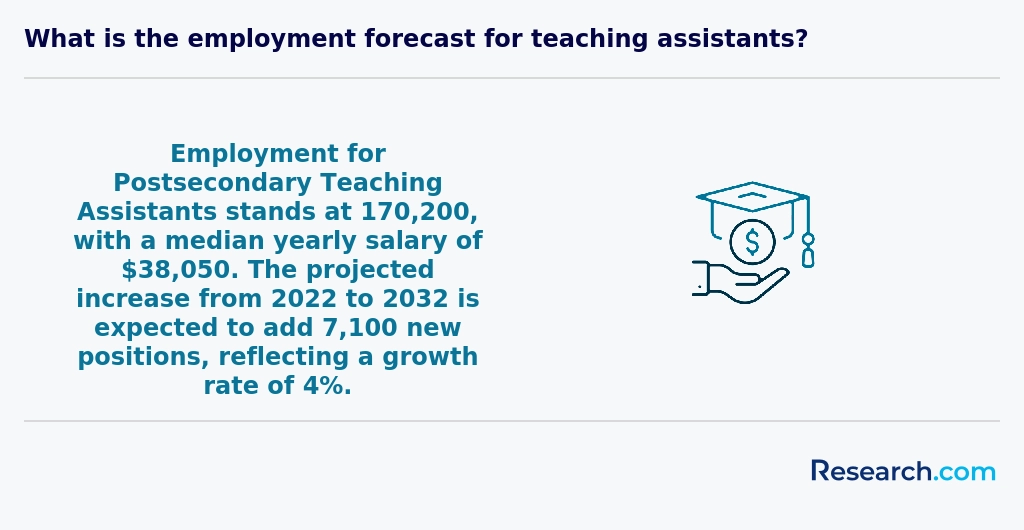
Graduates with an education degree in San Juan have a variety of rewarding career opportunities available. Many find fulfilling roles in public and private schools, teaching at elementary or secondary levels, or specializing in bilingual and special education. Those who studied at institutions like the University of Puerto Rico often share how their training prepared them to confidently handle diverse classroom environments, an essential skill given San Juan's bilingual population. These practical experiences highlight the strong job prospects for education graduates San Juan, especially within the Puerto Rico Department of Education.
Career paths also extend beyond teaching. Graduates often advance into educational administration roles such as school principals or curriculum coordinators, impacting educational policies and practices locally. Others thrive as educational technology specialists or instructional coordinators, guiding schools through digital tool integration and curriculum development. Adult education and counseling are additional areas where graduates contribute positively, supporting lifelong learning and student wellbeing.
Many students from popular San Juan universities enhance their prospects by pursuing further studies or certification. Those interested in accelerated options might explore 1 year phd programs online to boost qualifications and advance more quickly within the education sector.
The job market for education degree graduates in San Juan offers steady opportunities, especially within the city's diverse public and private school systems. Many graduates from institutions like the University of Puerto Rico at Río Piedras find roles in K-12 schools teaching core subjects such as math, science, and English. Bilingual education is also a growing field due to the city's Spanish-English demographic, increasing demand for qualified teachers. Those pursuing administrative or counseling positions similarly see positive employment prospects, aligning with the San Juan education degree employment outlook.
Graduates often share how the local job market rewards flexibility and specialization. For instance, specializing in special education or becoming certified in bilingual instruction can open more doors in the competitive job landscape. While salaries are generally lower than on the mainland, the balance against the local cost of living makes a career in education in San Juan practical and fulfilling.
Prospective students should explore options such as lucrative certificate programs to enhance employability and skillsets in this market. These targeted credentials complement education degrees and boost the chances of securing strong positions within San Juan's evolving educational environment.
2027 Most Valuable Education Degree Programs Ranking in San Juan
Investing in your education is a significant decision that can profoundly impact your future, and the Research.com team is fully aware of the importance of making well-informed choices. To support prospective students in San Juan, we have carefully developed the "2027 Most Valuable Education Degree Programs Ranking in San Juan." Our dedication to quality, credibility, and accuracy is evident through the rigorous analysis and thorough research behind this ranking.
We utilized the following reputable data sources to ensure a comprehensive evaluation of education degree programs:
By exploring this ranking, readers will gain valuable insights to identify the most beneficial education degree programs in San Juan, empowering them to make strategic decisions about their academic and professional futures. For more information on how this ranking was created, please visit our Research.com methodology page.

# 2 position
Universidad Ana G. Mendez-Cupey Campus
Bachelor of Early Childhood

# 6 position
Universidad Ana G. Mendez-Cupey Campus
Master of Arts in Education

# 10 position
Universidad Ana G. Mendez-Cupey Campus
Doctor of Education
Frequently Asked Questions About education
Education degree students in San Juan can maximize their learning experience by actively engaging in both coursework and practical training. Participating in student teaching assignments within local schools provides valuable, hands-on experience that complements academic studies. According to the Puerto Rico Department of Education, over 70% of education graduates benefit from early classroom exposure, which enhances job readiness.
Additionally, students should leverage resources offered by universities such as tutoring centers and career services. Networking with experienced educators in San Juan's diverse school districts can also provide insights into effective teaching strategies and local educational challenges. Staying informed about current U.S. educational standards helps align learning with national expectations.
The education field in San Juan is seeing growth in several emerging niches that align with broader U.S. trends. One key area is educational technology, where there is a rising demand for specialists who can integrate digital tools into classrooms. According to the National Center for Education Statistics, tech-focused teaching roles are expected to grow by 15% by 2030.
Another growing niche is special education, particularly in supporting students with diverse learning needs. San Juan's schools have increased hiring for special educators by 12% in recent years, reflecting national emphasis on inclusive education.
Additionally, bilingual education and ESL (English as a Second Language) instruction remain vital due to San Juan's diverse linguistic population.
Preparing for the job market after earning an education degree in San Juan involves practical steps aligned with the U.S. education system. First, gaining classroom experience through student teaching internships is essential. These placements, often required by Puerto Rico's Department of Education, strengthen practical skills and build local professional networks.
Next, obtaining state licensure is critical. Graduates must pass the Puerto Rico Teacher Certification exam to qualify for public school positions, a step that aligns with U.S. licensing standards.
Additionally, joining local education associations, such as the Puerto Rico Education Association, offers valuable resources and job leads. Networking at fairs and workshops enhances employment prospects.
According to the Bureau of Labor Statistics, San Juan's education sector sees steady growth, making early preparation key to success.
Employers in San Juan seeking education degree graduates prioritize strong communication skills. Effective verbal and written communication enables teachers to engage diverse classrooms and coordinate with parents. According to the Puerto Rico Department of Education, 78% of school administrators rank communication as a critical skill.
Additionally, classroom management is essential. Graduates must demonstrate the ability to maintain a positive learning environment and manage student behavior effectively.
Cultural competency is also increasingly valued, given San Juan's diverse student population. Understanding local languages and customs improves student engagement and inclusivity.
Finally, adaptability and proficiency in educational technology are growing priorities as schools integrate digital learning tools extensively.
Finding internships in San Juan relevant to an education degree involves strategic planning and local networking. Start by connecting with universities such as the University of Puerto Rico at Río Piedras, which often provide internship listings and career support tailored to education students.
San Juan's public and private schools offer numerous internship opportunities for aspiring educators, especially within the Department of Education of Puerto Rico. Students are encouraged to apply early as competition can be strong.
Additionally, organizations like the Puerto Rico Education Association sometimes list openings and host events for education majors to gain practical experience.
Utilizing online platforms and attending local job fairs can also increase chances of securing a relevant internship.
Holding an education degree in San Juan significantly enhances career mobility and advancement prospects within the local and regional job market. According to the Puerto Rico Department of Education, individuals with bachelor's or master's degrees in education are more likely to access higher-paying roles in public and private schools, including administrative and specialized teaching positions.
Moreover, educators with advanced certifications or graduate degrees often experience faster promotion opportunities. The city's demand for qualified teachers remains steady, supported by government initiatives to improve educational outcomes. This creates a competitive advantage for degree holders.
Data from the National Center for Education Statistics (NCES) highlights that San Juan educators with education degrees typically earn 15-20% more than those without formal qualifications, reinforcing the link between academic credentials and career growth.
Studying for an education degree in San Juan equips students with skills applicable across multiple disciplines. Programs emphasize collaboration between education, psychology, social work, and technology, preparing graduates for diverse roles within schools, community organizations, and policy-making bodies. According to the Puerto Rico Department of Education, over 60% of education graduates engage in interdisciplinary work within five years of completing their degrees.
Curricula include training in data analysis, communication, and curriculum development, enabling future educators to address complex challenges. Partnerships between local universities and institutions foster practical experiences in varied settings, enhancing adaptability. This multi-faceted approach aligns with the evolving needs of San Juan's educational landscape and workforce demands.
Choosing between a thesis and a non-thesis education degree program in San Juan depends on your career goals and learning preferences. Thesis programs typically require original research and a formal thesis paper, which is ideal for those interested in academic or research careers. Non-thesis programs usually focus on coursework and practical skills, fitting candidates aiming to enter the workforce quickly or improve professional practice.
San Juan's universities offer both formats, with about 40% of education master's students opting for thesis paths according to the Puerto Rico Council on Higher Education (2023). Consider your interest in research and your long-term plans when deciding.
Students based in San Juan seeking education degrees abroad have multiple options within the U.S. higher education system. Many Puerto Rican students choose universities in states known for strong education programs, such as New York, Florida, and California, due to cultural ties and diverse offerings. According to the National Center for Education Statistics, about 30% of Puerto Rican undergraduates enroll out-of-state, with education being a popular major.
Online and hybrid programs from accredited U.S. institutions offer flexible pathways for San Juan residents. These options allow students to study remotely while meeting licensure requirements in their home region. Additionally, some schools have partnerships with Puerto Rican institutions, facilitating credit transfers and bilingual teaching training.
In San Juan, several part-time job opportunities align well with education degree studies. Working as a teacher's assistant in local public or private schools provides practical classroom experience and enhances understanding of student needs. According to the Puerto Rico Department of Education, schools in San Juan often hire aides for bilingual education programs, reflecting the island's unique cultural context.
Another option is tutoring, especially in subjects like English and math, where there is steady demand. Many students seek extra help, and tutoring roles help future educators develop communication and instructional skills.
Libraries and community centers in San Juan also offer part-time roles related to literacy programs, allowing education students to apply theories in real settings. These roles improve organizational skills and community engagement, both valuable for aspiring educators.
Education students in San Juan benefit from multiple networking opportunities that help build valuable professional connections. Local universities such as the University of Puerto Rico, Río Piedras Campus, host events like education conferences, career fairs, and student organizations focused on teaching and administration.
These gatherings allow students to meet experienced educators, school administrators, and potential employers within the region. Additionally, San Juan's public schools often partner with higher education institutions for student teaching placements, which serve as important venues for building networks in real classroom environments.
Regional education associations also organize workshops and seminars, fostering collaboration and mentorship. According to the Puerto Rico Department of Education, over 70% of education graduates find employment locally through such connections, highlighting the importance of active networking while studying.
Alumni networks offer valuable benefits for education degree students in San Juan by fostering connections essential for career development. Graduates often gain access to mentoring opportunities, job leads, and professional advice through these networks. According to data from the University of Puerto Rico system, participation in alumni groups correlates with a 20% higher employment rate within six months of graduation.
These networks also provide platforms for workshops and seminars, helping students stay updated with the latest teaching methods and educational policies. Networking events held in San Juan frequently showcase partnerships with local schools and education agencies, increasing practical engagement.
Moreover, alumni support can assist with scholarship information and continuing education resources, promoting lifelong learning in education careers.
In San Juan, students pursuing education degrees can customize their programs to align with their specific career goals by selecting concentrations or electives offered by local universities. Options often include specializations such as early childhood education, bilingual education, special education, and educational leadership.
Many institutions in San Juan provide flexible course scheduling, including evening and online classes, to accommodate working professionals. According to the Puerto Rico Council of Education, tailoring a degree with relevant certifications-such as TESOL or school administration-enhances employment prospects in regional public and private schools.
Internships and fieldwork opportunities within San Juan's diverse school districts also help customize practical experience. Understanding local community needs and schools' cultural contexts is recommended when choosing program components.
Education students in San Juan often face several challenges that can impact their academic progress and career preparation. A significant issue is the limited availability of internship placements in local schools, which are essential for gaining practical experience. According to the Puerto Rico Department of Education, only about 60% of students enrolled in teacher preparation programs secure fieldwork opportunities on time.
Financial difficulties also affect many students. Tuition and living costs in San Juan have steadily increased, while financial aid options remain limited compared to other U.S. regions. This often forces students to balance part-time jobs with rigorous coursework.
Additionally, language barriers can be challenging, as many programs require proficiency in both Spanish and English to effectively teach diverse classrooms. These combined factors contribute to a demanding environment for education majors in the region.
With an education degree obtained in San Juan, graduates can pursue several professional certifications that enhance their teaching credentials and career prospects. The most common certification is the Puerto Rico Department of Education's teaching license, which authorizes practice in public schools. This license often requires passing the Praxis exams or equivalent.
Other certifications include Special Education certification, which is in high demand across San Juan's public and private schools. Additionally, many educators opt for bilingual or ESL (English as a Second Language) certifications, reflecting the region's linguistic diversity.
Advanced certifications like National Board Certification provide further professional recognition and salary benefits.
To write a winning application for an education program in San Juan, start by thoroughly researching the specific institutions and their requirements. Many universities, including the University of Puerto Rico in San Juan, value clear articulation of your career goals and a strong personal statement. Highlight relevant teaching experiences or volunteer work, as practical exposure is highly regarded. According to the U.S. Department of Education, emphasizing your understanding of educational theories combined with local cultural awareness can strengthen your application. Be sure to request strong recommendation letters from academic or professional references familiar with your commitment to education. Finally, proofread carefully to avoid errors.
Education careers in the United States, including San Juan, are viewed globally as vital for societal development and economic growth. According to the Bureau of Labor Statistics, employment for preschool, primary, secondary, and special education teachers is projected to grow 7% from 2021 to 2031, reflecting steady demand. San Juan benefits from this trend, with local universities offering diverse programs aligned with national standards.
Globally, educators trained in the US are respected for their strong pedagogical skills and practical experience. The emphasis on inclusive education and technological integration prepares graduates to address varied learning needs. Additionally, US education degrees often meet international benchmarks, making them valuable for those considering teaching roles abroad or in multicultural environments within Puerto Rico.
Research from the National Center for Education Statistics highlights that US degrees emphasize both theory and hands-on practice, which enhances employability worldwide. For students in San Juan, this means access to globally recognized qualifications while staying within the local education ecosystem.
Gaining practical experience while studying for an education degree in San Juan is essential for developing teaching skills and improving job prospects. Many universities in the region, such as the University of Puerto Rico at Río Piedras, offer student teaching placements within local schools. These internships allow candidates to apply theories in real classrooms under the supervision of experienced educators.
Additionally, some programs encourage volunteer work in community education centers, which broadens understanding of diverse student needs. According to the Puerto Rico Department of Education, participating in these hands-on experiences can increase job placement rates by up to 20% after graduation.
Networking through education workshops and local teaching associations in San Juan also supports practical learning and professional growth.
Choosing the right concentration within an education degree program in San Juan begins with understanding local demand. According to the Puerto Rico Department of Education, areas like bilingual education and special education are growing due to diverse student needs. Reflect on your personal interests and strengths, whether it's early childhood, secondary education, or administration.
Research programs offered by universities such as the University of Puerto Rico at Río Piedras, which provides specialized tracks aligned with regional job markets. Consider practical factors like internship availability, certification requirements, and long-term career opportunities in San Juan's public and private schools.
See What Experts Have To Say About Studying Education
Read our interview with Education experts

Nooshan Ashtari
Education Expert
Professor & Book Author
University of Southern California

Alan J. Singer
Education Expert
Professor of Teaching, Learning and Technology
Hofstra University

- Teaching Job Roles | Teach For Life https://www.teachforlife.com/teachingjobs/global-perspectives-teacher
- From Good to Great in Puerto Rico - TNTP https://tntp.org/case-study/from-good-to-great-in-puerto-rico/
- Students: This is How You Should Prepare for the Job Market https://www.agencycentral.co.uk/articles/students-this-is-how-you-should-prepare-for-the-job-market/
- Engineering, Technology + Sciences | San Juan | College Study Abroad | CIEE https://www.ciee.org/go-abroad/college-study-abroad/programs/puerto-rico/san-juan/engineering-technology-sciences
- What Can I Do With a Teaching Degree (Besides Teach)? https://www.alleducationschools.com/blog/what-can-i-do-with-a-teaching-degree-besides-teach/
- Education Technology Trends to Watch in 2065: 10 Innovations Shaping the Future of Learning https://www.digitallearninginstitute.com/blog/education-technology-trends-to-watch-in-2026
- Know more about thesis vs non- thesis: what is the difference? https://studyfans.com/en/blogs/816
- PACE - San Juan Unified Newcomer Support https://edpolicyinca.org/publications/san-juan-unified-newcomer-support
- The 8 challenges of education in a changing world https://casvitrescantos.com/en/the-8-challenges-of-education-in-a-changing-world/
- Tuition Fees – University of Puerto Rico https://www.uprrp.edu/english/admissions/tuition-fees/