
2027 Fastest Online Master's in Education Degree Programs Ranking in Virginia

Co-Founder and Chief Data Scientist
Are you considering advancing your career with a master's degree in education? Choosing the right program can be overwhelming, especially with so many options available online in Virginia.
This article presents the 2027 Fastest Online Master's in Education Degree Programs Ranking in Virginia, developed by the Research.com team of data scientists. It's designed to guide you toward programs that offer both quality and efficiency, helping you make a well-informed decision.
Explore opportunities that fit your lifestyle and career goals while boosting your confidence in the future you're building. Earning an education degree opens new doors and inspires meaningful impact.
Key benefits of getting online education degree in Virginia
- Graduates with an education degree in Virginia can expect competitive salaries, such as Education Managers earning about $129,330 annually and Education Program Managers around $104,920, providing strong financial incentives.
- Career paths from Virginia universities include roles like Higher Education Professors or Curriculum Specialists, offering diverse opportunities to impact student learning and administration.
- Obtaining an online education degree in Virginia offers flexibility and convenience, allowing graduates to balance work and study while gaining skills that are respected by employers statewide.
- 2027 Fastest Online Master's in Education Degree Programs Ranking in Virginia
- What can I expect from online education degree in Virginia?
- Where can I work with online education degree in Virginia?
What can I expect from online education degree in Virginia?
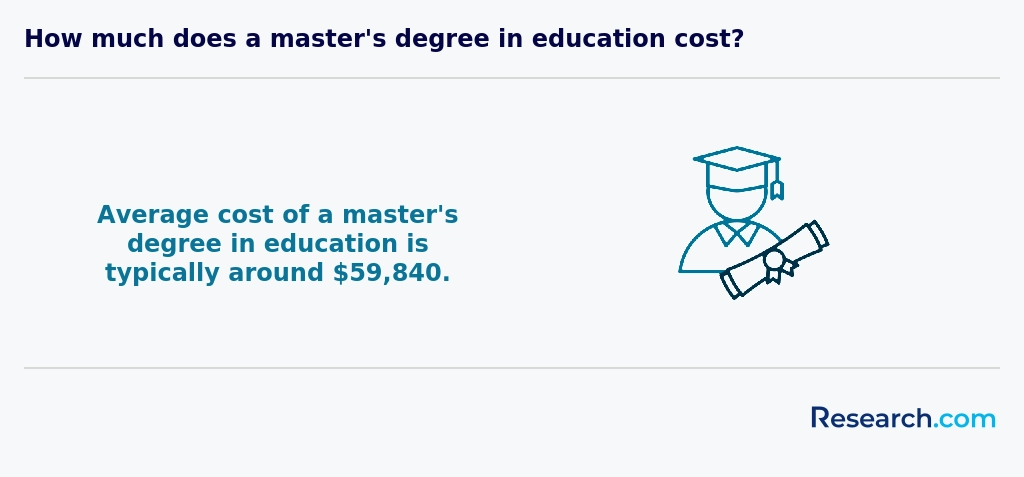
If you're thinking about an online education degree in Virginia, you'll find the cost usually falls between $10,000 and $25,000. This range depends on whether you're going for a shorter certification or a full Master's program. For example, graduates from popular schools like George Mason University or Virginia Commonwealth University often mention how manageable the tuition felt compared to traditional on-campus programs.
Many students appreciate that in-state tuition rates at public universities keep expenses reasonable, making it easier to balance those school bills with daily life without feeling overwhelmed. One recent grad shared how paying for their M.Ed. online allowed them to keep working a part-time job while still progressing toward their goal.
Keep in mind, some programs might have a few extra fees here and there, but the major cost is your tuition. Plus, because most programs are accredited by CAEP, many students qualify for federal financial aid, which can be a big relief financially.
Overall, Virginia's options make pursuing your education goals doable without breaking the bank, so you can focus more on learning and less on stressing about money.
Where can I work with online education degree in Virginia?
If you're earning an online education degree in Virginia, you've got plenty of cool career options waiting for you. Many grads jump right into teaching K-12 students at public or private schools, especially in high-demand areas like math, science, or special ed. Imagine working in classrooms across Virginia, from bustling Richmond to peaceful rural towns. Universities like Old Dominion and James Madison often share stories of their graduates landing these teaching gigs, which is pretty inspiring!
But it's not just teaching-some grads find their groove in school leadership roles, like assistant principals or curriculum coordinators. Lots of online programs in Virginia offer master's degrees that help open these doors. If you love working with little ones, daycare centers and preschool programs tied to Virginia's Pre-K initiative are hiring, too.
And don't forget about higher ed or education tech jobs based in Northern Virginia or Richmond. Whether helping college students as advisors or designing online lessons, graduates from Virginia Commonwealth University and others are making a real difference.
If you're wondering how much you can make with an online education degree in Virginia, there are some pretty encouraging numbers to know. Graduates from schools like James Madison University or Virginia Commonwealth University often step into roles like education managers, where the average salary can hit about $129,330 a year. That's a solid paycheck for leading schools or programs!
Others who take on roles as education program managers make around $104,920 annually, handling the nuts and bolts of education projects and initiatives. Curriculum specialists, who are essential in designing what students actually learn, earn about $77,200 on average. And if you're leaning toward consulting, education consultants pull in near $95,600 yearly, helping schools improve teaching methods and policies.
Many graduates share that starting with a master's degree-especially one earned online-boosts your earning potential significantly. Plus, being in Virginia means you can tap into a growing market hungry for certified educators who understand digital learning and leadership, which feels pretty awesome when you're ready to start your career.
- Many public universities in Virginia, like Old Dominion University and George Mason University, offer fully online master's degrees in education accredited by SACSCOC.
- The cost for in-state students typically ranges from $400 to $700 per credit hour, with total master's degrees costing between $12,000 and $25,000.
- Graduates usually earn between $45,000 and $55,000 annually, with experienced education professionals making about $65,000 to $75,000 per year.
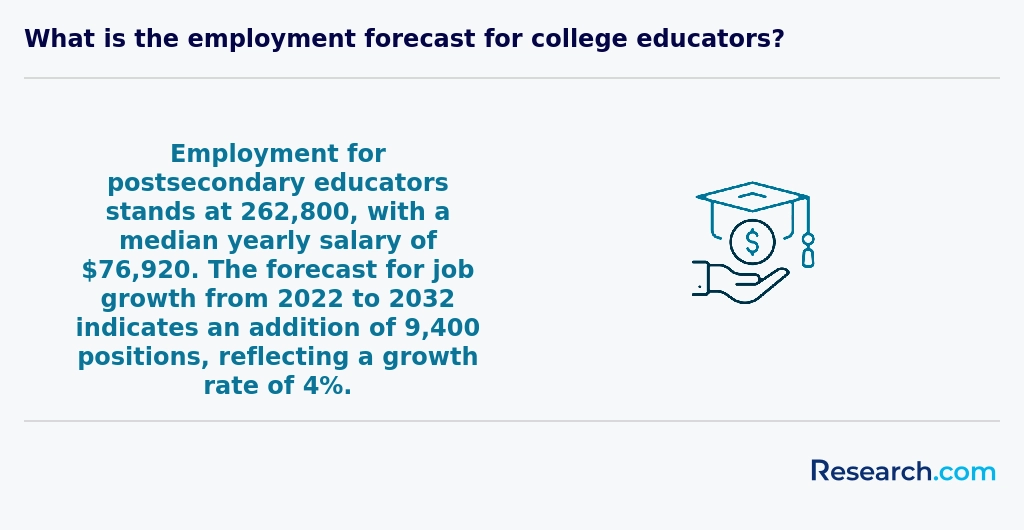
- Education jobs in Virginia are projected to grow around 4% annually, especially in special education, STEM teaching, and educational administration.
- Many programs include licensure preparation to help graduates meet state certification requirements for teaching in public schools.
If you're wondering how long it takes to finish an online education degree in Virginia, it really depends on your pace and goals. For a bachelor's degree, most folks studying full-time wrap it up in about four years. But if you're juggling work or family, part-time is common and may stretch it to five or six years-totally normal and manageable.
Many graduates from places like George Mason University love that the master's programs can be done in as little as 18 months if you go full steam ahead. Otherwise, taking it slower over two or three years works great too. It's all about balancing life and studies, especially since these programs are designed for busy adults.
Doctoral degrees, like the Ed.D., tend to take anywhere from three to five years. Students often appreciate the flexibility, fitting their research and dissertation work around their schedules.
One graduate shared how starting at Northern Virginia Community College and transferring credits helped speed up their journey. Flexible start dates and accelerated formats make online education accessible without the usual time pressure.
Looking ahead, online education in Virginia is poised for significant transformation driven by emerging digital technologies and evolving teaching methodologies. Institutions are increasingly adopting adaptive learning platforms and artificial intelligence to enhance personalized instruction, ensuring that future educators remain competitive in a rapidly changing academic landscape. With the continued integration of virtual reality simulations and interactive course modules, students can expect an even more immersive learning experience that closely mirrors in-person interactions. Moreover, the rise of micro-credentials and accelerated degree programs-such as a list of short edd online degrees-is redefining how professionals upskill and pivot throughout their careers. These innovative formats offer flexibility and targeted skill development, enabling graduates to quickly adapt to the growing demands of both traditional education roles and emerging sectors like educational technology and online curriculum development. In addition, data-driven decision-making is becoming integral to program design and student support services. Enhanced analytics are not only optimizing course delivery and student engagement but are also providing critical insights into workforce trends, job placement rates, and long-term career success. As a result, students can confidently invest in online education programs that are both forward-thinking and aligned with industry demands.
If you're thinking about getting an education degree in Virginia, one biggie to know is how online and on-campus programs really differ. Online degrees, like those offered through schools such as Liberty University or Old Dominion University, give you the freedom to study whenever and wherever you want. Imagine finishing coursework after the kids are asleep or squeezing in a lecture during your lunch break at work-that flexibility is a lifesaver for many busy folks.
On the flip side, going the traditional on-campus route at places like the University of Virginia means you get that face-to-face vibe-chatting with professors right after class or joining study groups in person. Graduates often talk about how those in-person moments helped them feel more connected and engaged.
Cost-wise, some programs charge the same for online and in-person, but online students save a bundle on things like commuting and housing. Plus, Virginia's online degrees meet solid state standards, so you're not missing out on quality either way.
Earning an online Master’s in Education in Virginia not only advances your pedagogical knowledge but also positions you for state licensure. To qualify for a Virginia Professional Teaching License (PTL), graduates must: • Enroll in a Board of Education–approved program: Ensure your online Master’s is accredited by the Virginia Department of Education. • Complete required exams: Most programs prepare candidates for the Praxis Core Academic Skills and Praxis II content-area assessments. • Fulfill practicum and internship hours: Accredited online degrees include supervised clinical experiences in K–12 settings, meeting Virginia’s minimum of 120 field hours. • Submit official transcripts and exam scores: Upon graduation, candidates apply to the Virginia Board of Education through the Educator Information Management System (EIMS). • Maintain ongoing professional development: After initial licensure, educators must complete continuing education (renewal every five years) and may choose endorsement areas like Special Education or ESL. For budget-conscious candidates, exploring cost-effective pathways can further streamline your journey toward licensure. Consider our Inexpensive Online Education Degree Programs Ranking in Greenville, NC to compare tuition rates and program quality. By aligning your online Master’s curriculum with Virginia’s endorsement requirements and certification steps, you’ll transition smoothly from student to licensed educator, ready to make a meaningful impact in classrooms statewide.
If you're wondering about the average cost of a online education degree in Virginia, you can expect to pay around $20,000 total, with in-state students typically seeing a bit less, near $19,800, and out-of-state students paying closer to $24,395. This makes pursuing an online education degree in Virginia a fairly affordable option compared to some other states, especially if you qualify for in-state tuition.
Many graduates from schools like George Mason University or Old Dominion University share how they appreciated manageable tuition rates combined with flexible online classes. Those programs balance quality and cost, making it easier to study while working or handling family commitments. Virginia's public universities really prioritize keeping education accessible, which is a big plus for anyone budgeting their future.
Looking into Virginia online master's in education tuition fees, you'll find they're often charged per credit hour, roughly between $500 and $900 for in-state students. So if you're taking about 30 credits for a full master's degree, you can estimate around $15,000 to $27,000 total-still reasonable given the flexibility and support these programs offer. Private schools like Liberty University usually cost more, sometimes $20,000 to $30,000 or above, but they also provide scholarships that can help lower costs.
It's smart to check out the best education program in Virginia options to decide what fits your budget and goals. Plenty of students find this approach makes going back to school online an exciting and achievable step forward without overwhelming expenses.
In order to teach in a Virginia public school, graduates of online Master’s in Education programs must satisfy state licensure requirements overseen by the Virginia Department of Education (VDOE). First, candidates must hold a regionally accredited bachelor’s degree and complete a state-approved educator preparation program, which many online universities offer with embedded licensure tracks. Next, prospective teachers must pass the Praxis Core Academic Skills for Educators (Reading, Writing, and Mathematics) and the Praxis II Specialty Area test relevant to their chosen endorsement (e.g., Elementary Education, Special Education or ESL). After meeting these examination benchmarks, applicants submit an official licensure application via the VDOE’s VBPD Portal, including official transcripts, proof of completed field experiences (typically 30–50 supervised hours), and a background check. Online programs often coordinate internship placements and virtual mentorships to ensure compliance with VDOE’s clinical experience requirements, helping candidates transition smoothly from coursework to classroom. Understanding the financial and academic considerations of licensure is critical for many students. Tuition differences among online programs can impact budget planning for exam fees (approximately $120 per Praxis test) and application costs (around $50 for initial licensure). For those seeking cost-effective pathways, the Inexpensive Online Education Degree Programs Ranking in Greenville, NC provides a curated list of budget-friendly institutions that still align with Virginia’s teacher preparation standards. Additionally, candidates may leverage state scholarships-such as the Virginia Teaching Scholarship Loan Program-and federal TEACH Grants, which reward service in high-need areas. By strategically choosing an accredited online program with integrated licensure support and exploring available financial aid, aspiring educators can meet Virginia’s certification benchmarks efficiently and launch a successful teaching career.
If you're going after an online education degree in Virginia, there's a good chance you'll tap into some solid financial aid options. For instance, many grads from schools like James Madison University or Old Dominion University talk about how filling out the FAFSA opened doors to federal help like Pell Grants-money that doesn't have to be paid back-which can seriously ease your wallet.
On top of that, living in Virginia means you can snag state-specific perks. The Virginia Tuition Assistance Grant is a favorite for those attending private colleges, while public university students benefit from the Virginia State Grant. "Get2College" also offers great scholarships and planning tips, which a lot of Virginians find super helpful when juggling work and classes.
Then there's the bonus for teachers and aspiring educators: associations like the Virginia Education Association offer scholarships that reward staying committed to teach in-state. Plus, many school districts in Virginia chip in with tuition assistance, making continuing education much easier for working professionals.
Most importantly, don't overlook the personalized aid from universities themselves-merit scholarships, assistantships, or need-based aid are common, especially at places like George Mason University. Just reach out to their financial aid office to find your best fit.
Understanding the return on investment (ROI) for an online Master’s in Education is crucial for prospective students weighing tuition costs against future earning potential. On average, Virginia residents pay between $20,469 (in-state) and $27,889 (out-of-state) for their online education degree, translating to a total investment of roughly $25,000 to $30,000 when factoring in fees and materials. Given that entry-level teaching positions start around $45,000–$50,000 annually and administrative roles can exceed $70,000, most graduates recoup their educational expenses within three to five years of full-time employment. To maximize ROI, students should explore cost-saving options such as in-state tuition, employer tuition reimbursement, and scholarships. For example, comparing tuition rates across institutions can reveal more affordable pathways; those interested in budget-friendly programs may consult the Inexpensive Online Education Degree Programs Ranking in Greenville, NC to identify models that could further shorten payback periods. Additionally, accelerated program tracks and credit transfers can reduce the number of required credit hours, lowering overall costs and enabling an earlier salary increase. When evaluating ROI, consider not only direct financial gains but also intangible benefits such as improved career mobility, leadership opportunities, and job satisfaction. By analyzing salary trajectories, time to degree completion, and long-term career prospects, prospective students can make data-driven decisions that align their financial investment with personal and professional goals.
If you're thinking about enrolling in an online education degree in Virginia, there are a few key things you'll need to have sorted out first. For most undergrad programs, getting your high school diploma or GED ready is step one. You'll likely need to submit your transcripts showing you've finished secondary school, and while some schools might ask for SAT or ACT scores, many popular Virginia colleges have made testing optional, so that's a big relief for lots of students.
For those aiming at a master's degree, like the M.Ed., the story changes a bit. Most folks share that holding a bachelor's degree is a must, but it doesn't always have to be in education. Some universities, like those well-known in Virginia, often look for a solid GPA (usually around 3.0) and might want a few letters of recommendation-think professors or employers who know your work well.
Graduates from these programs say having a personal essay or statement of purpose ready can really help show your passion. Plus, if you didn't major in education before, some prereq courses in education or psychology might be on your to-do list to get you up to speed.
When deciding on an online education program in Virginia, it's essential to consider several factors that can significantly impact one's academic and professional journey. Prospective students should weigh the benefits of each program, including factors such as accreditation, flexibility, support services, and financial aid options. For instance, understanding the best education program in Virginia can provide valuable insights into the quality and recognition of the degree. Additionally, considering the specific specializations offered, such as early childhood education, special education, or educational leadership, can help students align their educational goals with their career aspirations. By carefully evaluating these aspects, students can make informed decisions that set them up for success in their chosen field, whether it be in traditional teaching roles, educational administration, or specialized areas like curriculum development or educational technology.
If you're diving into an online education degree in Virginia, expect to get a solid mix of courses that really prepare you for the classroom and beyond. Graduates from big-name schools like James Madison University or Virginia Commonwealth University often say courses like Educational Psychology help them truly connect with how students think and grow. It's more than just theory-these classes bring real moments, like figuring out why a middle schooler might struggle with math or reading.
Instructional Design and Curriculum Development is another staple. Imagine crafting lesson plans that actually click with different learning styles-graduates love how this course preps them to be creative and flexible teachers.
Plus, you'll tackle Assessment and Evaluation, which is all about figuring out how well your students are doing and adjusting your approach. Many grads appreciate the classroom management strategies too, which come in handy when balancing energy and focus during live lessons, even in virtual settings.
With Virginia's emphasis on educational technology, you'll also get comfortable weaving in tools like apps and online resources, which make learning engaging-something all Virginia graduates highlight as a game changer for staying connected with students.
If you're diving into an online education degree in Virginia, you'll find plenty of ways to specialize to fit your career goals. Many grads from popular Virginia universities say specializations like curriculum and instruction really helped them craft hands-on teaching skills for K-12 classrooms. Others loved focusing on educational leadership, which preps you for roles like principal or district administrator-perfect if you see yourself steering education at a higher level.
Virginia online master's in education concentrations also include special education, a field where there's a lot of demand and rewarding work helping students with learning challenges. Instructional technology is another exciting option, blending digital tools with teaching, and it's becoming a must-have skill as more classes go remote or hybrid. Some students also explore niches like literacy education or adult education, both big in Virginia's evolving education landscape.
If you want to see all your options laid out, check out this list of short edd online degrees to get an idea of program lengths and paths.
When you're hunting for the best online education degrees Virginia offers, start by checking if the program is accredited by SACSCOC. Graduates from Virginia Commonwealth University often rave about how accreditation gave their degree real value with employers. Next, think about what specialization fits your journey-whether it's educational leadership or special ed-making sure it matches what you want to do after graduation. Many students love how James Madison University tailors courses to help with state teaching licensure, which is a big plus if you want to teach in Virginia public schools.
Cost matters too-financial stress can be real. Students share how comparing tuition and financial aid options helped them pick affordable online master's in education Virginia programs that fit their budgets. If you want tips on keeping your costs down, check out the Inexpensive Online Education Degree Programs Ranking in Greenville, NC for ideas near Virginia. Finally, look for schools with friendly faculty and strong student support, since those resources make a huge difference when studying online.
If you're thinking about career opportunities with online education degree Virginia programs, there's a lot to get excited about. Many graduates from well-known schools in the state find themselves stepping straight into teaching jobs for online education graduates Virginia, especially in K-12 classrooms. These roles are perfect for those who want to make a real impact on young learners while enjoying the flexibility of teaching in public or private schools.
But it doesn't stop there. A lot of graduates also discover leadership roles like school administration or becoming curriculum coordinators, which add a whole new layer of responsibility and satisfaction. Plus, Virginia schools love hiring folks who know their way around educational technology, instructional design, or special education coordination - all skills you'd likely pick up in your online education program.
And if you're eyeing higher ed, many graduates from popular colleges in Virginia turn to positions as academic advisors or student services pros. If you're thinking about advancing further, checking out the cheapest phd programs online could be an exciting next step!
The job market for online education degrees in Virginia is looking pretty bright right now. Graduates from popular schools like the University of Virginia or James Madison University often find themselves stepping right into teaching roles or education-related jobs without much hassle. Many grads share how their online programs prepared them well not just for classroom teaching but also opportunities in curriculum design or tech coordination in schools. This flexibility really broadens the horizon beyond just being a teacher.
If you're thinking about employment opportunities for education graduates in Virginia, there's good news: the state regularly fills around 2,000 new teaching positions each year, often favoring those with advanced online degrees. Plus, thanks to teacher shortages in areas like special education and STEM subjects, graduates with those specialties have a real shot. On top of that, Virginia's competitive salaries, averaging about $60,000 for public school teachers, make it easier to feel confident about the investment you're making in your education.
One Virginia graduate mentioned how choosing an online program accredited by CAEP helped them meet all teaching license requirements. It's smart if you want to explore options like the cheapest online doctorate routes too, which can boost your credentials and job prospects even more.
2027 Fastest Online Master's in Education Degree Programs Ranking in Virginia
Investing in your education is a significant decision that can shape your future, and the Research.com team understands the importance of making informed choices. To assist prospective students in Virginia, we have meticulously crafted the "2027 Fastest Online Master's in Education Degree Programs Ranking in Virginia." Our commitment to quality, credibility, and accuracy is reflected in the extensive research and analysis conducted to compile this ranking.
We utilized the following reputable data sources to ensure a comprehensive evaluation of education programs:
By exploring this ranking, readers will gain valuable insights into the fastest online master's programs in education available in Virginia, empowering them to make informed decisions about their academic and professional futures. For more details on our methodology, please visit our Research.com methodology page.






# 9 position
Eastern Virginia Medical School
Master of Medical & Health Professions Education

# 10 position
Mary Baldwin University
Master of Education

Frequently Asked Questions About education
Online education degree students in Virginia can enhance their learning by actively engaging with course materials and participating in virtual discussions. Research shows that students who collaborate regularly with peers tend to retain information better and develop critical thinking skills. Virginia's higher education institutions often provide access to online tutoring and academic advising, which are valuable resources for staying on track.
Setting a consistent study schedule is crucial, especially when balancing work and family commitments. According to the Virginia Department of Education, approximately 68% of online degree students benefit from time management support services. Additionally, utilizing digital libraries and Virginia's public university resources can broaden research capabilities and deepen understanding.
Finally, seeking out internships or practicum opportunities within Virginia's education sector can offer practical experience, reinforcing theoretical knowledge gained online.
Emerging niches within the education field reflect changing demands in Virginia's workforce and learning environments. One key area is educational technology, where professionals design and implement digital tools for classrooms. This niche grew by over 15% in Virginia from 2019 to 2023, according to the Virginia Employment Commission.
Another growing sector involves special education, especially for students with autism and learning disabilities. Virginia schools increasingly seek specialists trained in these areas.
Additionally, adult and continuing education programs are expanding to meet workforce retraining needs. Online education degrees often focus on these emerging fields, offering flexible paths for professionals in Virginia.
Preparing for the job market after earning an online education degree in Virginia requires strategic planning and active engagement. Graduates should focus on obtaining relevant teaching certifications recognized by the Virginia Department of Education, which is essential for many K-12 positions. Networking through Virginia-based education associations, such as the Virginia Education Association, can open doors to job opportunities.
Building practical experience through student teaching or internships, even during online programs, strengthens resumes. According to the Bureau of Labor Statistics, the demand for education professionals in Virginia is projected to grow by 6% from 2022 to 2032.
Additionally, leveraging Virginia's Career Works system offers valuable job search resources tailored for educators planning to enter the workforce within the state.
Employers hiring education degree graduates in Virginia prioritize a blend of practical and interpersonal skills. According to the Virginia Department of Education, strong classroom management is essential. Graduates must demonstrate the ability to create positive learning environments that support diverse student needs.
Effective communication skills rank highly, allowing teachers to engage students, parents, and colleagues. Additionally, proficiency with educational technology is increasingly important, given Virginia's drive to integrate digital tools in classrooms statewide.
Analytical skills to assess student progress and adapt instruction accordingly are also requested. According to the Bureau of Labor Statistics, Virginia schools value candidates who show collaboration abilities and a commitment to ongoing professional development.
Finding internships in Virginia relevant to an education degree involves exploring multiple local resources. Many Virginia public schools and school districts, such as Fairfax County Public Schools and Virginia Beach City Public Schools, offer internship opportunities for education students. These programs often provide hands-on classroom experience supervised by certified educators.
Universities like Virginia Commonwealth University and George Mason University typically have career services that assist students in securing internships in nearby educational settings. Additionally, websites like Virginia's Department of Education and Handshake offer postings specifically for education-related internships.
Networking through professional organizations, including the Virginia Association of Colleges for Teacher Education (VACTE), can also help connect prospective interns with school districts and educational nonprofits. According to the National Center for Education Statistics, internships increase practical skills and employment prospects, making them an essential step for education degree students in Virginia.
An online education degree in Virginia can significantly enhance career mobility and advancement opportunities. According to the Virginia Department of Education, educators with advanced degrees, including online master's programs, are more likely to qualify for leadership roles such as instructional coordinators or school administrators.
Virginia's commitment to flexible learning options has enabled working professionals to continue their education without disrupting careers. This flexibility allows candidates to gain credentials needed for promotions and salary increases, especially in underserved regions where access to physical campuses is limited.
Data from the National Center for Education Statistics shows that educators holding graduate degrees earn approximately 15% more on average, a trend that holds true in Virginia's public school system. Additionally, online degrees accredited by bodies like the Council for the Accreditation of Educator Preparation (CAEP) meet state licensure requirements, maintaining professional credibility.
Studying for an education degree online in Virginia equips students with skills that transcend traditional teaching roles, preparing them for interdisciplinary careers. Virginia's higher education institutions emphasize collaboration between education, psychology, technology, and leadership disciplines. This integrated approach reflects trends identified by the Virginia Department of Education, which highlights a growing demand for educators who understand diverse learning environments and digital tools.
Online programs often include coursework in data analysis, instructional design, and counseling techniques, helping degree holders work across multiple sectors like education, social services, and administration. According to the National Center for Education Statistics, Virginia ranks among the top states in innovative education programs, which supports interdisciplinary training.
When choosing between a thesis and a non-thesis education degree program in Virginia, students should consider their career goals and learning preferences. Thesis programs typically involve original research and are ideal for those aiming to pursue doctoral studies or research-oriented careers. Non-thesis options often focus more on practical skills and coursework, suitable for educators seeking advanced knowledge without the demands of extensive research.
Virginia's higher education system offers both options, with many accredited institutions providing flexible online formats. According to the Virginia Department of Education, about 40% of master's graduates in education pursue non-thesis tracks, reflecting strong demand for applied learning.
Financial and time commitments also differ; thesis programs generally require more time to complete. Students should verify program accreditation and examine faculty expertise to ensure alignment with their goals.
Students in Virginia seeking education degrees with an international focus have several options for studying abroad through online programs. Many accredited Virginia institutions partner with universities overseas, allowing learners to earn a U.S.-recognized degree while engaging with global education perspectives. According to the Virginia Department of Education, programs in collaboration with institutions in Europe and Asia emphasize cross-cultural teaching methods and curriculum development.
Moreover, some Virginia universities offer study abroad opportunities integrated within online master's in education programs. These often include short-term residencies or virtual exchanges. The Council for Higher Education Accreditation (CHEA) acknowledges that such hybrid models enable students to gain international experience without relocating.
Financial aid and scholarships may be available specifically for these global learning initiatives, supported by Virginia's state education funds and private foundations.
Virginia offers several part-time job opportunities that effectively complement online education degrees. Many students work as teacher assistants in public schools, gaining hands-on experience while earning to support their studies. According to the Virginia Department of Education, these roles help develop classroom management and instructional skills. Additionally, tutoring positions are widely available, particularly in high-demand subjects like math and reading, allowing students to apply their knowledge directly.
Some students find roles as substitute teachers, a flexible option that provides exposure to diverse educational environments. Local libraries and community centers also hire education students for after-school programs or literacy initiatives. Such positions strengthen communication and leadership skills, essential for future educators in Virginia's growing school system.
Online education students in Virginia have several networking opportunities despite physical distance. Many universities, such as Virginia Commonwealth University and George Mason University, provide virtual career fairs and online student organizations aimed at education professionals. These platforms connect students with alumni, faculty, and local educators across the state.
The Virginia Department of Education and state education associations also host webinars and conferences accessible to online learners, where students can engage with peers and experts in the field.
Additionally, social media groups and LinkedIn communities focused on Virginia educators help online students build professional networks within the region.
Alumni networks play a crucial role for online education degree students in Virginia by providing valuable professional connections. These networks link graduates to experienced educators and administrators, enhancing job prospects across Virginia's diverse school districts. According to the Virginia Department of Education, having access to strong networks can improve employment outcomes by up to 20% for education graduates.
Moreover, alumni groups offer mentorship, career advice, and resources tailored to Virginia's unique educational standards and policies. They help online students feel connected despite physical distance, fostering a sense of community and shared goals within the state's education sector.
Customizing an online education degree program in Virginia allows students to align their studies with specific career objectives. Many Virginia institutions offer flexible curricula where learners can choose concentrations such as educational leadership, special education, or curriculum development. This enables students to gain relevant skills tailored to areas in demand within the state's education sector.
Virginia's online degree programs also often provide practicum or internship options that can be selected according to students' career goals. These real-world experiences enhance professional readiness.
Additionally, accreditation by the Virginia Department of Education and regional bodies ensures that degrees meet professional standards, supporting licensure and career advancement across the state.
Online education students in Virginia often face several common challenges. Limited access to high-speed internet in rural areas can affect approximately 15% of Virginians, creating difficulties in attending live sessions or downloading course materials, according to the Virginia Department of Education.
Time management is another significant issue, as many students balance work, family, and study, leading to stress and potential delays in degree completion. A 2023 survey from the National Center for Education Statistics highlights that self-discipline is crucial for success in online learning environments.
Additionally, some students report feeling isolated due to reduced face-to-face interaction, which can affect motivation and engagement. Navigating financial aid specific to online programs can also pose hurdles.
An online education degree in Virginia opens the door to several professional certifications that enhance career opportunities. Graduates often pursue the Virginia Department of Education's teaching licenses, which include the Professional Teaching License (PTL) allowing teaching in K-12 schools. Additionally, certifications in special education and English as a Second Language (ESL) are popular paths.
Many educators also seek National Board Certification, recognized nationwide for excellence in teaching. According to the Virginia Department of Education, over 1,500 educators in Virginia hold this certification, boosting their credentials and salary potential.
Online degree holders may also qualify for roles requiring administrative licenses, such as school principal or supervisor certifications. These credentials ensure compliance with Virginia's education standards and improve leadership skills.
Applying to an online education program in Virginia requires clear, focused preparation. Start by researching accredited Virginia institutions, such as those listed by the Southern Association of Colleges and Schools Commission on Colleges (SACSCOC). This ensures your degree will be recognized and respected.
Highlight your teaching experience or relevant background, since many programs value practical knowledge. Address why you want to pursue an online degree specifically in Virginia, mentioning any state-specific educational goals.
Strong personal statements and recommendation letters are crucial. According to the Virginia Department of Education, emphasizing dedication to improving local education may strengthen your application.
Finally, meet all deadlines carefully and provide complete documentation to avoid delays in processing your application. Attention to detail reflects professionalism, a key trait for educators.
The global perspective on an education career emphasizes the increasing value of skilled educators in diverse learning environments. Within the United States, including Virginia, education professionals are part of a competitive and evolving field focused on meeting international standards and incorporating technology in the classroom.
According to the National Center for Education Statistics, Virginia's teacher workforce is growing, with over 120,000 educators in public schools as of 2022. This reflects a regional commitment to quality education and global awareness in teaching practices.
Online education degrees in Virginia prepare students to engage with worldwide educational trends, such as inclusive learning and digital literacy. These competencies align U.S. educators with global demands, enhancing career mobility beyond local boundaries.
Overall, pursuing an education career in Virginia offers opportunities to contribute to global education conversations while addressing local and state-specific educational challenges and innovations.
Students pursuing an online education degree in Virginia can gain practical experience through several key methods. Many accredited programs incorporate virtual student teaching or practicum components, partnering with local Virginia schools to provide hands-on classroom exposure. The Virginia Department of Education requires teacher candidates to complete clinical experiences, which often total several hundred hours depending on the program. Additionally, internships with educational organizations or tutoring programs can complement coursework, offering real-world applications of teaching theory.
Virginia's emphasis on educator quality means that online students must meet the same experiential standards as on-campus peers. This ensures practical skills development is integrated into their learning journey.
Choosing the right concentration within an online education degree program in Virginia requires careful consideration of your career goals and interests. The Virginia Department of Education notes that teacher shortages in subjects like special education and STEM fields create growing demand for qualified educators. Selecting a concentration aligned with these needs can improve job prospects.
Additionally, research by Virginia's Council of Higher Education emphasizes the importance of program accreditation and curriculum relevance. Look for concentrations that offer practical skills and licensure pathways recognized by Virginia's public schools.
Consider your previous experience and the type of learners you want to support, such as K-12, adult education, or administration. Programs often provide specialization in areas like curriculum design, leadership, or technology integration, each addressing different career paths.
- 2027 Fastest Online Master's in Education Degree Programs Ranking in Maryland
- 2027 Fastest Online Master's in Education Degree Programs Ranking in North Carolina
- 2027 Fastest Online Master's in Education Degree Programs Ranking in Kentucky
- 2027 Fastest Online Master's in Education Degree Programs Ranking in Pennsylvania
- 2027 Fastest Online Master's in Education Degree Programs Ranking in South Carolina
- 2027 Fastest Online Master's in Education Degree Programs Ranking in Ohio
- 2027 Fastest Online Master's in Education Degree Programs Ranking in New Jersey
- 2027 Fastest Online Master's in Education Degree Programs Ranking in Georgia
- 2027 Fastest Online Master's in Education Degree Programs Ranking in Indiana
- 2027 Fastest Online Master's in Education Degree Programs Ranking in New York
See What Experts Have To Say About Studying Education
Read our interview with Education experts

Nooshan Ashtari
Education Expert
Professor & Book Author
University of Southern California


- The Advantages of Studying an Online Degree https://www.falmouth.ac.uk/news/advantages-studying-online-degree
- Your career at KIDS&Co. - dwujęzyczne przedszkola KIDS&Co. https://kids-co.pl/en/career/
- Online Programs https://www.vsu.edu/online/online-programs.php
- Skills Employers Look for in Business Graduates – EU Business School https://www.euruni.edu/blog/skills-employers-look-for-in-business-graduates/
- Putting theory into practice: The value of an interdisciplinary approach to teaching https://my.chartered.college/impact_article/putting-theory-into-practice-the-value-of-an-interdisciplinary-approach-to-teaching/
- What Employers Actually Want From Graduates https://bodyswaps.co/resources/blog/what-employers-actually-want-from-graduates
- Perspective | Developing global perspectives for future teachers - and their students https://www.ednc.org/developing-global-perspectives-for-future-teachers-and-their-students/
- Finding Your Path: How to Align Studies with Career Goals https://www.alfabetaglobal.com/blogs/finding-your-path-how-to-align-your-studies-with-your-career-goals
- Federal and State Financial Aid | SCHEV's Level Up https://www.levelupvirginia.org/finance/financial-aid/federal-and-state-financial-aid
- Teaching Job Roles | Teach For Life https://www.teachforlife.com/teachingjobs/global-perspectives-teacher





