
2027 Fastest Online Master's in Education Degree Programs Ranking in Kentucky

Co-Founder and Chief Data Scientist
Are you considering advancing your career with a master's degree in education? Finding the right program that fits your pace and goals can be challenging, especially with so many options available online.
This article introduces the 2027 Fastest Online Master's in Education Degree Programs Ranking in Kentucky, carefully developed by the Research.com team of data scientists. It's designed to help you make an informed decision by highlighting programs that offer efficient paths to earning your degree.
Reading this guide can empower you to choose the best program to enhance your skills and open new opportunities in education.
Key benefits of getting online education degree in Kentucky
- Graduates with an education degree in Kentucky can earn strong salaries, with Education Managers averaging $129,330 annually and Education Program Managers earning about $104,920 per year, showing rewarding financial potential.
- Education degree holders may pursue varied careers such as Curriculum Specialists or Education Consultants, reflecting the diverse opportunities available to graduates from schools like the University of Kentucky.
- Obtaining an education degree online provides flexibility and convenience, as seen with online graduates from Western Kentucky University, allowing students to balance work and study while advancing their careers.
- 2027 Fastest Online Master's in Education Degree Programs Ranking in Kentucky
- What can I expect from online education degree in Kentucky?
- Where can I work with online education degree in Kentucky?
What can I expect from online education degree in Kentucky?
The average cost of an online education degree in Kentucky typically ranges from moderate to affordable, especially when compared to national averages. Graduates from institutions like the University of Kentucky and Eastern Kentucky University often report tuition and fees totaling between $10,000 and $20,000 for complete master's programs. This range reflects approximately 30 to 36 credit hours, which varies depending on whether a student chooses an accelerated path or the standard pace.
Many students find financial aid through the Kentucky Higher Education Assistance Authority invaluable, allowing them to manage expenses without undue stress. Some graduates recall how grants and loans significantly reduced their out-of-pocket costs, making the pursuit of advanced degrees achievable even while balancing family and work. Local district support further eases the financial burden for educators aiming to advance their careers without leaving their communities.
While some prospective students may worry about hidden fees or technology costs related to online learning, many testify that the transparent pricing structures and flexible payment plans offered by Kentucky universities make budgeting manageable. These financial realities contribute to a positive, empowering experience that encourages completion and career advancement.
Where can I work with online education degree in Kentucky?
Graduates with online education degrees from institutions like the University of Kentucky or Eastern Kentucky University often find themselves stepping into diverse roles across the state's educational landscape. Many secure classroom teaching positions in public and private schools, benefiting from Kentucky's clear certification pathways through the Education Professional Standards Board. For example, a graduate teaching special education in a Louisville elementary school might share the rewarding experience of making a meaningful difference in students' lives while benefiting from strong local demand in that field.
Others transition into instructional coordinator roles, developing curricula or leading teacher training within districts or education service centers, a path that graduates from Western Kentucky University frequently pursue. Such positions tend to appeal to those who enjoy shaping educational content rather than direct classroom instruction.
Additionally, graduates with advanced degrees often enter leadership roles like school principalships, reflecting Kentucky's investment in educational administration. Some alumni recount the satisfaction of leading schools in smaller towns, where their impact is highly visible and personally fulfilling.
While less common, roles in educational technology firms or nonprofit organizations provide alternative career avenues for graduates interested in innovation and policy. These paths may demand specialized skills but offer the excitement of influencing education beyond the classroom.
Graduates with online education degrees in Kentucky often find promising salary opportunities, especially when considering roles aligned with their qualifications. For instance, education managers, a position frequently held by those with advanced degrees, earn a mean annual wage of about $129,330, reflecting strong administrative responsibilities.
Those who pursue careers as education program managers can expect a salary around $104,920 annually, which highlights the value of project oversight and strategic planning skills gained through online degrees from institutions like the University of Kentucky or Eastern Kentucky University.
Curriculum specialists and education consultants also see respectable earnings, with mean wages of $77,200 and $95,600 respectively. Graduates from local colleges report excitement about these roles, as they combine practical classroom experience with specialized expertise, often leading to fulfilling careers in school districts around Louisville or Lexington.
The salary growth potential creates a hopeful picture for students balancing work, life, and study. Although district funding variability in Kentucky can affect pay scales, the positive trend for experienced graduates aiming for managerial or specialist roles remains clear and motivating.
- Kentucky offers fully online teaching-related programs in areas like elementary, secondary, special education, and educational leadership.
- The average cost for a master's degree online ranges from $15,000 to $30,000, with lower tuition for in-state students at public universities.
- Starting salaries for education graduates in Kentucky average about $45,000 per year, rising to over $60,000 with experience or advanced roles.
- Teacher shortages in rural and underserved areas increase job opportunities for online degree holders.
- Accreditation by bodies like SACSCOC is important to meet state licensure requirements and ensure program quality.
Completing an online education degree in Kentucky typically takes between 18 months and 3 years, though this timeline varies based on each student's situation. Graduates from the University of Kentucky often share how choosing full-time enrollment helped them finish in about two years, balancing coursework with their jobs. Others, especially those attending part-time, report taking closer to three years, appreciating the flexibility to manage family commitments alongside studies.
Some programs even offer accelerated options allowing students to complete degrees in as little as 12 to 15 months by taking heavier course loads. However, this path demands significant time and energy, which may not suit everyone. Many students find that spreading their credits over several semesters helps maintain motivation and reduces stress.
Factors like program prerequisites and practicum requirements also influence the duration. In Kentucky, where master's degrees usually require 30 to 36 credit hours, the pace at which students earn these credits directly shapes their experience and completion time.
Navigating an online education program requires strategic planning and a proactive mindset to overcome challenges unique to virtual learning. Establishing a structured daily routine with designated study times helps in managing coursework and balancing personal commitments. Students are encouraged to engage actively with discussion boards and virtual study groups, as building a strong peer network not only enhances learning through feedback but also reduces feelings of isolation commonly associated with online environments. Leveraging available academic and technical support services offered by many Kentucky institutions further enriches the overall educational experience. Additionally, prospective students can benefit from comparing various programs based on both academic outcomes and affordability; for instance, exploring the ranking of cheapest online masters degrees in teaching may offer insights into cost-effective options without compromising quality. Prioritizing clear communication with instructors and participating in periodic self-assessment are also key to maintaining motivation and ensuring continuous improvement. This blend of tactical planning, resource utilization, and community interaction lays the foundation for sustained success in any online education journey.
The primary difference between online and on-campus education degree programs in Kentucky lies in how students engage with their coursework. Graduates from the University of Kentucky often describe online study as a flexible option, allowing them to juggle family and jobs without relocating or spending time commuting. Online classes are accessed through digital platforms, which means students can participate from anywhere in the state, making it especially appealing for those balancing multiple responsibilities.
On-campus education degrees at schools like Eastern Kentucky University provide more direct face-to-face interaction, with hands-on learning opportunities such as in-person discussions, group projects, and access to campus resources like libraries. Graduates appreciate these moments for networking and immediate feedback from professors, aspects harder to replicate online.
Both formats maintain academic rigor, as long as programs hold regional accreditation such as from SACSCOC, ensuring employers recognize these credentials equally. Hybrid programs blend these experiences, combining the convenience of online study with occasional campus visits, offering a balanced approach for Kentuckians seeking both flexibility and personal connection.
When evaluating an online Master’s in Education in Kentucky, ensuring program accreditation and alignment with state licensure standards is paramount. All reputable programs should hold regional accreditation from agencies such as the Southern Association of Colleges and Schools Commission on Colleges (SACSCOC) and specialized recognition from the Council for the Accreditation of Educator Preparation (CAEP). Prospective students must also verify that their chosen program is approved by the Kentucky Education Professional Standards Board (EPSB) to meet certification requirements. Kentucky licensure typically requires:
- Completion of a CAEP-accredited master’s curriculum covering pedagogy, curriculum development, assessment, and classroom management.
- Passing scores on the Praxis™ Core Academic Skills and Praxis™ Subject Assessments relevant to the intended teaching area.
- A supervised practicum or internship component, often embedded within online programs, that fulfills EPSB field experience mandates.
- Submission of official transcripts, background check clearance, and EPSB application fees. Programs that satisfy these accreditation and licensure benchmarks not only streamline the path to initial teacher certification (P-5 or 6-12) but also enhance graduate employability. For students balancing fiscal concerns with quality assurance, exploring cost-effective yet fully accredited options is essential. For a comparative look at budget-friendly, state-approved programs, see our Affordable Online Education Degree Programs Ranking in the Midwest, which highlights institutions combining rigorous accreditation with affordability.
The average cost of an online education degree in Kentucky typically falls around $15,000, though this figure varies depending on residency status and the institution chosen. In-state students often benefit from lower tuition rates, with the median in-state total cost around $17,277, whereas out-of-state students may pay closer to $23,184. Graduates from well-known universities such as the University of Kentucky or the University of Louisville recall paying between $400 and $600 per credit hour, translating into a total between $12,000 and $21,600 for a full program.
Understanding Kentucky online master's in education tuition fees requires considering more than just per-credit costs. Students frequently mention additional fees like technology and administrative charges, which can add hundreds, sometimes exceeding a thousand dollars annually, to their overall expenses. Despite these extra costs, many find value in online degrees as they eliminate commuting and housing expenses, providing a practical and flexible path to advancing their careers in education.
The reality for some is that private institutions in Kentucky can push the total cost beyond $25,000, leading many to weigh financial aid options carefully. Numerous scholarships and state-funded grants designed specifically for education students help offset these costs. Prospective students seeking affordable programs often explore rankings of the most affordable online education programs in Kentucky to find tailored financial support and reasonable tuition.
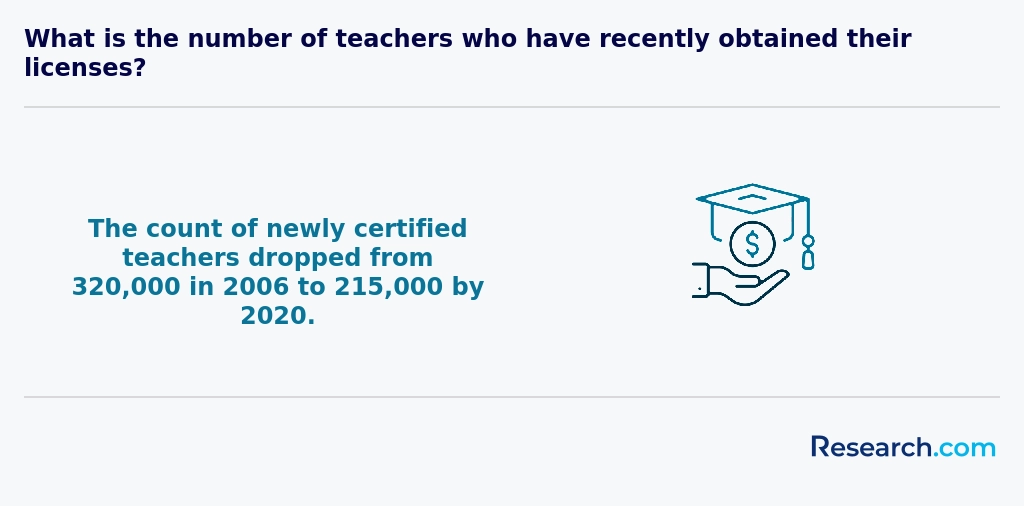
Earning an online Master’s in Education is only the first step toward becoming a certified teacher in Kentucky. To ensure your degree translates into a valid teaching license, you must navigate state-specific requirements overseen by the Kentucky Education Professional Standards Board (EPSB). Key components include: • Approved Program Completion: Your online program must be EPSB-approved and include a supervised student-teaching or practicum component. Verify your institution’s accreditation and program approval status before enrolling. • Praxis Examinations: Most candidates take the Praxis Core (for basic skills) and Praxis Subject Assessments in their chosen specialization. Passing scores vary by subject-check the EPSB website for the latest cutoffs. • Background Check and Fingerprinting: All certification applicants must pass a criminal background check and submit fingerprints via the Kentucky State Police and FBI channels. Delays in clearances can postpone licensure; complete these steps early. • Application to EPSB: After meeting coursework, exam, and background requirements, submit an online application through EPSB’s certification portal. Applications typically process within 4–6 weeks, provided documentation is complete. • Renewal and Continuing Education: Initial certificates are valid for five years. To renew, accumulate six continuing education credits or six professional growth credits and maintain good standing with EPSB. By understanding these steps in advance, you can streamline your journey from graduation to classroom. For a cost-conscious comparison of regional offerings, explore our Affordable Online Education Degree Programs Ranking in the Midwest, which highlights programs that balance affordability with licensure support.
Students pursuing an online education degree in Kentucky often find federal aid options like Pell Grants and Direct Loans essential in managing tuition, especially as these funds do not require upfront repayment. For instance, a graduate from the University of Kentucky appreciated how a Pell Grant substantially lowered her tuition costs, allowing her to focus more on her studies rather than financial stress.
State-level support through the Kentucky Higher Education Assistance Authority, particularly the KEES scholarships, can provide additional relief based on academic achievement. Graduates from Eastern Kentucky University have reported feeling motivated by these merit-based awards, which recognize prior success and encourage continued excellence in their education careers.
Institutional aid from universities often fills gaps left by federal or state aid. Many online education students have benefited from assistantships or scholarships tied to their specialization, easing expenses while gaining valuable professional experience.
Finally, loan forgiveness programs aimed at educators working in underserved Kentucky districts offer meaningful financial reprieve, turning a challenging debt burden into a manageable commitment for those dedicated to high-need communities.
Investing in an online Master's in Education in Kentucky pays dividends over time when program costs are balanced against post‐graduation earnings and career growth. On average, graduates invest approximately $19,964 (in‐state) to $21,252 (out‐of‐state) in tuition, plus $1,500 per year in books and supplies. With starting salaries for Kentucky educators ranging from $40,000 to $50,000 and administrative roles exceeding $60,000, most alumni recoup their tuition within 4–6 years. Key ROI factors include:
- Break-Even Timeline: Assuming a $20,000 investment and a $45,000 starting salary, graduates see a payback period of roughly five years, factoring in average loan interest rates and living‐cost adjustments.
- Debt‐Service Ratio: By keeping total debt under 1.5 times expected entry‐level compensation, students maintain manageable monthly payments (approximately $200–$300), which represent under 10% of net income.
- Salary Growth: Education professionals in Kentucky earn a median 3% annual salary increase; over a 20-year career, this compounds to a 65% boost, significantly improving long‐term ROI.
- Comparative Affordability: Those seeking lower‐cost alternatives may explore regional rankings such as Affordable Online Education Degree Programs Ranking in the Midwest, which highlight institutions with tuition as low as $12,000 annually, accelerating the break‐even point by 1–2 years.
- Intangible Benefits: Beyond financial returns, graduates report enhanced job satisfaction, leadership opportunities, and professional networks that contribute to lasting career resilience. By evaluating these metrics-program cost, salary trajectory, and time to recoup expenses-prospective students can make data‐driven decisions that maximize both their educational investment and future earning potential.
Enrolling in an online education degree program in Kentucky typically requires a completed bachelor's degree from an accredited institution, a prerequisite felt strongly by many graduates from schools like the University of Kentucky and Western Kentucky University. These students often share that while their bachelor's degree didn't have to be in education, having a related background made the transition smoother and boosted their confidence in tackling graduate coursework.
Most programs also set minimum GPA expectations, commonly between 2.5 and 3.0 on a 4.0 scale, which aligns with experiences of past enrollees who found that meeting or exceeding this threshold opened doors to more competitive tracks. However, it's important to recognize that GPA standards can differ, requiring applicants to review each school's criteria carefully.
Some graduates recall the uncertainty around standardized tests like the GRE; while once a staple, many Kentucky programs have eased this requirement, especially recently. This flexibility helped reduce anxiety and allowed more candidates to focus on crafting strong personal statements and gathering meaningful recommendation letters.
- Submission of official transcripts from all colleges attended
- Letters of recommendation from academic or professional references
- A compelling personal statement expressing educational goals
- For teacher certification, passing relevant state exams such as the Praxis
Ultimately, those pursuing licensure must also navigate state-specific policies including background checks, an element several online learners found reassuring in ensuring professional readiness within Kentucky's educational system.
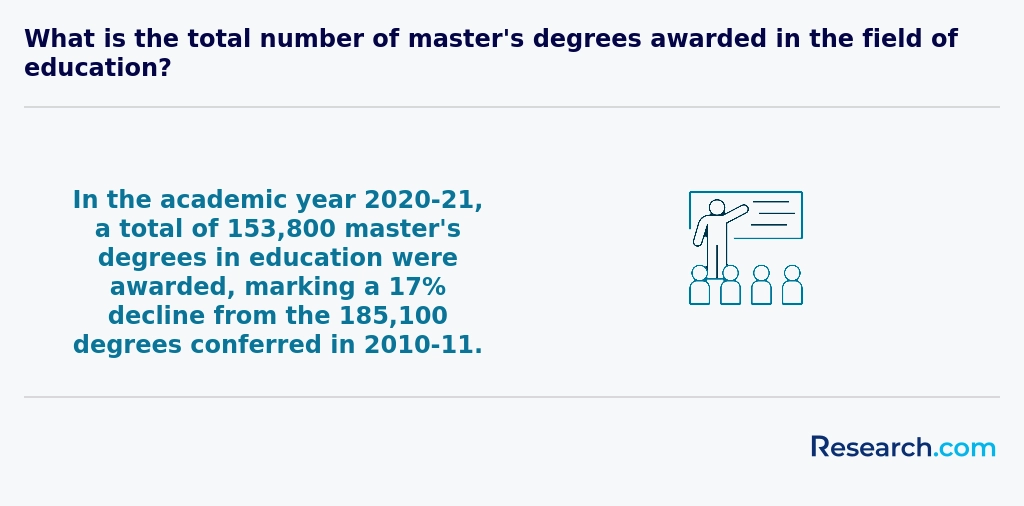
To make informed decisions about their educational paths, prospective students need to understand the financial aspects of pursuing an online education degree in Kentucky. The cost of tuition, additional fees, and living expenses can vary significantly depending on the institution and the student's residency status. For instance, in-state students typically benefit from lower tuition rates compared to out-of-state students. Exploring options such as the most affordable online education programs in Kentucky can help mitigate some of these costs. Furthermore, understanding the available financial aid, including scholarships, grants, and loans, is crucial for managing the economic burden of higher education. Many Kentucky universities offer financial assistance to education students, such as the Early Childhood Development Scholarship and the Kentucky Educational Excellence Scholarship (KEES), which can significantly alleviate financial stress. By carefully considering these financial factors and exploring affordable options, prospective students can embark on their educational journey with a clearer understanding of the investment required to achieve their career goals in education.
Online education degree programs in Kentucky commonly feature a mix of foundational and specialized courses aimed at preparing students for diverse classroom environments. Graduates from institutions like the University of Kentucky and Eastern Kentucky University have shared that classes such as Curriculum Development and Instructional Design helped them create engaging lesson plans tailored to various learning styles, which felt especially rewarding when they applied these methods during student teaching placements.
Students also study Educational Psychology, gaining insights into how children and adolescents learn at different stages. This knowledge proves invaluable, as many graduates describe using these concepts to better support struggling learners in rural and urban school settings alike.
Additionally, courses on Technology Integration and Assessment Strategies train students to incorporate data-driven evaluations and digital tools effectively-skills graduates find crucial in today's classrooms where technology use is rapidly increasing.
Some programs also emphasize Special Education and Cultural Diversity, reflecting Kentucky's varied student population. Graduates appreciate this preparation, noting it helped them foster inclusive environments that respect and nurture every learner's unique background.
Online education degree specializations Kentucky typically encompass areas like Curriculum and Instruction, Educational Leadership and Administration, Special Education, Early Childhood Education, and Reading and Literacy. Graduates from well-known institutions such as the University of Kentucky have shared how focusing on Curriculum and Instruction helped them craft more effective lesson plans tailored to diverse classrooms, a crucial skill given Kentucky's evolving educational standards.
Programs that emphasize Educational Leadership and Administration appeal to those aiming for roles like principals or district coordinators, with coursework tackling school law and budgeting. Graduates often recall how this specialization prepared them for Kentucky's certification requirements, blending theory with practical challenges faced in real school environments.
Special Education remains vital, especially as inclusive education practices grow in importance. Students studying at institutions with strong education faculties express satisfaction with training on IEPs and adaptive teaching methods, which they find immediately applicable in their classrooms. For those exploring these focus areas, the ranking of cheapest online masters degrees in teaching offers useful guidance on cost-effective options.
Choosing the best online education degree in Kentucky requires more than just comparing tuition rates-it involves assessing accreditation, program flexibility, and post-graduation outcomes. Graduates from popular Kentucky universities often emphasize the value of programs accredited by SACSCOC, which ensure recognized standards that matter for licensing and employment. For instance, one graduate highlighted how asynchronous courses allowed them to balance work and study effectively, a crucial factor for busy professionals. Considering affordable online education programs Kentucky offers, public institutions tend to provide lower tuition for residents, which can ease financial strain without compromising quality.
Beyond cost, it is important to evaluate available specializations and support services. Another recent graduate appreciated extensive academic advising and career counseling, which enhanced their confidence navigating the education job market in Kentucky. Licensing outcomes should also guide your decision, as some programs align more closely with Kentucky EPSB requirements, directly impacting your eligibility for teaching roles. To compare options thoughtfully, consult resources like the Affordable Online Education Degree Programs Ranking in the Midwest to identify programs balancing affordability and quality.
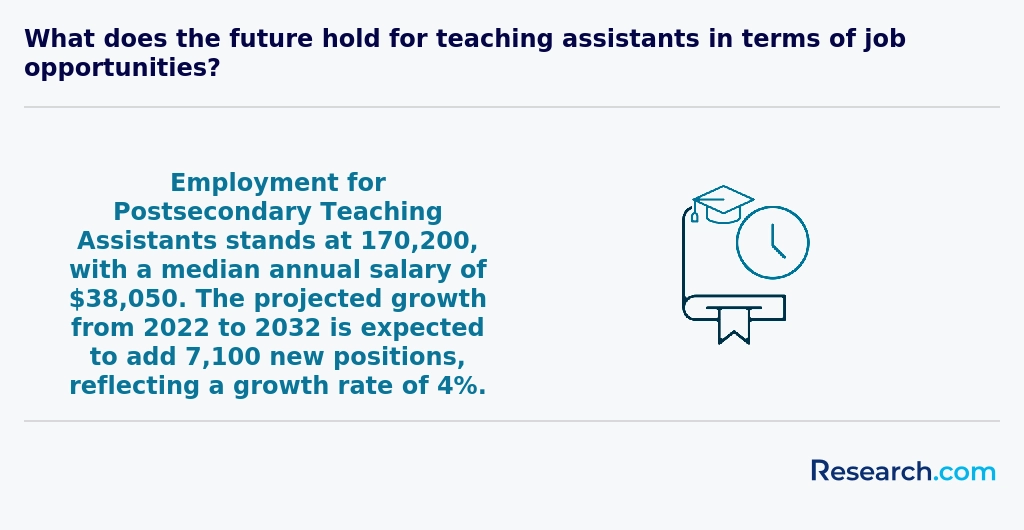
Graduates with an online education degree in Kentucky often find varied career opportunities that reflect the state's specific educational needs. Many pursue licensed teaching positions within public and private schools, focusing on high-demand areas like special education, STEM, and ESL. For example, graduates from the University of Kentucky frequently share how their training helped them confidently navigate Kentucky's teacher certification exams, an essential credential for employment.
Beyond classroom roles, some opt to become instructional coordinators or curriculum specialists, influencing educational quality across districts. Those from popular colleges in Kentucky report the satisfaction of shaping effective teaching materials, balancing creativity with adherence to state standards. This path aligns with increasing job growth rates, offering stability.
Others explore roles in educational leadership or administration, leveraging advanced online degrees to become principals or district leaders. Meanwhile, Kentucky's growing online education infrastructure opens doors in instructional design and e-learning, blending pedagogy and technology. These examples illustrate that online education degree jobs in Kentucky offer flexibility and diverse outcomes.
Students weighing options might also consider the financial aspects of education degrees. For those deciding between a bachelor's or master's, exploring the bachelor's degree that makes the most money can provide useful financial context for long-term planning.
The job market for graduates with an online education degree in Kentucky remains positive, especially as schools across the state continue facing teacher shortages, notably in rural communities. Graduates from universities such as the University of Kentucky and Eastern Kentucky University often share how their online programs aligned with state licensure requirements, enabling smoother transitions into roles as K-12 teachers or instructional coordinators. Navigating this market requires understanding that while median salaries in Kentucky hover around $52,000, candidates with advanced qualifications tend to secure higher pay and leadership roles.
Kentucky education degree employment opportunities are also expanding beyond classroom teaching. Many graduates pursue careers in educational leadership or instructional design, roles increasingly valued with the rise of digital learning environments. Real-life experiences from alumni indicate that public initiatives to boost educational outcomes, combined with skills gained from online degrees, make them competitive in both urban centers and underserved districts.
Students considering programs often explore various options and outcomes, comparing paths such as bachelors that make the most money to ensure their investment aligns with career prospects. Overall, the online education degree job prospects Kentucky offers can be rewarding for motivated individuals ready to adapt to evolving educational demands.
2027 Fastest Online Master's in Education Degree Programs Ranking in Kentucky
Investing in your education is a significant decision that can shape your future, and the Research.com team understands the importance of making informed choices. To assist prospective students in Kentucky, we have carefully developed the "2027 Fastest Online Master's in Education Degree Programs Ranking in Kentucky." Our commitment to quality, credibility, and accuracy is demonstrated through thorough research and analysis to compile this ranking.
We utilized the following reputable data sources to ensure a comprehensive evaluation of education programs:
By exploring this ranking, readers will gain valuable insights into the fastest online master's programs in education across Kentucky, enabling them to make well-informed decisions about their educational futures. For a detailed explanation of our methodology, please visit our Research.com methodology page.


# 10 position
Kentucky State University
Master of Special Education with Certification in Learning and Behavior Disorders (P-12)

Frequently Asked Questions About education
Online education degree students in Kentucky can maximize their learning experience by actively engaging with course materials and university resources. Research shows that students who participate in discussion forums and virtual study groups tend to perform better. According to the Kentucky Council on Postsecondary Education, over 30% of Kentuckians enrolled in online programs utilize campus tutoring and advising services. Time management also plays a crucial role, as structuring study hours and setting clear goals help balance work and coursework effectively. Leveraging technology, such as educational apps and video conferencing tools, allows students to stay connected with instructors and peers despite the geographical distance.
Emerging niches in the education field are shaping new opportunities for Kentucky students pursuing online degrees. One growing area is educational technology, where professionals develop and implement digital tools to enhance learning. This niche aligns with the rising demand for remote and hybrid classrooms post-pandemic.
Special education remains critical, with Kentucky reporting increased needs for trained educators skilled in inclusive teaching strategies. Additionally, roles focused on data analysis and assessment are expanding, helping schools improve student outcomes through evidence-based decisions.
Another niche is early childhood education leadership, addressing gaps in quality care and administration across the state. These specialized fields offer promising career paths for online education graduates.
After completing an online education degree in Kentucky, preparing for the job market involves several strategic steps. First, graduates should utilize the career services offered by their institutions, as many Kentucky universities provide online resources, resume workshops, and interview preparation tailored for educators.
Networking is also crucial. Joining local professional groups such as the Kentucky Education Association can connect new teachers with experienced professionals and job openings. According to the Kentucky Center for Statistics, the state's teacher shortage creates opportunities, but candidates need strong applications and classroom experience to be competitive.
Obtaining proper certification is essential. Kentucky requires successful completion of the Praxis exams and state licensure for teaching roles. Graduates should verify these credentials early to avoid hiring delays.
Finally, gaining practical experience through substitute teaching or internships helps build skills and a local professional reputation. Kentucky school districts often favor candidates familiar with state standards and curricula.
Employers in Kentucky highly value education degree graduates who demonstrate strong communication skills. Clear and effective communication is essential for working with students, parents, and colleagues. Additionally, classroom management is a critical skill, as it directly impacts student learning and behavior. According to the Kentucky Department of Education, graduates with the ability to create inclusive, supportive learning environments are in high demand.
Analytical skills and the ability to use educational technology also rank among the top traits employers seek. These skills help teachers adapt to diverse learning needs and modern instructional tools.
Finally, collaboration and cultural awareness are increasingly important as Kentucky schools serve diverse populations, requiring educators to work well in teams and respect different backgrounds.
Finding internships in Kentucky relevant to an education degree involves a few strategic steps. Students should start by connecting with their university's career services, as most Kentucky institutions offer dedicated support for education majors. For example, the University of Kentucky and Eastern Kentucky University provide online databases and partnerships with local school districts.
Additionally, the Kentucky Department of Education offers information about clinical experiences and practicum placements, which are often internship opportunities required in education programs.
Networking through professional organizations such as the Kentucky Education Association can also help secure internships. Lastly, exploring local school districts' websites directly often reveals openings for student teachers and interns relevant to education degrees.
An online education degree can significantly enhance career mobility and advancement opportunities in Kentucky's education sector. According to the Kentucky Center for Statistics, educators with advanced degrees often experience higher salary scales and increased access to leadership roles such as instructional coordinators or school administrators. Online degree programs provide flexibility, allowing working professionals to further their education without leaving their current positions.
Kentucky's Department of Education requires certified teachers advancing to administrative roles to hold a master's degree or higher. This credential often serves as a prerequisite for promotion, making online graduate degrees a practical pathway for career growth.
Additionally, Kentucky's growing emphasis on improving educational standards creates a demand for well-qualified educators, further supporting degree-holders in securing competitive positions. Data from the Bureau of Labor Statistics highlights that professionals with master's degrees in education tend to have lower unemployment rates and higher job stability compared to those with only bachelor's degrees.
Studying for an education degree in Kentucky equips students with skills that extend beyond traditional teaching roles. Programs often include coursework in psychology, technology integration, and leadership, fostering an interdisciplinary approach. This broad knowledge base prepares graduates to work effectively in diverse settings such as curriculum development, educational policy, and community programs.
Kentucky institutions emphasize collaboration across disciplines to address complex educational challenges. According to the Kentucky Council on Postsecondary Education, many online education degrees incorporate real-world problem-solving that bridges education with fields like social work and business management.
This training reflects current workforce demands and improves graduates' adaptability in evolving educational environments.
Choosing between a thesis and a non-thesis education degree program in Kentucky depends largely on your career goals and learning preferences. Thesis programs typically require conducting original research, appealing to those aiming for doctoral study or research-focused roles. Non-thesis programs often emphasize practical skills and coursework, suitable for educators seeking faster entry into the workforce or administrative positions.
In Kentucky, several universities offer both options, with online master's degrees in education averaging 30 to 36 credit hours. According to the Kentucky Council on Postsecondary Education, degree paths align with the state's focus on improving teaching quality. Completing a thesis may take longer, but it also provides valuable experience in data analysis and academic writing.
Consider your professional timeline and whether you prefer hands-on research or applied knowledge. Non-thesis programs might be more flexible, accommodating working professionals balancing jobs and studies. Consulting academic advisors and reviewing course requirements can further guide your choice.
Students based in Kentucky seeking to study education abroad have several pathways to consider through US-accredited institutions offering online programs. Many Kentucky residents enroll in online master's degrees in education that include international study components or partnerships with universities abroad. This allows them to gain global perspectives without leaving the state.
Additionally, programs affiliated with the Council for the Accreditation of Educator Preparation (CAEP) often provide opportunities for international internships or research collaborations. Kentucky has a strong emphasis on educator preparation, ranking in the top 30 states for teacher quality according to the National Center for Education Statistics (NCES), which supports students aiming to expand their education through global experiences.
Moreover, some Kentucky universities participate in exchange agreements or joint degrees with foreign institutions, enabling students to combine online coursework with short-term travel abroad. This hybrid approach is growing in popularity for its flexibility and global exposure.
Part-time job opportunities in Kentucky that complement an education degree can provide valuable hands-on experience while pursuing online studies. Many students find work as teacher assistants in public and private schools across the state. According to the Kentucky Department of Education, over 640,000 students are enrolled in K-12 schools, creating demand for support staff.
Other relevant roles include after-school program coordinators and child care aides, which help develop classroom management skills. Local libraries and community centers also offer tutoring positions, allowing students to apply educational theories in real-world settings. These jobs not only enhance resumes but also build professional networks within Kentucky's education community.
Online education students in Kentucky have access to various networking opportunities that can enhance their professional growth. Many public universities in the state, such as the University of Kentucky and Western Kentucky University, offer virtual student organizations and alumni groups. These platforms allow online learners to connect with peers, faculty, and industry professionals.
Additionally, Kentucky's education sector often hosts virtual conferences and webinars, which provide spaces for online students to engage directly with experts and potential employers. The Kentucky Department of Education also supports initiatives that encourage collaboration among educators across the state, benefiting online degree candidates.
According to the Kentucky Council on Postsecondary Education, participation in virtual networking can increase job placement rates for graduates. These resources ensure that being an online student in Kentucky does not limit opportunities to build valuable professional connections.
Alumni networks offer valuable support to students pursuing online education degrees in Kentucky. These networks connect current students with graduates who work in various education sectors, providing mentorship and career advice. According to the Kentucky Council on Postsecondary Education, stronger alumni ties often lead to better job placement rates for education graduates statewide.
Through alumni groups, online students gain access to exclusive job boards, professional development events, and networking opportunities tailored to Kentucky's education market. This can be crucial for securing teaching positions or advancing in administrative roles.
Additionally, participation in alumni events fosters a sense of community despite the physical distance inherent to online programs.
Customizing an online education degree program in Kentucky allows students to align their studies with personal career goals. Many Kentucky institutions offer a variety of specializations such as curriculum design, special education, or educational leadership. According to the Kentucky Council on Postsecondary Education, students can select electives or concentrations that enhance their expertise in desired areas.
Students often work closely with academic advisors to tailor course selections. Programs may include practical internship options or certification paths helping prepare for roles like school administration or instructional coordination. Flexible scheduling and part-time study options also support working professionals in managing education alongside career commitments.
Research from the Kentucky Department of Education highlights that graduates with focused credentials typically report higher job placement rates within the state's education system.
Online education students in Kentucky often face several common challenges that can affect their academic success. One major obstacle is limited access to reliable high-speed internet, especially in rural areas where nearly 20% of Kentucky's population resides, according to the Appalachian Regional Commission. This digital divide can make attending live lectures and submitting assignments on time difficult.
Additionally, students frequently report feelings of isolation due to fewer opportunities for in-person interaction with peers and instructors. This lack of community can impact motivation and engagement. Time management also proves challenging, as many online learners juggle work, family, and school responsibilities simultaneously.
Finally, finding affordable and accredited programs within Kentucky remains a concern, with the Council on Postsecondary Education highlighting the need for more state-supported online degree options.
With an online education degree from Kentucky institutions, you can pursue various professional certifications essential for advancing a teaching career. One common option is Kentucky Teacher Certification, which authorizes teaching from elementary through secondary levels across the state. Also, many graduates aim for National Board Certification, a prestigious credential recognized nationwide that demonstrates advanced teaching skills.
Other certifications include Reading Specialist or School Principal certifications, both available with additional coursework and exams. Kentucky's Education Professional Standards Board offers support and details on these pathways.
These certifications can boost salaries; for example, certified teachers in Kentucky earn on average 10-20% more than non-certified peers, according to the Kentucky Department of Education.
Writing a winning application for an online education program in Kentucky involves clear organization and a strong focus on your educational goals. Begin by researching the specific program requirements, as each university may have unique expectations. Highlight your academic background and relevant experience, using concrete examples to demonstrate your commitment to education.
In Kentucky, institutions like the University of Kentucky and Eastern Kentucky University emphasize the importance of personal statements that reflect your passion and career objectives in education. According to the Kentucky Council on Postsecondary Education, tailoring your application to showcase how the program supports local educational needs can strengthen your candidacy.
Additionally, strong letters of recommendation from academic or professional mentors familiar with your work in education can be crucial. Proofread your materials carefully and ensure all documents comply with deadlines. Demonstrating knowledge of Kentucky's educational landscape and your potential contributions can make your application stand out.
Education careers in the United States are influenced by global trends emphasizing multicultural awareness, technology integration, and lifelong learning.
In Kentucky, online education degrees prepare students to meet diverse classroom needs by blending local standards with global best practices.
According to the Kentucky Department of Education, nearly 70% of new teachers in the state pursue advanced degrees, many through online programs that support flexible schedules.
Worldwide, educators are expected to develop skills in digital literacy and cross-cultural communication, aligning with U.S. goals for inclusive, technology-driven education.
Thus, Kentucky's online degrees reflect these global demands, making graduates competitive both locally and internationally.
Gaining practical experience while pursuing an online education degree in Kentucky is essential for building teaching skills and enhancing employability. Many programs require or encourage completing supervised student teaching or internships through local school districts, which can often be arranged near your residence. Kentucky's Education Professional Standards Board supports partnerships between universities and schools to facilitate these placements.
Beyond formal practicum, students can engage in virtual simulations and case studies provided by accredited programs to develop classroom management and instructional skills. Additionally, networking with Kentucky educators through professional organizations offers opportunities for mentorship and observation. According to the Kentucky Center for Education and Workforce Statistics, practical training significantly improves job placement rates for education graduates in the state.
Choosing the right concentration within an online education degree program in Kentucky starts with understanding your career goals and interests. Common concentrations include curriculum development, special education, educational leadership, and literacy.
Consider Kentucky's teacher demand and state education priorities. For example, special education teachers are in high demand, with the Kentucky Department of Education noting steady growth in that field. Also, focusing on leadership can prepare you for administrative roles, where salaries typically increase.
Look for programs approved by the Kentucky Education Professional Standards Board (EPSB) to ensure credentials are recognized statewide. Reviewing each concentration's curriculum helps confirm alignment with your career plans.
Finally, research potential salaries and job growth in Kentucky, using sources like the Kentucky Center for Statistics, to make an informed choice.
- 2027 Fastest Online Master's in Education Degree Programs Ranking in Indiana
- 2027 Fastest Online Master's in Education Degree Programs Ranking in Ohio
- 2027 Fastest Online Master's in Education Degree Programs Ranking in Virginia
- 2027 Fastest Online Master's in Education Degree Programs Ranking in Illinois
- 2027 Fastest Online Master's in Education Degree Programs Ranking in Missouri
- 2027 Fastest Online Master's in Education Degree Programs Ranking in North Carolina
- 2027 Fastest Online Master's in Education Degree Programs Ranking in Georgia
- 2027 Fastest Online Master's in Education Degree Programs Ranking in South Carolina
- 2027 Fastest Online Master's in Education Degree Programs Ranking in Pennsylvania
- 2027 Fastest Online Master's in Education Degree Programs Ranking in Michigan
See What Experts Have To Say About Studying Education
Read our interview with Education experts

Alan J. Singer
Education Expert
Professor of Teaching, Learning and Technology
Hofstra University

Nooshan Ashtari
Education Expert
Professor & Book Author
University of Southern California

- Finding Your Path: How to Align Studies with Career Goals https://www.alfabetaglobal.com/blogs/finding-your-path-how-to-align-your-studies-with-your-career-goals
- Events & Opportunities https://connect.teachforall.org/events-opportunities
- Education Study Abroad | CIEE https://www.ciee.org/go-abroad/college-study-abroad/programs/subjects-disciplines/education-study-abroad
- International teaching and education jobs https://www.tes.com/jobs/search/international
- Online Degree vs. Traditional: Choosing the Right Path https://beal.edu/online-degree-vs-traditional/
- Financial Aid for Accelerated and Graduate Programs - Thomas More University https://www.thomasmore.edu/online-accelerated-programs/financial-aid-accelerated-graduate-programs/
- 10 Strategies for Networking as a High School Student https://riseglobaleducation.com/blogs/best-strategies-for-networking-as-a-high-school-student
- Online Degrees in Kentucky (KY) | Onlinedegrees.com https://www.onlinedegrees.com/kentucky/
- Online Teaching Jobs | Elevate K-12 https://www.elevatek12.com/online-teaching-jobs/
- Can Higher Education Improve Long-Term Career Success https://studysphereadvisors.com/how-higher-education-influences-long-term-career-growth/


