
2027 Most Popular Education Degree Programs Ranking in Montgomery

Co-Founder and Chief Data Scientist
Choosing the right education degree program can shape your future and open doors to rewarding careers. This article introduces the 2027 Most Popular Education Degree Programs Ranking in Montgomery, crafted by the Research.com team of data scientists to guide you through your options.
By exploring this ranking, you'll gain valuable insights that help simplify your decision-making process. Whether you're passionate about teaching or eager to impact students' lives, this information supports your journey toward a meaningful and successful career in education.
Key benefits of getting education degree in Montgomery
- Graduates with an education degree in Montgomery can expect rewarding salaries, such as $70,740 annually for elementary school teachers and $76,000 for special education teachers, reflecting a stable and fulfilling career choice.
- Career paths from local universities include roles like instructional designers, early childhood educators, and ESL teachers, offering variety and growth opportunities in schools and educational programs.
- Online degrees provide flexible schedules and access to quality education, allowing graduates to balance work and study while earning competitive salaries, as seen with online graduates from Montgomery-based institutions.
- 2027 Most Popular Education Degree Programs Ranking in Montgomery
- What can I expect from education degree in Montgomery?
- Where can I work with education degree in Montgomery?
What can I expect from education degree in Montgomery?
The average cost of pursuing an education degree in Montgomery is generally lower than national averages, making it an attractive option for students seeking affordability without sacrificing quality. At public institutions like Alabama State University and Auburn University at Montgomery, annual tuition rates for in-state students typically range from $8,000 to $12,000, depending on the program and course load. Graduates often recall the financial accessibility as a key factor in their decision to enroll, allowing them to focus more on gaining practical teaching experience through internships and student teaching placements in local schools.
Many students benefit from scholarships and grants dedicated to education majors, reducing out-of-pocket expenses further. The flexible scheduling options also help working adults manage both tuition payments and work commitments effectively.
This financial feasibility encourages a diverse range of candidates to enter education programs, ultimately supporting Montgomery's growing demand for qualified teachers and education specialists committed to improving local schools.
Where can I work with education degree in Montgomery?
Graduates with education degrees in Montgomery commonly find employment within the Montgomery Public Schools system, which serves over 30,000 students according to the Alabama State Department of Education. This district offers roles ranging from classroom teachers to special education professionals and administrative staff, providing steady demand for qualified candidates.
Many education graduates from Auburn University at Montgomery and Alabama State University report satisfaction in securing positions within local private and charter schools, where they often engage in specialized teaching or academic counseling. These schools emphasize tailored curricula and innovative approaches, allowing graduates to apply creative teaching methods.
Career paths also extend to educational support roles such as school counselors and instructional coordinators. The U.S. Bureau of Labor Statistics projects an 8% growth in instructional coordinator positions in Alabama, reflecting a robust job market and emphasis on education quality.
Additionally, community organizations and nonprofits offer opportunities to work as youth advocates or program managers, roles that resonate with graduates eager to impact literacy and afterschool initiatives positively. Many graduates from Montgomery's education programs express fulfillment in applying their skills beyond traditional classrooms.
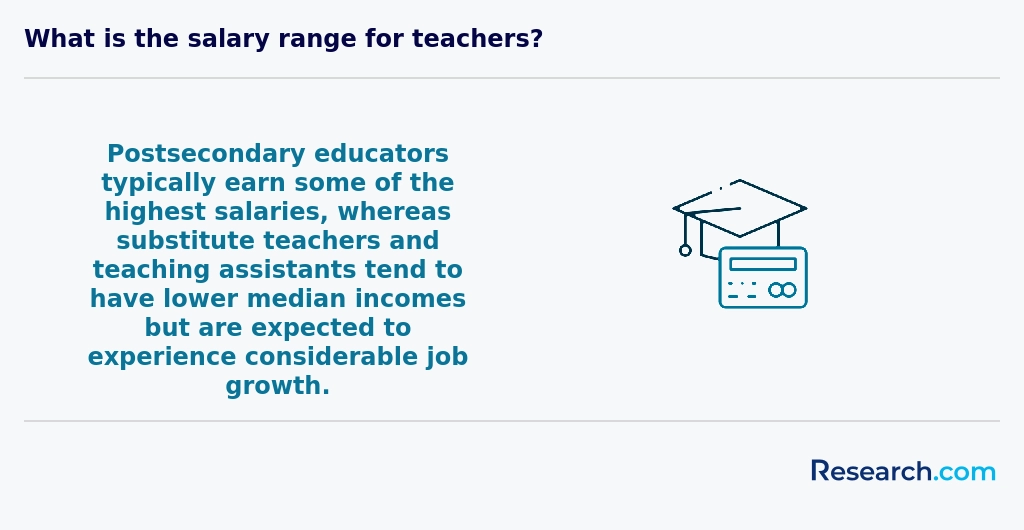
Graduates with an education degree in Montgomery can expect varied salary outcomes depending on their chosen career path and experience. For instance, elementary school teachers typically earn a mean annual wage of around $70,740, providing a strong foundation for those entering public schools in Montgomery's districts. Special education teachers may see higher earnings, with mean salaries near $76,000, reflecting the demand for specialized skills.
Early childhood educators, often employed by local daycares or public programs, have mean annual wages around $41,410, offering steady opportunities for those passionate about foundational learning. Instructional designers, a growing role in school systems and educational companies, command about $77,200 annually, demonstrating the value of combining education expertise with technology.
Montgomery graduates from institutions like Alabama State University express enthusiasm about these salary prospects, noting that local employers value the practical skills honed during their studies. The ability to translate classroom theory into real-world impact supports both job satisfaction and financial growth, making education degrees in Montgomery both fulfilling and economically viable.
- Tuition fees at public universities in Montgomery range from $7,000 to $10,000 annually for in-state students, while private institutions charge between $20,000 and $30,000 per year.
- Entry-level teachers in Montgomery public schools earn about $40,000 per year, with experienced teachers making between $55,000 and $60,000 annually.
- Montgomery offers undergraduate and graduate education degree programs designed to meet state certification requirements for public school employment.
- Graduates must obtain Alabama state certification, which includes passing exams and completing supervised teaching experiences, to teach in local public schools.
- Financial aid and scholarships for education majors are available through state programs, universities, and private foundations to help reduce costs.
Completing an education degree in Montgomery generally aligns with national trends, with a Bachelor of Science or Bachelor of Arts in Education taking about four years of full-time study. Graduates from institutions like Alabama State University often share how the structured 120-credit program, including a semester-long student teaching internship, offers a clear pathway that fits well within this timeframe.
For those pursuing advanced degrees, such as a Master of Education or Masters in Teaching, completion usually ranges from one to two years full-time. Many students balancing work in local schools appreciate part-time options that extend study to three or more years, supporting their career growth without sacrificing income.
Doctoral programs, including Ed.D. and Ph.D. options popular among Montgomery's education professionals, typically take between three and six years. The University of Alabama at Birmingham's four-year full-time Ed.D. track reflects a balance between rigorous research demands and practical scheduling for working educators. This flexible structure allows graduates to advance confidently, blending academic progress with real-world application.
Earning an Education degree in Montgomery, AL is just the first step toward a rewarding teaching career; securing state certification is essential for classroom placement. In Alabama, graduates must complete a state-approved educator preparation program, maintain a minimum GPA-typically 2.5 or higher-and pass the Praxis Core Academic Skills for Educators tests. Candidates also need to succeed in the Praxis Subject Assessments for their chosen teaching field and submit a successful edTPA portfolio demonstrating effective lesson planning, instruction, and assessment practices. Once exam requirements are met, candidates apply to the Alabama State Department of Education (ALSDE) for a Class B initial teaching certificate, which is valid for three years. Fingerprinting and a criminal background check are mandatory before issuance. During this period, new teachers complete mentorship and induction activities, receive regular performance evaluations, and may enroll in graduate coursework to deepen their pedagogical skills. For those considering advanced credentials or alternative certification pathways, explore our Affordable Online Master’s in Education Degree Programs Ranking in Ohio to compare program structures and licensure support services. Certification renewal in Alabama requires 60 professional development points every five years or completion of a master’s program in education. These ongoing learning opportunities ensure educators stay current with instructional strategies, technology integration, and classroom management, ultimately benefiting both teacher effectiveness and student achievement.
Online and on-campus education degrees in Montgomery differ primarily in learning environment and flexibility. Graduates from Alabama State University often highlight the value of face-to-face interaction and hands-on practicum experiences gained through on-campus programs. These offer direct access to campus resources and partnerships with local schools, which are crucial for meeting Alabama's certification standards.
Conversely, online degrees appeal to working professionals who need flexible scheduling. Students enrolled remotely at Auburn University at Montgomery emphasize the convenience of studying from home while managing jobs or family duties. Online programs use digital platforms to deliver coursework but require careful selection to ensure alignment with state licensure requirements.
Cost is another notable difference. In-person students face additional expenses such as housing and transportation. For instance, Alabama public institutions charge about $8,100 annually for in-state tuition, but total costs increase with campus fees. Online students generally save on these extras, although tuition rates can be similar, especially for accredited programs.
When pursuing an education degree in Montgomery, AL, one of the most critical decisions a student can make is choosing the right specialization. This choice can significantly impact their future career prospects and personal fulfillment. For those considering their options, it's essential to explore the various specializations available, such as popular education degree programs that focus on areas like early childhood education, elementary education, or special education. Each specialization offers a unique lens through which graduates view the educational landscape, empowering them to tailor their careers to their strengths and passions. By selecting a specialization that aligns with their interests and skills, students can set themselves up for success and make a meaningful impact in their chosen field.
The average cost of an education degree in Montgomery varies notably by residency status and institution type. For in-state students attending public universities, the median total cost approximates $11,248 annually, making it a financially accessible option for many local students. These costs include tuition, mandatory fees, and other expenses. Graduates from Montgomery's well-known universities often recount balancing affordability with quality education, which supports their career goals without overwhelming financial stress.
Out-of-state students typically face higher expenses, with the median total cost around $34,070 per year. This significant difference emphasizes the value of residency for prospective students when calculating their educational investment. Despite the elevated costs, many out-of-state students still find the offerings at these institutions compelling, given the recognized quality of education programs in Montgomery and the strong professional networks alumni build.
Private colleges in Montgomery that offer education degrees usually have costs aligned more closely with the out-of-state public tuition rates, reflecting higher tuition and fees. Many students consider financial aid, scholarships, and grants, which are common in education fields here, to help mitigate these costs. To gain insight into these opportunities, prospective students can explore resources linked with the popular education degree rankings and state-sponsored programs.
In summary, understanding the average cost of education degree in Montgomery involves assessing both in-state and out-of-state tuition figures alongside living expenses. These figures serve as crucial data points for students planning their academic paths within the region's dynamic educational landscape.
Embarking on an education degree in Montgomery, AL is both an exciting and challenging endeavor, and successful students often share that proactive strategies, effective time management, and robust networking play pivotal roles in their achievements. Aspiring educators should focus on setting clear academic and career goals from the start-this means engaging with professors, seeking mentorship opportunities, and making the most of hands-on experiences provided through internships and classroom practicums. Additionally, building a supportive community with peers can create a collaborative environment where constructive feedback not only refines teaching techniques but also fosters personal growth. Another valuable strategy is to diversify your learning by researching and comparing similar or complementary advanced programs. For instance, if you’re considering expanding your skill set beyond traditional education or exploring new career pathways, you might want to see what are the most affordable online library science masters degrees; this exploration could provide insights into how cross-disciplinary knowledge can enhance your professional profile. Embracing both in-person and digital learning resources, staying updated on current education trends, and actively participating in professional development events are essential steps toward becoming a well-rounded educator committed to lifelong learning.
Students pursuing education degrees in Montgomery benefit from a range of financial aid options that significantly reduce tuition costs, which typically range from $8,000 to $12,000 annually at public universities. Many graduates from institutions like Alabama State University have relied on federal aid, primarily Pell Grants, which can provide up to $7,395 per year without repayment obligations. Completing the FAFSA is essential to access these funds.
State-specific programs such as the Alabama Student Assistance Program (ASAP) offer need-based grants to residents enrolled in Montgomery-area colleges, helping to ease financial strain while maintaining academic progress. Scholarships aimed at future educators, like the Alabama Teacher Scholarship and Loan Forgiveness Program, have been pivotal for many graduates who commit to teaching in high-need subjects, offering substantial tuition coverage.
Moreover, some local school districts and employers provide tuition assistance, reflecting support for ongoing professional development. Graduates often highlight how aid from the Montgomery Education Foundation and civic groups enabled them to pursue their degrees with greater confidence and less financial stress.
Navigating teacher certification in Alabama is a critical step for graduates of education degree programs in Montgomery, AL, ensuring you meet state standards and gain the credentials necessary to enter the classroom. First, candidates must complete a CAEP-accredited teacher preparation program, which includes at least 120 credit hours and supervised field experience. Upon program completion, you’ll apply to the Alabama State Department of Education (ALSDE) through their online portal, submitting official transcripts and proof of a bachelor’s degree. Next, prospective teachers must pass the required Praxis® Subject Assessments. For example, elementary educators take the Praxis Elementary Education: Content Knowledge (5018) exam, while secondary teachers register for Praxis tests aligned with their subject area. Passing scores vary by endorsement; current minimums are published on the ALSDE website and should be verified prior to testing. All applicants undergo a fingerprint-based background check and must submit a completed certificate application, including payment of state fees. Once approved, you’ll receive a Class B Professional Educator Certificate valid for five years. During this period, educators engage in continuing education, completing credit hours or ALSDE-approved professional development to renew their credentials. For those aiming to advance their qualifications or transition into leadership roles, consider graduate opportunities highlighted in the Affordable Online Master’s in Education Degree Programs Ranking in Ohio. These programs offer specialized tracks and flexible formats that align with Alabama’s professional development requirements, helping you maintain licensure while deepening your expertise.
To enroll in education degree programs in Montgomery, prospective students must first hold a high school diploma or GED, a baseline requirement across institutions like Auburn University at Montgomery and Trenholm State Community College. Many graduates recall the importance of submitting standardized test scores such as the SAT or ACT, although some local schools have adopted test-optional policies that ease this burden. For example, applicants with strong GPAs and relevant extracurriculars have successfully gained admission without test scores.
English proficiency is another critical prerequisite, especially for international students, who often demonstrate their skills through academic history or standardized tests like the TOEFL. Graduates emphasize how letters of recommendation and personal statements, showcasing passion for education and prior volunteer experience, strengthened their applications.
For graduate programs, such as a Master of Education, a bachelor's degree is required along with teaching experience or a license for specialized tracks. The streamlined admissions process at key Montgomery institutions often reflects the applicant's dedication and preparation, inspiring confidence among entering cohorts.

In Alabama, earning an Education degree in Montgomery is only the first step toward a teaching career; graduates must also secure state licensure to lead a classroom. To obtain the Class B Professional Educator Certificate, candidates must:
- Hold a bachelor’s degree from a CAEP-accredited program.
- Pass the appropriate Praxis subject assessments (e.g., Elementary Education: Content Knowledge, Secondary English).
- Complete a teacher preparation program that includes at least 16 weeks of supervised student teaching in an Alabama public school.
- Submit official transcripts, test scores, and a passing background check to the Alabama State Department of Education. Successful completion of these requirements confers eligibility to teach in public and private K–12 settings across Alabama. Many programs in Montgomery integrate PRAXIS preparation into their curricula, offering workshops and mock exams to boost candidate confidence. For those considering an advanced pathway, it’s useful to compare options and costs; for instance, graduate students often consult our Affordable Online Master’s in Education Degree Programs Ranking in Ohio when evaluating online master’s degrees that meet licensure criteria. After initial certification, educators in Alabama can pursue the Class A Professional Educator Certificate by completing a master’s degree, three years of teaching experience, and 30 additional graduate credit hours. This advanced credential not only increases salary potential but also unlocks opportunities in instructional leadership and curriculum design. Continuous professional development-through state-approved workshops and graduate coursework-is required for certificate renewal every five years, ensuring that Montgomery educators maintain up-to-date pedagogical skills and remain compliant with Alabama’s evolving educational standards.
Education degree programs in Montgomery, such as those at Alabama State University and Auburn University at Montgomery, typically include core courses that blend theory with practical application. Graduates often recall how classes like Foundations of Education helped them understand the historical and social context of teaching, tailored to both U.S. standards and Montgomery's unique community needs.
Key subjects include Educational Psychology, which equips students with insights into how learners develop at different stages, and Curriculum Development and Instruction, training future educators to design engaging, effective lesson plans. Classroom Management techniques taught in these programs prepare students to create positive environments, an essential skill emphasized by local practicum supervisors.
Other frequently mentioned courses by alumni involve Assessment and Evaluation, ensuring readiness to measure student progress accurately, and Special Education Methods, vital for supporting diverse learners. Multicultural Education and Technology in Education also feature prominently, reflecting the growing importance of equity and digital proficiency in area schools.
Education degrees in Montgomery typically include specializations that address diverse educational needs and community priorities. Elementary Education is a foundational track, preparing graduates to teach K-5 students in subjects like reading and math, often reflected in the staffing demands of institutions such as Montgomery Public Schools. Secondary Education focuses on grades 6 to 12, with specializations in core academic subjects, meeting the increasing regional need for specialized teachers in middle and high schools. Many graduates from Montgomery colleges report positive experiences developing subject expertise and classroom confidence in these programs.
Special Education is a growing specialization, training educators to support students with disabilities through Individualized Education Programs (IEPs). Beyond these, Montgomery education programs with specialization options include Early Childhood Education, Educational Leadership, Curriculum and Instruction, ESL, and Educational Technology, which reflect both national trends and local diversity in schools. Graduates often find that these specializations enrich their teaching skills and adaptability.
Costs vary, with in-state tuition around $9,400 annually at public universities, and private colleges charging over $20,000. Some students supplement their undergraduate training with graduate studies; for those exploring further education, it helps to know what are the most affordable online library science masters degrees.
Choosing the best education degree programs in Montgomery involves evaluating the level of degree aligned with your goals, such as associate, bachelor's, or master's. Graduates from institutions like Alabama State University emphasize the importance of accredited programs recognized by CAEP, which ensures quality and supports licensure and employment opportunities locally. Cost-wise, public universities in Montgomery tend to offer more affordable education degrees Montgomery 2027 compared to national averages, with tuition often below the $10,700 yearly benchmark for public four-year in-state colleges.
Curriculum and specialization choices are crucial; students pursuing careers in special education or educational leadership find Montgomery programs responsive to local school district needs, enhancing job prospects. Faculty expertise and connections to Montgomery Public Schools facilitate practical teaching experiences valued by graduates. Exploring financial aid options is essential for managing expenses effectively.
For further cost-conscious options and degree flexibility typical of the region, consider the Affordable Online Master's in Education Degree Programs Ranking in Ohio, which some Montgomery students use as benchmarks for comparison.
Graduates with an education degree in Montgomery find diverse career paths available, reflecting the region's rich educational landscape. Teaching jobs in Montgomery Alabama are particularly prominent, spanning elementary, secondary, and specialized fields like ESL and special education. These roles benefit from Alabama's detailed certification requirements, ensuring well-trained educators in local public and private schools such as those in the Montgomery Public Schools system and Maxwell Air Force Base schools.
Beyond classroom roles, education degree careers in Montgomery extend to leadership positions including principals, school counselors, and curriculum developers. Instructional design and education technology are growing fields as schools integrate digital tools, providing graduates opportunities to innovate learning experiences. Additionally, adult education and workforce development are critical, aligning with state initiatives for job readiness, while early childhood education is expanding rapidly to support preschool readiness efforts.
Graduates from popular universities in Montgomery often share positive experiences of feeling well-prepared for these varied roles, citing strong community ties and practical exposure. Many also pursue careers in educational policy and advocacy, leveraging Montgomery's status as Alabama's capital. For students weighing options, exploring the best college majors can help tailor their path to local and state needs.
The education degree job outlook Montgomery shows steady demand driven by local K-12 education improvement efforts and state initiatives. Graduates from institutions like Alabama State University and Auburn University at Montgomery find diverse opportunities in elementary and secondary teaching, special education, and educational leadership roles. Public schools in Montgomery employ thousands of certified educators, creating consistent openings especially amid Alabama's teacher shortage, which benefits new teachers entering the market.
Many graduates appreciate the balance between affordable tuition-often between $10,000 and $15,000 per year for in-state students-and positive job prospects. Educational professionals often advance into administrative positions that offer higher salaries and the chance to impact school policy. Those pursuing postsecondary teaching or research can find roles at local universities, reinforcing Montgomery's active teaching careers market trends.
Students also explore additional career pathways by considering the best certificate programs that pay well to enhance credentials and increase employability. The region's investments in education technology further support career growth in this dynamic field.
2027 Most Popular Education Degree Programs Ranking in Montgomery
Investing in your education is a significant decision that can shape your future, and the Research.com team understands the importance of making informed choices. To assist prospective students in Montgomery, we have meticulously crafted the "2027 Most Popular Education Degree Programs Ranking in Montgomery." Our commitment to quality, credibility, and accuracy is reflected in the extensive research and analysis conducted to compile this ranking.
We utilized the following reputable data sources to ensure a comprehensive evaluation of education degree programs:
By exploring this ranking, readers will gain valuable insights into the most popular education degree programs available in Montgomery, helping them make informed decisions about their academic and career paths. For more details on our methodology, please visit our Research.com methodology page.


Frequently Asked Questions About education
Education degree students in Montgomery can maximize their learning experience by actively engaging in both coursework and practical opportunities. Participating in local internships or student teaching within Montgomery's school districts allows for real-world application of theories. According to the Alabama State Department of Education, hands-on experience significantly improves readiness for the classroom.
Utilizing campus resources like tutoring centers and academic workshops enhances comprehension of complex subjects. Students should also join education-related student organizations to network and collaborate with peers. Montgomery's higher education institutions often partner with nearby schools for research and volunteer projects, providing valuable local context.
Maintaining consistent communication with faculty advisors helps tailor the degree path to personal career goals. Additionally, staying informed about state licensure requirements early on ensures a smoother transition into teaching roles post-graduation.
The field of education is evolving rapidly, and several emerging niches are gaining attention in Montgomery's higher education landscape. One notable area is educational technology, where professionals design digital tools to enhance learning experiences. With Montgomery's growing demand for tech-savvy educators, degrees focusing on this niche are becoming increasingly popular.
Another emerging field is special education, particularly programs emphasizing inclusion for students with diverse learning needs. According to the National Center for Education Statistics, special education roles are expected to grow by 7% nationally, reflecting local trends in Montgomery.
Additionally, bilingual education is expanding due to the region's diverse population, creating demand for teachers skilled in dual-language instruction.
Completing an education degree in Montgomery opens multiple pathways for entering the job market, but preparation is key. Start by gaining practical experience through student teaching or internships, which local schools often require. This experience is highly valued by Montgomery County public and private schools when hiring new teachers.
Networking matters significantly; attending job fairs and joining local education associations can increase job prospects. According to the Alabama State Department of Education, the demand for qualified teachers in areas like special education and STEM subjects remains strong in Montgomery.
Additionally, consider obtaining relevant certifications such as TESOL or special education endorsements to stand out. Strong résumé writing and interview skills tailored to education roles are essential too.
Employers in Montgomery seek education degree graduates with strong communication and classroom management skills. These competencies are essential for creating effective learning environments and engaging diverse student populations. According to the Alabama State Department of Education, proficiency in instructional technology is increasingly valued, reflecting the rising use of digital tools in local schools.
Critical thinking and adaptability also rank highly, as educators must respond to evolving curriculum standards and student needs. Montgomery schools emphasize collaboration skills, highlighting teamwork between teachers, parents, and administrators as a key factor for success. Data from recent employer surveys further reveal that knowledge of special education strategies is a significant asset in the region's inclusive classrooms.
Finding internships in Montgomery relevant to an education degree involves several practical steps. Start by exploring local school districts such as Montgomery Public Schools, which often offer internship programs for education majors seeking classroom experience. Connecting with university career centers, like those at Alabama State University or Auburn University at Montgomery, can provide tailored internship listings and networking opportunities.
Additionally, consider contacting education nonprofits and community centers in Montgomery that support youth development. According to the Alabama Department of Education, internships are crucial for hands-on experience and often improve job placement success. Online platforms focusing on Montgomery internships can also be valuable resources.
Obtaining an education degree in Montgomery significantly enhances career mobility and advancement opportunities. According to the Alabama State Department of Education, teachers with advanced degrees earn salaries approximately 10% higher than those with only a bachelor's degree. This wage increase directly supports financial growth and upward mobility.
Further, many school districts in Montgomery prioritize candidates with education degrees for leadership roles such as instructional coordinators and school administrators. The demand for qualified educators with specialized knowledge is growing, driven by state initiatives to improve education quality.
Data from Montgomery Public Schools show that teachers with master's degrees have a 15-20% higher likelihood of promotion within five years compared to those without advanced credentials.
Studying for an education degree in Montgomery offers strong preparation for interdisciplinary roles by emphasizing diverse teaching methods and collaborative skills. Many programs integrate coursework from psychology, sociology, and technology, equipping students to address various learning environments.
Montgomery's higher education institutions often partner with local schools and community organizations, providing practical experience in settings that require teamwork across different disciplines. According to the Alabama Commission on Higher Education, over 70% of education graduates in Montgomery engage in internships that foster these cross-field skills.
This interdisciplinary focus supports careers beyond traditional classrooms, including educational consulting, curriculum design, and social services, making graduates adaptable and competitive in a dynamic job market.
When choosing between a thesis and a non-thesis education degree program in Montgomery, consider your career goals carefully. Thesis programs often appeal to those interested in research, advanced study, or doctoral preparation. They involve conducting original research and writing a detailed paper, which can take extra time and effort.
Non-thesis programs usually focus on practical skills and coursework, making them suitable for educators aiming to advance in classroom teaching or leadership roles. According to the Alabama Commission on Higher Education, many local institutions offer both options tailored for professionals in Montgomery's public schools.
Also factor in time commitment, as non-thesis paths can be completed more quickly.
Students based in Montgomery who wish to study education abroad have several options through U.S. higher education institutions offering international study programs. Many Montgomery colleges and universities partner with foreign institutions, enabling students to complete part of their education degrees overseas while earning credits applicable to their degree. These programs often focus on classroom observation, teaching internships, and cultural immersion in countries with strong education systems.
Montgomery has a significant number of education degree students, with Auburn University at Montgomery and Alabama State University providing support for study abroad initiatives. According to the Institute of International Education, U.S. education majors increasingly participate in programs in Europe, Asia, and Latin America, emphasizing global teaching practices.
Financial aid and scholarships specifically for study abroad in education are also available, often administered through university international offices, benefiting Montgomery students seeking international experience in teaching methodologies.
Students pursuing education degrees in Montgomery can find several part-time job opportunities that complement their academic training. Working as a teacher's aide in local public schools, such as those under Montgomery Public Schools (MPS), provides hands-on classroom experience. According to MPS data, aides help improve student engagement and learning outcomes.
Additionally, tutoring roles, either through community centers or private services, allow students to apply instructional methods learned in their courses. Educational nonprofits and after-school programs also commonly seek part-time staff for mentoring and program support.
These roles not only enhance practical skills but also strengthen resumes for future education careers.
Education students in Montgomery have access to various networking opportunities that can enhance their academic and professional growth. Local universities such as Alabama State University and Auburn University at Montgomery frequently host events, workshops, and career fairs focused on education fields. These events connect students with experienced educators, school administrators, and potential employers.
Additionally, Montgomery's public school system collaborates with education programs, offering internships and practicum placements for hands-on experience. Students may also join professional organizations like the Alabama Education Association, which provides access to conferences and networking forums.
Alumni networks provide significant advantages for education degree students in Montgomery. These networks offer access to mentorship opportunities, allowing current students to connect with experienced graduates. Such connections can help students navigate internships and job placements more effectively.
Many Montgomery institutions boast active alumni groups that host workshops, panels, and social events. According to the Alabama Commission on Higher Education, engagement in alumni networks increases graduate employment rates by up to 15% within the first year following graduation.
Furthermore, alumni networks often share resources such as job boards and scholarships, specifically tailored for education majors in the region. This support can be invaluable for building a professional reputation in local schools and districts.
In Montgomery, students seeking education degrees have several options to customize their programs to align with specific career goals. Many local institutions offer flexible degree tracks, allowing the choice of concentrations such as early childhood education, special education, or educational leadership. This adaptability helps address the diverse needs of Montgomery's classrooms and administrative roles.
Students can often select electives that match their interests, such as curriculum development or educational technology. Internship opportunities within Montgomery public schools provide practical experience tailored to individual career paths. According to the Alabama Commission on Higher Education, over 60% of education students in the region engage in hands-on training, enhancing job readiness.
Additionally, some universities provide options for part-time or online courses, catering to working professionals aiming to advance without interrupting their careers. Such customization supports a targeted approach, ensuring that graduates meet both their personal goals and Montgomery's educational workforce demands.
Education students in Montgomery face several common challenges during their studies. One key difficulty is balancing coursework with practical teaching experiences, as many programs require extensive student teaching hours. This can be demanding alongside other academic responsibilities. Additionally, keeping up with continuous changes in education standards and policies in Alabama presents a challenge. According to the Alabama State Department of Education, adapting to new curriculum requirements and assessment methods is crucial for aspiring teachers.
Financial concerns also affect many students, with rising tuition and limited scholarship options reported by local institutions. Time management and securing placement in quality internships remain other significant hurdles to overcome.
With an education degree in Montgomery, graduates can pursue several professional certifications to enhance their teaching credentials. The most common is the Alabama teaching certification, which is required to work in public K-12 schools in the state. This certification includes various levels, such as provisional and professional licenses, depending on experience and qualifications.
Additionally, educators may seek specialized certifications like Reading Specialist or Special Education certifications to address diverse student needs. National certifications, such as the National Board for Professional Teaching Standards (NBPTS), are also popular for career advancement.
Montgomery's school districts often support continuing education, helping teachers meet certification renewal requirements through coursework and professional development. According to the Alabama State Department of Education, approximately 70% of local educators pursue at least one additional certification during their careers.
Writing a strong application for an education program in Montgomery requires clear organization and focused content. Begin with a compelling personal statement that explains your motivation for pursuing a teaching career and how you plan to impact local schools.
Highlight relevant experiences, such as volunteer work or tutoring, which demonstrate your commitment to education. Montgomery's public schools serve diverse populations, so showing cultural awareness is valuable.
Be sure to meet all deadlines and submit transcripts that reflect a solid academic record. According to the Alabama Commission on Higher Education, programs in Montgomery often look for candidates with a GPA above 3.0. Letters of recommendation from educators who know your skills can strengthen your application.
Finally, research each program's specific requirements at institutions like Alabama State University to tailor your application accordingly.
Education careers in Montgomery reflect broader global trends emphasizing adaptability and cultural awareness. According to the U.S. Bureau of Labor Statistics, the demand for educators is expected to grow by 8% nationally from 2022 to 2032, aligning with global needs for skilled teachers. In Montgomery, institutions focus on preparing students for diverse classrooms and integrating technology in teaching.
Globally, education professionals are encouraged to develop skills in inclusive teaching and digital literacy. The opportunity to work abroad or in international schools often requires familiarity with multiple curricula and languages, skills increasingly valued by Montgomery programs.
Montgomery's education degrees emphasize these global standards, helping graduates remain competitive and relevant worldwide.
Gaining practical experience while studying for an education degree in Montgomery is essential for career readiness. Many local universities and colleges integrate student teaching placements within their programs. These placements allow students to work directly in Montgomery-area classrooms under the supervision of certified teachers.
Additionally, Montgomery Public Schools often offer internships and volunteer opportunities that provide hands-on experience in diverse educational settings. According to the Alabama State Department of Education, over 70% of education students in the region complete practicum hours before graduation, enhancing their instructional skills.
Participating in workshops and tutoring programs also helps develop classroom management and teaching abilities early in the degree process.
Choosing the right concentration within an education degree program in Montgomery requires understanding your career goals and local demand. For example, Montgomery Public Schools often seek teachers specialized in special education, STEM, and early childhood education, making these concentrations valuable choices. According to the Alabama State Department of Education, special education teachers in Alabama earn a median salary of about $48,000, while demand continues to grow.
Prospective students should also consider licensure requirements specific to Alabama, as concentrations aligned with state certifications can improve job prospects. Research programs' curricula to ensure they offer practical classroom experience in your preferred area.
Lastly, consider the support services and partnerships local Montgomery universities provide, as these can influence your training and networking opportunities in the region.
- 2027 Most Popular Education Degree Programs Ranking in Birmingham
- 2027 Most Popular Education Degree Programs Ranking in Atlanta
- 2027 Most Popular Education Degree Programs Ranking in Mobile
- 2027 Most Popular Education Degree Programs Ranking in Macon
- 2027 Most Popular Education Degree Programs Ranking in Tallahassee
- 2027 Most Popular Education Degree Programs Ranking in Nashville
- 2027 Most Popular Education Degree Programs Ranking in New Orleans
- 2027 Most Popular Education Degree Programs Ranking in Greenville
- 2027 Most Popular Education Degree Programs Ranking in Knoxville
- 2027 Most Popular Education Degree Programs Ranking in Memphis
See What Experts Have To Say About Studying Education
Read our interview with Education experts

Nooshan Ashtari
Education Expert
Professor & Book Author
University of Southern California

Alan J. Singer
Education Expert
Professor of Teaching, Learning and Technology
Hofstra University

- 18 Highest Paying Jobs With an Education Degree (not teaching) | Devlin Peck https://www.devlinpeck.com/content/jobs-with-an-education-degree
- Get the skills employers want | Study UK https://study-uk.britishcouncil.org/why-study/succeed-your-career/get-skills-employers-want
- Special Education and Teaching, General. - Career Outcomes & Program Details | Trade Schools Directory https://tradecolleges.org/colleges/montgomery-college/programs/special-education-and-teaching-general
- Teacher of Global Perspectives (IGCSE) https://www.scie.com.cn/jobs-global-perspectives/
- What Can I Do With a Teaching Degree (Besides Teach)? https://www.alleducationschools.com/blog/what-can-i-do-with-a-teaching-degree-besides-teach/
- How to Write a Great Letter of Intent for a Teaching Job | Zen Educate https://www.zeneducate.com/us/resources/becoming-a-teacher/how-to-write-letter-of-intent-teaching-job/
- Seven Major Challenges Facing Education in the 21st Century https://www.internationalschoolparent.com/articles/seven-global-education-challenges/
- The Future of Education: Emerging Trends Reshaping Learning Environments http://www.gesseducation.com/gess-talks/articles/future-education-emerging-trends-reshaping-learning-environments
- 5 Tips on Choosing the Right Course or Study Program - Edunation https://www.edunation.co/5-tips-on-choosing-the-right-course-or-study-program/
- Can Higher Education Improve Long-Term Career Success https://studysphereadvisors.com/how-higher-education-influences-long-term-career-growth/


