
2027 Best Online Master's in Education Degree Programs Ranking in Alabama

Co-Founder and Chief Data Scientist
Are you considering advancing your career with a master's degree in education? Finding the right online program in Alabama can feel overwhelming, but we're here to help.
This article features the 2027 Best Online Master's in Education Degree Programs Ranking in Alabama, carefully crafted by the Research.com team of data scientists. It provides clear insights to guide you toward the programs that truly stand out.
Exploring these top-ranked programs can open doors to new opportunities and personal growth. Take the next step confidently and discover educational paths that fit your goals.
Key benefits of getting online education degree in Alabama
- Graduates with an education degree in Alabama can expect rewarding salaries, such as $129,330 for Education Managers and $96,570 for Higher Education Professors, highlighting strong earning potential in this field.
- Career paths include roles like Curriculum Specialist, Education Program Manager, and Education Consultant, offering diverse opportunities for those passionate about shaping learning environments and policies.
- Online education degrees from Alabama universities provide flexibility and convenience, allowing students to balance work and study while gaining the same respected credentials as traditional programs.
- Key benefits of getting online education degree in Alabama
- What can I expect from online education degree in Alabama?
- Where can I work with online education degree in Alabama?
- How much can I make with online education degree in Alabama?
- 2027 Best Online Master's in Education Degree Programs Ranking in Alabama
- Key Findings
- How long does it take to complete online education degree in Alabama?
- Navigating Alabama Teacher Certification and Licensure
- What's the difference between online and on-campus education degree?
- Accreditation and Teacher Licensure in Alabama
- What is the average cost of online education degree in Alabama?
- Accreditation and Licensure
- What financial aid is available to online education degree students in Alabama?
- Student Support and Resources
- What are the prerequisites for enrolling in online education degree program in Alabama?
- Affordability and Financial Considerations for Online Education Programs in Alabama
- What courses are typically in online education degree programs in Alabama?
- What types of specializations are available in online education degree programs in Alabama?
- How do you choose the best online education degree in Alabama?
- What career paths are available for online education degree students in Alabama?
- What is the job market for online education degree in Alabama?
- Related Education Rankings for Nearby States
- Top Trending Education Rankings
- See What Experts Have To Say About Studying Education
What can I expect from online education degree in Alabama?
The average cost of an online education degree in Alabama typically ranges from $8,000 to $15,000 per year at public universities such as the University of Alabama and Auburn University. Graduates often share how this investment feels manageable compared to in-person programs, especially when balancing work and family commitments. Financial aid options, including scholarships and federal loans, make these programs even more accessible, helping students reduce their out-of-pocket expenses.
Many students appreciate that Alabama's online education degrees provide value without sacrificing quality. For example, a graduate from the University of South Alabama noted how the affordable tuition paired with flexible scheduling allowed them to gain leadership skills through coursework aligned with state certification requirements. This combination enabled career advancement without financial strain.
Choosing an online education degree in Alabama means you join a growing community of professionals advancing their careers while maintaining their responsibilities. The tuition rates, combined with available aid, create a supportive environment where students can confidently invest in their futures.
Where can I work with online education degree in Alabama?
Graduates with online education degrees in Alabama often find rewarding roles in the state's extensive public school system, which serves over 740,000 students. Many start as classroom teachers in elementary or high schools, gaining valuable experience while making a direct impact. Those who studied at universities like the University of Alabama or Auburn University frequently share how their practical training made stepping into public schools straightforward and fulfilling.
Others explore positions in private and charter schools, where innovative teaching methods and leadership skills developed through online programs are highly valued. Community colleges and universities across Alabama, such as those in the 24-college community college system, also employ graduates as academic advisors and curriculum designers, offering diverse career paths beyond classroom teaching.
Many alumni highlight opportunities in educational technology companies and nonprofits, where integrating digital tools into learning environments fuels their passion for innovation. With demand growing for instructional coordinators and special education teachers, online degrees provide flexible, practical entry points to meaningful education careers in Alabama.
How much can I make with online education degree in Alabama?
Graduates holding an online education degree in Alabama can secure rewarding roles with competitive salaries. For instance, education managers, a common advancement path, earn a mean annual wage of about $129,330. This role suits graduates who have gained leadership experience during their studies at institutions like the University of Alabama or Auburn University.
Other promising positions include education program managers, who make around $104,920 annually. These professionals often coordinate educational initiatives and benefit from skills developed during online coursework that balances theory and real-world application.
Curriculum specialists earn a mean wage of $77,200 per year, leveraging expertise often honed through Alabama-based education programs focused on instructional design and content development.
Education consultants, earning close to $95,600 annually, frequently emerge from graduates who actively engage with community schools and apply advanced educational strategies learned online to drive improvement.
By targeting such roles, graduates from Alabama's online education programs tap into solid income streams, combining practical skills and academic credentials that employers highly value in the local education job market.
2027 Best Online Master's in Education Degree Programs Ranking in Alabama
How do we rank schools?
Investing in your education is a significant decision that can shape your future, and the Research.com team is fully aware of the importance of making well-informed choices. To support prospective students in Alabama, we have carefully developed the "2027 Best Online Master's in Education Degree Programs Ranking in Alabama." Our dedication to quality, credibility, and accuracy is demonstrated through rigorous research and thorough analysis.
We utilized the following reputable data sources to ensure a comprehensive evaluation of education programs:
By exploring this ranking, readers will find valuable insights into the top online master's programs in education available in Alabama, empowering them to make confident and informed educational decisions. For more details on our methodology, please visit our Research.com methodology page.




Key Findings
- Graduate-level online education degrees at public universities in Alabama cost between $10,000 and $18,000, while private institutions may charge over $25,000 but sometimes offer scholarships or in-state tuition waivers.
- Discounted tuition rates are often available for online students at some public Alabama schools, making online programs more affordable than on-campus options.
- There is a steady demand for teachers in Alabama, especially in special education, math, and science, which can provide good job opportunities for graduates.
- The median annual salary for kindergarten through secondary school teachers in Alabama is about $52,000 after graduation, rising to between $58,000 and $62,000 with experience.
- Online education programs must be approved by the Alabama State Department of Education for graduates to qualify for teacher certification, and some clinical experiences may require in-person participation.
How long does it take to complete online education degree in Alabama?
Completing an online education degree in Alabama typically takes between one and four years, depending on your chosen path and pace. Full-time master's students at universities like the University of Alabama often finish in about two years, balancing coursework alongside other responsibilities.
Part-time students who juggle work or family may take up to four years, but many appreciate the flexibility to keep progressing without sacrificing other priorities. Graduates often share how this adaptable scheduling helped them stay motivated and succeed.
If you're eager to finish faster, accelerated programs at schools such as Auburn University offer options to complete a master's degree in as little as 12 to 18 months. Expect a heavier workload, possibly including summer classes, but the fast-paced journey brings a rewarding sense of accomplishment quickly.
Bachelor's degrees generally require about four years, though students with prior credits may graduate sooner. Planning your timeline based on credit hours, program format, and exam requirements will help you create a realistic course plan that fits your lifestyle.
Navigating Alabama Teacher Certification and Licensure
Becoming a licensed educator in Alabama involves several key steps designed to ensure that online master’s graduates are fully prepared for classroom success. First, candidates must complete an Educator Preparation Program (EPP) approved by the Alabama State Department of Education (ALSDE), which typically includes both academic coursework and a specified number of clinical hours or student‐teaching experiences. Upon program completion, graduates must pass the required Praxis exams, including the Praxis Core Academic Skills for Educators and the Praxis Subject Assessments aligned with their chosen specialization. Next, applicants submit an online licensure application through the ALSDE Educator Certification System, providing official transcripts, Praxis score reports, and a fingerprint‐based background check. It’s essential to maintain a clear record, as any discrepancies may delay certification. For those exploring alternative pathways, Alabama also offers a nontraditional route for career changers, combining intensive coursework with mentorship under a fully licensed teacher. Out‐of‐state applicants or those with out‐of‐state credentials should note that Alabama recognizes reciprocal certification agreements; however, additional coursework or exams may be required to meet state standards. Finally, graduates concerned about program costs can compare options beyond state lines-students looking for cost-effective online education opportunities may also want to explore the Most Affordable Online Education Degree Programs Ranking in Pensacola, FL to compare tuition rates and financial aid packages across neighboring regions.
What's the difference between online and on-campus education degree?
Online education degrees in Alabama, such as those offered by the University of Alabama, provide the flexibility to study anywhere, making them ideal for students juggling work or family commitments. Graduates often describe the freedom to access lectures and assignments on their own time as a major advantage, especially when balancing busy schedules. In contrast, on-campus programs require attending classes at specific times, which can be challenging for those living far from university campuses like Auburn or Troy.
Cost considerations also play a key role. Online learners typically pay similar tuition per credit hour-around $300 to $600 at Alabama schools-but save money on commuting, housing, and campus fees. This financial relief is a decisive factor for many seeking to reduce debt while advancing their education.
While face-to-face interaction in on-campus settings fosters immediate networking and access to campus resources, online students benefit from virtual collaboration tools and flexible local practicum placements arranged through university education departments across Alabama. Graduates appreciate that both formats maintain the same accreditation standards, ensuring a respected degree regardless of delivery method.
Accreditation and Teacher Licensure in Alabama
Ensuring your online education degree is recognized and leads to state certification starts with understanding accreditation and licensure requirements in Alabama. Accredited programs-typically approved by the Southern Association of Colleges and Schools Commission on Colleges (SACSCOC) or the Council for the Accreditation of Educator Preparation (CAEP)-guarantee that your coursework meets rigorous academic standards and aligns with Alabama State Department of Education (ALSDE) guidelines. Upon graduation, prospective teachers must apply for an Alabama Class A Professional Educator Certificate, which requires: • Completion of a SACSCOC- or CAEP-accredited online master’s program in education. • Passing scores on the appropriate Praxis Core Academic Skills for Educators and Praxis Subject Assessments, as mandated by ALSDE. • Submission of official transcripts, background check documentation, and the Certificate Application through the ALSDE eCertificate portal. Many programs also embed student teaching or internship experiences approved by ALSDE, ensuring you accumulate the required clinical hours. When comparing schools, verify they hold programmatic accreditation and offer clear pathways to certification. For cost-conscious students, review our Most Affordable Online Education Degree Programs Ranking in Pensacola, FL to explore accredited options that balance affordability with licensure support. By selecting an accredited program aligned with Alabama’s certification process, you’ll streamline your transition from online coursework to a classroom-ready educator.
What is the average cost of online education degree in Alabama?
The average cost of an online education degree in Alabama varies but typically centers around a median total cost of $14,820. For in-state students, especially those attending well-known institutions like the University of Alabama or Auburn University, this makes pursuing an Alabama online master's in education tuition fees a reasonable investment. These universities often charge between $300 and $400 per credit hour, with most programs requiring about 30 to 36 credit hours to complete. Graduates frequently describe balancing work and studies as manageable due to this reasonable pricing compared to many other states.
Many students have found that the financial commitment feels more achievable when factoring in available financial aid, scholarships, or assistantships, which significantly reduce the overall expense. Specific fees, such as technology or course materials, might add to the final cost but tend to be modest. Those looking to manage costs effectively should research these opportunities and plan ahead to maximize support. Exploring options among various Alabama public universities can help you find the best fit both financially and academically.
Understanding the average cost and financial aid options is crucial for anyone weighing their options. You can find detailed information about the most affordable education programs by reviewing the cheapest education schools in Alabama. This resource highlights institutions that offer quality programs at lower cost, enabling prospective students to make informed decisions and feel confident about their investment in education.
Accreditation and Licensure
Choosing an accredited program ensures your degree meets quality standards and prepares you for state certification. Look for:
- Regional accreditation by the Southern Association of Colleges and Schools Commission on Colleges (SACSCOC)
- Programmatic accreditation from the Council for the Accreditation of Educator Preparation (CAEP) or NCATE
State certification steps in Alabama:
- Complete required coursework aligned with Alabama State Department of Education standards
- Pass the relevant Praxis or Alabama Educator Certification exams
- Submit official transcripts and background checks
Confirm that your online master’s supports these requirements to avoid delays in licensure and teaching placement. For foundation-level entry or a quick credential pathway, explore our easiest associate degree to get guide.
What financial aid is available to online education degree students in Alabama?
Many students pursuing online education degrees in Alabama take advantage of federal financial aid by completing the FAFSA, unlocking access to grants like the Pell Grant, which can reduce tuition by up to $7,395 annually. These funds ease the burden for graduate students attending schools such as the University of Alabama or Auburn University.
State programs also provide strong support. For example, the Alabama Student Assistance Program offers scholarships specifically to residents enrolled in Alabama institutions. Graduates often share how the Alabama Teacher Scholarship Program made a real difference by funding their studies in exchange for a teaching commitment in public schools, turning financial aid into a rewarding career pathway.
- Institutional scholarships from universities like Troy University reward merit and financial need, making online education degrees more affordable.
- Employer tuition reimbursement is another popular option for professionals currently teaching in Alabama schools, helping cover partial or full tuition costs.
- Loan forgiveness programs motivate graduates to serve in Alabama's schools while gradually reducing their debt, boosting financial peace of mind.
Private scholarships from groups such as the Alabama Education Foundation provide additional funding, often directed at students committed to underserved communities, helping many feel encouraged and supported throughout their educational journey.
Student Support and Resources
Navigating an online Master’s in Education program in Alabama is smoother with comprehensive support services designed to keep you on track. From day one, students benefit from: • Academic Advising: Dedicated advisors guide you through course selection, licensure requirements, and deadlines. Regular virtual check-ins ensure you meet milestones and stay prepared for state certification exams. • Digital Library Access: Alabama institutions offer 24/7 access to e-journals, e-books, and research databases. You can request interlibrary loans and attend live webinars on academic research skills. • Technical Support: Reliable IT help desks are available around the clock to troubleshoot platform issues, software installation, and video-conference setups. Quick resolution minimizes downtime, allowing you to focus on coursework. • Career Services: Virtual career coaches provide resume reviews, mock interviews, and job-search strategies. Alumni networks connect you with local school districts for practicum placements and mentorship opportunities. • Peer Networking and Communities: Discussion boards, study groups, and cohort-based projects foster collaboration. Many programs host virtual mixers and alumni panels where you can exchange best practices and build lasting professional relationships. • Accessibility and Well-Being: Disability services coordinate accommodations-such as screen-reader compatibility and extended exam times-while counseling centers offer teletherapy to support mental health. While evaluating program features, it’s also important to consider cost alongside support quality. For additional insight into budget-friendly options, explore Most Affordable Online Education Degree Programs Ranking in Pensacola, FL. By leveraging these resources, online learners in Alabama can confidently balance academic rigor with personalized support, setting the stage for long-term success in education.
What are the prerequisites for enrolling in online education degree program in Alabama?
To enroll in an online education degree program in Alabama, you need a bachelor's degree from an accredited college, ideally in education or a related field. Graduates from universities such as the University of Alabama often share how holding a degree from a regionally accredited institution opened doors for their acceptance. A strong GPA, typically between 2.75 and 3.0, is essential to demonstrate academic readiness for graduate coursework.
Applicants must submit official transcripts and secure letters of recommendation from professors or supervisors who can vouch for their teaching potential. Writing a clear, heartfelt statement of purpose that outlines your career goals is another crucial step-many Alabama students found this personal essay instrumental in reflecting their passion and commitment.
Some programs require a valid teaching license or eligibility for one, especially those tied to certification. Others might ask for GRE scores or evidence of background checks and prerequisite classes needed for K-12 practicum placements. Meeting these requirements at Auburn University or other Alabama institutions helps you confidently move forward toward your education career.
Affordability and Financial Considerations for Online Education Programs in Alabama
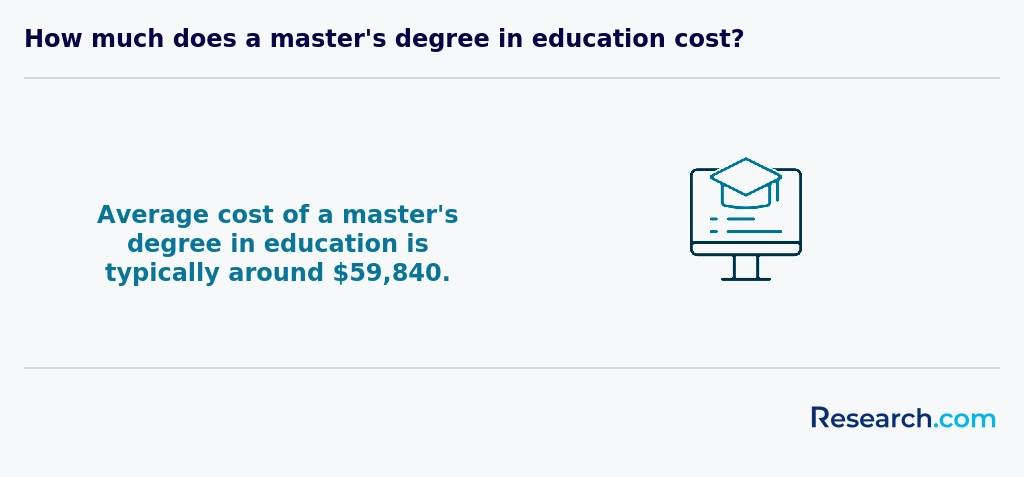
For prospective students considering online Master's in Education degree programs in Alabama, understanding the financial implications is crucial. One of the key factors to consider is the cost of tuition, which can vary significantly between institutions. To make informed decisions, it's essential to explore options for affordability, including scholarships, grants, and financial aid packages. For instance, students can look into the cheapest education schools in alabama, which can provide a more budget-friendly path to achieving their educational goals. By weighing the costs and benefits, including the potential for financial growth in the field, students can make a choice that paves the way for their future success in education.
What courses are typically in online education degree programs in Alabama?
Online education degree programs in Alabama typically include courses that blend theory with practical knowledge, preparing you for real classroom challenges. Graduates from popular institutions like the University of Alabama and Auburn University praise courses on learning theories and curriculum development for sharpening their ability to foster student growth effectively. For example, understanding assessment strategies helps you measure and support student progress in meaningful ways.
Many programs emphasize integrating educational technology, reflecting today's digital classrooms. You might learn to use interactive tools that boost student engagement, a skill Alabama educators find invaluable as remote and hybrid learning become more common.
Courses on diversity and inclusion equip you to handle Alabama's varied student populations with empathy and fairness. Graduates often recall how these classes prepared them to create welcoming environments for all students.
- Educational leadership and administration for career advancement into principal or supervisor roles
- Instructional design tailored to K-12 settings
- Special education techniques for supporting students with disabilities
- Early childhood education essentials
- Educational psychology covering motivation and classroom behavior
Field experience components, even online, allow you to apply learning in local schools-graduates say this hands-on practice was key to feeling confident as new educators in Alabama's diverse classrooms.
What types of specializations are available in online education degree programs in Alabama?
Online education specializations Alabama students often select align closely with career advancement in diverse educational settings. Popular tracks include Curriculum and Instruction, which equips educators to design impactful, engaging lessons, and Educational Leadership and Administration, ideal for those pursuing roles as principals or district leaders. Graduates from Auburn University and the University of Alabama frequently highlight how these programs helped them lead school improvements confidently. Special Education specialization addresses the growing need for skilled teachers in inclusive classrooms, while Early Childhood Education focuses on developmentally appropriate practices for young learners.
Instructional Technology is another valuable specialization, preparing students to blend digital tools effectively in modern classrooms. These Alabama programs emphasize practical skills, enabling students to solve challenges in real time. Individuals balancing work and study appreciate the flexibility online learning offers, especially when exploring Alabama online master's in education tracks tailored to their schedules.
For those scouting affordable options, exploring the Most Affordable Online Education Degree Programs Ranking in Pensacola, FL can be useful for comparing costs and opportunities nearby.
How do you choose the best online education degree in Alabama?
Choosing the best online education degree in Alabama starts with confirming that the school holds proper accreditation, such as from SACSCOC. Graduates from well-known colleges in Alabama often emphasize how accreditation gave them confidence their degree would be respected by employers. Next, focus on programs that match your career ambitions-whether that's earning an affordable online master's education Alabama or pursuing specialist credentials in educational leadership. Many online students from popular state universities share how flexible, asynchronous courses helped them juggle family and job responsibilities while progressing steadily.
Cost is another major factor to consider. Alabama's public institutions generally offer tuition around $7,000 per year, but fees can vary for online formats. Look closely to see if materials and tech fees are included. Checking for financial aid opportunities can make a big difference, as many students report relief from employer tuition reimbursement programs. To find reliable options, review graduation rates and job placement data from several schools. For an in-depth view, explore the top accredited online schools serving Alabama learners seeking the best online education degrees Alabama.
What career paths are available for online education degree students in Alabama?
An online education degree in Alabama opens many rewarding career paths. Graduates commonly become classroom teachers in subjects such as math, science, English, or special education, serving K-12 students throughout the state. Others move into instructional coordination, developing curriculum and improving teaching standards in schools or districts. Many find roles as educational administrators, including principals or assistant principals, where they influence school operations and culture.
Graduates from popular Alabama universities often highlight how their degree helped them become guidance counselors or academic advisors, supporting students' academic and personal growth. Some choose adult education, teaching GED preparation or workforce training programs, meeting community needs beyond traditional schools. These varied options illustrate the practical benefits of online education degrees in Alabama, especially amid stable demand for educators.
For working adults, programs such as the accelerated online bachelor's degree for working adults provide flexible options to launch or advance careers in education. This makes Alabama teaching jobs with education degree viable even for career changers, backed by alternative licensure and CAEP-accredited programs that meet certification standards.
What is the job market for online education degree in Alabama?
The job market for graduates with an online education degree in Alabama is steadily expanding, especially in K-12 teaching and educational leadership roles. Graduates from universities like the University of Alabama and Auburn University often share positive experiences about transitioning smoothly into teaching positions or administrative roles thanks to the state's recognition of online degrees. Many find rewarding careers replacing retiring teachers or filling shortages in special education and STEM areas, reflecting Alabama's strong employment outlook for education graduates.
Cost-effective tuition and flexible learning schedules at local institutions enable more professionals to earn advanced degrees while working, making education careers more accessible. Graduates pursuing online education degrees benefit from statewide initiatives focused on teacher retention and professional development, increasing job stability. Those aiming for roles like school principals frequently highlight the competitive advantage of their advanced degrees.
Expanding beyond traditional K-12 settings, many degree holders explore opportunities in private schools and community colleges, enriching their career options. Students seeking strategic career growth in education should also consider top paying college majors to complement their skills and enhance earning potential.
Frequently Asked Questions About education
Students pursuing online education degrees in Alabama can enhance their learning by actively engaging with course materials and instructors. Research shows that Alabama institutions offering online programs often provide resources such as virtual tutoring and academic advising, which students should utilize fully.
Creating a structured study schedule helps maintain consistent progress and reduces procrastination. According to the Alabama Commission on Higher Education, over 30% of graduate students enroll in online courses, emphasizing the need for strong time management.
Participating in discussion boards and group projects builds a sense of community and improves understanding. Additionally, Alabama's online education degrees frequently align with state certification standards, so students should stay informed about licensure requirements.
Emerging niches within the education field reflect the evolving demands in Alabama and across the United States. One notable area is educational technology, where educators integrate digital tools to improve learning outcomes. The Alabama Department of Education highlights increased funding for tech training programs, emphasizing this sector's growth.
Another expanding niche is special education, driven by federal and state mandates to support diverse learners. Alabama schools report a rising need for specialists trained to address autism spectrum disorders and behavioral challenges, making this field crucial.
Additionally, early childhood education continues to gain importance, with Alabama investing in programs that prepare educators to serve young learners effectively.
These niches offer promising career pathways for online education degree students focused on Alabama's specific workforce needs.
Graduates with online education degrees in Alabama should begin preparing for the job market by developing a strong professional network. Local school districts in Alabama often prioritize candidates familiar with state education standards and community needs. Joining professional organizations like the Alabama Education Association can provide valuable connections and job leads.
Understanding Alabama's certification requirements is also critical. Many teaching positions require state licensure, which often involves passing specific exams and completing background checks. The Alabama State Department of Education website is an essential resource for up-to-date credentialing information.
Practical experience, even post-graduation, enhances employability. Consider substitute teaching or volunteering to gain classroom experience and demonstrate commitment to education. According to the National Center for Education Statistics, Alabama's teacher vacancy rates have fluctuated, so proactive engagement can improve job prospects.
Employers in Alabama highly value education degree graduates who demonstrate strong communication skills. Effective verbal and written communication is essential for collaborating with students, parents, and colleagues. According to the Alabama State Department of Education, educators with clear communication skills are more successful in classroom management and student engagement.
Critical thinking and problem-solving abilities are also crucial. Teachers must adapt lesson plans and teaching strategies to meet diverse student needs, reflecting data published by the National Center for Education Statistics, which highlights Alabama's emphasis on personalized learning approaches.
Additionally, technology proficiency is increasingly important. With the rise of online and blended learning, educators must effectively use digital tools, a priority noted in recent reports by the Alabama Commission on Higher Education.
Finding internships in Alabama relevant to an education degree involves several strategic steps. Many universities with online education programs, such as the University of Alabama and Auburn University, maintain partnerships with local school districts to offer internship opportunities. Students should utilize their university's career services, which often provide listings and support for placements.
Additionally, organizations like the Alabama State Department of Education offer resources for student teaching and internships, aligning with state licensure requirements. Networking through professional education associations in Alabama can also uncover local openings.
According to the National Center for Education Statistics, Alabama employs over 135,000 public school educators, presenting numerous internship possibilities. Early engagement and meeting state certification criteria improve placement chances.
An online education degree in Alabama significantly enhances career mobility and advancement opportunities for educators. According to the Alabama State Department of Education, individuals with advanced degrees often qualify for higher pay scales and leadership roles such as instructional coordinators or administrators. The flexibility of online programs allows working professionals to pursue credentials without interrupting their employment, which supports continuous career growth.
Furthermore, Alabama's emphasis on certified teachers with master's degrees is evident in promotion patterns within school systems. Data from the Alabama Education Association shows that 65% of educators in leadership positions hold advanced degrees, many earned online.
The convenience and accessibility of online education degrees also cater to rural educators, broadening their prospects statewide.
Studying for an education degree in Alabama equips students with versatile skills suited for interdisciplinary roles. Alabama's online education programs often include coursework that integrates psychology, sociology, technology, and leadership, promoting a broad understanding of educational environments.
The Alabama Commission on Higher Education highlights that online degrees emphasize collaboration and problem-solving across different fields. This approach prepares graduates to work effectively in diverse teams, including administration, counseling, and curriculum development.
Many programs also emphasize data analysis and digital literacy, essential skills as education increasingly intersects with technology and policy-making. According to the National Center for Education Statistics, Alabama's focus on such competencies supports graduates in adapting to multiple professional settings.
When choosing between a thesis and a non-thesis education degree program in Alabama, consider your career goals and learning preferences. Thesis programs typically require original research and a formal defense, preparing students for roles in academia or leadership. Non-thesis options often focus on coursework and practical skills, suited for those seeking immediate application in schools or districts.
Alabama universities, such as the University of Alabama and Auburn University, offer both formats online. According to the Alabama Commission on Higher Education, over 40% of master's education students in 2023 selected non-thesis tracks for quicker completion.
Understanding program demands and long-term plans is crucial for an informed choice.
Students based in Alabama seeking to study education abroad through online programs have several pathways available. Many Alabama universities, including the University of Alabama and Auburn University, offer online education degrees with international perspectives integrated into their curricula. These programs often include virtual collaborations and global case studies, allowing students to gain a broad understanding of education systems worldwide.
Alabama ranks among the states with growing enrollment in online higher education, supporting flexibility for working adults. According to the National Center for Education Statistics, about 35% of graduate students in Alabama take online courses, which can include options with international content.
While direct overseas study opportunities may be limited due to the online format, partnerships between Alabama institutions and foreign universities often enrich these programs, providing students with access to multicultural resources and global networks.
Part-time job opportunities in Alabama that complement education degree studies often focus on hands-on experience with children and educational environments. Many students work as teacher aides or paraprofessionals, positions supported by the Alabama State Department of Education that help build classroom management skills and offer exposure to curriculum implementation.
Substitute teaching is another common role, allowing students to apply teaching strategies in real settings. According to the Alabama State Personnel Department, substitute teachers can earn between $80 and $110 per day, providing flexible income alongside studies.
Additionally, tutoring younger students or offering after-school academic support aligns well with education coursework, enhancing instructional skills and communication abilities.
Local libraries and community centers also hire part-time assistants, helping to develop organizational and program coordination experience valuable for future educators.
Online education students in Alabama have growing networking opportunities despite the remote learning format. Many universities offer virtual events, webinars, and online forums to connect peers and faculty. For example, the University of Alabama provides digital meetups and professional development workshops tailored to online learners.
Statewide organizations like the Alabama Education Association also host conferences and local chapter meetings, accessible to online students, offering chances to build professional contacts.
Additionally, LinkedIn groups and alumni networks specific to Alabama education graduates support long-term connections and job leads. Engaging in these resources can enhance career growth for online education students in Alabama.
Alumni networks play a valuable role for students pursuing online education degrees in Alabama by offering access to professional connections across the state. These networks provide mentorship opportunities, helping students gain insights into local educational job markets and school districts.
Research shows that strong alumni engagement can increase employment rates after graduation. For example, the University of Alabama's alumni group connects over 2,500 education graduates, fostering networking events and job leads specifically tailored to Alabama's education sector (UA Alumni Association, 2023).
Additionally, alumni networks offer lifelong learning resources and community support, which is especially important for online students who may lack traditional on-campus interaction.
Customizing an online education degree in Alabama to fit career goals begins with selecting a program that offers flexible concentrations or specializations. Many Alabama universities provide tracks such as curriculum development, educational leadership, or special education to tailor skills toward specific teaching roles.
Students can often choose elective courses aligning with their interests and professional aspirations. For example, the University of Alabama and Auburn University Online allow students to focus on K-12 education or administration, adapting their studies to their desired career path.
Additionally, practical components like internships or practicum experiences, available in some programs, help build real-world skills. These tailored options support career advancement in Alabama's growing education sector, which the Alabama State Department of Education reports employs over 100,000 teachers statewide.
Online education students in Alabama often face challenges related to technology access. According to the Alabama Department of Education, nearly 20% of households in the state lack reliable high-speed internet, which can hinder participation in virtual classes. This digital divide affects students living in rural areas disproportionately.
Another common difficulty is balancing coursework with work and family responsibilities. Many online learners in Alabama are adult students who juggle full-time jobs and caregiving roles, making time management essential but complex.
Additionally, some students struggle with limited interaction with instructors and peers, which can impact motivation and networking opportunities. These challenges highlight the need for robust support systems tailored to Alabama's unique demographics and infrastructure.
With an online education degree in Alabama, you can pursue several professional certifications that enhance your teaching credentials and career opportunities. A common path is obtaining Alabama's Class B Professional Educator Certificate, required for K-12 public school teachers. Completing an online master's program often meets the academic requirements for this certification.
Additionally, educators may seek National Board Certification, which is recognized nationwide and can lead to salary increases. Specialized certifications such as ESL endorsement or Special Education certification are also available to online graduates, expanding career options.
According to the Alabama State Department of Education, over 70% of teachers pursue additional certifications to advance professionally. Online programs in Alabama provide flexible routes to fulfill these certification requirements.
Writing a winning application for an online education program in Alabama requires clear focus and preparation. Start by researching the specific program's admission requirements, as universities like the University of Alabama emphasize relevant teaching experience and academic transcripts. Ensure your personal statement highlights your passion for education, goals, and how the program aligns with Alabama's educational needs.
Provide strong letters of recommendation from professionals familiar with your academic or teaching background. Be sure to demonstrate understanding of Alabama's local education landscape, such as the emphasis on improving K-12 literacy rates.
Include any relevant certifications or professional development, and carefully proofread your application for clarity and professionalism.
Globally, education careers are increasingly valued for their role in shaping future generations. In the United States, and specifically in Alabama, there is strong demand for qualified educators, driven by a projected 7% growth in education jobs through 2031 according to the U.S. Bureau of Labor Statistics. This trend reflects worldwide recognition that skilled teachers are essential for economic and social development.
Many countries, including the U.S., emphasize continual professional development, making advanced degrees attractive for career advancement. Alabama's investment in online education programs offers flexible pathways for students to join this evolving global profession.
Alabama's Department of Education highlights ongoing efforts to improve teacher quality and retain talent, reflecting broader international priorities of educational excellence and equity.
Gaining practical experience while studying for an online education degree in Alabama is essential. Many programs incorporate virtual internships or practicum placements with local schools. These experiences allow students to apply research-based teaching methods in real classroom settings. Alabama's public schools often partner with online programs to provide these opportunities, supporting the state's goal to improve teacher effectiveness as reported by the Alabama State Department of Education.
Students can also engage in service-learning projects or volunteer in nearby educational centers. Additionally, some universities offer simulation software that mimics classroom scenarios to build skills virtually.
Choosing the right concentration within an online education degree in Alabama depends on your career goals and interests. Popular concentrations include curriculum and instruction, educational leadership, special education, and literacy. According to the Alabama Commission on Higher Education, these areas align closely with state workforce demands.
Consider the local job market: for example, Alabama's K-12 system emphasizes special education, with nearly 13% of students receiving special education services as reported by the Alabama State Department of Education. This may influence your choice if you want in-demand skills.
Look for programs accredited by CAEP or other reputable bodies, ensuring quality preparation. Review course offerings carefully-some programs offer flexible electives that allow you to tailor learning to specific roles like administration or counseling.
Additionally, assess how concentrations prepare you for Alabama's teacher certification requirements if licensure is your goal. Many schools provide resources and advising to help match your concentration with career pathways in the state.
Related Education Rankings for Nearby States
- 2027 Best Online Master's in Education Degree Programs Ranking in Georgia
- 2027 Best Online Master's in Education Degree Programs Ranking in Florida
- 2027 Best Online Master's in Education Degree Programs Ranking in Kentucky
- 2027 Best Online Master's in Education Degree Programs Ranking in South Carolina
- 2027 Best Online Master's in Education Degree Programs Ranking in North Carolina
- 2027 Best Online Master's in Education Degree Programs Ranking in Missouri
- 2027 Best Online Master's in Education Degree Programs Ranking in Indiana
- 2027 Best Online Master's in Education Degree Programs Ranking in Illinois
- 2027 Best Online Master's in Education Degree Programs Ranking in Texas
- 2027 Best Online Master's in Education Degree Programs Ranking in Virginia
Top Trending Education Rankings
See What Experts Have To Say About Studying Education
Read our interview with Education experts


Alan J. Singer
Education Expert
Professor of Teaching, Learning and Technology
Hofstra University

References
- Top 10 Effective Networking Tips for Students https://www.unfc.ca/blog/networking-tips-for-students
- Online Degree vs. Traditional | University of Arkansas Grantham https://www.uagrantham.edu/blog/pros-cons-online-degree-vs-traditional-university/
- Promising Niches in the Global EdTech Landscape - Blog https://rocketech.it/blog/post/global-edtech-landscape-what-niches-are-the-most-promising
- 5 Tips on Choosing the Right Course or Study Program - Edunation https://www.edunation.co/5-tips-on-choosing-the-right-course-or-study-program/
- What else can I do with an education or teaching degree? https://targetjobs.co.uk/careers-advice/career-ideas/what-else-can-i-do-education-or-teaching-degree
- Latest Trends in the Field of Education - ICERT https://icert.org.in/latest-trends-in-the-field-of-education/
- Why Is Education Important in Your Career Advancement? - KWSP Malaysia https://www.kwsp.gov.my/en/w/article/career-advancement
- Skills Employers Look for In Graduates https://careerdc.com.au/resources/what-skills-employers-want/
- Degree Programs for Working Adults - Athens State University - Alabama https://www.athens.edu/online-degree-completion-programs-working-adults/
- How to strengthen your school’s network by integrating alumni | Edusign https://edusign.com/blog/how-to-strengthen-your-schools-network-by-integrating-alumni


