2027 Best Online Master's in Education Degree Programs Ranking in South Carolina

Co-Founder and Chief Data Scientist
Choosing the right online master's in education program can shape your future and open doors to rewarding career opportunities. For students in South Carolina, finding a program that fits both your goals and lifestyle is essential.
This article features the 2027 Best Online Master's in Education Degree Programs Ranking in South Carolina, created by the Research.com team of data scientists. It helps you identify quality programs worth considering.
Explore the rankings to make an informed choice and take a confident step toward advancing your education career.
Key benefits of getting online education degree in South Carolina
- Graduates with an education degree in South Carolina can expect competitive salaries, such as Education Managers earning about $129,330 annually and Education Program Managers around $104,920, offering strong financial motivation.
- Career paths include roles like Higher Education Professor or Curriculum Specialist, with diverse opportunities in schools, colleges, and educational organizations across South Carolina.
- Online education degrees offer flexibility and convenience, allowing graduates-such as those from the University of South Carolina-to balance studies with work and family, making learning more accessible and enjoyable.
- 2027 Best Online Master's in Education Degree Programs Ranking in South Carolina
- What can I expect from online education degree in South Carolina?
- Where can I work with online education degree in South Carolina?
What can I expect from online education degree in South Carolina?
When it comes to the cost of obtaining an online education degree in South Carolina, the numbers tend to swirl like a carefully choreographed dance of opportunity and investment. In-state students at institutions like Clemson University or the University of South Carolina often find tuition rates that feel like a welcomed invitation-a figure significantly friendlier than their out-of-state counterparts. Private colleges, on the other hand, present a steady, predictable rate regardless of where you hail from, offering a kind of financial clarity that many graduates appreciate.
Graduates recall moments balancing their budgets alongside busy schedules, grateful for scholarships and financial aid tailored specifically for education students that eased the monetary tightrope walk. The vivid memory of logging into asynchronous classes after a hectic workday is often mingled with gratitude for the affordable access to quality education South Carolina provides. This blend of reasonable tuition and dedicated funding streams creates a fertile ground where dreams of classroom transformation grow without the heavy shadow of debt.
Where can I work with online education degree in South Carolina?
Graduates with an online education degree in South Carolina often find themselves stepping into vibrant classrooms across the state's public K-12 schools or guiding curriculum design from dynamic district offices. Imagine completing your master's from the University of South Carolina and soon after shaping how a whole school district approaches teaching strategies, fueled by your newfound expertise.
Some graduates jump into the hustle of private and charter school environments, where flexibility opens doors to innovate with early childhood programs or specialized learning plans. Clemson University alumni recall how their online education credentials helped them secure rewarding roles as instructional coordinators, turning complex educational tech into engaging lessons for learners.
Others enjoy the diverse pathways beyond traditional schools - from advising students at community colleges to crafting training programs in South Carolina's nonprofits or corporate sectors. The steady $58,000 average salary reflects not just a paycheck but a fulfilling career that impacts communities statewide, proving that online education degrees in South Carolina bring tangible, inspiring opportunities.
Picture yourself, a recent graduate from the University of South Carolina's online education program, stepping into a classroom or administrative office with a degree that opens doors to rewarding salaries. Education Managers in South Carolina earn a robust $129,330 annually on average, reflecting leadership's valued role in shaping education's future. If your passion leans more toward program coordination, the throne of an Education Program Manager brings in around $104,920 per year-a salary that turns your online degree investment into tangible rewards.
Imagine a graduate from Clemson University specializing as a Curriculum Specialist, shaping lesson plans and student experiences with an average annual wage of $77,200. Education Consultants, who provide expert advice on instructional strategies, enjoy a mean salary near $95,600, illustrating how diverse the opportunities are beyond traditional teaching roles.
South Carolina's landscape, from Charleston's vibrant urban schools to quieter rural districts, amplifies these salary levels with local supplements and bonuses. These figures resonate with many graduates who recall the flexibility and rigor of their online education programs, now reaping financial and professional fulfillment across the Palmetto State.
- South Carolina offers multiple reputable universities with fully online education degree programs covering areas like curriculum, leadership, and special education.
- The average cost for a master's program in online education ranges from $10,000 to $20,000, with public universities typically offering lower tuition for in-state residents.
- The median salary for education degree graduates within five years is about $47,000 annually, increasing to $60,000 or more for experienced professionals.
- There is consistent demand for certified teachers, instructional coordinators, and administrators due to teacher shortages and growing needs in special education and educational technology.
- Online programs align with state standards and often include virtual or in-person internships to help students gain practical experience and meet licensure requirements.
Completing an online education degree in South Carolina often feels like navigating your own personalized learning adventure, typically spanning 1 to 3 years. Imagine a graduate from Clemson University who chose a full-time master's path, finishing in two years, balancing late-night study sessions with family dinners. Meanwhile, a part-time learner at the University of South Carolina stretched their journey closer to three years, savoring each lesson while managing a busy work schedule.
Some students embrace accelerated routes, compressing their experience into 12 to 18 months by diving into summer courses and extra credits, like a determined Winthrop University grad racing toward graduation. Transfer credits add another twist; envision a veteran student lightening their load with 6 to 12 credits already earned, fast-tracking their milestones and celebrating the flexibility South Carolina's institutions proudly offer.
Such diverse paths reflect a vibrant, flexible system designed for real lives. The rhythm of study bends to your pace, turning degree completion into a uniquely rewarding journey tailored to your ambitions and circumstances.
When considering an online education degree in South Carolina, one of the most crucial factors is affordability. Prospective students often find themselves weighing the costs of different programs, trying to balance quality with financial feasibility. To make an informed decision, it's essential to explore options that offer a high-quality education without breaking the bank. For those looking for the cheapest online education schools in South Carolina, visiting cheapest online education schools in South Carolina can provide valuable insights into affordable programs that meet their needs. By comparing tuition rates, financial aid packages, and program offerings, students can find an online education degree that fits their budget and career goals, ultimately leading to a rewarding and affordable educational experience in South Carolina.
Imagine juggling your kid's soccer practice while completing your University of South Carolina education degree-online makes that possible. Graduates often describe the online route as a cozy blend of freedom and focus, where lectures fit snugly between life's demands. No campus rush, no parking wars, just your laptop and deadlines that flex around your hours. Clemson grads echo this, noting the comfort of accessing coursework anytime, turning commutes into extra sleep or family time.
On the flip side, on-campus programs at colleges like Winthrop wrap you in a vibrant social tapestry-think impromptu study groups, lively debates after class, and campus events that spark deeper connections. The energy of face-to-face interaction, hands-on workshops, and immediate feedback creates a pulse that online forums can only hint at.
Costs dance differently here too: attending classes on campus in South Carolina usually costs $8,000-$12,000 annually, not counting housing and transport. Online might have similar tuition but trims down expenses elsewhere, letting you invest more in your life outside school. Both paths honor state accreditation, so certification glows equally bright at journey's end.
Embarking on an online Master’s in Education in South Carolina means not only earning a degree but also meeting state licensure standards to become a certified educator. Understanding these requirements early can streamline your path to the classroom. 1. State Certification Pathway - Complete an NCATE- or CAEP-accredited program to qualify for South Carolina’s Initial Certification (Class A). - Accumulate at least 24 weeks of supervised student teaching; many online programs coordinate local placements. - Apply through the South Carolina Department of Education (SCDE) Educator Certification Online System and pay applicable fees. 2. Required Examinations - Praxis Core Academic Skills for Educators: Demonstrates readiness in Reading, Writing and Mathematics. - Praxis Subject Assessments (Praxis II): Select the appropriate content test(s) based on your specialization (e.g., Early Childhood, Special Education). - edTPA Portfolio: A performance-based assessment evaluating teaching practice; your online program should offer dedicated edTPA support seminars. 3. Exam Preparation Strategies - Utilize official Praxis preparation materials, including practice exams and interactive study guides. - Join virtual study groups or forums through your university’s learning management system. - Attend live webinars or on-demand workshops offered by education associations in South Carolina. - Review sample edTPA submissions to understand performance expectations; some programs provide in-depth coaching. 4. Continuing Professional Development - After earning a Class A certificate, pursue the Professional Certificate (Class AA) by completing three years of successful teaching and continuing education credits. - Explore graduate certificates or endorsements, such as ESL or Reading Specialist, to broaden your career prospects. By proactively addressing licensure and exam preparation, you’ll transition smoothly from student to certified teacher. For additional affordable degree options that balance quality and cost, consider our Inexpensive Online Education Degree Programs Ranking in Texas.
Imagine pursuing your online education degree in South Carolina with a price tag that hovers around $19,734 for in-state students-this median total cost opens doors to institutions like Clemson University and the University of South Carolina. Graduates often recall the blend of affordability and quality, where tuition fees felt like a worthy investment in their futures without overwhelming financial stress. The average cost of online education degree South Carolina programs typically reflects public university rates, balanced between accessible pricing and comprehensive course offerings.
Many students appreciate how these costs break down per credit hour, usually sitting between $600 and $700, aligning with the state's trend for public master's programs. Private schools, while offering more specialized atmospheres, often rise well above $30,000, so knowing the median figures helps set realistic expectations for budgeting. Graduates remember weighing those options carefully, sometimes opting for public universities to maximize value without sacrificing educational depth.
Beyond tuition, some learners factor in tech fees and course materials, but innovative financial aid avenues-like scholarships and employer tuition reimbursements-ease the burden for those savvy enough to seek them out. For prospective students curious about comparative costs, exploring the cheapest online education schools in South Carolina can spark hopeful ideas and clear financial pathways toward degree completion.

Navigating the application process for an online Master’s in Education can be just as important as choosing the right program. In this section, you’ll find expert advice on preparing a strong application that sets you apart. Start by ensuring you meet all the prerequisites, from a solid GPA to relevant transcripts and letters of recommendation. Next, focus on crafting a compelling personal statement that not only reflects your passion for education but also highlights your professional experiences and future aspirations. It’s also beneficial to connect with admission counselors and alumni, as they can provide insights into program expectations and campus culture-even in an online setting. For students mindful of both quality and cost, you might find valuable information by exploring options like most affordable online masters degrees in teaching, which can offer budget-friendly paths without compromising academic rigor. Lastly, be mindful of deadlines and required documentation, and consider revising your application materials with the help of mentors or career advisors to ensure your submission is both thorough and persuasive.
Picture a graduate at the University of South Carolina, logging into an online portal and unlocking federal treasures like Direct Unsubsidized Loans and Graduate PLUS Loans-guardians of dreams with lower interest rates and flexible repayment paths. These funds transform uncertainty into opportunity.
A student from Clemson University might tap into the South Carolina Commission on Higher Education's gems, such as the Workforce Scholarships and Grants, designed for adult learners chasing passions in high-demand fields. Their coffers don't stop there; sometimes the LIFE Scholarship peeks through the cracks, especially if you're preparing to shape young minds as a teacher.
Meanwhile, at Coastal Carolina University, online learners discover institutional scholarships and assistantships-gifts that recognize merit and dedication, sometimes even tuition remission offered to employees who balance work with study.
Then comes the teacher's silver lining: the South Carolina Teacher Loan Program, a helping hand that can vanish your debt if you commit to teaching in public schools where your impact truly matters. Couple this with federal tax credits like the Lifetime Learning Credit, and the financial maze starts feeling more like a mapped journey than a stumbling block.
To secure your spot in an online Master's in Education program in South Carolina, follow these key steps and deadlines: 1. Research and Select Programs Begin by shortlisting accredited programs that align with your career goals. Check each university’s official website for specific deadlines-most fall cohorts accept applications from March through June, while spring cohorts typically close between September and November. If you’re also exploring affordability beyond state lines, consider our Inexpensive Online Education Degree Programs Ranking in Texas for comparison. 2. Gather Required Documents • Official Transcripts: Request electronic or sealed hard-copy transcripts from all prior institutions. • Letters of Recommendation: Secure two to three from academic mentors or supervisors who can attest to your teaching potential. • Personal Statement: Craft a 500–700-word narrative highlighting your passion for education, leadership experiences, and professional goals. • Resume or CV: Update to include all relevant teaching, tutoring, or volunteer roles. 3. Complete Standardized Tests (If Required) Although many South Carolina programs have waived GRE/GMAT requirements in recent years, verify whether your chosen institution still requires test scores. If so, schedule your exam at least two months before the earliest application deadline. 4. Submit and Track Your Application • Online Portal: Upload documents and pay any application fees (often $50–$75). • Application Status: Most portals provide real-time updates. Aim to submit at least two weeks before the deadline to allow time for technical issues or additional requests. 5. Financial Aid and Scholarship Deadlines Simultaneously file your FAFSA by April 1 for fall enrollment. Explore program-specific scholarships-many require separate applications by May 31. 6. Admission Decisions and Enrollment • Notifications: Expect offers within 4–6 weeks post-deadline. • Enrollment Deposit: Secure your place by submitting the deposit (usually $200–$500) within two weeks of acceptance. • Orientation: Register for mandatory virtual orientation sessions, which generally occur 2–4 weeks before classes begin. Adhering to this timeline ensures a smooth application process and maximizes your chances of funding opportunities, putting you on track to begin your online master’s journey in education without delay.
Embarking on an online education degree journey in South Carolina feels like stepping into a vibrant classroom filled with potential-if you come prepared. Imagine a graduate from Clemson University recalling how their bachelor's degree, earned at a regionally accredited school with a solid 3.0 GPA, was the golden ticket to unlocking advanced studies. This baseline proves you're ready to tackle graduate rigor and immerse yourself in meaningful educational work.
Beyond transcripts, picture a hopeful candidate polishing their GRE scores, unless they're lucky enough to join a test-optional cohort, just like some programs at the University of South Carolina offer. It's a breath of relief to know that professional experience counts, too-whether from lively classroom volunteer days or hands-on teaching moments that spark that "aha" connection to education.
Certification whispers its importance here as well. Those chasing licensure pathways navigate requirements outlined by South Carolina's Department of Education, ensuring their journey will lead to real classroom impact.
To seal the deal, personal stories shine through recommendation letters, passionate statements of purpose, and sometimes interviews, creating a mosaic of motivation that admissions love to see.
Ensuring that an online Master’s in Education program holds the right accreditations and prepares you for state certification is critical for your career trajectory. In South Carolina, reputable programs are typically accredited by the Council for the Accreditation of Educator Preparation (CAEP) and the Southern Association of Colleges and Schools Commission on Colleges (SACSCOC). These accreditations guarantee that curricula meet rigorous standards, align with state certification requirements, and equip graduates to pass licensure exams such as the Praxis® series or edTPA. Accredited programs often publish key metrics like candidate pass rates on certification exams and job placement statistics. For example, University A reports a 95% Praxis® pass rate within two weeks of graduation, while University B boasts a 90% edTPA completion rate in the first attempt. When evaluating programs, look for clear information on support services-tutorials, exam prep workshops, and dedicated certification advisors-that help you navigate the licensure process efficiently. Furthermore, many online programs partner with local school districts to offer practicum and student-teaching experiences that satisfy South Carolina’s state-mandated clinical hours. This hands-on training is essential not only for meeting certification requirements but also for building confidence in real classroom settings. To compare cost-effective options that still prioritize accreditation and certification success, you might also explore our Inexpensive Online Education Degree Programs Ranking in Texas, which highlights programs balancing affordability with high-quality accreditation standards.
Imagine diving into a virtual classroom where you explore the roots of education through Foundations of Education, unearthing the stories and philosophies that built South Carolina's schools. Graduates from the University of South Carolina often share how this course sparked a passion for shaping learning environments that respect history yet embrace innovation.
Another essential journey begins with Educational Psychology, where you step into the minds of students-not just any students, but the diverse faces of your future classrooms across Charleston or Greenville counties. Here, graduates recall moments when understanding cognitive growth transformed their approach to teaching into an art of empathy and encouragement.
The practical pulse of Curriculum Design and Assessment invites you to craft lessons that resonate with real South Carolina students, balancing state standards with creativity. Clemson University alumni say this hands-on skill empowered them to build vibrant online learning experiences that meet local needs.
Instructional Technology courses bring digital wizardry to your fingertips. Graduates describe how mastering these tools before remote learning became crucial gave them confidence to lead in both rural schools and bustling districts.
Classroom Management classes evoke vivid stories of creating calm, respectful atmospheres even through screens, while Special Education reveals heartfelt strategies to support every learner's unique journey in the Palmetto State. Finally, aspirants stepping into Educational Leadership and Administration are trained to become the visionary leaders their communities need, weaving policy and practice into educational success stories.
Imagine diving into a South Carolina online education degree that fits your passion like a custom-tailored suit. Curriculums brim with vibrant options such as Curriculum and Instruction, where graduates from institutions like Clemson craft innovative lessons that spark curiosity across classrooms statewide. These specializations hand you the reins to reshape how teaching unfolds in K-12 schools.
Meanwhile, the Educational Leadership and Administration track calls to those envisioning themselves as the guiding force behind schools. South Carolina online education master's tracks breathe life into ambitions of becoming principals or district leaders, tackling real-world challenges faced during transformative reforms.
For heroes drawn to championing all learners, Special Education beckons, reflecting the state's heartfelt mission to uplift students with diverse needs. Graduates often share how their training empowered them to make a tangible difference in inclusive classrooms.
Other pathways like Early Childhood Education, Reading and Literacy, or Instructional Technology light up further horizons. Whether you aspire to innovate with tech tools or elevate young minds early on, universities across South Carolina cultivate these talents.
For those curious, many find the most affordable online masters degrees in teaching a perfect springboard to join this vibrant educational community.
Choosing the best online education degree in South Carolina is like crafting a personal roadmap through the world of teaching. Picture a graduate juggling their day job while exploring master's courses at Clemson or the University of South Carolina, appreciating how a flexible, part-time schedule feels like a breath of fresh air. Their secret? Picking programs accredited by CAEP or SACSCOC, ensuring their hard-earned degree shines with credibility in local school districts.
Cost can be a gentle nudge or a daunting barrier. Many find relief knowing in-state options hover between $8,000 and $10,000, especially when balancing textbooks and fees. Graduates rave about degrees that align closely with South Carolina licensure requirements, especially those aiming for advanced endorsements, turning abstract coursework into tangible classroom impact.
Picture feeling supported by advisors who know the ropes, or thriving in programs emphasizing leadership or special education. These real-life wins highlight why searching for an affordable online master's in education SC means more than numbers-it's about enriched learning paths. For extra guidance, some students navigate options by exploring the Inexpensive Online Education Degree Programs Ranking in Texas, drawing inspiration from nearby models of quality and affordability.

Graduates from online education programs at institutions like the University of South Carolina or Clemson University often find themselves stepping into multifaceted roles that ignite their passion for teaching and beyond. Imagine a graduate becoming a licensed teacher in a rural South Carolina school, guiding diverse classrooms with enthusiasm, especially in high-demand subjects such as math or English as a second language-fields where the state's need is pressing and heartfelt. Others pivot toward educational leadership, envisioning themselves as principals or curriculum coordinators, reshaping how schools innovate and inspire every day.
Some graduates dive into the rapidly evolving niche of educational technology, crafting digital learning experiences or managing virtual classrooms from their homes in Charleston or Greenville. This blends tech-savviness with pedagogy, perfectly suited for the digital acceleration seen across South Carolina's schools. For those drawn to higher education, roles like academic advising or student services at colleges become gateways to fostering student success in online or hybrid formats. These varied options illustrate the diverse possibilities within teaching and education jobs in South Carolina, reflecting both personal growth and community impact.
For those curious about the financial side, considering an online degree in education here might lead you to explore what 4 year degree pays the most to balance passion with potential earnings.
Diving into the South Carolina education landscape, graduates with an online education degree find themselves stepping into a world brimming with opportunity. Picture a graduate from Clemson University, fresh with credentials, confidently filling a much-needed teaching role in a rural district where qualified educators are scarce. This dynamic tells a larger story about the state's demand for talents, especially in specialized fields like special education and STEM. The job market for online education degree jobs South Carolina offers is not just stable but vibrant, fueled by investments in digital learning and educator incentives.
Graduates from universities like the University of South Carolina often share enthusiasm about their smooth transitions into roles such as curriculum coordinators or instructional designers. These positions thrive as schools embrace technology-driven classrooms, a push strongly felt across the state. While salaries may start around $40,000, the affordable cost of online programs makes these roles a rewarding career launch. For those seeking an easier entry into education careers, exploring easiest masters programs to get into can be a smart move in South Carolina's evolving education job market.
2027 Best Online Master's in Education Degree Programs Ranking in South Carolina
Investing in your education is a significant decision that can shape your future, and the Research.com team understands the importance of making informed choices. To assist prospective students in South Carolina, we have meticulously crafted the "2027 Best Online Master's in Education Degree Programs Ranking in South Carolina." Our commitment to quality, credibility, and accuracy is reflected in the extensive research and analysis conducted to compile this ranking.
We utilized the following reputable data sources to ensure a comprehensive evaluation of these programs:
By exploring this ranking, readers will gain valuable insights into the best online master's in education programs available in South Carolina, empowering them to make well-informed decisions about their educational paths. For more details on our methodology, please visit our Research.com methodology page.


# 4 position
Bob Jones University
Master of Teaching and Learning


Frequently Asked Questions About education
Students pursuing online education degrees in South Carolina can maximize their learning experience by actively engaging with course content and faculty. Research from the South Carolina Commission on Higher Education highlights that students who participate regularly in online discussion forums improve their critical thinking and retention.
Utilizing campus resources, including virtual libraries and tutoring services, is essential. Clemson University, for example, offers robust online academic support that can be accessed statewide.
Time management skills are crucial. Setting a consistent study schedule helps balance work, family, and school commitments, increasing the likelihood of on-time graduation.
Finally, networking with peers and joining professional organizations can provide valuable career connections post-graduation.
Emerging niches within the education field increasingly focus on technology integration and specialized support roles. Online education degrees in South Carolina often highlight concentrations in instructional technology, where educators learn to effectively use digital tools. This niche responds to the growing demand for tech-savvy teachers, as nearly 70% of South Carolina public schools reported increased use of digital learning tools in 2023, per the South Carolina Department of Education.
Another growing area is special education leadership. Programs train professionals to support inclusive classrooms and manage resources for students with disabilities, reflecting state efforts to improve special education outcomes. Additionally, literacy coaching is gaining attention, with schools seeking experts to enhance reading proficiency amid persistent achievement gaps.
These niches offer practical pathways aligned with South Carolina's educational priorities, providing online learners with relevant career opportunities.
Preparing for the job market after earning an online education degree in South Carolina involves strategic steps to enhance employability. Start by gaining relevant classroom experience through internships or student teaching, as South Carolina requires practical training for many teaching certifications.
Networking with local school districts and education professionals is crucial. Organizations like the South Carolina Education Association offer resources and connections to support job seekers in the state.
Additionally, consider obtaining South Carolina teaching certification if your online program does not include it. According to the South Carolina Department of Education, certified teachers often earn higher salaries and have better job prospects statewide.
Developing skills in digital learning and educational technology also aligns with current trends in South Carolina schools, enhancing your marketability.
Employers in South Carolina value several key skills in education degree graduates, especially those completing their studies online. Communication is critical, as teachers must convey content effectively to diverse student populations. Classroom management skills are also highly sought after, helping maintain a positive learning environment. According to the South Carolina Department of Education, graduates with strong technology integration abilities are in high demand, reflecting the increasing use of digital tools in classrooms. Additionally, critical thinking and adaptability are essential for addressing varied student needs and evolving curriculum standards. These skills collectively prepare graduates to meet state educational goals and improve student outcomes.
Finding internships relevant to an education degree in South Carolina involves leveraging local school districts, universities, and state education agencies. Many districts, like Charleston County and Greenville County Schools, offer internship or practicum opportunities for education students to gain classroom experience.
Online students should connect with their university's career services or internship offices, which often maintain partnerships with South Carolina schools and educational organizations. The South Carolina Department of Education website also lists resources and guidance for student teaching placements.
Additionally, networking with professional associations such as the South Carolina Association of School Administrators can provide leads on internships and mentorships.
According to the National Center for Education Statistics, South Carolina had over 800 public school districts in 2023, giving numerous choices for field experience.
Obtaining an online education degree in South Carolina can significantly enhance career mobility and advancement within the state's education sector. According to the South Carolina Department of Education, teachers with advanced degrees often qualify for higher salary scales and leadership positions. Online programs provide the flexibility needed for working professionals to earn master's degrees without interrupting their current employment. Additionally, South Carolina's endorsement and certification systems encourage educators holding advanced credentials to pursue specialized roles such as curriculum coordinators or instructional coaches. Data from the National Center for Education Statistics shows that educators with graduate degrees generally experience lower unemployment and faster promotion rates nationwide, a trend mirrored in South Carolina.
Studying for an education degree in South Carolina offers strong preparation for interdisciplinary roles by combining foundational teaching skills with broader knowledge in areas like psychology, technology, and leadership. Many programs emphasize collaboration across subjects, encouraging future educators to adapt teaching methods to diverse learning environments. According to the South Carolina Commission on Higher Education, institutions often include coursework in special education, curriculum design, and educational technology to address varied student needs.
Such interdisciplinary training equips graduates to work effectively with professionals in health, social services, and administration. This approach reflects the increasing demand for educators who can manage complex school systems and support holistic student development.
Choosing between a thesis and a non-thesis online education degree program in South Carolina depends on your career goals and learning preferences. Thesis programs typically involve conducting original research, culminating in a substantial written project. This route suits students aiming for doctoral studies or research-focused careers.
Non-thesis programs prioritize coursework and practical skills, often requiring a capstone or comprehensive exam instead of a research thesis. These programs appeal to professionals seeking advanced knowledge without an emphasis on research.
According to the South Carolina Commission on Higher Education, many state universities offer both formats online, with thesis tracks requiring additional time.
Consider your long-term plans and consult academic advisors to select the best fit.
Students in South Carolina seeking to study education abroad through online degrees have several options. Many public and private universities in the state offer accredited online master's programs focused on education, which can include international study components or global education perspectives. For example, institutions like the University of South Carolina and Clemson University provide robust online education degrees recognized nationally.
While physical study abroad is limited by distance, some programs partner with foreign universities to offer virtual exchanges and internships abroad. These partnerships enrich learning without leaving South Carolina.
The South Carolina Commission on Higher Education reports that around 15% of graduate students pursue some form of international experience during their programs, often supported by scholarships or grants.
Part-time job opportunities in South Carolina can effectively complement online education degree studies by offering relevant experience and financial support. Many students find roles as teacher assistants or tutors in public schools, where South Carolina employs over 59,000 teachers according to the Department of Education. These positions provide practical classroom exposure and help develop instructional skills.
Additionally, working as an after-school program coordinator or childcare provider in community centers is common. These jobs hone communication and organizational skills useful for future educators. Libraries also offer part-time roles supporting literacy programs, reinforcing a student's understanding of educational outreach.
These work experiences build valuable competencies while advancing academic goals in education.
Online education students in South Carolina benefit from several networking opportunities designed to connect them with peers and professionals. Many universities offer virtual student organizations and discussion boards where candidates can collaborate and share resources. Additionally, institutions like the University of South Carolina and Clemson University host webinars and online career fairs specifically for distance learners.
Statewide organizations such as the South Carolina Association for Colleges of Teacher Education provide events and workshops accessible to online students, promoting professional engagement. According to the South Carolina Commission on Higher Education, nearly 40% of graduate education students participate in such activities, boosting their career prospects.
Alumni networks provide valuable support for online education degree students in South Carolina by fostering connections that can lead to career opportunities and mentorship. According to the South Carolina Commission on Higher Education, universities with active alumni groups often see higher job placement rates among graduates. These networks offer virtual events, job boards, and professional development resources tailored to education professionals statewide.
For online students, access to a local alumni network can bridge the gap of distance by connecting them to educators and administrators in South Carolina's public and private schools. This access enhances practical learning beyond the classroom and aids in navigating the state's education system.
Engaged alumni can provide guidance on certification processes, required by the South Carolina Department of Education, and share insights on evolving teaching standards. Their support helps online students better prepare for South Carolina's diverse educational environments and improve employability.
Customizing an online education degree program in South Carolina allows students to align their studies with specific career goals. Most accredited universities offer various specializations, such as curriculum design, educational leadership, or special education, enabling students to focus on areas that best suit their professional needs. According to the South Carolina Commission on Higher Education, many programs include elective courses, internships, or capstone projects to deepen practical skills. Furthermore, flexible scheduling and part-time options help balance coursework with current job responsibilities. Prospective students should review program details and consult academic advisors to tailor their learning paths effectively.
Students pursuing online education degrees in South Carolina often face several common challenges. One key issue is limited access to reliable high-speed internet, especially in rural areas where nearly 34% of residents lack broadband connectivity, according to the Federal Communications Commission (FCC). This can hinder participation in live lectures and group discussions. Additionally, many students struggle with time management, balancing coursework with work and family responsibilities. There is also the challenge of limited interaction with instructors and peers, which can affect motivation and learning quality. Finally, students sometimes find navigating state-specific licensure requirements for educators complex when completing online degrees.
With an online education degree in South Carolina, you can pursue numerous professional certifications that enhance your teaching skills and career opportunities. One common certification is the South Carolina Teaching Certificate, which allows you to teach in public schools across the state. Many educators also seek the National Board Certification, recognized nationwide for advanced teaching expertise.
Specialist certifications such as Reading Specialist or ESL (English as a Second Language) endorsement are popular among degree holders. According to the South Carolina Department of Education, these can improve salary potential and job prospects. Additionally, administrative certifications enable graduates to become school principals or district leaders.
Writing a winning application for an online education program in South Carolina requires clear focus and attention to detail. Start by thoroughly researching the university's accreditation and program offerings, as South Carolina has over 30 accredited institutions offering online degrees, according to the South Carolina Commission on Higher Education.
Highlight your academic background and relevant work or volunteer experience in education. Most programs value strong letters of recommendation, so choose referees who can attest to your skills and dedication. Craft a well-organized personal statement explaining your career goals and why the online format suits your needs.
Pay attention to deadlines and required documents, as timely submission is crucial. Some programs may require standardized test scores or proof of teaching certification. Following these steps increases your chances of admission into competitive South Carolina online education programs.
Global perspectives on an education career increasingly recognize the importance of culturally competent and technologically skilled educators. In the United States, including South Carolina, education professions emphasize adaptability to diverse student populations and evolving digital tools.
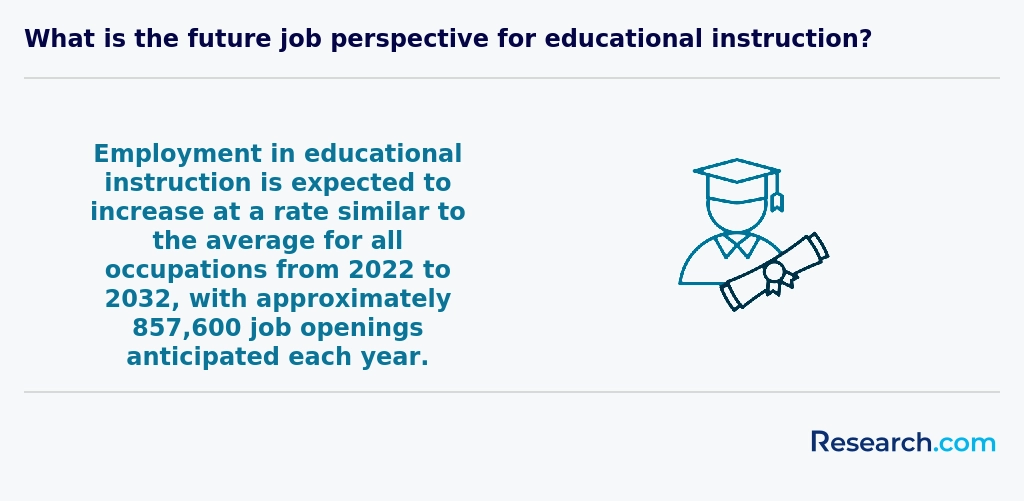
The U.S. Bureau of Labor Statistics projects a 5% growth in education-related jobs through 2031, reflecting steady demand. South Carolina's public schools serve over 700,000 students, highlighting a significant local need for qualified teachers and administrators, especially with advancements in online learning.
Internationally, education careers focus on lifelong learning and global collaboration, encouraging educators to adopt inclusive practices. For South Carolina students pursuing online degrees, this global outlook enriches their professional readiness.
Students pursuing an online education degree in South Carolina can gain practical experience through internships, student teaching, and field placements arranged by their programs. The South Carolina Department of Education requires teacher candidates to complete supervised student teaching to earn licensure, providing hands-on classroom exposure.
Many universities partner with local schools to facilitate these experiences, even for online learners. According to the National Center for Education Statistics, South Carolina has over 700 public schools that serve as practical sites for student teachers.
Additionally, candidates can participate in virtual simulations and community education projects to apply classroom theory to real-world settings while studying remotely.
Choosing the right concentration within an online education degree program in South Carolina involves matching your career goals with the state's educational needs. South Carolina's Department of Education emphasizes specialties like Special Education, Curriculum Instruction, and Educational Leadership, reflecting local demand.
Consider concentrations aligned with South Carolina's teacher shortages; for example, STEM education and special education have higher vacancy rates, according to the state's 2023 labor report. Prioritize programs accredited by the Council for the Accreditation of Educator Preparation (CAEP), ensuring quality and easier teacher certification.
Research program flexibility and available support for online students. Many South Carolina universities tailor concentrations to regional school district needs, which can enhance job prospects after graduation.
- 2027 Best Online Master's in Education Degree Programs Ranking in Georgia
- 2027 Best Online Master's in Education Degree Programs Ranking in North Carolina
- 2027 Best Online Master's in Education Degree Programs Ranking in Florida
- 2027 Best Online Master's in Education Degree Programs Ranking in Virginia
- 2027 Best Online Master's in Education Degree Programs Ranking in Kentucky
- 2027 Best Online Master's in Education Degree Programs Ranking in Missouri
- 2027 Best Online Master's in Education Degree Programs Ranking in Ohio
- 2027 Best Online Master's in Education Degree Programs Ranking in Indiana
- 2027 Best Online Master's in Education Degree Programs Ranking in Pennsylvania
- 2027 Best Online Master's in Education Degree Programs Ranking in New Jersey
See What Experts Have To Say About Studying Education
Read our interview with Education experts


Nooshan Ashtari
Education Expert
Professor & Book Author
University of Southern California

- Events & Opportunities https://connect.teachforall.org/events-opportunities
- How To Write A Great Cover Letter For Teacher Training - Engage Education https://engage-education.com/blog/how-to-write-a-great-cover-letter-for-teacher-training/
- What else can I do with an education or teaching degree? https://targetjobs.co.uk/careers-advice/career-ideas/what-else-can-i-do-education-or-teaching-degree
- Seven Major Challenges Facing Education in the 21st Century https://www.internationalschoolparent.com/articles/seven-global-education-challenges/
- Guide to Online Education Degrees | OEDb.org https://www.oedb.org/rankings/online-education-programs/
- Online & Distance Education https://scsu.edu/online_education/index.php
- Top 10 Effective Networking Tips for Students https://www.unfc.ca/blog/networking-tips-for-students
- Online Degree vs. Traditional: Choosing the Right Path https://beal.edu/online-degree-vs-traditional/
- Networking Tips and Advice for Students https://schoolshouldbe.com/post/networking-tips-and-advice-for-students/
- Education Technology Trends to Watch in 2065: 10 Innovations Shaping the Future of Learning https://www.digitallearninginstitute.com/blog/education-technology-trends-to-watch-in-2026