2027 Best Education Degree Programs Ranking in Tulsa

Co-Founder and Chief Data Scientist
Choosing the right education degree program can shape your future and open doors to rewarding career opportunities. This article introduces the 2027 Best Education Degree Programs Ranking in Tulsa, thoughtfully created by the Research.com team of data scientists. It's designed to guide you through the top options available locally.
By exploring this ranking, you'll gain valuable insights to make an informed decision. Earning an education degree is not only a pathway to personal growth but also a chance to positively impact your community. Let's discover the best programs Tulsa offers together.
Key benefits of getting education degree in Tulsa
- Salary for education degree graduates: Graduates in Tulsa can earn competitive salaries, such as $76,000 for Special Education Teachers and $77,200 for Instructional Designers, offering financial stability and growth.
- Career paths: A Tulsa education graduate from the University of Tulsa can pursue diverse roles, from teaching young children to designing innovative learning programs, opening doors to rewarding opportunities.
- Benefits of online degrees: Earning an education degree online from Tulsa Community College provides flexibility to balance work and study, making it easier to earn your degree while managing life's demands.
- Key benefits of getting education degree in Tulsa
- What can I expect from education degree in Tulsa?
- Where can I work with education degree in Tulsa?
- How much can I make with education degree in Tulsa?
- 2027 Best Education Degree Programs Ranking in Tulsa
- Key Findings
- How long does it take to complete education degree in Tulsa?
- What's the difference between online and on-campus education degree?
- What is the average cost of education degree in Tulsa?
- What financial aid is available to education degree students in Tulsa?
- What are the prerequisites for enrolling in education degree program in Tulsa?
- What courses are typically in education degree programs in Tulsa?
- What types of specializations are available in education degree programs in Tulsa?
- How do you choose the best education degree in Tulsa?
- What career paths are available for education degree students in Tulsa?
- What is the job market for education degree in Tulsa?
- Top Trending Education Rankings
- See What Experts Have To Say About Studying Education
What can I expect from education degree in Tulsa?
Students pursuing education degrees in Tulsa can expect tuition costs to align closely with national averages, with public institutions like the University of Tulsa offering significant in-state discounts. For example, in-state tuition rates often fall in the range of $8,000 to $12,000 annually, making education degrees more accessible to Oklahoma residents. Graduates frequently recount that these rates allowed them to invest in valuable resources such as textbooks and technology without undue financial strain.
Cost variability exists depending on whether students enroll in undergraduate or graduate programs; master's degrees in education leadership or counseling typically carry higher tuition, around $12,000 to $16,000 per year at local universities. Nonetheless, these programs' comprehensive curricula and practicum opportunities provide a worthwhile return on investment by enhancing employability.
Graduates often describe their financial planning experience as manageable due to available scholarships and financial aid targeted at future educators in Tulsa. Moreover, the emphasis on affordable tuition combined with quality education fosters confidence among students committed to joining local school districts upon graduation.
Where can I work with education degree in Tulsa?
Graduates with an education degree in Tulsa frequently find employment within Tulsa Public Schools, the largest local district serving over 33,000 students as of 2023. This high enrollment generates strong demand for certified teachers, counselors, administrators, and support staff, offering steady job opportunities directly linked to their training. Those who studied at the University of Tulsa or Oral Roberts University often transition smoothly into roles such as academic advisors or faculty in teacher preparation programs, reflecting the collaborative ties between these institutions and Tulsa's education system.
Many graduates also explore careers in charter and private schools like Union Public Schools or Holland Hall School, which seek educators with specialized skills, such as special education or early childhood instruction. Beyond traditional classrooms, education majors feel encouraged by opportunities in growing early learning centers and daycare programs, which value expertise in child development.
Employment in educational nonprofits and government agencies adds diversity to career paths, with organizations like Tulsa Area United Way offering roles in educational outreach and workforce training. Regional salary averages, reported between $45,000 and $55,000 for elementary and secondary teachers, further illustrate a viable economic future. These varied positions allow education graduates to thrive professionally and positively impact Tulsa's community.
How much can I make with education degree in Tulsa?
Graduates holding an education degree from popular Tulsa colleges often find rewarding career opportunities with competitive salaries. For example, elementary school teachers in Tulsa can expect to earn a mean annual wage of $70,740, aligning well with the U.S. Bureau of Labor Statistics data. Special education teachers earn even more, with an average salary around $76,000, reflecting the specialized skills acquired during their education programs.
Those pursuing roles like English as a Second Language (ESL) teachers benefit from a mean salary of $65,430 annually, offering fulfilling work that supports diverse student populations. Early childhood educators in Tulsa earn approximately $41,410 per year, a figure that encourages recent graduates starting at local universities to engage in early education careers with solid compensation.
Graduates leaning toward instructional design, a growing field within education technology, command an average salary of $77,200 annually, often after gaining experience in Tulsa's dynamic educational settings. These figures demonstrate how investing in an education degree in Tulsa can lead to stable, well-compensated roles that evolve alongside your expertise and certifications.
2027 Best Education Degree Programs Ranking in Tulsa
How do we rank schools?
Investing in your education is a significant decision that can shape your future, and the Research.com team understands the importance of making informed choices. To assist prospective students in Tulsa, we have meticulously crafted the "2027 Best Education Degree Programs Ranking in Tulsa." Our commitment to quality, credibility, and accuracy is reflected in the extensive research and analysis conducted to compile this ranking.
We utilized the following reputable data sources to ensure a comprehensive evaluation of education degree programs:
By exploring this ranking, readers will gain valuable insights into the best education degree programs available in Tulsa, helping them make informed decisions about their educational paths. For more details on our methodology, please visit our Research.com methodology page.


Key Findings
- Tulsa offers education degree programs through public universities, private colleges, and community colleges.
- In-state tuition for public universities ranges from $8,000 to $10,000 per year, while private colleges often charge more than $20,000 annually.
- Community colleges provide affordable options for associate degrees or transfer programs, costing between $3,000 and $5,000 per year.
- Graduate education programs generally cost between $10,000 and $25,000 for the entire Master of Education degree.
- Starting salaries for teachers in Tulsa are around $38,000 to $42,000 per year, with experienced educators earning $50,000 to $60,000 annually.
- Administrative and specialized education roles can pay over $70,000, and the teacher job market is expected to grow moderately through 2030.
How long does it take to complete education degree in Tulsa?
Completing a bachelor's degree in education in Tulsa typically spans about four years of full-time study, mirroring the national standard. Graduates from institutions like the University of Tulsa and Oral Roberts University often describe the program as well-structured, balancing foundational general education courses with specialized instructional strategies and hands-on student teaching placements.
For those pursuing a master's degree after earning a bachelor's, the timeframe usually extends to 1.5 to 2 years. This allows graduates to deepen their expertise in educational leadership or specialized teaching roles, often requiring 30 to 36 credit hours. Many appreciate the flexibility offered by Tulsa universities, which provide evening and online classes to accommodate working professionals, though this can lengthen completion times.
Doctoral candidates in Tulsa face a broader range for completion-typically 3 to 6 years-due to dissertation requirements and part-time versus full-time enrollment choices. Graduates frequently highlight how balancing coursework with research and practical application enhances their readiness for advanced educational careers in the region.
What's the difference between online and on-campus education degree?
Online education degree programs in Tulsa offer significant flexibility, ideal for working adults or those managing family obligations. Graduates from Tulsa Community College and the University of Tulsa often mention how accessing lectures and assignments remotely helps them balance their busy lives without commuting. Interaction happens through digital platforms like video calls and forums, creating a virtual yet connected learning environment.
In contrast, on-campus degrees provide a traditional experience with face-to-face classes and direct campus resource access. Students appreciate the immediate feedback and in-person collaboration, valuable for hands-on practice teaching. Graduates recall the energizing campus atmosphere and networking opportunities that enriched their studies.
Cost differences also play a role. Online tuition can be more affordable due to lower facility expenses, while on-campus students incur extra transportation and housing fees. Both formats meet Oklahoma's licensure requirements, offering valid pathways to teaching careers statewide.
What is the average cost of education degree in Tulsa?
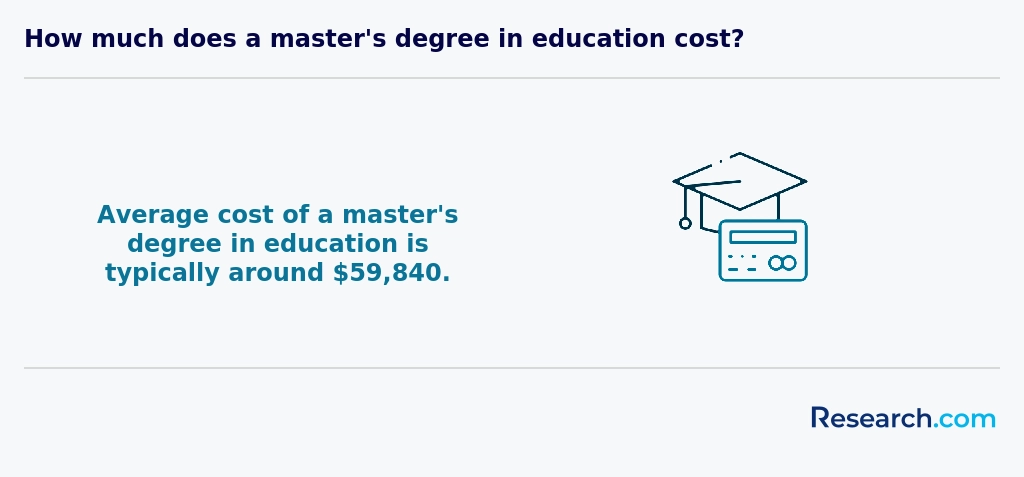
The average cost of a education degree in Tulsa varies widely depending on the institution and residency status, with a median total cost around $35,470 for in-state students. Graduates from popular local universities such as the University of Tulsa often face higher tuition rates, contributing to the median total cost near $51,590 when considering out-of-state students. Many students attending Tulsa Community College benefit from more affordable tuition, yet their total tuition and fees increase with credit hours and additional expenses, reflecting typical Tulsa education degree total tuition and fees.
Beyond tuition, graduates frequently note that expenses such as books, supplies, technology fees, and living costs significantly influence their overall investment. For example, many find that budgeting for $1,200 to $1,500 annually for books and materials is realistic, while fees related to labs or student services add extra costs every semester. Living arrangements also affect the total outlay, especially for those relocating to Tulsa for their studies.
Many students pursuing graduate education degrees in Tulsa report tuition ranging from $10,000 to $25,000 per year, with additional certification fees in some programs. Financial aid and scholarships help alleviate these costs, making the pursuit of an education degree more accessible. Those interested in accelerated pathways may find value exploring fast degree programs that can reduce the duration and expense of their studies.

What financial aid is available to education degree students in Tulsa?
Education students in Tulsa commonly access federal financial aid by submitting the FAFSA, unlocking benefits such as Pell Grants, which can cover up to $7,395 per academic year. Graduates from institutions like the University of Tulsa highlight how these grants substantially eased their tuition burdens. Federal student loans, both subsidized and unsubsidized, also provide essential funding, though repayment is required, helping many bridge funding gaps.
Oklahoma residents benefit from state aid programs like the Oklahoma Tuition Aid Grant (OTAG), offering up to $2,500 annually to eligible students at Tulsa-area schools. Education majors often secure scholarships awarded by local districts and university education departments, rewarding academic excellence and leadership-scholarships that graduates frequently credit for making education degrees affordable and attainable.
On-campus work-study opportunities at colleges such as Oral Roberts University enable students to earn while studying, reducing dependency on loans. Furthermore, employers and school districts in Tulsa offer tuition reimbursement and loan forgiveness, with some districts enabling loan forgiveness up to $17,500 for careers in high-need fields like special education, which provides tangible relief for early-career graduates.
What are the prerequisites for enrolling in education degree program in Tulsa?
Applicants aiming to enroll in education degree programs in Tulsa must first have a high school diploma or equivalent, such as a GED. For example, students entering Tulsa Community College's education track often recall meeting minimum GPA standards around 2.5 to 3.0, which reflects solid academic preparation. While some Tulsa schools have adopted test-optional policies, many still use SAT or ACT scores for admission; the University of Tulsa typically sees incoming freshmen with an average SAT score near 1240, demonstrating competitive academic readiness.
Graduates frequently highlight the importance of submitting strong letters of recommendation and personal statements, which provide institutions insight into applicants' passion and communication skills essential for effective teaching. Graduate programs usually require an accredited bachelor's degree with a GPA of at least 3.0, often emphasizing education-related majors. Many also mandate background checks aligned with Oklahoma regulations, ensuring candidate suitability for working with children.
What courses are typically in education degree programs in Tulsa?
Education degree programs in Tulsa typically include essential courses such as educational psychology, providing graduates with an understanding of student learning processes and developmental stages. Students often recall how classes on child and adolescent development helped them connect theory to real classroom dynamics at universities like the University of Tulsa. Curriculum and instruction courses emphasize designing effective lesson plans and assessments, which recent graduates found invaluable when preparing to meet Oklahoma's certification standards.
Classroom management training is another critical area, equipping future teachers with strategies to maintain a positive and productive environment, a skill praised by alumni from Tulsa Community College. Many programs also integrate special education courses covering differentiated instruction and inclusion, enabling students to support diverse learners confidently.
Student teaching experiences are frequently highlighted by education graduates for offering practical application under guidance, fostering both professional growth and enthusiasm for teaching careers in Tulsa's schools. Electives in educational technology or bilingual education allow students to tailor their skills to evolving classroom needs.
What types of specializations are available in education degree programs in Tulsa?
Education degree specializations Tulsa programs typically include Elementary Education, Secondary Education, and Special Education, each catering to distinct teaching roles. Graduates from popular universities in Tulsa often highlight how Elementary Education prepares them for engaging young learners in foundational subjects such as literacy and math, while Secondary Education specializes in subject-specific teaching for middle and high schools, with concentrations like science or English. Special Education emphasizes training for working with students facing learning challenges, enriching graduates' ability to develop individualized education plans.
Other notable tracks include Early Childhood Education, which covers child development for ages birth to eight, and Educational Leadership and Administration, designed for those pursuing roles as school principals or district leaders. Curriculum and Instruction offers a path for educators seeking to refine teaching methods, and English as a Second Language (ESL) addresses the needs of Tulsa's increasingly diverse student body. Many students report that hands-on experience through Tulsa Public Schools is invaluable in applying theories learned in class.
Those exploring teaching program options in Tulsa also benefit from affordable tuition rates and opportunities to supplement credentials via online certification programs that pay well, boosting career prospects in local education systems.
How do you choose the best education degree in Tulsa?
Choosing the best education degree programs Tulsa offers requires focusing on alignment with your career goals and financial capabilities. For instance, graduates from the University of Tulsa have praised programs emphasizing educational leadership or special education, which prepare them thoroughly for state licensure and real-world teaching demands. Tulsa Community College provides affordable education degrees in Tulsa with in-state tuition under $8,000, making it a practical option for students balancing budgets. Accreditation is critical; programs accredited by the Council for the Accreditation of Educator Preparation (CAEP) guarantee quality that supports successful licensure and employment outcomes.
Flexibility is another key factor, as many Tulsa students value hybrid formats that combine online and on-campus courses, which accommodate working professionals. Reviewing job placement data and alumni satisfaction can illuminate program effectiveness and help envision your future success. For those interested in advancing beyond initial certification, exploring what masters degree pays the most can inform long-term investment decisions in education.
What career paths are available for education degree students in Tulsa?
Graduates with an education degree in Tulsa have access to diverse career paths, supported by a robust local educational infrastructure. Many find roles as licensed classroom teachers in elementary, middle, or high schools, specializing in subjects such as math, science, or special education. These teaching jobs with education degree Tulsa typically start at around $42,000 annually, making them financially viable options. Beyond teaching, opportunities in administration as principals or instructional coordinators offer higher salaries, with principals earning about $89,000 on average.
Graduates often pursue educational counseling or school counseling roles, helping students thrive personally and academically while earning $45,000 to $60,000. Others engage in tutoring, educational consulting, or career advising, leveraging Tulsa's emphasis on personalized learning approaches. Local universities like Tulsa Community College and the University of Tulsa provide pathways to higher education careers as academic advisors or instructors, often requiring advanced degrees.
Many education students balance their goals by choosing a cheapest online university option to reduce costs while training for these rewarding careers, reflecting a pragmatic approach to education degree career opportunities Tulsa offers.
What is the job market for education degree in Tulsa?
The job market for education degree graduates in Tulsa is robust, characterized by consistent demand for teachers, especially in STEM and special education fields. Many graduates from Tulsa's well-regarded universities enter the workforce with optimism, finding positions in public schools, charter institutions, and expanding bilingual education programs. This trend reflects a steady statewide teacher shortage and creates a variety of career pathways beyond traditional classroom roles, including administration and curriculum development.
Graduates often share positive experiences about career advancement opportunities within Tulsa's school districts, supported by growing charter and private school sectors. Entry-level salaries typically range from $45,000 to $55,000 annually, which many find competitive within Oklahoma. Furthermore, students at local universities appreciate that tuition costs between $8,000 and $12,000 per year offer a reasonable investment given the stable employment outlook. Prospective students interested in diverse program options might explore online universities that are nationally accredited to complement their education degree job opportunities Tulsa offers.
Frequently Asked Questions About education
Education degree students in Tulsa can enhance their learning by engaging in local internships and student teaching opportunities offered through partnerships between universities and Tulsa Public Schools. Practical experience is essential for understanding real classroom dynamics. According to the Oklahoma State Regents for Higher Education, Tulsa hosts several accredited institutions with education programs that provide hands-on fieldwork starting early in the curriculum.
Additionally, students should take advantage of Tulsa's educational conferences and workshops, which often feature experienced educators and policymakers. Networking within these events can open doors to mentorship and career advancement.
Finally, utilizing Tulsa's public libraries and educational resource centers supports independent research and better preparation for licensing exams required by the State of Oklahoma.
Emerging niches within the education field reflect growing needs in Tulsa and across the U.S. One significant area is educational technology, where demand for specialists who can design and implement digital learning tools is rising. According to the Bureau of Labor Statistics, jobs in this sector are expected to grow 13% nationwide by 2032.
Another niche is special education, focused on supporting diverse learners including those with disabilities or behavioral challenges. Tulsa Public Schools reported an increase in special education enrollment by 4% over the past three years, highlighting local demand for qualified educators.
Additionally, bilingual education is gaining importance due to Tulsa's growing multicultural population. Educators skilled in dual-language instruction can help address the needs of English language learners, a group that comprises nearly 10% of Tulsa's student body per state data.
After completing an education degree in Tulsa, preparing for the job market involves several strategic steps. First, gaining student teaching experience through local Tulsa Public Schools or area districts is crucial, as hands-on work enhances job prospects. According to the Oklahoma State Department of Education, teacher demand in Tulsa remains steady, especially for special education and STEM subjects.
Networking is also key. Attend job fairs hosted by Tulsa colleges and educational organizations, and connect with mentors and alumni working in Tulsa schools. Additionally, obtaining Oklahoma state teaching certification by passing required exams will increase employability significantly.
Consider joining professional associations like the Oklahoma Education Association, which offers job resources and professional development. Staying updated on regional education trends and district hiring priorities can provide an edge in interviews and applications.
Employers in Tulsa's education sector prioritize several key skills when hiring graduates with education degrees. Strong communication skills are essential, as teachers must effectively convey information and engage with diverse student populations. According to the Oklahoma State Department of Education, cultural competency and adaptability are increasingly valued due to Tulsa's diverse classrooms.
Additionally, classroom management and the ability to develop individualized learning plans are critical. Technological proficiency is another important skill, especially with the rise of digital learning tools. The Tulsa Workforce Development Board notes that employers seek candidates who demonstrate collaboration and problem-solving abilities to address challenges in dynamic educational environments.
Finding internships in Tulsa relevant to an education degree involves leveraging local school districts, universities, and community organizations. Tulsa Public Schools and nearby districts regularly offer internship opportunities for education majors, allowing hands-on experience in classrooms. According to Tulsa Public Schools' career services, collaboration with universities helps place interns each semester.
Students can also connect with the University of Tulsa and Oklahoma State University-Tulsa, both of which have dedicated career centers that assist with internship placement. These centers often maintain partnerships with local educational institutions and nonprofits.
Additionally, websites like Handshake and local job boards tailored to education roles can be useful. Networking at education conferences in Tulsa increases chances of securing internships. The U.S. Bureau of Labor Statistics notes internships enhance job prospects in teaching careers nationwide, including Oklahoma.
In Tulsa, earning an education degree significantly enhances career mobility and advancement opportunities within the local school systems. According to the Oklahoma State Department of Education, over 70% of teacher positions require at least a bachelor's degree in education, making such credentials essential for entry. Additionally, educators with advanced degrees, such as a master's in education, often qualify for higher salaries and leadership roles, including curriculum coordinators or school principals.
Data from Tulsa Public Schools indicates certified teachers with education degrees experience nearly 15% faster promotion rates compared to those without. This trend is supported by state funding policies that reward higher qualifications with salary increments, encouraging ongoing education for career growth.
Studying for an education degree in Tulsa equips students with skills essential for interdisciplinary roles by emphasizing collaboration across various fields, such as psychology, technology, and social sciences. Tulsa's higher education institutions, like the University of Tulsa and Oral Roberts University, offer programs that integrate these disciplines into their curricula. According to the Oklahoma State Department of Education, nearly 30% of educators in Tulsa work in settings requiring multifaceted expertise.
The programs encourage practical experiences in diverse community environments, preparing graduates to address complex educational challenges. This approach fosters adaptability and broad knowledge, which are crucial for roles involving curriculum design, special education, and educational technology support.
When choosing between a thesis and a non-thesis education degree in Tulsa, consider your career goals and learning preferences. Thesis programs require conducting original research and writing a substantial paper, ideal for students aiming for roles in academia or further graduate study. Non-thesis programs focus more on coursework and practical skills, often preferred by those pursuing direct employment in schools or educational administration.
In Tulsa, universities like the University of Tulsa and Oklahoma State University-Tulsa offer both paths, reflecting national trends where roughly 40% of education graduate students choose thesis options. According to the National Center for Education Statistics, thesis programs typically extend study time by one semester.
Assess if you enjoy research and long-term projects, or if hands-on experience and flexibility better suit your needs. Local tuition rates and faculty expertise may also influence your decision.
Students in Tulsa interested in pursuing education degrees abroad have several pathways through local institutions that offer study abroad programs. The University of Tulsa and Tulsa Community College both provide options to study education in partner universities worldwide. These programs often last from a few weeks to a full semester, allowing students to gain international experience while earning credits toward their degree.
Tulsa students can also access scholarships and grants specifically aimed at education majors seeking overseas study, such as those from the U.S. Department of Education's Gilman Scholarship Program. This financial support helps reduce the cost barriers for international study.
Additionally, Tulsa schools emphasize preparing future educators with global perspectives, which aligns with national trends showing that internationally experienced teachers can bring valuable cultural competence to U.S. classrooms. According to the Institute of International Education, nearly 12% of U.S. education students engage in study abroad opportunities annually, reflecting growing interest and institutional support.
Part-time job opportunities in Tulsa that complement education degree studies often include roles such as teacher assistants, tutors, and after-school program coordinators. These positions provide practical experience working directly with students and educational staff, enhancing skills learned in coursework. According to Tulsa Public Schools, the demand for qualified assistants and tutors is rising due to increasing student enrollment.
Additionally, local libraries and community centers frequently hire education students for literacy programs, offering hands-on opportunities to support learning in diverse settings. Working in these roles helps build classroom management and communication skills vital for future teaching careers.
Tulsa's growing educational services sector, as reported by the Oklahoma Employment Security Commission, indicates steady part-time job availability for education majors seeking relevant, flexible work.
Education students in Tulsa benefit from multiple networking opportunities that connect them with local educators, school districts, and peers. Tulsa houses several institutions such as the University of Tulsa and Oklahoma State University-Tulsa, which host education-focused events, workshops, and career fairs. These events provide valuable chances to engage with experienced professionals and potential mentors.
Additionally, Tulsa Public Schools and surrounding districts often collaborate with universities, offering student teaching placements that double as networking platforms. The Tulsa Area United Way and local education nonprofits also support networking through volunteer and partnership programs.
Professional organizations like the Oklahoma Education Association have active Tulsa chapters, enabling students to build connections and stay informed about industry developments.
Alumni networks provide valuable support to education degree students in Tulsa by offering connections to experienced professionals and recent graduates. These networks often share job openings, internship opportunities, and mentoring programs, which can improve a student's chances of employment after graduation. According to Tulsa Community College, active alumni groups have helped place over 60% of their education graduates into local schools within six months of completing their degree.
Additionally, alumni networks facilitate collaboration and continuous learning. Graduates working in Tulsa's diverse educational settings frequently share insights on best practices and local teaching standards, benefiting current students. This exchange nurtures a sense of community and professional growth essential for educators in the region.
Customizing an education degree program in Tulsa allows students to tailor their studies to align closely with career aspirations. Many local institutions, such as the University of Tulsa and Oral Roberts University, offer flexible degree options that include specialized tracks like early childhood, special education, or educational leadership. Tulsa's higher education system also supports certification pathways and elective courses that focus on current regional educational needs.
Students can often choose practicum placements within Tulsa Public Schools, providing valuable hands-on experience. According to the Oklahoma State Department of Education, Tulsa's school district emphasizes partnerships that enhance student-teacher collaboration, helping graduates meet local demand for skilled educators.
Additionally, online and hybrid course formats give Tulsa students more control over pacing and focus areas, helping them balance work, family, and study while refining their skills in specific education sectors.
Education students in Tulsa often face significant challenges related to balancing coursework with practical experience. Teaching programs typically require extensive fieldwork, including student-teaching hours, which can be difficult to schedule alongside classes. According to Tulsa Community College data, many students report struggling to coordinate these commitments while managing personal and financial responsibilities. Financial strain remains a common issue; the average tuition for education programs in Tulsa ranges from $8,000 to $15,000 annually, impacting completion rates. Additionally, adapting to evolving educational technologies and diverse classroom needs requires ongoing learning and flexibility from students, posing further challenges during their studies.
With an education degree in Tulsa, you can pursue several professional certifications that enhance your teaching career. The most common is the Oklahoma Professional Teaching Certificate, required for public school educators. It involves passing the Oklahoma General Education Test (OGET) and the Oklahoma Subject Area Tests (OSAT).
Additional certifications include endorsements in special education, English as a Second Language (ESL), and educational leadership. Tulsa educators can also seek National Board Certification, which is recognized nationwide and can increase salary potential.
Local school districts often support pursuing these credentials to meet diverse student needs, improving career opportunities in Tulsa's education system.
Writing a winning application for an education program in Tulsa requires a clear focus on your passion for teaching and commitment to the community. Highlight any prior experience working with children or educational settings, as Tulsa institutions value practical engagement. According to the Oklahoma State Regents for Higher Education, programs like those at the University of Tulsa emphasize strong academic records and relevant volunteer or work experience.
Be sure to tailor your personal statement to reflect how you plan to contribute to Tulsa's diverse student population, demonstrating cultural awareness and adaptability. Additionally, prepare to submit official transcripts, letters of recommendation, and in some cases, professional resumes to strengthen your application.
Research each school's specific admission criteria, as requirements may vary, and meet all deadlines carefully. Including quantified achievements or service learning projects in Tulsa schools can further enhance your profile.
Education careers in Tulsa reflect a broader U.S. trend of growing demand for qualified teachers amid global educational challenges. The U.S. Bureau of Labor Statistics projects an 8% growth for kindergarten through secondary school teachers nationwide from 2022 to 2032, with Tulsa contributing actively to this need. According to Tulsa Public Schools, ongoing teacher shortages highlight opportunities for education graduates locally.
Globally, education professionals are increasingly valued for their roles in shaping future-ready students in a digital and multicultural world. U.S. institutions, including those in Tulsa, emphasize cross-cultural competencies and innovative teaching methods to meet these demands.
Such trends align Tulsa's education degree programs with international perspectives focused on adaptability, inclusiveness, and lifelong learning skills.
Gaining practical experience while studying for an education degree in Tulsa is essential for preparing to become an effective educator. Most education programs in the area include student teaching internships, which place candidates in local schools to gain hands-on experience under the mentorship of certified teachers. Tulsa County schools actively collaborate with universities to provide these opportunities.
Additionally, universities like the University of Tulsa and Tulsa Community College often offer practicum placements and fieldwork components. These allow students to work with diverse student populations in real classroom settings. According to the Oklahoma State Department of Education, completing at least 12 weeks of supervised student teaching is a requirement for state licensure.
Volunteering or tutoring in Tulsa community centers offers another way to build practical skills while contributing to the community. These varied experiences help future teachers understand classroom management, instructional strategies, and student engagement before full-time employment.
Choosing the right concentration within an education degree program in Tulsa requires careful consideration of your interests and local job market demands. Tulsa Public Schools employs over 8,000 educators, creating strong demand for specialized teachers in areas like special education, STEM, and early childhood education. According to the Oklahoma State Department of Education, concentrations in these fields often lead to higher employment rates post-graduation.
Research local schools and districts to identify which concentrations are most in demand. Many Tulsa universities offer practical experience through partnerships with nearby schools, allowing students to test different areas before deciding. Additionally, consider your long-term career goals and personal strengths when selecting a concentration.
Related Education Rankings for Nearby Cities
- 2027 Best Education Degree Programs Ranking in Wichita
- 2027 Best Education Degree Programs Ranking in Kansas City
- 2027 Best Education Degree Programs Ranking in Columbia
- 2027 Best Education Degree Programs Ranking in Des Moines
- 2027 Best Education Degree Programs Ranking in Colorado Springs
- 2027 Best Education Degree Programs Ranking in Dubuque
- 2027 Best Education Degree Programs Ranking in New Orleans
- 2027 Best Education Degree Programs Ranking in Denver
- 2027 Best Education Degree Programs Ranking in Birmingham
- 2027 Best Education Degree Programs Ranking in Louisville
Top Trending Education Rankings
See What Experts Have To Say About Studying Education
Read our interview with Education experts

Alan J. Singer
Education Expert
Professor of Teaching, Learning and Technology
Hofstra University

Nooshan Ashtari
Education Expert
Professor & Book Author
University of Southern California

References
- Education Study Abroad | CIEE https://www.ciee.org/go-abroad/college-study-abroad/programs/subjects-disciplines/education-study-abroad
- OSU Tulsa launches 4-year degree programs, expanding access for students https://www.newson6.com/tulsa-oklahoma-education/osu-tulsa-4-year-degree-programs
- Get the skills employers want | Study UK https://study-uk.britishcouncil.org/why-study/succeed-your-career/get-skills-employers-want
- EDUCATION AS A KEY IN CAREER BUILDING https://journals.vilniustech.lt/index.php/JBEM/article/download/15399/10674
- Education Study Abroad Programs | Go Overseas https://www.gooverseas.com/study-abroad/education
- Putting theory into practice: The value of an interdisciplinary approach to teaching https://my.chartered.college/impact_article/putting-theory-into-practice-the-value-of-an-interdisciplinary-approach-to-teaching/
- Why Is Education Important in Your Career Advancement? - KWSP Malaysia https://www.kwsp.gov.my/en/w/article/career-advancement
- Events & Opportunities https://connect.teachforall.org/events-opportunities
- Top 15 Skills Employers Look for in College Graduates https://www.vupune.ac.in/blog/top-15-skills-employers-look-for-in-college-graduates
- Tips for Choosing Your Graduate Concentration - Graduate Programs for Educators https://www.graduateprogram.org/blog/tips-for-choosing-your-graduate-concentration/