
2027 Best Education Degree Programs Ranking in Colorado Springs

Co-Founder and Chief Data Scientist
Choosing the right education degree program is an exciting step toward a rewarding career in Colorado Springs. This article introduces the 2027 Best Education Degree Programs Ranking in Colorado Springs, developed by the Research.com team of data scientists. It is designed to guide students like you through the top options available locally.
By exploring this ranking, you'll gain valuable insights into programs that truly stand out. Pursuing an education degree opens doors to meaningful work, growth, and making a positive impact in your community. Let this guide help you find the perfect path forward.
Key benefits of getting education degree in Colorado Springs
- Salary for education degree graduates: Graduates can expect competitive salaries, such as $70,740 annually for elementary school teachers or $77,200 for instructional designers, offering financial stability in Colorado Springs.
- Career paths: A typical education graduate from a local college might explore roles like early childhood educator, special education teacher, or ESL teacher, all with rewarding opportunities to impact the community.
- Online degree benefits: Earning an education degree online from a Colorado Springs university provides flexibility and accessibility, allowing you to balance work and study while advancing your career efficiently.
- 2027 Best Education Degree Programs Ranking in Colorado Springs
- What can I expect from education degree in Colorado Springs?
- Where can I work with education degree in Colorado Springs?
What can I expect from education degree in Colorado Springs?
The average cost of an education degree in Colorado Springs ranges from about $7,000 per year at public institutions to over $15,000 annually at private colleges. For example, graduates from the University of Colorado Colorado Springs often recall how their public tuition fees made advanced learning accessible without overwhelming debt. Meanwhile, students at Colorado College might invest more but benefit from smaller class sizes and personalized support, which enhances their practical teaching skills.
Many education students find that exploring scholarships and state-funded grants specifically for teacher candidates significantly eases financial pressure. These opportunities empower future educators to focus on hands-on experiences like student teaching and internships with local K-12 schools, enriching their confidence and readiness for licensure.
Graduates frequently emphasize how managing costs strategically, such as attending a public university first or applying for targeted fellowships, transforms the daunting expense into a rewarding investment in a meaningful career. This practical approach allows students in Colorado Springs to pursue their dreams sustainably.
Where can I work with education degree in Colorado Springs?
Graduates with an education degree in Colorado Springs often find rewarding careers as K-12 teachers in districts like Colorado Springs School District 11, where demand for licensed educators in special education, STEM, and English language arts remains strong. Many graduates from the University of Colorado Colorado Springs (UCCS) share how their programs prepare them well for state licensure, making the transition into classroom roles smoother and fulfilling.
Beyond teaching, education degree holders have stepped into roles like instructional coordinators or curriculum specialists, helping local schools improve learning materials. These positions offer a chance to shape education quality while leveraging skills learned in college coursework and practicum experiences.
For those interested in community impact, jobs with nonprofits such as the Pikes Peak Library District provide meaningful work in youth programs and adult education. Graduates often find these roles rewarding as they use their teaching background to engage and empower diverse populations.
Positions in early childhood education are growing rapidly, fueled by the area's population boom. Programs at local colleges emphasize hands-on training for working with young children, opening doors to preschool teaching and administration.
Lastly, education graduates have pursued careers in postsecondary services, such as academic advising or teaching at UCCS and community colleges. These roles blend passion for education with opportunities to mentor and guide the next generation of learners.
Graduates with an education degree from colleges like the University of Colorado Colorado Springs often find starting salaries between $40,000 and $45,000 in local school districts. As they gain experience, many move into roles paying closer to the median annual wage for elementary teachers in Colorado, which is about $70,740 according to BLS data. This aligns well with district pay scales in Colorado Springs, especially for those who pursue advanced certifications or a master's degree.
Special education graduates frequently see higher salaries, averaging around $76,000, reflecting the demand for these specialized skills. Early Childhood Educators might expect starting salaries near $41,410, offering a practical entry point into education careers. Instructional designers with education backgrounds have even broader opportunities, earning an average of $77,200, often benefiting from district or private sector roles.
Graduates say focusing on gaining certifications and exploring specialized roles in Colorado Springs' diverse education sector can increase earning potential while enjoying a fulfilling career helping students thrive.
- Education degrees in Colorado Springs cost between $25,000 and $40,000 for a bachelor's program and $15,000 to $30,000 for graduate degrees.
- The education job market in the Pikes Peak region is expected to grow by about 6% over the next 10 years.
- Starting salaries for education graduates typically begin around $45,000 annually, with mid-career pay rising to $60,000-$65,000.
- Teacher licensure in Colorado requires passing state exams and completing an approved preparation program, often included within local degree programs.
- Education programs in the area emphasize culturally responsive teaching and often offer flexible schedules for working professionals.
Completing an education degree in Colorado Springs typically takes about four years for a bachelor's degree when attending full-time at popular institutions like the University of Colorado Colorado Springs or Colorado College. Graduates often share that sticking to a full-time course load and planning ahead for required credits helps maintain steady progress without feeling overwhelmed.
For those pursuing a master's degree, the timeline varies from 18 months to three years depending on whether the program is full- or part-time. Many students at local colleges balance jobs and studies by opting for part-time schedules, which can extend completion but also provide steady income and practical experience.
Accelerated combined bachelor's and master's tracks available in Colorado Springs appeal to students eager to enter the workforce sooner, often finishing within five years. Taking summer classes or enrolling in alternative certification programs also helps reduce time-to-degree, enabling you to teach in K-12 schools faster.
In today’s rapidly evolving educational landscape, many programs are placing a growing emphasis on diversity, equity, and inclusion (DEI) initiatives to ensure that educators are well-equipped to serve increasingly diverse student populations. These initiatives not only foster a classroom environment where every student feels valued but also empower future teachers with the cultural competence necessary to address issues of bias, representation, and social justice. DEI training components are integrated into curriculum through specialized workshops, inclusive pedagogy courses, and interactive community projects, allowing educators to learn effective strategies for engaging with multicultural communities and students with varying needs. Moreover, modern education programs are enhancing their curricula by incorporating digital tools and global case studies, which mirror the diversity found in today’s classrooms. This holistic approach prepares future educators to navigate the challenges of global classrooms by blending traditional teaching techniques with innovative practices-a blend that is increasingly essential for thriving in competitive educational environments. In addition, many institutions are streamlining pathways for advancement by offering accelerated options, such as the easiest edd programs, which focus on leadership and DEI best practices so that graduates can assume roles as change-makers from the outset of their careers. By prioritizing DEI, education programs not only enrich classroom dynamics but also cultivate educators who are ready to build bridges across cultural divides and advocate for inclusive excellence in schools nationwide.
Online and on-campus education degrees in Colorado Springs differ mainly in delivery and experience. On-campus programs, like those at the University of Colorado Colorado Springs (UCCS), immerse students in face-to-face learning with professors and peers, fostering practical skills through local student-teaching placements. Graduates often recall the value of hands-on interaction and access to campus resources like libraries and tutoring centers, which deepen their confidence in classroom management.
By contrast, online degrees offer the flexibility to balance work and family while pursuing education credentials. Many Colorado Springs students appreciate that online programs reduce commuting and housing costs, making it easier to study part-time. Coursework is accessed digitally, allowing students to learn on their own schedules without missing essential licensure components, some of which still require local practicum arrangements.
Choosing between formats depends on how you thrive: whether you value structured, immersive learning on campus or the adaptability of online study that fits a busy lifestyle in Colorado Springs.
Becoming a licensed teacher in Colorado Springs requires completion of a state‐approved educator preparation program, passing scores on the Praxis Core Academic Skills for Educators and Praxis Subject Assessments, and successful background clearance through the Colorado Department of Education (CDE). First, candidates must enroll in an accredited teacher preparation pathway-traditional or alternative route-and demonstrate proficiency in reading, writing, and mathematics via the Praxis Core. Specific content exams follow, tailored to the grade levels and subject areas students wish to teach. After exam completion, applicants submit an online licensure application through the CDE portal, including official transcripts, test score reports, and fingerprint clearance. Colorado’s initial teaching license is valid for three years, during which educators must complete at least three credit hours of professional development annually. Renewal requires a total of 30 professional development hours and documentation of ongoing educator effectiveness. For those seeking flexible or cost-effective preparation, aspiring teachers may compare pathways and financial aid opportunities; for example, our Cheapest Online Education Degree Programs Ranking in Massachusetts highlights affordable online options that meet rigorous accreditation standards. Finally, Colorado offers reciprocity for out‐of‐state educators holding valid licenses, though additional assessments or coursework may be required. Understanding these certification steps upfront ensures prospective educators in Colorado Springs can plan their academic and professional paths with confidence.
The average cost of a education degree in Colorado Springs generally reflects a balance between affordability and quality. In-state students at public institutions, such as the University of Colorado Colorado Springs, experience tuition close to $10,149 for their total degree, which makes earning an education degree financially achievable. Graduates often share that this in-state tuition allows them to focus on gaining valuable classroom experience without the heavy burden of debt commonly associated with private education.
Out-of-state students typically face significantly higher costs, often exceeding $38,726 for the entire program. Private colleges in Colorado Springs usually set tuition near these out-of-state totals, sometimes higher, but many students find that financial aid and scholarships help bridge the gap. Personal stories from recent graduates point to opportunities for aid that substantially reduce expenses, which makes pursuing a degree at these institutions more accessible.
Those researching education degree tuition and fees Colorado Springs will benefit from exploring part-time or online options offered by local schools, as these alternatives can spread costs over time and lower living expenses. Students have also highlighted the advantage of scholarships specifically for education majors, which can lighten financial pressures and make earning the degree feel both exciting and manageable.
For those aiming to find the most supportive environment and cost-effective path, comparing programs and financial aid packages closely is essential. Resources such as the affordable education school in Colorado guide can help steer students toward the best tuition deals and options that fit their circumstances perfectly.
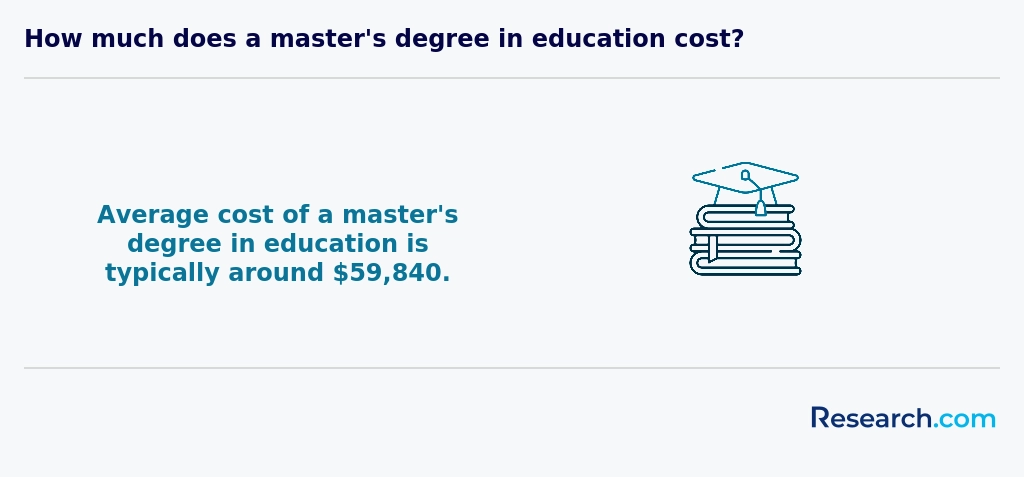
One of the crucial factors for prospective students considering an education degree in Colorado Springs is the affordability of the program. Understanding the costs involved, from tuition fees to living expenses, is essential for making an informed decision. Students can explore various options to make their education more affordable, such as enrolling in an affordable education school in Colorado, which can significantly reduce the financial burden. Additionally, many institutions offer financial aid, scholarships, and work-study programs that can help mitigate the costs. By carefully planning and considering these factors, students can pursue their education goals without undue financial stress, focusing instead on their academic and professional development.
Education students in Colorado Springs can access a variety of financial aid options that truly make pursuing their degree manageable. Many rely on federal aid through FAFSA, unlocking opportunities like the Pell Grant, which supports low-income students with up to $7,395 annually without repayment. Others benefit from the TEACH Grant, offering up to $4,000 each year for those committing to teach in high-need local schools. Graduates from institutions like the University of Colorado Colorado Springs share how such aid lightened their financial burden, letting them focus more on their studies than on money worries.
State programs also play a crucial role. The Colorado Teacher Loan Forgiveness Program, for example, forgives up to $3,000 per year for four years when graduates teach in Colorado public schools. This real-world encouragement motivates many to stay in the area and build their careers. Additionally, local colleges frequently award scholarships based on merit or community involvement, which students find both supportive and inspiring.
Work-study positions on campus and in nearby schools offer paid experience, helping students gain vital skills while earning income. Combining these aids creates an empowering path to becoming an educator in Colorado Springs.
Understanding the long-term value of an education degree is critical for informed decision-making. In Colorado Springs, graduates report an average starting salary of $45,000 to $50,000, depending on specialization, with median mid-career earnings rising to $65,000. When compared against average in-state tuition of $12,000 per year at public institutions, the typical payback period for a bachelor’s in education ranges from five to seven years. Specialized tracks like instructional design or educational leadership often yield higher salary growth, reducing the break-even horizon to four years. Job placement rates within one year of graduation exceed 85% for accredited programs at UCCS and Colorado College. This strong outcome is driven by robust career services, local school district partnerships, and practicum placements that seamlessly transition into full-time roles. Furthermore, disciplined financial planning-combining federal aid, state grants, and merit scholarships-lowers borrowing costs, improving net present value (NPV) of the degree. Prospective students should weigh average debt levels of $20,000 against projected lifetime earnings gains upwards of $500,000 to quantify ROI effectively. For those exploring cost-efficient pathways outside Colorado Springs, our colleagues at Research.com have compiled the Cheapest Online Education Degree Programs Ranking in Massachusetts, offering additional benchmarks on tuition savings and flexible formats. By comparing these data points, students can optimize program selection to maximize financial returns and career satisfaction in the dynamic field of education.
To enroll in an education degree program in Colorado Springs, you typically need a high school diploma or GED for undergraduate admission. Graduates from local universities recall how meeting this basic requirement was just the first step toward a rewarding teaching career. For graduate programs, a bachelor's degree with a GPA around 2.5 to 3.0 is essential, as it demonstrates readiness for advanced study.
Many students found that submitting SAT or ACT scores helped strengthen their applications, although several colleges now offer test-optional policies, easing this requirement. Graduate applicants may need GRE results, depending on the program.
Successful candidates submit letters of recommendation from instructors or workplace supervisors, which past enrollees say boosted their chances by highlighting dedication and professionalism. Completing foundational courses in English, math, and social sciences is often required, ensuring you have the academic tools to thrive.
Background checks and fingerprinting are mandatory for hands-on experience in local classrooms, reassuring students about safety and professionalism. Volunteering or work experience with children is highly encouraged and has helped others gain a meaningful edge when applying at well-regarded institutions in the area.

Ensuring your chosen education program in Colorado Springs holds proper accreditation is essential for state licensure, eligibility for federal financial aid, and seamless transfer of credits. Most reputable programs are accredited by the Council for the Accreditation of Educator Preparation (CAEP) or the Colorado Department of Education (CDE). Before enrolling, verify accreditation status on the CAEP website or the institution’s official site to confirm compliance with national and state standards. In Colorado, prospective teachers must complete an approved educator preparation program, pass the relevant Praxis® exams (content, pedagogy, and principles of learning), and fulfill a background check through the CDE. Upon successful completion, candidates apply for the Initial Educator License, which requires: • A bachelor’s degree from a regionally accredited institution • Completion of a CDE-approved teacher preparation program • Passing scores on Praxis® Core and Praxis® content assessments • Classroom experience documented through student teaching or an internship • Submission of official transcripts and licensure fees to the CDE portal After earning the Initial License, educators can advance to the Professional License by completing two years of teaching under mentorship and demonstrating ongoing professional development. Many Colorado Springs programs integrate support services-such as licensure workshops and test-prep sessions-to guide candidates through each step. For students balancing cost and accreditation, it’s worth comparing accredited online alternatives. For instance, you may explore the Cheapest Online Education Degree Programs Ranking in Massachusetts, which highlights fully accredited, budget-friendly pathways that meet rigorous licensure requirements. By prioritizing program accreditation and understanding Colorado’s licensure process, you’ll position yourself for a smooth transition from candidate to certified educator.
Students pursuing education degrees in Colorado Springs typically engage in core courses like Educational Psychology, where they learn how children develop and absorb information-crucial for tailoring lessons to meet diverse needs. Graduates from local institutions often recall how Curriculum Development classes challenged them to design lesson plans that are both effective and aligned with state standards.
Classroom Management courses prepare future teachers to create supportive learning environments, something many find immediately applicable during their practicums in Colorado Springs-area schools. Instructional Technology classes help students gain confidence using digital tools, boosting engagement, a benefit highly valued by education graduates starting their careers.
Assessment and Evaluation coursework equips students to measure and adapt teaching based on student progress, a skill praised by those entering diverse classrooms. Many also appreciate Special Education classes, which provide strategies to support learners with varied abilities-an area often highlighted as deeply rewarding by graduates studying at popular colleges in Colorado Springs.
Lastly, Educational Law and Ethics courses ensure future educators understand their professional responsibilities, which alumni describe as empowering and essential for long-term success in Colorado's schools.
Education degrees in Colorado Springs typically offer specializations such as Elementary Education, Secondary Education, Special Education, and Educational Leadership and Administration. Graduates from popular colleges in the area often highlight how Elementary Education prepared them to engage young learners with confidence and creativity in real classrooms. Those pursuing Secondary Education frequently focus on subject-specific expertise, making it easier to connect with middle or high school students in their chosen discipline.
The region's growing emphasis on Special Education addresses local demand, equipping students to support children with diverse learning needs, which graduates find deeply rewarding. Leadership-minded candidates benefit from programs in Educational Leadership and Administration, which combine practical skills in school management with knowledge of law and finance.
Additionally, emerging tracks like Curriculum and Instruction or Adult Education provide flexible options aligned with workforce development goals. When considering education degree specializations in Colorado Springs, it's wise to explore all paths-including options from easiest edd programs-to match career aspirations and local needs effectively.
To choose the best education degree in Colorado Springs, start by focusing on programs that have strong accreditation and reputations, such as those at Colorado Christian University or the University of Colorado Colorado Springs. Graduates from these schools often share how their practical experiences through student teaching helped build confidence in real classrooms. Considering affordable teaching degrees in Colorado Springs is essential, especially given public in-state tuition averages around $11,000 annually; exploring financial aid and scholarships early can ease the burden.
Look for programs that offer flexible schedules, including online or evening classes, which fit well for working adults. Many students appreciate how local partnerships with school districts provide vital practicum opportunities that connect them directly to employment prospects. It's also wise to verify that the degree meets Colorado's state licensure requirements to ensure a smooth path to becoming a licensed educator.
For a detailed comparison of accessible options, check out the Cheapest Online Education Degree Programs Ranking in Massachusetts, which can inspire affordable online program choices even while based in Colorado Springs.
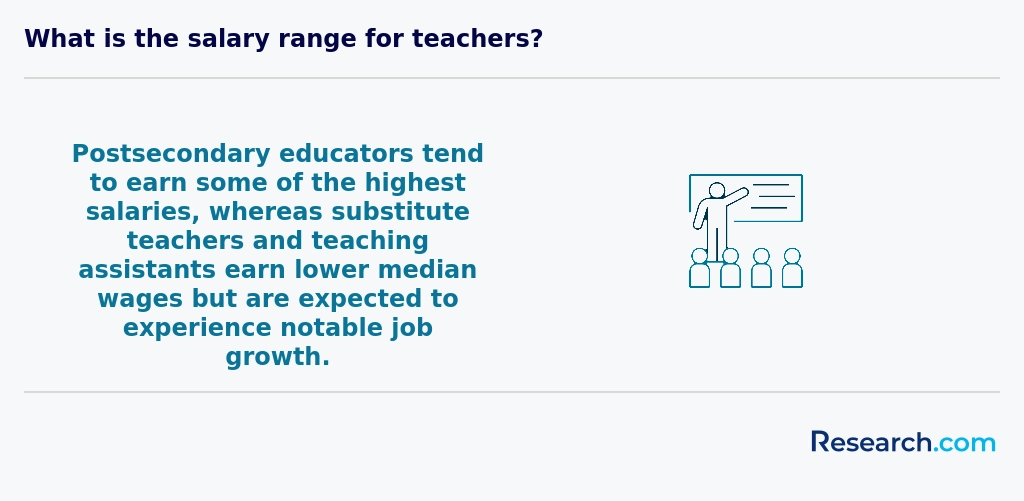
Graduates with an education degree in Colorado Springs have multiple career paths to explore. Many find success becoming licensed K-12 teachers, specializing in areas like elementary, middle, or high school education. Some graduates from popular institutions in Colorado Springs appreciate how well their programs prepare them for certification exams and real classroom challenges. For those seeking broader roles, school counselors are in rising demand due to increased focus on student mental health, an encouraging trend for those passionate about support services.
Other graduates pursue leadership positions such as principals or district coordinators, often leveraging graduate studies to qualify. These roles offer rewarding salaries and opportunities to shape school culture. Additionally, curriculum developers and instructional coordinators design educational content-a perfect fit for graduates eager to innovate teaching methods in local schools. Many also move into higher education roles, supporting student success at nearby universities and community colleges. If you want to learn more about related good college majors, exploring options beyond traditional teaching can be highly beneficial.
These education degree career options Colorado Springs offers include nonprofit program management, combining community impact with skills in grant writing and program development. Real-life experiences show that staying flexible and gaining diverse experience enhances job prospects in this competitive region.
- Licensed K-12 teacher in public or private schools
- School counselor focusing on student support services
- Educational administrator such as principal or district coordinator
- Curriculum developer or instructional coordinator
- Higher education advisor or counselor
- Nonprofit education program manager or advocate
Graduates with an education degree in Colorado Springs benefit from a robust job market fueled by the region's rapid population growth and increasing school enrollments. Many find rewarding careers in public and charter schools, especially teaching math, science, special education, and English language learning, where demand remains high. School districts in Colorado Springs, including the well-regarded institutions near popular universities, actively seek licensed educators, creating consistent employment prospects. Graduates often share positive experiences about securing roles in school counseling and educational administration, reflecting the district's investment in student support services.
Teacher salaries and employment outlook Colorado Springs show strong potential, with average salaries around $61,000 and opportunities to increase earnings through experience and certifications. For those weighing program costs, local tuition fees are moderate, making degree completion feasible without excessive debt. Many students appreciate how their studies prepare them for diverse classrooms, supported by Colorado's focus on teacher licensure and ongoing professional development.
Colorado Springs education degree job opportunities also include early childhood education, boosted by state programs expanding pre-kindergarten access. Graduates often recommend exploring pathways online to figure out what is the easiest doctorate to pursue for further advancement in the field.
2027 Best Education Degree Programs Ranking in Colorado Springs
Investing in your education is a significant decision that can profoundly impact your future, and the Research.com team is fully aware of the need to provide trustworthy guidance. To support prospective students in Colorado Springs, we have carefully developed the "2027 Best Education Degree Programs Ranking in Colorado Springs." Our dedication to quality, credibility, and accuracy is demonstrated through rigorous research and thorough analysis.
We utilized the following reputable data sources to ensure a comprehensive evaluation of education programs:
By consulting this ranking, readers will gain valuable insights into the best education degree programs in Colorado Springs, empowering them to make informed decisions regarding their academic and professional futures. For more information on how this ranking was created, please visit our Research.com methodology page.


Frequently Asked Questions About education
Education degree students in Colorado Springs can maximize their learning experience by engaging deeply with both academic and practical opportunities offered locally. Schools such as the University of Colorado Colorado Springs provide access to diverse practicum placements in nearby public schools, enhancing hands-on teaching skills. Participating in community outreach programs within the Pikes Peak region also offers valuable real-world experience. According to the Colorado Department of Education, nearly 40% of local educators hold advanced certifications, signaling the importance of continuing education for career advancement.
Building strong relationships with faculty mentors helps students access guidance and networking essential for future employment. Additionally, leveraging local educational technology resources improves digital teaching competencies, which are increasingly critical in today's classrooms. By combining theory with practice in Colorado Springs' supportive environment, students can develop comprehensive teaching skills tailored to the region's needs.
The education field in Colorado Springs is seeing rapid growth in several emerging niches. One key area is special education, especially programs addressing autism spectrum disorder and other developmental disabilities. Colorado Springs schools report a 10% increase in special education enrollment over recent years, reflecting a greater need for qualified educators.
Another growing niche is educational technology. As digital learning expands, educators skilled in integrating technology into the classroom are in high demand. Local colleges have reported increased enrollment in instructional technology courses, signaling this trend.
Additionally, bilingual education is gaining importance due to a more diverse student population in Colorado Springs. Fluency in Spanish and English is especially valued.
These niches offer promising paths for aspiring education professionals in the region.
Preparing for the job market after completing an education degree in Colorado Springs involves strategic steps to enhance employability. First, gaining teaching experience through volunteer opportunities or student teaching placements is crucial. The Colorado Department of Education reports that over 60% of new teachers benefit from hands-on classroom experience before full employment.
Networking is also important. Joining local education organizations like the Colorado Springs Education Association can connect graduates with potential employers and mentorship opportunities.
Additionally, obtaining Colorado educator licensure through the Teacher Licensing Office is mandatory to secure most teaching positions. This requires passing exams such as the Praxis Core and content-specific tests.
Staying informed about job openings in Colorado Springs is advised by regularly checking district websites, including Colorado Springs School District 11.
Employers in Colorado Springs increasingly value education graduates who demonstrate strong communication and classroom management skills. According to the Colorado Department of Education, effective communication is essential for fostering partnerships with students, parents, and colleagues. Additionally, adaptability and cultural competence are critical as schools in the region serve diverse populations.
Data from the Colorado Springs School District 11 highlights that employers seek candidates proficient in using educational technology to enhance learning. Graduates comfortable with digital tools tend to be more competitive.
Lastly, problem-solving abilities and collaboration are highly regarded, enabling teachers to address varied student needs and work effectively within school teams.
Finding internships in Colorado Springs relevant to an education degree typically begins with contacting local school districts, such as Colorado Springs School District 11. Many districts offer student teaching and practicum opportunities for education majors. Additionally, universities in the area like the University of Colorado Colorado Springs (UCCS) often maintain partnerships with nearby schools to facilitate internships.
Utilizing online platforms like Handshake and the Colorado Department of Education's internship listings can help identify openings. Networking through local education conferences and joining professional organizations like the Colorado Education Association also provide valuable internship leads. According to Workforce Development reports, Colorado Springs has seen a 5% growth in education-related job placements, increasing internship availability.
An education degree in Colorado Springs significantly enhances career mobility and advancement opportunities within the local and regional job markets. According to the Colorado Department of Education, candidates holding teaching licenses and advanced education credentials enjoy higher employment rates compared to those without such qualifications. Many school districts in Colorado Springs prioritize hiring educators with accredited degrees, which often leads to higher starting salaries and more chances for promotion.
Additionally, the demand for specialized educators-for example, bilingual or special education teachers-is steadily increasing, providing degree holders with targeted growth options. Holding a master's degree or advanced certification can result in salary increases of 10-20%, as reported by the Colorado Education Association.
Overall, earning an education degree can serve as a key step toward long-term career stability and leadership roles in the Colorado Springs educational system.
Studying for an education degree in Colorado Springs offers a strong foundation for interdisciplinary roles by integrating diverse fields such as psychology, technology, and sociology into the curriculum. Local universities emphasize collaborative learning and real-world application, preparing students to work effectively across various sectors. Programs often include coursework on special education, counseling, and educational technology, which broadens skill sets beyond traditional teaching roles.
According to the Colorado Department of Higher Education, nearly 40% of education graduates in the region pursue careers that blend teaching with administrative or support functions. This reflects the city's demand for educators who can navigate complex educational environments and community needs.
Choosing between a thesis and a non-thesis education degree program in Colorado Springs often depends on your career goals and learning preferences. Thesis programs usually require original research and a written dissertation, which suits students aiming for careers in research or doctoral studies. Non-thesis options focus more on coursework and practical experience, ideal for those pursuing teaching or administrative roles.
Local institutions like the University of Colorado Colorado Springs offer both pathways, reflecting national trends where approximately 40% of master's education programs include a thesis option. The choice also influences program length-thesis degrees may take longer due to research demands.
Understanding these differences helps prospective students align their studies with professional aims and personal strengths.
Students in Colorado Springs seeking to study education abroad have several pathways through U.S. higher education institutions offering international opportunities. Many universities with education programs encourage participation in study abroad programs that range from short-term cultural immersions to full-semester exchanges. These programs often emphasize global education trends, comparative education systems, and bilingual teaching methods.
While direct education degrees specifically in Colorado Springs rarely include mandatory study abroad components, nearby institutions like the University of Colorado Colorado Springs (UCCS) provide resources for students to connect with partner schools overseas. According to UCCS's 2023 data, approximately 12% of their education students engaged in some form of international study or practicum experience.
Additionally, accredited online education degrees with study abroad options allow Colorado Springs residents to combine remote learning with international fieldwork in countries with established U.S. exchange agreements. This flexibility accommodates working professionals pursuing advanced certifications or endorsements in education.
Colorado Springs offers several part-time job opportunities that complement education degree studies. Tutoring is a popular option, with local programs like Pikes Peak Library District's literacy initiatives providing avenues to gain practical teaching experience. Additionally, many schools and community centers seek teacher aides or classroom assistants, which help students build classroom management skills.
After-school program coordinators are also in demand, supporting extracurricular learning and student engagement. According to the Colorado Department of Higher Education, working in these roles can enhance a resume and provide valuable hands-on experience. Childcare centers and educational nonprofits frequently hire education students part-time, fostering real-world understanding of child development and curriculum delivery.
Education students in Colorado Springs benefit from a variety of networking opportunities that connect them with local schools, professionals, and organizations. Institutions like the University of Colorado Colorado Springs (UCCS) actively promote partnerships with nearby school districts, offering students access to mentoring and internship programs. The Colorado Springs Education Association (CSEA) hosts events and workshops where students can meet experienced educators and learn about career pathways.
Additionally, annual conferences such as the Pikes Peak Teaching Conference provide forums for students to engage with current educators and administrators. These events help build professional relationships essential for job placement post-graduation. According to the U.S. Department of Education, networking is crucial in teacher retention rates, which exceeds 80% in this region.
Alumni networks play a crucial role for education degree students in Colorado Springs by offering valuable professional connections and mentorship opportunities. Graduates from local institutions such as the University of Colorado Colorado Springs (UCCS) often join these networks, which aid new students in navigating the job market. According to the U.S. Department of Education, strong alumni engagement increases job placement rates for education graduates by up to 20% nationwide, a benefit also seen in Colorado Springs.
These networks provide access to exclusive job postings within Colorado school districts and host events focused on career development. Additionally, alumni often share insights about certification processes and classroom challenges, which can enhance students' practical understanding before entering the workforce.
In Colorado Springs, education degree programs often offer customizable tracks to align with various career goals. Many institutions allow students to select specialties such as special education, curriculum development, or educational technology. For example, programs at local universities may provide elective courses or certificate add-ons that focus on leadership or early childhood education.
Students can often tailor practicum placements to suit their interests, gaining hands-on experience in specific educational settings. According to the Colorado Department of Higher Education, flexible program structures have increased in recent years to accommodate working professionals in the Colorado Springs area.
This adaptability helps meet local job market demands and supports diverse career paths in education across the region.
Education students in Colorado Springs commonly face challenges related to balancing coursework with practical experience requirements. Many programs emphasize student teaching placements, which can demand significant time and travel commitments. According to the Colorado Department of Education, securing quality practicum sites is competitive due to limited availability in highly rated schools.
Additionally, adapting to evolving state certification standards presents difficulties. Changes in Colorado's educator licensure policies require students to stay updated on specific testing and coursework mandates. The Colorado Department of Higher Education highlights that navigating these evolving requirements impacts many education candidates' progress.
Financial concerns also affect students, as tuition costs in Colorado Springs range widely, and funding options may be limited. Time management and mental health pressures arise from these combined academic and personal stresses.
With an education degree in Colorado Springs, graduates can pursue various professional certifications to advance their careers in teaching and educational leadership. The most common certification is the Colorado Teacher License, which qualifies individuals to teach in public K-12 schools. This license requires passing the necessary exams such as the PLACE or Praxis tests and completing background checks.
Specialized endorsements are also available, including Special Education, English as a Second Language (ESL), and Reading Specialist. These endorsements enhance a teacher's skills and job prospects.
For experienced educators, the Colorado Department of Education offers administrative certifications for roles like principal or superintendent. According to the Colorado Department of Education, nearly 15% of educators in the region hold advanced certifications beyond initial licensure, reflecting the professional growth opportunities available locally.
Writing a winning application for an education program in Colorado Springs starts with thorough research. Applicants should carefully review the program's prerequisites, offered by institutions such as the University of Colorado Colorado Springs and Colorado Christian University. Highlight your passion for teaching and community impact clearly in your personal statement, as many local education programs emphasize commitment to diverse populations in El Paso County.
Include detailed information about your academic background and relevant experience, such as volunteering or tutoring. According to the Colorado Department of Higher Education, programs often value candidates with demonstrated leadership or classroom exposure. Strong letters of recommendation, preferably from educators in Colorado Springs, further strengthen your application.
Finally, meet all deadlines and ensure your application materials are complete and error-free to improve chances of admission into competitive education degrees in the region.
Education careers today are increasingly shaped by global trends and standards, even within local contexts like Colorado Springs. In the U.S., Colorado ranks among the states encouraging culturally responsive teaching to prepare educators for diverse classrooms. The global perspective emphasizes skills such as adaptability, continuous learning, and technology integration.
Colorado Springs benefits from access to programs that align with national standards set by organizations like the Council for the Accreditation of Educator Preparation (CAEP). According to the Colorado Department of Higher Education, demand for qualified teachers is projected to grow by 8% through 2030, reflecting a global recognition of education's critical role.
Educators trained in Colorado Springs often engage with international research and pedagogical methods, preparing them to address varied learning needs in a dynamic society. This global outlook enhances the quality and relevance of education careers in the region.
Gaining practical experience while studying for an education degree in Colorado Springs is essential for career readiness. Many local institutions, including the University of Colorado Colorado Springs (UCCS), offer student teaching placements in nearby public and private schools. These placements provide hands-on classroom experience under the supervision of experienced educators.
Additionally, partnerships between universities and El Paso County school districts facilitate internships and volunteer opportunities. According to the Colorado Department of Education, over 75% of education students in the region participate in such fieldwork before graduation. This practical training helps students apply theory to real classroom settings and develop professional skills.
Students can also engage in tutoring programs or afterschool initiatives, gaining further instructional practice.
Choosing the right concentration within an education degree in Colorado Springs involves assessing your career goals and local job market trends. Popular options include early childhood education, special education, and secondary education, each targeting specific student needs. According to the Colorado Department of Education, there is a growing demand for teachers qualified in STEM subjects and special education in the region. Prospective students should consider concentrations that align with these demand areas to increase employability. Additionally, reviewing program accreditation and the availability of hands-on teaching experiences in Colorado Springs schools can influence your decision.
- 2027 Best Education Degree Programs Ranking in Denver
- 2027 Best Education Degree Programs Ranking in Wichita
- 2027 Best Education Degree Programs Ranking in Phoenix
- 2027 Best Education Degree Programs Ranking in Kansas City
- 2027 Best Education Degree Programs Ranking in Des Moines
- 2027 Best Education Degree Programs Ranking in Columbia
- 2027 Best Education Degree Programs Ranking in Riverside
- 2027 Best Education Degree Programs Ranking in Minneapolis
- 2027 Best Education Degree Programs Ranking in Saint Paul
- 2027 Best Education Degree Programs Ranking in Winona
See What Experts Have To Say About Studying Education
Read our interview with Education experts

Alan J. Singer
Education Expert
Professor of Teaching, Learning and Technology
Hofstra University


- How to Write a Great Letter of Intent for a Teaching Job | Zen Educate https://www.zeneducate.com/us/resources/becoming-a-teacher/how-to-write-letter-of-intent-teaching-job/
- Peak Education | College and Career Planning Experts https://www.peakedu.org/
- The Future of Education: Emerging Trends Reshaping Learning Environments http://www.gesseducation.com/gess-talks/articles/future-education-emerging-trends-reshaping-learning-environments
- Know more about thesis vs non- thesis: what is the difference? https://studyfans.com/en/blogs/816
- Pikes Peak State College, PPSC https://www.pikespeak.edu/programs/education/index.php
- Employment - The Colorado Springs School https://www.css.org/about/employment
- What Employers Actually Want From Graduates https://bodyswaps.co/resources/blog/what-employers-actually-want-from-graduates
- How to Pick Your Concentration for Your M.Ed. Degree | ACE Blog https://ace.edu/blog/how-to-pick-your-med-concentration/
- How Next Generation Learning Guides Every Student Toward Their Full Potential https://www.coloradoedinitiative.org/how-next-generation-learning-guides-every-student-toward-their-full-potential/
- Online Learning vs Traditional Learning Comparison https://advantagesschool.com/online-learning-vs-traditional-learning/


