
2027 Best Education Degree Programs Ranking in Denver

Co-Founder and Chief Data Scientist
Choosing the right education degree program in Denver can feel overwhelming, but having reliable information makes all the difference. This article presents the 2027 Best Education Degree Programs Ranking in Denver, created by the Research.com team of data scientists to guide you through your options.
By exploring this ranking, you'll gain insight into the top programs that suit your goals. Earning an education degree opens doors to rewarding careers and lasting impact, and this guide helps you take confident steps toward your future.
Key benefits of getting education degree in Denver
- Education degree graduates in Denver can expect rewarding salaries, such as $70,740 annually for Elementary School Teachers and $76,000 for Special Education Teachers, reflecting strong earning potential in the education field.
- Graduates from local universities often pursue diverse career paths including teaching, instructional design, or specialized education roles, offering exciting opportunities to make a difference in various educational settings.
- Completing an education degree online through Denver-based programs offers flexible scheduling and the ability to balance work and study, making it easier to advance your career without disrupting your daily life.
- 2027 Best Education Degree Programs Ranking in Denver
- What can I expect from education degree in Denver?
- Where can I work with education degree in Denver?
What can I expect from education degree in Denver?
When considering the cost of an education degree in Denver, you'll typically find that tuition varies depending on the institution and degree level, but a bachelor's program often ranges from $25,000 to $40,000 per year. Graduates from places like the University of Denver or Metropolitan State University of Denver frequently share how they balanced this investment with scholarships and financial aid aimed specifically at future educators. Many students find that these resources make pursuing their passion more accessible, easing the burden as they focus on learning how to inspire the next generation.
During their studies, students not only cover coursework but also engage deeply in hands-on teaching experiences. Imagine spending a semester teaching in a local Denver public school-this immersive practicum is where theory truly comes alive. Graduates often reflect on how these real classroom moments made their education tangible and deeply rewarding, reinforcing their commitment to making a difference.
Exploring education in Denver means stepping into a supportive community focused on diversity, inclusion, and practical skills. This local environment, combined with reasonable costs and targeted financial help, creates a pathway that many find both inspiring and achievable.
Where can I work with education degree in Denver?
With an education degree in Denver, your career possibilities shine brightly across diverse settings. Graduates from institutions like the University of Colorado Denver often find fulfilling roles in Denver Public Schools, working directly with students as classroom teachers or special education instructors, making a real impact daily. It's inspiring to imagine starting your day engaged in dynamic classrooms, guiding young minds through discovery and growth.
Others step into early childhood education centers, where the demand for certified educators is booming. These environments allow you to nurture the youngest learners, shaping foundations that last a lifetime-a rewarding path many education graduates embrace eagerly.
Beyond teaching, education degrees open doors to counseling, curriculum development, and support roles within schools. Graduates from Metropolitan State University of Denver frequently pursue these careers, helping students thrive through counseling or innovative instructional support, fueling positive change.
You can also explore opportunities in higher education, nonprofit organizations, or government agencies in Denver, where your skills enhance community programs and educational policy. Many graduates find joy in these diverse roles, knowing they're improving education citywide.
Graduates from education programs at popular Denver institutions often find rewarding career paths with competitive salaries. For instance, elementary school teachers earn an average of $70,740 annually, reflecting the city's commitment to quality education. Special education teachers typically make even more, around $76,000 per year, which speaks to the high demand and specialized skills they bring to classrooms.
Many graduates start their careers teaching young children; early childhood educators in Denver earn about $41,410 annually, offering a solid foundation to grow professionally. For those passionate about language and cultural diversity, ESL teachers make approximately $65,430 per year, enabling rewarding work with immigrant and multilingual students across Denver's diverse communities.
Graduates who pursue roles as instructional designers, a growing field focused on creating effective educational programs, can expect to earn around $77,200 annually. Many education students from Denver colleges share how their hands-on experiences prepared them for these roles, fueling their confidence and leading to higher salaries early in their careers.
- Tuition for education degrees in Denver ranges from about $15,000 to $25,000 per year at public schools for in-state students, and over $30,000 at private colleges.
- Starting salaries for education graduates in Denver average around $48,000 annually, with potential growth to $65,000 or more with experience and certifications.
- The job market is stable due to steady population growth and high demand in areas like special education, STEM, and bilingual education.
- Degrees include licensure preparation that meets Colorado Teacher Licensure requirements and often involve supervised teaching internships in local schools.
- Denver Public Schools is the largest district in Colorado and actively seeks teachers with valid licenses, especially in high-demand subjects.
Completing an education degree in Denver is a meaningful journey that typically spans around four years for a bachelor's degree when studying full-time. Many graduates from institutions like the University of Colorado Denver and Metropolitan State University of Denver often share how this timeframe allows them to deeply engage with their coursework while forming lasting connections within the local teaching community.
For those looking to elevate their expertise, pursuing a master's degree usually requires an additional two years of focused study. Many Denver students appreciate the flexibility offered by these programs, especially since working professionals often balance part-time studies over three to six years, tailoring their education to fit a busy lifestyle.
Doctorate degrees, such as a Ph.D. or Ed.D., demand a longer commitment-typically four to six years-but graduates speak passionately about the rewarding challenge of research and practical application that prepares them for leadership roles in education.
Fieldwork and student teaching, integral parts of Denver's teacher preparation programs, enrich the experience but may extend the time needed to graduate. This hands-on practice helps students gain confidence in classrooms while forming valuable local networks, proving that every extra moment invested brings greater readiness for a fulfilling career.
Denver’s education degree programs are not only tailored to local needs but also stand strong when compared to national trends. In many cases, these programs offer competitive curricula, practical experience opportunities, and strong career services that mirror or even surpass offerings in larger metropolitan areas. For instance, while tuition fees and cost of living in Denver may differ from those in other regions, many local schools have structured robust financial aid packages and innovative learning formats, such as hybrid and online courses, that align closely with national best practices. Moreover, Denver’s focus on diversity and community engagement gives its graduates an edge in adapting to varied classroom environments nationwide. This localized yet nationally-competitive approach is especially beneficial for educators looking to broaden their impact. Interested candidates can also explore opportunities in fully funded edd programs online free to further enhance their credentials and expand their career prospects.
Choosing between online and on-campus education degrees in Denver means deciding how you want to experience your learning journey. On-campus programs at places like the University of Colorado Denver offer the vibrant energy of campus life-imagine joining study groups in the library or chatting face-to-face with passionate faculty after class. Graduates often describe feeling deeply connected and supported, drawing strength from the routine and immediate interactions.
In contrast, online programs, such as those from Colorado State University Global, provide the freedom to shape your day. Many Denver students balancing work or family responsibilities find this flexible schedule a game-changer, attending classes whenever it fits their busy lives. They appreciate using digital tools to collaborate with classmates across the city or beyond, turning distance into an opportunity.
Both paths require dedication, yet knowing your needs-whether it's the structure of campus life or the adaptability of online learning-will help you thrive in your chosen program.
Prospective students often wonder how pursuing an Education degree in Denver, CO stacks up against programs in other metropolitan areas. On average, Denver’s in-state tuition for a bachelor’s in education hovers around $9,573 per year-about 8% below the national average of $10,400-while out-of-state rates remain competitive at $28,386, comparable to similar programs in Seattle and Austin. Salary outcomes also reflect regional strengths: Denver’s mean annual wage for ESL teachers sits at $63,130, slightly above the national median of $61,800, and Instructional Designers earn an average of $73,080 versus $71,200 nationwide. In terms of program variety, Denver offers over 20 specializations-from Early Childhood Education to Digital Learning-mirroring the breadth found in larger education hubs like Boston and Chicago. However, Denver’s smaller cohort sizes and emphasis on hands-on fieldwork often yield higher student satisfaction scores, with 87% of recent graduates rating their student-teaching experience as “excellent,” compared to 82% nationally. For students balancing cost and quality, online doctoral pathways are particularly appealing. If affordability is a top priority, you might also explore our Inexpensive Online Doctorate in Education Degree Programs Ranking in the West, which highlights programs that maintain rigorous accreditation standards while minimizing out-of-pocket expenses. Ultimately, choosing Denver means accessing strong job placement support, cutting-edge curriculum design courses, and a cost profile that measures favorably against both regional and national benchmarks.
Understanding the average cost of an education degree in Denver helps future educators plan effectively for their academic journey. Many graduates from institutions like the University of Denver or Metropolitan State University of Denver have found that the median total cost hovers around $48,929. This amount reflects a comprehensive investment including tuition, fees, and additional materials needed throughout the program. For in-state students, the median cost is more manageable, averaging around $11,124, making it an achievable goal for many residents.
Graduates who've navigated this path often share how managing the education degree tuition and fees Denver requires dedication but also reaps great rewards. Whether attending public universities or private colleges, students have expressed a sense of accomplishment knowing their financial planning included realistic budgeting for books, supplies, and campus fees, which can add several thousand dollars annually.
There are plenty of strategies to ease the financial burden, such as applying for scholarships or federal grants. Prospective students seeking an affordable education school in Colorado often discover that taking advantage of these resources creates a bridge toward successful completion without overwhelming debt. Engaging with financial aid early can transform what might seem like a heavy cost into a manageable and inspiring investment in your future career.
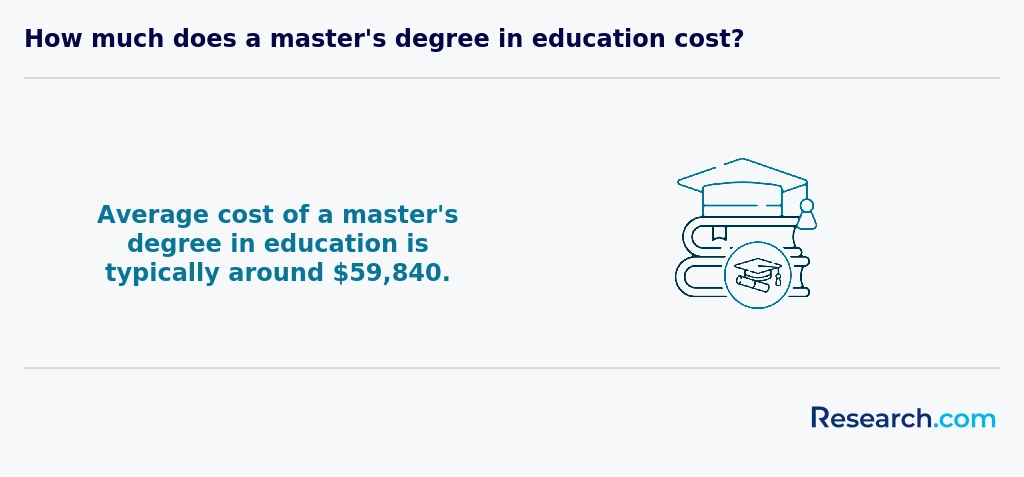
When evaluating Education degree programs in Denver, CO against national benchmarks, several key factors stand out: cost, salary outcomes, program quality, and growth projections. In-state tuition at Colorado’s public universities averages $9,573 per year-slightly below the national public four-year average of $10,000. However, living expenses in Denver, which can run $15,000–$20,000 annually, exceed the U.S. average by roughly 10%. Prospective students should balance tuition savings with local cost of living when comparing offers. Salary outcomes for Denver graduates also trend competitively. ESL teachers in Denver earn a mean annual wage of $63,130, almost 5% higher than the national ESL average of $60,000. Instructional Designers command around $73,080 locally versus the national median of $70,000. Despite these advantages, Denver’s Early Childhood Educators report a mean salary of $38,640, which aligns closely with the U.S. mean of $38,500. These figures reflect strong regional demand and can guide salary expectations for new graduates. Program quality metrics-such as licensure pass rates and student-teaching placements-are critical yet often overlooked. Colorado’s average teacher licensure pass rate hovers at 88%, compared to the national rate of 85%. Moreover, Denver’s partnerships with local school districts ensure student-teachers gain practical experience in diverse classrooms, a feature that exceeds national averages in hands-on training hours. For those comparing traditional and online pathways, Denver offers hybrid and fully online options through institutions like Metropolitan State University of Denver. Additionally, aspiring doctoral candidates seeking cost-effective online routes may explore the Inexpensive Online Doctorate in Education Degree Programs Ranking in the West, which highlights programs with competitive tuition and robust curriculum quality. By weighing these national comparisons, students can make more informed decisions about the best Education program to fit their academic and financial goals.
When studying education in Denver, financial aid opens many doors to make your dreams achievable. Graduates from University of Colorado Denver often share how federal aid kickstarted their journey. The Pell Grant, for example, provides crucial non-repayable funds to low-income students, easing tuition costs that at public Colorado universities hover around $11,000 annually for in-state students.
Many education candidates also benefit from the TEACH Grant, which offers up to $4,000 yearly when you commit to teaching in underserved Denver schools. This grant not only lightens your financial load but reinforces a fulfilling career path dedicated to community impact.
State programs like the Colorado Opportunity Scholarship Initiative (COSI) are a powerful boost for local students attending Denver-area institutions. Recipients often pair these awards with university scholarships or assistantships-like those at University of Colorado Denver-that combine tuition support with hands-on teaching experience, building confidence and practical skills.
Local scholarships from Denver organizations add another layer, rewarding commitment and merit, fueling both hope and hard work toward your education career.
Denver’s education degree programs stand out when measured against national benchmarks for tuition, salary outcomes, and program diversity. On average, in-state tuition in Colorado’s public four-year institutions is approximately $9,573 per year-about 15% below the national public university average of $11,500. Conversely, Denver graduates earn median starting salaries around $52,000, roughly on par with the national median of $51,800 for education majors, demonstrating that cost savings in tuition do not sacrifice post‐graduation earning potential. Program variety in Denver, from early childhood to educational leadership, mirrors national offerings, but local institutions often provide smaller class sizes (averaging 20 students vs. the national average of 25) and deeper community partnerships, which translate into higher student-teacher engagement and stronger field placement networks. Furthermore, Denver’s 5% projected growth in education roles aligns closely with the national outlook, ensuring graduates have opportunities both locally and beyond. For students prioritizing affordability without compromising quality, online doctoral pathways have surged in popularity. To explore cost-effective, region‐specific doctoral options, consider our Inexpensive Online Doctorate in Education Degree Programs Ranking in the West. These online formats offer the same accreditation and rigorous curriculum found on campus, with the added benefit of reduced fees and flexible scheduling that can be especially advantageous for out‐of‐state learners or working professionals. In summary, Denver’s education degree landscape provides a competitive balance of lower-than-average tuition, strong employment outcomes, and diverse program offerings, making it a compelling choice for students weighing local advantages against national trends.
To enroll in an education degree program in Denver, you'll need to start with a clear academic foundation. Graduates from local institutions like the University of Denver often recall how crucial their high school diploma, or an equivalent like a GED, was to unlocking opportunities. For those aiming higher, such as pursuing a Master's in Education at Metro State University of Denver, holding a relevant bachelor's degree is essential, setting the stage for deeper learning.
Standardized tests may also come into play. Some undergraduates still share how submitting SAT or ACT scores helped them stand out, while many graduate students appreciate that GRE requirements are becoming more flexible. Academic transcripts demonstrating solid GPA marks-usually between 2.5 and 3.0 for undergrads and above 3.0 for graduate hopefuls-are key milestones that reflect your readiness.
Beyond grades, many Denver programs expect prerequisite courses in psychology or sociology, which prepare you for classroom realities. Sharing personal statements and recommendation letters reveals your passion and commitment, helping faculty see the future educator inside you.
Lastly, keep in mind Colorado's safety standards-background checks and fingerprinting are mandatory steps to ensure you're ready and trusted to make a difference in young lives.

When considering pursuing an education degree in Denver, CO, it's essential to weigh various factors, including the cost of tuition, potential career paths, and the availability of financial aid. Prospective students can visit https://research.com/rankings/education/most-affordable-education-co as an affordable education school in Colorado to explore options that fit their budget and career aspirations. By researching and evaluating these aspects, individuals can make informed decisions about their educational journey, ultimately leading to a fulfilling career in education.
When you dive into an education degree in Denver, you'll encounter a thoughtfully crafted set of courses designed to equip you for the realities of teaching in diverse, dynamic classrooms. Graduates from institutions like Metropolitan State University of Denver often reflect on how foundational courses such as Educational Psychology and Classroom Management helped them connect deeply with students and keep classrooms engaging and orderly.
You'll study Curriculum Development to create lessons that resonate with Denver's multicultural student body, and Special Education courses provide tools to support learners of all abilities-something many local graduates find invaluable.
Field experiences in Denver-area schools bring theory to life, offering a chance to practice skills in real classrooms, navigating urban education challenges firsthand. This blend of practical and theoretical training inspires confidence and a profound sense of purpose, something every aspiring teacher in Denver can relate to.
These courses aren't just checkboxes; they prepare you to be flexible, culturally responsive, and ready to make an impact in every lesson you teach.
If you're exploring education degree specializations in Denver, you'll find a thoughtfully broad range designed to fit diverse passions and career paths. Graduates from well-known Denver institutions often highlight the transformative impact of focusing on Early Childhood Education, where nurturing children from birth to age 8 lays a foundation for lifelong learning. Others find their calling in Elementary or Secondary Education, mastering multiple subjects or honing expertise in fields like math or social studies to inspire younger generations.
Denver's local demand is clear-special education and ESL are specializations that graduates frequently recommend, given the city's diverse student population and reported growth in these areas. Programs at popular colleges equip students not just with theory but with hands-on experiences addressing real classroom challenges in Denver Public Schools. Some students supplement their degree journey by pursuing specialized certifications, and you might want to look into fully funded edd programs online free to ease the financial load.
For those with leadership aspirations, Educational Leadership and Administration prepares graduates to step confidently into roles shaping school policies and culture. Curriculum and Instruction specializations empower educators to innovate teaching methods, making a difference beyond their own classrooms. When considering Denver education degree program options, think about where your passion lies in this rich spectrum-and know that your path will influence the future of learning in Colorado's vibrant schools.
Choosing the best education degree programs Denver offers means focusing on accredited programs that open doors to licensure and rewarding careers. Graduates from well-known institutions here often praise the hands-on experiences through partnerships with Denver Public Schools, which build confidence and ease the transition into real classrooms. These practical opportunities are vital and give you a genuine sense of fulfillment as you impact young lives.
Consider how flexible the program is, especially if you balance work or family. Many students in Denver find evening or online courses invaluable in managing their time effectively while advancing their education. When weighing options, look closely at total costs-the median tuition for a bachelor's in education can vary widely, but financial aid and scholarships available locally make affordable education degrees in Denver achievable.
For those aiming higher, check out resources like the Inexpensive Online Doctorate in Education Degree Programs Ranking in the West to explore advanced paths that fit your goals.

Graduates with an education degree in Denver discover a landscape rich with diverse career paths tailored to their passions and skills. Many start as licensed teachers in vibrant classrooms within Denver Public Schools or private institutions, where salaries range between $50,000 and $65,000 annually. These roles offer the rewarding experience of shaping young minds in a community that truly values education. Others channel their expertise into specialized fields like special education or STEM, where demand is growing rapidly and job satisfaction comes from making a unique impact.
For those eager to expand their influence, Denver's education degree job opportunities offer pathways into administration and leadership-think school principals, curriculum coordinators, or education policy advisors-roles that often exceed $80,000 annually and require advanced certifications. Graduates from local schools such as the University of Colorado Denver often share stories of how these roles allow them to lead positive change across entire districts.
Moreover, career options for Denver education graduates extend beyond traditional settings. Nonprofits and consulting firms eagerly seek program managers and community outreach specialists skilled in curriculum design and educational technology. Many graduates find fulfillment in these dynamic roles that emphasize innovation and inclusion. Additionally, roles in higher education administration or academic advising at Denver's universities offer meaningful work that supports the success of other students. Those interested in a flexible path may explore an accelerated bachelor's degree online accredited to open doors faster while balancing other commitments.
The job market for education degree holders in Denver is growing steadily, with many exciting opportunities awaiting graduates. Those completing their studies at institutions like the University of Colorado Denver often find themselves well-prepared for the increasing demand in public school teaching roles, as schools expand to serve the city's growing student population. This strong growth is reflected in the positive education degree job outlook Denver offers, especially for those eager to work in diverse settings such as charter schools or special education programs.
Graduates report rewarding experiences stepping into roles as school counselors or special education instructors, driven by Denver's commitment to educational equity. Salary prospects also remain encouraging, with Denver salaries often surpassing state averages, helping graduates support themselves while making a difference.
For students weighing the costs of education, local universities balance reasonable tuition with financial aid options, making the path achievable. Exploring emerging fields like bilingual and STEM education can open additional doors. Many graduates find inspiration taking on innovative teaching roles or virtual learning facilitation, demonstrating how broad and promising Denver teacher salary and employment trends can be.
For those considering advanced studies, exploring the easiest doctorate options available can provide practical avenues to further career growth in Denver's education sector.
2027 Best Education Degree Programs Ranking in Denver
Investing in your education is a significant decision that can shape your future, and the Research.com team understands the importance of making informed choices. To assist prospective students in Denver, we have meticulously crafted the "2027 Best Education Degree Programs Ranking in Denver." Our commitment to quality, credibility, and accuracy is reflected in the extensive research and analysis conducted to compile this ranking.
We utilized the following reputable data sources to ensure a comprehensive evaluation of education degree programs:
By exploring this ranking, readers will gain valuable insights into the best education degree programs available in Denver, helping them make informed decisions about their academic and career paths. For more details on our methodology, please visit our Research.com methodology page.


# 4 position
University of Colorado Denver/Anschutz Medical Campus
Doctor of Education in Leadership for Educational Equity
# 5 position
University of Colorado Denver/Anschutz Medical Campus
Bachelor of Arts in Education and Human Development, Elementary


# 10 position
Colorado State University Global
Master of Education
Frequently Asked Questions About education
Education degree students in Denver can maximize their learning experience by actively engaging in both coursework and practical opportunities. Denver hosts several institutions offering strong education programs, including the University of Denver and Metropolitan State University of Denver, which emphasize fieldwork in local schools. Research from the Colorado Department of Higher Education highlights that hands-on internships and student teaching placements significantly improve graduate readiness for classroom challenges.
Students should also participate in professional organizations, such as the Colorado Education Association, to network and access resources. Utilizing Denver Public Library's extensive academic resources and attending workshops or seminars offered throughout the city can deepen content knowledge and teaching skills. Additionally, maintaining a balance between theory and practical experience is crucial, as it aligns well with the state's increasing focus on evidence-based educational strategies.
The education field in Denver is evolving with several emerging niches attracting both students and professionals. One key area is STEM education, where specialized degrees focus on preparing teachers to meet growing demand for science, technology, engineering, and math instruction in local schools. According to the Colorado Department of Education, STEM-related teaching positions have increased by over 10% in the past five years.
Another developing niche is educational technology. Programs now train educators to integrate digital tools and online platforms effectively, critical as Denver schools expand remote learning options. Special education also remains vital, with increased attention to diverse learner needs driving new certification opportunities.
Additionally, early childhood education is gaining momentum due to Colorado's strong emphasis on quality preschool programs, supported by state initiatives boosting enrollment and teacher training.
After completing an education degree in Denver, preparing for the job market involves several important steps. First, gaining practical experience through student teaching or internships is crucial, as it allows hands-on learning and builds professional connections. According to the Colorado Department of Education, Denver schools prioritize candidates with diverse classroom experience.
Networking with local education professionals and attending district hiring fairs can improve job prospects. Denver Public Schools regularly hosts events connecting graduates with potential employers. Additionally, candidates should ensure proper licensure, as Colorado requires passing the PLACE or edTPA exams for teaching certification.
Many graduates also enhance their resumes by pursuing endorsements in high-demand subject areas like special education or English language learning, which are especially needed in Denver's diverse classrooms.
Employers in Denver seek education degree graduates with strong classroom management skills to create positive learning environments. Effective communication is essential, as teachers must engage diverse student populations and collaborate with families and colleagues. Critical thinking and problem-solving abilities are also highly valued, enabling educators to adapt lesson plans and address individual student needs.
According to the Colorado Department of Education, over 70% of school districts prioritize digital literacy, reflecting growing technology integration in classrooms. Additionally, cultural competency is crucial in Denver's diverse urban schools, ensuring educators are prepared to support students from varied backgrounds.
Leadership skills and professional development commitment further distinguish graduates in this competitive job market.
Finding education internships in Denver begins with exploring partnerships between local universities and school districts. Many institutions such as the University of Denver and Metropolitan State University of Denver maintain relationships with Denver Public Schools, offering students practical field experience.
Students should also use internship platforms hosted by Colorado Department of Education and regional nonprofits focused on youth and education. According to the Denver Office of Economic Development, education-related internships grew by 12% in recent years, reflecting strong demand for hands-on learning.
Networking through local education conferences or volunteering in schools provides direct access to internship opportunities that often are unpaid but valuable for credential requirements. Checking with career services at your college is essential, as they list openings updated regularly.
Since many internships align with teaching license requirements, verifying if an internship supports state certification in Colorado is crucial. Resources like Colorado's Teacher Pathways website offer guidance on approved internship programs in the Denver area.
Obtaining an education degree in Denver significantly enhances career mobility and advancement opportunities within the local job market. According to the Colorado Department of Education, educators holding at least a bachelor's degree experience faster promotion rates, particularly into administrative and specialized instructional roles.
Denver Public Schools reports that teachers with advanced degrees earn on average 15-20% higher salaries compared to those without. This financial incentive reflects broader trends in the US, where education credentials correlate strongly with increased earning potential and leadership prospects.
Additionally, education degrees aligned with Colorado's teacher licensure requirements open doors to various roles beyond traditional classrooms, such as curriculum development and educational consulting. These factors combine to make education degrees valuable for professional growth in Denver's education sector.
Studying for an education degree in Denver offers unique preparation for interdisciplinary roles by combining traditional teaching methods with diverse community partnerships. Denver's institutions emphasize collaboration across fields such as psychology, technology, and social work to address complex educational challenges. According to the Colorado Department of Higher Education, many programs integrate practical experiences that expose students to real-world environments, enriching their problem-solving and communication skills.
Students learn to adapt curriculum for varied learner needs, reflecting Denver's multicultural population. This adaptable approach equips graduates to work effectively in schools, nonprofits, and policy organizations demanding broad expertise beyond classroom teaching.
Choosing between a thesis and a non-thesis education degree program in Denver depends on your career goals and learning preferences. A thesis program is research-focused and suits those interested in contributing original knowledge to education or pursuing a doctoral degree later. It typically requires conducting a significant research project under faculty supervision.
Conversely, non-thesis programs emphasize practical skills and coursework, ideal for professionals aiming to enter or advance in teaching, administration, or policy roles.
According to the Colorado Department of Higher Education, Denver hosts several accredited universities offering both options, allowing tailored choices based on time commitment and professional objectives.
Students in Denver interested in education degrees who want to study abroad have several opportunities through partnerships between local universities and international institutions. Universities like the University of Denver often offer exchange programs, allowing students to spend a semester or year abroad while earning credits toward their degree. These experiences enhance cultural competence, a key skill for educators today.
The U.S. Department of Education supports study abroad initiatives that align with accreditation standards, ensuring credits earned overseas are transferable. Additionally, organizations such as IES Abroad provide education-specific programs accessible to Denver students, focusing on teaching methodologies in diverse cultural settings.
According to the Institute of International Education, about 3.5% of U.S. education majors participate in study abroad programs, reflecting growing interest in global teaching perspectives.
Denver offers various part-time job opportunities that align well with education degree studies. Many students find roles as teacher assistants in local public schools, gaining practical classroom experience while earning income. According to the Denver Public Schools Careers page, these positions often provide flexible hours suited for students.
Another common job is tutoring, especially in subjects like reading and math, which reinforces skills learned in education programs. Local centers and online platforms like Tutor.com, popular among Denver students, facilitate these opportunities.
Additionally, positions as after-school program coordinators or childcare providers help develop essential skills in classroom management and child development. These roles are commonly available in community centers and nonprofit organizations throughout Denver.
Education students in Denver have access to numerous networking opportunities through local universities and professional organizations. Institutions like the University of Denver and Metropolitan State University of Denver host events that connect students with experienced educators and alumni. These university-sponsored mixers and career fairs are valuable for building professional relationships.
The Colorado Education Association (CEA) offers student memberships, allowing future educators to attend workshops, conferences, and local chapter meetings. These platforms encourage collaboration and exposure to industry trends.
Additionally, Denver Public Schools and nearby districts often provide internships and student teaching placements, which help students create connections within the local educational community.
Alumni networks play a crucial role in supporting education degree students in Denver. These networks provide access to experienced graduates who offer mentorship, career advice, and job leads. According to the Colorado Department of Higher Education, schools in Denver have active alumni groups that host regular events connecting current students with former educators and administrators.
Such connections can lead to internships and teaching positions within Denver Public Schools and surrounding districts. Alumni often share insights about local job market trends, helping students tailor their skills to meet regional needs. This support enhances professional development and increases employment opportunities after graduation.
Customizing an education degree program in Denver involves selecting courses and specializations that align with your specific career goals. Many institutions in Denver offer flexible degree options, including concentrations in areas like early childhood education, special education, or educational leadership.
Students can often choose elective courses or pursue certifications that enhance their expertise. For example, adding a bilingual education certificate could prepare graduates for diverse classrooms common in Denver's multicultural communities.
Denver Public Schools reports a growing demand for teachers skilled in STEM and bilingual education, making these specializations particularly valuable for employment prospects.
Additionally, some programs provide internship or practicum opportunities tailored to your interests, helping you gain hands-on experience relevant to your career path.
Education students in Denver frequently encounter several challenges while pursuing their degrees. One significant issue is balancing rigorous coursework with required field experiences, such as student teaching in local schools. This hands-on requirement demands time and adaptability. According to the Colorado Department of Higher Education, many students report difficulty managing these commitments alongside part-time jobs or family responsibilities.
Additionally, affordability remains a concern. Even with in-state tuition benefits, the cost of education degrees coupled with living expenses in Denver can strain students financially. Data from the National Center for Education Statistics shows education majors often graduate with substantial debt.
Lastly, navigating certification requirements specific to Colorado adds complexity. Students must meet state licensure exams and continue professional development, which can be demanding during initial career stages.
With a degree in education, professionals in Denver can pursue several certifications that enhance their career opportunities. The most common certification is the Colorado teaching license, which allows graduates to work as licensed K-12 teachers across public schools in the state. This requires passing the Colorado Educator Licensing Assessments (CELA).
Additional certifications include special education endorsements, English as a Second Language (ESL) credentials, and administrative licenses for roles such as principals and school counselors. The Colorado Department of Education provides clear guidelines on these pathways.
Furthermore, professionals may seek national certifications like the National Board Certification, known to improve salary prospects and job mobility.
Writing a winning application for an education program in Denver requires careful preparation and attention to detail. Start by thoroughly researching the specific programs offered by local institutions such as the University of Denver and Metropolitan State University of Denver, both of which have strong education departments. Admission committees often look for evidence of academic achievement, such as a competitive GPA-typically above 3.0-and relevant experience in education settings.
Highlighting volunteer work or internships in Denver-area schools can strengthen your application by showing practical engagement. Writing a clear, compelling personal statement that reflects your passion for teaching and understanding of educational challenges in Denver's diverse communities is essential. Additionally, obtaining strong letters of recommendation from educators familiar with your skills improves your chances. Finally, ensure your application is free from errors and submitted before deadlines, which vary by institution but often fall between December and March.
Education careers in Denver reflect national and global trends emphasizing cultural awareness and adaptability. According to the Colorado Department of Higher Education, teaching degrees increasingly incorporate global perspectives to prepare educators for diverse classrooms. U.S. education programs, including those in Denver, align with worldwide demands for skills in digital literacy and inclusive teaching methods.
Globally, educators are expected to foster critical thinking and cross-cultural communication. In Denver, programs focus on such competencies to equip graduates for both local and international challenges. The U.S. Bureau of Labor Statistics projects a steady 5% growth in education jobs nationally through 2031, highlighting ongoing demand.
Understanding these global perspectives helps Denver students anticipate how their careers might evolve amid shifting educational priorities worldwide.
Gaining practical experience is essential while studying for an education degree in Denver. Many local universities and colleges require students to complete student teaching placements in nearby public and charter schools. Denver Public Schools, serving over 90,000 students, often collaborates with institutions to provide these hands-on opportunities.
Additionally, internships and volunteer positions in educational programs allow students to work directly with children and educators. Some programs also offer partnerships with community organizations focused on youth development.
Engaging in workshops and education conferences in Denver further enhances practical skills. These experiences help build a resume and deepen understanding of classroom dynamics before graduation.
Choosing the right concentration within an education degree program in Denver depends on your career goals and interests. Common concentrations include special education, early childhood education, and educational leadership. According to the Colorado Department of Education, Denver Public Schools employ over 12,000 teachers, many specializing in areas like English language learning and STEM subjects.
Research local job market demands to identify high-growth areas. For example, Colorado's STEM education initiatives have increased the need for qualified teachers in math and science. Additionally, consider program accreditation since many Denver institutions hold CAEP accreditation, ensuring quality standards.
Engage with advisors and review program curricula to ensure your chosen concentration aligns with your strengths and career plans.
- 2027 Best Education Degree Programs Ranking in Colorado Springs
- 2027 Best Education Degree Programs Ranking in Wichita
- 2027 Best Education Degree Programs Ranking in Kansas City
- 2027 Best Education Degree Programs Ranking in Phoenix
- 2027 Best Education Degree Programs Ranking in Des Moines
- 2027 Best Education Degree Programs Ranking in Columbia
- 2027 Best Education Degree Programs Ranking in Minneapolis
- 2027 Best Education Degree Programs Ranking in Saint Paul
- 2027 Best Education Degree Programs Ranking in Winona
- 2027 Best Education Degree Programs Ranking in Riverside
See What Experts Have To Say About Studying Education
Read our interview with Education experts

Nooshan Ashtari
Education Expert
Professor & Book Author
University of Southern California


- Navigating Challenges In Education, Learning & Development - those who can https://www.thosewhocan.org/navigating-challenges-in-education-learning-and-development/
- Financial Aid | University of Colorado Denver https://www.cudenver.edu/financial-aid
- Employment Opportunities: Teachers & More - International School of Denver https://www.isdenver.org/why-isd/employment
- Education degree - Tłumaczenie po angielsku - Słownik angielsko-polski Diki https://www.diki.pl/slownik-angielskiego
- Special Education Major, B.A. - MSU Denver https://www.msudenver.edu/education/special-education-major-ba/
- Get Into Teaching with an internship https://www.youthemployment.org.uk/getintoteaching-with-an-internship/
- How to Build Work Experience While Studying - EN Global Education Ltd https://englobaleducation.co.uk/how-to-build-work-experience-while-studying/
- Seven Major Challenges Facing Education in the 21st Century https://www.internationalschoolparent.com/articles/seven-global-education-challenges/
- How to Choose a Concentration for Your Master of Education 3 Questions to Consider https://www.aiuniv.edu/degrees/education/articles/how-to-choose-an-education-specialization
- Networking For Educators: How To Grow A Professional Circle - Carlow University https://www.carlow.edu/networking-for-educators/


