
2027 Best Education Degree Programs Ranking in Birmingham

Co-Founder and Chief Data Scientist
Choosing the right education degree program is an important step for students in Birmingham looking to build a meaningful career. This article features the 2027 Best Education Degree Programs Ranking in Birmingham, created by the Research.com team of data scientists to guide you through your options.
By exploring this ranking, you'll gain clear insights into which programs stand out for quality and outcomes. Earning an education degree opens doors to rewarding opportunities, and this guide helps you make an informed, confident choice for your future.
Key benefits of getting education degree in Birmingham
- Salary for education degree graduates: Graduates can earn competitive salaries, such as $77,200 annually as an Instructional Designer, $76,000 for Special Education Teachers, and $65,430 for ESL Teachers, providing financial stability in rewarding careers.
- Career paths in Birmingham: Graduates from local universities often pursue diverse roles, including classroom teaching, instructional design, or specialized education support, reflecting a variety of fulfilling opportunities to make a positive impact.
- Benefits of an online education degree: Completing an online education degree in Birmingham offers flexibility and convenience, allowing graduates to balance work and study while gaining practical skills recognized by local employers.
- 2027 Best Education Degree Programs Ranking in Birmingham
- What can I expect from education degree in Birmingham?
- Where can I work with education degree in Birmingham?
What can I expect from education degree in Birmingham?
The average cost of pursuing an education degree in Birmingham varies depending on the institution and level of study. For undergraduate programs at public universities in Alabama, students typically pay around $10,500 per year in in-state tuition. This is notably affordable compared to national averages, making Birmingham a financially reasonable option for aspiring educators.
Graduate students aiming for a master's degree in education should expect annual tuition costs between $12,000 and $18,000, which fluctuates based on the school and whether courses are offered online or in-person. Graduates from institutions like the University of Alabama at Birmingham often express satisfaction with this balance of cost and quality, valuing the hands-on training combined with academic rigor.
These fees encompass not only theoretical coursework but also practical experiences such as student teaching in local classrooms, which many graduates report as instrumental in boosting their confidence and readiness for real-world teaching roles.
Where can I work with education degree in Birmingham?
Graduates with education degrees in Birmingham find diverse career opportunities. Many enter public and private K-12 schools, where demand is strong in special education, STEM, and English language learning. For instance, graduates from the University of Alabama at Birmingham often join the local school system, energized by roles that impact student success directly.
Others take leadership routes as curriculum specialists or assistant principals, leveraging additional certifications to advance. Birmingham's expanding school districts value educators skilled in program management and student services, creating steady growth in these roles.
Higher education institutions such as UAB and local community colleges hire education graduates as instructors and academic advisors, especially in teacher preparation and adult education programs. This path appeals to those passionate about lifelong learning and workforce development.
Graduates also thrive in early childhood education through Birmingham's growing preschools and daycare centers, meeting state licensing standards and positively shaping young learners' futures.
Non-traditional roles in educational technology firms, nonprofits, and government agencies provide avenues for program management and policy work, reflecting Birmingham's evolving education landscape.
Graduates from education programs in Birmingham can expect a range of earnings depending on their chosen career path. For example, early childhood educators typically earn around $41,410 annually, reflecting entry-level positions often filled by recent graduates from local colleges. Elementary school teachers, a common career for education degree holders, have a higher mean salary of about $70,740, aligning with opportunities accessible through Birmingham's well-regarded teaching programs.
Special education teachers benefit from even greater earning potential, with mean wages near $76,000, which resonates positively with graduates specializing in inclusive education tracks offered at prominent universities. Meanwhile, English as a Second Language (ESL) teachers earn an average of $65,430 a year, highlighting rewarding roles for those passionate about supporting diverse student communities in Birmingham's multicultural environment.
Instructional designers, who often emerge from advanced education degrees, see some of the highest salaries, averaging $77,200, reflecting Birmingham graduates' ability to secure roles in educational technology and curriculum development sectors. These figures illustrate encouraging prospects for education graduates seeking fulfilling careers in the Birmingham area.
- Education degrees in Birmingham are offered by accredited institutions that meet professional teaching standards.
- Annual tuition costs for in-state students range from $20,000 to $30,000 at public universities, while private schools may charge over $35,000.
- Starting salaries for education graduates typically average around $40,000 per year, increasing up to $55,000 to $60,000 with experience.
- The local job market is stable with a projected 3% employment growth over the next decade, especially in special education, STEM, and early childhood fields.
- Licensing in Alabama requires completing an accredited teacher program and passing state exams, with ongoing professional development needed for renewal.
Completing an education degree in Birmingham typically aligns with national standards, with most undergraduates finishing a Bachelor of Science or Arts in Education in about four years when enrolled full-time. Graduates often share that the structured timeline at institutions like the University of Alabama at Birmingham (UAB) provides a clear pathway, blending in-person and evening classes that suit working students' busy lives.
For those pursuing a master's degree, such as a Master of Education (M.Ed.) at Birmingham-area schools, completion times generally range from one to two years full-time. Many graduates appreciate the flexibility of part-time or online options, which extend the program duration but allow them to balance professional and personal commitments effectively.
Doctoral programs, including Ed.D. or Ph.D. degrees, can take anywhere from three to six years depending on research intensity and enrollment status. Graduates recall the rewarding challenge of this journey, often citing close faculty mentorship and flexible pacing as key supports in Birmingham's academic community.
Our 2024 ranking of Education degree programs in Birmingham, AL, highlights the top five institutions that combine academic excellence, practical experience, and strong graduate outcomes: 1. University of Alabama at Birmingham (UAB) – Program Highlights: Bachelor’s, Master’s, and EdS in Curriculum & Instruction, Early Childhood, and Special Education – Accreditation: CAEP and SACSCOC – Student–Teacher Ratio: 14:1; robust internship network with Birmingham City Schools 2. Samford University – Program Highlights: BA in Elementary Education, MAT with accelerated cohort options – Accreditation: CAEP and AACSB (business minor available for future administrators) – Unique Feature: Small class sizes (12–15 students) and dedicated faculty mentorship 3. Birmingham-Southern College – Program Highlights: BS in Secondary Education, MEd in Educational Leadership – Accreditation: CAEP; emphasis on service-learning in local schools – Notable Outcome: 92% job placement rate within six months of graduation 4. Miles College – Program Highlights: BA in Early Childhood and Elementary Education – Accreditation: CAEP; community-focused practicums in Jefferson County – Affordability: Competitive in-state tuition with scholarship opportunities 5. Jefferson State Community College – Program Highlights: Associate in Early Childhood Education, transfer pathways to UAB and Samford – Accreditation: SACSCOC; strong advising support for seamless bachelor’s transitions For graduates seeking a flexible, cost-effective online alternative, explore our Affordable Online Master’s in Education Degree Programs Ranking in Illinois. This resource can help compare tuition rates, program length, and virtual practicum options alongside Birmingham’s top on-campus offerings.
On-campus education degrees in Birmingham, such as those offered by the University of Alabama at Birmingham (UAB), provide students with direct, face-to-face interaction with professors and peers. Graduates often describe the benefit of hands-on learning through classroom management labs and immediate feedback during practicum placements, creating a supportive environment for mastering teaching techniques.
Conversely, online education degrees emphasize flexibility, allowing students to balance coursework with work and family commitments. Many online students appreciate recorded lectures and digital assignments, which enable learning at their own pace. However, this format demands strong self-discipline, as graduates report needing to proactively engage in virtual discussions and seek networking opportunities outside traditional campus life.
Cost differences are notable: while Birmingham's public universities charge around $10,000 annually for in-state on-campus students-including housing and commuting expenses-online students typically reduce these additional costs, though tuition rates remain comparable. Both paths in Birmingham require completion of local student-teaching, ensuring real-world experience regardless of study mode.
Graduates of an Education degree program in Birmingham, AL, must obtain state certification through the Alabama State Department of Education before entering the classroom. To meet licensure requirements, candidates must: • Complete an accredited teacher preparation program with a minimum cumulative GPA (typically 2.5 or higher) and documented field experience hours. • Pass the required Praxis exams, including Praxis Core Academic Skills for Educators (reading, writing, mathematics) and the Praxis Subject Assessments aligned to the intended teaching specialization. • Submit to a fingerprint-based background check for child protection clearance and complete any state-mandated ethics or diversity training modules. Once these prerequisites are fulfilled, applicants submit official transcripts, Praxis score reports, and recommendations through the Teach in Alabama online portal. Upon review, the state issues a Standard Teaching Certificate valid for three years, after which educators can apply for a Career-Readiness (five-year) certificate by completing professional development and mentoring requirements. For educators seeking advanced credentials or endorsements-such as special education, reading specialist, or instructional leadership-Alabama offers add-on certificates that require additional coursework and Praxis Specialty Tests. Many teachers opt to further their qualifications and salary prospects through graduate study; those interested in flexible, cost-effective graduate options may explore Affordable Online Master's in Education Degree Programs Ranking in Illinois to compare tuition rates, program formats, and accreditation standards. Continuous professional development, including National Board Certification, not only enhances teaching skills but also contributes to improved student outcomes and career advancement.
The average cost of an education degree in Birmingham varies based on residency status and institution type, with the median total cost typically around $62,456. In-state students attending public universities such as the University of Alabama at Birmingham (UAB) experience lower costs, closer to $40,150 for the entire degree. Graduates often recall managing tuition alongside living expenses and fees, which can significantly impact their overall investment.
Many students find that while tuition might feel steep, the value of studying education in Birmingham is enhanced by strong program reputations and opportunities for professional growth. Private colleges and specialized education programs in the area tend to be costlier, sometimes reaching totals near the national private average, yet often provide scholarships or assistantships that ease financial burdens.
Understanding Birmingham education degree total expenses means accounting not just for tuition but also for housing, transportation, and materials. These additional costs can push the total yearly expenditure beyond tuition alone, a reality that several recent graduates have highlighted as a necessary consideration in their budgeting process.
For those seeking more economical pathways, numerous students recommend exploring the cheapest education programs in alabama, which offer credible alternatives with moderated costs without sacrificing quality. This focused approach to selection aligns well with the average cost of education degree in Birmingham and supports informed decision-making for prospective enrollees.
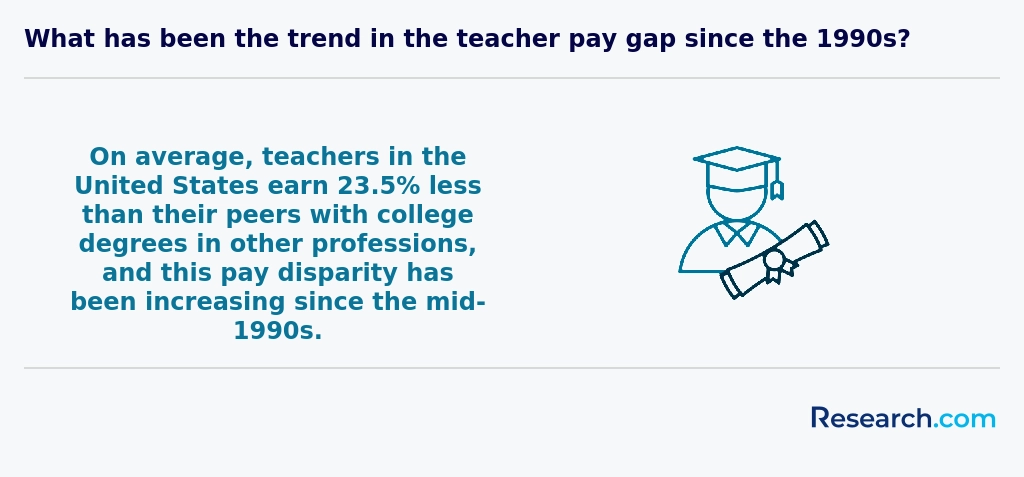
Aspiring educators in Birmingham, AL, must secure state certification to teach in public schools. The Alabama State Department of Education (ALSDE) mandates the following steps: 1. Complete an ALSDE‐approved educator preparation program, typically embedded within your bachelor’s or master’s degree curriculum. 2. Pass the required PRAXIS examinations, including the Praxis Core Academic Skills for Educators (Core) and Praxis Subject Assessments relevant to your teaching field (e.g., Elementary Education: Content Knowledge). 3. Submit a satisfactory fingerprint‐based criminal background check and pay the ALSDE application fee. 4. Compile and submit official transcripts, test score reports, and the program endorsement form through your institution’s licensure officer. 5. Upon provisional approval, receive an Alabama Initial Class B teaching certificate, valid for five years. During this period, complete a state‐approved mentoring program and any additional assessments (such as edTPA) required for Class A certification. Many candidates choose to enhance their credentials with an online graduate degree. For those exploring advanced online master’s options, compare tuition and program features in our Affordable Online Master’s in Education Degree Programs Ranking in Illinois, which showcases flexible pathways that meet ALSDE requirements and equip you for leadership roles.
Education students in Birmingham typically access a mix of federal, state, and local financial aid to manage tuition costs. For example, at the University of Alabama at Birmingham (UAB), many graduates recall relying on the Federal Pell Grant, which offers need-based aid without repayment, easing immediate financial pressure. Others utilize Federal Direct Student Loans or Unsubsidized Loans for graduate studies, balancing affordable interest rates with flexible repayment options.
State support, particularly through the Alabama Student Assistance Program (ASAP), plays a pivotal role by providing grants specifically for in-state students attending public colleges like UAB. These grants directly reduce out-of-pocket tuition expenses, encouraging sustained enrollment.
Local scholarships from organizations such as the Birmingham Education Foundation further support aspiring teachers, often motivating recipients with the promise of community-focused career paths. Several graduates mention how maintaining GPA requirements for these scholarships also fostered academic discipline and confidence.
Work-study opportunities complement financial aid by offering part-time, education-related jobs on campus, enabling students to gain professional experience while earning up to $3,000 annually, according to federal data. This combination of aid sources allows Birmingham education students to pursue degrees with practical financial strategies in place.
For those looking to further enhance their expertise in education and climb the leadership ladder, advanced degree opportunities such as the Doctor of Education (EdD) are becoming increasingly valuable. Pursuing an EdD can equip educators with strategic insights, research-driven methodologies, and innovative problem-solving skills that are vital for addressing today’s challenges in education management and policy. Many experienced teachers and administrators are now considering these advanced credentials to transition into high-level roles in curriculum design, educational reform, and institutional leadership. Exploring online edd programs has become a popular option for busy professionals seeking a flexible pathway to earn their degree without compromising their current teaching responsibilities. These programs typically offer a mix of asynchronous coursework, interactive webinars, and collaborative projects, enabling learners to balance work, life, and academic ambitions. Additionally, the integration of real-world case studies and practical research projects enriches the learning experience, providing graduates with a unique advantage in an ever-evolving educational landscape. By investing in an advanced degree, educators not only boost their career prospects but also contribute to the transformative change within educational institutions. This strategic move reflects a commitment to lifelong learning and professional excellence, ensuring that today's educators are well-equipped to inspire and lead the next generation of learners.
To enroll in an education degree program in Birmingham, candidates must meet clear academic and practical prerequisites. Undergraduate applicants typically need a high school diploma with strong performance in English, math, and social studies, often maintaining a GPA between 2.5 and 3.0. Graduates of Birmingham's well-regarded institutions recall how meeting these criteria helped them build the necessary foundation for success in education.
For graduate programs, holding a bachelor's degree from an accredited college-whether in education or a related field-is essential. Submission of official transcripts, recommendation letters, and a personal statement detailing career goals are standard requirements. Graduates from Birmingham's universities highlight how these application elements showcased their commitment and distinguished them during admissions.
- Background checks and fingerprinting, particularly for those pursuing K-12 licensure, ensure student readiness and safety compliance.
- Passing state-mandated exams demonstrates core teaching competency according to the Alabama Department of Education.
- Volunteer or practical experience reflects genuine engagement and strengthens applications, as emphasized by many successful Birmingham education alumni.
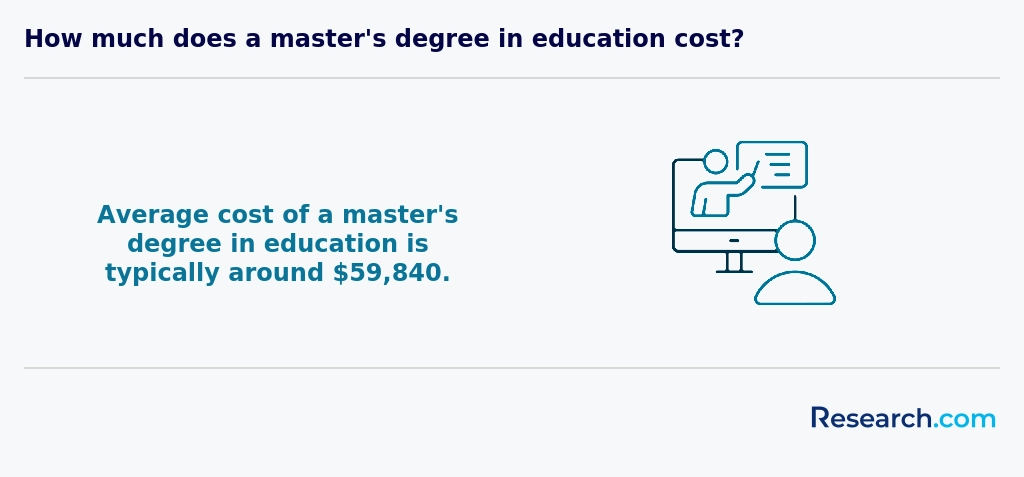
When considering an Education degree program in Birmingham, AL, one of the crucial factors to evaluate is the cost and the available financial aid options. The average tuition for education programs in Birmingham can range significantly, from approximately $10,000 to over $20,000 per year for in-state students at public universities. For those interested in exploring more affordable options, looking into the cheapest education programs in alabama can provide valuable insights. Understanding these costs and available financial aid, such as federal grants, state grants, scholarships, loans, and work-study programs, is essential for making an informed decision about pursuing an Education degree in Birmingham, AL.
Education degree programs in Birmingham commonly include courses such as Foundations of Education, which explores the history and philosophy behind teaching, helping graduates understand the broader context of their profession. Graduates from local universities often mention how courses like Educational Psychology gave them insight into student behavior and cognitive development, equipping them to adapt lessons effectively in real classrooms.
Curriculum and Instruction courses teach how to design engaging, effective lesson plans, a skill praised by recent Birmingham education graduates who appreciated the hands-on approach schools like the University of Alabama at Birmingham provide. Classroom Management classes focus on maintaining a positive learning environment, a crucial skill highlighted through student teaching experiences required by these programs.
- Assessment and Evaluation: Developing the ability to measure student progress, which Birmingham graduates find essential for improving learning outcomes.
- Special Education: Training on accommodating diverse learners, ensuring graduates feel confident and prepared for inclusive classrooms.
- Technology in Education: Equipping students with skills to integrate digital resources, reflecting the modern classroom's evolving demands.
These courses, combined with required internships in local schools, create a practical and supportive learning experience valued by those pursuing education degrees in Birmingham.
Education degree specializations in Birmingham encompass a range of focused areas that prepare graduates for diverse roles within the education sector. Common tracks include Early Childhood Education, emphasizing developmental teaching methods for young learners, and Special Education, which equips candidates with skills to support students with disabilities. Secondary Education programs offer subject-specific paths such as English, Mathematics, and Science, directly aligning with middle and high school teaching demands. Graduates from Birmingham's well-regarded universities and colleges frequently highlight the value of hands-on experience through local school partnerships, which enhance practical skills and job market readiness.
Additional specializations like Educational Leadership and Administration foster skills needed for roles such as principals and curriculum coordinators, while School Counseling prepares students for academic and behavioral support positions. Curriculum and Instruction tracks focus on innovative teaching strategies applicable across educational settings. Those researching top education programs Birmingham often consider these in-demand specializations essential to meeting both local workforce needs and national trends.
Students interested in advancing their careers may explore online edd programs that offer flexible pathways to leadership roles. Graduates report positive experiences gaining expertise in these focused fields, reflecting strong alignment between Birmingham's educational offerings and evolving teacher preparation demands.
Choosing the best education degree in Birmingham involves assessing accreditation, cost, specialization, and hands-on experience. Graduates from the University of Alabama at Birmingham and Samford University appreciate their programs' regional accreditation, which supports state certification and enhances employment prospects. Students find that tuition at Birmingham's public universities remains competitive-averaging $9,000 to $12,000 annually for in-state learners-while private colleges often exceed $25,000, making financial planning crucial.
When evaluating the top education colleges Birmingham 2027 has to offer, many emphasize program specialization. For instance, UAB's Master's in Special Education draws students seeking focused skills, while Samford graduates often highlight the value of their training in local public schools. Clinical practice through student teaching placements in Birmingham-area schools frequently leads to improved job placement, as graduates form strong professional networks.
Prospective students looking for flexibility might consider options on affordability and quality, such as the Affordable Online Master's in Education Degree Programs Ranking in Illinois, which can also offer remote pathways aligned with local teaching goals.
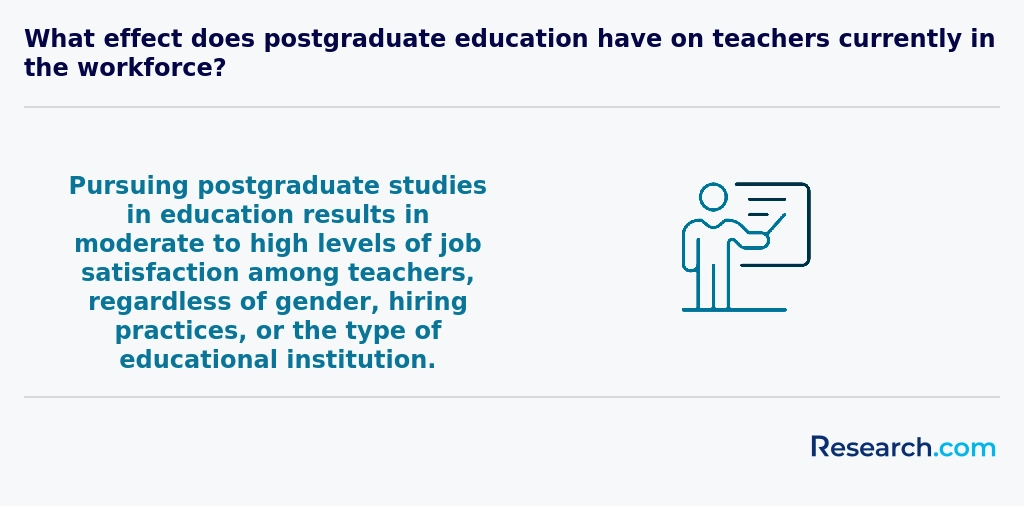
Graduates with an education degree in Birmingham have access to diverse career paths that align with local and national demands. Employment for kindergarten and elementary school teachers is projected to grow by 7% through 2029, consistent with national trends. Typical roles include elementary and secondary school teaching, which require state certification, as well as special education and ESL instruction to meet the needs of Birmingham's diverse student population. These options provide direct engagement with classrooms and communities, appealing to graduates passionate about shaping young minds.
For graduates interested in expanding beyond teaching, leadership positions such as assistant principals or curriculum coordinators at local schools offer increased responsibility and competitive salaries, like the median $92,000 for school principals in Alabama. Many graduates from Birmingham's popular education programs report that strong connections with schools enhance their career mobility. Jobs for education graduates Birmingham also extend to educational consulting, instructional coordination, and school counseling, roles that support systemic improvement and student wellbeing.
Those pursuing higher education roles at institutions like the University of Alabama at Birmingham can find opportunities as academic advisors or faculty, often requiring advanced degrees. Prospective students should also review cost considerations, with Alabama in-state tuition averaging $10,000 annually. To explore options for advanced degrees, consider the Affordable Online Master's in Education Degree Programs Ranking in Illinois for flexible pathways enhancing career prospects in education degree career opportunities in Birmingham.
The job market for education degree holders in Birmingham is characterized by steady demand, particularly within K-12 public and private schools. Graduates from popular institutions like the University of Alabama at Birmingham often find rewarding roles in Birmingham Public Schools, one of the state's largest districts. Employment opportunities also extend to early childhood education centers and special education programs, sectors that have benefited from increased funding. This environment creates a landscape of diverse Birmingham education degree employment opportunities, allowing graduates to apply specialized certifications such as ESL endorsements to gain a competitive edge.
In addition to teaching, education graduates pursue positions in administration, curriculum development, and educational technology-a growing field as local schools incorporate digital classrooms. Salary data supports this promising outlook, with average earnings near $54,000 annually for teachers and higher wages for principals or instructional coordinators. Many graduates from UAB highlight that affordable tuition costs, ranging from $10,000 to $30,000 per year, contribute positively to their educational investment. Students interested in accelerated pathways might also explore best accelerated associate degrees to enter the field efficiently.
2027 Best Education Degree Programs Ranking in Birmingham
Investing in your education is a significant decision that can shape your future, and the Research.com team understands the importance of making informed choices. To assist prospective students in Birmingham, we have meticulously crafted the "2027 Best Education Degree Programs Ranking in Birmingham." Our commitment to quality, credibility, and accuracy is reflected in the extensive research and analysis conducted to compile this ranking.
We utilized the following reputable data sources to ensure a comprehensive evaluation of education degree programs:
By exploring this ranking, readers will gain valuable insights into the best education degree programs in Birmingham, empowering them to make informed decisions about their academic and professional futures. For more details on our methodology, please visit our Research.com methodology page.


Frequently Asked Questions About education
Students pursuing education degrees in Birmingham can enhance their learning by engaging actively in both theoretical and practical aspects of their coursework. According to the National Center for Education Statistics, practical field experiences like student teaching provide essential hands-on skills crucial for career readiness. Birmingham's universities often collaborate with local schools, allowing students to apply classroom knowledge directly.
Utilizing campus resources such as tutoring centers and academic advisors also supports academic success. Networking with peers and faculty through study groups and education seminars can deepen understanding and encourage professional growth.
Finally, staying current with educational research and policies helps students adapt to evolving teaching methods and standards in the U.S. education system.
The field of education is evolving with several emerging niches gaining prominence, especially for students considering degrees in Birmingham. One key niche is educational technology, where experts develop tools to enhance digital learning. This area has grown as schools adopt online and hybrid teaching methods. Another important field is special education focusing on tailored teaching for students with disabilities. According to the U.S. Bureau of Labor Statistics, employment for special education teachers is expected to grow 10% nationally by 2032, reflecting increased demand. Additionally, culturally responsive teaching is gaining traction to support diverse classrooms common in Birmingham schools.
Data-driven instruction is also becoming vital, using student performance data to improve teaching methods. Furthermore, early childhood education remains a strong focus, given research showing its long-term impact on student success. These emerging niches offer promising opportunities for Birmingham students seeking impactful careers in education.
After earning an education degree in Birmingham, preparing for the job market involves several strategic steps. Graduates should focus on gaining practical experience through internships or substitute teaching positions, which increase employability. According to the U.S. Bureau of Labor Statistics, teacher employment is projected to grow by 5% through 2031, highlighting the need for relevant experience.
Networking is also crucial; attending local education job fairs and joining professional organizations such as the Alabama Education Association can connect candidates with potential employers. Additionally, obtaining state certification and continuously updating skills through workshops enhance job prospects in Birmingham's competitive education sector.
Employers in Birmingham highly value education degree graduates who demonstrate strong classroom management skills. According to recent surveys by the Birmingham Education Partnership, 78% of school administrators prioritize this ability when hiring new teachers.
Effective communication is another essential skill. Graduates must engage with students, parents, and colleagues clearly and empathetically. The National Center for Education Statistics notes communication skills contribute significantly to teacher retention rates.
Additionally, adaptability ranks as a top attribute. With diverse student needs and evolving curricula, teachers who can adjust strategies are more successful. Data from the Alabama Department of Education supports this, showing adaptable teachers tend to have higher student achievement scores.
Finding internships in Birmingham relevant to an education degree involves several strategic steps. Many local school districts and educational organizations offer paid and unpaid internships tailored to education majors. For instance, the Birmingham City Schools district frequently lists opportunities for student teachers and education interns. Universities such as the University of Alabama at Birmingham also provide internship placements through their College of Education.
Networking is essential; attending education-related job fairs and connecting with faculty advisors can open doors to practical experiences. Additionally, resources like Handshake and the Alabama Career Center help students find internships aligned with their educational goals. According to the National Center for Education Statistics, internship participation significantly boosts employment prospects in teaching careers.
In Birmingham, obtaining an education degree significantly impacts career mobility and advancement within the local education sector. According to the Alabama Department of Education, educators with advanced degrees often access higher salary scales and priority for leadership roles such as department heads or school administrators. A degree also increases eligibility for specialized positions like curriculum development or special education coordination.
Data from the U.S. Bureau of Labor Statistics shows that teachers with bachelor's and master's degrees experience lower unemployment rates and higher job stability compared to those without degrees. Additionally, many Birmingham school districts require a minimum of a bachelor's degree for licensure, essential for entering and progressing in teaching professions.
Continuing education and degree upgrades in Birmingham often open doors to promotions and increased responsibilities, influencing long-term career growth positively.
Studying for an education degree in Birmingham offers strong preparation for interdisciplinary roles by integrating diverse subject knowledge and practical skills. Many programs emphasize collaboration across fields such as psychology, sociology, and technology, reflecting trends in U.S. education employment that require versatile expertise.
Research from the National Center for Education Statistics highlights that educators with interdisciplinary training are 25% more likely to advance into leadership or specialized roles. Birmingham institutions also provide hands-on experiences in varied educational settings, encouraging adaptability. This approach aligns with district demands in Alabama, where educators often work with diverse student populations requiring multiple strategies.
Courses typically include training in communication, curriculum design, and educational technology, equipping graduates to bridge gaps between disciplines effectively.
When choosing between a thesis and a non-thesis education degree program in Birmingham, consider your career goals and time commitments. Thesis programs usually require conducting original research and writing a detailed paper, ideal for those aiming to pursue doctoral studies or research roles. Non-thesis programs often focus on coursework and practical experience, suiting professionals seeking advanced skills without research demands.
Data from the Alabama Commission on Higher Education shows that thesis programs may take longer-often two to three years-while non-thesis tracks can be completed faster. Birmingham's universities like UAB offer both options, allowing flexibility for students balancing work and study.
Cost differences are generally minimal, but thesis tracks may require additional resources for research. Understanding these factors helps make an informed decision.
Students based in Birmingham seeking to study education abroad have numerous options within the United States. Many US universities offer robust education degree programs with opportunities for international exchange and study abroad components.
Popular destinations for education majors include universities in states like New York, California, and Massachusetts, where institutions often provide specialized programs in teacher training and educational leadership. According to the Institute of International Education, over 50,000 US students participated in education-related study abroad programs in 2022, highlighting growing interest in global teaching perspectives.
For Birmingham students, partnering institutions sometimes include exchange programs that facilitate credit transfer, making it easier to gain international experience without delaying graduation. Additionally, programs often emphasize practical classroom experience in diverse settings, which is valuable in an increasingly global educational landscape.
Students pursuing education degrees in Birmingham often seek part-time jobs that enrich their learning experience. Common opportunities include working as teacher assistants, tutors, or childcare aides. These roles provide direct classroom exposure and help develop essential skills like communication and classroom management.
Local schools and community centers frequently offer these positions, allowing students to balance work and study effectively. According to the Birmingham Education Foundation, over 40% of education majors engage in such jobs during their programs.
Additionally, positions in after-school programs or educational nonprofits can deepen understanding of educational theory and practice, making these roles valuable complements to formal education training.
Education students in Birmingham have various networking opportunities that enhance their academic and professional growth. Universities in the city often host education-focused events, workshops, and guest lectures where students can connect with faculty, alumni, and visiting educational experts. According to the National Center for Education Statistics, Birmingham's institutions graduate over 1,200 education majors annually, creating a strong peer network locally.
Students can also join professional organizations such as the Alabama Education Association, which hosts conferences and seminars specifically for aspiring teachers in the region. Internships and partnerships with local schools further expand practical networking opportunities, giving students direct access to practicing educators and administrators.
Alumni networks offer significant benefits to education degree students in Birmingham by providing connections with experienced professionals in the field. These networks facilitate mentorship opportunities, helping students gain practical advice and career guidance tailored to the region's educational landscape.
Access to job openings and internships is another advantage; many schools in Birmingham report that over 60% of education graduates find employment through alumni referrals (National Center for Education Statistics, 2023). This direct link to local school districts and educational institutions can improve employment prospects.
Additionally, alumni events and workshops help students develop professional skills and stay informed about the latest teaching methods and policies relevant to Birmingham's schools.
Customizing an education degree program in Birmingham involves selecting courses and specializations that align with your career goals. Many universities in Birmingham, such as the University of Alabama at Birmingham, offer flexible degree tracks allowing students to focus on areas like early childhood education, special education, or educational leadership. According to the National Center for Education Statistics, choosing electives and internships in your preferred specialty can enhance practical skills and employability.
Students may also engage in partnerships with local schools for real-world teaching experience. This hands-on approach supports tailored career preparation. Additionally, some programs provide options for certification in high-demand areas such as STEM education or ESL instruction, giving graduates a competitive advantage.
Education students in Birmingham often face several challenges as they pursue their degrees. One common issue is balancing academic workload with practical teaching placements. According to data from the Alabama State Department of Education, many candidates report difficulty managing time effectively between coursework and classroom experience.
Additionally, financial constraints pose a significant hurdle. Birmingham's cost of living combined with rising tuition fees can strain students, with nearly 40% of education majors relying on financial aid or part-time jobs to support their studies.
Furthermore, students frequently highlight the need for more tailored support services to address classroom diversity and special education demands, reflecting evolving educational standards in Alabama.
With an education degree, graduates in Birmingham can pursue several professional certifications to enhance their careers. One common path is obtaining state certification to become a licensed teacher, required for public schools in Alabama, including Birmingham City Schools. The Alabama State Department of Education offers certifications in areas like elementary education, secondary education, and special education.
Beyond teaching licenses, professionals may pursue National Board Certification, a prestigious credential recognized nationally that can increase earning potential and job stability. Additionally, certifications in specialized fields such as ESL (English as a Second Language) or reading instruction are available.
According to the Alabama State Department of Education, nearly 85% of Birmingham's education graduates seek at least one certification within two years of graduation to improve their employment prospects.
Writing a successful application for an education program in Birmingham begins with clear, concise personal statements that emphasize your passion for teaching and your commitment to student success. Admissions committees in US institutions typically look for applicants with strong academic records, relevant volunteer or work experience, and demonstrated leadership skills.
Highlight specific goals related to education, supported by examples from your background. Including data from Birmingham's education sector, such as graduation rates or teacher-student ratios, can show your awareness of local challenges.
Standardized test scores and letters of recommendation remain important, so select recommenders familiar with your academic talents or teaching potential.
Finally, carefully follow each program's application instructions to avoid common errors that can weaken your submission.
The education career is viewed globally as a vital profession, shaping future generations and influencing societal development. In the US, including Birmingham, educators are increasingly expected to integrate global perspectives, emphasizing cultural awareness and diverse learning environments. According to the National Center for Education Statistics, teaching jobs are projected to grow 5% from 2021 to 2031, reflecting steady demand.
Internationally, education careers often require advanced degrees and certifications similar to the US system. Birmingham offers access to accredited universities where students can pursue degrees recognized worldwide. Understanding global education trends helps aspiring educators adapt to diverse classrooms and evolving educational technologies.
Gaining practical experience while studying for an education degree in Birmingham is essential for career readiness. Many programs include fieldwork or student teaching components, allowing students to gain hands-on experience in local schools. According to the National Center for Education Statistics, over 75% of accredited education programs require supervised classroom practice.
Students often participate in internships, tutoring programs, or volunteer opportunities through partnerships between universities and Birmingham school districts. These experiences develop classroom management and lesson planning skills.
Additionally, some Birmingham institutions offer simulation labs and workshops to prepare students for real classroom scenarios.
Choosing the right concentration within an education degree program in Birmingham involves evaluating your career goals and interests. Common concentrations include early childhood education, special education, and educational leadership, each leading to different career paths.
Research local job markets to understand demand. For example, according to the Alabama Department of Labor, Birmingham shows steady growth in special education roles, reflecting increased investment in inclusive schooling.
Consider program accreditation and faculty expertise, as Birmingham-area universities often have varying focuses. Visiting campuses or attending virtual info sessions can help clarify program strengths.
Lastly, reflect on your own skills and passions; those aligned with your concentration usually yield better academic engagement and career satisfaction.
- 2027 Best Education Degree Programs Ranking in Montgomery
- 2027 Best Education Degree Programs Ranking in Atlanta
- 2027 Best Education Degree Programs Ranking in Macon
- 2027 Best Education Degree Programs Ranking in Mobile
- 2027 Best Education Degree Programs Ranking in Tallahassee
- 2027 Best Education Degree Programs Ranking in New Orleans
- 2027 Best Education Degree Programs Ranking in Louisville
- 2027 Best Education Degree Programs Ranking in Jacksonville
- 2027 Best Education Degree Programs Ranking in Gainesville
- 2027 Best Education Degree Programs Ranking in Indianapolis
See What Experts Have To Say About Studying Education
Read our interview with Education experts

Nooshan Ashtari
Education Expert
Professor & Book Author
University of Southern California


- Teacher of Global Perspectives (IGCSE) https://www.scie.com.cn/jobs-global-perspectives/
- Membership | Education Training Foundation https://etfoundation.co.uk/membership/
- Online Learning vs Traditional Learning Comparison https://advantagesschool.com/online-learning-vs-traditional-learning/
- Birmingham’s skills profile - Centre for Cities https://www.centreforcities.org/reader/train-attract-retain-increasing-birminghams-skilled-workforce/birminghams-skills-profile/
- Careers you can do with an Education Studies degree https://www.bcu.ac.uk/blog/education-and-teacher-training/education-studies-careers
- 18 Highest Paying Jobs With an Education Degree (not teaching) | Devlin Peck https://www.devlinpeck.com/content/jobs-with-an-education-degree
- How to Build Work Experience While Studying - EN Global Education Ltd https://englobaleducation.co.uk/how-to-build-work-experience-while-studying/
- Latest Trends in the Field of Education - ICERT https://icert.org.in/latest-trends-in-the-field-of-education/
- Education Study Abroad | CIEE https://www.ciee.org/go-abroad/college-study-abroad/programs/subjects-disciplines/education-study-abroad
- The importance of networking in the education sector https://www.tlclive.com/blog/the-importance-of-networking-in-the-education-sector


