
2027 Best Online Education Degree Programs Ranking in South Carolina

Co-Founder and Chief Data Scientist
If you're considering advancing your career with an education degree, this article is here to guide you. Our 2027 Best Online Education Degree Programs Ranking in South Carolina was developed by the Research.com team of data scientists to help you make an informed decision about which programs truly stand out.
Choosing the right degree can open doors to rewarding opportunities. This ranking highlights quality programs designed to fit your busy lifestyle while providing solid foundations for your future in education.
Explore options that align with your goals and take a confident step toward achieving your dreams.
Key benefits of getting online education degree in South Carolina
- Salary prospects: Graduates with an education degree in South Carolina can expect competitive salaries, such as $76,000 annually for Special Education Teachers and $65,430 for ESL Teachers, providing financial stability and rewarding careers.
- Career paths: Education degree holders from popular universities like the University of South Carolina have diverse options including roles as Elementary School Teachers or Instructional Designers, making their degree versatile and valuable.
- Online degree benefits: Completing an education degree online offers flexibility to balance work and study, as seen with graduates from Clemson University, helping you advance your career without interrupting life.
- 2027 Best Online Education Degree Programs Ranking in South Carolina
- What can I expect from online education degree in South Carolina?
- Where can I work with online education degree in South Carolina?
What can I expect from online education degree in South Carolina?
If you're wondering about the average cost of an online education degree in South Carolina, it generally lines up with what you'd expect from state universities. Tuition tends to be more affordable than traditional on-campus programs, especially when you factor in the savings on commuting and housing. For example, graduates from Clemson University or the University of South Carolina often mention how the online route helped them stretch their budgets while balancing work and family.
Most online education programs here charge tuition rates similar to in-state students at public schools, which can range somewhere around $5,000 to $10,000 per year depending on the program's length and level. This makes getting your degree more accessible without breaking the bank.
Plus, many online students find the flexibility to study at their own pace really lifts a huge weight off their shoulders-whether they're caring for kids or holding down a job. So it's not just about saving money, but also gaining peace of mind while working toward teaching certifications that meet South Carolina's specific requirements.
Where can I work with online education degree in South Carolina?
If you earn an online education degree in South Carolina, you'll find plenty of doors open for you. Many graduates land teaching jobs in public K-12 schools, especially in subjects like math, science, or special education where there's real demand. Schools want teachers who have the right certification, and an online degree from places like the University of South Carolina or Clemson can get you that certification.
But it's not just K-12-graduates often find rewarding roles at community colleges or universities, working as academic advisors or instructional coordinators. For example, folks graduating from South Carolina State University have shared how they landed jobs designing adult education programs within the state's Technical College System.
You might also work for educational tech companies or nonprofits, doing things like instructional design or training, which brings a more creative vibe to the education field. And don't forget about government roles; some grads support workforce development efforts or education policy right here in South Carolina, making a real community impact.
If you earn an online education degree in South Carolina, you can expect salaries that vary by job but generally fall within a friendly range. For example, a typical elementary school teacher in the state makes about $70,740 a year, which is a solid paycheck for many grads.
Special education teachers do even better, pulling in around $76,000 annually, which really shows how valuable those skills are. If you're interested in teaching English as a Second Language, salaries hover near $65,430 per year. Early childhood educators might start a bit lower, around $41,410, but that's still decent considering you're helping shape young minds.
Some graduates from programs at schools like the University of South Carolina or Clemson find exciting gigs as instructional designers, making around $77,200 annually. These roles often mix creativity with education and can be super rewarding.
Overall, many grads feel pretty optimistic knowing these salary levels can grow as you gain experience or earn advanced degrees. It's encouraging to see real numbers that back up the effort you put into your online degree!
- Public universities in South Carolina charge about $8,000 to $12,000 per year for online education programs, while private schools range from $15,000 to $25,000 annually.
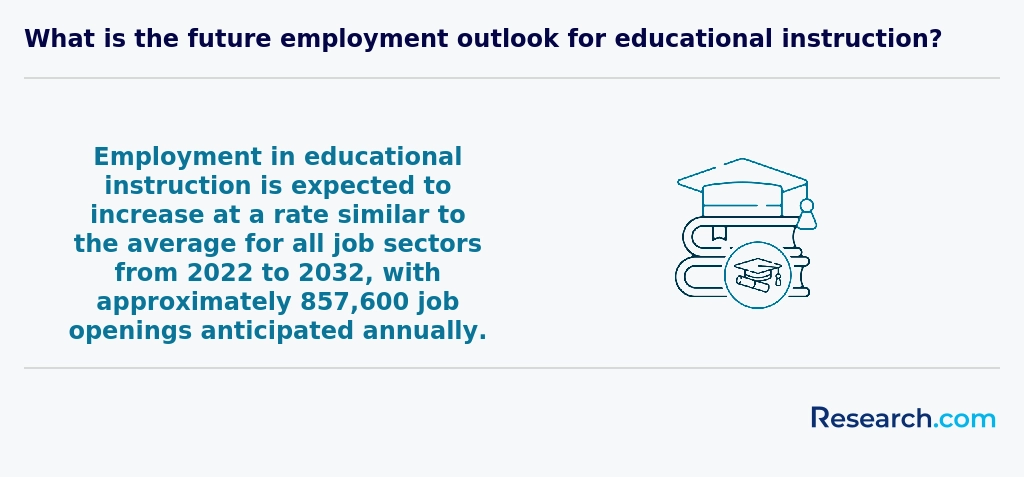
- Employment for education professionals is expected to grow at around 8% over the next decade, reflecting steady demand in public schools and special education.
- Starting salaries for education graduates are near $40,000 per year, increasing to $55,000-$60,000 with experience and certifications.
- Students must ensure their online program is accredited and meets South Carolina's state licensure and exam requirements for teachers.
- Many programs cover curriculum development, special education, instructional technology, and leadership, offering flexible online course schedules.
- Financial aid, including state grants and federal loans, is available to qualified South Carolina residents pursuing these degrees.
If you're thinking about an online education degree in South Carolina, the time it takes really depends on how you approach it. Full-time students usually finish a bachelor's in about four years, just like on-campus programs. But plenty of folks juggle jobs and family, so studying part-time stretches that out to five or six years. That's totally normal and actually pretty common around schools like Clemson University and the University of South Carolina.
For those going for a master's, things can move faster if you're full-time-around 1.5 to 2 years. Graduates often share how taking accelerated courses or enrolling continuously helped them wrap up in as little as 12 to 18 months. Plus, if you've got previous credits or work experience, that can shave off some months too.
Many students appreciate the flexibility of summer and intersession online courses that let you speed things up when life allows. So, while the timeline varies, South Carolina's online education programs really fit around busy lives without rushing you.
When exploring online education degree programs in South Carolina, affordability is a crucial factor to consider. With the rising costs of higher education, finding a program that fits your budget without compromising on quality is essential. One way to approach this is by researching the cheapest online education school in south carolina, which can provide valuable insights into affordable options without sacrificing academic standards. Many institutions offer competitive pricing, scholarships, and financial aid packages to help make online education more accessible. By weighing the costs against the potential benefits, including career advancement opportunities and personal fulfillment, you can make an informed decision about which online education program in South Carolina best aligns with your financial situation and career goals.
For students in South Carolina wondering about the difference between online and on-campus education degrees, it really comes down to how you want to experience your studies. Take a graduate from the University of South Carolina, for example, who juggled a full-time job and family by choosing an online program. They loved being able to watch lectures at midnight or during lunch breaks, fitting school around life without missing a beat.
Meanwhile, someone studying education at Clemson University might prefer the buzz of campus life-going to classes in person, meeting professors face-to-face, and using on-site resources like the library or study groups with classmates. That hands-on vibe helps them stay motivated and connected.
Both routes end with a respected degree, but online learning shines with flexibility, especially if you're balancing other commitments. On-campus programs offer that cozy college feel and live interaction. Tuition varies, too-with online options often saving money on things like housing and commuting, which is a big plus for many South Carolina students.
When considering an online education degree in South Carolina, understanding the admissions process and prerequisites is crucial for setting yourself up for success. Prospective students should begin by reviewing the specific requirements of each institution, which may include prior coursework in education, letters of recommendation, or standardized test scores. Many programs value a strong academic record and professional experience in educational settings, so be prepared to highlight any relevant qualifications and achievements. In addition, researching program-specific details-such as application deadlines, interview processes, and supplemental materials-can help streamline your enrollment. Universities often provide comprehensive admissions guides on their websites, which can serve as valuable resources during your application journey. For those exploring advanced education opportunities, consider learning about the most affordable online masters degrees in teaching to further enhance your credentials and career prospects. Taking the time to understand and fulfill each program’s requirements will not only improve your chances of acceptance but also ensure that you embark on a path tailored to your educational and professional goals.
When you think about the average cost of an online education degree in South Carolina, it really depends on whether you're living in-state or out-of-state. For in-state students, the median total cost typically lands around $35,862, which feels pretty reasonable, especially when you consider that schools like the University of South Carolina offer flat tuition rates for online programs. Many graduates mention how this pricing helped them balance work, family, and school without breaking the bank.
Out-of-state students face a higher cost, with median totals reaching about $70,323. That might sound steep, but some find it worthwhile for the flexibility and quality of South Carolina's programs. Plus, some public universities don't differentiate between in-state or out-of-state tuition for online education degrees, which is a bonus if you're coming from elsewhere and want to avoid extra fees.
Private schools in the state generally cost more, but for many, the investment pays off thanks to personalized support and scholarship options. If you're hunting for the cheapest online education school in South Carolina, it's worth checking out specific programs and financial aid options to make things more affordable without sacrificing quality.
Overall, the tuition and fees for online education degree SC students reflect a balance of cost and accessibility that makes South Carolina a solid choice if you want to earn your degree online while keeping expenses in check.
When applying to an online education degree program in South Carolina, you’ll need to meet both academic and technical criteria to ensure success. Most institutions require the following: • High School Diploma or Equivalent – A regionally accredited high school diploma, GED, or homeschool completion certificate. – Minimum GPA of 2.5–3.0 for bachelor’s programs; some competitive programs may request a 3.0+ GPA. • Official Transcripts – Sealed transcripts from all previously attended institutions (high school, college, or university). – For transfer or graduate applicants, a bachelor’s degree transcript showing completion in a related field. • Standardized Test Scores (if required) – SAT or ACT for undergraduate admission (waivers often available for applicants with strong GPAs). – GRE or MAT scores for certain master’s programs; check specific school requirements. • Letters of Recommendation – Two to three academic or professional references highlighting your readiness for online learning and teaching potential. • Personal Statement or Essay – A 500–750 word essay detailing your career goals, teaching philosophy, and why you chose an online format. • Technical Requirements – Reliable high-speed internet, webcam, microphone, and computer that meets the university’s minimum specifications. – Familiarity with learning management systems (e.g., Blackboard or Canvas) and basic troubleshooting skills. • Additional Requirements for Licensure Tracks – Valid teaching certificate or proof of student teaching experience for programs leading to initial or advanced licensure. – Background check and clearance according to South Carolina Department of Education standards. • Application Deadlines and Fees – Fall admission: applications typically due by June 1; Spring admission: due by November 1. – Application fees range from $50 to $75, with fee waivers available in some cases. If you’re exploring cost-effective alternatives or comparing admission criteria across states, check out our Low Cost Online Education Degree Programs Ranking in Idaho for insights into tuition breaks and streamlined prerequisites.
If you're thinking about getting your online education degree in South Carolina, financial aid can really ease the burden. Many students start by filling out the FAFSA to access federal aid like Pell Grants, which can cover up to $7,395 for the year-no repayment needed. Imagine a graduate from the University of South Carolina getting this grant and feeling relieved about their tuition costs right away.
State programs also help out a lot. For instance, the LIFE Scholarship offers up to $5,000 a year for in-state students, and it's great that online learners at places like Clemson University can tap into this too. Some students have found that these scholarships made finishing their degree way more affordable without stressing over monthly bills.
Plus, many South Carolina public universities offer their own scholarships and reduced tuition rates for online learners. Graduates often say these options made their decision to study online a no-brainer. Don't forget about private scholarships too-lots focus on future teachers wanting to make a difference in local schools.
Lastly, if you're working, employer tuition help can be a game-changer, making it easier to juggle work and studies without breaking the bank.
Before you can embark on an online education degree in South Carolina, you’ll need to meet a set of common admission requirements designed to ensure your readiness for rigorous study. Most bachelor’s programs require:
- A regionally accredited high school diploma or equivalent (GED)
- Minimum GPA of 2.5–3.0 on a 4.0 scale
- Official transcripts from all postsecondary institutions attended
- A personal statement outlining your career goals and teaching philosophy
- At least two letters of recommendation, preferably from academic or professional supervisors For those applying to a master’s in education, additional prerequisites often include:
- A conferred bachelor’s degree in education or a related field
- Valid teaching certification/licensure in your state (or eligibility to obtain one)
- A professional resume detailing classroom experience or educational leadership roles
- GRE or MAT scores (required by some institutions)
- Background check and fingerprint clearance to qualify for student teaching placements Doctoral-level programs typically ask for:
- A master’s degree in education or closely related discipline
- A minimum graduate GPA of 3.0, though competitive programs may expect higher
- A research proposal or statement of purpose demonstrating scholarly interests
- Evidence of published work, conference presentations, or teaching experience
- Three to five years of professional experience in education or administration Some programs also have course prerequisites-such as Educational Psychology or Intro to Curriculum Design-so review each university’s syllabus carefully. If you’re exploring affordability comparisons or looking beyond South Carolina, you might find our Low Cost Online Education Degree Programs Ranking in Idaho a helpful benchmark. Ensuring you meet these requirements upfront will streamline your application process and position you for success in an online learning environment.
If you're thinking about enrolling in an online education degree in South Carolina, you'll want to have your high school diploma or GED ready to go. Most colleges like Clemson University or the University of South Carolina look for that first, so it's the basic stepping stone. Graduates often mention how having some relevant coursework, like psychology or child development classes, really helped them breeze through the prerequisites and feel confident before diving in.
For bachelor's programs, some schools may still ask for SAT or ACT scores, but plenty are going test-optional now, which is a relief for many. If you're aiming for a master's in education, having an undergrad degree with a decent GPA-around 3.0-is usually required. Background checks are also pretty common, especially if you want to get certified to teach.
Lots of students say submitting a thoughtful statement of purpose or recommendation letters made them stand out. It's all about showing you're ready and passionate about teaching kids in South Carolina's school system.
Most South Carolina institutions offering an online education degree require applicants to hold a high school diploma or equivalent and to submit official transcripts demonstrating a minimum cumulative GPA-typically around 2.5 to 3.0. Competitive programs may also request: • Letters of recommendation: 2–3 references from academic instructors or professional supervisors • Personal statement or essay: A 500–1,000-word narrative detailing your teaching philosophy, career goals, and motivation for pursuing an online education degree in South Carolina • Resume or CV: Highlighting relevant work experience, volunteer service, and any prior coursework in education or child development • Standardized test scores (optional at many schools): Some universities waive the SAT/ACT requirement for applicants with a strong GPA or prior college credits Technical prerequisites include reliable internet access, a computer with webcam and microphone, and familiarity with learning management systems (Canvas, Blackboard, etc.). Certain specializations-such as Early Childhood Education or ESL-may require completion of foundational courses (e.g., Introduction to Child Development or Foundations of Linguistics) before starting upper-division coursework. The application process usually follows these steps: 1. Research program deadlines: Deadlines vary by semester. Many schools offer rolling admissions, while others have fixed cutoff dates in spring and fall. 2. Prepare and upload materials: Scan transcripts, recommendation letters, and your personal statement into the online application portal. 3. Pay the application fee: Fees typically range from $25 to $75, though fee waivers may be available for qualifying applicants. 4. Await admission decision: Most schools notify candidates within 4–6 weeks of the deadline. For students balancing budget and quality, consider our Low Cost Online Education Degree Programs Ranking in Idaho to compare tuition rates and financial aid packages before finalizing your application.
If you're diving into an online education degree in South Carolina, expect courses that really get you ready for the classroom. Graduates from schools like the University of South Carolina often talk about how classes on child development and curriculum design helped them understand exactly how kids learn and how to plan lessons that actually stick. You'll also tackle teaching methods and strategies to assess student progress - super useful stuff when you're figuring out if your lesson landed well.
Many students find courses on classroom management and educational psychology especially helpful, because they prepare you for the real challenges of teaching diverse learners. For example, graduates from Clemson University share how learning about differentiated instruction made them confident in handling all sorts of student needs and behaviors.
And if you're into special education or leadership roles, there are classes focused on things like behavioral interventions or school administration that align perfectly with South Carolina's standards. Plus, the hands-on practicum experiences arranged locally really bring everything together, giving you that vital, boots-on-the-ground teaching exposure.
If you're diving into an online education degree in South Carolina, you'll find a range of specializations that really prepare you for the classroom or leadership roles. Many students pick Elementary Education to get skilled in teaching younger kids, while others go for Special Education to support learners with unique needs-a field that's seriously in demand right now. Graduates from popular schools in the state often share how these tracks helped them feel confident stepping into real classrooms. Then there's Secondary Education, which lets you focus on subjects like math, science, or English, perfect if you want to teach middle or high school students.
Those interested in guiding schools rather than teaching directly often choose Educational Leadership. Others find passion in Reading and Literacy or Early Childhood Education, preparing them for specialized roles like literacy coaches or early care educators. It's no surprise South Carolina online education program options attract folks aiming for flexible, practical training that fits their busy lives.
For anyone wondering about costs, many graduates find that programs offer reasonable tuition, especially for locals. If this sounds like your path, check out the most affordable online masters degrees in teaching to get a sense of what's out there.
Picking the best online education degree in South Carolina really comes down to what fits your goals and lifestyle. Graduates from popular schools like the University of South Carolina often mention how crucial accreditation is-thanks to it, you know the program meets solid standards like those from SACSCOC. Many also advise checking out programs with hands-on fieldwork or internships, especially since SC requires supervised teaching experience for certification. It's one thing to study theory, but getting real classroom time through online programs at Clemson or other colleges adds confidence and practical know-how.
Cost is another biggie. Some say that public schools offer more wallet-friendly options, averaging about $10,500 a year, and you might find it even cheaper online. Private colleges can be pricier, sometimes hitting $25,000, so many students recommend exploring scholarships or federal aid aimed at education majors. If you want the best affordable online education degrees South Carolina options, it's smart to compare total program costs carefully-including tech fees.
Flexibility matters too. A few grads from SC schools rave about asynchronous courses letting them study whenever, which is perfect for busy schedules. Also, smaller classes and accessible faculty support really boost the learning vibe. Don't forget to peek at program success rates like grad numbers and teaching licensure passes-they tell you if the school really delivers on its promise. For a thorough start, check out this Low Cost Online Education Degree Programs Ranking in Idaho-it's a great reference point, even if it's not in SC.
Graduates with an online education degree in South Carolina have plenty of career paths to explore. Many go into K-12 teaching, especially since programs at popular schools like the University of South Carolina or Clemson offer strong online options that meet state certification requirements. This flexibility means you can earn your degree without putting life on hold, then jump right into classrooms across the state.
Others find their fit as instructional coordinators or curriculum developers, roles where they create and improve teaching methods. Some grads from South Carolina State University have shared how their online degrees opened doors to these behind-the-scenes jobs that really shape education quality. Plus, positions in educational administration, like principals or assistant principals, become reachable with an online master's degree, especially at colleges known for their education leadership programs.
If you're curious about roles beyond K-12, many graduates work as academic advisors or online instructors at local community colleges and universities, tapping into South Carolina's growing need for digital education pros. For a sense of which paths might pay best, check out the most profitable bachelor's degrees available nationwide. These practical options really show how an online education degree careers South Carolina can be both fulfilling and flexible.
The job market for an online education degree in South Carolina is looking pretty solid right now. Graduates from well-known schools like the University of South Carolina or Clemson tell stories about landing roles quickly, whether as classroom teachers or education coordinators. Since South Carolina's education sector is growing, especially in areas like rural schools and STEM subjects, there's a real need for qualified folks stepping in with fresh ideas.
Many grads find the flexibility of online programs a game-changer, balancing study with life while gearing up to fill jobs that the South Carolina market demand for education graduates supports well. Plus, state certification often comes easier with these degrees, which helps folks stand out when applying. Someone might be working full-time and studying online while already building a network in their community.
And if you're aiming for a paycheck that matches your effort, the salary scene-like around $55,000 for elementary teachers-is competitive locally. For those curious about entry paths and career options, checking out the best high paying careers for introverts can spark ideas beyond traditional classroom roles.
2027 Best Online Education Degree Programs Ranking in South Carolina
Investing in your education is a significant decision that can shape your future, and the Research.com team understands the importance of making informed choices. To assist prospective students in South Carolina, we have meticulously crafted the "2027 Best Online Education Degree Programs Ranking in South Carolina." Our commitment to quality, credibility, and accuracy is reflected in the extensive research and analysis conducted to compile this ranking.
We utilized the following reputable data sources to ensure a comprehensive evaluation of online education degree programs:
By exploring this ranking, readers will gain valuable insights into the best online education degree programs available in South Carolina, helping them make informed decisions about their educational paths. For more details on our methodology, please visit our Research.com methodology page.


# 5 position
Bob Jones University
Master of Teaching and Learning

Frequently Asked Questions About education
Online education degree students in South Carolina can maximize their learning by actively engaging with course materials and participating in virtual discussions. Research shows that students who communicate regularly with instructors and peers tend to perform better academically (National Center for Education Statistics, 2023). Utilizing local resources such as public libraries and study groups can also enhance understanding.
Additionally, balancing study schedules with personal and work commitments is crucial. According to the South Carolina Commission on Higher Education, effective time management improves retention and graduation rates. Students should take advantage of academic advising offered by their institutions to tailor their learning paths.
Finally, exploring internships or teaching practicums within South Carolina can provide valuable hands-on experience alongside online coursework.
Emerging niches within the education field are shaping new opportunities for online degree seekers in South Carolina. One rapidly growing area is educational technology, focusing on integrating digital tools into classrooms to enhance learning outcomes. According to the South Carolina Department of Education, there is increasing demand for professionals skilled in edtech to support remote and hybrid learning models.
Another notable niche is special education, where specialists address the needs of students with disabilities. The U.S. Bureau of Labor Statistics notes employment in special education teaching is expected to grow faster than average nationwide.
Additionally, early childhood education remains vital as South Carolina invests in programs to improve school readiness. These niches offer promising career paths for online education graduates.
Preparing for the job market after earning an online education degree in South Carolina involves strategic planning and active engagement with the state's education community. Networking with local school districts and education organizations can increase employment opportunities. According to the South Carolina Department of Education, districts frequently seek teachers with up-to-date certifications and practical experience.
A strong resume showcasing your online coursework, student teaching, and any internships is essential. South Carolina requires passing the Praxis exams for teacher certification, so ensure you complete all licensure steps early. Additionally, joining professional groups like the South Carolina Association of Educational Professionals helps with career growth and staying informed about job openings.
Employers in South Carolina seek education degree graduates with strong communication and classroom management skills. According to the South Carolina Department of Education, effective communication is essential for fostering positive student relationships and collaborating with parents and colleagues. Additionally, the ability to adapt instructional methods to diverse learning styles is highly valued, reflecting the state's commitment to inclusive education.
Critical thinking and problem-solving abilities are also important, as teachers often encounter unique challenges in classrooms. South Carolina schools emphasize technology integration skills, ensuring graduates can use digital tools to enhance student engagement. Overall, these competencies align with national trends identified by the National Center for Education Statistics.
Finding internships in South Carolina relevant to an education degree involves several practical steps. Start by exploring partnerships between online degree programs and local school districts, as many South Carolina universities collaborate with public schools for student placements. The South Carolina Department of Education offers resources and listings for approved internship sites, which can guide your search. Additionally, check with districts like Greenville County Schools and Charleston County School District, which frequently host education interns.
Networking through professional organizations, such as the South Carolina Association for Supervision and Curriculum Development (SCASCD), can also provide valuable internship leads. Online job boards specific to South Carolina education, including those from the state's districts and nonprofits, are worth monitoring. According to the National Center for Education Statistics, South Carolina had over 687 public schools in 2022, offering many potential internship environments. Utilizing your university's career services remains essential for connecting with accredited, meaningful education internships.
Online education degrees in South Carolina significantly enhance career mobility and advancement for educators and professionals. Many school districts in the state recognize and value accredited online degrees, allowing graduates to qualify for promotions and salary increases. According to the South Carolina Department of Education, teachers holding advanced degrees often see higher pay scales and better leadership opportunities.
Additionally, the flexibility of online programs enables working professionals to earn degrees without interrupting their careers, supporting continuous professional growth. Data from the National Center for Education Statistics shows that over 25% of South Carolina educators pursue online graduate degrees to meet state certification requirements and improve employability.
Studying for an education degree online in South Carolina equips students with a broad set of skills essential for interdisciplinary roles. Programs often integrate coursework in psychology, sociology, and technology, reflecting the state's focus on diverse learning environments. According to the South Carolina Commission on Higher Education, many universities emphasize collaboration across subjects to prepare educators for complex classrooms.
Students learn to apply teaching strategies in varied contexts, enhancing their adaptability. South Carolina's education degrees also incorporate state standards and digital tools training, crucial for roles that intersect with counseling, administration, and curriculum design.
Graduates often report improved critical thinking and communication skills, key to interdisciplinary success in education and related fields.
Choosing between a thesis and a non-thesis education degree program in South Carolina depends on your career goals and learning preferences. A thesis option typically involves conducting original research and writing a detailed paper, ideal for students interested in academic or research careers. Non-thesis programs focus more on coursework and practical application, suiting those aiming to enter or advance in teaching or administrative roles.
The South Carolina Commission on Higher Education notes that both options meet state certification requirements. Additionally, online programs often offer flexibility, allowing students to balance study with work. Consider your interest in research, time availability, and professional objectives when deciding.
Students in South Carolina interested in pursuing education degrees abroad have several notable options through online partnerships and study abroad programs. Many accredited U.S. institutions, including those in South Carolina, offer exchange programs or international teaching practice opportunities in countries such as the United Kingdom, Australia, and Canada. Clemson University and the University of South Carolina, for example, provide resources for education majors to engage in global learning experiences without leaving the U.S., often through virtual coursework combined with short-term travel.
Additionally, South Carolina students can enroll in internationally recognized online education programs that meet U.S. Department of Education standards, allowing for flexibility while gaining global perspectives. According to the National Center for Education Statistics, approximately 14% of South Carolina education students participate in study abroad or international curriculum components, reflecting a growing trend in globalized teacher preparation.
These pathways provide valuable cross-cultural insights and are designed to align with South Carolina's teacher certification requirements, ensuring that abroad experiences enhance rather than interrupt academic progress.
Students pursuing online education degrees in South Carolina can benefit from several part-time job opportunities that complement their studies. Positions such as teacher assistants, tutoring roles, and substitute teaching offer practical classroom experience while allowing flexible schedules. According to the South Carolina Department of Education, there are over 1,200 public schools seeking qualified substitute teachers, providing good entry points for education majors.
Additionally, working as after-school program coordinators or educational program aides can enhance skills in lesson planning and student engagement. These roles often require less time commitment and are available in many school districts statewide. Gaining hands-on experience alongside degree studies improves employability and understanding of local educational needs.
Online education students in South Carolina benefit from a variety of networking opportunities designed to connect them with peers, faculty, and education professionals. Many universities, including Clemson and the University of South Carolina, offer virtual networking events, career fairs, and mentorship programs tailored for remote learners.
The South Carolina Department of Education and local professional organizations often host webinars and workshops where students can interact and build professional relationships. Participation in local chapters of national education associations also provides platforms for collaboration and job placement.
These initiatives help online students build regional connections critical for career growth within South Carolina's education sector.
Alumni networks play a crucial role for students pursuing online education degrees in South Carolina. They offer valuable connections that can lead to job opportunities, internships, and mentorship. Research from the South Carolina Commission on Higher Education highlights that graduates engaged with alumni communities experience a 15% higher employment rate within six months of graduation.
For online students, these networks bridge the gap caused by physical distance, providing a sense of community and support. Many universities in South Carolina maintain active alumni groups that host virtual events, promoting professional growth and collaboration statewide.
Participation in alumni networks can also enhance career development through exclusive workshops and access to industry contacts. This support is especially significant in a competitive job market for education professionals.
South Carolina offers a variety of online education degree programs designed to adapt to diverse career goals. Students can often customize their studies by selecting specialized tracks such as early childhood education, special education, or educational leadership. Many institutions in the state provide flexible elective courses, allowing learners to focus on areas aligned with their professional aspirations.
Additionally, some programs incorporate practical components like internships or practicum experiences that can be tailored to a student's preferred education setting. South Carolina's CHE (Commission on Higher Education) lists accredited schools with options for part-time or full-time online study, enhancing customization possibilities while balancing work or personal commitments.
Understanding state teaching certification requirements is also important. Online programs typically align curricula to help meet these standards, giving students a clear pathway to licensure based on their goals within South Carolina's public or private school systems.
Online education students in South Carolina often face challenges related to internet access. According to the Federal Communications Commission, about 13.3% of South Carolinians lack high-speed internet connectivity, limiting participation in live lectures and timely submission of assignments. Time management is another common issue since many online learners balance studies with work or family responsibilities. Additionally, students may struggle with limited opportunities for direct interaction with instructors and peers, which can affect motivation and understanding. South Carolina's higher education institutions are gradually improving online support services, but access to academic advising and technical help can still vary significantly across programs.
With an online education degree in South Carolina, graduates can pursue several professional certifications that enhance their teaching careers. The most common certification is the South Carolina Teaching Certificate, which qualifies individuals to teach in public schools across the state. To obtain this, candidates must complete a state-approved educator preparation program and pass the Praxis exams.
Other certifications include the National Board Certification, a prestigious credential recognized nationwide that demonstrates advanced teaching skills. Additionally, educators may pursue endorsements in areas such as special education, ESL, or administration to expand their expertise and job opportunities.
According to the South Carolina Department of Education, over 60,000 teachers hold valid state certifications, reflecting the demand for qualified educators in the state.
Writing a winning application for an online education program in South Carolina starts with understanding the specific requirements of the institution. Most schools require a completed application form, official transcripts, and a personal statement. South Carolina schools often emphasize an applicant's commitment to education and online learning readiness, reflecting the state's emphasis on teacher quality as outlined by the South Carolina Department of Education.
Include clear examples of your experience, goals, and how an online program fits your lifestyle. Many programs ask for letters of recommendation or relevant work experience. Be sure to proofread carefully and tailor your essay to highlight your motivation to contribute to education in South Carolina's diverse communities.
Additionally, check for deadlines and submit all materials on time. According to the National Center for Education Statistics, enrollment in online degrees in South Carolina has grown steadily, making early and thorough preparation vital to standing out among applicants.
Globally, an education career is valued for its critical role in shaping societies and economies. In the United States, including South Carolina, teaching professionals face growing demand, with the Bureau of Labor Statistics projecting a 5% growth in education jobs by 2031. Online education degrees offer flexible pathways for prospective educators to meet this demand. South Carolina's education system, for example, reported a need for over 3,000 new teachers annually, emphasizing rural and underserved areas (South Carolina Department of Education, 2023).
International perspectives highlight similar challenges-teacher shortages and the increasing importance of technology in classrooms. Many countries emphasize continuous professional development.
Online degree programs support these trends by providing accessible, affordable training options suited for diverse learners.
Gaining practical experience while pursuing an online education degree in South Carolina is essential for career readiness. Many accredited programs include required internships or practicum placements in local schools, allowing students to apply theory in real classrooms. According to the South Carolina Department of Education, candidate teachers must complete a supervised clinical experience before certification.
Students can also seek substitute teaching positions, tutoring roles, or volunteer opportunities within public or private schools to build hands-on skills. Additionally, some universities partner with school districts to facilitate field experiences remotely or in person, offering flexibility alongside online coursework.
Choosing the right concentration in an online education degree program in South Carolina depends on your career goals and interests. Popular concentrations include curriculum and instruction, special education, educational leadership, and technology integration.
South Carolina's Department of Education reported a growing demand for qualified special education teachers, with over 1,500 openings projected by 2027. Specializing in this area may increase job prospects.
Consider programs accredited by the Council for the Accreditation of Educator Preparation (CAEP), as South Carolina employers often prefer candidates from these institutions.
Also, review licensing requirements in South Carolina to ensure your chosen concentration aligns with state standards for certification.
- 2027 Best Online Education Degree Programs Ranking in Georgia
- 2027 Best Online Education Degree Programs Ranking in North Carolina
- 2027 Best Online Education Degree Programs Ranking in Florida
- 2027 Best Online Education Degree Programs Ranking in Virginia
- 2027 Best Online Education Degree Programs Ranking in Kentucky
- 2027 Best Online Education Degree Programs Ranking in Mississippi
- 2027 Best Online Education Degree Programs Ranking in Missouri
- 2027 Best Online Education Degree Programs Ranking in Ohio
- 2027 Best Online Education Degree Programs Ranking in Indiana
- 2027 Best Online Education Degree Programs Ranking in Pennsylvania
See What Experts Have To Say About Studying Education
Read our interview with Education experts

Nooshan Ashtari
Education Expert
Professor & Book Author
University of Southern California

Alan J. Singer
Education Expert
Professor of Teaching, Learning and Technology
Hofstra University

- Putting theory into practice: The value of an interdisciplinary approach to teaching https://my.chartered.college/impact_article/putting-theory-into-practice-the-value-of-an-interdisciplinary-approach-to-teaching/
- How To Write A Great Cover Letter For Teacher Training - Engage Education https://engage-education.com/blog/how-to-write-a-great-cover-letter-for-teacher-training/
- 5 Tips on Choosing the Right Course or Study Program - Edunation https://www.edunation.co/5-tips-on-choosing-the-right-course-or-study-program/
- Best Online Community Colleges in South Carolina https://www.onlineu.com/best-online-community-colleges/south-carolina
- How to Write a Great Letter of Intent for a Teaching Job | Zen Educate https://www.zeneducate.com/us/resources/becoming-a-teacher/how-to-write-letter-of-intent-teaching-job/
- Upstate Online https://uscupstate.edu/academics/upstate-online/
- Promising Niches in the Global EdTech Landscape - Blog https://rocketech.it/blog/post/global-edtech-landscape-what-niches-are-the-most-promising
- What Employers Actually Want From Graduates https://bodyswaps.co/resources/blog/what-employers-actually-want-from-graduates
- Carolina Transition to Teaching: We're Better Together https://sc-cep.org/carolina-transition-to-teaching-were-better-together/
- Online Degree vs. Traditional | University of Arkansas Grantham https://www.uagrantham.edu/blog/pros-cons-online-degree-vs-traditional-university/


