
2027 Best Education Degree Programs Ranking in Massachusetts

Co-Founder and Chief Data Scientist
Choosing the right education degree program can shape your future career and personal growth. This article presents the 2027 Best Education Degree Programs Ranking in Massachusetts, carefully compiled by the Research.com team of data scientists.
It offers a clear, reliable guide designed to help you make informed decisions about the best programs available. Whether you're starting or advancing your education journey, understanding these rankings can inspire confidence and clarity.
Explore opportunities that align with your goals and passion for teaching as you plan the next step in your education career.
Key benefits of getting education degree in Massachusetts
- Graduates with an education degree in Massachusetts can enjoy competitive salaries like $76,000 for Special Education Teachers and $77,200 for Instructional Designers, reflecting strong earning potential in rewarding careers.
- Many graduates from institutions like Boston University find diverse career paths in teaching, curriculum design, or educational leadership, allowing flexibility to follow their passion for helping students thrive.
- Online education degrees, such as those from the University of Massachusetts Amherst, offer convenient scheduling and the ability to balance work and study, making it easier to earn a respected degree without sacrificing personal commitments.
- 2027 Best Education Degree Programs Ranking in Massachusetts
- What can I expect from education degree in Massachusetts?
- Where can I work with education degree in Massachusetts?
What can I expect from education degree in Massachusetts?
The average cost of pursuing an education degree in Massachusetts varies considerably depending on the institution and program level. Graduates from places like Boston College or the University of Massachusetts system often share how tuition can range from about $15,000 to over $50,000 per year, especially for private versus public universities. For many students, this investment feels significant but entirely worthwhile given the strong reputation for teacher preparation in the state.
Many recall their experience balancing coursework with supervised teaching placements in local schools-real moments where theory met practice. These hands-on opportunities, often part of programs at Harvard Graduate School of Education or similar institutions, added tremendous value beyond the cost, shaping their confidence and classroom skills.
Financial aid, scholarships, and state-supported programs can help ease the financial burden, making these career-launching degrees more accessible. Knowing that Massachusetts ensures rigorous certification means that your time and money are preparing you not just for any job, but for a respected, impactful career in education across the nation.
Where can I work with education degree in Massachusetts?
Graduates with an education degree in Massachusetts find a rich variety of career paths waiting for them. Many step confidently into K-12 teaching roles at public and private schools across the state, from bustling Boston classrooms to spirited suburban schools near Worcester. Students from renowned schools like Boston University and Wheelock College often share how their rigorous training prepared them to earn state certification and thrive as passionate educators.
Others discover meaningful work beyond the classroom as school counselors, curriculum developers, or instructional coordinators. Picture someone shaping new teaching methods or guiding students through challenges at UMass Amherst-jobs that truly impact educational success.
Higher education roles also attract education graduates, with faculty and advisors supporting young adults at institutions such as Emerson College or Northeastern University. For those drawn to leadership, roles as principals or district administrators offer rewarding challenges paired with competitive salaries statewide.
The expanding field of educational technology and nonprofit advocacy opens doors for creative graduates eager to influence learning on a broader scale. Special education remains in high demand, ensuring graduates can help meet diverse student needs with compassion and expertise.
Graduates with an education degree in Massachusetts often step into the workforce with annual salaries reflecting both their dedication and the state's commitment to quality education. For example, early childhood educators typically earn around $41,410, a strong starting point for many who began their studies at institutions like Boston University or UMass Amherst.
Elementary school teachers, commonly employed by school districts across the state, earn an average of $70,740. Secondary education graduates often find themselves with even higher pay, particularly when specializing as special education teachers, whose mean annual salary is about $76,000. This increase is encouraging for those passionate about making a deep impact in diverse classrooms.
Graduates pursuing roles as Instructional Designers, a growing career path for education majors, can expect an average salary of approximately $77,200. Many who studied instructional design programs at colleges such as Northeastern University share excitement about combining creativity and technology to enhance learning experiences.
These figures reflect not just numbers, but the rewarding journey of helping students grow and succeed. Massachusetts values education professionals, offering competitive salaries that recognize your hard work and inspire you to thrive in your chosen path.
- Annual tuition for education degrees in Massachusetts ranges from $15,000 to $25,000 at public universities and can exceed $45,000 at private colleges.
- The Massachusetts Department of Elementary and Secondary Education regulates teacher licensing, requiring student teaching for certification.
- The average starting salary for education graduates is around $46,000, with potential increases to $70,000 or more with experience and advanced degrees.
- Financial aid and scholarships are available specifically for education majors, helping reduce tuition costs.
- Employment in education shows low unemployment rates, supported by state funding and diverse job opportunities beyond K-12 teaching.
Completing an education degree in Massachusetts often begins with a solid four-year journey for a bachelor's program, mirroring many traditional undergraduate paths. Graduates from institutions like Boston University share how this timeframe gave them the space to grow both academically and personally while experiencing the vibrant campus life.
For those pursuing a master's degree, expect one to two years full-time, though part-time and accelerated tracks offered by the University of Massachusetts system allow flexibility. Many who balanced work and study appreciated how these options stretched their timeline up to three years, making it manageable without sacrificing income or family time.
Doctoral students in Massachusetts often devote three to five years beyond their master's, juggling intensive research and dissertation work. These extended years, according to many EdD or PhD graduates, are deeply rewarding, fostering a strong sense of expertise and contribution to the field.
Keep in mind, completing practical experiences like the 600 supervised teaching hours required for licensure can add valuable time but also enrich your hands-on skills, preparing you thoroughly for your future classroom.
In Massachusetts, obtaining a teaching license is a multi-step process designed to ensure educators meet rigorous standards. First, candidates must complete an approved teacher preparation program, which often includes student teaching and coursework aligned with Massachusetts Department of Elementary and Secondary Education (DESE) guidelines. Next, aspiring teachers must pass the Massachusetts Tests for Educator Licensure (MTEL), covering both general curriculum skills and subject-specific knowledge. Once program completion and MTEL requirements are met, candidates apply for a Statement of Eligibility (SE), valid for five years. During this period, educators teach under an Initial License, which requires ongoing mentorship and observation. To transition to a Professional License, teachers must accrue at least three years of full-time teaching experience and complete 150 professional development points or a master’s degree in education. Maintaining licensure involves earning 100 Continuing Professional Development (CPD) points every five years through workshops, courses, or conferences. Many educators choose flexible options to balance work and learning-compare specialized programs or explore cost-effective alternatives like the Most Affordable Online Education Degree Programs Ranking in Murray, KY for additional inspiration. By understanding these certification steps-approved program completion, MTEL exams, SE application, licensure tiers, and CPD requirements-prospective teachers can strategically plan their path to a long and successful career in Massachusetts classrooms.
Choosing between online and on-campus education degrees in Massachusetts is about finding the right fit for your lifestyle and learning preferences. Imagine studying education at a university like Boston College-the on-campus experience immerses you in dynamic classrooms where you can engage directly with professors and classmates, gaining instant feedback and networking opportunities. You'll also have access to rich campus resources, from libraries to career services, which can accelerate your growth as an educator.
On the other hand, graduates who pursued online education degrees at institutions such as the University of Massachusetts Amherst highlight the flexibility that lets them balance work, family, and school. They can access lectures at any time and learn at their own pace without the daily commute, all while maintaining the rigorous standards Massachusetts programs uphold through accreditation.
Both paths demand dedication, yet the true difference lies in your daily experience-whether it's the energized campus environment or the convenience of remote learning tailored around your life. Either way, Massachusetts schools prepare you thoroughly to step confidently into your teaching career.
Navigating Massachusetts’ educator licensing process is a critical step toward your teaching career. To qualify for an Initial License, bachelor’s degree candidates must complete at least 120 credit hours in a state-approved education program, which includes a supervised practicum and student-teaching experience. You’ll need to pass the Massachusetts Tests for Educator Licensure (MTEL), covering both Communication and Literacy Skills and your chosen subject specialization. Many candidates find it helpful to compare program costs and structure-see our Most Affordable Online Education Degree Programs Ranking in Murray, KY for options that align with licensure prerequisites. Once you’ve earned your Initial License, you must apply through the Massachusetts Department of Elementary and Secondary Education (DESE) and submit:
- Official transcripts confirming completion of a state-approved program
- MTEL score reports meeting or exceeding required cut-scores
- A background check and fingerprint clearance After three years of satisfactory teaching under an Initial License, you become eligible for a Professional License. This involves:
- Documentation of at least 360 days of full-time teaching experience
- Completion of an induction plan with a mentor teacher and administrator evaluations
- Submission of a Professional License application fee Maintaining your Professional License requires 150 Professional Development Points every five years, earned through workshops, graduate courses, or leadership activities. Understanding these steps-and selecting a program with built-in MTEL prep and practicum placements-ensures you transition smoothly from student to certified educator in Massachusetts.
The average cost of an education degree in Massachusetts varies notably between public and private institutions, but in-state students often find more affordable paths within state universities. Graduates from well-known public universities report that their total in-state expense for a degree was around $43,325. Meanwhile, out-of-state students typically face a higher financial commitment, often nearing $57,230, reflecting the premium of attending without residency benefits. These figures align closely with the Massachusetts education degree tuition and fees trends seen across institutions.
Many individuals pursuing education degrees in Massachusetts cherish the investment, especially at schools like the University of Massachusetts, where the annual in-state tuition for bachelor's programs ranges around $15,000 to $18,000. Private universities such as Boston University and Harvard, while more costly, often come with unique opportunities, but their tuition for graduate education programs can exceed $40,000 yearly, pushing total costs higher.
Students often mention the practical challenges of coverage for additional expenses-like fees for certification exams and technology-that add to the total cost. However, they also emphasize that exploring affordable education programs in Massachusetts can be rewarding. State grants, scholarships, and assistantships frequently help bridge the gap, making the pursuit of an education degree a hopeful and achievable goal for many.

Navigating your path in the education field requires more than choosing the right degree program-it also means preparing strategically for your future classroom and career. In this section, experienced educators offer actionable tips to enhance your academic journey and professional growth. One crucial piece of advice is to seek mentorship early on; connecting with faculty and alumni not only provides insights into the program but also helps you build a supportive network for career opportunities. • Emphasize Skill Development: Focus on both subject knowledge and classroom management skills. Participating in additional workshops or seminars, such as those focused on technology integration or innovative teaching methods, can make you stand out in the increasingly competitive job market. • Leverage Online Resources: In today’s digital age, supplementing your formal education with online courses can broaden your perspective. For instance, exploring options like online edd programs no dissertation can offer flexible pathways to expand your expertise without compromising your current work or study schedule. • Stay Updated on Trends: Regularly review the latest research and discussions in the field of education to understand emerging trends such as inclusive learning environments, digital classrooms, and new assessment techniques. Reading academic journals, attending conferences, and engaging in online forums are great ways to stay ahead. • Prepare for Professional Exams: Start early with preparation for any required licensure or certification exams. Utilizing study groups or test-preparation courses can significantly increase your chances of success. By integrating these strategies into your academic and professional plan, you gain not only a competitive edge as a candidate but also the confidence to make transformative contributions in today’s dynamic educational landscape.
If you're aiming to earn an education degree in Massachusetts, don't let tuition costs hold you back-there are many financial aids specially designed to ease your journey. Graduates from places like Boston University or UMass Amherst often share how completing the FAFSA unlocked access to the Pell Grant, which can provide up to $7,395 a year without needing repayment.
Federal loans with favorable interest rates, like Direct Subsidized and Unsubsidized Loans, also offer manageable borrowing options tailored for education expenses, making that classroom dream feel much more attainable.
State programs, such as the John and Abigail Adams Scholarship, have helped high-achieving Massachusetts residents from colleges like Salem State University by reducing tuition costs at public institutions. Some school districts even offer loan forgiveness if you commit to teaching in high-need areas, a real boost if you want to make a difference in underserved communities.
Private scholarships from organizations like the Massachusetts Teachers Association or the TEACH Grant-awarding up to $4,000 annually-have been game changers for many aspiring educators focusing on STEM or special education fields.
Finally, many schools provide their own aid-like fellowships or assistantships at Northeastern University-that can transform your financial future. Don't hesitate to reach out to your financial aid office; these opportunities are often just a conversation away.
Ensuring your education degree program is accredited is critical for quality and eligibility for state licensure. In Massachusetts, top programs hold accreditation from the Council for the Accreditation of Educator Preparation (CAEP) and are approved by the Massachusetts Department of Elementary and Secondary Education (DESE). Accreditation guarantees rigorous curriculum standards, qualified faculty, and clinical experiences. Before applying, verify that the institution’s program meets CAEP or state-approved criteria, which streamlines your path to MTEL exams and initial teacher licenses. Massachusetts’ licensure process typically requires passing the Massachusetts Tests for Educator Licensure (MTEL) in your subject area and fulfilling a practicum or student-teaching requirement supervised by a DESE-approved mentor. Some programs incorporate these requirements into their curriculum, offering dedicated test preparation workshops and DESE-aligned student-teaching placements. Graduates from accredited programs often report higher pass rates on licensure exams and smoother transitions into the classroom. For those balancing cost and quality, consider exploring the Most Affordable Online Education Degree Programs Ranking in Murray, KY to identify cost-effective, fully accredited online pathways that complement the standards of Massachusetts institutions. Integrating an accredited program with strong licensure support is key to achieving both educational excellence and career readiness.
To enroll in an education degree program in Massachusetts, you'll need a high school diploma or equivalent like a GED, paired with a solid academic record-typically a GPA around 3.0. Imagine a student at a well-known university like Boston College who balanced challenging coursework to meet this benchmark, knowing it opened doors to their future teaching career.
Many institutions also request standardized test scores such as the SAT or ACT, though several have embraced test-optional policies. Graduates from places like UMass Amherst often share how submitting strong letters of recommendation and personal statements allowed them to showcase their passion for educating others beyond just numbers.
If you're aiming for a master's degree in education, expect to hold a bachelor's degree with a similar GPA, plus transcripts and sometimes GRE scores. Real-world experience, such as volunteering in local schools, often strengthens applications, reflecting the state's emphasis on practical readiness.
Remember, Massachusetts requires teacher candidates to demonstrate knowledge through exams like the MTEL, integrated into many degree programs at colleges such as Salem State. These steps ensure you're well-prepared and confident to start your journey shaping young minds.
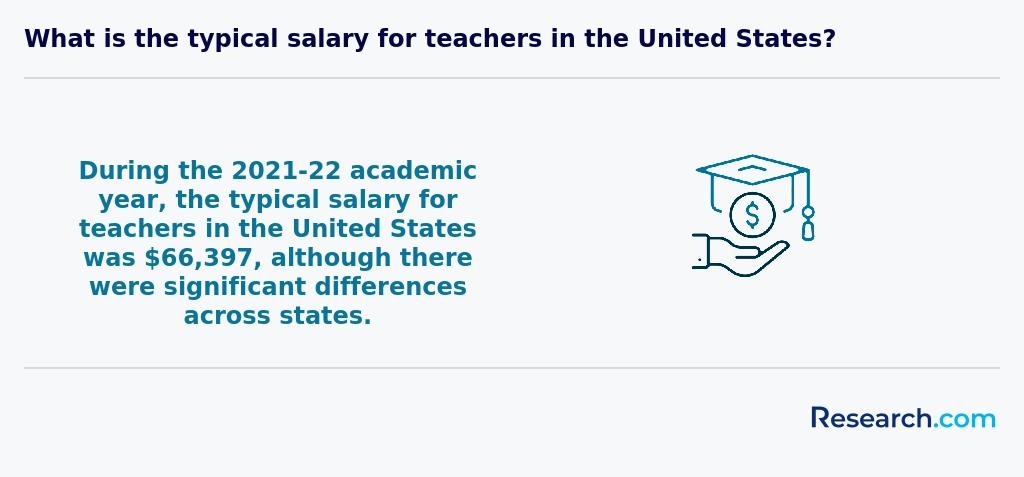
To make the most out of your education degree in Massachusetts, it's essential to consider the financial implications of your decision. Among the various factors to weigh, the cost of tuition, living expenses, and potential student debt are paramount. However, it's also crucial to recognize that there are numerous affordable education programs in Massachusetts that can offer a high-quality education without the hefty price tag. By exploring these options, prospective students can balance their desire for a rewarding career in education with the need for financial prudence. This approach not only eases the burden of student debt but also opens up more opportunities for graduates to pursue their passions without financial constraints, ultimately leading to a more fulfilling and successful career in the educational sector.
In Massachusetts, education degree programs immerse you in a rich selection of courses designed to build your confidence and expertise as an educator. Graduates from well-known institutions like Boston University and the University of Massachusetts often speak about the value of foundational courses such as Educational Psychology and Child Development, which give you the tools to truly understand how students learn and grow.
You'll also dive into practical classes like Classroom Management and Curriculum Planning, where you actively create lesson plans and explore strategies to engage diverse learners-a crucial skill in Massachusetts's multicultural classrooms. Many students recall their enthusiasm when applying Differentiated Instruction techniques during their student teaching placements in local schools, discovering firsthand how to adapt lessons for every individual.
Courses on Educational Assessment and Technology Integration prepare you to use data and digital tools to enhance learning, skills that graduates found empowering in today's fast-evolving classrooms. For those pursuing secondary education, you'll tackle content-specific pedagogy courses to master teaching your chosen subject.
If you're exploring education degree specializations in Massachusetts, you'll find a rich array of options tailored to diverse passions and career goals. Many graduates from well-known institutions across the state highlight their focus in areas like Early Childhood Education, where they develop skills to nurture young learners' growth from birth to age eight. Others gravitate toward Elementary or Secondary Education, specializing in teaching core subjects or specific disciplines such as math or history in middle and high schools. Special Education is particularly impactful, responding to the growing need for skilled teachers who support students with unique learning challenges-a path that many find deeply rewarding both personally and professionally.
Universities in Massachusetts also offer concentrations in Educational Leadership and Administration, preparing future principals and curriculum planners to shape school success. For those drawn to student well-being, School Counseling and Mental Health programs reflect the evolving focus on mental health awareness. With the state's diverse communities, ESL or Bilingual Education has become essential, and graduates often share how this specialization equips them to engage meaningfully with English language learners. When considering your choices, it's worth exploring online edd programs no dissertation for flexible pathways that fit your lifestyle while advancing your expertise.
When choosing the best education degree in Massachusetts, prioritize programs accredited by respected organizations like the Council for the Accreditation of Educator Preparation (CAEP). Graduates from well-regarded colleges in the state often share how this recognition helped them secure licensure and teaching roles swiftly. Reflect on whether you want a bachelor's for entry-level teaching or a master's for advanced certification-deciding this early aligns your education with your career goals. Many students pursuing the best education degree programs in Massachusetts find that hands-on experience through partnerships with local schools truly solidifies their skills and confidence in real classrooms.
Cost is a significant factor, especially since public in-state tuition averages around $14,000, and private schools often exceed $40,000 annually. Exploring financial aid options is vital; several education students attest that scholarships made their journey manageable. For practical guidance on affordable paths, check out the Most Affordable Online Education Degree Programs Ranking in Murray, KY.
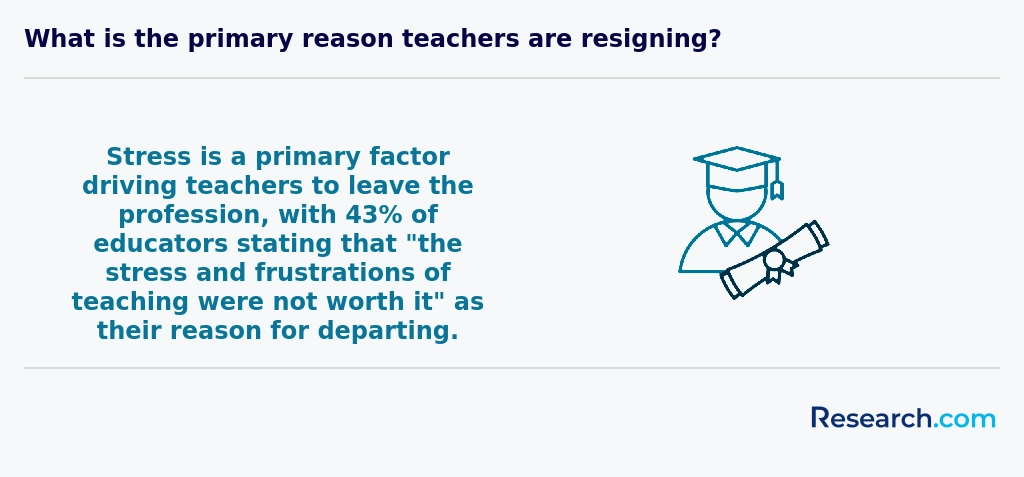
Graduates with an education degree in Massachusetts find themselves with diverse career opportunities that tap into their passion for teaching and leadership. Many step into teaching jobs for Massachusetts education graduates across public and private schools, especially in high-demand subjects like special education, math, and science. For those who studied at institutions such as Boston University or the University of Massachusetts Amherst, real-world classroom experience often ignites a deeper commitment to shaping young minds.
Beyond teaching, education degree career options in Massachusetts include roles like school counselors, instructional designers, and educational coordinators who create curriculum programs tailored to state standards. Leadership positions such as principals or district administrators are also popular paths, requiring additional licensure but offering the chance to drive educational change on a larger scale.
Some graduates embrace emerging fields like educational technology specialists or adult education instructors, embracing innovation and expanding access to learning. Those exploring flexible timelines often investigate 6-month certificate programs that lead to high paying careers, which complement their education credentials and enhance their job prospects.
The job market for education degree holders in Massachusetts is vibrant and full of opportunities, especially for those graduating from well-known institutions like Boston University and the University of Massachusetts Amherst. Graduates often share how rewarding it feels to contribute directly to improving student outcomes in diverse urban schools, reflecting the strong demand across the Commonwealth. This demand particularly favors those with expertise in special education or STEM subjects, given the state's persistent shortages in these fields. For students exploring their options, understanding the education degree job outlook Massachusetts offers helps frame career ambitions realistically.
Many graduates thrive by leveraging Massachusetts' commitment to early childhood education and gaining certification through the Department of Elementary and Secondary Education. This certification enhances their employability in both public schools and private sectors. Beyond teaching, opportunities in administration and educational technology also await, broadening career paths. Many find financial aid for tuition affordable at local public universities, making it easier to focus on their studies and passion for teaching. Those seeking flexible options often explore the top college degrees for older adults online to balance education with other commitments.
2027 Best Education Degree Programs Ranking in Massachusetts
Investing in your education is a significant decision that can shape your future, and the Research.com team understands the importance of making informed choices. To assist prospective students in Massachusetts, we have meticulously crafted the "2027 Best Education Degree Programs Ranking in Massachusetts." Our commitment to quality, credibility, and accuracy is reflected in the extensive research and analysis conducted to compile this ranking.
We utilized the following reputable data sources to ensure a comprehensive evaluation of education programs:
By exploring this ranking, readers will gain valuable insights into the top education degree programs in Massachusetts, empowering them to make well-informed decisions about their academic and professional futures. For more information on how this ranking was created, please visit our Research.com methodology page.


Frequently Asked Questions About education
Education degree students in Massachusetts can maximize their learning by engaging actively in both theory and practical experiences. Massachusetts ranks highly in educational attainment, with over 90% of adults holding a high school diploma, making collaboration with diverse peers valuable (U.S. Census Bureau, 2023). Participating in student teaching placements across public and charter schools offers real-world classroom exposure. Additionally, many universities emphasize research opportunities; students should seek these to deepen understanding of current educational practices.
Utilizing resources like the Massachusetts Department of Elementary and Secondary Education's professional development programs helps future educators stay informed on state standards. Networking through local education associations also expands career prospects and knowledge of innovations in teaching methodologies.
Emerging niches within the education field in Massachusetts reflect broader national trends shaped by technology and social needs. One key area is educational technology (EdTech), which focuses on integrating digital tools to enhance learning. Massachusetts hosts several EdTech startups and research labs, responding to increased demand for online and hybrid teaching models.
Another growing niche is special education, particularly support for students with autism and other developmental disabilities. The Massachusetts Department of Elementary and Secondary Education reports a steady rise in special education enrollment, driving demand for specialized educators.
Additionally, bilingual and English as a Second Language (ESL) education is expanding, as Massachusetts schools serve a diverse population. Experts emphasize these niches offer promising career paths for aspiring educators in the state.
Preparing for the job market after completing an education degree in Massachusetts involves several key steps. First, gaining practical experience through student teaching is crucial, as Massachusetts requires a state-approved clinical practicum for teacher licensure. The Massachusetts Department of Elementary and Secondary Education notes that hands-on experience is vital for employment prospects.
Networking with local schools and education organizations can increase job opportunities. Many districts in Massachusetts value candidates who understand state standards and curriculum frameworks, such as the Massachusetts Curriculum Frameworks aligned with the Common Core.
Additionally, obtaining certification through the state's educator license exams strengthens employability. The Massachusetts Tests for Educator Licensure (MTEL) must be passed to qualify for most teaching positions.
Engaging in professional development and staying updated on education trends in Massachusetts enhances skills and helps build a competitive resume.
Employers in Massachusetts seek education degree graduates with strong communication and classroom management skills. The ability to engage diverse learners effectively is vital, considering the state's culturally varied student population. According to the Massachusetts Department of Elementary and Secondary Education, collaboration and adaptability rank highly among required skills for new teachers.
Technological proficiency is increasingly important, as schools integrate digital tools into curricula. Graduates who demonstrate competence with education software and online instruction platforms are preferred. Additionally, critical thinking and problem-solving abilities help educators address varied student needs.
Empathy and cultural awareness are also emphasized, reflecting Massachusetts' commitment to equity in education.
Finding internships in Massachusetts related to education degrees involves several practical steps. Start by exploring statewide resources such as the Massachusetts Department of Elementary and Secondary Education, which offers listings and guidance on approved internship opportunities. Many universities, including Boston University and UMass, maintain partnerships with local schools for student teaching and internships. Massachusetts also hosts numerous public and private K-12 schools seeking interns to support classroom instruction.
Networking through education conferences and career fairs in cities like Boston can increase your chances. According to a 2023 report from the Massachusetts Department of Higher Education, over 70% of education students secure internships via school programs or local education networks. Utilizing online internship platforms that focus on Massachusetts education roles can also help in locating relevant positions.
In Massachusetts, obtaining an education degree significantly enhances career mobility and advancement opportunities. According to the Massachusetts Department of Elementary and Secondary Education, individuals with advanced education degrees are more likely to secure leadership roles such as instructional coordinators, principals, or curriculum specialists. The state's strong emphasis on teacher licensure and continuing education means that higher degrees often translate to higher salaries and promotions.
Data from the Bureau of Labor Statistics shows that Massachusetts ranks among the top states for education professionals' average wage, which increases noticeably with graduate-level credentials. Furthermore, many school districts require a master's degree for specialized roles, making advanced degrees essential for career growth.
Overall, investing in an education degree in Massachusetts aligns with statewide education standards and labor market demands, supporting graduates' upward career trajectories.
Studying for an education degree in Massachusetts equips students with versatile skills valuable across multiple disciplines. The state's programs emphasize collaborative teaching methods, integrating psychology, social sciences, and technology. This approach reflects Massachusetts' strong commitment to preparing educators for diverse classroom environments, as noted by the Massachusetts Department of Elementary and Secondary Education.
Students engage in coursework covering child development, curriculum design, and educational policy, which fosters critical thinking and adaptability. Many programs also encourage internships or practicum placements in varied settings, allowing hands-on experience beyond traditional education roles.
According to the National Center for Education Statistics, Massachusetts ranks among the top states for education degree enrollment and completion, highlighting the availability of comprehensive interdisciplinary training. This multi-faceted preparation supports graduates pursuing careers in counseling, administration, and instructional technology, all requiring integrated knowledge from different fields.
When choosing between a thesis and a non-thesis education degree program in Massachusetts, consider your career goals and learning preferences. Thesis programs typically require original research and a written dissertation, ideal for students aiming for doctoral studies or research careers. Non-thesis options focus more on coursework and practical experience, suited for those seeking immediate employment in teaching or administration.
Massachusetts has a range of education programs, with some of the top-ranked schools offering both formats. According to the Massachusetts Department of Higher Education, about 40% of graduate education students opt for thesis tracks to enhance their research skills.
Cost and time commitment also matter: thesis programs may take longer due to research requirements.
Students based in Massachusetts who wish to study education abroad have several avenues to explore through their home institutions. Many Massachusetts colleges and universities with education programs, such as Boston University and University of Massachusetts Amherst, offer study abroad partnerships that enable students to earn credits while experiencing international teaching environments.
According to the Institute of International Education, about 15% of Massachusetts undergraduates participate in study abroad programs, with a growing interest in education degrees abroad. These programs often include placements in countries with diverse educational systems, enhancing practical teaching skills and cultural awareness.
Additionally, students can access federally funded programs like Fulbright, which support graduate research and teaching exchanges internationally. Massachusetts students benefit from these opportunities by gaining global perspectives that complement local certification requirements.
Part-time job opportunities in Massachusetts that complement education degree studies include tutoring, teacher assistant roles, and after-school program staff positions. Given Massachusetts' commitment to quality education, these roles provide practical experience aligned with coursework. According to the Massachusetts Department of Elementary and Secondary Education, there is consistent demand for educational support personnel in both urban and suburban districts.
Tutoring, particularly in subjects like math and reading, allows students to apply instructional strategies while earning around $15-$25 per hour, based on local market rates reported by Glassdoor. Acting as a teacher assistant offers exposure to classroom management and curriculum planning, often requiring part-time hours suitable for students. Positions in after-school programs also emphasize developmental skills and can expand professional networks within Massachusetts' educational system.
Education students in Massachusetts benefit from numerous networking opportunities essential for career development. Many universities, such as Boston University and University of Massachusetts, offer education-focused student organizations and events, fostering connections with peers and faculty. The Massachusetts Teachers Association (MTA) regularly hosts conferences and workshops, providing access to practicing educators and policy makers statewide.
Additionally, Massachusetts public schools often collaborate with teacher preparation programs, enabling student internships and mentorships. According to the Massachusetts Department of Elementary and Secondary Education, over 90% of education graduates secure positions through these professional networks. Regional education conferences like the New England Educational Opportunity Association also serve as valuable platforms to build connections.
Alumni networks play a significant role in supporting education degree students in Massachusetts. These networks offer valuable connections with experienced educators and administrators across the state, enhancing job opportunities after graduation. According to the Massachusetts Department of Elementary and Secondary Education, nearly 85% of new teachers find employment through professional contacts, including alumni connections.
Students benefit from mentoring programs and career guidance, which help navigate certifications and state-specific requirements. Alumni events and online platforms also provide access to workshops and continuing education, crucial for Massachusetts educators who must engage in ongoing professional development.
These networks foster collaborations and resource sharing that strengthen teaching skills and educational outcomes locally.
Customizing an education degree program in Massachusetts allows you to tailor your studies to specific career goals. Many universities in the state offer flexible course options, including concentrations in special education, curriculum design, or educational leadership. This flexibility helps you develop targeted skills relevant to your desired job.
The Massachusetts Department of Higher Education highlights that programs often include practical experiences like internships or student teaching in diverse school settings. These opportunities provide real-world insights and networking that support career readiness.
Additionally, institutions may offer online or hybrid course formats, enabling working professionals to balance studies with employment. According to the National Center for Education Statistics, Massachusetts has one of the highest percentages of graduate enrollment in education, reflecting growing interest in continuing education.
Education students in Massachusetts often face challenges related to high tuition costs. According to the Massachusetts Department of Higher Education, in-state tuition for public universities averages over $14,000 per year, which can be a significant financial burden. Additionally, rigorous fieldwork requirements demand considerable time commitment, as many programs require students to complete over 100 hours of classroom observation and student teaching.
Another common issue is balancing academic workload with practical experience. Many students report difficulty managing coursework alongside unpaid internships. Furthermore, the state's emphasis on diverse student populations requires future educators to develop strong skills in cultural competency and special education, which can be demanding without proper support.
With an education degree in Massachusetts, graduates can pursue several professional certifications that enhance teaching credentials and career prospects. The most common is the Initial License, issued by the Massachusetts Department of Elementary and Secondary Education (DESE), allowing one to teach in public schools. This license requires passing the Massachusetts Tests for Educator Licensure (MTEL).
Educators can also obtain the Professional License after gaining three years of experience and completing additional professional development. Specialist licenses are available in areas such as Special Education, English as a Second Language (ESL), and school counseling.
According to DESE data from 2023, over 70% of Massachusetts teachers hold a Professional License, reflecting ongoing development in the field.
When applying to education degree programs in Massachusetts, start by thoroughly researching each school's specific requirements. Massachusetts hosts notable institutions like Boston University and UMass Amherst, which emphasize a strong academic record and relevant experience. Applicants should highlight their passion for teaching, community involvement, and any prior volunteer or work experience related to education.
Massachusetts requires candidates to submit transcripts, letters of recommendation, and a personal statement. The personal statement should clearly convey your motivations and goals in education, backed by concrete examples. According to the Massachusetts Department of Higher Education, programs favor candidates demonstrating leadership potential and commitment to local communities.
Be mindful of deadlines and standardized test requirements, such as the GRE, which some programs may require. Tailoring each application to reflect the mission and values of the specific program increases your chances of success.
Education careers in Massachusetts reflect a growing recognition of global trends shaping teaching and learning. The state, known for its strong public school system, emphasizes the integration of technology and inclusive practices, aligning with international shifts toward digital literacy and diversity in classrooms. According to the Massachusetts Department of Elementary and Secondary Education, more than 50% of teachers hold advanced degrees, showcasing a commitment to professional growth that mirrors global standards.
Massachusetts educators often engage with global frameworks such as the United Nations Sustainable Development Goals, which promote equitable quality education worldwide. This international perspective helps prepare teachers to address multicultural classrooms effectively.
Demand for educators with specialized skills, such as bilingual education and STEM, continues to rise in Massachusetts, reflecting both local and global workforce needs.
Gaining practical experience while studying for an education degree in Massachusetts is essential for developing teaching skills. Many universities in the state require students to complete supervised student-teaching internships as part of their credential programs. These placements typically occur in local public or private schools, providing exposure to real classroom environments.
Additionally, alternative methods like service-learning projects and fieldwork opportunities allow students to work directly with diverse student populations. According to the Massachusetts Department of Elementary and Secondary Education, hands-on experience is mandatory for teacher licensure.
Students are encouraged to connect with nearby school districts and community organizations to broaden their practical training and gain valuable classroom management experience.
Choosing the right concentration within an education degree program in Massachusetts requires careful consideration of your career goals and interests. Massachusetts offers diverse specializations such as early childhood, special education, and secondary education. According to the Massachusetts Department of Elementary and Secondary Education, demand is growing for teachers in subjects like STEM and English language learning. Researching each concentration's curriculum and licensure requirements is essential, as Massachusetts has strict educator certification standards tailored to different specialties.
Additionally, consider practical experiences offered by the program, like student teaching placements in local school districts. Engaging with faculty and current students can provide valuable insight into the strengths of each concentration.
- 2027 Best Online Education Degree Programs Ranking in New York
- 2027 Best Online Education Degree Programs Ranking in New Jersey
- 2027 Best Online Education Degree Programs Ranking in Maine
- 2027 Best Online Education Degree Programs Ranking in Pennsylvania
- 2027 Best Online Education Degree Programs Ranking in Virginia
- 2027 Best Online Education Degree Programs Ranking in Ohio
- 2027 Best Online Education Degree Programs Ranking in Kentucky
- 2027 Best Online Education Degree Programs Ranking in North Carolina
- 2027 Best Online Education Degree Programs Ranking in South Carolina
- 2027 Best Online Education Degree Programs Ranking in Indiana
See What Experts Have To Say About Studying Education
Read our interview with Education experts

Nooshan Ashtari
Education Expert
Professor & Book Author
University of Southern California


- Road to 60 – Massachusetts: ‘Education state’ tackles tough equity challenges https://sova.org/road-to-60-massachusetts-education-state-tackles-tough-equity-challenges/
- Teaching Job Roles | Teach For Life https://www.teachforlife.com/teachingjobs/global-perspectives-teacher
- Education Study Abroad | CIEE https://www.ciee.org/go-abroad/college-study-abroad/programs/subjects-disciplines/education-study-abroad
- Online Degree vs. Traditional: Choosing the Right Path https://beal.edu/online-degree-vs-traditional/
- Financial Aid for Educator Preparation – the policy minute https://thepolicyminute.com/2023/07/19/edprepfinancialaid/
- Why Is Education Important in Your Career Advancement? - KWSP Malaysia https://www.kwsp.gov.my/en/w/article/career-advancement
- What Can I Do With a Teaching Degree (Besides Teach)? https://www.alleducationschools.com/blog/what-can-i-do-with-a-teaching-degree-besides-teach/
- Elementary Education Bachelor's Degree Program https://www.baypath.edu/academics/undergraduate-programs/elementary-education/availability/online/
- International teaching and education jobs https://www.tes.com/jobs/search/international
- Tips for Choosing Your Graduate Concentration - Graduate Programs for Educators https://www.graduateprogram.org/blog/tips-for-choosing-your-graduate-concentration/





