
2027 Best Online Education Degree Programs Ranking in New York

Co-Founder and Chief Data Scientist
Choosing the right online education degree program can feel overwhelming, especially with so many options available. To support prospective students in New York, this article presents the 2027 Best Online Education Degree Programs Ranking in New York. Developed by the Research.com team of data scientists, this ranking offers clear insights into top programs worth considering.
By exploring these carefully evaluated options, you can confidently select a program that fits your goals and lifestyle. Pursuing an education degree opens pathways to rewarding careers and personal growth, making it a valuable investment in your future.
Key benefits of getting online education degree in New York
- Graduates with an education degree in New York can expect strong salaries, such as $76,000 annually for Special Education Teachers and $77,200 for Instructional Designers, offering rewarding financial stability.
- Career paths vary widely, with alumni from popular New York universities often working as Early Childhood Educators, ESL Teachers, or Instructional Designers, showcasing flexible opportunities in education fields.
- Completing an education degree online provides convenience and flexibility, allowing students from busy New York lifestyles to balance work and study while gaining respected credentials, as demonstrated by successful online graduates.
- 2027 Best Online Education Degree Programs Ranking in New York
- What can I expect from online education degree in New York?
- Where can I work with online education degree in New York?
What can I expect from online education degree in New York?
The average cost of an online education degree in New York typically ranges from $7,000 to $15,000 per year for in-state students at public institutions such as the State University of New York (SUNY) system. Graduates from SUNY's online programs often remark on the affordability paired with quality, enabling them to balance finances while pursuing advanced degrees remotely. In contrast, private colleges generally charge higher tuition, reflecting enhanced student support services and specialized course offerings that many learners find valuable for career advancement.
For example, students enrolled in online master's programs at popular universities in New York frequently share positive experiences managing their studies alongside work and family, leveraging flexible scheduling and technology platforms like Blackboard or Canvas. This accessibility helps maintain motivation and engagement. The combination of reasonable costs and practical coursework, including virtual internships, makes earning certification credentials more achievable and relatable for busy New Yorkers pursuing education careers.
Where can I work with online education degree in New York?
Graduates with online education degrees in New York frequently secure teaching positions in both urban and suburban public schools, meeting the state's strong demand for certified educators. For example, many SUNY program graduates find rewarding roles teaching core subjects in districts ranging from New York City's 75,000-strong teacher workforce to smaller upstate schools. These roles provide a direct impact on student success and community growth, which many alumni describe as deeply fulfilling.
Beyond classroom teaching, graduates often transition into educational administration, curriculum development, or instructional coordination within public and charter schools. According to the Bureau of Labor Statistics, education administration jobs in the Northeast are expected to grow by 4% through 2032, reflecting realistic opportunities for career advancement in New York's dynamic education landscape.
Higher education institutions also employ graduates as academic advisors or program coordinators. Individuals from well-known New York colleges utilize their online learning expertise to support students remotely-a role growing increasingly vital at places like CUNY and SUNY campuses. Additionally, education technology firms in New York City and beyond offer roles designing digital learning tools, tapping into the state's vibrant tech and education sectors.
Graduates from online education degree programs in New York, such as those offered by renowned institutions like Hunter College or SUNY Buffalo, typically earn competitive salaries that reflect the state's robust education sector. For example, elementary school teachers earn a mean annual wage of around $70,740, aligning closely with BLS figures for May 2023. Special education teachers enjoy even higher earnings, with an average salary near $76,000. This salary range supports many graduates in living comfortably within New York's diverse communities.
For graduates pursuing roles beyond classroom teaching, instructional designers report mean annual wages of about $77,200, highlighting the growing demand for educational technology and curriculum development expertise in urban and suburban districts. Similarly, English as a Second Language (ESL) teachers typically make around $65,430, reflecting New York's linguistic diversity and need for specialized educators.
Graduates often express satisfaction with their ability to balance work and studies through online programs, facilitating steady income growth and career advancement. As a result, many find their investment in an online education degree pays off both financially and professionally within the state's dynamic educational landscape.
- New York requires all public school teachers to be certified, and many online programs meet state teacher certification requirements.
- In-state tuition for online education degrees at public universities ranges from about $10,000 to $20,000 per year, while private institutions may charge over $30,000 annually.
- Entry-level teachers with a bachelor's degree typically earn $50,000 to $60,000 per year, and those with advanced degrees can earn $70,000 to $90,000 or more.
- Job growth in education is steady, with demand especially high in special education, STEM education, and administrative roles.
- Many online education programs combine asynchronous online courses with in-person fieldwork or student-teaching completed locally to meet licensure standards.
Completing an online education degree in New York typically takes about four years of full-time study for undergraduate programs like a Bachelor of Science in Education. This duration mirrors national averages reported by the NCES and suits students eager to enter the teaching workforce promptly. Many learners at institutions such as the City University of New York (CUNY) appreciate the option to accelerate their studies, with transfer credits and continuous enrollment helping some graduates finish in as little as three years.
Part-time students balancing work or family commitments often extend their timeline to six years or more, reflecting a flexible approach to education. Graduate degrees, including a Master of Education, usually require one to two years full-time, with part-time study stretching to three or four years.
Graduates frequently highlight how New York's teacher certification requirements influence pacing. Programs that weave licensure coursework into the curriculum can add time but provide thorough preparation, making students feel confident and ready for their careers.
Earning an online education degree in New York is only the first step toward becoming a licensed educator. To teach in New York public schools, graduates must meet the New York State Education Department (NYSED) certification requirements, which include: 1. Completed Educator Preparation Program – Your online degree must be from an NYSED-approved institution. – Verify program accreditation and review your transcript for required pedagogy and content credits. 2. Teacher Certification Examinations – Pass the Educating All Students (EAS) test and the Content Specialty Test (CST) for your subject area. – Utilize official NYSTCE preparation resources and practice exams for success. 3. Workshops and Fingerprinting – Complete mandated workshops on child abuse identification, school violence prevention, and Dignity for All Students Act (DASA). – Submit fingerprints through the TEACH NY portal and clear a background check. 4. Application through TEACH NY Portal – Create an account, upload transcripts, test scores, and workshop certificates. – Pay the application fee and monitor your certification status online. 5. Continuing Professional Development – After initial certification, maintain NYS teaching status by completing the required 100 hours of professional development every five years. – Leverage workshops, graduate courses, and district-sponsored training to stay compliant. For educators comparing program costs across states, our guide to Low Cost Online Education Degree Programs Ranking in Pennsylvania offers insights into affordable pathways and licensure support beyond New York. Aligning your online degree with these certification steps ensures a smooth transition from graduation to the classroom.
The core difference between online and on-campus education degrees in New York lies in delivery and flexibility. At institutions like Hunter College and New York University, on-campus education requires attending scheduled classes in person, fostering direct interaction with peers and professors. Graduates often describe this environment as deeply engaging, benefiting from immediate feedback and campus resources.
In contrast, online education programs, available at schools such as the City University of New York (CUNY), provide remote access to coursework, allowing students to balance studies with work or family by setting their own pace. Online graduates appreciate the flexibility, especially those managing jobs or childcare, while still meeting the same accreditation standards mandated by New York's Department of Education.
Financially, online students may save on commuting and housing costs, although tuition rates remain comparable, roughly $7,200 annually for public universities. Networking happens through virtual tools like video chats and discussion boards, which some find less immersive but effective with current technology.
Enrolling in an online education degree program in New York comes with more than just engaging coursework-it also provides a robust ecosystem of support designed to help you succeed from Day One. Top New York institutions offer: • Academic Advising and Mentorship: Every student is paired with a dedicated academic advisor who guides course selection, monitors progress, and offers personalized strategies for balancing work, family, and study commitments. Many advisors host regular virtual office hours and one-on-one check-ins to ensure you stay on track. • Career Services and Networking: From resume reviews to mock interviews and virtual job fairs, career centers help you transition smoothly into the workforce. Alumni networks and professionally moderated discussion forums connect you with seasoned educators nationwide, while partnerships with local school districts often lead to internship and job shadowing opportunities. • Technical Support and Learning Platforms: Reliable 24/7 tech support ensures you can access online lectures, discussion boards, and digital resources without interruption. Intuitive learning management systems (LMS) provide centralized access to readings, assignments, and grade tracking, while mobile-friendly apps let you study on the go. • Online Libraries and Research Tools: As a New York online education student, you gain remote access to extensive digital collections, including academic journals, e-books, and teaching resources. Specialized librarians offer research consultations to help you develop literature reviews, curriculum plans, and grant proposals. • Tutoring and Writing Centers: Complimentary peer tutoring in subjects such as educational psychology, curriculum design, and assessment methods helps reinforce core concepts. Writing centers provide detailed feedback on lesson plans, reflective essays, and capstone projects to polish your professional portfolio. • Accessibility and Wellness Services: Institutions are committed to inclusive learning, offering captioned videos, screen-reader compatibility, and accommodations for students with disabilities. Mental health counselors and wellness workshops support your personal well-being, fostering the resilience needed for a rigorous online program. • Financial Guidance and Scholarship Alerts: Dedicated financial aid advisors walk you through state and federal aid applications, while scholarship bulletins highlight new opportunities each semester. For a comparative look at budget-friendly online education options, explore our Low Cost Online Education Degree Programs Ranking in Pennsylvania. By leveraging these comprehensive support services, New York online education degree candidates are well-equipped to excel academically, advance professionally, and sustain personal well-being throughout their studies.
The average cost of an online education degree in New York varies notably based on residency and type of institution. For in-state students, the median total tuition and fees amount to approximately $16,956, reflecting the affordability of public universities such as those within the SUNY system. Graduates from these programs often highlight the balance between cost and quality, noting how accessible education in New York facilitates career advancement without overwhelming debt.
Out-of-state students face higher costs, with median total expenses around $28,890, which can represent a greater financial commitment. This difference is especially relevant for private universities in New York, where tuition often surpasses $30,000 per year. Despite the higher price, graduates report that the rich academic resources and professional networks available at these institutions add value that can justify the investment.
Many prospective students focus on the total tuition and fees for online education programs New York offers, emphasizing the need to budget not only for tuition but also for additional fees such as technology and course materials. These extra costs can significantly influence the overall expense but are often offset by scholarships and financial aid options.
Students exploring affordable options often refer to guides highlighting the best choices for an affordable online education school in New York, which helps them make informed decisions aligned with their financial situations and academic goals.

When considering an online education degree in New York, one crucial aspect to explore is the financial implications. When looking for an affordable online education school in New York, it's essential to understand the average costs associated with these programs. The average cost of an online education degree in New York typically ranges around $28,181 for in-state students, with out-of-state students facing a median total cost of approximately $33,751. This investment in your future can open doors to a variety of rewarding career opportunities in education, such as teaching, administration, and educational consulting. Graduates from renowned institutions in New York often find themselves well-prepared to enter the workforce, equipped with the skills that employers highly value. Understanding the tuition fees for online education programs in New York can help you plan your financial future effectively.
Students pursuing online education degrees in New York benefit from a robust mix of financial aid options tailored to mitigate tuition costs. For example, graduates from well-known institutions like Teachers College at Columbia University often start with the Free Application for Federal Student Aid (FAFSA), unlocking eligibility for Pell Grants up to $7,395, which provide essential, non-repayable funding based on financial need.
State-specific programs such as the Tuition Assistance Program (TAP) play a key role, frequently covering significant tuition portions at public universities like the City University of New York (CUNY). Some students find the Excelsior Scholarship useful if they meet residency and income criteria, although it's mainly aimed at undergraduates.
Institutional scholarships, granted by universities including SUNY's online education programs, often reward academic excellence or commitment to underserved communities, creating opportunities beyond federal and state aid. Many employed students also benefit from their school districts' tuition reimbursement policies, turning professional development into affordable advancement.
When budgeting for an online education degree in New York, exploring low-cost alternatives and practical cost-saving strategies can make a transformative program more attainable. First, compare per-credit tuition rates across public, private and community colleges-SUNY Empire State College and the City University of New York (CUNY) system often offer the most competitive in-state rates. Next, leverage stacked credentials or certificate pathways that allow you to earn micro-credentials (such as digital badges in educational technology) before committing to a full degree. Many learners reduce overall expenses by transferring credits from an accredited community college, combining part-time enrollment with employer tuition reimbursement, or applying for specialized scholarships targeted at educators of high-need subjects. To further lower costs, prioritize programs with transparent fee structures-some institutions bundle fees into a flat rate, avoiding surprise charges for course materials or technology. Another key strategy is to schedule coursework during summer or intersession terms when per-credit rates can be discounted. Additionally, consider hybrid models that offer local field placements in New York schools, minimizing travel expenses for in-person practicums. For those open to out-of-state options, reviewing affordability rankings can reveal unexpected bargains. For instance, our sister analysis of the Low Cost Online Education Degree Programs Ranking in Pennsylvania highlights reputable institutions whose tuition often falls below the national median. By combining in-state tuition benefits, transfer credit agreements, need-based aid and strategic term planning, prospective educators can significantly reduce their investment without compromising program quality or accreditation.
To enroll in online education degree programs in New York, applicants must meet specific academic and administrative prerequisites. For undergraduate programs at well-known institutions like SUNY and Fordham University, a high school diploma or GED is essential, with many expecting a minimum GPA around 2.5 to 3.0. Some students recall submitting SAT or ACT scores, though many schools now offer test-optional admissions, easing the process.
For graduate programs such as a Master's in Education at Columbia University's Teachers College or Hunter College, a bachelor's degree from an accredited institution is mandatory. Graduates emphasize that relevant work experience or prerequisite coursework significantly strengthens applications, especially from diverse academic backgrounds.
- Submission of official transcripts
- Letters of recommendation
- A compelling statement of purpose
- Relevant professional experience
Licensure-focused programs require adherence to New York State Education Department standards, including background checks and local clinical hours, ensuring graduates are well-prepared to enter the teaching profession. Many find this thorough preparation rewarding, enhancing confidence as they start their careers.

Online education programs are not just about coursework-they also offer a wealth of support services designed to help you succeed academically and professionally. Many institutions provide personalized academic advising, technical support, tutoring, and robust online libraries, which are all essential for overcoming the unique challenges of virtual learning. In addition, career counseling and networking opportunities connect students with industry professionals, ensuring you receive guidance on internship placement and job search strategies. For instance, exploring opportunities like most affordable online masters degrees in teaching can provide insights into programs that not only offer quality instruction but also emphasize student success well beyond graduation. Leveraging these resources enhances your ability to manage time effectively, stay engaged with peers and instructors, and build a solid foundation for your future career in education.
Online education degree programs in New York commonly include core courses such as Educational Psychology, which helps students understand learning processes across different age groups, and Curriculum Design and Instruction, teaching practical skills for lesson planning. Graduates from renowned institutions like Hunter College and Stony Brook University often highlight how Assessment and Evaluation courses equipped them to measure student progress effectively within diverse classrooms.
Educational Technology courses are integral, reflecting New York's emphasis on integrating digital tools for modern teaching environments. Many students express enthusiasm about mastering online platforms that prepare them for today's tech-driven classrooms. Classroom Management classes focus on strategies for fostering inclusive and supportive learning spaces, a skill frequently praised by alumni working in urban schools.
Special Education and Foundations of Education courses ensure students are well-versed in supporting diverse learners and understanding the sociocultural context of education in New York. Those pursuing online degrees value the balance of theory and applied learning, often participating in practicum experiences arranged through partnerships with local schools, which provide real-world classroom exposure.
Online education degree specializations in New York cover a variety of focused areas designed to meet both student and market demands. Common paths include Early Childhood Education, where graduates often describe rewarding experiences working with preschool and elementary children, and Special Education, which equips students to support learners requiring individualized educational plans. Educational Leadership and Administration prepares individuals for roles such as principals or superintendents managing school systems, a specialization growing in popularity among graduates from top New York colleges. Curriculums in Curriculum and Instruction focus on refining teaching strategies to enhance learning outcomes, while Literacy and Reading Education trains educators to effectively support diverse student populations.
Many programs also offer emerging fields like educational technology and school counseling, reflecting state priorities and the diverse needs of New York's schools. Prospective students exploring specialized education programs New York online will find that these options help fulfill state teacher certification requirements while catering to flexible learning needs. Those assessing costs can also consult resources such as the most affordable online masters degrees in teaching for financial planning.
Choosing the best online education degree in New York requires verifying accreditation, which ensures licensure eligibility with the New York State Education Department (NYSED). Graduates from institutions such as Hunter College or Fordham University highlight how attending CAEP-accredited programs eased their certification process and improved job prospects in local school districts.
Cost is another critical factor. Public universities in New York typically charge between $10,000 and $20,000 per year for graduate education programs, while private colleges may be significantly higher. Students often reduce expenses through online learning by avoiding commuting and material fees. Many recommend exploring financial aid or employer tuition assistance to manage tuition costs effectively. For insights on budget-friendly options, prospective students might find the Low Cost Online Education Degree Programs Ranking in Pennsylvania helpful as a comparative resource.
Curriculum breadth and delivery format also matter. Those pursuing top accredited online education programs NY with specializations in areas like special education or educational leadership benefit from flexible asynchronous classes paired with strong academic support. Alumni emphasize how the practical components and virtual community engagement enhanced their remote learning experience and professional readiness.
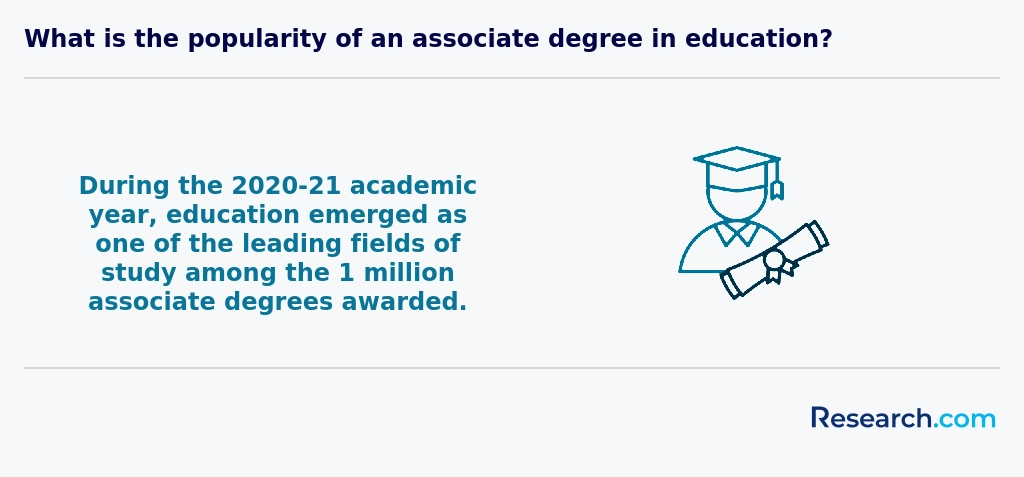
Graduates with an online education degree in New York often pursue licensed teaching roles, certifying to teach at elementary, middle, or high school levels. New York teachers earn about $85,000 annually on average, which appeals to many who balance work and study through online programs offered by well-known institutions like Hunter College or the City University of New York. Beyond traditional teaching jobs with online education degree NY, roles such as curriculum developer or educational consultant are common, with graduates contributing to school systems through lesson design and policy advising.
Instructional coordinators and education administrators also make up a significant share of career paths, managing teacher training or school programs. Corporate training specialists, who design employee learning modules for private firms, represent another growing area. Many students find that programs with technology and instructional design focus, including those at New York University, prepare them well for roles in e-learning and educational technology companies.
Employment in New York's education sector is robust, with over 700,000 workers and projected growth of about 5% through 2030. Those interested in fast-tracking their careers may explore shorter paths like a 2 year phd, complementing their credentials and expanding post-degree opportunities.
The job market for graduates with an online education degree in New York is notably robust, supported by sustained demand for qualified teachers across traditional K-12 schools and higher education settings. Graduates from institutions such as New York University and Hunter College often highlight their competitive advantage gained through proficiency with virtual learning technologies and digital teaching methods, which are increasingly valued. This favorable landscape aligns well with the online education degree job outlook New York experiences, especially as schools integrate hybrid and remote learning options.
Employment opportunities for education graduates New York include roles like classroom teachers, instructional coordinators, and education technology specialists. Many graduates report positive outcomes securing positions in special education and STEM fields where demand remains strong. Salaries in New York typically exceed national averages, with median wages around $85,000, reflecting the state's emphasis on quality education. Additionally, for those curious about advanced degree options, exploring what is the easiest doctorate to get might provide useful pathways for career advancement and higher pay.
2027 Best Online Education Degree Programs Ranking in New York
Investing in your education is a significant decision that can shape your future, and the Research.com team is committed to helping you make informed choices. To support prospective students in New York, we have carefully developed the "2027 Best Online Education Degree Programs Ranking in New York." Our dedication to quality, credibility, and accuracy is demonstrated through rigorous research and thorough analysis in compiling this ranking.
We utilized the following reputable data sources to ensure a comprehensive evaluation of online education degree programs:
By reviewing this ranking, readers will receive valuable insights into the best online education degree options in New York, empowering them to choose the program that best aligns with their goals. For further information on our approach, please visit our Research.com methodology page.



# 7 position
State University of New York at Oswego
Master of Career and Technical Educator Preparation


# 12 position
State University of New York at Oswego
Bachelor of Career and Technical Educator Preparation

# 14 position
Niagara University
Master of Educational Leadership School District/Building


# 16 position
St. John's University
Master of Teaching English to Speakers of Other Languages (TESOL PK-12)


# 20 position
SUNY Empire State College
Bachelor of Educational Studies
Frequently Asked Questions About education
Students pursuing online education degrees in New York can maximize their learning experience by actively engaging with course materials and participating in virtual discussions. According to the New York State Education Department, interactive learning improves retention rates by up to 30%. Establishing a dedicated study space free from distractions also helps maintain focus. Time management is crucial; creating a consistent schedule aligns with best practices recommended by the U.S. Department of Education.
Additionally, students should leverage New York's extensive digital library resources and online academic support services available through SUNY and CUNY systems. Networking with peers and instructors fosters collaboration, which enhances comprehension and professional growth.
Emerging niches within the education field increasingly focus on technology integration, special education, and data-driven instruction. In New York, online education degrees emphasize preparing teachers for remote learning environments and digital tools, reflecting recent shifts since the pandemic.
Special education remains a high-demand area. According to the New York State Education Department, there is a growing need for professionals skilled in supporting students with disabilities through adaptive technology and individualized learning plans.
Additionally, careers in educational data analysis and assessment are expanding. Educators with expertise in interpreting student performance data help schools improve outcomes. This niche aligns with New York's commitment to evidence-based education strategies.
After completing an online education degree in New York, preparing for the job market requires focused planning and practical steps. First, graduates should build a strong professional network, connecting with local New York education organizations and attending virtual job fairs. According to the New York State Education Department, networking can increase employment opportunities by nearly 30%.
Next, acquiring relevant certifications, such as NYS teaching credentials or special education certificates, significantly enhances job prospects. The state's Teacher Certification Examinations are essential for licensure and can be completed after graduation.
Finally, gaining practical experience through internships or substitute teaching can improve skills and resumes, making candidates more competitive in the job market.
Employers in New York prioritize a combination of strong pedagogical knowledge and practical skills in education degree graduates. Key skills include effective communication, classroom management, and the ability to use technology for teaching, particularly given the rise of digital learning platforms.
Data from the New York State Education Department highlights that familiarity with culturally responsive teaching is vital due to the state's diverse student population. Additionally, critical thinking and adaptability are frequently emphasized to meet the challenges of evolving educational environments.
Graduates who demonstrate collaboration skills and data-driven instruction are more competitive in the New York job market. These competencies align with statewide educational goals aimed at improving student achievement.
Finding internships in New York relevant to an education degree often begins with utilizing university career services. Many online education programs in New York maintain partnerships with local school districts and educational nonprofits, offering students internship listings directly.
Additionally, students should explore the New York State Education Department's resources, which sometimes include internship and fieldwork opportunities for aspiring educators. Sites such as the New York City Department of Education's portal provide internship postings that align with certification requirements.
Networking through professional organizations like the New York State United Teachers (NYSUT) can also connect students to internship openings. According to the U.S. Bureau of Labor Statistics, gaining relevant internship experience improves job prospects by nearly 60% in education fields nationwide.
In New York, an online education degree can significantly enhance career mobility and advancement, especially in the teaching and educational administration fields. According to the New York State Education Department, holding a degree-whether earned online or on-campus-meets certification requirements essential for many positions.
Online degrees offer flexibility, allowing working professionals to upskill without pausing their careers. This flexibility can lead to quicker promotions or transitions into specialized roles such as curriculum design or educational leadership.
Data from the U.S. Bureau of Labor Statistics shows that education-related roles in New York often require at least a bachelor's degree, with advanced degrees improving salary prospects and job security.
Thus, online education degrees open doors to higher-paying positions and broader career options within New York's diverse educational system.
Studying for an education degree online in New York equips students with skills applicable across multiple fields. Many New York programs emphasize interdisciplinary learning by integrating coursework in psychology, sociology, and technology. This broad approach aligns with the New York State Education Department's standards, ensuring graduates understand diverse learning environments.
New York institutions also offer partnerships and internships that expose students to real-world interdisciplinary settings, such as community organizations and healthcare education. According to the National Center for Education Statistics, New York ranks highly in enrollment for education degrees, reflecting diverse program offerings that prepare students for varied professional roles.
This educational model fosters adaptability, critical thinking, and collaboration, key competencies in today's workforce.
Choosing between a thesis and a non-thesis online education degree in New York depends on your career goals and learning preferences. Thesis programs require conducting original research and writing a formal thesis, which suits students aiming for advanced roles in education or doctoral studies. Non-thesis options emphasize coursework and practical skills, ideal for those pursuing immediate teaching positions or administrative roles.
New York State's Board of Regents recognizes both pathways, and institutions like SUNY and CUNY offer accredited programs aligning with these formats. According to the New York State Education Department, nearly 40% of graduate education students opt for non-thesis routes, reflecting their focus on applied learning.
Consider your future plans critically: thesis tracks demand more time and research skills, while non-thesis degrees can be more flexible and quicker to complete.
Students in New York seeking to study education abroad have multiple online options accredited by U.S. bodies such as the Council for the Accreditation of Educator Preparation (CAEP). Many New York institutions partner with foreign universities to offer joint or dual degrees fully online, enabling learners to gain international perspectives without relocating. According to the New York State Education Department, nearly 60% of education-related online programs include global components or exchange opportunities. Additionally, organizations like the Institute of International Education report that around 7% of New York students participate in international study programs, many through virtual platforms. These programs typically focus on comparative education, policy, and multicultural curricula tailored for diverse classrooms.
Part-time job opportunities in New York provide valuable experience for those pursuing an education degree online. Common roles include teacher assistants, after-school program coordinators, and tutors. These jobs offer hands-on experience working directly with students, which strengthens teaching skills and classroom management.
According to the New York State Education Department, over 83,000 students work in educational support roles annually, signaling strong demand. Additionally, roles in educational non-profits or community centers also complement academic training by offering exposure to diverse learning environments.
These part-time positions not only build relevant experience but often offer flexible hours, making them suitable alongside online coursework. Engaging in such jobs enhances resumes and can improve job prospects following degree completion.
Online education students in New York access numerous networking opportunities despite the virtual format. Many state universities and private institutions offer virtual career fairs and alumni networking events to connect students with education professionals. For example, the State University of New York (SUNY) system hosts regular online meetups that focus on education-related careers. Additionally, students can join New York-based professional associations like the New York State United Teachers (NYSUT) or attend local chapters of national groups such as the Association for Supervision and Curriculum Development (ASCD).
Industry conferences in New York increasingly provide hybrid options, allowing online learners to participate and network in real time. Social media platforms, especially LinkedIn groups centered on New York educators, further enhance connections. According to the National Center for Education Statistics (NCES), about 35% of New York's graduate education students engage with professional groups during their studies, highlighting the growing importance of these networks.
Alumni networks provide vital support for online education degree students in New York by fostering professional connections and mentorship opportunities. Many institutions encourage graduates to connect through online platforms and local events, which strengthens career development.
According to the New York State Education Department, strong alumni ties can increase job placement rates by offering referrals and inside knowledge of the education sector.
These networks also support continuing education and skill development through workshops and seminars, often accessible remotely for online students. This ongoing engagement helps graduates stay competitive in New York's evolving educational landscape.
In cities like New York, where networking plays a crucial role, alumni associations serve as a bridge between education and employment.
New York offers many accredited institutions that allow students to tailor their online education degrees to match specific career goals. Customization often starts with choosing a concentration or specialization, such as special education, curriculum design, or educational technology. Many programs also offer elective courses, enabling students to explore complementary skills relevant to their intended roles.
Advising services available through schools help students align their coursework with professional requirements or certification standards in New York State. As of 2023, the New York State Education Department requires certain credentials that online programs can prepare students for, including teacher certification pathways.
Additionally, some programs provide flexible pacing options and internship placements within New York school districts, offering practical experience directly connected to career goals.
Online education students in New York frequently encounter challenges related to digital access and engagement. Despite the state's advanced infrastructure, a 2023 report by the New York State Education Department revealed that approximately 12% of students experience unreliable internet connectivity, which can hinder effective participation in virtual classes.
Additionally, maintaining motivation and time management proves difficult for many learners balancing work and family responsibilities. According to a study from the City University of New York, nearly 40% of online education students reported struggling to keep up with coursework deadlines.
Academic support services also vary widely across institutions, making it harder for students to receive timely help. Lack of face-to-face interaction can increase feelings of isolation, affecting overall academic performance.
An online education degree in New York can open doors to several professional certifications that enhance career opportunities. Graduates often pursue the New York State Initial Teaching Certification, which qualifies them to teach in public schools across the state. This certification requires completing an approved program and passing required exams such as the Educating All Students (EAS) test.
Another key credential is the School Building Leader Certification, designed for educators aiming for administrative roles. This certification is endorsed by the New York State Education Department and requires specific graduate coursework.
Additionally, New York offers certifications in School District Leader and Literacy Specialist roles for those specializing further in education.
These certifications help graduates meet stringent state standards and increase their marketability in New York's competitive education sector. According to the New York State Education Department, nearly 60,000 New York educators hold such credentials, reflecting their value in the local job market.
Writing a winning application for an online education program in New York requires clear focus and preparation. Start by researching the specific program and its requirements, as New York hosts many accredited institutions recognized by the New York State Education Department. Emphasize your commitment to online learning and how it fits your career goals. According to the New York State Education Department, tailoring your personal statement to reflect your interest in education and addressing challenges unique to remote study can strengthen your case.
Highlight any relevant experience, certifications, or volunteer work in education, and ensure your resume is updated and concise. Lastly, meet all deadlines and provide accurate documentation to avoid delays.
The education career holds a significant place both in the United States and globally. In New York, over 400,000 individuals work in education-related roles, reflecting its strong local demand according to the New York State Education Department (NYSED). Globally, education professionals are recognized as essential contributors to social and economic development.
International perspectives emphasize adaptability and lifelong learning for educators, aligning with New York's push for continuous professional development. The U.S. Bureau of Labor Statistics projects a 7% growth in education careers nationally through 2031, signaling steady opportunities.
New York's diverse student population requires culturally responsive teaching, a trend mirrored worldwide, making education degrees especially valuable for global careers.
Gaining practical experience while pursuing an online education degree in New York is essential for career readiness. Many New York institutions integrate student teaching or practicum components, allowing students to work directly in local classrooms. For example, the New York State Education Department requires teacher candidates to complete supervised fieldwork, ensuring hands-on experience.
Additionally, partnerships between online programs and local schools facilitate placements in diverse educational settings, from urban to suburban districts. Some programs also encourage volunteering or internships with community organizations, providing real-world skills. Students should actively seek these opportunities to complement their coursework and build professional networks within New York's education system.
Choosing the right concentration within an online education degree program in New York depends on your career goals and interests. Many programs offer specializations such as early childhood education, special education, or educational technology.
Consider New York State's teacher certification requirements if you plan to teach in public schools. Some concentrations align better with these requirements and improve your eligibility for certification through the New York State Education Department (NYSED).
Research labor market trends: the New York State Department of Labor reports growing demand for educators skilled in STEM and special education areas. Online programs often provide flexibility to explore these high-demand fields.
Finally, evaluate program accreditation and faculty expertise to ensure quality education and strong professional support.
- 2027 Best Online Education Degree Programs Ranking in New Jersey
- 2027 Best Online Education Degree Programs Ranking in Pennsylvania
- 2027 Best Online Education Degree Programs Ranking in Massachusetts
- 2027 Best Online Education Degree Programs Ranking in Ohio
- 2027 Best Online Education Degree Programs Ranking in Virginia
- 2027 Best Online Education Degree Programs Ranking in Maine
- 2027 Best Online Education Degree Programs Ranking in Kentucky
- 2027 Best Online Education Degree Programs Ranking in North Carolina
- 2027 Best Online Education Degree Programs Ranking in South Carolina
- 2027 Best Online Education Degree Programs Ranking in Indiana
See What Experts Have To Say About Studying Education
Read our interview with Education experts

Alan J. Singer
Education Expert
Professor of Teaching, Learning and Technology
Hofstra University

Nooshan Ashtari
Education Expert
Professor & Book Author
University of Southern California

- Finding Your Path: How to Align Studies with Career Goals https://www.alfabetaglobal.com/blogs/finding-your-path-how-to-align-your-studies-with-your-career-goals
- Pathways to Teaching in NYC Public Schools https://teachnyc.net/pathways-to-teaching
- EDUCATION CONNECTION Get Matched for FREE! https://www.educationconnection.com/
- New York Education & Teaching Programs Online: Compare Schools https://www.degreesforgood.org/online-degrees/education-teaching-programs/new-york-nyc/
- Navigating Challenges In Education, Learning & Development - those who can https://www.thosewhocan.org/navigating-challenges-in-education-learning-and-development/
- Skills Employers Look for in Business Graduates – EU Business School https://www.euruni.edu/blog/skills-employers-look-for-in-business-graduates/
- Education Cover Letter: 6 Steps to Write a Job-Winning One [+Example & Template] | Cake https://www.cake.me/resources/cover-letter/education-cover-letter
- Online Degree vs. Traditional | University of Arkansas Grantham https://www.uagrantham.edu/blog/pros-cons-online-degree-vs-traditional-university/
- Online Teaching Jobs | Elevate K-12 https://www.elevatek12.com/online-teaching-jobs/
- Preparing for Employment – Academic Success https://www.saskoer.ca/successfulstudy/chapter/preparing-for-employment/


