
2027 Best Online Bachelor's in Education Degree Programs Ranking in North Carolina

Co-Founder and Chief Data Scientist
Choosing the right online bachelor's in education degree is a big step for students in North Carolina. This article presents the 2027 Best Online Bachelor's in Education Degree Programs Ranking in North Carolina, carefully compiled by the Research.com team of data scientists.
Our ranking helps you explore quality programs that fit your goals and lifestyle. Earning an education degree opens doors to rewarding careers and makes a real difference in communities.
Reading this guide brings clarity and confidence to your decision-making journey, making it easier to take that next step toward success.
Key benefits of getting online education degree in North Carolina
- An online education degree in North Carolina can lead to rewarding careers such as Elementary School Teacher with a mean annual wage of $70,740, Special Education Teacher earning $76,000, or ESL Teacher making $65,430.
- Graduates from popular North Carolina universities like UNC Greensboro often pursue diverse roles in teaching, curriculum development, and educational support, offering flexibility and job satisfaction.
- Completing an education degree online allows you to balance work and life commitments more easily, just like online graduates from East Carolina University, who appreciate the flexibility and accessibility of virtual classes.
- 2027 Best Online Bachelor's in Education Degree Programs Ranking in North Carolina
- What can I expect from online education degree in North Carolina?
- Where can I work with online education degree in North Carolina?
What can I expect from online education degree in North Carolina?
The average cost of an online education degree in North Carolina varies depending on the institution, but public universities typically offer in-state tuition rates that range from $5,000 to $10,000 per year. Graduates from programs within the University of North Carolina system often highlight the affordability combined with quality instruction as a major benefit, making it easier to balance work and study without financial strain.
Many students appreciate how scholarship opportunities and loan forgiveness programs tied to teaching in North Carolina public schools further reduce overall expenses. For instance, graduates from private colleges in the state sometimes pay higher tuition, around $15,000 to $20,000 annually, but they emphasize the personalized support and strong network that help them succeed. These programs' alignment with state licensure requirements ensures that investment translates directly into career readiness.
Flexible payment plans and financial aid options mean that prospective teachers can tailor costs to their budgets, making education degrees both accessible and rewarding across the state.
Where can I work with online education degree in North Carolina?
Graduates with an online education degree in North Carolina find diverse employment opportunities across the state's education landscape. Many secure licensed teaching positions in K-12 public schools, thanks to programs at renowned institutions like the University of North Carolina at Chapel Hill or East Carolina University, which align with the state-approved teacher preparation standards. These graduates often report satisfaction working in schools where demand is high for expertise in math, science, special education, and ESL.
Others move into school administration roles such as assistant principals or instructional coordinators after gaining classroom experience and pursuing additional certifications. For example, graduates from North Carolina State University have shared how transitioning into curriculum development roles allowed them to influence teaching strategies statewide.
Beyond traditional roles, many find rewarding careers in early childhood centers, community education programs, or nonprofits in cities like Raleigh and Charlotte. Their work tutoring youth or supporting outreach initiatives brings a strong sense of fulfillment and impact.
Finally, those skilled in digital learning leverage education technology roles to help schools integrate new platforms - a growing trend embraced by North Carolina's progressive districts.
Graduates with an online education degree in North Carolina can expect strong salary potential across several in-demand roles. For example, elementary school teachers earn an average of about $70,740 annually, while special education teachers see even higher pay, around $76,000 per year, according to recent data. Those specializing as English as a Second Language (ESL) teachers can anticipate salaries near $65,430. Early childhood educators have a solid starting point with mean wages of $41,410 annually, making this a practical pathway for new graduates.
Instructional designers, a growing role especially for those combining education with technology skills gained in online programs at schools like UNC Chapel Hill or NC State, report mean salaries of $77,200. Many graduates find that completing endorsements or master's degrees online enhances pay and opens doors to leadership positions.
Graduates often share positive stories about securing rewarding jobs in cities such as Raleigh and Charlotte, where school districts offer competitive salaries. Online education degrees enable flexible learning while developing marketable skills that translate directly into these salary outcomes.
- Tuition for in-state online education degrees in North Carolina typically ranges from $6,000 to $15,000 per year at public universities, while private schools can exceed $20,000 annually.
- North Carolina employs over 150,000 educators, with growing demand in areas like special education, STEM, and early childhood development due to retirements and population growth.
- Starting salaries for new teachers are about $38,000 to $44,000 per year, increasing to $50,000 to $60,000 after five to ten years of experience.
- Experienced educators in administrative or specialized roles can earn over $70,000 annually.
- Online programs are accredited by the Southern Association of Colleges and Schools Commission on Colleges (SACSCOC), ensuring recognized quality for licensure and certifications.
- Alternative teaching licensure pathways exist in North Carolina to help graduates become certified teachers faster and prepare for required exams and continuing education.
Completing an online education degree in North Carolina typically takes about four years for full-time students, matching the pace of on-campus programs at universities like Appalachian State or UNC Greensboro. Graduates often share how balancing classes with jobs or family life means extending their studies to five or six years, which is completely normal and supported by flexible, asynchronous courses offered by these schools.
Many students benefit from accelerated pathways, especially those who transfer credits from community colleges like Central Piedmont. This can reduce completion time to as little as two or three years, enabling you to move swiftly into your teaching career.
Graduate degrees, like a master's completed online through East Carolina University, usually take about 18 to 24 months full-time, though many students pace themselves over three years to manage work and life. Consider your course load and internships carefully since these requirements influence how quickly you finish while still maintaining balance and success.
Graduates seeking North Carolina teacher licensure must fulfill state-mandated steps to ensure classroom readiness:
- Graduate from a CAEP- or SACSCOC-accredited online education program
- Complete supervised student teaching (minimum 12 weeks) under a certified mentor
- Pass Praxis Core Academic Skills Tests and relevant Praxis II subject assessments
- Submit an application, fingerprint‐based background check, and official transcripts to the NC Department of Public Instruction
- Pay licensure fees and complete approved continuing education credits for renewal
Those exploring flexible pathways may also consider online college programs that integrate certification requirements into their curriculum.
Online and on-campus education degrees in North Carolina differ mainly in how you experience learning and schedule your time. Graduates from the University of North Carolina system appreciate the flexibility of online programs, where they access lectures and submit assignments remotely. This suits those balancing jobs or family, offering the freedom to study evenings or weekends. Conversely, North Carolina State University on-campus students value face-to-face interactions with professors and peers, engaging in dynamic classroom discussions and hands-on activities.
Cost also varies; online learners often save on housing and transport but should verify tuition rates, as some universities charge the same for both formats. Online programs demand strong self-motivation to keep on track without fixed class times, while on-campus students follow structured schedules that help maintain routine.
Both paths lead to state-recognized teaching credentials with CAEP accreditation. Consider your personal lifestyle: if you thrive on independence and flexibility, online education at schools like UNC might be ideal. If you prefer immersive community connections, an on-campus program at NC State could be the better fit.
Embarking on an online Bachelor's in Education program in North Carolina requires more than just logging into lectures-it demands intentional strategies to stay organized, engaged, and supported throughout your academic journey. First, establish a consistent study routine: designate specific hours each day for coursework, discussions, and assignments to build momentum and reduce procrastination. Use digital calendars and task-management apps to set reminders for deadlines and synchronous sessions, ensuring you never miss vital interactive experiences. Active participation in virtual classrooms is essential. Introduce yourself in discussion forums, ask thoughtful questions during live webinars, and volunteer for peer review activities. These interactions not only deepen your understanding of pedagogical theories but also foster connections with faculty and classmates, creating a support network akin to on-campus camaraderie. When collaborating on group projects, leverage video conferencing tools to simulate real-world teaching team dynamics and refine your communication skills. Technical readiness cannot be overlooked. Verify that your home workstation meets software requirements-reliable high-speed internet, a webcam for live sessions, and educational platforms like Blackboard or Canvas. Familiarize yourself with troubleshooting basics or reach out promptly to technical support centers. Many North Carolina institutions offer 24/7 IT assistance, and proactive problem-solving prevents small glitches from derailing critical learning activities. Don’t hesitate to tap into academic and career resources. Online tutoring, writing centers, and virtual library access provide personalized assistance on lesson-plan development, research methods, and citation standards. Career services often host resume workshops and mock interviews tailored to aspiring educators. Balance your budget by exploring competitive pricing options; for instance, you can compare tuition rates and scholarship opportunities through our Affordable Online Education Degree Programs Ranking in Indiana, which offers insights into cost-effective pathways for quality online education. Finally, cultivate self-reflection and adaptability. After each module, journal key takeaways and evaluate how new theories or technologies-such as adaptive learning platforms-can be applied in K-12 or postsecondary settings. By combining disciplined time management, active engagement, robust technical support, and continuous self-assessment, you’ll position yourself for academic excellence and a seamless transition into a dynamic teaching career.
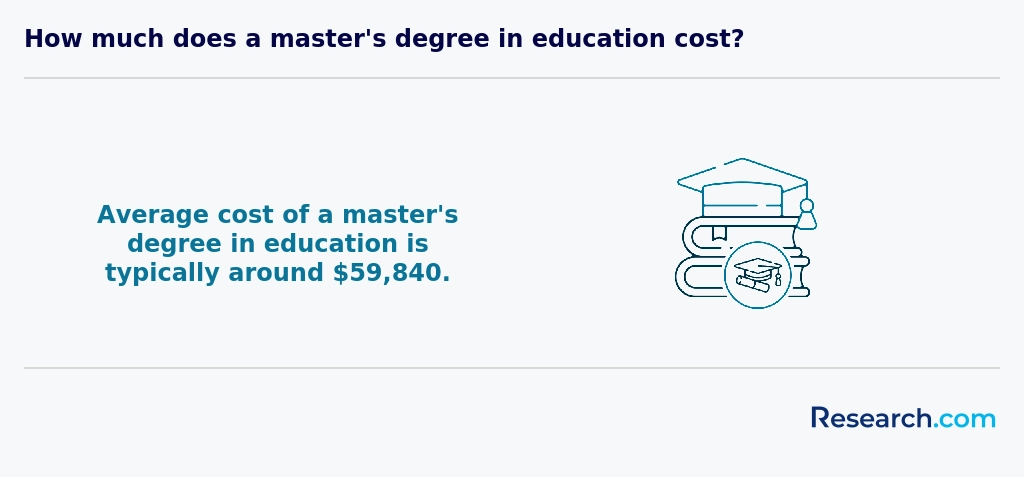
The average cost of an online education degree in North Carolina varies, but recent data indicates the median total tuition and fees for an in-state online education degree are about $21,240. Out-of-state students typically face much higher expenses, with median total costs around $103,645. These figures reflect the tuition differences at institutions like the University of North Carolina system schools, where many graduates report feeling confident that the value of their education matched the investment.
Graduates from well-known public universities in North Carolina often mention how the affordable in-state tuition made pursuing an education degree online manageable alongside work and family commitments. However, private colleges and out-of-state programs can approach median totals near $103,560, reflecting tuition and fees that might be daunting without financial aid.
Beyond tuition, students should be ready for additional expenses such as technology fees, course materials, and necessary licensing exam fees. Taking full advantage of scholarships, employer tuition assistance programs, and federal financial aid enable many to reduce the overall financial burden significantly. Prospective students interested in more specialized online education paths can explore options like the best rated online bachelors in special education, which may offer targeted funding opportunities and flexible scheduling.
When researching the total tuition and fees for online education degrees NC, students find that planning early and reaching out to financial offices at their chosen institutions helps clarify exact costs and available resources, making the dream of earning an online education degree more achievable and rewarding.
Students pursuing online education degrees in North Carolina can access a variety of financial aid options designed to ease costs. Many enrollments at institutions like the University of North Carolina at Chapel Hill or North Carolina State University have successfully applied for federal aid through FAFSA, unlocking Pell Grants that can cover up to $7,395 yearly. These grants don't require repayment, offering peace of mind while studying remotely.
State programs such as the North Carolina Education Lottery Scholarship and the Need-Based Scholarship also support online learners by providing targeted funding for in-state residents. Graduates from programs at East Carolina University often share how combining these with university-specific scholarships made their online tuition manageable without excessive debt.
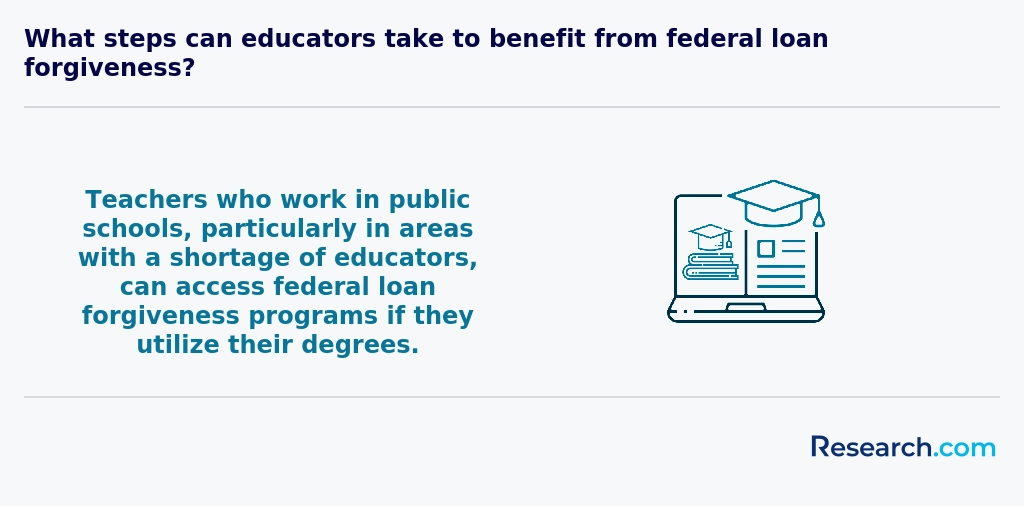
For those committed to teaching careers, options like the federal TEACH Grant provide crucial support in exchange for service in high-need schools, a path many North Carolina graduates have embraced. Additionally, local school districts frequently offer tuition reimbursement, and loan forgiveness programs can significantly reduce long-term costs for educators working within the state.
Connecting early with financial aid offices at your chosen universities ensures you meet deadlines and understand all available resources, making the dream of an online education degree attainable and financially realistic.
Earning an Online Education degree in North Carolina is only the first step toward a successful teaching career; graduates must also obtain state licensure through the North Carolina Department of Public Instruction (NCDPI). Most accredited programs include embedded coursework and field experiences designed to meet NCDPI’s rigorous standards, ensuring you complete the necessary components to apply for a teaching license. Key elements typically covered in licensure tracks include: • Praxis Core Academic Skills for Educators (Core) preparation-verbal, math, and writing modules integrated into foundational courses. • Pedagogical courses aligned with the Praxis Principles of Learning and Teaching (PLT) exam domains, such as instructional strategies and classroom management. • Directed student-teaching practicum under the supervision of an experienced mentor teacher, enabling hands-on application of digital and in-person pedagogies. • Portfolio development workshops that guide candidates in compiling evidence-based artifacts required for the NCDPI licensure application. • Specialized tracks-such as special education-offering tailored instruction on differentiated learning strategies and individualized education program (IEP) development. For those interested in focused pathways, explore our best rated online bachelors in special education to see how these programs streamline your route to certification. Upon successful completion of these requirements-along with passing the relevant Praxis exams-graduates submit their application through the NCDPI portal. Most programs report first-time pass rates above 85%, reflecting comprehensive academic preparation and robust mentorship. By choosing an online Education degree explicitly designed around North Carolina’s licensure framework, you position yourself for a smooth transition from student to licensed educator, ready to meet both classroom challenges and state standards with confidence.
To enroll in an online education degree program in North Carolina, you must first have a high school diploma or GED. Graduates from popular universities like UNC Greensboro often highlight how meeting this basic requirement opened the door to their seamless transition into college-level classes. A minimum GPA of around 2.5 is usually expected, though some competitive programs in schools such as East Carolina University may ask for higher standards to strengthen your application.
Many candidates benefit from submitting SAT or ACT scores, though increasingly, schools adopt test-optional policies, so checking the current requirements at your chosen institution is essential. Including strong letters of recommendation and a personal essay can boost your application by showcasing your passion for teaching and readiness, a strategy graduates frequently mention as crucial in standing out.
Since teacher preparation in North Carolina must align with NCDPI standards, you'll also need to meet background check and immunization requirements, especially if your program includes practicum placements in local K-12 schools. These steps ensure you're fully prepared and qualified before beginning hands-on training.
Students pursuing an online education degree in North Carolina typically encounter courses designed to build both theoretical knowledge and practical skills essential for effective teaching. For example, graduates from universities like UNC and NC State often highlight Educational Psychology as a course that helps them understand how diverse students learn and grow.
Courses in Curriculum Development teach how to create engaging lesson plans, which many students find empowering as they craft materials that resonate with real classrooms. Practical skills like Classroom Management prepare them to foster positive learning environments, a frequent challenge addressed during internships or student teaching at local schools.
Given the online nature of these programs, Instructional Technology is a vital course that equips students to use digital tools confidently, enhancing remote or hybrid learning experiences. Assessment and Evaluation provides strategies to measure student progress, ensuring graduates feel ready to meet North Carolina's rigorous education standards.
Graduates often emphasize how courses covering the Foundations of Education and inclusive teaching practices help them relate to North Carolina's culturally diverse classrooms with greater sensitivity and effectiveness.
Students pursuing an online education degree in North Carolina can choose from several practical specializations tailored to different career paths. For those passionate about early learning, Early Childhood Education prepares graduates to teach children from birth through third grade, building essential foundational skills. Graduates from respected programs at popular institutions often share how this specialization gave them confidence to nurture young learners effectively.
Other common options include Elementary Education, ideal for those seeking to teach grades K-6, and Secondary Education, which targets middle and high school levels with subject-focused tracks such as math, science, and English. Many graduates appreciate how these areas align with North Carolina's teacher licensing requirements, making the transition into classrooms smoother.
Specializations like Special Education are also available to support students with disabilities, a rewarding choice emphasized by educators across the state. Additionally, professionals looking to advance into leadership roles can opt for tracks in Educational Leadership or Curriculum and Instruction.
With North Carolina online teaching degree options offering flexible, affordable paths, many find balancing work and study achievable. Discover more about this flexibility and opportunities through the Affordable Online Education Degree Programs Ranking in Indiana.
Start by checking that the online program has proper regional accreditation, such as from SACSCOC, which ensures your degree is respected by employers and transferable if you switch schools. Graduates from well-known North Carolina institutions often highlight how accreditation made their certification process straightforward and opened doors to public school teaching jobs.
Next, consider cost carefully. Many students seek affordable online teaching degrees in North Carolina and find that tuition varies widely, so tally tuition plus fees and factor in savings from no commuting. Comparing programs at community colleges and universities helps identify the best value, especially when aligning with your financial aid options.
Look for programs that match your career goals. Whether you want early childhood education or educational leadership, check that the curriculum meets North Carolina's teacher certification requirements. Graduates often appreciate schools where local student teaching placements are available to gain real-world experience without leaving their community.
Flexibility is key-some students thrive in fully asynchronous formats, balancing school with jobs or families, while others prefer live classes. Responding to this, top programs in North Carolina offer various scheduling options. Also, explore support services like academic advising and technical help, which many graduates say made their online journey smoother.
For those interested in quick progress, consider programs listed under fastest associate degree online options to jumpstart your education career efficiently.
Graduates with an online education degree in North Carolina often secure teaching roles in public schools, where demand is high due to ongoing vacancies. Many find rewarding careers as licensed elementary, middle, or high school teachers, with specializations like STEM or ESL driving job availability. For example, graduates from well-known institutions such as the University of North Carolina benefit from strong local networks connecting them with teaching job opportunities in North Carolina.
Beyond classroom teaching, many graduates pursue careers in educational administration or counseling. Roles like school counselors or instructional coordinators become accessible with additional certifications or graduate studies. A number of alumni from North Carolina colleges have transitioned successfully into these impactful positions, often appreciating the flexibility offered by an online format that enables balancing work and study.
Others explore opportunities in education technology firms or nonprofit organizations focused on curriculum development and policy. The Research Triangle area is a hub for such roles, offering a chance to shape innovative digital learning tools. For professionals aiming to advance quickly, combining an online education degree with a one year online masters degree can amplify career prospects in these fields.
The job market for online education degree holders in North Carolina is robust, especially for those focusing on K-12, early childhood, or special education. Graduates from prominent state universities often find rewarding roles in both urban centers and rural districts, where teacher shortages are more acute. For example, graduates report successfully leveraging licensure programs aligned with North Carolina's requirements to secure positions quickly after completing their degrees.
Many graduates from well-known colleges appreciate the state's support for career advancement, which creates paths into educational leadership and specialized roles. With growing student enrollment and higher retirement rates among teachers, districts actively seek new educators, resulting in positive job outcomes for online degree holders. Salary ranges start around $38,000 to $41,000, with additional incentives for high-demand subjects.
To further enhance your prospects, it's vital to select online programs that align with state certification standards. Some graduates have benefited by exploring online doctoral programs no dissertation to advance their careers while maintaining flexibility. This focus on state licensure and specialization makes the teaching career outlook North Carolina online degrees very promising.
2027 Best Online Bachelor's in Education Degree Programs Ranking in North Carolina
Investing in your education is a significant decision that can shape your future, and the Research.com team understands the importance of making informed choices. To assist prospective students in North Carolina, we have meticulously crafted the "2027 Best Online Bachelor's in Education Degree Programs Ranking in North Carolina." Our commitment to quality, credibility, and accuracy is reflected in the extensive research and analysis conducted to compile this ranking.
We utilized the following reputable data sources to ensure a comprehensive evaluation of education programs:
By exploring this ranking, readers will gain valuable insights into the best online bachelor's in education degree programs available in North Carolina, enabling them to make well-informed decisions about their academic and professional futures. For more details on our methodology, please visit our Research.com methodology page.
# 1 position
Appalachian State University
Bachelor of Middle Grades Education Science and Social Studies


# 4 position
Winston-Salem State University
Bachelor of Education, Birth to Kindergarten Education (lateral entry/certification)


Frequently Asked Questions About education
Students pursuing online education degrees in North Carolina can maximize their learning by actively engaging with course materials and instructors. Utilizing resources provided by state universities, such as the University of North Carolina system's digital libraries and tutoring services, enhances understanding and retention. Time management is crucial, as an estimated 42% of North Carolina's online learners report balancing studies with work or family commitments, according to the NC Community College System.
Joining virtual study groups and professional networks within the state can also improve collaboration and practical insights. Additionally, staying informed about North Carolina's licensure requirements ensures alignment between coursework and career goals.
Emerging niches within the education field in North Carolina reflect national trends emphasizing technology integration and specialized support. For instance, careers in educational technology are expanding rapidly due to increased demand for online and hybrid learning models. The North Carolina Department of Public Instruction reported a rise in digital learning needs, prompting growth in instructional design and e-learning coordination roles.
Another growing niche is special education, particularly in addressing diverse student needs stemming from disabilities and behavioral challenges. North Carolina schools are actively hiring specialists to support individualized education plans (IEPs).
Additionally, bilingual and multicultural education roles are becoming crucial as the state's student population becomes more diverse, requiring culturally responsive teaching strategies.
After earning an online education degree in North Carolina, job market preparation is essential. Start by obtaining certification through the North Carolina Department of Public Instruction, which is required to teach in public schools. This process includes passing the Praxis exams and completing background checks.
Networking with local school districts and attending virtual job fairs can increase employment opportunities. The North Carolina Department of Public Instruction reports that teacher positions grew by 4% from 2021 to 2023, indicating steady demand.
Gain practical experience through substitute teaching or internships to strengthen your resume. Also, highlighting skills in remote instruction, technology integration, and curriculum development is beneficial for 21st-century classrooms.
Employers in North Carolina highly value education degree graduates who demonstrate strong communication and classroom management skills. According to the North Carolina Department of Public Instruction, effective instructional strategies and the ability to adapt to diverse student needs are critical. Graduates are also expected to possess competence in technology integration to enhance learning, reflecting the growing emphasis on digital tools in schools.
Additionally, analytical skills and collaboration with colleagues are important. The North Carolina Teacher Working Conditions Survey highlights that teamwork promotes better student outcomes, making it a sought-after skill. Overall, practical experience through internships or student teaching significantly strengthens a candidate's profile in the job market.
Finding internships in North Carolina related to an education degree starts with exploring opportunities through local school districts, universities, and education-focused organizations. Many universities offering online education degrees have partnerships with public and private schools in the state, providing students with internship placements to gain practical experience.
The North Carolina Department of Public Instruction often lists openings for student teaching internships and assistant roles. Additionally, websites like NCWorks Online allow students to search specifically for education internships by location and field.
Engaging with professional education associations, such as the North Carolina Association for Supervision and Curriculum Development, can also help locate internships and networking opportunities in education.
An online education degree in North Carolina can significantly enhance career mobility and advancement for aspiring teachers and education professionals. As of recent reports from the North Carolina Department of Public Instruction, educators with bachelor's degrees often qualify for higher starting salaries and leadership roles compared to those with only associate degrees or certificates.
North Carolina's education system values federally accredited online degrees, allowing graduates to meet licensure requirements across many districts. This flexibility enables professionals to shift between teaching roles or pursue specialized positions such as instructional coordinators or school administrators more easily.
Additionally, online degrees provide opportunities to balance work, study, and certification, which is crucial in a state with growing demand for qualified educators. According to the NC Department of Commerce, demand for teachers is expected to grow by 7% through 2030, highlighting advancement potential for degree holders.
Studying for an education degree in North Carolina equips students with skills that extend beyond traditional teaching roles, preparing them for interdisciplinary careers in various educational settings. North Carolina's universities often include coursework combining education theory with psychology, technology, and community engagement. This broad curriculum helps graduates adapt to diverse environments such as special education, instructional design, and educational administration.
According to the North Carolina Department of Public Instruction, nearly 80% of online education programs include practical training that integrates multiple disciplines, fostering strong collaboration and problem-solving skills. These programs emphasize inclusive teaching and data-driven decision making, vital for interdisciplinary success.
Choosing between a thesis and a non-thesis education degree program in North Carolina depends on your career goals and learning preferences. Thesis programs typically require original research and a written dissertation, which suits students aiming for advanced study or academic careers. Non-thesis options focus more on coursework, appealing to those entering the workforce directly or seeking practical skills.
In North Carolina, many public universities offer both paths, allowing flexibility. According to the North Carolina Department of Public Instruction, demand for educators with research skills is steady but practical teaching skills remain highly valued. Tuition and time commitments may also differ between options.
Prospective students should consider program requirements, faculty expertise, and how each aligns with their professional objectives.
Students based in North Carolina who wish to study education abroad typically explore options through partnerships between North Carolina universities and foreign institutions. Many online education degree programs offer study abroad components or international practicum experiences, allowing students to gain global perspectives without compromising their home-based coursework. According to the University of North Carolina System, close to 60% of its campuses offer some form of international study opportunity connected to education degrees.
Additionally, students may participate in exchange programs or short-term immersive courses in countries such as the United Kingdom, Australia, or Spain, which align with North Carolina State regulations for teacher licensure when courses are properly accredited.
Financial aid and scholarships are often available for these international experiences, making study abroad more accessible. The NC Community College System also reports increasing support for global education initiatives within online programs.
Part-time job opportunities in North Carolina that complement education degree studies often focus on roles within schools and community programs. Positions such as teacher assistants, substitute teachers, and after-school program aides provide valuable hands-on experience aligned with educational theory. According to the North Carolina Department of Public Instruction, the demand for substitute teachers increased by over 10% between 2020 and 2023, making it a flexible option for students.
Additionally, tutoring services in communities and online platforms offer part-time work that strengthens instructional skills. Many colleges in North Carolina support education majors by connecting them to peer tutoring jobs, which help develop communication and lesson-planning abilities.
Local libraries and nonprofit youth organizations also seek education students for mentoring or administrative roles, allowing practical engagement with diverse learners. These experiences help bridge academic knowledge with real-world teaching environments, essential for future educators.
Online education students in North Carolina have access to varied networking opportunities that connect them with peers, faculty, and education professionals statewide. Many public universities, such as the University of North Carolina system, offer virtual events, discussion forums, and alumni groups specifically for online learners. These platforms facilitate collaboration and professional growth.
Additionally, North Carolina hosts education-related conferences and workshops that welcome online students, providing valuable in-person engagement.
Professional organizations, like the North Carolina Association for the Education of Young Children, also support networking through memberships and virtual meetings.
Such resources help students expand their professional networks despite the distance learning format.
Alumni networks provide valuable support to online education degree students in North Carolina by offering professional connections and career resources. These networks often host events and online forums, allowing graduates and current students to share job leads and advice. According to the North Carolina Department of Public Instruction, the state employs over 100,000 teachers, making networking crucial for job placement and advancement.
Additionally, alumni groups can offer mentorship programs, guiding students through certification and licensure processes required by North Carolina for educators. Access to these networks helps students gain insights into local school districts and educational trends.
Such connections often improve employment prospects by expanding professional reach beyond geographic limitations common in online education.
Customizing an online education degree program in North Carolina begins with selecting a specialization that aligns with your career goals. Many universities in the state offer concentrations such as curriculum design, special education, or educational technology. These options allow students to develop skills directly relevant to specific career paths.
Additionally, students can often choose electives or complete practicum experiences tailored to their interests. North Carolina's public universities typically provide flexible scheduling and individualized advising to help students shape their coursework.
According to the North Carolina Department of Public Instruction, teachers who pursue targeted endorsements and advanced certifications improve their employment prospects and earning potential.
Consider institutions accredited by the Council for the Accreditation of Educator Preparation (CAEP), which ensures program quality and relevance.
Online education students in North Carolina face several common challenges, despite the growing popularity of remote learning. One significant hurdle is limited access to reliable high-speed internet, especially in rural counties where broadband coverage remains below the national average, according to the Federal Communications Commission. This digital divide can disrupt coursework and participation in live sessions.
Additionally, students often report difficulties balancing coursework with work and family responsibilities. Many online learners are adults juggling jobs and childcare, which can increase stress and affect academic performance.
Another challenge is the lack of direct interaction with instructors and peers, which may limit networking and personalized support.
Finally, navigating financial aid and understanding transfer credit policies can also present obstacles for North Carolina's online students, as stated by the North Carolina Community College System.
With an online education degree in North Carolina, you can pursue various professional certifications to advance your teaching career. Most commonly, graduates seek North Carolina teaching licensure, which is essential to work in public schools. The state offers multiple licensure areas, including elementary, secondary, and special education.
Additionally, many educators pursue National Board Certification, recognized nationwide for enhancing teaching expertise. This certification can lead to higher salaries and leadership roles.
Other notable certifications include Reading Specialist credentials and English as a Second Language (ESL) endorsements, both in demand due to diverse student populations in the state.
Sources like the North Carolina Department of Public Instruction provide detailed guidance on these certifications.
Writing a winning application for an online education program in North Carolina starts with clearly demonstrating your commitment to teaching and learning. Admissions committees look for candidates with strong academic records and relevant experience, so highlight any volunteer work, tutoring, or related activities.
Be sure to research the specific program's requirements. Many North Carolina schools, like University of North Carolina at Greensboro, require a personal statement that explains your goals and motivations for pursuing education online.
Strong letters of recommendation from educators or supervisors familiar with your skills can significantly boost your application. Additionally, emphasize your ability to manage time and stay disciplined in an online learning environment.
According to the North Carolina Department of Public Instruction, teacher demand is growing, so showcasing how your degree aligns with state needs can help your case.
The global perspective on an education career highlights the increasing demand for skilled educators who can adapt to diverse cultural and technological contexts. In the United States, including North Carolina, education remains a stable and growing profession. According to the Bureau of Labor Statistics, employment for preschool, primary, secondary, and special education teachers is projected to grow 5% from 2021 to 2031.
North Carolina places special emphasis on teacher preparation through online degree programs, which align with the need for flexible learning options. The state's Department of Public Instruction reports rising enrollment in online education courses, reflecting broader global trends of accessible education.
Internationally, educators are expected to promote global citizenship, critical thinking, and digital literacy. This aligns well with U.S. educational goals, helping graduates from North Carolina's online programs compete worldwide in an interconnected job market.
Gaining practical experience while studying for an online education degree in North Carolina is crucial for career readiness. Many online programs include fieldwork or practicum requirements, allowing students to complete supervised teaching hours in local schools. This hands-on experience is essential because North Carolina requires at least 12 weeks of clinical practice for teacher licensure, as outlined by the North Carolina Department of Public Instruction.
Additionally, some universities partner with nearby school districts to facilitate internships and student teaching placements. This approach ensures that even remote students can engage directly with educational environments. Students are encouraged to connect with their program advisors to identify local opportunities and meet state certification standards.
Choosing the right concentration within an online education degree program in North Carolina starts with assessing your career goals and interests. North Carolina offers concentrations such as elementary education, special education, and educational technology, reflecting local workforce demands and certification requirements. According to the North Carolina Department of Public Instruction, concentrations aligned with areas experiencing teacher shortages could enhance job placement opportunities.
Consider program accreditation and whether the concentration prepares you for state licensure. Some concentrations may require additional classroom hours or exams. Research each option's curriculum and career outcomes, and consult resources like the North Carolina Community College System for guidance on local educational trends.
- 2027 Best Online Bachelor's in Education Degree Programs Ranking in Virginia
- 2027 Best Online Bachelor's in Education Degree Programs Ranking in Georgia
- 2027 Best Online Bachelor's in Education Degree Programs Ranking in Kentucky
- 2027 Best Online Bachelor's in Education Degree Programs Ranking in Florida
- 2027 Best Online Bachelor's in Education Degree Programs Ranking in Alabama
- 2027 Best Online Bachelor's in Education Degree Programs Ranking in Pennsylvania
- 2027 Best Online Bachelor's in Education Degree Programs Ranking in Ohio
- 2027 Best Online Bachelor's in Education Degree Programs Ranking in Indiana
- 2027 Best Online Bachelor's in Education Degree Programs Ranking in Missouri
- 2027 Best Online Bachelor's in Education Degree Programs Ranking in New York
See What Experts Have To Say About Studying Education
Read our interview with Education experts

Nooshan Ashtari
Education Expert
Professor & Book Author
University of Southern California

Alan J. Singer
Education Expert
Professor of Teaching, Learning and Technology
Hofstra University

- Networking For Educators: How To Grow A Professional Circle - Carlow University https://www.carlow.edu/networking-for-educators/
- Know more about thesis vs non- thesis: what is the difference? https://studyfans.com/en/blogs/816
- Networking Tips and Advice for Students https://schoolshouldbe.com/post/networking-tips-and-advice-for-students/
- How to Choose a Concentration for Your Master of Education 3 Questions to Consider https://www.aiuniv.edu/degrees/education/articles/how-to-choose-an-education-specialization
- Online Education Degree Programs | University of Phoenix https://www.phoenix.edu/online-education-degrees.html
- Education Cover Letter: 6 Steps to Write a Job-Winning One [+Example & Template] | Cake https://www.cake.me/resources/cover-letter/education-cover-letter
- Navigating Challenges In Education, Learning & Development - those who can https://www.thosewhocan.org/navigating-challenges-in-education-learning-and-development/
- How Teaching and Learning Hubs ensure transformational learning - EdNC https://www.ednc.org/perspective-how-n-c-s-teaching-and-learning-hubs-ensure-transformational-learning/
- How a Strong Alumni Network Can Benefit Students https://www.pacificu.edu/blog/how-strong-alumni-network-can-benefit-students
- Finding Networking Opportunities as a Student | National Society of High School Scholars https://www.nshss.org/resources/blog/blog-posts/how-to-find-networking-opportunities-as-a-student/


