
2027 Best Online Education Degree Programs Ranking in Ohio

Co-Founder and Chief Data Scientist
Choosing the right online education degree program in Ohio can feel overwhelming. To ease this process, the article presents the 2027 Best Online Education Degree Programs Ranking in Ohio, developed by the Research.com team of data scientists.
This ranking is designed to help you confidently identify quality programs that match your goals and lifestyle. Earning an education degree opens doors to meaningful careers and personal growth. Reading this article will provide valuable insights to support your decision-making and inspire you on your educational journey.
Key benefits of getting online education degree in Ohio
- Graduates with an education degree in Ohio can expect competitive salaries, such as a Special Education Teacher earning around $76,000 annually or an Instructional Designer making about $77,200 a year, offering financial stability in rewarding careers.
- Many education degree graduates from Ohio State University, for example, pursue diverse paths including teaching, curriculum development, or educational technology, showing versatile opportunities in the education field.
- Completing an education degree online from institutions like the University of Cincinnati provides flexibility and convenience, allowing students to balance work and studies while still gaining valuable skills and impactful experience.
- Key benefits of getting online education degree in Ohio
- What can I expect from online education degree in Ohio?
- Where can I work with online education degree in Ohio?
- How much can I make with online education degree in Ohio?
- 2027 Best Online Education Degree Programs Ranking in Ohio
- Key Findings
- How long does it take to complete online education degree in Ohio?
- Teacher Certification and Licensure in Ohio
- What's the difference between online and on-campus education degree?
- Accreditation and State Licensure Requirements
- What is the average cost of online education degree in Ohio?
- Is an Online Education Degree in Ohio Worth the Investment?
- What financial aid is available to online education degree students in Ohio?
- Tips for Online Learning Success in Ohio Online Education Programs
- What are the prerequisites for enrolling in online education degree program in Ohio?
- Optimizing Your Online Education Experience in Ohio
- What courses are typically in online education degree programs in Ohio?
- What types of specializations are available in online education degree programs in Ohio?
- How do you choose the best online education degree in Ohio?
- What career paths are available for online education degree students in Ohio?
- What is the job market for online education degree in Ohio?
- Related Education Rankings for Nearby States
- Top Trending Education Rankings
- See What Experts Have To Say About Studying Education
What can I expect from online education degree in Ohio?
Enrolling in an online education degree in Ohio often feels like stepping into a world of opportunity without leaving your home. Imagine juggling your daily routine while diving into courses from Ohio State University or Cleveland State University, where graduates frequently share how the balance of flexible schedules and rigorous coursework kept them energized and motivated. The average cost for in-state online undergraduate education degrees in Ohio ranges between $8,000 and $15,000 annually, a surprisingly affordable investment compared to many private schools.
These programs don't just focus on theory; they blend engaging lessons in curriculum development and classroom management with real-life practice through partnerships with local schools. Graduates often recall how hands-on student teaching opportunities made their future careers feel tangible and exciting. From educational leadership to special education, Ohio's online degrees spark a sense of curiosity and readiness to embrace the challenges and rewards of teaching in diverse classrooms across the state.
Where can I work with online education degree in Ohio?
Graduates earning an online education degree in Ohio discover exciting career avenues that stretch well beyond the traditional classroom. Many find joy working as licensed K-12 teachers in public schools throughout the state, supported by strong demand in vital subjects like math, science, and special education. Imagine stepping into a vibrant Cleveland or Columbus classroom, ready to inspire the next generation with fresh, innovative lessons crafted from your online studies at popular institutions like Ohio State or Kent State.
Others thrive by applying their skills in charter or private schools, where flexible teaching styles and modern methodologies are welcomed. Some graduates even pivot toward curriculum development or education technology roles within district offices-building tools that make learning more accessible and engaging.
Many alumni from Ohio's top online education programs cherish roles in adult education or workforce training, fostering growth in community colleges or local nonprofits. Each path offers a unique blend of challenge and fulfillment, perfectly suited to adventurous educators eager to shape Ohio's educational future.
How much can I make with online education degree in Ohio?
Graduates from online education programs in Ohio often find themselves stepping into rewarding roles with salaries that spark excitement about the future. For instance, those who become elementary school teachers enjoy mean annual wages around $70,740, a figure that reflects both dedication and the vibrant classrooms of Ohio's schools. Special education teachers, who bring invaluable support to students, earn even more, with a mean salary near $76,000, highlighting the growing demand and respect for their specialization.
Imagine a graduate from Ohio State University, diving into the world of ESL teaching, earning approximately $65,430 annually while creating meaningful connections with students from diverse backgrounds. Early childhood educators, perhaps alumni from Miami University, start with salaries around $41,410, laying the foundation for lifelong learning in young minds.
For those adventurous enough to explore beyond traditional teaching, positions such as instructional designers, often filled by graduates from Kent State University, offer competitive salaries near $77,200. These roles merge creativity with technology, crafting engaging learning experiences.
Studying online in Ohio unlocks these diverse paths, each promising not only financial stability but also the joy of impacting education in dynamic and meaningful ways.
2027 Best Online Education Degree Programs Ranking in Ohio
How do we rank schools?
Investing in your education is a significant decision that can greatly impact your future, and the Research.com team recognizes the importance of making well-informed choices. To help students navigate their options, we have carefully developed the "2027 Best Online Education Degree Programs Ranking in Ohio." Our dedication to quality, credibility, and accuracy is demonstrated through thorough research and detailed analysis.
We utilized the following reputable data sources to ensure a comprehensive assessment of online education degree programs:
By exploring this ranking, readers will discover valuable insights into the best online education degree programs in Ohio, enabling them to make confident and informed decisions about their academic and professional futures. For a deeper understanding of how this ranking was created, please visit our Research.com methodology page.


Key Findings
- Undergraduate online education programs in Ohio public universities typically cost between $10,000 and $20,000 per year, while graduate programs range from $12,000 to $30,000 annually.
- Ohio residents often qualify for in-state tuition rates, which can lower the cost compared to out-of-state rates.
- Employment for education professionals in Ohio is expected to grow around 5% through 2030, matching national growth trends.
- Entry-level teachers earn approximately $45,000 to $50,000 per year, with salaries rising to $60,000 to $80,000 for those with master's degrees or administrative roles.
- Accreditation by bodies such as the Council for the Accreditation of Educator Preparation (CAEP) is important for program quality and is often required for teacher certification in Ohio.
How long does it take to complete online education degree in Ohio?
Master's seekers often find joy in the flexibility Ohio's programs provide. One graduate shared how part-time study stretched their journey over 3 years, perfectly syncing with their teaching job and evening classes. Full-time students, on the other hand, experience a shorter path-about 1.5 to 2 years-immersed deeply in their passion for education.
Factors like transfer credits, full- or part-time enrollment, and asynchronous class schedules all shape each student's timeline, turning the journey into a unique exploration of knowledge tailored to individual rhythms and goals.
Teacher Certification and Licensure in Ohio
Moving from an online education degree to teacher certification in Ohio requires careful planning. Coursework is only one part of the process. Candidates also need supervised field experience, required assessments, background checks, and a completed licensure application through the appropriate Ohio system.
Students preparing for classroom teaching should expect clinical practice. Candidates must complete a minimum of 12 weeks of supervised student-teaching in an accredited Ohio school, demonstrating competencies aligned with the Ohio Standards for the Teaching Profession. During student teaching, candidates are typically evaluated on lesson planning, classroom management, instructional delivery, assessment use, and professional conduct.
Assessment requirements should be verified directly with the program and Ohio licensure authorities. Ohio candidates commonly prepare for required educator assessments such as the Ohio Assessments for Educators (OAE). Do not rely on general national testing assumptions; confirm the exact exams for your grade band, subject area, and licensure route before registering.
After completing program and assessment requirements, candidates submit an application to the Ohio Department of Education through the required licensure system. Application materials generally include official transcripts, assessment results, program completion verification, and a background check.
Upon approval, the Ohio Department of Education issues a Resident Educator License valid for five years. During this period, educators participate in the Resident Educator Program, which includes mentoring and professional development for new teachers. After completing the five-year cycle and all required program components, educators may apply for a Standard Teaching License, with renewal every five years through approved professional development, advanced study, or other accepted activities.
Students considering alternative routes or out-of-state online options should compare them carefully against Ohio requirements. The Cheapest Online Education Degree Programs Ranking in Georgia can be useful for cost comparison, but affordability should not outweigh licensure compatibility if your goal is to teach in Ohio.
What's the difference between online and on-campus education degree?
Choosing between online and on-campus education degrees in Ohio opens a world of possibilities tailored to your lifestyle. Imagine a graduate from Ohio State University who thrives studying education online, fitting coursework around a busy job and family life, enjoying the freedom to learn at their own pace without leaving home. Meanwhile, another graduate from Miami University recalls the energetic buzz of in-person classes, where spontaneous debates and hands-on student teaching in local schools sparked deep connections and real-time learning.
Online programs in Ohio offer flexibility, letting you dive into lectures and assignments anytime, a perfect match for self-motivated learners who value autonomy. On-campus options, like those at Ohio University, provide structured days filled with lively discussions and instant access to professors, making the learning experience immersive and interactive.
Both paths share common ground too-practicum requirements adapt to each format, ensuring every future teacher meets Ohio's high licensure standards without compromising quality or experience.
Accreditation and State Licensure Requirements
Accreditation is one of the most important safeguards when choosing an online education degree in Ohio. It affects credit transfer, graduate school eligibility, employer confidence, financial aid access, and-when applicable-teacher licensure. A program can be online and reputable, but students must verify that it is recognized by the right institutional and educator-preparation authorities.
Before enrolling, confirm the following:
- Regional accreditation: Institutional accreditation, such as recognition by the Higher Learning Commission (HLC), helps validate the school’s overall academic quality.
- Educator preparation approval: Programs leading to teaching credentials should align with Ohio educator preparation and licensure expectations.
- Programmatic accreditation: CAEP or equivalent educator-preparation accreditation can provide additional quality assurance where applicable.
- Licensure pathway clarity: The school should state whether the program leads to Ohio licensure, an endorsement, non-licensure education roles, or professional advancement only.
Ohio licensure typically requires completing an approved teacher preparation program, passing required educator assessments such as the Ohio Assessments for Educators (OAE), and completing fingerprint-based background checks. Some areas, including special education or reading intervention, may require additional endorsements, coursework, and assessment steps.
Do not assume that every online education degree leads to a teaching license. Some programs are designed for instructional design, curriculum work, leadership, adult education, or professional development rather than initial classroom certification. Ask the admissions office and licensure advisor to confirm the exact outcome in writing.
If you are comparing state-by-state costs and approval structures, the Cheapest Online Education Degree Programs Ranking in Georgia can provide useful context. However, students planning to teach in Ohio should prioritize Ohio-approved pathways or confirm that an out-of-state program satisfies Ohio licensure requirements.
What is the average cost of online education degree in Ohio?
The journey toward earning an online education degree in Ohio is often shaped by its price tag, which can vary widely depending on residency and school choice. The average cost for in-state students at popular public universities such as Ohio State University or the University of Cincinnati typically hovers around $34,446 in total, making the dream of becoming an educator more accessible. Many graduates fondly recall how they managed to balance work and study without breaking the bank, thanks to this more affordable tuition compared to out-of-state alternatives.
For those coming from outside Ohio, the cost increases significantly, with a median total of $46,892. Yet, even out-of-state students find value in investing in a degree from respected institutions like Ohio University or Bowling Green State University, where the quality of education justifies the expense and opens doors to diverse career opportunities. These experiences make the cost feel like a worthwhile adventure rather than a daunting burden.
Exploring the landscape of Ohio online education degree tuition fees reveals that this financial investment is often complemented by scholarships, grants, and federal aid that many students successfully tap into. Engaging with resources and the most affordable online education programs in Ohio can transform tuition challenges into stepping stones for a brighter future.

Is an Online Education Degree in Ohio Worth the Investment?
An online education degree in Ohio can be worth the investment when the program is affordable, accredited, aligned with your career goal, and realistic about licensure or fieldwork requirements. The return depends less on the word “online” and more on whether the degree qualifies you for the role you want and helps you avoid unnecessary debt.
The cost picture matters. In-state tuition averages $21,600, while out-of-state costs are near $25,995. Ohio online education programs can therefore offer a competitive price point, especially for students who qualify for in-state rates, transfer credits, grants, scholarships, or employer tuition assistance. Graduates may enter roles such as ESL Teachers, with a mean annual wage of $63,130, or Instructional Designers, at $73,080. Based on those salary outcomes, many graduates can reasonably evaluate whether the degree supports career entry, advancement, or a move into a specialized education role.
Costs can extend beyond tuition. Students should budget for professional development, networking, licensure exam fees, background checks, books, technology expenses, and travel for field placements. Factoring in those expenses, the total investment rarely exceeds $30,000. Students often receive an average of $5,195 in grants, which can reduce out-of-pocket costs when combined with institutional aid or employer reimbursement.
To evaluate ROI, ask these questions before enrolling:
- Does the program lead to the license, endorsement, or education position I want?
- Can I complete fieldwork near where I live or work?
- How much will I pay after grants, scholarships, and tuition reimbursement?
- Will transfer credits shorten my time to graduation?
- Does the school publish clear information about placement support and graduate outcomes?
Students comparing regional affordability may also review the Cheapest Online Education Degree Programs Ranking in Georgia to understand how costs and program structures can vary by state. For Ohio students, the best value usually comes from a program that controls cost while keeping a direct path to licensure or career advancement.
What financial aid is available to online education degree students in Ohio?
Imagine diving into your online education degree at Ohio State University, knowing federal aid is ready to boost your journey. Completing the FAFSA unlocks Pell Grants offering up to $7,395 a year-money that former graduates recall helped ease tuition worries while balancing work and study. Then there's Ohio's College Opportunity Grant, a state gem awarding between $500 and $2,500 based on need, a lifeline many students at University of Cincinnati have gratefully tapped into to stretch their budgets.
For those dreaming of teaching careers, scholarships from groups like the Ohio Association of Colleges for Teacher Education shine bright, encouraging learners to tackle Ohio's teacher shortage with financial support that graduates remember as game-changing. Online scholars often discover exclusive university scholarships and discounts too, turning tuition into a less daunting mountain.
Picture graduates using the federal Teacher Loan Forgiveness after five years teaching in underserved schools, wiping out up to $17,500 in loans-a powerful motivator to stay and make a difference in Ohio's communities.
Lastly, if you're working while learning, employer tuition reimbursement programs offer unexpected financial adventure, making each class feel within reach and every effort worthwhile.
Tips for Online Learning Success in Ohio Online Education Programs
Success in an online education program depends on structure. Education majors often balance readings, lesson planning, discussion boards, field observations, and group projects. Students preparing for teaching careers also need to build professional habits that translate into classrooms: organization, communication, reflection, and consistent follow-through.
Start by creating a weekly schedule that treats online coursework like a fixed commitment. Block time for lectures, readings, assignments, discussion posts, and assessment preparation. If your program includes fieldwork, add travel time, observation hours, and documentation deadlines to the same calendar so they do not compete with coursework at the last minute.
- Set a dedicated study routine: Use the same study location and weekly time blocks whenever possible.
- Participate early: Post in discussions before the deadline so peers and instructors can respond meaningfully.
- Use faculty office hours: Online students benefit from regular contact, especially before major projects or licensure-related milestones.
- Save all fieldwork records: Keep copies of observation logs, supervisor forms, lesson plans, and evaluation documents.
- Ask for help quickly: Technical problems, placement delays, and academic confusion become harder to fix when ignored.
- Connect with classmates: Virtual study groups can help with lesson planning, exam review, and accountability.
Students who want to continue into graduate-level teaching preparation can also compare options such as Most Affordable Online Masters Degrees in Teaching. Whether you are in a bachelor’s or master’s program, the most successful online learners use institutional support early instead of waiting until they fall behind.
What are the prerequisites for enrolling in online education degree program in Ohio?
Imagine starting your journey toward an education degree at a popular Ohio university, where the key to unlocking your potential begins with meeting a few important prerequisites. For many online education programs across the Buckeye State, the first step is having a high school diploma or GED, much like graduates who balanced work and study while attending large public institutions. These students often reflect on maintaining at least a 2.5 GPA, a common baseline that opens doors to exciting learning opportunities.
Picture a future teacher from a well-known Ohio college sharing how submitting official transcripts and proof of residency made their application feel real and personal. While some programs ask for SAT or ACT results, many embraced the test-optional movement, which offers flexibility perfect for busy adults and career changers eager to dive in without extra pressure.
Graduate hopefuls, inspired by alumni stories, know that holding a bachelor's degree is essential to advance. And behind every success is reliable internet and a ready-to-go computer, empowering learners to explore new teaching frontiers right from home-whether in Cleveland, Cincinnati, or Columbus.

Optimizing Your Online Education Experience in Ohio
The best online education experience in Ohio starts before the first class. Students should compare programs by cost, accreditation, licensure alignment, clinical placement support, course format, faculty access, and student services. A program may look convenient online, but it still needs to prepare you for real classroom practice, state assessments, and employer expectations.
Affordability should be part of the first comparison. Reviewing the most affordable online education programs in Ohio can help you identify options that reduce debt while still meeting academic and professional standards. Lower tuition matters, but it should not come at the expense of accreditation, licensure preparation, or meaningful field experience.
To get the most value from an Ohio online education degree, focus on these factors:
- Licensure fit: Confirm whether the program leads to the Ohio credential, endorsement, or education role you want.
- Accreditation: Choose an institution and program with recognized accreditation and state approval where required.
- Field placement support: Ask how the school helps online students arrange practicum, student-teaching, or internship requirements in Ohio.
- Course delivery: Determine whether classes are asynchronous, synchronous, hybrid, or cohort-based.
- Total cost: Compare tuition, fees, books, technology costs, testing fees, background checks, and travel for fieldwork.
- Student support: Look for advising, tutoring, career services, licensure guidance, and technical support for online learners.
A strong online program should make expectations clear from the start. If the school cannot explain how online coursework, fieldwork, and Ohio requirements connect, continue comparing options.
What courses are typically in online education degree programs in Ohio?
Diving into an online education degree in Ohio means exploring courses that ignite your passion for teaching while equipping you with practical skills. Imagine engaging with Foundations of Education, where you uncover the rich history and philosophy behind schooling-like connecting threads in a tapestry that make every lesson meaningful.
Ohio students, especially those at universities like Ohio State or Kent State, rave about courses like Curriculum Development, where they craft lesson plans that spark curiosity in diverse classrooms. It's not just theory: Educational Psychology helps you understand real learners, their motivations, and how they think, making teaching feel like an exciting puzzle.
Hands-on courses like Assessment and Evaluation and Instructional Technology prepare you to measure student success and confidently use digital tools-a must-have in today's classrooms. Plus, classes on Classroom Management and Special Education empower you to create safe, inclusive spaces where every student feels valued.
These courses blend seamlessly with Ohio's emphasis on practical experience, shaping graduates who step into teaching roles eager and ready for real-world adventure.
What types of specializations are available in online education degree programs in Ohio?
At popular institutions, students explore more than teaching, venturing into Educational Administration or Counseling and School Psychology, preparing to lead schools or support student wellbeing. For those chasing advanced studies, the Most Affordable Online Masters Degrees in Teaching provide accessible opportunities to expand expertise within Ohio.
How do you choose the best online education degree in Ohio?
Choosing the best online education degree in Ohio is an exciting journey filled with discovery. Think like a graduate from a popular Ohio university who found the perfect program through a balance of accreditation and flexibility. For instance, programs accredited by the Higher Learning Commission or the Council for the Accreditation of Educator Preparation give confidence that your hard work will be recognized by employers and licensing boards. Many students appreciated how public institutions in Ohio offered asynchronous classes, letting them study after work or family time, making the experience feel manageable and empowering.
Cost matters too-graduates from private colleges often mention the challenge of tuition, so exploring scholarships or financial aid is key. When searching for affordable online teaching programs Ohio has a diverse range, and investigating practical areas of specialization like educational leadership or special education can spark inspiration. Also, real students share how hands-on practicum experiences were smoothly coordinated, even from remote areas, making the degree feel truly achievable.
If you want to find options alongside Ohio's top programs, check out the Cheapest Online Education Degree Programs Ranking in Georgia for comparison and inspiration.
What career paths are available for online education degree students in Ohio?
Pursuing an online education degree in Ohio opens doors to a vibrant range of career paths that align well with the state's diverse educational landscape. Graduates from institutions like Ohio State University or Miami University often share how their flexible programs prepared them to become licensed teachers in areas such as elementary or special education, fulfilling the steady demand for teaching jobs with online education degree Ohio. Imagine stepping into a classroom ready to inspire the next generation in math or science thanks to credentials earned through dynamic online courses.
Others discover exciting opportunities beyond teaching-such as becoming school principals or curriculum developers-where they shape educational policy and innovation. Ohio's focus on lifelong learning and workforce development means graduates frequently find rewarding roles in community education or adult education coordination. For those with a passion for technology, becoming an educational technology specialist offers the thrill of crafting digital tools that transform how students learn.
Some Ohio learners even explore 2-year phd programs online to boost their career prospects further, diving into advanced educational leadership. These paths all blend local certification value with the adventure of shaping education's future across Ohio's schools and beyond.
What is the job market for online education degree in Ohio?
The job market for graduates holding an online education degree in Ohio is ripe with opportunities, especially in teaching and school leadership roles. Many graduates from popular Ohio universities discover rewarding careers as classroom teachers or educational coordinators, enjoying the flexibility online programs provide while balancing work and life. This adaptability is particularly appealing to those seeking Ohio online education degree employment opportunities in districts facing teacher shortages.
For example, graduates often step into roles in special education or STEM fields, where demand remains strong. Salaries average around $60,000 for elementary and secondary educators but grow significantly with experience and advanced certifications. The steady 6% job growth projected for K-12 teachers in Ohio encourages individuals to explore this path confidently.
Tuition costs at many public Ohio universities usually fall between $8,000 and $12,000 annually, with online programs offering added savings. Many graduates find aid through scholarships or loan forgiveness helpful. Some ambitious students even consider 1 year phd programs online no dissertation to boost their careers further, embracing an adventurous step toward educational leadership.
Overall, exploring the online education degree job outlook Ohio unveils a promising landscape for those ready to inspire the next generation in thriving school communities.
Frequently Asked Questions About education
Ohio offers a variety of accredited online education degree programs, enabling students to earn credentials flexibly. To maximize learning, students should engage actively with course materials and participate in virtual discussions. Research from the Ohio Department of Higher Education highlights that students who regularly communicate with instructors tend to perform better.
Setting a consistent study schedule helps maintain focus and meet deadlines, essential in self-paced environments. Additionally, Ohio students can take advantage of state-specific resources, such as the Ohio Means Internships & Co-ops program, linking practical experience with academic knowledge.
Using local online libraries and tutoring services strengthens understanding and supports academic success. Keeping a quiet, distraction-free study space also enhances concentration during lectures and assignments.
Emerging niches in Ohio's education field reflect broader national trends while responding to local workforce needs. One rapidly growing area is educational technology, where Ohio schools increasingly integrate digital tools to enhance learning. According to the Ohio Department of Education, demand for specialists in instructional design and e-learning development has grown over 15% in recent years.
Special education remains a critical area, with Ohio reporting a steady rise in students requiring specialized support. Professionals trained in behavior analysis and inclusive teaching methods are particularly sought after.
Another expanding niche is adult education and workforce development, crucial as Ohio addresses skill gaps in key industries. Programs focusing on credentialing and lifelong learning management are gaining traction. These sectors offer promising career paths for graduates of online education degree programs.
After earning an online education degree in Ohio, preparing for the job market involves strategic steps to increase employability. First, graduates should complete student teaching or practicum experiences, which are often required and highly valued by Ohio school districts. According to the Ohio Department of Education, practical training boosts job placement chances by over 30%.
Networking is essential. Joining local teaching associations such as the Ohio Education Association provides job leads and professional development. Ohio's online platforms like OhioMeansJobs offer tailored job postings for educators. Additionally, obtaining Ohio's teaching license by passing required exams is critical, as most districts mandate certification for new hires.
Finally, graduates should build a strong resume highlighting their online learning adaptability, a key skill noted by Ohio employers, improving prospects in an increasingly digital education environment.
Employers in Ohio seek several key skills from graduates with education degrees, especially those entering K-12 teaching roles. Strong communication abilities remain essential, enabling teachers to engage diverse student populations effectively. Classroom management skills are also highly valued, as Ohio schools report that maintaining discipline positively impacts learning outcomes.
Data from the Ohio Department of Education highlights that problem-solving and adaptability are critical, given evolving educational standards and technology integration in classrooms. Additionally, cultural competency is increasingly prioritized to support Ohio's growing diverse student body.
Graduates who demonstrate collaboration skills and a commitment to continuous professional development often have a competitive edge in the Ohio education job market.
Finding internships in Ohio relevant to an education degree involves several strategic steps. First, students should utilize career services offered by their online programs, as many Ohio universities maintain partnerships with local school districts and educational organizations. According to the Ohio Department of Education, internships often require clearance through background checks, so preparing early is essential.
Networking is crucial; join professional groups such as the Ohio Education Association or local chapters to connect with potential internship sites. Additionally, platforms like Handshake and OhioMeansJobs provide listings specifically for education internships across the state.
Contacting nearby public and private schools directly can also uncover opportunities. Many districts across Ohio, including Columbus and Cleveland, offer field experiences that align with state teaching licensure requirements.
In Ohio, earning an online education degree can significantly enhance career mobility and advancement opportunities. According to the Ohio Department of Higher Education, educators holding a bachelor's or master's degree have access to a broader range of teaching and administrative roles across the state.
Online degrees offer flexibility, allowing working professionals to advance credentials without leaving their jobs. This flexibility supports continuous professional growth, which is essential for promotions in Ohio's competitive education sector.
Furthermore, many Ohio school districts recognize accredited online programs, making graduates eligible for licensure and salary increases. Data from the National Center for Education Statistics show that degree holders tend to experience a 15% higher annual salary on average, supporting career growth.
Overall, an online education degree in Ohio can open doors to leadership positions, specialized roles, and improved earning potential within the public and private education systems.
Studying for an education degree in Ohio equips students with interdisciplinary skills essential for today's diverse work environments. Ohio's online education programs often integrate coursework covering psychology, technology, and social sciences, preparing graduates to collaborate across fields.
The Ohio Department of Higher Education highlights that many institutions incorporate applied learning experiences, emphasizing communication and problem-solving, which are crucial beyond traditional teaching roles. This approach enables graduates to work effectively in education policy, counseling, and community outreach.
Additionally, Ohio's emphasis on standards aligned with the Interstate Teacher Assessment and Support Consortium (InTASC) promotes adaptability in varied professional settings. This adaptability readies students for roles that intersect with health, technology, and administration, meeting Ohio's evolving workforce demands.
When choosing between a thesis and a non-thesis education degree in Ohio, it is important to consider your career goals and learning preferences. Thesis programs typically involve conducting original research and writing a detailed paper, suitable for students aiming at doctoral studies or research-oriented roles.
Non-thesis tracks usually offer more coursework and practical applications, which can appeal to educators seeking classroom leadership or administrative positions. According to the Ohio Department of Higher Education, many Ohio universities, like Ohio State and Miami University, provide both options for online education degrees, ensuring flexibility.
Costs and time requirements also differ: thesis options may take longer due to research demands. Assessing your professional objectives and commitment will help guide your choice.
Students in Ohio seeking online education degrees with an international focus have several options through partnerships between Ohio universities and global institutions. Many Ohio schools participate in study abroad consortiums that offer online coursework combined with short-term travel abroad experiences. According to the Ohio Department of Higher Education, nearly 20% of Ohio college students engage in some form of study abroad or international program. Distance learning programs often include virtual exchanges and collaborative projects with overseas peers, providing global perspectives without relocating. These opportunities help Ohio students gain cross-cultural skills vital for careers in education while maintaining progress toward their degrees remotely.
Part-time job opportunities that complement education degree studies in Ohio often include roles such as teacher assistants, tutors, and substitute teachers. According to the Ohio Department of Education, these positions offer valuable classroom experience and flexibility for students pursuing online education degrees. Tutor roles, especially in K-12 subjects, allow students to apply pedagogical skills and improve communication techniques. Substitute teaching, requiring minimal certification in many districts, provides real-world teaching exposure and network-building possibilities. Additionally, roles in after-school programs and educational nonprofits are common and help develop leadership and organizational skills. These jobs align well with academic schedules and career goals.
Online education students in Ohio have access to various networking opportunities despite their remote status. Many Ohio universities offer virtual career fairs and alumni networking events tailored for distance learners. For example, Ohio State University provides an online platform where students connect with education professionals statewide. Additionally, statewide organizations like the Ohio Education Association host conferences and webinars open to online students, fostering professional relationships.
Local chapters of national education groups also offer virtual meetups, allowing students to engage with peers and experienced educators. These connections can be invaluable for internships, mentorships, and job placements within Ohio's education sector.
Alumni networks offer significant benefits to students pursuing online education degrees in Ohio. These networks provide valuable connections for mentorship, career advice, and job opportunities. According to the Ohio Department of Higher Education, over 60% of graduates found employment through alumni referrals or networking.
For online students who may lack on-campus interactions, alumni communities help bridge the gap by facilitating virtual events and local meet-ups. This support is essential in Ohio's diverse job market, where personal recommendations often influence hiring decisions.
Furthermore, alumni can guide students on Ohio-specific teaching certifications and professional development, enhancing career readiness after graduation.
In Ohio, many accredited universities offer online education degrees that allow students to tailor their studies according to their specific career goals. Customization often involves selecting elective courses or specializations such as early childhood education, special education, or educational leadership. This flexibility helps students focus on areas most relevant to their professional aspirations. Additionally, some programs provide options for certification preparation or internships aligned with Ohio's teaching standards, enhancing practical experience. According to the Ohio Department of Higher Education, over 30% of Ohio's teachers hold online degrees, reflecting the growing acceptance and effectiveness of these customizable programs.
Online education students in Ohio face several notable challenges despite the flexibility these programs offer. A primary issue is maintaining consistent motivation and time management, as 40% of Ohio remote learners report difficulty balancing coursework with work and family responsibilities, according to a 2023 Ohio Department of Higher Education survey.
Technical access also remains a hurdle; while internet availability has improved statewide, some rural areas still experience connectivity problems that disrupt learning. Furthermore, Ohio students often struggle with limited in-person interaction, which can affect networking and access to campus resources.
Lastly, navigating financial aid options specific to online programs can be confusing, impacting enrollment and retention rates.
With an online education degree in Ohio, you can pursue several professional certifications to advance your career in teaching and education administration. The most common certification is the Ohio Resident Educator License, required for new teachers in public schools. This license supports development through a multi-year induction program.
Educators can also seek specialized certifications such as the Ohio Intervention Specialist License for those working with students with disabilities. Additionally, the National Board Certification offers a prestigious credential recognized nationwide, which can enhance salary and employment prospects.
For those interested in administration, Ohio offers principal and superintendent licenses, which require an education degree plus additional coursework and exams. Data from the Ohio Department of Education highlights a growing demand for certified educators, especially in STEM and special education fields.
Applying to an online education program in Ohio requires careful preparation to stand out. Begin by highlighting your relevant academic background and any teaching or tutoring experience you may have. Ohio institutions value clear goals, so explicitly state why you want to pursue an education degree online and how it fits your career plans.
Include strong letters of recommendation from professors or supervisors who can attest to your abilities. Many Ohio universities also require a personal statement, so be sure to write a focused, well-organized essay reflecting your commitment to teaching.
Check specific requirements from institutions like Ohio State University or University of Cincinnati, which may request GRE scores or additional documents. According to the Ohio Department of Higher Education, 40% of online degree applicants in 2023 were successful when following these guidelines.
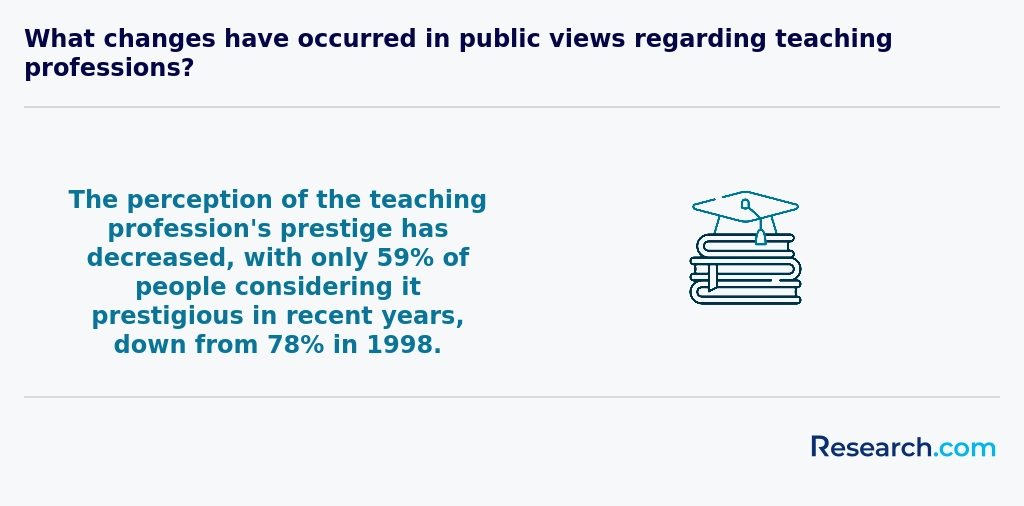
Education careers are valued worldwide for their vital role in shaping society. In the United States, including Ohio, teaching is seen as both a respected profession and a pathway to community impact. According to the Ohio Department of Education, the state has witnessed steady growth in demand for qualified educators over recent years, supporting job stability. Globally, education professionals face diverse challenges and opportunities, but a common emphasis lies on continuous learning and adaptability.
Ohio's online education degrees align well with these global trends by offering flexibility and access to current teaching methodologies. The U.S. Bureau of Labor Statistics projects a 5% growth in education jobs nationally through 2031, underlining the career's worldwide relevance.
Gaining practical experience while studying for an online education degree in Ohio is essential for building skills needed in the classroom. Many Ohio universities incorporate student teaching or practicum placements into their online education programs. These hands-on experiences usually take place in local schools near the student's residence, allowing for real-world application of methods learned online.
Additionally, Ohio requires teacher candidates to complete background checks and meet state licensure standards, which include supervised teaching hours. Internships, volunteer opportunities, and substitute teaching can also provide valuable experience. According to the Ohio Department of Education, completing at least 12 weeks of student teaching is standard practice for licensure.
Partnering with public and private schools in Ohio helps students engage directly with diverse student populations and school environments. This approach ensures online learning translates into meaningful practical skills needed for a successful teaching career in the state.
Choosing the right concentration within an online education degree program in Ohio involves considering your career goals, interests, and the demands of the local job market. Ohio offers various specializations, such as early childhood education, special education, or educational technology. According to the Ohio Department of Education, special education teaching positions are projected to grow due to increasing demand for inclusive classrooms. Exploring concentrations aligned with growing fields can improve employment opportunities after graduation.
Also, review program accreditation and course flexibility. Ohio's Higher Learning Commission accredits many institutions; this ensures quality education recognized by employers.
Finally, consider practical requirements like student teaching placements, which may differ by concentration and institution.
Related Education Rankings for Nearby States
- 2027 Best Online Education Degree Programs Ranking in Indiana
- 2027 Best Online Education Degree Programs Ranking in Kentucky
- 2027 Best Online Education Degree Programs Ranking in Pennsylvania
- 2027 Best Online Education Degree Programs Ranking in Michigan
- 2027 Best Online Education Degree Programs Ranking in Illinois
- 2027 Best Online Education Degree Programs Ranking in Virginia
- 2027 Best Online Education Degree Programs Ranking in North Carolina
- 2027 Best Online Education Degree Programs Ranking in Missouri
- 2027 Best Online Education Degree Programs Ranking in South Carolina
- 2027 Best Online Education Degree Programs Ranking in Georgia
Top Trending Education Rankings
See What Experts Have To Say About Studying Education
Read our interview with Education experts

Nooshan Ashtari
Education Expert
Professor & Book Author
University of Southern California

Alan J. Singer
Education Expert
Professor of Teaching, Learning and Technology
Hofstra University

References
- Guide to Online Education Degrees | OEDb.org https://www.oedb.org/rankings/online-education-programs/
- The Advantages of Studying an Online Degree https://www.falmouth.ac.uk/news/advantages-studying-online-degree
- Why Is Education Important in Your Career Advancement? - KWSP Malaysia https://www.kwsp.gov.my/en/w/article/career-advancement
- Online Master's in Education: Find the Right Ohio School https://www.onlinemastersdegrees.org/best-programs/education/ohio-oh/
- Putting theory into practice: The value of an interdisciplinary approach to teaching https://my.chartered.college/impact_article/putting-theory-into-practice-the-value-of-an-interdisciplinary-approach-to-teaching/
- International teaching and education jobs https://www.tes.com/jobs/search/international
- Know more about thesis vs non- thesis: what is the difference? https://studyfans.com/en/blogs/816
- Seven Major Challenges Facing Education in the 21st Century https://www.internationalschoolparent.com/articles/seven-global-education-challenges/
- targetjobs https://targetjobs.co.uk/careers-advice/teaching-and-education/write-great-application-teacher-training
- Benefits of Networking for Students https://www.melioeducation.com/blog/benefits-of-networking-for-students/


