2027 Best Online Master's in Education Degree Programs Ranking in Missouri

Co-Founder and Chief Data Scientist
For Missouri students considering advancing their careers, choosing the right online master's degree in education is crucial. This article presents the 2027 Best Online Master's in Education Degree Programs Ranking in Missouri, developed by the Research.com team of data scientists to help you make a well-informed decision.
Finding a quality program that fits your goals opens doors to rewarding opportunities in education. Exploring this ranking offers clarity and confidence as you plan your future.
Investing in your education is a powerful step toward growth, and this guide supports you every step of the way.
Key benefits of getting online education degree in Missouri
- Education degree graduates in Missouri often earn competitive salaries, such as Education Managers with a mean annual wage of $129,330 and Curriculum Specialists earning about $77,200 annually.
- Graduates from popular Missouri universities can explore rewarding careers as Higher Education Professors, Education Consultants, or Program Managers, offering diverse opportunities for growth and impact.
- Completing an education degree online provides flexibility and convenience, allowing graduates to balance work and studies more easily while gaining the same respected credentials as traditional programs.
- 2027 Best Online Master's in Education Degree Programs Ranking in Missouri
- What can I expect from online education degree in Missouri?
- Where can I work with online education degree in Missouri?
What can I expect from online education degree in Missouri?
The average cost of an online education degree in Missouri varies, but many students find public universities like the University of Missouri system offer more affordable tuition, especially for in-state learners. Graduates often share how this financial accessibility allowed them to focus on their studies without overwhelming debt. Some report paying significantly less compared to private institutions, which can be quite a bit higher but sometimes provide additional scholarships.
One graduate described balancing work and study while benefiting from targeted financial aid designed specifically for education students. This support made their journey feel attainable and even inspiring, showing that Missouri's institutions genuinely invest in future educators.
Remember, your tuition may cover more than just classes-it often includes access to virtual practicums, mentorships, and local student teaching placements, essential for certification. These practical experiences are priceless in preparing you for real classrooms in Missouri schools.
Exploring payment plans, state scholarships, and university-specific aid can make your degree even more manageable financially, so reaching out early to financial offices at places like Missouri State University is a smart move.
Where can I work with online education degree in Missouri?
With an online education degree in Missouri, graduates find themselves stepping into a world full of rewarding career paths. Many become licensed teachers in both urban districts like Kansas City and St. Louis and in tight-knit rural communities, addressing high-demand subjects such as special education and STEM. Graduates from universities like the University of Missouri and Southeast Missouri State often share how their programs prepared them not only for classroom success but also for meaningful connections with diverse students.
Others pursue leadership roles in schools, taking on positions as principals or curriculum coordinators. Online master's degrees frequently include the certifications necessary for these roles and emphasize practical skills that district administrators value. Some grads love working in higher education-serving as academic advisors or instructional designers at community colleges or state universities, where they support the next generation of learners.
Increasingly, education graduates are becoming vital in educational technology, managing digital tools that enhance learning. Missouri's school districts need these tech-savvy professionals to innovate classrooms and keep pace with modern education demands. Whether in teaching, administration, or tech, Missouri's diverse education job market welcomes motivated graduates ready to make a difference.
Graduates from online education programs at Missouri institutions like the University of Missouri or Missouri State University often find themselves stepping into rewarding careers with promising salaries. For example, becoming an Education Manager can bring a mean annual wage of around $129,330, reflecting the value of advanced knowledge and leadership skills gained through these programs.
Many alumni working as Higher Education Professors report earning mean annual wages near $96,570, showing the financial benefits of specializing in postsecondary teaching. Others who choose roles such as Education Program Managers make approximately $104,920 annually, leveraging their ability to design and oversee impactful education initiatives.
Even those focusing on Curriculum Specialist positions can expect average salaries around $77,200, creating meaningful learning experiences while earning a solid income. Education Consultants, a role combining expertise and flexibility, earn about $95,600 on average, often praised by graduates for the career variety and autonomy it provides.
These figures highlight how Missouri's online education degree grads can confidently pursue careers that not only inspire others but also offer strong financial stability in a variety of education sectors.
- Missouri offers accredited online master's degrees in education recognized by the state's Department of Elementary and Secondary Education (DESE).
- Annual tuition costs range from $8,000 to $15,000, with lower rates often available at public universities for in-state students.
- Education job growth in Missouri is projected at 5% to 7% over the next decade, higher than the national average for education roles.
- Starting salaries for graduates typically range from $45,000 to $55,000 annually, with experienced professionals earning $70,000 or more.
- Many programs prepare students for Missouri state certification exams, which are required for teaching licensure.
- Some online degrees include practicum requirements in local schools to provide hands-on teaching experience.
Completing an online education degree in Missouri generally takes between one and two years of full-time study. Many graduates from universities like the University of Missouri and Missouri State University find that dedicating themselves to 12 credit hours each semester allows them to finish within 18 to 24 months, which aligns perfectly with their busy lives. For those balancing work and family, part-time enrollment is a popular path, often extending the timeline to two or three years but providing the invaluable flexibility needed to succeed.
Imagine a graduate pacing their studies around a full-time job, taking 6 to 9 credit hours per semester; the journey is slower but steady, building confidence and skills without overwhelming pressure. Some students accelerate their progress with eight-week courses or continuous enrollment, a demanding approach but one that energizes those eager to reach their goals faster.
Missouri's data shows that clear degree plans and strong advising are key to completing on time, giving students a roadmap that turns ambition into achievement.
As Missouri’s online education landscape continues to evolve, emerging trends promise to further transform the learning experience and career prospects for future educators. Institutions are increasingly integrating advanced digital tools-including adaptive learning platforms and virtual reality classrooms-to create more engaging, personalized, and interactive environments. These innovations not only enhance academic rigor but also prepare graduates to excel in a technology-driven education market. Additionally, flexible scheduling options and competency-based learning models are gaining traction, allowing students to progress based on mastery rather than seat time. Prospective students are encouraged to monitor developments in micro-credentials and stackable certifications, which provide additional pathways for professional advancement. For those considering accelerated career growth, exploring pathways such as the cheapest edd programs may offer a cost-effective route to achieving advanced qualifications without compromising on quality. Staying informed about these future trends can help you choose a program that not only meets your current educational needs but also positions you for long-term success in a rapidly changing field. Embracing these innovations will empower you to become a forward-thinking educator ready to drive change in Missouri’s dynamic education sector.
The primary difference between online and on-campus education degrees in Missouri lies in how you experience learning. Imagine a graduate from the University of Missouri who juggled teaching full-time while completing her online education degree; she savored the freedom to study late at night, accessing lectures anytime without sacrificing work or family life. This flexibility is a hallmark of online programs offered by Missouri State University and others, letting you balance life's demands more smoothly.
On the other hand, graduates who pursued on-campus degrees in Columbia or Springfield often highlight the rich face-to-face interactions that shaped their confidence and professional networks. They attended lively discussions, labs, and workshops, creating bonds with professors and peers that feel like a second family.
Costs remain competitive between formats, but online learners save on housing and commuting expenses, a practical benefit many appreciate. Whether thriving in a digital classroom or engaging in-person, Missouri's accredited programs offer you the choice to learn in the way that best fits your lifestyle and goals.
Accreditation serves as a seal of approval that your online Master’s in Education program meets rigorous academic and professional standards. In Missouri, reputable programs are typically accredited by the Council for the Accreditation of Educator Preparation (CAEP) or hold regional accreditation through the Higher Learning Commission (HLC). These credentials not only ensure that your coursework is recognized by school districts and state licensure boards but also enable access to federal financial aid and smooth credit transfers if you choose to further your studies. When evaluating potential programs, verify accreditation status on the U.S. Department of Education’s Database of Accredited Postsecondary Institutions and Programs (DAPIP). Pay particular attention to specialized accreditation in areas like special education or educational leadership, as this can impact your eligibility for certain teaching endorsements. Student testimonials often highlight how accredited programs in Missouri offered up-to-date curricula, experienced faculty mentors, and strong partnerships with local K-12 districts-factors that directly enhance classroom readiness and career prospects. Cost-conscious applicants may also explore affordability alongside quality. For a comparative look at budget-friendly options without sacrificing accreditation, see our Low Cost Online Master's in Education Degree Programs Ranking in Minnesota. By prioritizing both accreditation and value, you can confidently invest in an online Education degree that supports your professional growth and long-term success.
The average cost of an online education degree in Missouri often reflects a balance of quality and affordability, making it an inspiring choice for many. Missouri's median total cost is approximately $15,615, with in-state students benefiting from even lower tuition around $12,622. Public universities like the University of Missouri-Columbia and Missouri State University show this through competitive pricing, helping graduates feel confident that their investment aligns well with their career goals.
Many graduates share that the affordability of Missouri's programs eased their decision to pursue higher education, especially compared to the national average, which tends to be higher. Online master's in education tuition fees here typically range within a manageable scope, considering programs generally require between 30 and 36 credit hours.
Understanding the average cost of online education degrees in Missouri helps students plan realistically while embracing the positive energy of pursuing their passion for teaching. Besides tuition, factors like residency status, technology fees, and program formats play a role, making it important to research thoroughly. Graduates from popular institutions often highlight how scholarships and financial aid softened expenses without sacrificing quality.
If you're motivated to find an affordable option, consider exploring resources like the affordable online education school in Missouri, where you can compare programs that fit your budget and ambitions.
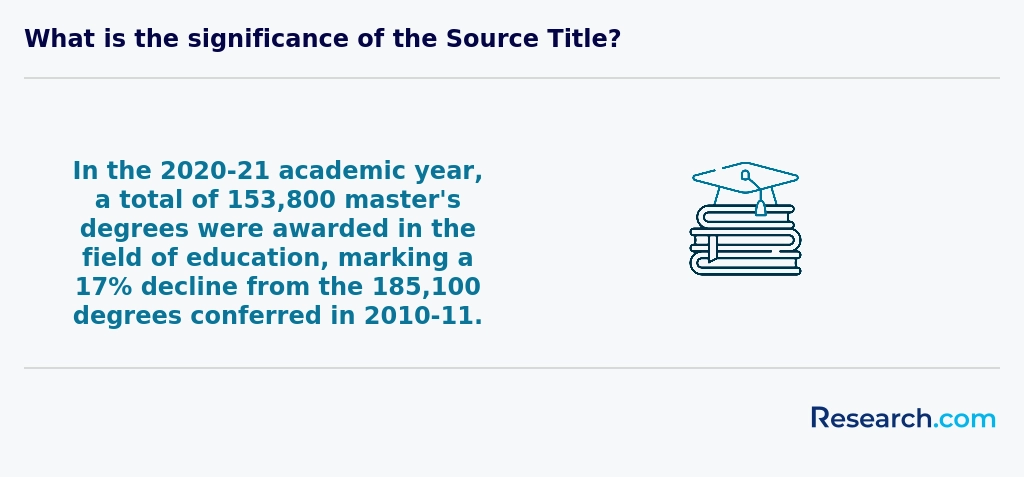
Accreditation is a critical factor when selecting an online master’s in education program in Missouri, as it ensures that your degree will be recognized by employers, state licensure boards, and federal financial aid providers. Prospective students should verify both regional and programmatic accreditation, as well as state approval, to maximize the value and transferability of their credentials. Key accreditations and approvals to look for include:
- Higher Learning Commission (HLC): Regional accreditation that validates institutional quality and eligibility for federal financial aid.
- Council for the Accreditation of Educator Preparation (CAEP) or its predecessor NCATE: Programmatic accreditation that demonstrates adherence to rigorous standards for educator preparation.
- Missouri Department of Elementary and Secondary Education (DESE): State approval required for licensure eligibility and recognition of teaching credentials within Missouri’s K-12 system. Maintaining accreditation also guarantees ongoing program evaluation, continuous improvement, and access to resources such as specialized faculty, research opportunities, and up-to-date curriculum. For those comparing affordability alongside accreditation standards, explore our Low Cost Online Master's in Education Degree Programs Ranking in Minnesota to see how Missouri programs stack up against budget-friendly offerings in the region.
When pursuing an online education degree in Missouri, financial aid options are both accessible and varied, designed to help you achieve your goals without overwhelming debt. Many graduates from the University of Missouri system and Missouri State University have found federal financial aid to be a vital starting point. Programs like Pell Grants, federal loans, and Work-Study opportunities can ease the financial burden, especially when you diligently complete the FAFSA every year.
State aid, especially the Missouri Access Program (MAP), provides need-based grants that can significantly lower costs for in-state students, though eligibility can vary by school and program. For example, students at Missouri Western State University often tap into these grants to supplement their finances.
Scholarships targeting education majors are abundant and rewarding. Graduates frequently share how scholarships aimed at those committed to teaching in underserved Missouri communities or specializing in areas like STEM have given them a meaningful boost. Meanwhile, employer tuition reimbursement programs are a real game-changer for working professionals, allowing many to balance work and study while furthering their careers.
Ensuring your online Master’s in Education is fully accredited is critical for career advancement, licensure eligibility, and transferability of credits. In Missouri, reputable programs typically hold: • Regional Accreditation: Look for institutions accredited by the Higher Learning Commission (HLC), which validates overall academic quality. • Specialized Accreditation: The Council for the Accreditation of Educator Preparation (CAEP) or state education boards ensure teacher preparation meets rigorous professional standards. • State Approval: Missouri Department of Elementary and Secondary Education (DESE) approval confirms alignment with state licensure requirements. Benefits of attending an accredited program:
- License Eligibility: Graduates from CAEP-accredited programs are more readily accepted by state certification bodies.
- Credit Transfer: Regional accreditation facilitates acceptance of graduate credits for doctoral or certificate programs.
- Financial Aid Access: Only accredited institutions qualify for federal loan and grant programs. Tips for Verification: 1. Visit the HLC directory or CAEP website to confirm institutional and program accreditation. 2. Check Missouri DESE listings for approved online educator preparation providers. 3. Review each program’s accreditation expiration date and any sanctions or probationary statuses. For those exploring cost-effective, high-quality options beyond Missouri, compare our findings in neighboring states by reviewing the Low Cost Online Master’s in Education Degree Programs Ranking in Minnesota, which highlights accredited programs designed for budget-conscious educators.
To embark on your journey toward an online education degree in Missouri, you'll first need a bachelor's degree from an accredited institution-ideally in education or a related field. Many graduates from prominent Missouri schools, like Missouri State University and the University of Missouri system, share how this foundation prepared them for the rigorous yet rewarding master's programs ahead. If your undergraduate major differs, don't be discouraged; completing some additional coursework can open the door for you.
Official transcripts with a solid GPA-usually around 3.0-are essential. This reflects your readiness and dedication, qualities admired by admissions committees. You might have heard memories from graduated peers who once worried about GRE scores, but many Missouri programs now waive or make these optional, focusing instead on your professional experience and academic record.
If your passion lies in specialized fields like teacher leadership, having a valid Missouri teaching license is a huge advantage. Imagine confidently stepping into virtual classrooms, knowing your state credentials back you up. Letters of recommendation and a heartfelt statement of purpose will showcase your motivation and goals, helping admission panels see the unique story you bring.
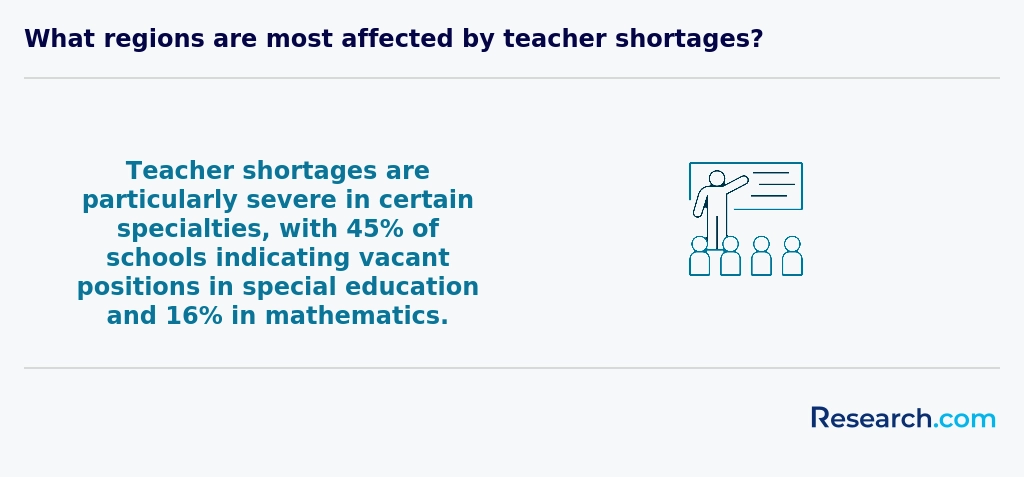
When considering an online education degree in Missouri, affordability is a critical factor. Prospective students should research programs that offer a balance between quality education and manageable costs. For instance, looking into an affordable online education school in Missouri can be a pivotal step in making informed decisions. Understanding the financial aspects of online education can help alleviate concerns and enable students to focus on their academic and professional goals. Key considerations include tuition fees, financial aid options, and potential return on investment in terms of career opportunities and salary expectations. By weighing these factors, individuals can make smart choices about their educational investments, setting themselves up for success in their future careers.
When pursuing an online education degree in Missouri, you'll dive into courses designed to build both foundational knowledge and practical skills vital for today's classrooms. Graduates from universities like the University of Missouri or Missouri State University often highlight how courses such as Educational Psychology helped them understand student motivation and behavior-key for making lessons resonate personally with diverse learners.
Courses like Curriculum Design and Instruction equip you to craft engaging, effective lesson plans, something every graduate remembers as their first step in shaping meaningful learning experiences. Classroom Management teaches strategies to foster respect and productivity-imagine confidently managing a lively classroom because you've mastered these tools.
Missouri's programs also emphasize Assessment and Evaluation, vital for measuring student progress and adjusting teaching methods that truly make a difference. Online students appreciate how Educational Technology courses prepare them to integrate digital tools seamlessly, a must-have skill in today's blended learning environments.
Special education and research-focused classes further deepen your ability to support all students and contribute to advancing educational practices, making your degree not just a credential but a toolkit for real change across Missouri's classrooms.
When exploring an online education degree in Missouri, you'll find a rich variety of specializations designed to match your passions and career objectives. Graduates from renowned institutions like the University of Missouri and St. Louis Community College have embraced pathways such as Curriculum and Instruction, where they learn to craft engaging lessons and effectively integrate technology into their classrooms. Others thrive in Educational Leadership and Administration, preparing to lead schools with confidence and innovative strategies.
Special Education is a deeply rewarding focus for those committed to supporting students with diverse learning needs, while Reading and Literacy specialization equips professionals with targeted methods to boost student success in literacy. Early Childhood Education graduates often share heartfelt stories about making a positive impact on young learners and their families. These choices reflect the flexibility and practicality that Missouri online master's in education concentrations offer, perfectly aligning study with local licensure goals.
If budget is a concern, researching the cheapest edd programs can guide you toward affordable yet high-quality options that empower your educational journey.
To choose the best online education degree in Missouri, start by prioritizing accreditation. Graduates from well-known institutions like the University of Missouri or Missouri State University often share how accreditation gave their degrees credibility with employers and helped open doors. Programs approved by bodies such as the Council for the Accreditation of Educator Preparation (CAEP) ensure you're investing in a quality education recognized across the state.
Cost matters deeply, especially for hardworking professionals balancing budgets. Many students find that tuition between $7,000 and $15,000 annually in public schools aligns with their financial plans, especially when combined with scholarships or aid. For those seeking affordable options, exploring the Low Cost Online Master's in Education Degree Programs Ranking in Minnesota can provide ideas outside Missouri while keeping costs manageable.
Flexibility makes a real difference. Graduates juggling family and jobs praise programs offering asynchronous courses, allowing study on their own time. Look for programs tailored to your career goals, whether in educational leadership or curriculum design, ensuring your degree matches Missouri's unique licensure paths. This approach personalizes your journey and keeps motivation high.
With these insights, you can confidently navigate the landscape of best online education degree programs Missouri offers and move forward with excitement and clarity.

Graduates with an online education degree in Missouri find rewarding career opportunities in many educational settings. Many become licensed K-12 teachers, a path well supported by Missouri's teaching certificate requirements and master's programs at institutions like the University of Missouri and Missouri State University. These graduates often feel fulfilling success shaping young minds in both urban and rural classrooms.
Others use their degree to move into specialized roles such as school counselors or instructional coordinators, helping shape educational programs behind the scenes. Missouri's growing demand for experts in special education and STEM fields creates a vibrant job market for those committed to these impactful careers. Many graduates appreciate how their online programs allowed flexibility while preparing them for these meaningful roles.
Career opportunities with education degree Missouri also extend beyond traditional schools into adult education, corporate training, or educational technology. For example, graduates working in workforce development programs help local industries thrive by designing dynamic training sessions. Those considering cost-effective options may explore the Low Cost Online Master's in Education Degree Programs Ranking in Minnesota as part of their planning process.
The job market for online education degree jobs Missouri offers promising prospects for graduates ready to make an impact. Many have found rewarding roles as K-12 teachers, school counselors, and educational administrators across the state. Graduates from well-known Missouri universities who pursued their degrees online share how the flexibility of their programs helped them balance work, family, and study while positioning them for in-demand roles, especially in urban districts like Kansas City and St. Louis. These areas provide abundant opportunities due to larger student populations and ongoing teacher needs.
Rural parts of Missouri also present encouraging openings, particularly for those specializing in special education or STEM fields. The Missouri Department of Higher Education and Workforce Development actively supports online education pathways, helping graduates quickly gain credentials necessary for licensure and career advancement. For those exploring options, there's valuable guidance available from college open enrollment programs that widen access and affordability. Overall, the job prospects for education graduates Missouri hold strong potential for a meaningful and stable career.
2027 Best Online Master's in Education Degree Programs Ranking in Missouri
Investing in your education is a significant decision that can shape your future, and the Research.com team understands the importance of making informed choices. To assist prospective students in Missouri, we have meticulously crafted the "2027 Best Online Master's in Education Degree Programs Ranking in Missouri." Our commitment to quality, credibility, and accuracy is reflected in the extensive research and analysis conducted to compile this ranking.
We utilized the following reputable data sources to ensure a comprehensive evaluation of education programs:
By exploring this ranking, readers will gain valuable insights into the top online master's in education programs in Missouri, helping them make confident and well-informed decisions about their academic future. For a detailed explanation of our approach, please visit our Research.com methodology page.

# 2 position
Southeast Missouri State University
Master of Teaching English to Speakers of Other Languages (TESOL)



# 10 position
Missouri State University-West Plains
Master of Educational Administration
Frequently Asked Questions About education
Students pursuing online education degrees in Missouri can enhance their learning experience by actively engaging in virtual classrooms and utilizing available resources. Missouri ranks among the top states for digital learning infrastructure, with many public institutions offering robust support services such as tutoring and technology help desks.
Regular communication with instructors and participation in discussion boards improves understanding and retention. Building study groups with peers through online forums can also provide collaborative learning opportunities.
Furthermore, time management is crucial; using planners or apps to schedule study hours helps students balance coursework with personal obligations effectively.
According to the Missouri Department of Higher Education & Workforce Development, students who utilize academic support services are 30% more likely to complete their degree on time.
Emerging niches within the education field reflect shifting demands both nationally and in Missouri. One growing area is educational technology, which blends teaching expertise with digital tools to improve learning outcomes. Missouri's increasing investment in remote learning infrastructure highlights this trend, especially after 2020.
Special education remains crucial, with Missouri reporting a steady rise in demand for qualified professionals to support diverse learners in inclusive settings. According to the Missouri Department of Elementary and Secondary Education, special education vacancies have increased by over 10% in recent years.
Another developing niche is culturally responsive teaching, addressing the need for educators skilled in diversity, equity, and inclusion to support Missouri's increasingly diverse student population. This expertise is often integrated within leadership and curriculum design programs.
Preparing for the job market after completing an online education degree in Missouri involves several key steps. First, graduates should obtain proper certification, as Missouri requires teacher licensure through the Department of Elementary and Secondary Education. This often includes passing the Missouri General Education Assessment.
Networking is equally important; joining professional organizations like the Missouri State Teachers Association can improve job prospects and provide resources.
Internships or student teaching experiences gained during the degree program offer valuable practical skills. Additionally, leveraging Missouri's Career Centers and job boards targeted to education professionals increases chances for employment.
According to most recent Missouri Department of Labor data, education-related occupations continue to grow steadily, highlighting the need for thorough preparation.
Employers in Missouri seeking graduates with education degrees prioritize strong communication skills. According to the Missouri Department of Elementary and Secondary Education, effective verbal and written communication is essential for working with students, parents, and colleagues. Additionally, classroom management abilities are highly valued, helping teachers maintain a productive learning environment.
Data from the National Center for Education Statistics highlights the importance of adaptability and technology use, as Missouri schools continue integrating digital tools. Critical thinking and problem-solving skills stand out, enabling graduates to address diverse student needs.
Finally, cultural competence and collaboration are crucial in Missouri's increasingly diverse classrooms, preparing educators to support all learners effectively.
Finding internships in Missouri that complement an online education degree involves several strategic steps. Students should start by utilizing resources offered by their university's career services, which often include partnerships with local schools and educational organizations. According to the Missouri Department of Elementary and Secondary Education, many internships are available in K-12 public schools, providing practical classroom experience.
Additionally, the Missouri Association of Colleges for Teacher Education (MACTE) helps connect students with regional internship opportunities. Networking through professional groups such as the Missouri National Education Association can also open doors to internships. Online job platforms like Handshake and Indeed frequently post education internship listings specifically for Missouri locations.
Securing an internship often requires proactive outreach, submitting tailored applications, and aligning with the Missouri standards for educator preparation programs, which emphasize classroom readiness and instructional skills.
Obtaining an online education degree in Missouri can significantly enhance career mobility and advancement opportunities. The Missouri Department of Elementary and Secondary Education highlights that educators with advanced degrees often qualify for higher salary tiers and leadership roles.
In Missouri, over 60% of school districts award salary increases to teachers holding a master's degree or higher. This financial incentive encourages professionals to pursue online master's programs, which offer flexibility without disrupting current employment.
Furthermore, an online education degree equips graduates with up-to-date teaching methodologies and leadership skills, helping them move into administrative or specialized instructional positions more rapidly.
Studying for an education degree in Missouri provides strong preparation for interdisciplinary roles by integrating diverse subjects and applying practical skills. Missouri's online education programs emphasize collaboration among fields like psychology, sociology, and technology, reflecting the complexity of modern educational environments. According to the Missouri Department of Higher Education & Workforce Development, many programs align with state standards promoting cross-disciplinary competencies. This approach equips graduates to work effectively with specialists in areas such as special education, counseling, and curriculum design.
Missouri's online education degrees also incorporate research methods and data analysis, enhancing educators' ability to address varied learning needs. This broad foundation supports career flexibility in schools, community programs, and policy settings.
When choosing between a thesis and a non-thesis education degree program in Missouri, consider your career goals and learning preferences. Thesis programs typically require original research, helping students develop strong analytical and writing skills, which benefits careers in academia or research. Non-thesis programs often focus on coursework and practical experience, suitable for those pursuing administrative or teaching roles.
Missouri schools offering online education degrees, like the University of Missouri system, emphasize flexibility to accommodate working professionals. According to the Missouri Department of Higher Education, about 65% of graduate students prefer applied learning over research-intensive studies. This trend affects program popularity and structure.
Evaluate how each program aligns with your professional ambitions and available time. Also, contact program advisors to discuss specifics like workload and outcomes before deciding.
Students based in Missouri who want to study education abroad have several options through international partnerships offered by many U.S. institutions. While fully online degrees are common, some Missouri universities collaborate with global universities to provide study abroad components or exchange programs. These programs often allow students to gain international experience while completing accredited education degrees.
Missouri's higher education system encourages global learning; for example, the University of Missouri offers education students opportunities to participate in international internships and study tours. Additionally, students can pursue joint online programs with foreign universities, though these remain less frequent.
It is important for students to verify that foreign coursework or degrees meet Missouri's licensure requirements, which are regulated by the Missouri Department of Elementary and Secondary Education (DESE). More information on accredited programs can be found on DESE's official site.
Part-time job opportunities in Missouri that complement education degree studies often involve roles directly related to teaching and administration. Many students find positions as teacher aides or substitute teachers within Missouri's public schools, gaining practical classroom experience while continuing their education. According to the Missouri Department of Elementary and Secondary Education, substitute teaching jobs typically require minimal certification and offer flexible hours.
Additionally, tutoring services, both in-person and online, provide valuable teaching practice. Local libraries and community centers also hire part-time education support staff, which helps build skills in lesson planning and student engagement.
Online education students in Missouri benefit from numerous networking opportunities offered by universities and professional organizations. Many Missouri institutions, such as the University of Missouri and Webster University, provide virtual networking events, workshops, and alumni groups specifically for online learners. These platforms enable students to connect with peers, faculty, and education professionals across the state.
Missouri also hosts active chapters of national education organizations, including the Missouri Association of Colleges for Teacher Education (MACTE), which fosters collaboration and professional growth. According to MO Department of Higher Education, these connections can improve job prospects and support continuing professional development.
Alumni networks play a crucial role for students pursuing online education degrees in Missouri. These networks offer access to a broad community of graduates, providing valuable opportunities for mentorship and professional guidance. According to the Missouri Department of Higher Education, institutions with strong alumni connections often report higher job placement rates for graduates.
For online students who may lack on-campus interaction, alumni groups help build essential professional relationships. Networking through events, social media, and local chapters can lead to internships, job openings, and collaborations. Furthermore, alumni often share industry insights specific to Missouri's education landscape, strengthening career readiness.
Research also shows that engaged alumni networks increase student motivation and retention, which benefits degree completion rates statewide.
Online education degree programs in Missouri offer flexible options to tailor your studies according to your career goals. Many universities allow students to select specialized concentrations such as curriculum design, educational leadership, or special education.
Customizable course paths enable you to focus on areas that enhance your professional skills, which is important given Missouri's growing demand for qualified educators. According to the Missouri Department of Higher Education & Workforce Development, emphasis on leadership and inclusive education is rising statewide.
Additionally, you can often choose electives or pursue certifications like Reading Specialist or Principal Licensure alongside your degree. This flexibility helps align your studies with local school district needs, improving job market readiness within Missouri's education sector.
Online education students in Missouri often face challenges related to access and engagement. According to the Missouri Department of Higher Education, around 15% of the state's population lives in rural areas, where high-speed internet access can be limited, affecting the ability to participate fully in online coursework.
Many students also report difficulties in balancing work, family, and study commitments, as adult learners make up a significant portion of online degree candidates in Missouri. Time management and self-motivation are critical but challenging skills to develop without direct campus support.
Another common issue is the variability in program quality and state licensure requirements, particularly for education degrees. Students must carefully evaluate if their online program aligns with Missouri's Teacher Certification standards.
With an online education degree in Missouri, you can pursue several professional certifications that enhance your teaching career. One common certification is the Missouri Teaching Certificate, required for public school educators. Many programs align with this credential, allowing graduates to prepare for state licensure exams.
Additionally, educators can seek National Board Certification, a prestigious recognition by the National Board for Professional Teaching Standards, which many Missouri teachers pursue to demonstrate advanced skills.
Specialty certifications, such as those in special education, reading instruction, or educational leadership, are also available. These can support career advancement and meet Missouri Department of Elementary and Secondary Education requirements.
To craft a winning application for an online education program in Missouri, start by thoroughly researching programs that fit your career goals. Highlight your academic background, especially any prior teaching or educational experience, as Missouri values practical expertise. Missouri ranks among the states with growing education technology initiatives, so emphasize your adaptability to digital learning environments.
Be clear and concise in your personal statement, demonstrating your commitment to education and how the program will help meet Missouri's specific educational challenges. Include relevant certifications, like a Missouri teaching license if applicable.
Strong letters of recommendation from educators or supervisors familiar with your skills can significantly enhance your application. Additionally, meet all deadlines and submit all required documents to avoid disqualification.
Education careers are increasingly viewed through a global lens, reflecting the interconnected nature of today's workforce. In the United States, including Missouri, teachers and education professionals are expected to understand diverse cultural perspectives and global competencies.
According to the Missouri Department of Elementary and Secondary Education, about 100,000 educators work in the state, highlighting the scale of the profession locally. Globally, education emphasizes preparing students for a worldwide society, promoting skills like critical thinking and collaboration across cultures.
US higher education institutions, including many offering online degrees in Missouri, are integrating global themes into their curricula. This approach equips educators to meet the demands of diverse classroom environments and international educational standards.
Gaining practical experience while studying for an online education degree in Missouri is essential for career readiness. Many institutions in the state incorporate fieldwork or practicum components into their programs, allowing students to apply theory in real classrooms. Missouri's Department of Elementary and Secondary Education (DESE) requires teacher candidates to complete a supervised student teaching experience, which is often arranged locally near the student's residence.
Online students can also seek internships or assistant positions in nearby schools or educational organizations. Virtual simulations and interactive coursework provide additional hands-on opportunities, enhancing practical skills.
Networking through Missouri-based education associations helps connect students with local mentors and job placements. According to DESE, these experiences improve employment outcomes and classroom performance for graduates.
Choosing the right concentration within an online education degree in Missouri depends on your career goals and interests in the education field. Common concentrations include curriculum and instruction, educational leadership, special education, and counseling. Missouri's Department of Elementary and Secondary Education reports that leadership roles in schools pay an average of 15% more than teaching positions, which might influence your decision.
Research program accreditation to ensure quality and eligibility for Missouri state licensure. Review your desired career path-whether classroom teaching, administration, or support services-and select a concentration that aligns with it.
Many online programs offer flexibility for working professionals and Missouri residents. Check graduation and certification rates to gauge program effectiveness, as these widely vary across institutions.
- 2027 Best Online Master's in Education Degree Programs Ranking in Kansas
- 2027 Best Online Master's in Education Degree Programs Ranking in Iowa
- 2027 Best Online Master's in Education Degree Programs Ranking in Illinois
- 2027 Best Online Master's in Education Degree Programs Ranking in Kentucky
- 2027 Best Online Master's in Education Degree Programs Ranking in Indiana
- 2027 Best Online Master's in Education Degree Programs Ranking in Minnesota
- 2027 Best Online Master's in Education Degree Programs Ranking in Wisconsin
- 2027 Best Online Master's in Education Degree Programs Ranking in Colorado
- 2027 Best Online Master's in Education Degree Programs Ranking in Ohio
- 2027 Best Online Master's in Education Degree Programs Ranking in North Dakota
See What Experts Have To Say About Studying Education
Read our interview with Education experts

Nooshan Ashtari
Education Expert
Professor & Book Author
University of Southern California


- The importance of networking in the education sector https://www.tlclive.com/blog/the-importance-of-networking-in-the-education-sector
- Skills Employers Look for in Business Graduates – EU Business School https://www.euruni.edu/blog/skills-employers-look-for-in-business-graduates/
- Online Colleges in Missouri | OEDb.org https://www.oedb.org/missouri/
- Online Degree vs. Traditional | University of Arkansas Grantham https://www.uagrantham.edu/blog/pros-cons-online-degree-vs-traditional-university/
- The Advantages of Studying an Online Degree https://www.falmouth.ac.uk/news/advantages-studying-online-degree
- My Experience with Online Learning | Leeds Beckett University https://www.leedsbeckett.ac.uk/blogs/student-blog-squad/2020/09/my-experience-with-online-learning/
- How to Write a Great Letter of Intent for a Teaching Job | Zen Educate https://www.zeneducate.com/us/resources/becoming-a-teacher/how-to-write-letter-of-intent-teaching-job/
- Education Study Abroad | CIEE https://www.ciee.org/go-abroad/college-study-abroad/programs/subjects-disciplines/education-study-abroad
- International teaching and education jobs https://www.tes.com/jobs/search/international
- Putting theory into practice: The value of an interdisciplinary approach to teaching https://my.chartered.college/impact_article/putting-theory-into-practice-the-value-of-an-interdisciplinary-approach-to-teaching/