
2027 Most Affordable Online Master's in Education Degree Programs Ranking in Minnesota

Co-Founder and Chief Data Scientist
Looking for an affordable way to advance your career in education? This article presents the 2027 Most Affordable Online Master's in Education Degree Programs Ranking in Minnesota, developed by the Research.com team of data scientists.
It is designed to help you discover quality programs that fit your budget and goals. Pursuing a master's in education opens doors to new opportunities and personal growth.
Explore this ranking to make confident, informed decisions about your future-because investing in education can truly transform your life.
Key benefits of getting online education degree in Minnesota
- Education degree graduates in Minnesota can earn strong salaries, such as Education Managers averaging $129,330 and Education Program Managers earning around $104,920 annually.
- Graduates from the University of Minnesota often pursue diverse careers including Curriculum Specialist, Education Consultant, and Higher Education Professor, offering rewarding opportunities in schools and organizations.
- Online education degrees, like those from St. Cloud State University, provide flexibility for busy adults, allowing them to balance work and study while gaining the same respected credentials as traditional programs.
- 2027 Most Affordable Online Master's in Education Degree Programs Ranking in Minnesota
- What can I expect from online education degree in Minnesota?
- Where can I work with online education degree in Minnesota?
What can I expect from online education degree in Minnesota?
The average annual tuition cost for an online education master's degree in Minnesota ranges from $10,000 to $20,000 at public universities, making it a financially accessible option compared to many out-of-state programs. Graduates from institutions like the University of Minnesota and St. Cloud State often share how affordable tuition, combined with available financial aid and scholarships for state residents, significantly eased their educational journey.
These programs typically allow flexibility for working professionals, balancing coursework with personal commitments. Many students recount managing their studies alongside jobs and family, appreciating the asynchronous classes offered by schools such as Bemidji State University. The affordability paired with practical scheduling helps reduce stress and supports persistence through the degree.
Further, Minnesota's commitment to education ensures that tuition investment comes with quality programs aligned with state licensure requirements, which graduates find invaluable when advancing their careers in teaching or administration within local school districts.
Where can I work with online education degree in Minnesota?
Graduates with an online education degree in Minnesota can find diverse employment opportunities across public and private K-12 schools, higher education institutions, and educational administration. With over 320,000 K-12 students enrolled during the 2022-2023 school year, public schools offer a steady demand for licensed teachers, ranging from elementary education to special education and leadership roles. Many graduates from the University of Minnesota and Minnesota State system share their satisfaction in seamlessly transitioning into classrooms thanks to programs aligned with Minnesota Department of Education certification requirements.
Beyond teaching, career paths include becoming principals, curriculum coordinators, or instructional designers. The state employed more than 22,000 education administrators in 2023, demonstrating growth in these leadership roles. Graduates often highlight how their online programs prepared them for these challenges.
Higher education roles in academic advising and faculty positions are also common, especially at institutions valuing flexible online education backgrounds. Additionally, some pursue careers in education policy, nonprofit organizations, or corporate training, benefiting from Minnesota's innovative educational programs and partnerships focused on equity and growth.
Graduates with online education degrees from Minnesota institutions such as the University of Minnesota and St. Cloud State University report competitive earning potentials. Entry-level roles like preschool and K-12 teachers generally earn between $50,000 and $70,000 annually, with those holding master's degrees often seeing increases of 10% to 15%, pushing their salaries to the $55,000-$80,000 range.
More specialized roles reflect even stronger compensation. For example, education consultants in Minnesota average a mean annual wage of $95,600, according to BLS data, while curriculum specialists earn around $77,200. Education program managers see salaries near $104,920, and education managers, often found in school districts or educational nonprofits, command mean wages of approximately $129,330.
Graduates feel reassured knowing that these salary figures align with their qualifications earned online and often appreciate flexible career trajectories. The strong demand in metropolitan areas like Minneapolis-Saint Paul adds to growing opportunities and financial rewards for Minnesota education graduates pursuing online degrees.
- Many public and private universities in Minnesota offer fully online or hybrid education master's programs suitable for balancing study with work and personal life.
- Tuition for online education master's degrees ranges from $15,000 to $30,000, with lower rates often available for in-state students at public universities.
- Entry-level educators with a master's degree in education typically earn between $50,000 and $55,000 annually, with potential increases to $75,000-$80,000 for advanced roles.
- The job market for education graduates is steady, with strong demand for special education teachers, school counselors, and educational administrators.
- Online programs comply with Minnesota licensure requirements, including approved teacher preparation and required exams for K-12 certification.
Completing an online education degree in Minnesota generally takes between 18 and 36 months for a master's program, depending on whether the student attends full-time or part-time. Graduates from the University of Minnesota often complete their master's in education in about two years with full-time study, balancing coursework with professional responsibilities. Part-time students typically extend this timeframe, appreciating the flexibility to work while studying.
Bachelor's degrees in education usually require around four years of full-time study, similar to on-campus programs. However, accelerated options at schools like Minnesota State University allow some learners to finish in under three years by transferring applicable credits or leveraging prior experience. Students juggling jobs or family find part-time enrollment invaluable, even if it means a longer commitment.
Most programs require between 30 to 45 credit hours for a master's and approximately 120 credit hours for a bachelor's, with practicum components completed locally. These hands-on experiences deepen engagement, making Minnesota's online education degrees both accessible and rewarding for working adults pursuing advanced credentials.
Earning an online master’s in education is only the first step toward a rewarding teaching career in Minnesota; obtaining the appropriate state licensure ensures you’re fully authorized to lead classrooms and advance professionally. Minnesota’s Professional Educator Licensing and Standards Board (PELSB) mandates a structured certification pathway that includes approved coursework, standardized assessments, and practical experience. 1. Complete an Approved Teacher Preparation Program • Enroll in a PELSB-approved online or hybrid education program that integrates both pedagogical theory and supervised student teaching. • Verify that your institution’s accreditation meets Minnesota’s standards (e.g., CAEP or NCATE). 2. Pass Required MTLE Examinations • Basic Skills Test: Demonstrates foundational reading, writing, and mathematics proficiency. • Content Test: Validates subject-matter expertise in your chosen teaching field (e.g., elementary, secondary, special education). • Pedagogy Test: Assesses instructional strategies and classroom management skills. 3. Submit Your Licensing Application • Create an account on the Educator Licensing ePortfolio system. • Upload official transcripts, exam score reports, and background check/fingerprinting verification. • Pay the application fee and track your application status online. 4. Maintain and Upgrade Your License • Complete ongoing professional development (minimum 125 renewal credits every five years). • Pursue additional endorsements (e.g., ESL, Reading Specialist) to expand your career opportunities. For prospective students weighing cost considerations or exploring out-of-state programs, be sure to review the Cheapest Online Education Degree Programs Ranking in Virginia Beach, VA to compare tuition rates, accreditation, and licensure alignment. Following these steps will help you transition seamlessly from graduation to a fully certified teaching professional in Minnesota.
Online and on-campus education degree programs in Minnesota differ mainly in delivery, cost, and interaction. For instance, graduates from the University of Minnesota who chose on-campus study recall the value of face-to-face classrooms, where direct engagement with professors and peers fosters dynamic discussions and instant feedback. This traditional approach offers structured schedules and easy access to campus libraries and study groups.
Conversely, graduates from St. Cloud State University's online education program highlight the flexibility to balance coursework with full-time jobs or family needs, studying from home or anywhere in the state. Online programs also help reduce commuting and housing expenses, though some students note occasional technology fees.
Tuition for public university graduate education programs in Minnesota averages about $15,000 annually, consistent across both formats. Practicum experiences required for teacher licensure, however, remain in-person regardless of the program type, ensuring hands-on classroom practice.
Online students benefit from virtual advising and digital communities but may feel less connected compared to the rich networking opportunities on-campus students enjoy. These factors help prospective students align their choice with personal circumstances and learning preferences.
A clear, organized application can significantly boost your chances of admission into an online Master’s in Education program in Minnesota. Start by researching each institution’s deadlines-most programs have fall, spring, and sometimes summer intakes. Create a calendar that includes dates for submitting transcripts, test scores (if required), recommendation letters, and personal statements. Next, gather all necessary documents: • Official transcripts from accredited institutions (ensure they meet Minnesota Board of Teaching requirements) • A current résumé highlighting teaching experience, volunteer work, or leadership roles in education • Two to three letters of recommendation from supervisors or faculty familiar with your instructional or leadership skills • A personal statement that articulates your career goals and how the program’s curriculum aligns with them When crafting your personal statement, focus on specific examples of classroom challenges you’ve overcome or projects you’ve led-this demonstrates both reflective practice and leadership potential. Tailor each statement to reflect unique features of the Minnesota programs you’re targeting, such as their emphasis on educational equity or technology integration. Don’t forget to explore additional affordable pathways. If you’re considering expanding your search beyond Minnesota, see our Cheapest Online Education Degree Programs Ranking in Virginia Beach, VA for comparative tuition rates and support services. Finally, submit your FAFSA as early as October to maximize eligibility for state and federal aid, and schedule a brief interview or information session with an admissions counselor to showcase your enthusiasm and prepare for any follow-up questions.
The average cost of an online education degree in Minnesota typically centers around $17,509, based on median total expenses. For in-state students, costs are lower, often near $11,520, offering significant savings for residents pursuing online master's programs in education. Out-of-state students generally face higher tuition, with median costs approaching $23,040. These figures reflect a range of tuition structures across the state's universities and colleges, combining both public and private institutions.
Graduates from well-known Minnesota universities often highlight the balance between cost and quality, noting how public schools provide affordable credit hour rates-usually between $400 and $600-while still delivering comprehensive online curricula. Private colleges tend to have higher rates, sometimes exceeding $1,000 per credit hour, but they also offer enhanced resources that many find valuable. Students pursuing an affordable online master's in education Minnesota can strategically select programs that match their financial and career goals.
Ancillary fees such as technology and graduation costs add to the overall investment but are generally modest. Many students find that financial aid, scholarships, and tuition assistance programs targeted at educators provide meaningful support. In fact, Minnesota's participation in state and federal aid programs helps ease financial pressure for online learners committed to advancing in education careers.
Prospective students are encouraged to thoroughly assess all expenses and benefits when exploring online options. Those interested in comparing program affordability can explore affordable education programs in Minnesota to find tailored options that suit their needs.

To make the most out of your online education degree in Minnesota, it's essential to consider programs that align with your career aspirations and budget. Many institutions offer a range of specializations and courses that can be tailored to meet your specific needs. For instance, if you're interested in pursuing a career in educational leadership, you might look for programs that emphasize administration and policy development. Additionally, exploring affordable education programs in Minnesota can help you find a program that fits your financial situation while still providing a high-quality education. By carefully evaluating your options and choosing a program that aligns with your goals, you can set yourself up for success in your future career.
Students pursuing online education degrees in Minnesota have access to multiple financial aid options that make their studies more affordable. By completing the FAFSA, learners can qualify for federal Direct Unsubsidized Loans and Federal PLUS Loans, crucial for covering costs since graduate students typically do not qualify for Pell Grants. For instance, graduates from the University of Minnesota often report leveraging these federal loans to manage tuition expenses while focusing on their coursework.
State-specific aid programs such as the Minnesota GI Bill provide veterans with educational benefits that apply to many online education programs, easing financial stress. Additionally, the Minnesota State Grant offers assistance primarily to undergraduates but can benefit some online learners depending on their enrollment status.
Colleges like Minnesota State University support students with merit-based scholarships rewarding academic performance and need-based grants addressing financial challenges. Graduates frequently share how institutional advisors helped them navigate these options, transforming what seemed like an overwhelming financial burden into a manageable investment in their future careers.
Professional organizations also play a role, with entities like the Minnesota Education Foundation granting scholarships to those pursuing licensure or certifications, enhancing access to specialized funding.
Completing an online master’s in education is only part of the journey-obtaining your Minnesota teaching license ensures you’re qualified to lead a classroom. Minnesota offers several certification pathways, each aligned with specific grade bands and subjects: • Initial License: Required for first-time teachers and valid for five years. • Professional License: Renewable every five years, requiring completion of an approved induction program and 125 continuing education hours. • Tiered Licensure: Available for career and technical educators, offering licenses in specialized areas like special education and ESL. Key steps to certification: 1. Degree Alignment: Ensure your program includes all state-required pedagogy courses and supervised student teaching hours. 2. Content Exams: Pass the Minnesota Teacher Licensure Examinations (MTLE) for your subject and grade level. 3. Background Check: Complete fingerprinting and submit clearance forms to the Minnesota Department of Education. 4. Application: Submit official transcripts, exam scores, and a licensure application online. Many online programs integrate licensure support-mentorship, exam prep workshops, and guidance on documenting practicum hours. Prospective students should verify that their chosen institution is approved by the Minnesota Board of Teaching. For those comparing affordability and out-of-state options, it’s helpful to review other rankings, such as the Cheapest Online Education Degree Programs Ranking in Virginia Beach, VA, to understand cost structures and licensure support services offered elsewhere.
Enrolling in an online education degree in Minnesota typically requires a bachelor's degree in education or a related field from an accredited institution. For example, graduates from the University of Minnesota and St. Cloud State University often share how fulfilling prerequisite coursework in educational psychology and curriculum development helped them build confidence before starting their master's programs. Some programs accept students from diverse academic backgrounds, requiring them to complete foundational courses to ensure readiness.
Applicants usually must provide official transcripts showing a minimum GPA of 3.0 on a 4.0 scale, reflecting Minnesota public universities' standards. Many students find this benchmark motivating, as it aligns with national expectations and encourages academic excellence. While GRE scores were once common, several Minnesota institutions have waived this to make education more accessible, a change appreciated by working professionals balancing studies and family.
Practical teaching experience is valued, especially for advanced degrees like the M.Ed., with many graduates noting that their classroom work enhanced their learning and career prospects. International students must demonstrate English proficiency through TOEFL or IELTS exams, ensuring effective communication in academic settings.
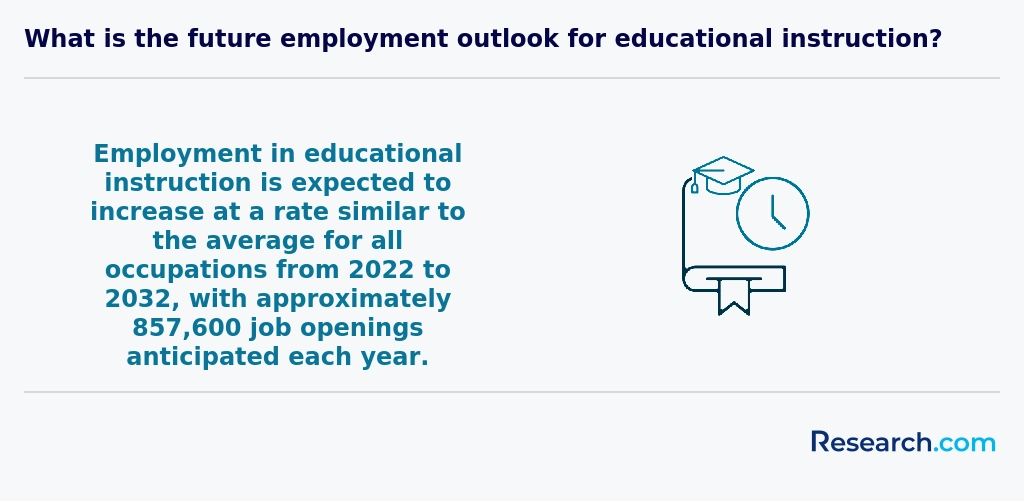
Taking the plunge into an online education program can feel overwhelming, but developing a clear, actionable plan will set you up for success. Begin by researching programs thoroughly to ensure they meet both your academic and career objectives. It’s important to review each institution’s application process, required documents, and deadlines so you can tailor your application accordingly. Gathering strong letters of recommendation, polishing your personal statement, and preparing for any potential interviews will further strengthen your candidacy. Prospective students should also explore available campus resources, such as virtual advising and career guidance, to learn how alumni successfully transitioned into their roles. Additionally, keeping an eye on emerging trends and tools in online education may provide you with a competitive edge. For instance, checking out Most Affordable Online Education Degrees can offer valuable insights into budget-friendly program options that balance quality and affordability. Ultimately, by taking these strategic steps, you’ll be well-prepared to navigate the admissions process and embark on a fulfilling educational journey.
Online education degrees in Minnesota typically include core courses that equip students with essential skills for diverse educational settings. Graduates from institutions like the University of Minnesota and St. Cloud State University often highlight courses in Educational Psychology, which help them understand student learning differences and develop supportive teaching methods.
Other fundamental courses include Curriculum Development, where students learn to create and evaluate instructional programs, and Instructional Technology that introduces digital tools to enhance classroom engagement. For instance, a graduate from Minnesota State University remarked on how learning classroom management techniques directly improved their confidence in handling real-world student behavior challenges during practicum experiences.
Assessment and Evaluation courses prepare students to measure learning outcomes effectively, a skill especially important for those pursuing licensure in Minnesota's public schools. Many online degree programs offer specialized tracks, such as educational leadership or literacy, aligning with state standards and professional development requirements.
This well-rounded curriculum, combined with flexible, asynchronous classes, allows working adults to successfully balance their studies and career advancement.
Online education degree specializations Minnesota students engage with often include Curriculum and Instruction, Educational Leadership and Administration, and Special Education. Graduates from popular institutions such as the University of Minnesota and St. Cloud State University report feeling well-prepared for leadership roles or specialized teaching careers, citing coursework that effectively balances theory and practical classroom applications. For example, graduates focusing on Educational Leadership gain skills in school finance and staff management, crucial for principal or superintendent roles.
Special Education remains vital, with programs addressing diverse learning needs of over 110,000 Minnesota public school students with disabilities in recent years. Those pursuing Early Childhood Education specialization appreciate how their training aligns with real-life demands of teaching young learners in community settings.
In addition, educational technology and literacy-focused specializations equip students with modern digital tools and reading strategies, enhancing their ability to meet evolving classroom challenges. For prospective students researching programs, exploring Most Affordable Online Education Degrees can provide cost-effective pathways tailored to these diverse options. The range of Minnesota master's in education concentration options thus offers both flexibility and depth for varied career goals.
Choosing the best online education degree in Minnesota starts with verifying program accreditation. Degrees recognized by bodies like the Council for the Accreditation of Educator Preparation (CAEP) or the Higher Learning Commission (HLC) guarantee quality and better licensure prospects. Graduates from institutions such as the University of Minnesota often emphasize the confidence gained through attending fully accredited programs aligned with state standards.
Cost is crucial, especially when seeking an affordable master's in education Minnesota. Tuition typically ranges from $400 to $800+ per credit hour, with in-state rates at Minnesota's public universities providing substantial savings. Many students highlight the relief financial aid and scholarships bring in managing these expenses effectively.
Flexibility also matters; graduates appreciate programs offering asynchronous courses that accommodate work and family commitments. Minnesota universities often enable part-time enrollment and extended degree completion timelines, which suits working professionals well.
Curriculum alignment is key. Minnesota's online education degrees feature specializations like instructional design and special education, allowing students to tailor learning to career goals. Additionally, strong student support, including advising and internships connected to local schools, enhances practical experience and readiness.
For those interested, comparing options against the Cheapest Online Education Degree Programs Ranking in Virginia Beach, VA can provide insight on affordability trends nationwide.
Graduates with an online education degree in Minnesota have access to diverse career paths, reflecting the state's growing demand for skilled educators and administrators. Many begin as licensed K-12 teachers in public or private schools, benefiting from programs at notable institutions such as the University of Minnesota or St. Cloud State University, which align with Minnesota Teacher Licensing Rules. These graduates report satisfaction in quickly securing teaching jobs after education degree Minnesota with strong preparation in elementary or secondary education.
Beyond teaching, roles in school leadership and administration offer promising opportunities. Graduates often move into positions like school principal or instructional coordinator, applying skills in curriculum development and student assessment gained through their online studies. Experienced graduates from Minnesota State University, Mankato highlight how these credentials support career advancement in educational leadership.
Online education degree careers in Minnesota also include specialized fields such as educational technology and adult education. Professionals in these areas develop virtual curricula, a skill increasingly sought after in the digital learning environment. Many graduates find motivation in this evolving sector, appreciating how accessible costs and flexible programs promote their growth. Students interested in further advancement may explore the easiest doctorate degree options to expand their expertise and opportunities.
- Licensed K-12 teacher
- School administrator or principal
- Instructional coordinator
- Educational technology specialist
- School counselor
- Adult and continuing education instructor
The online education degree job market Minnesota offers is robust, fueled by ongoing demand for skilled educators across diverse settings. Graduates from institutions like the University of Minnesota and St. Cloud State University often find rewarding roles in K-12 public schools, charter schools, and adult education centers. These opportunities are notably present in key areas such as STEM teaching, special education, and ESL, responding to state priorities that emphasize curriculum innovation and inclusive education.
Many graduates share positive experiences transitioning into districts that actively seek candidates with online degrees, benefitting from Minnesota's reciprocal licensing agreements that streamline employment across regions. For example, a graduate starting in Minneapolis Public Schools quickly advanced to a curriculum coordinator role, highlighting how education degree holders can access leadership positions beyond classroom teaching.
Considering employment outlook and cost-efficiency, an online education degree in Minnesota represents a practical choice. Prospective students can weigh their options confidently against most rewarding majors, as state institutions combine affordable tuition with a strong job market and salary prospects for education professionals.
2027 Most Affordable Online Master's in Education Degree Programs Ranking in Minnesota
Investing in your education is a significant decision that can shape your future, and the Research.com team understands the importance of making informed choices. To assist prospective students in Minnesota, we have meticulously crafted the "2027 Most Affordable Online Master's in Education Degree Programs Ranking in Minnesota." Our commitment to quality, credibility, and accuracy is reflected in the extensive research and analysis conducted to compile this ranking.
We utilized the following reputable data sources to ensure a comprehensive evaluation of online education master's programs:
By exploring this ranking, readers will gain valuable insights into affordable and quality online master's programs in education within Minnesota, enabling well-informed decisions for advancing their careers. For more details on our methodology, please visit our Research.com methodology page.
# 1 position
Bethel University, Minnesota
Master of Education K-12


Frequently Asked Questions About education
To maximize their learning experience, online education degree students in Minnesota should actively engage with course materials and instructors. Research by the Minnesota Office of Higher Education highlights that students who participate regularly in online discussions tend to achieve higher grades.
Creating a structured study schedule helps balance coursework with personal and professional responsibilities. The average completion time for a master's in education online in Minnesota ranges from 18 to 24 months, so consistent pacing is crucial.
Utilizing university resources such as virtual libraries, tutoring services, and career counseling can significantly enhance understanding and retention. Additionally, Minnesota's Cooperative Education programs enable students to gain practical experience alongside their studies.
Emerging niches within the education field in Minnesota reflect shifts in both technology and societal needs. One growing area is digital learning design, where educators develop online course materials and interactive content. This niche has expanded rapidly as Minnesota schools increasingly adopt remote and hybrid learning models, a trend intensified by the COVID-19 pandemic.
Another important area is special education with a focus on autism spectrum disorders, responding to Minnesota's higher-than-average identification rates of students needing specialized support. According to the Minnesota Department of Education, nearly 14% of students receive special education services.
Additionally, educational leadership programs emphasizing equity and inclusion are gaining prominence. These programs prepare future administrators to tackle achievement gaps faced by diverse student populations in Minnesota's public schools.
After earning an online education degree in Minnesota, preparing for the job market involves several strategic steps. First, graduates should obtain proper licensure through the Minnesota Professional Educator Licensing and Standards Board (PELSB), as many teaching roles require state certification.
Next, networking is essential. Joining professional organizations like the Minnesota Elementary School Principals' Association or the Minnesota Educator Association can provide valuable connections and job leads. Additionally, attending career fairs and education conferences within the state broadens opportunities.
Gaining practical experience through student teaching or substitute roles increases employability. According to the Minnesota Department of Employment and Economic Development, educators with hands-on experience have a higher chance of securing full-time positions.
Employers seeking graduates with education degrees in Minnesota prioritize a mix of practical and interpersonal skills. According to the Minnesota Department of Education, strong classroom management abilities and proficiency in lesson planning are essential for effective teaching.
Communication skills rank highly, as teachers must collaborate with students, parents, and fellow educators. Additionally, adaptability is vital due to the diverse learning needs in Minnesota classrooms. Employers also value technological competence, with many schools integrating digital tools into lessons.
Data from the U.S. Bureau of Labor Statistics highlights problem-solving and critical thinking as key traits, helping graduates respond to educational challenges effectively. Overall, Minnesota employers look for well-rounded candidates capable of fostering inclusive and engaging learning environments.
Finding internships in Minnesota related to education degrees involves several practical steps. Start by exploring local school districts, as many offer internships or practicum experiences for education students. Minnesota has over 300 public school districts, which may provide diverse opportunities.
Utilize resources from your online program's career services, which often maintain partnerships with Minnesota schools and educational organizations. Websites like the Minnesota Department of Education also list authorized internship programs and licensure information relevant to education majors.
Networking through professional organizations such as the Minnesota Education Association can connect you with internship openings. Additionally, platforms like Handshake and internship-specific boards allow you to filter results by location and field.
Securing an internship in Minnesota can significantly enhance your hands-on experience and assist with teacher licensure requirements mandated by the state. Remember to verify that internships align with Minnesota's Professional Educator Licensing and Standards Board (PELSB) guidelines.
An online education degree in Minnesota can significantly enhance career mobility and advancement opportunities. According to the Minnesota Department of Employment and Economic Development (DEED), educators with advanced degrees often qualify for higher salary tiers and leadership roles within school districts. Many districts in Minnesota offer salary schedules that reward master's degree holders with increased pay, typically a 10-15% boost compared to bachelor's degrees.
Online programs provide flexibility, allowing working professionals to gain credentials without interrupting employment. This flexibility supports career transitions into specialized roles, like curriculum development or administration. Data from the National Center for Education Statistics (NCES) indicates that educators with graduate degrees generally experience lower unemployment rates, improving job security in Minnesota's competitive job market.
Studying for an education degree in Minnesota equips students with skills to succeed in interdisciplinary roles by integrating knowledge across multiple fields. Minnesota's teacher preparation programs emphasize collaboration, critical thinking, and adaptability, essential qualities for working with diverse student populations and community agencies.
Many online education degrees in Minnesota align with the state's rigorous professional standards set by the Minnesota Board of Teaching. These programs often include coursework in special education, counseling, technology integration, and multicultural education, fostering versatile educators.
According to the Minnesota Office of Higher Education, nearly 20% of educators in the state work in roles that involve interdisciplinary efforts, such as coordinating with social workers or healthcare professionals. This trend reflects the growing demand for educators who can operate beyond traditional classroom boundaries.
Such robust training prepares graduates to address complex challenges in education, health, and social services, highlighting the value of Minnesota's online education degrees for multidisciplinary career paths.
Choosing between a thesis and a non-thesis education degree program in Minnesota depends on your career goals and learning preferences. Thesis programs focus on research and require students to produce an original scholarly paper, ideal for those interested in doctoral studies or academic careers.
Non-thesis programs emphasize practical skills and coursework, suited for professionals aiming to advance in teaching or administration without extensive research.
According to the Minnesota Office of Higher Education, about 60% of online master's students in education prefer non-thesis options for their flexibility and application-focused curriculum.
Evaluate your interest in research, time availability, and how each option aligns with your professional objectives before deciding.
Students based in Minnesota seeking to study education abroad have several options primarily through partnerships and exchange programs offered by Minnesota universities. Many institutions, such as the University of Minnesota, collaborate with international universities to provide study-abroad opportunities integrated with online course offerings.
Additionally, Minnesota residents can enroll in online education degrees from accredited U.S. institutions that include international components, such as global education modules or international practicums. This hybrid approach allows learners to gain a global perspective without relocating.
According to the Minnesota Office of Higher Education, approximately 8% of Minnesota students participate in study-abroad programs, many focusing on teaching methodologies in diverse cultural settings, enriching their professional competencies.
These options are designed to accommodate working professionals and graduate students aiming for convenient, globally informed qualifications in education.
Part-time job opportunities in Minnesota can effectively complement education degree studies, particularly for those pursuing online programs. Working as a teacher assistant or paraprofessional is common, providing hands-on classroom experience while supporting licensed educators. According to the Minnesota Department of Education, nearly 20% of school staff fall into support roles, highlighting widespread demand.
Another relevant option is tutoring, especially in subjects like reading and math, where demand remains high. Organizations such as Minnesota Reading Corps offer part-time roles focused on literacy development.
Administrative positions in school offices or educational nonprofits can also enhance organizational skills valuable for future educators in Minnesota's diverse school systems.
Online education students in Minnesota have several networking opportunities despite physical distance. Many Minnesota universities offer virtual events and webinars tailored to online learners, promoting interaction with faculty and peers. For example, the University of Minnesota provides online student organizations and discussion forums to enhance engagement.
Additionally, local education associations such as the Minnesota Education Association (MEA) offer memberships that include access to conferences, workshops, and networking events, which online students can often attend virtually.
These opportunities help students build professional connections and stay informed about state-specific educational trends and job openings.
Alumni networks play a vital role in supporting online education degree students in Minnesota. These networks provide access to professional connections that can enhance job prospects and career growth within the state. For example, graduates from the University of Minnesota's College of Education and Human Development often connect through alumni events and online platforms, fostering mentorship opportunities.
Such networks also offer resources like job postings and continuing education workshops specific to Minnesota's education sector. According to the Minnesota Private College Council, alumni involvement helps increase employment rates among graduates by up to 20% compared to those without such support.
Overall, alumni networks create a community that guides and supports online learners well beyond the classroom experience.
Customizing an online education degree program in Minnesota involves selecting courses and specializations that align with your career goals. Many Minnesota institutions, such as the University of Minnesota and St. Cloud State University, offer flexible online master's degrees with options to focus on areas like curriculum design, educational technology, or special education.
You can often choose electives that suit your interests and professional needs. For example, if you aim to work with diverse student populations, courses on multicultural education may be available. According to the Minnesota Office of Higher Education, tailoring your study plan can improve job readiness in the state's growing education market.
Additionally, some programs offer internship or practicum opportunities that provide practical experience relevant to your career path. This hands-on approach helps translate academic knowledge into professional skills valued across Minnesota schools and districts.
Online education students in Minnesota often face challenges related to technology access and reliable internet connectivity. Rural areas in the state report slower broadband speeds, which can hinder participation in live classes and timely submission of assignments. According to the Minnesota Department of Education, approximately 15% of households in Greater Minnesota have limited internet options.
Time management is another common issue, as students must balance coursework with work and family responsibilities. Many online learners are adults returning to school, which adds pressure to maintain this balance.
Students also report feeling isolated due to limited face-to-face interaction. This can affect motivation and engagement, especially for those new to online learning environments. Finally, navigating administrative requirements and accessing support services remotely can be complicated, requiring clear communication between institutions and students.
With an online education degree in Minnesota, you can pursue several professional certifications that enhance your teaching credentials.
Common options include the Minnesota Professional Educator License (PEL), required for K-12 teachers. The PEL involves passing exams and completing approved education programs, which many online degrees offer.
Specialized certifications such as Reading Specialist or ESL (English as a Second Language) are also available, helping educators address diverse student needs. Additionally, administrators can seek principal or superintendent licensure through state-approved pathways.
According to the Minnesota Department of Education, earning these certifications boosts employment prospects in the state's growing education sector, which expects a 5% increase in teacher demand by 2030.
Applying for an online education program in Minnesota requires careful preparation to stand out. Start by researching the specific program requirements, as many Minnesota institutions align with standards set by the Minnesota Office of Higher Education. Ensure your application highlights relevant teaching or educational experiences, as 65% of online education students in the state have prior related experience (Minnesota Department of Education, 2023).
Present a clear, concise personal statement that reflects your goals and demonstrates understanding of the challenges and benefits of online learning. Including examples of your time management skills and adaptability can strengthen your case.
Finally, request letters of recommendation from professionals familiar with your educational or work background to provide credible support for your application.
Global perspectives on an education career increasingly emphasize the need for culturally responsive teaching and adaptability to diverse learning environments. In Minnesota, educators are encouraged to develop global competencies to prepare students for a connected world. According to the Minnesota Department of Education, nearly 20% of K-12 students speak a language other than English at home, highlighting the demand for teachers skilled in multicultural education. The U.S. Bureau of Labor Statistics forecasts a 5% growth in education careers nationwide through 2031, reflecting steady opportunities. This underscores the importance of advanced degrees like online master's in education to meet evolving global and local needs.
Gaining practical experience is crucial while pursuing an online education degree in Minnesota. Many programs incorporate field-based components such as student teaching or internships, allowing students to apply theory in real classrooms. The Minnesota Department of Education requires candidates for teaching licensure to complete a supervised clinical experience, often arranged through their institution.
Students can seek partnerships with local schools or education centers near their residence to fulfill these requirements. Additionally, some universities offer virtual simulations and remote practicums to accommodate distance learners. According to the Minnesota Office of Higher Education, about 75% of teacher preparation programs include practical field hours.
Choosing the right concentration within an online education degree program in Minnesota depends largely on your career goals and interests. Minnesota offers various concentrations including curriculum design, special education, and educational leadership, each aligned with specific job roles.
It is important to consider the local job market: according to the Minnesota Department of Employment and Economic Development, demand for special education teachers is projected to grow by 7% through 2030. This makes special education a promising focus.
Additionally, look for concentrations that meet Minnesota's licensure requirements if you plan to teach in public schools. Coursework should align with state standards governed by the Minnesota Board of Teaching.
Researching faculty expertise and program flexibility can also help you select a concentration that fits your schedule and learning style.
- 2027 Most Affordable Online Master's in Education Degree Programs Ranking in Wisconsin
- 2027 Most Affordable Online Master's in Education Degree Programs Ranking in Iowa
- 2027 Most Affordable Online Master's in Education Degree Programs Ranking in South Dakota
- 2027 Most Affordable Online Master's in Education Degree Programs Ranking in Illinois
- 2027 Most Affordable Online Master's in Education Degree Programs Ranking in Missouri
- 2027 Most Affordable Online Master's in Education Degree Programs Ranking in Michigan
- 2027 Most Affordable Online Master's in Education Degree Programs Ranking in Kansas
- 2027 Most Affordable Online Master's in Education Degree Programs Ranking in Indiana
- 2027 Most Affordable Online Master's in Education Degree Programs Ranking in Ohio
- 2027 Most Affordable Online Master's in Education Degree Programs Ranking in Colorado
See What Experts Have To Say About Studying Education
Read our interview with Education experts


Alan J. Singer
Education Expert
Professor of Teaching, Learning and Technology
Hofstra University

- Events & Opportunities https://connect.teachforall.org/events-opportunities
- Top 10 Effective Networking Tips for Students https://www.unfc.ca/blog/networking-tips-for-students
- Tips for Choosing Your Graduate Concentration - Graduate Programs for Educators https://www.graduateprogram.org/blog/tips-for-choosing-your-graduate-concentration/
- Ready Set FAFSA! https://southeastmn.edu/current_student/page.aspx
- How to Gain Real-World Experience While Studying Online | American National University https://an.edu/how-to-gain-real-world-experience-while-studying-online/
- Types of Financial Aid | Minnesota Private Colleges https://www.mnprivatecolleges.org/paying-college/financial-aid-basics
- Online Colleges in Minnesota | 25 Best Online Schools in MN https://www.onlinecolleges.net/minnesota/
- 5 Tips on Choosing the Right Course or Study Program - Edunation https://www.edunation.co/5-tips-on-choosing-the-right-course-or-study-program/
- Transform Student Futures Through Systemic Career and College Readiness https://news.sourcewell-mn.gov/transform-student-futures-through-systemic-career-and-college-readiness/
- Online Bachelor's Degree Completion Financial Aid https://www.hamline.edu/admission-aid/financial-aid/online-bachelors


