
2027 Best Online Master's in Education Degree Programs Ranking in Iowa

Co-Founder and Chief Data Scientist
Choosing the right online master's in education program can feel overwhelming, especially in Iowa's growing academic landscape. This article presents the 2027 Best Online Master's in Education Degree Programs Ranking in Iowa, created by the Research.com team of data scientists. It's designed to help you make a well-informed decision about which programs truly stand out.
By exploring this ranking, you'll discover reputable options that fit your goals and lifestyle. Pursuing an education degree can open doors to fulfilling careers and meaningful impact in your community.
Take the first step toward a brighter future with confidence and clarity.
Key benefits of getting online education degree in Iowa
- Education degree graduates in Iowa can expect competitive salaries, such as Education Managers earning around $129,330 annually and Curriculum Specialists about $77,200, making the investment in this degree financially rewarding.
- Graduates from Iowa State University often pursue fulfilling careers as Education Consultants, Program Managers, or Higher Education Professors, offering diverse paths to impact learning and leadership in education.
- Completing an education degree online, like students at the University of Iowa, provides flexibility and convenience, allowing you to balance work and studies while gaining the same respected credentials as traditional degrees.
- 2027 Best Online Master's in Education Degree Programs Ranking in Iowa
- What can I expect from online education degree in Iowa?
- Where can I work with online education degree in Iowa?
What can I expect from online education degree in Iowa?
The average cost of pursuing an online education degree in Iowa typically ranges from $9,000 to $14,000 per year for residents, making it an affordable option compared to many national rates. Graduates from institutions like the University of Iowa or Iowa State University often remark on how this balance of quality and cost allowed them to manage their budgets while gaining valuable knowledge.
Financial aid and scholarships specifically aimed at education students play a crucial role in easing the financial load. For example, many students leverage these resources to minimize out-of-pocket expenses, enabling them to focus fully on coursework rather than worrying about tuition fees.
Online education programs here are designed with flexibility in mind to accommodate working professionals. A typical graduate might juggle teaching responsibilities during the day and complete assignments in the evening, appreciating that tuition remains reasonable without compromising access to accredited, reputable programs tailored to Iowa's certification requirements.
Where can I work with online education degree in Iowa?
Graduates with an online education degree in Iowa often start their careers as licensed teachers in K-12 public or private schools, a stable and rewarding path given Iowa's more than 45,000 licensed educators. Many find employment in local districts where they can make a direct impact on students' lives every day.
Others pursue roles beyond the classroom, such as curriculum coordinators or instructional coaches. For example, graduates from Iowa State University leverage their skills in these administrative positions to help improve teaching strategies across schools, enhancing educational quality statewide.
Some graduates work in higher education institutions like the University of Iowa, serving as academic advisors or faculty members. These roles allow for involvement in shaping future educators and contributing to innovative online education programs.
Online education degree holders also find opportunities with educational technology firms, nonprofit organizations, or state agencies like the Iowa Department of Education, playing key roles in curriculum design and policy development. This diversity offers graduates flexibility to follow fulfilling career paths aligned with their passions and strengths.
Graduates from online education programs in Iowa, such as those offered by the University of Iowa or Iowa State University, typically see strong earning potential across various education roles. For example, education managers earn a mean salary of about $129,330 annually, reflecting the high value of leadership skills combined with advanced degrees.
Positions like education program managers also offer attractive salaries, with a mean annual wage around $104,920. This role often appeals to graduates interested in coordinating educational initiatives beyond classroom teaching. Meanwhile, curriculum specialists earn about $77,200 per year on average, making this a solid option for those focused on instructional design and content development.
For graduates pursuing consultative roles, education consultants in Iowa earn roughly $95,600 annually, which rewards expertise and strategic thinking in educational settings. These figures highlight the financial advantages of pursuing an online degree given Iowa's growing demand for skilled education professionals in both rural and urban districts.
- Online master's degrees in education in Iowa generally cost between $15,000 and $30,000, with public universities offering lower rates for in-state students.
- Entry-level salaries for education graduates in Iowa range from $45,000 to $50,000 annually, increasing to around $60,000 after five to ten years of experience.
- Iowa has steady demand for licensed teachers, especially in special education, science, and mathematics fields.
- Many online programs in Iowa align with state licensure requirements and coordinate with the Iowa Board of Educational Examiners.
- Both public and private accredited universities provide flexible online options suited for working professionals.
Completing an online education degree in Iowa typically takes about four years for full-time bachelor's students and around two years for full-time master's students. Many graduates from the University of Northern Iowa appreciated the flexibility of its online programs, which allowed them to balance family and work while steadily progressing toward their goals.
Part-time students often extend their studies, sometimes up to six to eight years for bachelor's degrees, as reported by the Iowa College Student Aid Commission. This slower pace suits those managing busy lives but doesn't dampen their excitement when milestones are reached.
Choosing programs with accelerated tracks, like the University of Northern Iowa's Master of Arts in Education, can help motivated learners shorten completion time. Graduates who transferred prior credits found this especially helpful to avoid repeating coursework and stay on track.
To finish efficiently, students should carefully consider enrollment status, program flexibility, and transfer options. Many find it rewarding to proactively plan with academic advisors and tap into state grants that support affordable, timely degree completion.
When enrolling in an online Master’s in Education in Iowa, understanding the field experience and practicum requirements is essential for licensure and real-world teaching readiness. Most programs mandate 100–200 hours of supervised practicum, during which you’ll collaborate with certified teachers in K-12 settings. These hours are designed to bridge theory and practice: you’ll lead lessons, manage classrooms, and assess student learning under the guidance of experienced mentors. To complete your practicum, universities typically coordinate placements with local school districts. You’ll receive clear orientation materials, evaluation rubrics, and regular feedback through virtual meetings. Many students appreciate the support from faculty advisors who help troubleshoot scheduling conflicts and ensure that your practicum aligns with Iowa Department of Education standards. Be prepared to submit reflection journals and video-recorded teaching demonstrations, which foster self-assessment and continuous improvement. If you’re exploring more affordable program options or considering out-of-state alternatives, you might also review the Low Cost Online Education Degree Programs Ranking in Minnesota. This resource can help you compare practicum structures and fees, ensuring you make an informed decision that balances quality, cost, and hands-on experience. Ultimately, a strong practicum component not only satisfies certification requirements but also equips you with the confidence and skills to excel in diverse learning environments. When evaluating programs, inquire about student-teaching partnerships, mentor qualifications, and support services to ensure your field experience lays a solid foundation for a successful education career.
Online education degrees in Iowa offer unmatched flexibility compared to traditional on-campus programs at universities like the University of Iowa or Iowa State University. Graduates often recall the freedom to access lectures and assignments on their own schedule, fitting studies around jobs or family life without the need to commute.
On-campus students benefit from face-to-face interactions, which many find motivating and supportive. For example, those attending Drake University value immediate access to professors and campus resources like libraries and study groups, enhancing their learning experience.
Cost-wise, both formats usually have similar tuition-around $9,500 per year for in-state public schools-but online learners save significantly on housing, transportation, and meals. Graduates appreciate these savings, which ease financial stress while pursuing their degrees.
Choosing between online and on-campus often boils down to your lifestyle and learning preferences. Consider your need for structure, personal engagement, and time management when deciding which Iowa education program best fits your goals.
When considering the financial implications of pursuing an online education degree in Iowa, it's essential to weigh the costs and potential savings. By choosing an online program, students can often reduce expenses related to commuting, housing, and other costs associated with traditional on-campus programs. Moreover, many institutions offer financial aid, scholarships, and grants specifically for online students, which can help mitigate tuition costs. For those looking to minimize their expenditure, exploring the most affordable online education schools in Iowa can be a practical first step. This approach enables prospective students to balance their educational aspirations with financial realities, making online education a more accessible and viable option for many in Iowa.
The average cost of an online education degree in Iowa typically ranges around $13,500 to $18,000 for a full master's program, depending on the institution. For example, students pursuing an online education degree at the University of Iowa or Iowa State University often pay between $460 and $600 per credit hour. This makes the total tuition and fees for Iowa online master's in education programs more affordable compared to many private institutions, which charge upwards of $25,000 annually.
Many graduates recall that while tuition was a significant investment, the flexibility of online courses allowed them to work and manage family responsibilities without sacrificing progress. Additionally, online programs often waive or reduce some on-campus fees, easing the financial burden. It's important to factor in costs for technology, course materials, and potential exam proctoring fees, which can add up but usually remain manageable.
Students benefit from a variety of financial aid options tailored specifically for education degrees in Iowa. Grants, scholarships, and federal loans are available to qualified candidates, making it easier to cover the average cost of online education degrees in Iowa. Those seeking the most savings should explore the most affordable online education schools in Iowa, which often provide competitive tuition alongside solid support services.
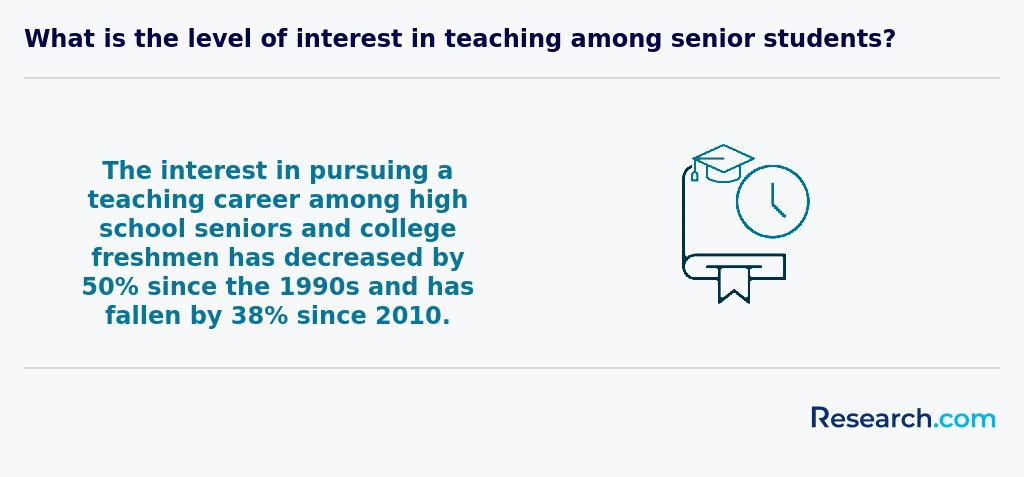
For many educators, a master’s degree is just the beginning of a lifelong journey in education. Advancing to a Doctor of Education (EdD) can open doors to leadership roles, innovative research opportunities, and the ability to shape educational policy in meaningful ways. Pursuing a doctoral program not only deepens your expertise but also enhances your credibility as an educational leader. Students considering the next step should note that many institutions now offer flexible, online EdD programs designed for working professionals. These programs often incorporate practical research projects, case studies, and leadership development courses, all aimed at preparing graduates for high-impact roles within both academic and administrative settings. Moreover, financial support options have become increasingly accessible. For example, some students explore fully funded edd programs that can significantly ease the financial burden of further study while providing a clear pathway to advanced credentials. Key benefits of pursuing an EdD include:
- Enhanced career opportunities in educational leadership and policy-making.
- A robust, research-based curriculum that empowers you to tackle contemporary challenges in education.
- Flexible scheduling that accommodates the professional commitments of working educators.
- Access to a network of experienced professionals and academic mentors committed to your success. By carefully evaluating your long-term career goals and the potential return on investment, you can determine if transitioning to a doctorate is the ideal next step in your educational journey. This decision not only advances your personal and professional growth but also contributes to the ongoing evolution of educational practices in today’s rapidly changing academic environment.
Students pursuing an online education degree in Iowa often rely on a mix of financial aid options to manage costs effectively. Completing the FAFSA is the first step to unlock federal aid, including Pell Grants, which many graduates recall appreciating for reducing loan burdens, even if mainly for undergraduates. Federal Direct Loans are another common resource, offering manageable repayment plans that bring peace of mind after completing programs at institutions like the University of Iowa or Iowa State University.
State-specific opportunities, such as the Iowa Tuition Grant, stand out for local students attending eligible private colleges. Many graduates have benefited from these funds, feeling supported by the state's commitment to education. Institutional scholarships from universities with dedicated financial aid offices add another valuable layer, often tailored to graduate students in education programs.
Moreover, employer tuition reimbursements are a game-changer for education professionals working in Iowa school districts, creating real hope and motivation to advance their careers without overwhelming debt. Staying proactive about deadlines and eligibility is key to maximizing these benefits.
To enroll in an online education degree program in Iowa, you generally need a regionally accredited bachelor's degree, which sets a solid foundation for graduate study. For example, graduates from the University of Iowa often highlight how their broad undergraduate backgrounds still qualified them for advanced education degrees, showing flexibility in majors accepted. A competitive GPA, usually around 2.75 to 3.0, is expected to demonstrate steady academic performance.
Many programs, such as those at Iowa State University, have moved away from requiring GRE scores, especially when applicants bring strong professional experience or other academic achievements. Students appreciate this shift as it reduces testing stress and opens doors to more diverse candidates.
Applicants must submit transcripts, letters of recommendation, and a personal statement, giving you a chance to express your passion for education and career vision. For teaching licensure pathways, prior classroom experience and successful background checks are necessary, as governed by the Iowa Department of Education.
Lastly, an interview-virtual or in-person-is often part of the process at institutions like the University of Northern Iowa, helping programs select candidates ready to thrive in an online learning environment. These steps ensure you're set up to succeed and feel confident moving forward.

Becoming a licensed educator in Iowa goes beyond earning your online master’s in education-it requires meeting specific state licensure standards overseen by the Iowa Board of Educational Examiners (BoEE). Here’s what you need to know: • Approved Program Completion: Ensure your online master’s program is recognized by the BoEE. Graduates from regionally accredited institutions automatically satisfy program approval requirements. • Pre-Service Requirements: Before student teaching, candidates must clear a criminal background check, submit official transcripts, and complete any state-mandated workshops (e.g., child abuse identification). • Praxis Examinations: Most licensure tracks require passing scores on Praxis Subject Assessments and the Praxis Principles of Learning and Teaching exam. Check specific score thresholds on the BoEE website. • Student Teaching and Performance Assessments: Iowa requires one full semester of supervised student teaching. During this period, you’ll be evaluated using the Teacher Performance Assessment (edTPA) to demonstrate pedagogy, lesson planning, and student engagement skills. • Application Submission: After meeting coursework, exam, and performance assessment benchmarks, submit your licensure application via the BoEE online portal, including verification of employment or teaching placement when applicable. • Continuing Education: Maintain licensure through professional development-20 renewal units are required every five years, which can include graduate coursework, workshops, or leadership activities. For budget-conscious candidates exploring alternative tuition models, consider comparing costs with regional programs such as the Low Cost Online Education Degree Programs Ranking in Minnesota, where some institutions may offer competitive rates or transfer partnerships that further reduce your overall investment.
Online education degree programs in Iowa commonly include courses like Foundations of Education, where graduates share how exploring Iowa's educational policies helped them connect theory with real classroom challenges. For example, students from the University of Iowa describe this course as an eye-opener for understanding the local education landscape deeply.
Courses in Instructional Design and Technology equip you with skills to integrate digital tools into teaching, something many graduates found invaluable during remote or hybrid learning phases. This practical focus prepares you to meet Iowa's schools' growing use of technology effectively.
Teacher candidates often praise classes in Classroom Management and Differentiated Instruction for helping them create inclusive, adaptable learning environments. At Iowa State University, students emphasize how these courses boosted their confidence to engage diverse learners with varied needs.
In addition, coursework on Assessment and Evaluation teaches how to track student progress using Iowa Core-aligned methods, a skill graduates say directly improved their day-to-day teaching impact. Leadership courses like Educational Leadership and Administration further prepare you for future roles as principals or policymakers, meeting the increasing demand across the state.
Online education degree specializations in Iowa cover practical fields tailored to real-world teaching and leadership needs. Graduates from universities like the University of Iowa often praise programs in Curriculum and Instruction, which equips them with skills to design effective lesson plans and improve student outcomes in K-12 settings. Many find this specialization aligns perfectly with roles as instructional coordinators or curriculum developers.
For those drawn to school management, Educational Leadership and Administration prepares candidates for positions such as principals or district leaders. Iowa State University graduates emphasize how the balance of theory and hands-on administrative training has boosted their confidence in leading diverse school environments. Another growing focus is Special Education, critical due to Iowa's commitment to inclusive classrooms supporting students with disabilities, a specialization graduates describe as deeply rewarding.
Other strong options include Instructional Technology, Literacy Education, and Early Childhood Education. Students appreciating flexible, budget-friendly options can explore Iowa's accredited programs and even consider fully funded edd programs to reduce financial strain while advancing their careers.
When choosing the best online education degree in Iowa, start by confirming the program's accreditation, ideally through CAEP or the Higher Learning Commission. Graduates from Iowa State University often highlight how accreditation gave them confidence their degree would be respected statewide. Next, consider the program's specialization and flexibility-whether it emphasizes curriculum design, leadership, or special education-and check for options like part-time or asynchronous study that fit busy schedules. Many working professionals appreciate the ability to balance work and study this way, especially in practical settings.
Cost is a key factor for affordable online master's in education Iowa students. Public universities offer competitive tuition ranging from $10,000 to $20,000 annually, which feels manageable compared to pricier private options. Look for scholarships and employer tuition reimbursement as many have done. Programs from the University of Iowa are frequently praised for robust student support services, including career counseling and digital libraries, which enhances the learning experience.
Program length usually spans two years and requires 30 to 36 credit hours, but some graduates found credit transfer policies useful to accelerate completion. Exploring financial aid and comparing costs can be guided by resources such as the Low Cost Online Education Degree Programs Ranking in Minnesota, which helps tailor choices to your budget and goals.

Graduates holding an online education degree in Iowa find diverse career options that extend beyond traditional teaching roles. Many secure positions as classroom teachers at various grade levels, especially in high-demand areas like special education, science, and mathematics. For example, recent graduates from Iowa's well-regarded education programs often become classroom teachers, experiencing great professional satisfaction from impacting student lives directly.
Other common career paths include curriculum developers and instructional coordinators who help shape educational standards and design engaging lesson plans. Iowa colleges also prepare graduates for administrative roles such as principals or assistant principals, roles often requiring advanced degrees and licenses. These positions offer rewarding leadership opportunities within school districts.
In addition to K-12 careers, graduates explore roles in educational technology and training within public and private sectors, applying their skills in modern classrooms or corporate environments. Colleges like those in Cedar Rapids equip students to pursue such dynamic roles. To explore accelerated options, many turn to an accelerated master's program online to quickly advance their qualifications. For those researching online education degree jobs Iowa offers a robust range of practical, rewarding career opportunities.
The job market for online education degree holders in Iowa continues to show steady promise, especially for graduates from respected institutions like the University of Iowa or Iowa State University. Many find themselves quickly filling critical roles in both urban and rural settings, given the state's growing demand for licensed educators. Iowa's emphasis on technology-enhanced teaching creates a particularly strong fit for online learners familiar with digital platforms, making them competitive candidates in various districts.
Graduates often take on positions as instructional coordinators, school administrators, or special education specialists, roles that benefit from the advanced skills earned through online degrees. Those pursuing advanced degrees appreciate Iowa's moderate tuition rates, which encourage students to invest wisely in their education. Students considering further advancement often explore the cheapest doctoral programs available to boost their prospects.
Given Iowa's commitment to supporting teaching licenses accessible to online learners, the teacher employment outlook Iowa 2027 remains favorable. Graduates witness tangible career growth and job stability, aligned with the steady growth of the public school system and its investment in qualified educators.
Embracing these online education job opportunities in Iowa means tapping into a workforce that values flexibility, expertise, and innovation, backed by solid salary expectations reflective of Iowa's cost of living.
2027 Best Online Master's in Education Degree Programs Ranking in Iowa
Investing in your education is a significant decision that can shape your future, and the Research.com team understands the importance of making informed choices. To assist prospective students in Iowa, we have meticulously crafted the "2027 Best Online Master's in Education Degree Programs Ranking in Iowa." Our commitment to quality, credibility, and accuracy is reflected in the extensive research and analysis conducted to compile this ranking.
We utilized the following reputable data sources to ensure a comprehensive evaluation of master's in education programs:
By exploring this ranking, readers will gain valuable insights into the highest-quality online education programs available in Iowa, empowering them to make well-informed decisions about their academic and professional futures. For more details on our methodology, please visit our Research.com methodology page.


# 5 position
Buena Vista University
Curriculum and Instruction, Teaching English as a Second Language

Frequently Asked Questions About education
Students pursuing online education degrees in Iowa can enhance their learning by actively engaging with course materials and instructors. The Iowa Department of Education emphasizes the importance of regular communication with faculty to clarify complex concepts. Establishing a dedicated study schedule helps maintain consistency, which is crucial given that 65% of Iowa's online learners report improved performance through time management strategies (Iowa College Student Aid Commission, 2023).
Utilizing local resources, including public libraries and Iowa's community college tutoring centers, can provide additional academic support. Students should also participate in virtual study groups to build a network, fostering motivation and collaboration. Lastly, taking advantage of the state's education technology services ensures access to up-to-date learning tools aligned with Iowa's educational standards.
Emerging niches within the education field reflect evolving needs in Iowa's schools and communities. One fast-growing area is special education, where Iowa reported over 70,000 students receiving special education services in recent years (Iowa Department of Education, 2023). This has increased demand for educators trained in inclusive strategies and individualized instruction.
Another niche is educational technology. As online learning expands, teachers skilled in digital platforms and instructional design are essential. Iowa's growth in broadband access supports remote education, creating opportunities for professionals who combine tech knowledge with pedagogy.
Additionally, bilingual education is gaining importance. Iowa's increasing linguistic diversity requires educators proficient in English as a Second Language (ESL) to support non-native speakers effectively.
After completing an online education degree in Iowa, preparing for the job market involves several key steps. First, graduates should ensure their program is accredited by the Council for the Accreditation of Educator Preparation (CAEP), a standard recognized across Iowa schools.
Networking is crucial; joining local organizations like the Iowa State Education Association can connect new educators with job opportunities. According to the Iowa Department of Education, the state anticipates a 5% increase in education job openings through 2028, particularly in special education and STEM fields.
Additionally, obtaining Iowa teaching licensure through the Board of Educational Examiners validates qualifications and often is required by employers.
Developing a strong resume tailored to the education sector and practicing for interviews will help graduates stand out in Iowa's competitive market.
Employers in Iowa increasingly prioritize several key skills when hiring graduates with education degrees. Strong communication and classroom management abilities remain essential, reflecting the demands of diverse and evolving student populations. According to the Iowa Department of Education, adaptability and proficiency in integrating technology into teaching are critical, especially as digital learning tools grow in use.
Data from the National Center for Education Statistics shows that 78% of Iowa school districts seek candidates skilled in differentiated instruction to meet varied learner needs. Additionally, collaboration and teamwork skills are highly valued due to the emphasis on cross-disciplinary approaches in Iowa schools.
Finally, knowledge of state-specific curriculum standards and a commitment to ongoing professional development are often cited by Iowa administrators as important for education graduates entering the workforce.
Finding internships in Iowa related to an education degree involves connecting with local school districts and educational organizations. Many Iowa districts offer teacher residency programs and internships for students pursuing online master's degrees in education. The Iowa Department of Education website is a valuable resource for locating approved districts and partner schools that host interns.
Additionally, universities in Iowa often collaborate with K-12 schools to provide internship placements. Students should inquire with their online program coordinators about these partnerships. According to the Iowa Workforce Development, education remains a high-demand field statewide, increasing internship opportunities.
Networking with local professional associations such as the Iowa State Education Association can also help secure relevant internships. Online platforms like Handshake often list education internships specific to Iowa, beneficial for remote learners.
In Iowa, obtaining an online education degree increasingly supports career mobility and advancement, particularly within the state's growing education sector. According to the Iowa Department of Education, educators with advanced degrees often qualify for higher salaries and leadership roles such as curriculum coordinators or administrators. Completing a master's or specialist degree online offers flexibility, allowing working professionals to balance job responsibilities while gaining credentials that meet state licensure requirements.
Moreover, the Iowa Board of Educational Examiners recognizes online degrees from accredited institutions, ensuring graduates are eligible for professional development and re-certification. Research from the National Center for Education Statistics shows teachers with graduate degrees typically experience faster career progression, demonstrating how online education degrees can expand professional opportunities in Iowa's schools.
Studying for an education degree in Iowa equips students with skills to thrive in interdisciplinary roles by emphasizing collaboration across various educational fields. Iowa's online education programs often integrate coursework in psychology, sociology, technology, and special education, preparing graduates to address diverse student needs.
According to the Iowa Department of Education, programs focus on both theory and practical application, promoting adaptable teaching strategies in different learning environments. Students learn to work alongside professionals from counseling, administration, and social services, a crucial ability in today's inclusive schools.
This approach enhances problem-solving and communication skills, supporting career paths beyond traditional classroom teaching.
When choosing between a thesis and a non-thesis education degree program in Iowa, consider your career goals first. Thesis programs typically require original research and are suited for students aiming at doctoral studies or research-intensive roles. Non-thesis options focus more on practical skills and coursework, ideal for professionals seeking to advance in K-12 education or administration.
Iowa's Board of Regents institutions report that about 40% of education master's students opt for non-thesis tracks, reflecting demand for applied training. The Iowa Department of Education highlights that administrative roles often prioritize experience and coursework over research experience.
Cost and time commitment also differ; thesis tracks may extend your program duration by 6 to 12 months. Review specific program requirements on official university websites to match your professional needs accurately.
Students based in Iowa seeking to study education abroad have several practical options, primarily through partnerships with U.S. universities offering online education degrees with international components. While Iowa itself does not have dedicated study abroad programs exclusively for education degrees, many accredited institutions nationwide provide virtual exchanges, international curriculum elements, or short-term study travel opportunities.
According to data from the Iowa Board of Regents, about 34% of students in public universities participate in study abroad programs, often complementing their education degrees. Many programs allow students to complete internships or research projects related to global education practices, enhancing their degree experience.
Additionally, online programs accredited by the Council for the Accreditation of Educator Preparation (CAEP) enable Iowa residents to access diverse educational content that integrates global perspectives without leaving the state.
Iowa offers several part-time job opportunities that complement education degree studies, supporting practical experience while pursuing an online degree. Positions like teacher's aide or paraprofessional are common, allowing students to assist in classrooms and gain hands-on experience.
Substitute teaching is another flexible option in Iowa's school districts, where demand continues to grow. According to the Iowa Department of Education, substitute teachers make valuable contributions and often work part-time hours aligned with students' schedules.
Additionally, tutoring services are in demand, particularly in K-12 subjects. Students with education training can tutor peers or younger learners either independently or through organizations.
Such roles not only strengthen resumes but also provide insight into educational environments, helping students apply theory to practice efficiently.
Online education students in Iowa have access to various networking opportunities designed to support their academic and professional growth. Many accredited Iowa institutions offer virtual networking events, including webinars and career fairs, where students can connect with faculty, alumni, and education professionals. For example, the University of Iowa and Iowa State University provide dedicated online platforms for student interaction.
Statewide organizations, such as the Iowa Association of Colleges for Teacher Education, organize conferences that often welcome online students. Additionally, social media groups and LinkedIn communities focused on Iowa educators allow students to build professional relationships remotely. According to the Iowa Department of Education, such connections can improve job placement and collaboration opportunities within the state's education sector.
Alumni networks play a crucial role for students pursuing online education degrees in Iowa. These networks provide valuable connections to graduates working in Iowa's education system, offering mentorship and career advice. According to the Iowa College Student Aid Commission, strong alumni relations can improve job placement rates for recent educators by up to 15%.
Participation in alumni events and online groups helps students access exclusive job postings and professional development opportunities across Iowa. Many school districts in Iowa prioritize candidates referred through alumni, recognizing their proven academic background and community involvement.
For online learners, these networks bridge the gap of remote study by fostering a sense of community and ongoing support beyond graduation.
Students pursuing online education degrees in Iowa can customize their programs by selecting specializations aligned with their career goals. Many Iowa public universities offer flexible tracks in areas such as instructional design, educational leadership, or special education. This enables professionals to target roles in administration, curriculum development, or classroom support.
The Iowa Department of Education highlights the importance of aligning credentials with state licensure requirements, especially for teaching roles. Online learners often choose electives and capstone projects focused on their intended career paths, enhancing practical skills.
Additionally, some programs offer internships or partnerships with Iowa school districts, giving real-world experience relevant to local education systems. This combination of coursework and applied learning helps tailor the degree to individual ambitions.
Online education students in Iowa commonly face challenges related to access and technology. Rural areas in Iowa often have limited broadband connectivity, which affects students' ability to participate in synchronous classes or access multimedia content. According to the Iowa Communications Network, approximately 25% of Iowa's rural population lacks high-speed internet, causing interruptions and delays in learning.
Another challenge is balancing coursework with personal and professional responsibilities. Many students pursuing online master's degrees in education are working educators or parents, making time management critical.
Additionally, students sometimes report a lack of direct interaction with instructors and peers, which may reduce engagement and limit networking opportunities.
Finally, navigating financial aid and understanding program accreditation can be difficult without on-campus advising support, posing challenges in making informed decisions.
With an online education degree in Iowa, graduates can pursue a variety of professional certifications to advance their careers. One commonly sought certification is the Iowa Teaching License, which requires completion of an accredited educator preparation program and passing relevant exams. This license allows holders to teach in public K-12 schools across the state.
Additionally, many graduates pursue the National Board Certification for teachers, a prestigious credential recognized nationwide that can lead to higher salaries and leadership opportunities. For those interested in administration, the Superintendent or Principal Certifications are also attainable with an online degree, provided additional state requirements are met.
Specialized certifications such as Reading Specialist or School Counselor licenses are options for professionals aiming to focus on specific areas within education.
Data from the Iowa Department of Education shows increasing demand for certified educators, especially in rural areas, highlighting the value of these certifications for future employment.
Writing a winning application for an online education program in Iowa requires clarity, focus, and attention to detail. Start by thoroughly researching programs approved by the Iowa Board of Educational Examiners, as accreditation ensures your degree will be recognized.
Highlight your academic background and relevant professional experience. Iowa values candidates with clear career goals and a commitment to improving education within the state. Be specific about how the program aligns with your objectives.
Strong letters of recommendation and a well-crafted personal statement that reflects your passion for education can significantly boost your application. According to Iowa College Aid, nearly 60% of applicants who articulate practical goals tend to have higher acceptance rates.
Ensure all application materials are complete and submitted before deadlines, which typically fall several months before program start dates. Following these steps carefully will improve your chances of admission.
Global perspectives on an education career emphasize the growing demand for skilled educators who can adapt to diverse learning environments. In the US, and specifically in Iowa, online education degrees are increasingly valued for preparing teachers with flexible and modern approaches. According to the Iowa Department of Education, the state expects a steady increase in teacher demand, driven by a growing student population and evolving educational standards.
Internationally, educators are encouraged to develop cultural competence and technological skills, which aligns with the focus of many US online programs. This global outlook supports educators in contributing effectively to students' development in a connected world.
Gaining practical experience while pursuing an online education degree in Iowa is essential for applying theoretical knowledge in real-world settings. Many Iowa universities offer practicum or student teaching components as part of their online education programs. These requirements often take place in local schools, allowing students to complete hands-on work near their home.
In Iowa, partnerships between universities and public school districts facilitate placements, helping students meet certification standards set by the Iowa Department of Education. According to the Iowa Department of Education's 2023 report, over 85% of education candidates complete supervised practice placements before graduation.
Additionally, some online programs encourage internships or volunteer opportunities within educational organizations to broaden practical skills and professional networks.
Choosing the right concentration within an online education degree program in Iowa involves aligning your career goals with local needs. Iowa's Department of Education highlights strong demand for special education, STEM, and literacy specialists, reflecting the state's focus on these areas.
Research trends in Iowa's school districts to see which skills are most sought after. For example, STEM education concentrations may open opportunities in the growing technology and engineering sectors in Iowa. Conversely, special education remains a critical field due to statewide efforts to support diverse learners.
Consider certification requirements; some concentrations lead to licensure endorsements needed in Iowa classrooms. Additionally, review program offerings through accredited Iowa institutions to ensure your chosen concentration meets state standards.
- 2027 Best Online Master's in Education Degree Programs Ranking in Minnesota
- 2027 Best Online Master's in Education Degree Programs Ranking in Wisconsin
- 2027 Best Online Master's in Education Degree Programs Ranking in Illinois
- 2027 Best Online Master's in Education Degree Programs Ranking in Missouri
- 2027 Best Online Master's in Education Degree Programs Ranking in Kansas
- 2027 Best Online Master's in Education Degree Programs Ranking in Indiana
- 2027 Best Online Master's in Education Degree Programs Ranking in North Dakota
- 2027 Best Online Master's in Education Degree Programs Ranking in Michigan
- 2027 Best Online Master's in Education Degree Programs Ranking in Ohio
- 2027 Best Online Master's in Education Degree Programs Ranking in Kentucky
See What Experts Have To Say About Studying Education
Read our interview with Education experts

Alan J. Singer
Education Expert
Professor of Teaching, Learning and Technology
Hofstra University


- Online Learning - Iowa Department of Education https://educate.iowa.gov/pk-12/digital-instruction/online-learning
- Future Ready https://www.gpaea.org/educators/curriculum-instruction/future-ready/
- NCC Ranked #3 in Iowa for Online Learning by University ... https://nwicc.edu/ncc-ranked-3-in-iowa-for-online-learning-by-university-magazine/
- Education Success https://www.unitedwaydm.org/united-thrive/education-success
- Average Cost of Online College [2026]: Yearly Tuition + Fees https://educationdata.org/average-cost-of-online-college
- How to Become a Teacher in Iowa https://www.educationdegree.com/states/iowa/
- Education Jobs on IowaWORKS | Iowa Workforce Development https://workforce.iowa.gov/jobs/openings/education-jobs
- Online & Distance Learning https://iowalakes.edu/academics/online-distance-learning/
- Online Colleges in Iowa https://www.oedb.org/iowa/
- Four Key Experiences Shape Iowa Student Perceived ... https://news.gallup.com/poll/709439/four-key-experiences-shape-iowa-student-perceived-readiness.aspx


