2027 Best Online Master's in Education Degree Programs Ranking in Michigan

Co-Founder and Chief Data Scientist
Choosing the right online master's in education program can be overwhelming, especially for Michigan students seeking quality and flexibility. This article presents the 2027 Best Online Master's in Education Degree Programs Ranking in Michigan, carefully developed by the Research.com team of data scientists.
By exploring this ranking, you'll gain valuable insights into programs that combine strong academics with practical benefits. Earning an education degree opens doors to fulfilling careers that shape the future, and we're here to guide you in making an informed decision.
Key benefits of getting online education degree in Michigan
- Graduates with an education degree in Michigan can earn strong salaries, such as Education Managers making around $129,330 annually and Higher Education Professors earning about $96,570 per year.
- Education degree holders often find diverse career paths, from managing academic programs to consulting, illustrated by many successful Michigan State University alumni thriving in roles like Curriculum Specialists and Education Consultants.
- Completing an online education degree in Michigan, like those offered by the University of Michigan-Flint, allows flexible learning to balance work and family, making it easier to earn your degree without sacrificing important commitments.
- 2027 Best Online Master's in Education Degree Programs Ranking in Michigan
- What can I expect from online education degree in Michigan?
- Where can I work with online education degree in Michigan?
What can I expect from online education degree in Michigan?
If you're thinking about getting an online education degree in Michigan, a big question is usually, "What's this going to cost me?" Well, most public universities in Michigan, like Western Michigan University and Wayne State University, charge around $400 to $600 per credit hour for graduate programs. That means if your program is about 30 to 36 credit hours, you're looking at a total cost somewhere in the ballpark of $12,000 to $21,600. Pretty reasonable compared to many other states!
Many grads tell me that what made the price worth it was the in-state tuition perks and the option to study fully online with flexible schedules. One graduate shared how they juggled work and family while finishing their degree on their own time without huge debt piling up, thanks to these rates.
Plus, Michigan has programs like the Tuition Incentive Program (TIP) that helped some students lower costs even more-especially if you've lived in Michigan for a while and qualify.
Where can I work with online education degree in Michigan?
With an online education degree in Michigan, you've got plenty of doors open right from the start. Graduates from schools like the University of Michigan and Michigan State University often find themselves teaching in K-12 schools across the state, from bustling Detroit classrooms to cozy community schools in Grand Rapids. It's pretty exciting to think your work could shape the next generation of Michiganders!
Some grads take a different route and work in higher education, landing roles as academic advisors or instructional coordinators at places like Wayne County Community College. They enjoy the challenge of helping older students navigate their learning journeys, which feels super rewarding.
Others jump into non-traditional spots like tutoring centers or corporate training jobs, especially as Michigan grows in digital learning and workforce training. The mix of education and tech skills makes these roles really appealing.
And hey, if you're dreaming bigger, school leadership roles-principals or program coordinators-are also within reach, offering a chance to lead and inspire from the top in schools throughout Michigan.
If you earn an online education degree from a Michigan school like Western Michigan University or Michigan State, you can expect some pretty solid paychecks depending on your focus. For instance, education managers, who often take on leadership roles at schools or education programs, pull in around $129,330 a year. That's a comfortable salary if you're aiming to climb the ladder after your degree.
Graduates stepping into roles like education program managers usually make about $104,920 annually. That kind of gig can be perfect if you like coordinating and improving learning programs across districts. If you're more into designing courses and curriculum, becoming a curriculum specialist pays around $77,200 a year on average.
And for those who want to stay in the classroom but teach at the college level, higher education professors in Michigan earn about $96,570 yearly. Many grads from online programs at places like the University of Michigan find this path rewarding both financially and personally.
People with education consultant roles can expect about $95,600 in annual wages, helping schools improve and adapt strategies. All in all, with an online degree and some experience, Michigan grads see great opportunities with pay that matches big-city living expenses.
- Online education degrees in Michigan offer programs in areas like curriculum development, educational leadership, and special education that meet state certification requirements.
- The total cost for a master's degree in education online ranges from $20,000 to $35,000, with lower tuition rates for in-state students at public universities.
- Entry-level educators with a master's degree typically earn between $50,000 and $55,000 annually, with potential increases to around $70,000 or more with experience and specialized roles.
- There is a stable job market for education professionals in Michigan, with steady demand especially in STEM, special education, and leadership positions.
- Michigan's online degrees from accredited institutions meet academic and licensing standards, supporting students who balance education with work or family commitments.
If you're diving into an online education degree in Michigan, expect it to take around two to three years if you're studying full-time. Many grads from places like Michigan State University and the University of Michigan mention how the flexible online schedules really helped them juggle work, family, and classes without feeling overwhelmed.
Part-time students usually take longer-think three to five years-but that slower pace works perfectly if you've got a full-time job or other commitments. Graduates often say that being able to take fewer credits each semester, like 3 to 6 instead of the usual 9 to 12, made all the difference for their sanity.
Some programs even offer accelerated options or summer courses, which past students loved for speeding things up without sacrificing quality. Plus, if you transfer credits from community colleges, you might wrap up even quicker. It's all about balancing your life while making steady progress toward your degree.
When pursuing an online education degree in Michigan, understanding the cost implications and available financial aid options is crucial for making informed decisions. Prospective students should consider not only the tuition fees but also additional costs such as technology fees, course materials, and living expenses. For instance, the average cost of an online master's in education degree in Michigan can vary significantly depending on the institution and program chosen. To navigate these financial considerations, students can explore various financial aid options, including scholarships, grants, and loans. For those looking for affordable pathways, considering affordable online education schools in Michigan can be a strategic move, as these institutions often offer competitive pricing without compromising on the quality of education. By weighing these factors and exploring available financial assistance, aspiring educators can make a more informed decision about their online education journey in Michigan.
If you're thinking about getting an education degree in Michigan, the main difference between online and on-campus programs is how you experience your studies. Online programs, like those offered by several Michigan universities, let you dive into coursework from anywhere, fitting your classes around work or family life. Many grads appreciate being able to study late at night or on weekends without worrying about rushing to campus.
On the flip side, on-campus degrees bring you into a classroom setting where you can chat face-to-face with professors and classmates. It's great for those who thrive on in-person discussions, group projects, and hands-on activities like classroom observations. For example, students at popular Michigan colleges often say they love the energy of on-campus life and the easy access to libraries and labs.
Price-wise, you'll find online programs often save money on housing and transport, though tuition can be similar. Either way, Michigan grads enjoy quality credentials recognized statewide, just delivered differently to fit your lifestyle.
When selecting an online master’s in education program, ensuring regional accreditation and alignment with Michigan Department of Education (MDE) requirements is essential for licensure and classroom readiness. All viable programs should be accredited by a U.S. Department of Education–recognized body (often the Higher Learning Commission) and include state-approved teacher preparation components. While some out-of-state programs may boast lower tuition-see our Cheapest Online Master's in Education Degree Programs Ranking in Iowa for cost benchmarks-Michigan’s accredited institutions guarantee coursework tailored to MDE standards and seamless certification pathways. Key steps for earning your Michigan teaching certificate:
- Complete an MDE-approved educator preparation program, including supervised clinical experiences.
- Pass the Michigan Test for Teacher Certification (MTTC) Basic Skills subtests and the appropriate MTTC subject-area exams.
- Submit fingerprint-based background clearance through the Michigan Automated Background Check System (MABCS).
- Apply online via the Michigan Online Educator Certification System (MOECS) for an Initial Teaching Certificate.
- Maintain and renew your certificate every five years through continuing professional learning credits. By verifying both accreditation status and MDE alignment before enrolling, you’ll streamline your journey from degree completion to the classroom, ensuring your online master’s fully prepares you for Michigan’s teaching workforce.
The average cost of an online education degree in Michigan usually lands around $19,648 in total tuition, which many students find pretty reasonable given the quality of programs available. Graduates from popular Michigan colleges often mention how this investment felt manageable when balanced against the flexibility of online classes and the opportunity to keep working while studying. Since public universities in the state generally offer more affordable rates for in-state students, that brings down the overall cost, making it a solid option for many locals aiming to advance their careers without breaking the bank.
Often, these students will also share how small extra expenses, like technology fees or textbooks, added up but weren't overwhelming-especially since some programs use open educational resources to keep textbook costs low. When thinking about the total expenses for master's in education programs Michigan offers, it's good to remember these little fees alongside tuition, but they usually don't change the big picture much.
If you're browsing options, you might want to check out affordable online education schools in Michigan for a sense of where you can get the best bang for your buck. Many students felt confident settling on schools with robust online platforms since it meant they could study without commuting or worrying about housing costs. This balance between quality and expense makes Michigan a friendly place for those pursuing an online education degree.
When enrolling in an online education program in Michigan, adopting effective strategies early on can set you up for long-term success. Start by creating a structured daily routine and designating a quiet workspace to boost productivity and focus. Take full advantage of virtual networking opportunities through discussion forums, webinars, and social media groups, which can foster relationships with peers and industry professionals. Equally important is to stay proactive about seeking academic support-most universities offer tutoring, career counseling, and technical assistance to help you navigate any challenges. Consider exploring resources on most affordable online masters degrees in teaching to discover supplementary programs and financial support options that may further enhance your educational journey. Finally, keep abreast of the latest trends in educational technology and innovative teaching methodologies by subscribing to relevant newsletters and following industry leaders, as these insights can transform your learning experience and future career prospects.
If you're chasing an online education degree in Michigan, you'll find plenty of financial aid options to make things easier on your wallet. Most folks start with FAFSA, which opens doors to federal grants, loans, and work-study gigs. For example, many grads from Western Michigan University rave about snagging the TEACH Grant, which can give you up to $4,000 a year if you plan to teach in a high-need area. Pretty awesome, right?
On top of that, Michigan's Tuition Grant helps residents attending local schools, including online programs at public universities, chip away at tuition costs. Even though it's mainly for undergrads, some graduate students at Eastern Michigan University have tapped into this based on committing to teach afterwards.
You'll also find scholarship opportunities right from the schools themselves. Many online education students have scored these through their universities by showing academic promise or financial need. Plus, if you're already teaching, plenty of districts offer tuition reimbursement to help you climb the career ladder without the stress of huge bills.
Graduates of online master’s in education programs must secure Michigan state certification to teach in K–12 settings, ensuring their degree translates into a valid teaching license. The Department of Education mandates specific steps to verify program quality and candidate readiness, reinforcing both expertise and public trust. Key steps include:
- Complete a state‐approved educator preparation program: Ensure your online master’s is recognized by the Michigan Online Educator Certification System (MOECS).
- Pass the Michigan Test for Teacher Certification (MTTC): Required exams vary by endorsement area (e.g., elementary, special education, ESL).
- Submit official transcripts and test scores through MOECS: Electronic submission expedites application review.
- Undergo a background clearance and fingerprinting: Submitted to the Michigan State Police and FBI for criminal history checks.
- Apply for a Provisional or Professional Educator’s Certificate: Provisional certificates allow immediate teaching; transition to a Professional Certificate by meeting experience and continuing education requirements.
- Maintain licensure through continuing professional development: Michigan requires 6 semester hours of graduate‐level coursework or 180 Continuing Education Clock Hours every five years. Navigating certification can be complex, especially when balancing work and study. For guidance on cost‐effective program options that satisfy both academic rigor and state approval, explore our Cheapest Online Master's in Education Degree Programs Ranking in Iowa. This resource highlights programs that combine affordability with accreditation, allowing you to fulfill licensure prerequisites without financial strain.
If you're thinking about enrolling in an online education degree program in Michigan, the first thing you'll need is a bachelor's degree from an accredited school. For example, many students aiming for online master's degrees at popular places like Wayne State or Western Michigan University had to show official transcripts with at least a 3.0 GPA. It sounds strict, but a lot of graduates say that having that solid academic background made jumping into advanced courses way smoother.
In addition, some programs expect you to already have some teaching experience or a valid teaching certificate, especially if you're aiming for licensure. Michigan's education programs make sure you're ready to meet state standards, which is something grads from institutions such as Eastern Michigan University appreciated, since it set them up for success in the classroom or beyond.
Some schools might ask for GRE scores, but many have moved away from that to make things easier. You'll usually also need letters of recommendation and a statement about your goals. Plus, if you're not a native English speaker, showing your TOEFL or IELTS results is key.
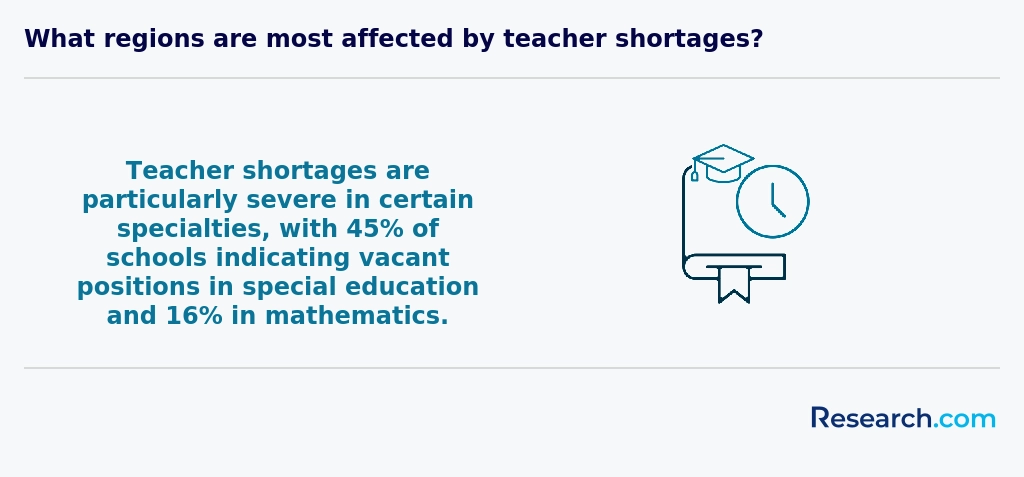
To teach in Michigan K-12, graduates must meet state licensure standards through the Office of Educator Excellence. Key steps include:
- Completing an accredited master’s in education with a teacher preparation emphasis
- Earning a minimum GPA (often 3.0 or higher) as specified by your program
- Passing the Michigan Test for Teacher Certification (MTTC) in your grade band or subject area
- Submitting official transcripts, MTTC score reports and your application to the Michigan Department of Education
- Completing fingerprinting and a criminal background check
If you need to complete additional prerequisites before applying, consider an easiest online degree to efficiently cover foundational credits.
When you dive into an online education degree in Michigan, expect courses that really get to the heart of teaching and leadership. Graduates from popular schools like Western Michigan University or Michigan State often mention how courses like Educational Psychology helped them understand student behavior better-so creating lessons that actually click with different learners feels natural. Curriculum Design and Assessment classes are another big win, teaching you how to build lessons that fit a range of grade levels and subjects, which is a game-changer when you're planning your own classroom activities.
Instructional Technology is super useful too, especially since so much teaching now blends in digital tools; graduates say this course made online and in-person teaching smoother and more fun. Classroom Management strategies keep things running smoothly, and courses on Diversity and Inclusion prepare you to support every student's unique background, something graduates from the University of Michigan really appreciate. Plus, classes on Educational Leadership and Policy get you ready to take on bigger school roles down the road.
If you're diving into an online education degree in Michigan, you'll find plenty of choices for specializations that really fit your passions and career goals. Graduates from popular colleges in the state often mention how rewarding it was to focus on Curriculum and Instruction because it helped them design lesson plans that truly engage their students in real classrooms. Others have found their stride in Educational Leadership and Administration, gearing up to become principals or administrators and loving the challenge of school management.
Special Education is another big area here, especially in Michigan where there's a strong demand for teachers skilled in supporting students with diverse needs. Many graduates from well-known Michigan programs feel proud knowing their work makes a difference in kids' lives. Instructional Technology is also gaining traction, especially as schools adopt new digital tools, and graduates say this specialization gave them confidence to lead tech-forward classrooms.
Lots of folks also choose Early Childhood Education, focusing on young learners and finding joy in that first spark of education. If you're searching for affordable options, check out the most affordable online masters degrees in teaching available here. It's a smart way to combine quality and cost while exploring Michigan online master's in education concentrations that fit your unique path.
To pick the best online education degree in Michigan, start by checking if the school is regionally accredited-that's a huge deal because it affects your ability to get federal financial aid and qualify for state teaching certifications. Graduates from popular Michigan universities often praise the flexibility of their programs, especially when classes are asynchronous, letting them study after work or on weekends without stress. If you're juggling a job or family, this kind of schedule is a lifesaver. Also, think about the program's focus-whether it's curriculum design, leadership, or special education-and if it aligns with your career goals and Michigan's licensure requirements.
Cost matters too, and many folks find affordable online education programs Michigan-wide that balance price and quality. One practical step is to compare tuition with extra fees like tech or books. Some students have found real value by visiting rankings like the Cheapest Online Master's in Education Degree Programs Ranking in Iowa, even if they're from Michigan, just to gauge affordability.
Finally, don't overlook support services. Graduates from well-known colleges mention how helpful academic advisors and career counseling can be. These resources can make your learning journey smoother and even boost your job prospects once you graduate.
Graduates with an online education degree in Michigan find a bunch of rewarding career paths waiting for them. Many step into certified teaching roles across elementary, middle, or high schools, tackling subjects like math, science, or special education. A lot of folks from popular universities in Michigan share how their flexible online programs gave them the confidence to land teaching jobs with online education degree Michigan credentials without sacrificing day jobs or family time.
Others dive into school and district administration - think principals, curriculum coordinators, or program managers. These roles not only pay well but are super fulfilling if you enjoy leadership. Education grads often mention how their coursework in leadership and policy from their Michigan schools helped prepare them for these challenges.
There's also a solid demand for educational counselors and specialists who boost student support services and instructional technology. If you're into innovative learning tools, online programs in Michigan make it easy to pick up those skills. If you're curious about affordable options, don't miss the best associate degree in 6 months accredited that many MI students found useful to jumpstart their careers.
With Michigan's growing education sector, especially in special ed and counseling, the job outlook is bright. Whether you're into teaching jobs with online education degree Michigan programs or branching out into administration, there's room to grow and make a real difference.
If you're considering an online education degree in Michigan, you'll find the job market pretty encouraging. Graduates from well-known schools in the state often land teaching roles in busy districts around Detroit or Grand Rapids, where there's a steady need for educators, especially in special education and STEM. Many grads report that pursuing their degree online helped them balance work and family while preparing for a solid career. The Michigan job outlook for education graduates is especially bright for those who stick with certification requirements through the Michigan Teacher Certification System.
Besides traditional teaching, many online degree holders move into rewarding jobs as counselors or curriculum designers, expanding career choices beyond the classroom. Plus, tuition discounts for residents at Michigan institutions make online study affordable, which a lot of grads say was a game-changer. For those wondering about quick advancement, checking out programs with a focus on career growth can help - you might want to explore the fastest high paying degree options too.
2027 Best Online Master's in Education Degree Programs Ranking in Michigan
Investing in your education is a significant decision that can shape your future, and the Research.com team understands the importance of making informed choices. To assist prospective students in Michigan, we have meticulously crafted the "2027 Best Online Master's in Education Degree Programs Ranking in Michigan." Our commitment to quality, credibility, and accuracy is reflected in the extensive research and analysis conducted to compile this ranking.
We utilized the following reputable data sources to ensure a comprehensive evaluation of education programs:
By exploring this ranking, readers will gain valuable insights into the best online master's in education degree programs available in Michigan, helping them make well-informed decisions about their educational and professional futures. For more details on our methodology, please visit our Research.com methodology page.


Frequently Asked Questions About education
Online education degree students in Michigan can maximize their learning experience by actively engaging with their coursework and utilizing available resources. Michigan's higher education institutions often provide virtual tutoring, academic advising, and technology support to help students succeed. According to the Michigan Virtual Learning Research Institute, students who participate in interactive discussions and group projects tend to perform better. Time management is critical, so setting regular study schedules enhances progress. Additionally, joining online student communities and networking with peers can provide motivation and support. Familiarity with the university's learning management system ensures smooth access to materials and submissions.
Emerging niches within the education field in Michigan reflect broader national trends, with a focus on technology integration and specialized supports. One key area is educational technology, where demand for experts who can design and implement digital learning tools is growing rapidly.
Another rising niche is special education leadership. Michigan reports an increasing need for professionals trained to support diverse learners, particularly those with disabilities or requiring behavioral interventions, according to data from the Michigan Department of Education.
Additionally, culturally responsive teaching has gained prominence as schools seek educators skilled in equity and inclusion. This niche emphasizes preparing teachers to address Michigan's diverse student population effectively.
Data from the Michigan Center for Educational Performance & Information (CEPI) points to growth in these areas as districts prioritize innovation and equity in their hiring strategies.
After earning an online education degree in Michigan, preparing for the job market involves several key steps. First, graduates should obtain Michigan's teaching certification if aiming for K-12 positions. The Michigan Department of Education requires passing the Michigan Test for Teacher Certification (MTTC).
Networking is crucial; joining local professional organizations like the Michigan Education Association can provide valuable connections and job leads. Gaining practical experience through student teaching or internships during your degree strengthens your resume.
According to the Michigan Department of Labor, education jobs are expected to grow 7.5% by 2030, making skills like classroom management and technology use essential. Graduates should tailor resumes and prepare for interviews by highlighting these competencies.
Employers in Michigan highly value education degree graduates who demonstrate strong communication and classroom management skills. According to the Michigan Department of Education, effective communication with students, parents, and colleagues is essential for success in local schools. Additionally, expertise in modern instructional technology is increasingly important, as online and hybrid learning environments grow.
Critical thinking and adaptability are also frequently mentioned. Michigan schools often face diverse student needs, making flexibility a key asset. Data from the National Center for Education Statistics highlights that Michigan's schools prioritize educators who can analyze student performance and adjust teaching strategies accordingly.
Lastly, cultural competency is crucial in Michigan's varied communities. Teachers must understand and respect cultural differences to foster inclusive classrooms that improve learning outcomes.
Finding internships in Michigan relevant to an education degree involves several strategic steps. Start by exploring local school districts and education-focused nonprofits, as they frequently offer internship opportunities for education students. The Michigan Department of Education website lists approved districts and programs that may help locate internships aligned with state requirements.
Additionally, universities offering online education degrees often have partnerships with Michigan schools, providing exclusive internship placements. Platforms like Handshake and indeed.com also list internships, but prioritize those specifying Michigan locations to increase relevance.
Networking through local education associations such as the Michigan Education Association can offer valuable leads. According to the National Center for Education Statistics, Michigan employs over 160,000 public school teachers, reflecting ample opportunities for practical experience.
Online education degrees in Michigan significantly enhance career mobility and advancement opportunities for educators. According to the Michigan Department of Education, educators holding advanced degrees are more likely to qualify for leadership roles such as curriculum coordinators or principals. An online degree offers flexibility, allowing professionals to balance work and study, which encourages continued career development.
Data from the U.S. Bureau of Labor Statistics show that those with master's degrees in education tend to earn higher salaries and experience lower unemployment rates nationally, a trend reflected in Michigan's education sector. Local districts often require advanced credentials for salary increases and specialist roles.
Moreover, Michigan's commitment to supporting educators through professional development means online degrees are increasingly recognized as valid pathways to career growth. This trend promotes equal access to opportunities across the state.
Studying for an education degree online in Michigan equips students with skills to engage in interdisciplinary roles by integrating knowledge from multiple fields. Michigan's education programs emphasize collaboration between education, psychology, technology, and social sciences, fostering versatile educators. According to the Michigan Department of Education, many institutions tailor curricula to address diverse classroom needs, including special education and educational technology.
Students learn to design inclusive curricula and engage with community resources, preparing them for roles beyond traditional teaching. This interdisciplinary focus supports careers in counseling, administration, and educational policy, critical for evolving educational environments in Michigan and nationwide.
When choosing between a thesis and a non-thesis online education degree program in Michigan, consider your career goals and learning preferences. Thesis programs typically require original research and writing, which can prepare you for roles in academia or research-focused positions. Non-thesis programs often emphasize practical skills and may include internships or comprehensive exams instead of a formal research project.
Michigan's universities, such as the University of Michigan and Michigan State University, offer both options, allowing flexibility for students balancing work and study. According to the Michigan Department of Education, thesis programs may take longer to complete due to research demands.
Financial aid and program length should also factor into your decision, as non-thesis degrees sometimes offer quicker completion timelines. Review curriculum details carefully and consult academic advisors to align the program with your professional aspirations.
Students based in Michigan who wish to study education abroad through online degree programs have growing options. Many accredited U.S. universities offer online education degrees with global perspectives, enabling students to engage with international curricula without leaving Michigan. According to the Michigan Department of Education, partnerships between Michigan institutions and foreign universities are expanding, providing pathways for virtual exchange programs and study abroad internships.
Michigan universities like the University of Michigan and Michigan State University provide online master's programs that include opportunities for international study components or research collaborations. These programs often blend online coursework with short-term travel or virtual cultural immersion, preparing educators for diverse classrooms worldwide.
Financial aid and scholarships specific to international study are available through Michigan higher education resources, helping reduce costs for exploring global education fields while enrolled locally. This approach meets the needs of Michigan students wanting an international education experience while leveraging flexible online education models.
Michigan offers various part-time job opportunities that effectively complement online education degree studies. Positions such as teacher assistants, substitute teachers, and after-school program coordinators allow students to gain practical experience while studying. According to the Michigan Department of Education, nearly 15% of education professionals hold secondary roles that support classroom learning.
Working as a tutor or educational aide in school districts like Detroit Public Schools Community District or Grand Rapids Public Schools can enhance pedagogical skills. Additionally, roles in early childhood education centers align well with education degrees and typically offer flexible hours suitable for part-time work.
The experience gained from these roles strengthens resumes and networks, important for future career advancement in education within Michigan's diverse school systems.
Online education students in Michigan benefit from multiple networking opportunities that enhance both learning and career prospects. Many universities offer virtual events, discussion forums, and group projects designed to connect students across distances. For example, the University of Michigan and Michigan State University provide dedicated online communities and alumni networks specific to education majors.
Additionally, professional organizations such as the Michigan Education Association (MEA) offer memberships that include access to workshops, conferences, and mentorship programs. These resources allow students to engage with experienced educators and local school districts.
The Michigan Virtual Learning Research Institute reports growing collaboration between online learners and regional education centers, promoting real-world experience and professional relationships.
Alumni networks play a crucial role for online education degree students in Michigan by providing access to professional connections and career resources. Michigan-based universities, such as the University of Michigan and Michigan State University, maintain extensive alumni databases that help graduates connect with mentors and job opportunities. According to the State Higher Education Executive Officers Association, strong alumni ties increase employment rates by up to 20% within two years after graduation.
These networks also offer webinars, workshops, and networking events tailored for online learners, helping bridge the distance gap common in remote education settings. They increase access to job leads within Michigan's growing education sector.
Michigan offers diverse options to customize your online education degree to align with your career goals. Many state universities provide specialized tracks such as curriculum development, educational leadership, or special education, allowing you to focus on your area of interest. By selecting relevant electives and concentrations, you can tailor the program to gain skills needed for roles ranging from classroom teacher to school administrator.
Additionally, practicum or internship opportunities incorporated into some programs help apply theoretical knowledge in real-world settings. Michigan's Department of Education also supports licensure pathways that you can integrate into your degree plan, enhancing your professional credentials.
According to the National Center for Education Statistics, Michigan ranks among states with a strong push towards accessible online education, facilitating flexibility for working adults and professionals seeking advancement.
Online education students in Michigan often face challenges related to technology access and digital literacy. According to the Michigan Department of Education, approximately 10% of households lack reliable internet, which can hinder participation in virtual classes. Time management also remains a significant hurdle, as many students balance coursework with work and family responsibilities.
Another common issue is limited interaction with instructors and peers, which may affect motivation and support. Additionally, navigating state certification requirements for educators through online programs can be complex, requiring careful attention to coursework and practicum standards outlined by Michigan's Department of Licensing and Regulatory Affairs.
With an online education degree in Michigan, you can pursue several professional certifications that enhance your career opportunities. One common certification is the Michigan Professional Educator Certificate (PEC), which allows graduates to teach in public schools across the state. This certificate often requires passing the Michigan Test for Teacher Certification (MTTC).
Additionally, many educators pursue National Board Certification, a highly respected credential that demonstrates advanced teaching skills. According to the Michigan Department of Education, over 1,500 teachers hold this certification in the state.
Online education graduates can also specialize by earning endorsements in areas such as Special Education or TESOL (Teaching English to Speakers of Other Languages), which require additional coursework and tests. These certifications align with Michigan's commitment to supporting diverse learners in its classrooms.
To write a winning application for an online education program in Michigan, start by thoroughly researching the specific requirements of your chosen schools. Many institutions, such as Michigan State University and the University of Michigan, emphasize a strong academic record and relevant teaching experience. Highlight your professional achievements clearly to demonstrate readiness for graduate-level study. Include a well-crafted personal statement that reflects your educational goals and how the program aligns with them.
Make sure to submit all required documents, including transcripts and letters of recommendation, on time. According to the Michigan Department of Education, programs often value candidates who show commitment to the state's educational needs. Proofreading your application for errors is crucial to present a professional image.
Globally, an education career is viewed as vital for social and economic development. In the United States, including Michigan, education professionals are increasingly expected to adapt to diverse learning environments and emerging technologies.
Michigan's emphasis on online education degrees reflects the growing demand for flexible, accessible teacher training, aligning with international trends toward digital learning. According to the Michigan Department of Education, enrollment in online education programs has risen steadily, supporting workforce needs in both urban and rural areas.
On a global scale, educators are valued not just for teaching skills but also for cultural competence and lifelong learning abilities. This aligns with Michigan's goals to prepare education professionals who can meet diverse student needs in a connected world.
Gaining practical experience while studying for an online education degree in Michigan is essential for developing teaching skills. Many Michigan institutions offer virtual student teaching opportunities or partnerships with local schools to fulfill hands-on requirements. For example, programs accredited by the Council for the Accreditation of Educator Preparation (CAEP) often integrate supervised internships or practicum experiences.
Additionally, Michigan's Department of Education supports field experiences in diverse classroom settings, allowing online students to apply theory in real-world contexts.
Students can also volunteer or work part-time as teacher aides, gaining valuable insight into classroom management and instruction.
Statewide, approximately 95% of teacher preparation programs include some form of experiential learning, ensuring practical readiness for certification.
Choosing the right concentration within an online education degree program in Michigan depends on your career goals and interests. Michigan offers concentrations such as curriculum design, educational leadership, special education, and technology integration. The Michigan Department of Education reports that special education teacher shortages remain high, indicating strong demand in this field.
Reviewing job market data helps; for instance, educational leadership roles in Michigan often require specific certification. Many programs align with state licensure requirements, which is crucial if you plan to teach or administrate in Michigan public schools.
Additionally, consider program flexibility and faculty expertise to match your learning style and professional objectives.
- 2027 Best Online Master's in Education Degree Programs Ranking in Ohio
- 2027 Best Online Master's in Education Degree Programs Ranking in Indiana
- 2027 Best Online Master's in Education Degree Programs Ranking in Wisconsin
- 2027 Best Online Master's in Education Degree Programs Ranking in Illinois
- 2027 Best Online Master's in Education Degree Programs Ranking in Minnesota
- 2027 Best Online Master's in Education Degree Programs Ranking in Pennsylvania
- 2027 Best Online Master's in Education Degree Programs Ranking in Kentucky
- 2027 Best Online Master's in Education Degree Programs Ranking in Iowa
- 2027 Best Online Master's in Education Degree Programs Ranking in Missouri
- 2027 Best Online Master's in Education Degree Programs Ranking in New York
See What Experts Have To Say About Studying Education
Read our interview with Education experts

Nooshan Ashtari
Education Expert
Professor & Book Author
University of Southern California

Alan J. Singer
Education Expert
Professor of Teaching, Learning and Technology
Hofstra University

- Education Cover Letter: 6 Steps to Write a Job-Winning One [+Example & Template] | Cake https://www.cake.me/resources/cover-letter/education-cover-letter
- The 8 challenges of education in a changing world https://casvitrescantos.com/en/the-8-challenges-of-education-in-a-changing-world/
- How to Write a Great Letter of Intent for a Teaching Job | Zen Educate https://www.zeneducate.com/us/resources/becoming-a-teacher/how-to-write-letter-of-intent-teaching-job/
- Skills Employers Look for In Graduates https://careerdc.com.au/resources/what-skills-employers-want/
- Finding Your Path: How to Align Studies with Career Goals https://www.alfabetaglobal.com/blogs/finding-your-path-how-to-align-your-studies-with-your-career-goals
- Networking Tips and Advice for Students https://schoolshouldbe.com/post/networking-tips-and-advice-for-students/
- Why Is Education Important in Your Career Advancement? - KWSP Malaysia https://www.kwsp.gov.my/en/w/article/career-advancement
- Networking For Educators: How To Grow A Professional Circle - Carlow University https://www.carlow.edu/networking-for-educators/
- Top 10 Effective Networking Tips for Students https://www.unfc.ca/blog/networking-tips-for-students
- Education in Michigan can improve, if it's done right - The Education Trust - Midwest https://midwest.edtrust.org/news/education-in-michigan-can-improve-if-its-done-right/