
2027 Easiest Online Doctorate in Education Degree Programs Ranking in Virginia

Co-Founder and Chief Data Scientist
Choosing the right online doctorate in education program can feel overwhelming, especially when balancing life and career in Virginia. This article introduces the 2027 Easiest Online Doctorate in Education Degree Programs Ranking in Virginia, carefully crafted by the Research.com team of data scientists to guide you through your options.
By exploring this ranking, you'll discover programs that match your goals without unnecessary stress. Earning an education doctorate opens doors to leadership roles and personal growth, making your journey worthwhile. Let this resource support your path to success with clarity and confidence.
Key benefits of getting online education degree in Virginia
- Graduates with an education degree in Virginia can expect competitive salaries, such as Academic Deans earning a mean annual wage of $100,720 and University Presidents receiving around $258,900 yearly.
- Potential career paths include roles like University Professor or Department Chair, both offering meaningful opportunities to influence education and earn a steady income with mean wages close to $96,570.
- Online education degrees from Virginia schools offer flexibility and convenience, allowing students to balance work and study while gaining credentials that employers value equally to traditional degrees.
- 2027 Easiest Online Doctorate in Education Degree Programs Ranking in Virginia
- What can I expect from online education degree in Virginia?
- Where can I work with online education degree in Virginia?
What can I expect from online education degree in Virginia?
If you're thinking about an online education degree in Virginia, you'll be happy to know the costs are pretty reasonable compared to other states. For example, students attending well-known schools like Virginia Commonwealth University or George Mason University often find the annual tuition sits between $8,000 and $12,000 if you're an in-state student. Graduates often mention how this price felt totally doable, especially since they could keep working while studying online without worrying about pricey commuting or housing.
One graduate shared how being able to manage both family and coursework without breaking the bank made the whole experience feel less stressful. Plus, many programs come with financial aid options and state-specific scholarships tailored for Virginia residents, which can really ease the financial side.
So, if you enroll in these popular Virginia universities' online education programs, you're looking at solid quality education that fits your budget and life commitments-a win-win situation for busy learners!
Where can I work with online education degree in Virginia?
If you're earning an online education degree in Virginia, you've got tons of great options waiting for you. Lots of grads find themselves working in public K-12 schools, where school districts across the state-like those near Virginia Tech or the University of Virginia-are always looking for talented teachers, curriculum developers, or even school leaders. Imagine stepping into a role as a classroom teacher one day and then moving up to become a principal or curriculum coordinator thanks to your advanced degree.
Many graduates from Virginia's online education programs also land spots at colleges or universities teaching future educators or helping in student support roles. These positions feel rewarding because you're shaping the minds of the next generation, whether it's at a local community college or a bigger school like George Mason University.
Plus, there are cool roles outside schools too-in government agencies or nonprofits where you could help design education policies or lead teacher training programs. It's pretty inspiring to know your work can impact education across the whole state, not just in one classroom.
If you earn an online education degree in Virginia, you can expect some pretty solid salary opportunities, especially if you aim for university roles. Graduates from popular schools like the University of Virginia or James Madison University often find themselves in positions like university professor or academic dean. For example, a university professor in Virginia earns around $96,570 a year, which is a great paycheck for doing what you love.
Step up to leadership roles, and the numbers get even better. Academic deans pull in about $100,720 annually, while positions like provost or university president can pay a whopping $258,900. Imagine working your way up and seeing your paycheck reflect the extra responsibility and experience you've gained-all while having the flexibility an online degree offers.
Many grads share how balancing work and study online helped them get ahead without quitting their jobs, making it a win-win. It really shows how Virginia's education field rewards dedication, whether you're starting in the classroom or leading a whole department.
- Virginia offers accredited online education degree programs at bachelor's, master's, and doctorate levels in areas like curriculum, leadership, and special education.
- The cost for a graduate-level online education degree typically ranges from $15,000 to $30,000, with public universities offering lower tuition for in-state students.
- Entry-level educators with a master's degree in education earn between $45,000 and $55,000 annually, increasing to around $70,000 or more with experience and advanced roles.
- The job market is strong, especially in special education, instructional coordination, and educational technology, with moderate growth expected through the mid-2020s.
- State initiatives support online students, making online degrees flexible options for working professionals and those balancing family responsibilities.
If you're thinking about getting an online education degree in Virginia, the time it takes can really depend on how you approach it and where you study. For example, graduates from schools like Virginia Tech or the University of Virginia often say that a bachelor's degree usually takes about four years if you're studying full-time. But if you're juggling a job or family, taking five or six years feels more realistic-many find that part-time pace works best for their busy lives.
Associate degrees, which are less common but still great options, typically wrap up in about two years at some community colleges around the state. Graduate degrees offer a bit more flexibility, with master's programs online often done in 18 to 24 months full-time. Some graduates appreciated being able to pace themselves, stretching it out to three or four years when needed.
Doctoral degrees are a bigger commitment. They usually range from three to six years due to the coursework and dissertation work. But if you've got previous credits or want to move faster, accelerated tracks at Virginia's top universities make that possible.
Easiest online doctorate in education programs are designed to minimize barriers and streamline progress for busy professionals. Key factors include:
- Flexible course formats such as asynchronous lectures and rolling start dates
- Low total credit requirements or integrated research semesters to shorten time to degree
- Robust dissertation support with dedicated mentors, writing workshops and milestone checkpoints
- Generous transfer credit policies that recognize prior graduate coursework
- Fully online delivery with minimal or no on-campus residency requirements
Before committing to a doctorate, some candidates opt for accelerated pathways such as one year masters programs to build advanced skills quickly.
If you're thinking about getting an education degree in Virginia, you'll notice online and on-campus programs feel pretty different. Online programs, like those offered by popular schools such as James Madison University or George Mason, let you study from your couch or favorite coffee shop. Graduates often say the flexibility is a lifesaver, especially when juggling jobs or family life. You watch lectures on your own time and chat with classmates through virtual platforms, which can be less stressful if you don't love crowded hallways.
On-campus degrees at places like the University of Virginia bring a totally different vibe. You get to attend in-person classes, join study groups, and dive into campus life with access to libraries and labs. Graduates from these programs often mention how much they appreciated face-to-face support and spontaneous hallway conversations with professors.
Tuition costs can vary too-online programs sometimes run cheaper since you're not using campus facilities all the time. Plus, in Virginia, many online courses offer per-credit pricing, making it easier to budget your education without sacrificing quality.
Before embarking on an online doctorate in education, it’s essential to recognize how a master’s program lays the groundwork for success. Many candidates find that understanding the benefits of online masters in education not only boosts confidence but also streamlines the transition into doctoral-level coursework. Your master’s experience equips you with critical research methodologies, time-management strategies, and familiarity with virtual learning platforms-key competencies for navigating rigorous EdD or PhD programs. A solid master’s background helps you excel in dissertation proposals, data analysis, and peer collaboration. Coursework in curriculum design, educational leadership, or instructional technology sharpen your ability to identify research gaps and contribute original insights. Moreover, many online master’s programs foster mentorship opportunities with faculty members who can later serve on your doctoral committee, offer letters of recommendation, or guide your publication efforts. Finally, from a practical standpoint, a completed master’s degree often provides eligibility for advanced financial aid, grants, and assistantships specific to doctoral candidates. Employers and grant committees frequently view a robust online master’s transcript as evidence of your commitment and capacity for sustained academic inquiry. By strategically building on your master’s achievements, you’ll position yourself to thrive in Virginia’s easiest online doctorate in education programs.
The average cost of an online education degree in Virginia usually lands around $33,060 for in-state students, while out-of-state learners can expect to pay closer to $35,700. Those numbers come from looking at total program costs, which can vary quite a bit depending on the school and the exact degree path you choose. Graduates from places like Virginia Tech often say that the balance between cost and quality makes their investment feel worthwhile-especially when factoring in the flexibility online programs offer.
For anyone curious about Virginia online doctorate in education tuition fees, you'll find that these advanced programs can hit higher price points, with totals sometimes edging towards $42,000. But many students find that the opportunity to advance their careers offsets the expense, especially with financial aid options available. If you're exploring options, public universities like the University of Virginia tend to have more affordable rates, while private schools may come at a premium but sometimes offer specialized programs tailored to your goals.
Aside from tuition, keep in mind you might encounter extra fees like technology charges or materials. Still, many students feel the overall investment pays off in the long run. If you're looking for detailed info on affordable programs, check out the affordable education schools in virginia to find good fits without breaking the bank.
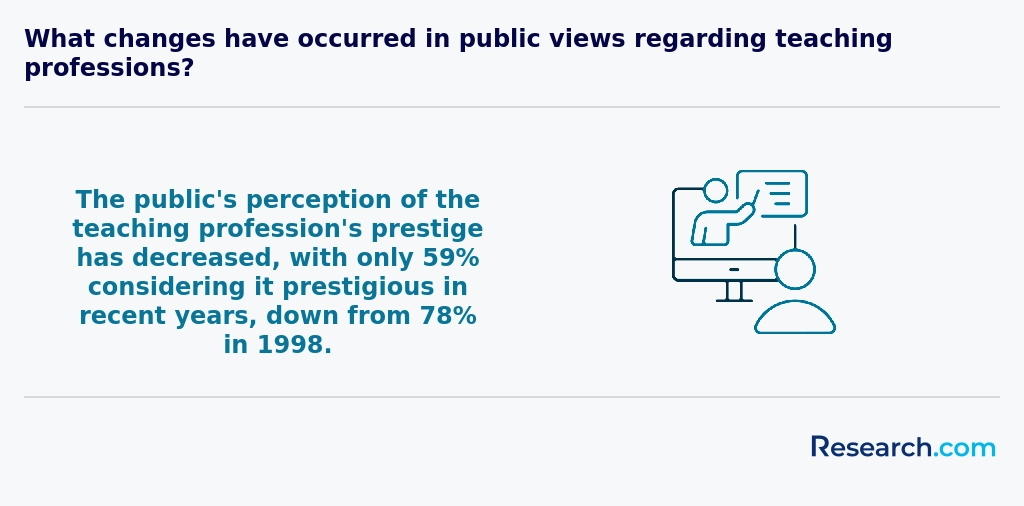
Choosing a regionally and programmatically accredited online doctorate in education in Virginia is essential to ensure your degree is recognized by employers, licensure boards, and federal financial aid programs. Most Virginia institutions hold regional accreditation from the Southern Association of Colleges and Schools Commission on Colleges (SACSCOC), which evaluates overall institutional quality. In addition, look for programmatic accreditation from the Council for the Accreditation of Educator Preparation (CAEP), as it specifically validates the rigor and relevance of education curricula. Accreditation not only affects eligibility for federal grants and loans but also facilitates credit transfer should you decide to pursue additional credentials-whether in Virginia or out of state. For example, graduates who later explore specialized master’s pathways often consult the Most Affordable Online Master’s in Education Degree Programs Ranking in Kansas to compare cost and quality benchmarks across accredited programs. To verify accreditation status, visit the U.S. Department of Education’s Database of Accredited Postsecondary Institutions and Programs (DAPIP) or CAEP’s official directory. Confirm that your target school appears under both regional and programmatic listings. Beware of “degree mills” claiming quick doctoral pathways without recognized accreditation-these can jeopardize licensure, reduce employment prospects, and invalidate eligibility for professional development grants. Finally, accreditation impacts curriculum design and faculty qualifications. Accredited programs require faculty with terminal degrees in education and a track record of scholarship or K–12 leadership. They also mandate regular program reviews, stakeholder feedback, and continuous improvement plans. By prioritizing accredited online doctorate programs, you safeguard your investment and ensure your Virginia doctorate in education maintains its value throughout your career.
If you're diving into an online education degree in Virginia, there's really good news: plenty of financial aid options can ease the cost. Many grads from places like the University of Virginia and Virginia Commonwealth University highlight how federal aid, especially Pell Grants, can be a total game-changer since you don't have to pay that back. Just filling out the FAFSA is the first step to grabbing those funds, which can reach up to $7,395 per year.
State aid is another solid help. The Virginia Tuition Assistance Grant (VTAG) often surprises students attending private Virginia colleges-they get a nice tuition break, and some online programs partner up so you might snag similar support. Plus, schools themselves often toss in scholarships based on how well you're doing or your financial situation, which grads say really made their online learning feel affordable.
And don't forget about employer tuition reimbursement! Plenty of folks working in Virginia school districts have gotten their tuition partly covered, even reimbursed for books or exam fees, which takes a big weight off. Lastly, lots of private scholarships targeting future educators are out there, and tools like Fastweb make hunting them down pretty easy.
The following criteria highlight why some programs stand out for accessibility and student success:
- Flexible, fully asynchronous course schedules that accommodate working professionals
- Minimal to no campus residency requirements or short, infrequent intensives
- Generous transfer credit policies and limited credit-hour requirements
- Waived GRE/test-score mandates and straightforward admissions processes
- Structured cohort models with clear timelines and consistent start dates
- Dedicated academic support, dissertation mentorship, and tech assistance
To balance ease of study with affordability, review our cheapest online masters guide.
If you're thinking about enrolling in an online education degree in Virginia, here's the lowdown on what you'll typically need. For undergrads, most programs want to see your high school diploma or GED-pretty straightforward. Some colleges, like those popular ones in Richmond or Charlottesville, even offer bridge programs if you need to brush up on certain skills before diving in fully. It's a nice way to ease into things without stress.
For graduate degrees, like a Master's or Doctorate in Education, you'll usually need a bachelor's degree from an accredited school and a decent GPA, often around 3.0 or higher. Graduates from these programs often talk about how sending in solid recommendation letters and a purposeful personal statement really helped their applications shine.
- Official transcripts from all colleges attended
- Letters of recommendation
- A clear statement of purpose
- Relevant teaching or educational work experience
- Sometimes GRE scores, though many schools waive this now
It's also reassuring that many Virginia programs are accredited by CAEP, meaning you're getting a quality education that counts toward licensure. Students often mention how that accreditation boosted their confidence when applying for teaching jobs in the state. So, if you're ready to take that step, meeting these prerequisites really sets you on the right path.

For prospective online doctorate programs in education, leveraging comprehensive support resources is as crucial as selecting the right curriculum. Many Virginia institutions offer dedicated academic advising, technical support, tutoring services, and vibrant alumni networks that help students navigate the challenges of online learning. By tapping into these support systems, including virtual career centers and mentorship programs, students can enhance their academic performance, network with industry experts, and build a solid foundation for future career opportunities. Moreover, staying informed about budget-friendly options-such as affordable education schools in virginia-can ease financial concerns and further support long-term educational success. With proactive engagement in these resources, online education students in Virginia not only overcome hurdles but also transform challenges into stepping-stones toward professional and personal growth.
If you're diving into an online education degree in Virginia, you'll quickly notice the courses cover a good mix of the essentials and some specialized topics tailored to real classroom needs. Graduates from popular Virginia schools often talk about how foundational classes-like educational theory and instructional strategies-really helped them understand how students learn and how to keep a classroom running smoothly. Imagine feeling confident when designing your first lesson plan because you've already studied child development and adolescent psychology in depth.
Beyond the basics, students get into more hands-on stuff like curriculum development and assessment methods-basically, learning how to create programs that actually work for diverse learners. Many mention how exciting it was to explore educational technology, since using digital tools is becoming a must-have skill whether you go into an online or traditional classroom.
Plus, if you're thinking about roles beyond teaching, online degrees in Virginia often include classes on educational leadership and policy. It's reassuring to know your program can help you prepare for admin jobs or even principal roles. And if research interests you, expect courses on data analysis and evidence-based teaching methods, which graduates say gave them real confidence in making decisions based on solid facts.
When it comes to online education degrees in Virginia, you'll find a bunch of specializations that really fit different career goals. Graduates from schools like George Mason University often talk about how programs in Educational Leadership helped them step into roles like principals or education managers. Others who chose curriculum or special education pathways say how rewarding it is to design better learning experiences or support students with unique needs.
For those interested in niche fields, Virginia's universities offer specializations in areas like adult education or higher education administration, perfect for educators looking to manage college programs or workforce training. Some graduates mention how these options made their studies feel super relevant and tailored to the Virginia educational landscape. If you're curious about the full range and their benefits, it's worth checking out the benefits of online masters in education especially as many programs align with state standards and certification requirements.
Virginia's options for online education doctoral specializations Virginia include Reading and Literacy or counseling, helping teachers sharpen skills that really impact real classrooms. Students praise how flexible studying online here lets them balance work while advancing their careers. Plus, many report getting in-state tuition rates at public universities, which keeps costs down while they focus on growing as educators.
When choosing the best online education degree in Virginia, start by checking if the program is properly accredited-this makes a huge difference when it comes to future job opportunities. Graduates from Virginia Commonwealth University often share how the solid accreditation gave them peace of mind and helped them feel confident applying for teaching licenses. Also, think about what you want to specialize in, whether it's special education, counseling, or educational leadership. Many find it helpful to pick a program that aligns with their dream career path.
Cost is a big factor too-online degrees here can be more affordable than you think! In fact, several students have pointed out that programs at state schools usually come in under the national average tuition. If you're searching for affordable online education degrees Virginia has options with manageable tuition and financial aid to ease the budget.
Flexibility really makes a difference when juggling work and studies. At places like George Mason University, graduates often rave about asynchronous classes that let them learn on their own schedule. If speed is your thing, some even take accelerated courses to finish faster. You should also explore online support services like tech help and career counseling, which many Virginia programs provide to keep you on track.
For a clearer picture, check out graduation rates and employment stats published by these schools-they can show how well others have done after finishing. You might also want to see the Most Affordable Online Master's in Education Degree Programs Ranking in Kansas for comparison and inspiration.
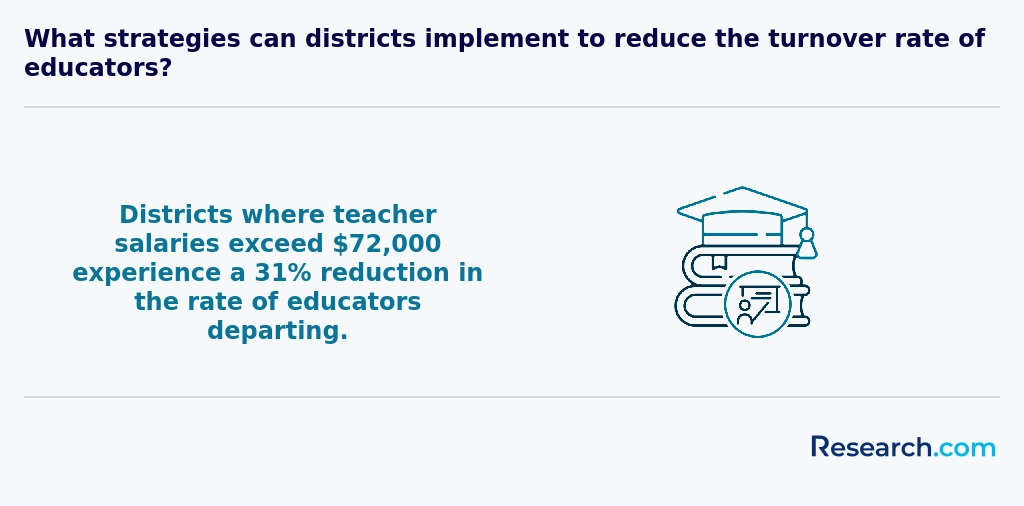
Graduates from online education programs in Virginia often find themselves stepping into rewarding roles like licensed teachers across public and private schools. Whether someone studied at George Mason University or Old Dominion University, it's common to start in early childhood or K-12 classrooms, thanks to programs tailored to meet Virginia's licensure requirements. This hands-on experience feels great when you see your impact every day!
Some graduates go further, diving into educational administration. Pursuing a Virginia doctorate education degree job opportunities opens doors to become principals, curriculum coordinators, or instructional supervisors. Many find studying online lets them balance work and life while climbing the career ladder.
Other career options are just as exciting-think instructional design, educational consulting, adult education, or special education teaching. Plus, if you're exploring less traditional routes, Virginia's focus on STEM and literacy means plenty of special roles are popping up. If you want a starting point, check out some fantastic programs at open admission colleges offering flexible education degrees tailored to your schedule.
If you're considering an online education degree in Virginia, you'll find the job market is really promising. Schools and districts across the state are actively hiring, especially as the Department of Education projects a steady need for about 1,100 new teachers each year through 2028. Graduates from popular programs at universities like George Mason and Virginia Commonwealth often share how their online experience helped them quickly step into roles like K-12 teachers or even curriculum coordinators.
The Virginia employment opportunities for education graduates go beyond just teaching. Many find themselves in educational leadership or tech specialist roles, supporting schools through the digital learning shift. Plus, salaries look good - teachers earn between $52,000 and $63,000 annually, while administrators can make over $90,000.
One important consideration is cost, and online graduate programs in Virginia typically charge between $8,000 and $18,000 a year. That investment pays off nicely given the demand, especially if you want to explore the most in demand college majors. Graduates often mention feeling excited and prepared to make a real difference in their communities right after finishing their degree.
2027 Easiest Online Doctorate in Education Degree Programs Ranking in Virginia
Investing in your education is a significant decision that can profoundly impact your career and personal growth. The Research.com team recognizes the importance of providing trustworthy and accurate information to help prospective students make well-informed choices. To this end, we have carefully developed the "2027 Easiest Online Doctorate in Education Degree Programs Ranking in Virginia," ensuring the highest standards of quality, credibility, and precision in our analysis.
We utilized the following reputable data sources to create this ranking:
By consulting this ranking, readers will gain valuable insights into the most accessible and quality online doctorate programs in education in Virginia, enabling informed educational decisions. For further information about the methodology behind this ranking, please visit our Research.com methodology page.


Frequently Asked Questions About education
Online education degree students in Virginia can maximize their learning experience by actively engaging with course materials and faculty. Research from the Virginia Department of Education highlights that students who participate in virtual discussions and seek regular feedback tend to perform better. Time management is essential; setting a consistent study schedule helps balance work, family, and education. Utilizing Virginia's public university resources, like tutoring and library access, can also enhance understanding. Finally, networking with peers through online groups promotes collaboration and practical insights, improving both academic success and career readiness in the state's growing education sector.
The education field in Virginia is expanding into several emerging niches that reflect current societal and technological trends. One key area is educational technology, where professionals focus on developing and implementing digital tools to enhance learning. According to the Virginia Department of Education, demand for specialists in this field has grown by over 15% in recent years.
Another growing niche is special education, particularly in online and remote learning settings. Virginia's schools increasingly seek educators trained to support students with diverse learning needs using digital platforms. Additionally, there is rising interest in leadership roles that address equity, inclusion, and culturally responsive teaching practices, responding to Virginia's diverse student population.
Finally, adult education and workforce training programs have expanded to meet evolving economic demands. These areas align with Virginia's focus on lifelong learning and upskilling in high-demand sectors.
After completing an online education degree in Virginia, preparing for the job market requires a strategic approach. Start by leveraging resources at Virginia's Career Centers, which often provide resume workshops, interview coaching, and job fairs focused on regional education opportunities. Networking is crucial; connecting with alumni and local educators through platforms like LinkedIn can open doors to classrooms and administrative roles.
Virginia's education sector is growing, with a 5% projected increase in teacher employment through 2031 according to the Virginia Employment Commission. It's important to research required state certifications for teachers or administrators via the Virginia Department of Education website to ensure compliance.
Gaining practical experience through internships or volunteering in Virginia schools enhances your resume. Additionally, consider joining professional associations such as the Virginia Education Association to stay informed about job openings and policy changes.
Employers in Virginia value several key skills in graduates holding education degrees, especially those earning their credentials through online programs. Strong communication abilities top the list, as educators must effectively engage with students, parents, and colleagues. According to the Virginia Department of Education, interpersonal skills are critical for collaboration and classroom management.
Additionally, adaptability is essential, particularly in today's evolving digital learning environment. Employers seek candidates proficient with educational technologies and online teaching tools. Research from the National Center for Education Statistics highlights that technology integration in Virginia schools is increasing, making tech-savviness a high-priority skill.
Finally, critical thinking and problem-solving capabilities are widely recognized. These skills enable teachers to address diverse student needs and contribute to effective curriculum development. Understanding and applying these core competencies significantly enhances employability in Virginia's education sector.
Finding internships in Virginia relevant to an education degree involves several strategic steps. Start by exploring partnerships between Virginia's universities and local school districts, as they often facilitate internship placements for education students. For example, the Virginia Department of Education provides resources connecting students with practical teaching opportunities.
Use online platforms like Handshake or the Virginia Education Association's career page, which list local internship openings specifically designed for education majors. Networking with faculty and attending virtual career fairs can also reveal valuable leads.
Since Virginia ranks in the top 10 states for teacher employment (according to the Bureau of Labor Statistics, 2023), there are many public and private schools offering internships. Contacting school administrators directly can help uncover unadvertised positions.
Additionally, the Virginia Internship Gateway offers a centralized hub to search statewide internships across various education-related fields.
An online education degree in Virginia can significantly enhance career mobility and advancement for educators and professionals in the state. According to data from the Virginia Department of Education, individuals with advanced degrees, including online doctorates, often qualify for higher-level positions such as instructional coordinators, school administrators, and curriculum specialists.
Virginia teachers with a doctorate degree typically see salary increases ranging from 10% to 20% compared to those holding a master's degree, reflecting state pay scale adjustments. Online programs accredited by recognized bodies provide flexibility while maintaining rigorous standards, making it easier for working professionals to pursue career growth without relocating.
Additionally, the Virginia Department of Education values advanced online degrees equally to traditional degrees for licensure and promotion. This acceptance opens doors for educators to assume leadership roles more quickly. The convenience of online learning paired with Virginia's commitment to supporting professional development maximizes career advancement opportunities.
Studying for an education degree in Virginia equips students with skills that extend beyond traditional teaching roles, preparing them for interdisciplinary careers in various fields. Virginia's online programs emphasize research, leadership, and collaboration across disciplines such as psychology, technology, and social services. According to the Virginia Department of Education, programs often include coursework in data analysis and organizational management, which are crucial for roles in policy development and educational consulting.
Additionally, Virginia's universities integrate practical experiences that encourage problem-solving in diverse educational settings, fostering adaptability. The emphasis on evidence-based practice prepares graduates to apply knowledge in multiple sectors, aligning with workforce trends highlighting the growing demand for versatile education professionals in the state.
When choosing between a thesis and a non-thesis education degree program in Virginia, consider your career goals and learning preferences. Thesis programs typically focus on original research, suited for those aiming for academic or research roles. Non-thesis programs often emphasize practical skills and coursework, ideal for professionals targeting administrative or instructional positions.
In Virginia, many online education programs follow this structure, with thesis options requiring a substantial research project completed under faculty supervision. Non-thesis tracks usually culminate in comprehensive exams or capstone projects. According to the Virginia Department of Education, the state sees growing demand for both research skills and practical leadership expertise.
Understanding the time commitment is important-thesis degrees may require additional months for research and writing. Additionally, Virginia's higher education institutions, including public universities, offer both options aligned with regional workforce needs.
Students in Virginia interested in studying education abroad through online degree programs have several pathways. Many Virginia-based universities offer partnerships with international institutions, enabling access to global curricula without leaving the state. According to the State Council of Higher Education for Virginia (SCHEV), more than 30% of Virginia's graduate students in education participate in programs with international study components or virtual global classrooms. These programs often include study-abroad opportunities during breaks or summer sessions.
Additionally, Virginia students can enroll in accredited online education doctorates that incorporate international perspectives on education policies and practices. This approach helps prepare educators for global environments while meeting Virginia's licensure and accreditation standards.
Virginia offers various part-time job opportunities that complement education degree studies, particularly for online learners. Positions such as teacher assistants, substitute teachers, and tutoring roles are common. These jobs provide practical classroom experience while accommodating flexible schedules.
According to the Virginia Department of Education, the demand for substitute teachers and tutors has grown by over 10% in recent years. Many public and private schools welcome part-time help, especially in subjects like mathematics, reading, and special education. Additionally, roles in after-school programs or educational nonprofits allow students to refine skills relevant to their degrees.
Engaging in such part-time work supports practical learning and enhances employability upon graduation.
Networking opportunities for online education students in Virginia have expanded significantly in recent years. Many Virginia institutions offer virtual events, discussion boards, and group projects to help students connect. For example, universities like Virginia Tech and Old Dominion University provide online platforms where students can collaborate and engage with faculty and peers.
Additionally, professional organizations such as the Virginia Education Association offer memberships and virtual conferences, enabling online students to build statewide professional connections. According to the Virginia Department of Education, nearly 30% of graduate students in education utilize these online resources to expand their professional networks.
Local educational conferences, webinars, and alumni groups also support networking, giving students valuable opportunities to meet educators across Virginia without geographic constraints.
Alumni networks play a vital role in supporting online education degree students in Virginia. These networks provide valuable opportunities for mentorship, professional connections, and career advancement. Many Virginia universities maintain active alumni groups that host virtual events and offer job placement assistance, which can be especially helpful for remote learners.
Research from the Virginia Department of Education highlights that engagement with alumni networks increases job placement rates by up to 15% for education graduates. Beyond career benefits, these networks foster a sense of community, reducing feelings of isolation common among online students.
For students pursuing online degrees, alumni connections often lead to collaborations on research and ongoing professional development, enhancing both learning and practical skills.
Virginia offers many accredited online education degree programs that allow students to tailor their studies to meet specific career goals. Most programs provide a variety of specialization options, such as curriculum design, educational leadership, counseling, or special education. Students can select electives aligned with their interests and professional ambitions.
Additionally, many universities in Virginia offer flexible practicum or internship placements, enabling students to gain relevant hands-on experience in their desired educational settings. According to the Virginia Department of Education, these customizable elements enhance job readiness and improve employment outcomes.
Faculty advisors also play a key role by helping students create individualized degree plans to align coursework with career objectives. Such features make online education degrees in Virginia adaptable and practical for working professionals.
Online education students in Virginia often face challenges related to time management and balancing work, family, and study. Many learners juggle full-time jobs while pursuing their degrees, making it difficult to stay consistent with coursework. According to the Virginia Department of Education, about 60% of online students report struggles with maintaining motivation over long programs.
Another common issue is accessing reliable technology and internet, especially in rural areas where broadband service can be limited. The Federal Communications Commission notes approximately 10% of Virginia households lack high-speed internet, affecting participation in live lectures or video assignments.
Lastly, students sometimes encounter limited interaction with faculty and peers, which can impact networking and academic support. This disconnect may reduce satisfaction and completion rates compared to traditional programs.
With an online education degree in Virginia, you can pursue several professional certifications that enhance your career prospects. Common certifications include the Virginia Professional Teaching License, which is required for K-12 public school teachers and can be pursued after completing an accredited education program. Additionally, you may obtain the National Board Certification, a prestigious credential recognized nationwide that validates advanced teaching skills.
Specialized certifications such as reading specialist or school counselor credentials are also available and valued within Virginia's education system. According to the Virginia Department of Education, these certifications often require additional coursework but open opportunities in leadership and specialized instruction.
Writing a winning application for an online education program in Virginia requires careful preparation and attention to detail. Start by researching the program's accreditation status, particularly those recognized by the Council for Accreditation of Educator Preparation (CAEP). Virginia schools typically value a clear statement of purpose that outlines your career goals and how the degree aligns with them.
Highlight any relevant teaching or educational experience, including professional development or certifications earned in Virginia's public school system. Admissions committees often look for evidence of leadership and commitment within educational settings.
Strong letters of recommendation are essential; seek references from supervisors or professors familiar with your academic or professional achievements. Also, tailor your resume to emphasize skills relevant to online learning and education leadership.
Finally, proofread thoroughly. Virginia's higher education institutions rate well-prepared, concise applications more favorably, as supported by data from the Virginia Department of Education and recent application trends.
Global perspectives on a career in education recognize it as a vital profession shaping societies worldwide. In the United States, including Virginia, education careers are valued for their impact on social development and economic progress. According to the Virginia Department of Education, the demand for skilled educators is rising, especially in online learning environments.
Internationally, educators are increasingly seen as agents of change who support lifelong learning and digital literacy. This aligns with Virginia's push to expand online education degrees, enabling flexibility for working professionals. The U.S. Bureau of Labor Statistics projects a 9% growth in education-related jobs through 2031, reflecting steady demand.
Professionals pursuing education degrees in Virginia join a global community focused on improving teaching methods and inclusive education. This interconnected outlook highlights education not just as a local career, but as one with worldwide significance and opportunities.
Gaining practical experience while pursuing an online education degree in Virginia is essential for career readiness. Many programs incorporate fieldwork or practicum components that require students to complete hands-on teaching or administrative hours in local schools. This approach helps bridge theory and practice effectively.
Virginia's Department of Education endorses partnerships between universities and K-12 schools, which often facilitate placements for online students. Additionally, students can seek internships or volunteer opportunities in educational settings, including afterschool programs or tutoring centers.
Networking with local education professionals and attending workshops or seminars offered by Virginia Education Association can also enhance practical knowledge.
Choosing the right concentration within an online education degree program in Virginia requires careful consideration of your career goals and interests. The Virginia Department of Education highlights key areas such as curriculum and instruction, educational leadership, and special education as popular concentrations. Each focus area prepares students for different roles, from classroom teaching to administration.
Research from the National Center for Education Statistics shows that concentrations in special education are growing in demand across Virginia schools, reflecting national trends. Evaluating local job market needs and licensure requirements can help guide your decision. Many Virginia institutions offer personalized academic advising to assist in selecting the best fit for your professional aspirations.
- 2027 Easiest Online Doctorate in Education Degree Programs Ranking in Kentucky
- 2027 Easiest Online Doctorate in Education Degree Programs Ranking in Pennsylvania
- 2027 Easiest Online Doctorate in Education Degree Programs Ranking in Georgia
- 2027 Easiest Online Doctorate in Education Degree Programs Ranking in Indiana
- 2027 Easiest Online Doctorate in Education Degree Programs Ranking in Florida
- 2027 Easiest Online Doctorate in Education Degree Programs Ranking in Missouri
- 2027 Easiest Online Doctorate in Education Degree Programs Ranking in Michigan
- 2027 Easiest Online Doctorate in Education Degree Programs Ranking in Mississippi
- 2027 Easiest Online Doctorate in Education Degree Programs Ranking in Minnesota
- 2027 Easiest Online Doctorate in Education Degree Programs Ranking in Texas
See What Experts Have To Say About Studying Education
Read our interview with Education experts

Nooshan Ashtari
Education Expert
Professor & Book Author
University of Southern California


- Online Degree vs. Traditional | University of Arkansas Grantham https://www.uagrantham.edu/blog/pros-cons-online-degree-vs-traditional-university/
- How To Write A Great Cover Letter For Teacher Training - Engage Education https://engage-education.com/blog/how-to-write-a-great-cover-letter-for-teacher-training/
- Skills Employers Look for In Graduates https://careerdc.com.au/resources/what-skills-employers-want/
- 10 Reasons Why Education Helps to Advance Your Career - Insight Training https://insight.edu.au/blog/career-advancement-through-education/
- Job Training Programs | VA | FastForward https://fastforwardva.org/
- The Advantages of Studying an Online Degree https://www.falmouth.ac.uk/news/advantages-studying-online-degree
- What Employers Actually Want From Graduates https://bodyswaps.co/resources/blog/what-employers-actually-want-from-graduates
- Education Technology Trends to Watch in 2065: 10 Innovations Shaping the Future of Learning https://www.digitallearninginstitute.com/blog/education-technology-trends-to-watch-in-2026
- Perspective | Developing global perspectives for future teachers - and their students https://www.ednc.org/developing-global-perspectives-for-future-teachers-and-their-students/
- Seven Major Challenges Facing Education in the 21st Century https://www.internationalschoolparent.com/articles/seven-global-education-challenges/





