
2027 Easiest Online Doctorate in Education Degree Programs Ranking in Minnesota

Co-Founder and Chief Data Scientist
Are you considering advancing your career with an education doctorate but concerned about finding the right program? This article introduces the 2027 Easiest Online Doctorate in Education Degree Programs Ranking in Minnesota, developed by Research.com's team of data scientists. It is designed to help you navigate your options and make informed decisions about which programs offer the best fit for your goals.
Discover programs that balance quality and accessibility, making your journey smoother. Pursuing a doctorate in education can open doors to rewarding opportunities and personal growth. This ranking supports you in taking confident steps toward a brighter professional future.
Key benefits of getting online education degree in Minnesota
- Graduates with education degrees in Minnesota can expect rewarding salaries such as $96,570 annually for University Professors and Department Chairs, and up to $258,900 annually for Provosts and University Presidents.
- Potential career paths for education graduates include roles in academic leadership, teaching, and administration, as seen with many alumni from the University of Minnesota who excel in diverse educational settings.
- Completing an education degree online in Minnesota offers flexible scheduling and accessibility, helping students balance work and study, as demonstrated by graduates from online programs at institutions like Walden University.
- 2027 Easiest Online Doctorate in Education Degree Programs Ranking in Minnesota
- What can I expect from online education degree in Minnesota?
- Where can I work with online education degree in Minnesota?
What can I expect from online education degree in Minnesota?
Imagine juggling a full-time job, family, and coursework without stepping foot outside your home-that's the rhythm many graduates from the University of Minnesota or St. Cloud State University know well. For Minnesotans, the average cost of an online education degree is a balancing act between quality and affordability. Public institutions offer in-state tuition rates that typically hover between $10,000 and $20,000 annually, sparking a mix of relief and motivation among students who appreciate this economic advantage without sacrificing rigorous academic standards.
Graduates often share how financial aid and scholarships designed specifically for education professionals became lifelines, turning stress into a manageable challenge. Picture a teacher stepping into a virtual classroom after a long day, fueled by the knowledge that their investment is both reasonable and supported. This accessible pricing echoes the state's commitment to expanding leadership and research skills, making the pursuit of an EdD a viable dream rather than an elusive goal.
Where can I work with online education degree in Minnesota?
Graduates with an online education degree in Minnesota often find themselves stepping into lively classrooms in Minneapolis or shaping young minds in the suburbs of St. Paul. Imagine one graduate teaching special education at a K-12 school, proudly using strategies mastered through their online program to engage every student uniquely. Others dive into school leadership roles-becoming principals or curriculum innovators-where they blend hands-on experience with digital learning insights gained from their coursework at institutions like the University of Minnesota or St. Cloud State.
Some don't stop at K-12 and take their passion to higher education, advising college students or supporting faculty at Minnesota State Colleges. Picture an alum coordinating workshops that foster academic success, fueled by lessons learned entirely online. Beyond schools, education grads energize nonprofits and government projects, crafting policies or designing tech-based training programs that ripple across the state. With Minnesota's steady demand for educational roles, these careers ripple out from the classroom to vibrant roles where digital savvy meets community impact.
Graduates armed with an online education degree from institutions like the University of Minnesota or Minnesota State often find themselves stepping into roles with eye-opening salary potentials. Imagine a recent graduate becoming a university professor, earning a mean annual wage of $96,570-enough to create a comfortable life while inspiring the next generation.
Others who climb the academic ladder to become department chairs also see similar earnings, reflecting the value Minnesota places on educational leadership. For those envisioning the role of an academic dean, the paycheck grows to around $100,720 annually, a figure that often brings feelings of accomplishment and financial security.
Picture the extraordinary leap for provosts or university presidents, who command salaries soaring to $258,900. Graduates entering this elite circle often recall their time balancing coursework and online duties from cozy Minnesota homes, knowing those efforts bloom into prestigious, high-stakes careers.
This salary journey highlights the diverse financial landscapes awaiting education graduates, making Minnesota's online programs both practical and promising.
- Online education degrees in Minnesota cost between $10,000 and $25,000 for bachelor's programs and $15,000 to $30,000 for master's degrees.
- Minnesota offers in-state tuition rates through public universities, making education costs competitive.
- Entry-level educators earn between $45,000 and $50,000 annually, with experienced professionals earning $65,000 to $75,000.
- Public school teachers must have a valid teaching license, usually requiring completion of an approved teacher preparation program and student teaching.
- High demand exists for special education and STEM teaching positions, with steady job growth expected in education roles.
In Minnesota, the journey to an online education degree flexes with your rhythm-undergraduates at universities like the University of Minnesota often find themselves immersed for about four years when studying full-time. Yet, those balancing work and life can stretch or sprint their pace, tailoring their timeline to suit their world.
Graduate students aiming for a Master's in Education at institutions such as St. Cloud State University discover a spectrum of possibilities: some glide through in 18 months, while others embrace part-time schedules that span up to three years. This blend of freedom and structure resonates deeply, offering a personal map rather than a fixed itinerary.
Doctoral seekers at places like Hamline University navigate a more epic voyage: 3 to 6 years weaving coursework, exams, and a dissertation that feels like a personal odyssey. Cohort models there transform isolation into camaraderie, turning complex challenges into shared triumphs.
Graduates often reflect on how this adaptable pacing empowers them-whether juggling family dinners or late-night study bursts-making Minnesota's online education a dance of dedication and flexibility.
Choosing an online doctorate in education program in Minnesota requires careful attention to accreditation and ongoing quality assurance standards. Accreditation ensures that your degree is recognized by employers, qualifies you for federal financial aid, and meets rigorous academic benchmarks. Here’s what to consider: • Regional vs. National Accreditation: In Minnesota, top-tier institutions like the University of Minnesota hold regional accreditation by the Higher Learning Commission (HLC), a marker of sustained excellence. Verify that any program you explore lists HLC (or equivalent) on its official website. • Specialized Education Accreditation: Beyond regional recognition, check for program-level accreditation through organizations such as the Council for the Accreditation of Educator Preparation (CAEP). CAEP accreditation indicates that the curriculum aligns with national standards for educator preparation and is continually reviewed by external experts. • Continuous Improvement Processes: Accredited programs implement annual reviews, student outcome tracking, and advisory boards of experienced educators. These mechanisms ensure courses remain current with Minnesota’s licensure requirements, emerging pedagogical research, and technological advances in online learning. • Transparency in Outcomes: Reliable programs publish graduation rates, job placement statistics, and student satisfaction surveys. If these metrics are not readily available, request them from admissions offices or consult independent sources. • Comparing Costs and Value: Accreditation doesn’t always correlate with cost. For a balanced perspective on affordability and quality across different regions, consider our Affordable Online Education Degree Programs Ranking in the South to see how pricing models and accreditation credentials compare beyond Minnesota. Prioritizing accredited programs and transparent quality controls protects your investment, bolsters your professional credibility, and positions you for long-term success as a leader in education.
Choosing between online and on-campus education degrees in Minnesota feels like stepping into two different worlds. Imagine a graduate from the University of Minnesota who juggles family life and a full-time job; for them, the asynchronous online EdD program is a calm oasis where lectures fit snugly between daily chaos. No rush-hour traffic, no freezing commutes-just pure flexibility wrapped in academic rigor.
Meanwhile, another graduate at Hamline University cherishes the tactile thrill of face-to-face dialogues and campus energy, finding inspiration in real-time debates and hallway conversations with professors. The buzz of campus life fuels their passion and forges bonds that feel timeless but comes with the cost of daily drives and weathering Minnesota's seasons.
Both paths weave into Minnesota's educational tapestry, sharing the same strict accreditation standards, but it's the dance between flexibility and interaction, the commute versus connection, that shapes each student's unique story.
The average cost of an online education degree in Minnesota often inspires both excitement and careful budgeting among aspiring educators. Graduates from universities like the University of Minnesota and St. Cloud State University recall the manageable tuition-typically hovering around a median total cost of $48,800-which, while an investment, feels attainable when balanced against flexible online formats and in-state tuition benefits. This blend of cost efficiency and quality education helps many feel empowered as they pursue their teaching passions without financial overwhelm.
Imagine a future teacher juggling family life, work, and coursework, thriving with support from affordable digital resources and scholarships specific to Minnesota's institutions. These students embrace the average cost of online education degree Minnesota knowing financial aid lightens the load, transforming daunting numbers into doable goals. Public Minnesota universities emphasize accessibility, making advanced degrees like an Ed.D. or other graduate programs feel within reach rather than out of grasp.
Some graduates compare their investments to the wider, more intimidating national averages, grateful that Minnesota's public online education programs stay closer to $8,000-$15,000 annually instead of soaring to private school prices. This affordability is part of why many choose online paths for education. If you're considering starting small or want to test the digital waters, you might explore the best online associate degrees in education that fit both your ambitions and budget.
Looking for affordable online doctorate education programs Minnesota offers? You'll find local options that balance cost with prestige and flexibility, reflecting a uniquely Minnesotan commitment to education that honors both tradition and innovation.
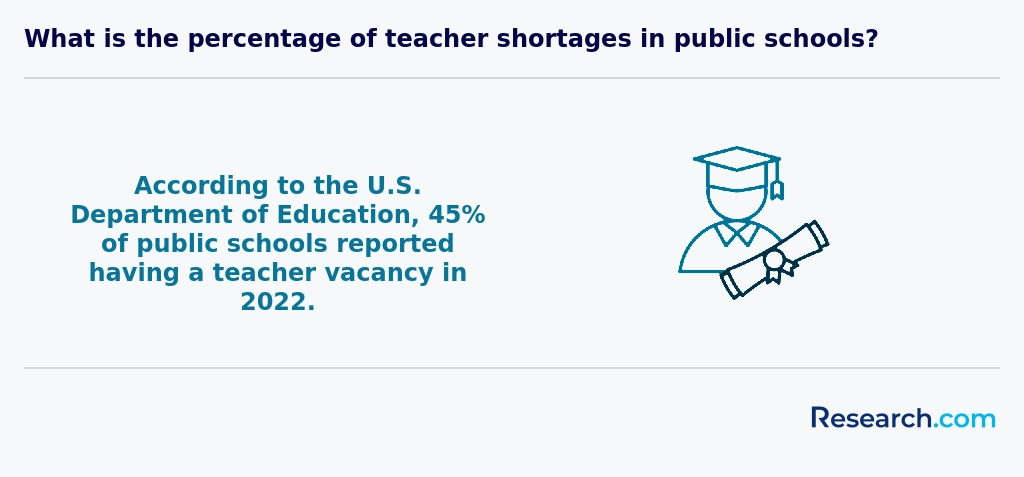
Accreditation is the cornerstone of program credibility and ensures that your online doctorate in education from Minnesota meets rigorous academic and professional standards. In the United States, regional accreditation bodies-such as the Higher Learning Commission (HLC)-evaluate institutions on factors like curriculum quality, faculty qualifications, and student outcomes. Additionally, program‐specific accreditors such as the Council for the Accreditation of Educator Preparation (CAEP) or the National Council for Accreditation of Teacher Education (NCATE) focus on the effectiveness of teacher preparation at the graduate level. When researching online doctorate programs, confirm both institutional and programmatic accreditation via the U.S. Department of Education’s database or the Council for Higher Education Accreditation (CHEA) directory. Accredited programs not only qualify you for federal financial aid and state licensure but also enhance your resume when applying for leadership roles in K–12 systems, higher education, or policy-making agencies. Prospective students should also review state board of education approvals and any additional endorsements from professional organizations in educational leadership or curriculum design. For those beginning their journey toward a career in education or expanding their credentials, you may find it helpful to compare options by exploring the best online associate degrees in education. By prioritizing accredited programs, you safeguard your investment and ensure that your online doctorate in education from Minnesota will be recognized by employers, licensing boards, and academic peers nationwide.
Imagine gearing up for your online education degree at the University of Minnesota, where the dream of shaping young minds is cheered on by a financial safety net. Federal Pell Grants and student loans act like friendly sidekicks, offering low-interest lifelines that help you focus on lessons instead of bills. At St. Cloud State University, many graduates recall the relief of tapping into the Minnesota State Grant, a beacon of need-based aid reserved for proud state residents enrolled in accredited programs.
Think of scholarships as unexpected sparks lighting the path-offered by local organizations and campuses alike, they reward merit or need without creating debt shadows. Meanwhile, working professionals often find unexpected treasure in employer tuition reimbursement, transforming jobs into launchpads for their education careers.
One intriguing twist is the Minnesota Future Teachers Forgivable Loan, a unique promise unlocking loan forgiveness in exchange for teaching service in public schools, turning ambition into action without financial fear. These layered aid programs weave a vibrant safety net for anyone diving into Minnesota's online education degrees.
To step into an online education degree program in Minnesota, imagine first holding your high school diploma like a golden ticket-whether from the lively halls of Twin Cities high schools or through a GED earned with determination. Graduates from universities like the University of Minnesota often recall submitting official transcripts that showcased their academic journey, proving they were ready to dive deeper into education.
Picture a graduate from St. Cloud State University sharing how their letters of recommendation from inspiring teachers and mentors opened the door to their master's program. If you're chasing graduate studies, you'll likely need degrees from accredited institutions and possibly documented teaching experiences, especially if you aim for roles like Educational Leadership, where real-world classroom challenges fuel your learning.
Many programs have easied off rigid test demands, though some still look for GRE or MAT scores-a bit like sending little academic postcards to show your readiness. International friends often bring their TOEFL or IELTS scores as proof of their English prowess, blending global voices into Minnesota's educational tapestry.
Every step ensures you're not just qualified but excited, ready to join communities that embrace growth and passion for teaching in the North Star State.
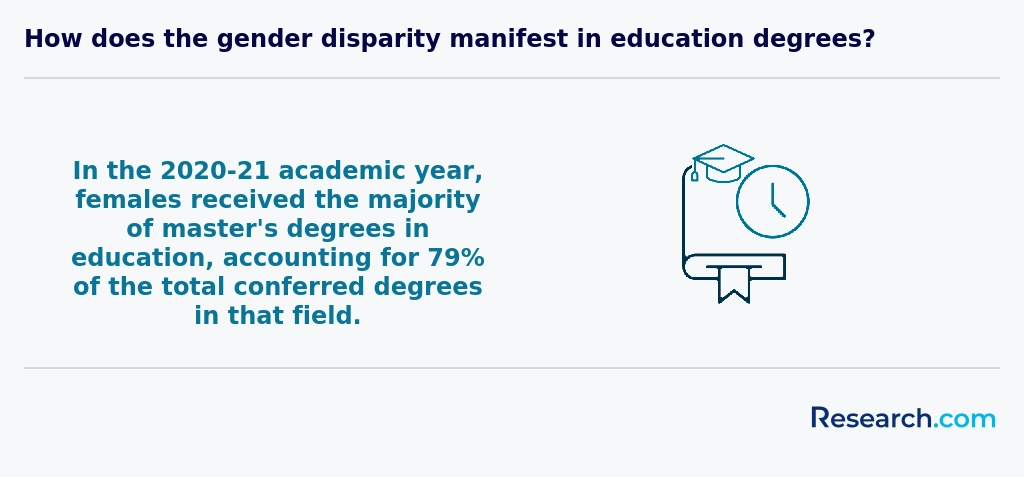
Imagine diving into courses that feel like a journey through the heartbeat of Minnesota's classrooms, even from your living room. Graduates from online education programs at institutions like the University of Minnesota often rave about the way Educational Psychology transforms their view of how kids learn-one remarked how understanding cognitive growth helped them connect with students in St. Paul's diverse communities on a deeper level.
Then there's the art of Curriculum Development and Instructional Design, a course that sparks creativity and tech-savviness. Many learners at Minnesota State University shared how this prepared them to craft engaging lessons that fit the hybrid models dominating today's schools.
Classroom Management courses feel like a toolkit for real challenges: envision handling a spirited fifth grader remotely or fostering inclusivity through a multi-ethnic lens, skills polished through Minnesota's emphasis on culturally responsive education.
Leadership courses focused on policy and school law give you a glimpse behind the scenes, helping future principals or administrators shape the state's education landscape with confidence and insight.
In Minnesota's realm of online education degrees, the landscape of specializations is as vibrant and varied as the students pursuing them. A graduate from the University of Minnesota might find themselves immersed in Curriculum and Instruction, crafting dynamic lesson plans that transform remote learning into an interactive experience rich with technology. Meanwhile, another student at Minnesota State University could be drawn into Educational Leadership and Administration, envisioning themselves steering a district through change with a confident grasp on policy and finance.
For those contemplating online education doctorate specializations Minnesota offers, the pull toward Special Education is profound. Graduates speak of the fulfillment that comes with tailoring strategies for students with unique learning needs, a calling deeply resonant in classrooms across the state. Others spark innovation via Educational Technology, mastering digital tools to redefine teaching and learning in ways that feel both cutting-edge and deeply personal.
Interested students often explore programs noted not just for their comprehensive curricula but also for affordability. Many find guidance through resources like the Affordable Online Education Degree Programs Ranking in the South, helping balance ambition with budget.
Finally, Minnesota online EdD program focus areas extend to Reading and Literacy and Higher Education, where graduates dedicate themselves to combating literacy challenges or shaping collegiate environments. Each specialization is a thread woven into the state's educational fabric, tailored for learners who see beyond textbooks to the real-world impact of their future roles.
Choosing the best online education degree in Minnesota feels like plotting a personal quest across a map dotted with universities known for their commitment to student success. Imagine a graduate from the University of Minnesota who juggled work, family, and their studies by taking advantage of asynchronous classes that felt as flexible as yoga poses-this is the kind of balance many seek. Accreditation here isn't just a checkbox, but a trusted companion guiding you through programs recognized by CAEP or the Higher Learning Commission, ensuring your degree holds power beyond the classroom.
In the landscape of affordable online education degree Minnesota offers, costs can feel like trail markers-ranging between $300 and $600 per credit hour at public institutions, balanced by financial aids like scholarships or employer tuition help. Many students from St. Cloud State University find reassurance in strong advising support when navigating practicum requirements, which might mean local internships or virtual fieldwork. Before committing, take a moment to check out fafsa accredited online schools to unlock additional funding paths, making your dream degree even more accessible.
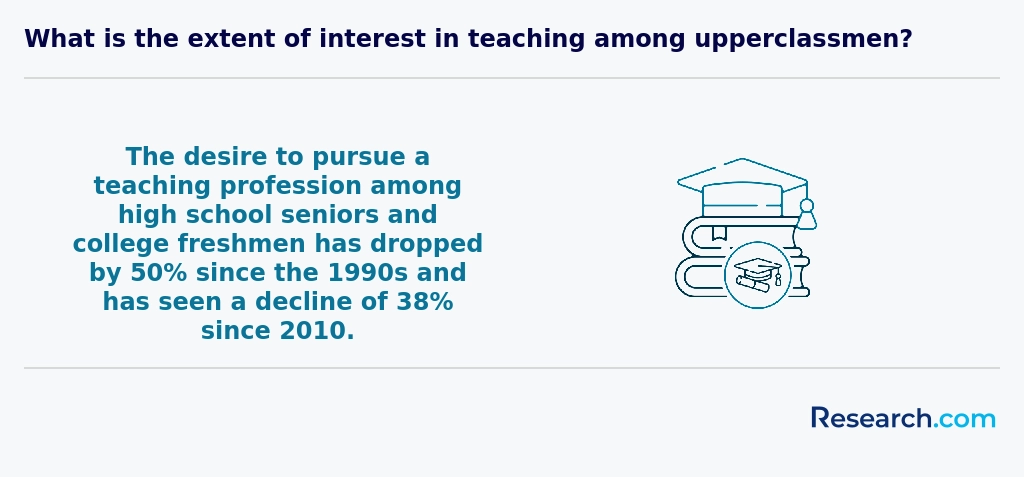
Graduates with an online education degree in Minnesota often dive into vibrant careers that ripple far beyond the classroom walls. Imagine stepping into a bustling Minneapolis school as a licensed teacher-thanks to the Minnesota Professional Educator Licensing and Standards Board-where your expertise shapes future mathematicians or inspires special education success stories. These Minnesota online education degree job opportunities also extend into administrative realms, where a principal or curriculum coordinator in St. Paul might harness your skills to revamp learning strategies across entire districts.
Others find themselves navigating dynamic offices in higher education, advising students at the University of Minnesota or directing educational programs at local colleges, blending passion with impact. Creative spirits thrive as educational technology specialists or corporate trainers driving workforce development. Nearby graduates have shared how these roles unlock rewarding challenges and flourishing careers.
For those craving further growth, especially in niche areas, exploring the shortest online phd programs can fast-track ambitions and deepen influence within Minnesota's educational landscape.
The job market for online education degree jobs Minnesota graduates steps into vibrates with steady energy and genuine promise. Imagine a graduate from a beloved Minnesota college negotiating roles in a vibrant public school system bursting with over 86,000 teachers, many chasing advanced degrees to unlock higher salaries and professional growth. It's not merely about filling seats; it's about shaping futures through special education and technology integration, areas where demand hums loudly.
Graduates who studied at well-known Minnesota institutions find themselves drawn into administrative roles, inspired by median salaries near $94,000, a beacon of financial stability. One might picture an enthusiastic master's degree holder from a Twin Cities university pivoting effortlessly into curriculum design or policy analysis. For many, pursuing a degree from nationally recognized online colleges in Minnesota blends flexibility with opportunity, letting them balance work and study.
In this landscape, the Minnesota job outlook education graduates face is not a mere statistic but a narrative of growth, with pathways branching into counseling, digital education, and leadership roles that illuminate career possibilities.
2027 Easiest Online Doctorate in Education Degree Programs Ranking in Minnesota
Investing in your education is a significant decision that can impact your professional and personal future, and the Research.com team fully recognizes the importance of making well-informed choices. To support prospective students in Minnesota, we have carefully developed the "2027 Easiest Online Doctorate in Education Degree Programs Ranking in Minnesota." Our dedication to quality, credibility, and accuracy is demonstrated through thorough research and analysis.
We utilized the following reputable data sources to create this ranking:
By using this ranking, readers will gain valuable insights into Minnesota's easiest online Doctorate in Education degree programs, enabling them to choose the best options tailored to their needs. For an in-depth understanding of our evaluation process, please visit our Research.com methodology page.

# 2 position
Walden University
Doctor of Education

# 3 position
Bethel University, Minnesota
Doctor of Leadership (K-12 Education) (Higher Education)
Frequently Asked Questions About education
Online education degree students in Minnesota can maximize their learning experience by actively engaging with digital resources and maintaining consistent communication with instructors. Studies show that frequent interaction boosts retention and comprehension, especially in virtual settings. Minnesota's Department of Education highlights that setting a dedicated study schedule helps manage time effectively amid work and personal commitments.
Utilizing local libraries and online databases from Minnesota institutions enhances research quality. Joining online study groups or forums encourages peer collaboration, which is linked to higher success rates in distance learning. Many Minnesota universities offer academic advising and technical support services, critical for overcoming challenges in remote education.
Emerging niches within the education field are shaping the future of online degrees, especially in Minnesota. One notable area is educational technology, which focuses on integrating digital tools into teaching. This niche has grown as more Minnesota schools adopt remote learning technologies.
Another rising specialty is special education leadership. Minnesota's diverse student population fuels demand for experts who can manage inclusive programs and support diverse learners.
Additionally, adult education and workforce development have expanded, responding to the region's evolving employment needs. According to the Minnesota Office of Higher Education, these fields see consistent enrollment growth.
After earning an online education degree in Minnesota, preparing for the job market involves several key steps. Graduates should tailor their resumes and cover letters to highlight relevant skills and online learning experiences, which demonstrate adaptability and self-motivation.
Networking plays a vital role; joining Minnesota-based professional groups such as the Minnesota Education Association can help connect with educators and administrators. Additionally, Minnesota's Department of Education offers resources on licensure requirements and job openings specific to the state.
Internships or practicum experiences, often required in education programs, provide practical skills that employers in Minnesota value highly.
Finally, staying informed about the state's education trends and labor market data, available through sources like the Minnesota Department of Employment and Economic Development, can guide graduates toward growing opportunities in education sectors.
Employers in Minnesota prioritizing education degree graduates value a combination of strong communication skills and classroom management abilities. According to the Minnesota Department of Education, effective interpersonal skills help teachers engage diverse student populations in both urban and rural settings. Additionally, employers look for proficiency in integrating technology into lesson plans, which reflects the increasing focus on digital learning tools statewide.
Critical thinking and problem-solving skills are essential as well, enabling educators to adapt to the evolving needs of students. Data from the National Center for Education Statistics shows that Minnesota's schools increasingly seek educators prepared to use assessment data to improve student outcomes. Collaboration with colleagues and adaptability complete the core skill set desired by local districts and charter schools.
Finding internships in Minnesota relevant to an education degree involves several practical steps. Start by exploring opportunities through the Minnesota Department of Education, which frequently partners with schools to offer student teaching and internship options. Many universities offering online education degrees have established networks with local K-12 schools and educational nonprofits, facilitating placements.
Students should also use platforms like Handshake or the Minnesota Internship Hub, which list education-related openings. Networking with local school districts and attending virtual career fairs can increase chances. According to the Minnesota Office of Higher Education, nearly 60% of education students complete field experiences within their home state, enhancing local job prospects.
Licensure requirements in Minnesota require supervised practicum hours, so verify internship alignment with these standards to ensure credit and certification eligibility.
Online education degrees in Minnesota significantly enhance career mobility and advancement for educators and professionals. According to the Minnesota Department of Employment and Economic Development (DEED), individuals with advanced degrees experience higher employment rates and wage growth compared to those with only a bachelor's degree.
Completing an online education degree allows working professionals to maintain their current jobs while gaining credentials that qualify them for leadership or specialized roles in Minnesota's education sector. The flexibility of online programs attracts educators aiming to pursue positions such as curriculum coordinators, instructional designers, or school administrators.
In Minnesota, shifting education policies increasingly favor candidates with higher degrees. DEED projects a 7% growth in educational services jobs from 2020 to 2030, emphasizing the need for skilled graduates. This growth supports career advancement opportunities for online degree holders.
Studying for an education degree in Minnesota offers strong preparation for interdisciplinary roles by integrating diverse subject knowledge and practical skills. Many programs emphasize collaboration across fields such as psychology, technology, and social work. This approach aligns with Minnesota's commitment to fostering well-rounded educators capable of addressing complex educational challenges.
According to data from the Minnesota Office of Higher Education, education programs often include courses in curriculum design, data analysis, and community engagement. These elements equip graduates to work in roles beyond traditional teaching, such as educational consulting or policy development.
Online degrees in the state frequently incorporate real-world projects that encourage applying multiple perspectives, vital for interdisciplinary success.
When choosing between a thesis and a non-thesis education degree program in Minnesota, consider your career goals and learning style. Thesis programs typically require original research and a substantial written project, which can prepare students for academic or research-focused roles. Non-thesis options often emphasize coursework and practical experiences, appealing to those targeting leadership or administrative positions in schools.
According to the Minnesota Office of Higher Education, nearly 35% of doctorate candidates in education opt for non-thesis tracks to expedite graduation. Many online programs in Minnesota offer flexible schedules, but thesis paths may require closer faculty mentorship and longer completion times. Evaluating these factors helps students choose a program aligned with their professional ambitions.
Students based in Minnesota interested in studying education abroad through online degrees have several pathways available. Many U.S. universities offer accredited online education programs that include international study components or partnerships with institutions overseas. These programs provide flexibility for Minnesota residents while incorporating global perspectives.
According to the Minnesota Office of Higher Education, collaborations with schools in countries like the United Kingdom and Australia have expanded opportunities for exchange and joint research projects. Some programs also offer short-term abroad residencies, combining online coursework with immersive international experiences.
Such options enable Minnesota students to gain broader cultural insights and educational methodologies without relocating permanently, making global education accessible and relevant within the local academic landscape.
Part-time job opportunities in Minnesota that complement education degree programs often include roles such as teacher assistants, tutors, and substitute teachers. According to the Minnesota Department of Employment and Economic Development, these positions provide practical experience relevant to teaching careers.
Teacher assistants support classroom instruction, helping students and teachers manage daily activities. Tutors offer personalized academic help, which improves communication and teaching skills while working flexible hours. Substitute teaching allows for direct classroom management and lesson delivery, valuable for education students building credentials.
These roles often pay between $12 and $20 per hour in Minnesota, offering both income and professional growth during studies.
Online education students in Minnesota benefit from diverse networking opportunities that extend beyond the virtual classroom. Many universities offer virtual meetups, discussion forums, and group projects that connect students statewide. The Minnesota Online Higher Education Consortium (MOHEC) supports collaboration among institutions, enhancing peer interaction and professional connections. Additionally, educational conferences and workshops often welcome online learners, providing in-person networking despite remote study.
A 2023 survey by the Minnesota Private College Council found that 68% of online students engaged in at least one networking activity facilitated by their school. Local chapters of education organizations, such as the Minnesota Association for Supervision and Curriculum Development, also welcome online members, offering a valuable platform for professional growth.
Alumni networks provide valuable benefits to students pursuing online education degrees in Minnesota. These networks offer professional connections that can lead to job opportunities and mentorship, which are crucial in an increasingly competitive job market. According to the Minnesota Private College Council, graduates from state institutions often report that alumni connections helped them secure positions in education administration or policy roles.
Additionally, these networks foster a sense of community among online learners, who may feel isolated without traditional on-campus experiences. Alumni events, both virtual and in-person, enable ongoing learning and collaboration.
Many Minnesota schools also maintain active alumni databases, helping graduates stay informed about industry trends and continuing education options.
Customizing an online education degree program in Minnesota involves selecting courses and specializations that align with your career ambitions. Many universities, like the University of Minnesota, offer flexible curricula allowing students to focus on areas such as curriculum design, educational leadership, or special education. This flexibility helps professionals tailor their studies to meet state licensure requirements or specific job competencies.
Students can often choose electives that support their career goals, participate in practicum experiences within Minnesota schools, and pursue certifications related to the teaching profession. According to the Minnesota Office of Higher Education, over 60% of online education programs in the state provide such customization options. This personalized approach enhances job readiness and career advancement in the education sector.
Online education students in Minnesota often face several challenges related to technology access and digital literacy. According to the Minnesota Center for Survey Research, about 10% of Minnesotans lack reliable high-speed internet, which can hinder participation in online courses. Navigating unfamiliar learning management systems also poses difficulties for some students.
Time management is another key obstacle. Balancing work, family, and studies without traditional classroom structures requires strong self-discipline and planning skills. Additionally, limited opportunities for face-to-face interaction may affect students' engagement and networking.
Financial concerns remain significant, as tuition costs and limited access to in-state scholarships for online learners can create barriers.
With an online education degree in Minnesota, you can pursue several professional certifications recognized in the state and nationwide. Common certifications include the Minnesota Professional Educator License (PEL), which is essential for K-12 teaching roles. This license offers multiple tiers, allowing educators to advance as they gain experience and credentials.
Additionally, graduates may pursue certifications such as Reading Specialist or School Administrator licenses, meeting Minnesota Department of Education requirements. National certifications like the National Board Certification for Teaching Standards (NBPTS) are also popular among educators seeking advanced credentials and higher salaries.
These certifications enhance career opportunities and reflect a commitment to professional growth in Minnesota's education field.
To write a winning application for an online education program in Minnesota, start by carefully reviewing the specific program requirements from accredited institutions. Highlight relevant professional experience and academic achievements, as Minnesota employers often value practical skills alongside theoretical knowledge. According to the Minnesota Office of Higher Education, emphasizing your understanding of local educational standards can strengthen your application.
Craft a clear, concise personal statement that explains your motivation and career goals related to education in Minnesota. Include any volunteer or teaching experiences in the state to show your commitment. Lastly, ensure your letters of recommendation are detailed and tailored, supporting your readiness for rigorous online study. Proofread all materials thoroughly to avoid errors.
The field of education is widely valued across the globe, with educators seen as central to societal development. In the United States, and specifically in Minnesota, education careers offer strong opportunities due to consistent demand for qualified teachers and administrators. According to the Minnesota Department of Education (2023), there is a projected 6% growth in teaching jobs over the next decade, reflecting global trends of investing in education.
Globally, education careers emphasize cultural awareness and adaptability, skills increasingly integrated into Minnesota's education programs. Online degrees in Minnesota often include training in these areas, preparing graduates for diverse classroom environments.
Furthermore, salary data from the U.S. Bureau of Labor Statistics (2023) shows competitive pay for Minnesota educators, encouraging more professionals to pursue advanced degrees online for career advancement. This aligns with the global recognition that higher education credentials improve outcomes in educational leadership roles.
Gaining practical experience while pursuing an online education degree in Minnesota is essential for career readiness. Many programs incorporate virtual student teaching or practicum placements, allowing students to work directly with local schools under supervision. This hands-on experience is often required by the Minnesota Department of Education for teacher licensure.
Additionally, students can seek internships or volunteer opportunities in Minneapolis-St. Paul area schools, which frequently partner with universities to support online learners. The Minnesota Professional Educator Licensing and Standards Board (PELSB) provides guidelines ensuring these experiences meet state standards.
Online students should also consider joining professional groups like the Minnesota Education Association to access networking and mentorship opportunities, further enhancing practical skills.
Choosing the right concentration within an online education degree program in Minnesota begins with understanding your career goals and interests. Common concentrations include curriculum development, educational leadership, special education, and instructional technology. Minnesota's Department of Education and local school districts often prioritize leadership and special education experts, reflecting growing demand in these areas.
Research shows teacher shortages remain in special education and STEM subjects in Minnesota, highlighting job opportunities for graduates in these fields (Minnesota Department of Education, 2023). Consider your prior experience and the state's workforce needs.
Review program accreditation and how well the concentration aligns with licensure requirements in Minnesota. Many schools offer guidance counselors to help prospective students assess fit based on career pathways and state standards.
- 2027 Easiest Online Doctorate in Education Degree Programs Ranking in Nebraska
- 2027 Easiest Online Doctorate in Education Degree Programs Ranking in Missouri
- 2027 Easiest Online Doctorate in Education Degree Programs Ranking in Michigan
- 2027 Easiest Online Doctorate in Education Degree Programs Ranking in Indiana
- 2027 Easiest Online Doctorate in Education Degree Programs Ranking in Colorado
- 2027 Easiest Online Doctorate in Education Degree Programs Ranking in Kentucky
- 2027 Easiest Online Doctorate in Education Degree Programs Ranking in Mississippi
- 2027 Easiest Online Doctorate in Education Degree Programs Ranking in Georgia
- 2027 Easiest Online Doctorate in Education Degree Programs Ranking in Texas
- 2027 Easiest Online Doctorate in Education Degree Programs Ranking in Florida
See What Experts Have To Say About Studying Education
Read our interview with Education experts

Nooshan Ashtari
Education Expert
Professor & Book Author
University of Southern California

Alan J. Singer
Education Expert
Professor of Teaching, Learning and Technology
Hofstra University

- Online Education Major for Paraprofessionals https://www.hamline.edu/academics/online-bachelors-education-major
- Get the skills employers want | Study UK https://study-uk.britishcouncil.org/why-study/succeed-your-career/get-skills-employers-want
- How To Write A Great Cover Letter For Teacher Training - Engage Education https://engage-education.com/blog/how-to-write-a-great-cover-letter-for-teacher-training/
- Online Learning & Career Training in Southeast MN | Job Seekers | WDI https://workforcedevelopmentinc.org/individuals/online-learning/
- Online Colleges in Minnesota | 25 Best Online Schools in MN https://www.onlinecolleges.net/minnesota/
- Is a thesis always mandatory in a master's degree program? - EFMU: The Euler-Franeker Memorial University and Institute https://euler.euclid.int/is-a-thesis-always-mandatory-in-masters-degree-program/
- Skills Employers Look for in Business Graduates – EU Business School https://www.euruni.edu/blog/skills-employers-look-for-in-business-graduates/
- The 8 challenges of education in a changing world https://casvitrescantos.com/en/the-8-challenges-of-education-in-a-changing-world/
- The Future of Education: Emerging Trends Reshaping Learning Environments http://www.gesseducation.com/gess-talks/articles/future-education-emerging-trends-reshaping-learning-environments
- Seven Major Challenges Facing Education in the 21st Century https://www.internationalschoolparent.com/articles/seven-global-education-challenges/


