
2027 Most Valuable Education Degree Programs Ranking in San Antonio

Co-Founder and Chief Data Scientist
Choosing the right education degree program can shape your future and open doors to rewarding career opportunities in San Antonio. This article presents the 2027 Most Valuable Education Degree Programs Ranking in San Antonio, created by the Research.com team of data scientists. It's designed to help you make an informed decision about which programs truly offer value.
By exploring this ranking, you'll gain insights into programs that combine quality and potential for success. Pursuing an education degree is a meaningful step toward making a positive impact while building a fulfilling career.
Key benefits of getting education degree in San Antonio
- Graduates with an education degree in San Antonio can expect rewarding salaries, such as $76,000 annually for Special Education Teachers and $77,200 for Instructional Designers, offering financial stability and career growth.
- Education degree holders often explore diverse roles, from teaching elementary or ESL students to designing instructional programs, especially with strong alumni networks from institutions like the University of Texas at San Antonio.
- Online education degrees provide flexibility for busy students, allowing them to balance work and study effectively, as demonstrated by graduates from Texas A&M University-San Antonio who praise the convenience and practical learning opportunities.
- 2027 Most Valuable Education Degree Programs Ranking in San Antonio
- What can I expect from education degree in San Antonio?
- Where can I work with education degree in San Antonio?
What can I expect from education degree in San Antonio?
Imagine stepping into a vibrant classroom in the heart of San Antonio, knowing your education degree cost was less than $11,000 a year at a public institution like the University of Texas at San Antonio (UTSA). Graduates often share the relief of securing quality education without drowning in debt, thanks to accessible in-state tuition and targeted scholarships designed to nurture future teachers. This affordability breathes life into ambitions, letting students focus on hands-on experiences in local schools rather than financial stress.
Picture yourself collaborating with diverse peers, preparing to teach bilingual classrooms that mirror San Antonio's rich cultural mosaic. These real-world practicum opportunities come bundled with the degree, giving graduates confidence and skills, not just a diploma. The cost-effectiveness doesn't just save money-it empowers passionate educators to join one of Texas's largest school districts, where their early investment in education sparks lifelong impact.
Where can I work with education degree in San Antonio?
Graduates clutching their education degrees from UTSA or St. Mary's don't just walk into classrooms-they step into vibrant ecosystems buzzing with opportunity. Imagine starting your mornings teaching bright-eyed children in SAISD, then afternoons shaping innovative curricula at university campuses. The city itself becomes your classroom as you move from elementary halls into community outreach spaces, where education fuels transformation beyond traditional desks.
Preschool playgrounds and Head Start centers in San Antonio hum with demand for passionate early childhood educators, inviting you to sculpt young minds during their most precious developmental stages. Meanwhile, those with a flair for counseling or school psychology find themselves weaving well-being and guidance into the fabric of student lives, working alongside health districts and nonprofits committed to holistic growth.
For others, the future glimmers through digital lenses-crafting educational technology and corporate training programs that extend learning into boardrooms and government offices. Here, your skills pivot beyond chalkboards into designing experiences that empower lifelong learners citywide.
Whatever path feels right, San Antonio's education graduates know they're part of something bigger-a community eager for innovation, care, and growth. Your degree is not just a certificate-it's a passport to a dynamic world where education shapes every corner of the city.
Graduates from San Antonio's education programs-whether from a bustling college downtown or a university nestled among Texas oaks-step into a world where passion meets paycheck. Picture a newly minted elementary school teacher starting with a mean annual wage around $70,740. This is not just a number; it's the beginning of a journey filled with classroom triumphs and growing financial stability. Another recent graduate specializing in special education finds themselves earning closer to $76,000, supported by San Antonio's increasing demand for inclusive voices.
Imagine an ESL teacher who, fluent in language and culture, commands around $65,430 annually while enriching San Antonio's vibrant, multilingual community. Early childhood educators-those who spark first curiosities-earn about $41,410, embodying the city's commitment to nurturing future learners from the start.
For those drawn to the creative side of education, instructional designers in San Antonio earn on average $77,200, crafting innovative learning pathways that transcend traditional classrooms. These salaries echo the blend of heart and hustle that defines education grads here, fueling both dreams and day-to-day living amid the city's unique cultural tapestry.
- Annual tuition for education degrees at in-state public universities in San Antonio ranges from $8,000 to $12,000, while private schools may charge over $20,000 per year.
- The total cost for a four-year bachelor's degree usually falls between $40,000 and $60,000 at public universities, with private colleges being more expensive.
- Starting salaries for education graduates are typically between $45,000 and $50,000 annually, varying by grade level and subject area.
- With five to ten years of experience, teacher salaries in San Antonio range from $55,000 to $65,000, and advanced degrees can increase earnings beyond $70,000.
- San Antonio's job market for education graduates is strong, especially for special education, STEM, and early childhood education roles.
- Teacher licensure in Texas requires completing an accredited program, passing certification exams, and ongoing professional development, often integrated into local education degree programs.
Dive into an education degree in San Antonio, and you'll find the journey stretches from two to six years, depending on your chosen path and pace. Picture yourself starting at San Antonio College, where an associate degree wraps up in about two years-just enough time to build solid foundations and step confidently into early educational roles or bridge toward a bachelor's.
For many, the four-year bachelor's degree at institutions like the University of Texas at San Antonio unfolds as a vibrant mix of education theory and real-world practice, with moments of discovery that feel both challenging and deeply rewarding. Graduates often recall late-night study sessions balanced with weekend tutoring, crafting memories alongside their degrees.
If ambition sparks a master's pursuit, expect one to two more years at places like the University of the Incarnate Word, where flexible schedules let working professionals weave learning into busy lives. The timeline stretches, but so does the excitement of stepping into roles with greater leadership and impact.
Factors like part-time enrollment or online classes can lengthen or shorten these journeys, making each student's timeline uniquely theirs in San Antonio's rich educational mosaic.
Ensuring your chosen Education degree program holds proper accreditation and aligns with state licensure standards is vital for both quality assurance and eligibility to teach in Texas. Accredited programs meet rigorous criteria set by national and regional bodies, while state-approved pathways guarantee that graduates can sit for required teaching certification exams. For students comparing program costs and delivery formats, it can be helpful to review affordability rankings such as Cheapest Online Education Degree Programs Ranking in Flagstaff, AZ to understand how tuition levels may impact long-term financial planning. Key accreditation and licensure considerations include:
- Regional Accreditation: Confirm institutional accreditation by bodies like the Southern Association of Colleges and Schools Commission on Colleges (SACSCOC).
- Programmatic Accreditation: Look for CAEP (Council for the Accreditation of Educator Preparation) or NCATE (National Council for Accreditation of Teacher Education) endorsements, which validate curriculum quality.
- Texas Education Agency (TEA) Approval: Verify that the program is listed on the TEA-approved educator preparation programs list, ensuring compliance with state requirements.
- Certification Exams: Prepare for the TExES or Praxis series exams-passing scores are mandatory for provisional and standard teaching certificates in Texas.
- Clinical Practice Standards: Ensure the program includes a supervised student-teaching component that meets TEA’s minimum clock-hour requirements for field experience. By prioritizing accredited, TEA-approved programs with strong exam pass rates and hands-on training, aspiring educators can streamline their path to certified teaching positions in San Antonio and beyond.
Imagine walking the lively halls of UTSA, exchanging ideas face-to-face with professors and classmates, soaking in the buzz of campus life. That's the heartbeat of an on-campus education degree in San Antonio-structured schedules, hands-on experiences, and vibrant peer interactions. Graduates often recall the support found in libraries and student teaching right around the corner, feeling deeply connected to their learning journey.
Now picture logging in from your favorite cozy spot at home, juggling work, family, and coursework through Texas Tech University's online program. Here, flexibility reigns, letting you dictate when and how you learn. Many online students describe this as empowerment-a kind of independence that hones self-discipline but also grants freedom from commuting or housing costs. It's education tailored to life's real rhythm.
Both paths, on-campus or online, share roots in San Antonio's respected institutions, offering rigorous coursework and accreditation. Yet the choice boils down to whether you crave immersive campus energy or adaptable, self-paced study that fits your unique lifestyle.
When planning for your future in education, it's essential to look beyond program rankings and delve into strategies that can boost both academic success and long-term career fulfillment. Prospective students should consider tailoring their study plans by seeking mentorship, engaging in networking opportunities in local educational communities, and keeping abreast of industry trends that drive innovation in teaching methodologies. Additionally, researching advanced degree options-such as pursuing some of the list of cheapest masters degrees in educational leadership online-can offer cost-effective pathways to leadership roles while enhancing your skills in curriculum design, school administration, and educational technology. By proactively evaluating these elements and gathering insights from experienced educators, you position yourself to make informed decisions that optimize your return on investment and empower you to effectively navigate the rapidly evolving landscape of education.
Imagine stepping onto the University of Texas at San Antonio campus, buzzing with energy, knowing the average cost of a education degree in San Antonio hovers around $34,598 for in-state students. This figure wraps together tuition, fees, and essentials, balancing the dreams of many eager graduates. Some recall how the tuition and fees for education programs San Antonio offer a welcoming possibility to invest in their future without staggering debt, unlike pricier private alternatives.
One graduate shared how balancing part-time work and classes at a local college made those numbers feel manageable, turning uncertainty into excitement rather than financial dread. These education programs often include fees for materials, technology, and campus resources, but scholarships and financial aid weave hope into this landscape, softening the weight of expenses. The journey isn't just dollars and cents - it's the priceless moments inside classrooms and student communities.
For those pondering choices, the energy students pour into becoming future educators in San Antonio ties closely to the affordability factor. Many find comfort knowing their peers at public universities navigate similar costs, making an education degree an attainable goal. If you're looking for guidance on where to start, exploring options like this valuable education school in Texas can illuminate your own path.
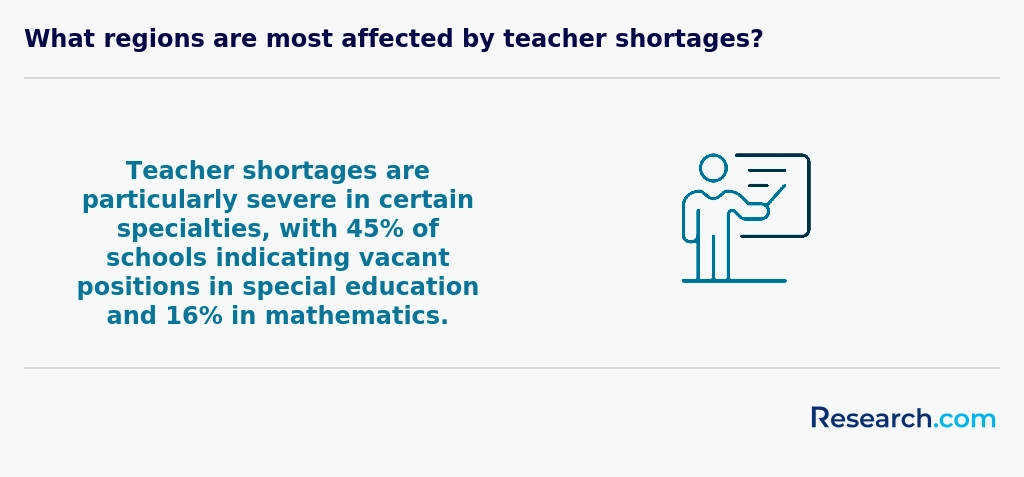
To make informed decisions about their educational paths, prospective students often find it helpful to compare education degree programs not just within San Antonio, but across the entire state of Texas. This comparative analysis can highlight the unique strengths and specializations of different institutions. For instance, those interested in a valuable education school in Texas may discover that certain universities excel in areas such as early childhood education, special education, or educational leadership. By exploring these variations, students can identify programs that best align with their career aspirations and personal interests, ultimately leading to a more fulfilling educational experience and successful career in education.
Imagine walking the halls of UTSA, clutching your books knowing federal aid fuels your journey. With FAFSA unlocking doors to Pell Grants-up to $7,395 that don't shadow you with repayment-San Antonio education students can breathe easier. Graduates often recall how this grant lifted their spirits, allowing focus on lesson plans rather than soaring tuition fees.
Texas's own programs, like the Educational Opportunity Grant, are like stepping stones, especially for community college transfers. Think of yourself securing a spot through the Top 10% Rule, a golden ticket guaranteeing admission to top universities including UTSA and Texas A&M University-San Antonio, where scholarships blossom for education majors excelling in their studies.
Work-study programs become vibrant playgrounds for experience, where earning a paycheck feels like double winning: gaining classroom insights while funding your future. Many remember the joy of teaching locally while supported by these jobs.
Loans exist but shine brightest when paired with Public Service Loan Forgiveness-imagine your debt disappearing as you mold future Texas students in public schools. Local foundations and the Texas Workforce Commission add the final brushstrokes to a colorful financial aid canvas shaped specifically for San Antonio's teacher hopefuls.
Obtaining a valid teaching certificate is a critical step for Education degree graduates in San Antonio, TX, ensuring compliance with Texas Education Agency (TEA) standards and enhancing employability in K–12 settings. To become a certified teacher, candidates must: • Complete an accredited educator preparation program at a regionally accredited institution. • Pass the appropriate Texas Examinations of Educator Standards (TExES) content and Pedagogy and Professional Responsibilities Assessments. • Submit fingerprints and clear a criminal background check through TEA’s fingerprinting vendor. • Apply online via the TEA Educator Certification Online System (ECOS), paying the required application and processing fees. Most candidates finish these steps within 6–8 months after graduation, although timelines may vary based on exam scheduling and background check processing. After initial issuance, Texas requires educators to renew their certificate every five years, which involves completing 150 continuing professional education (CPE) hours or an approved master’s degree in education leadership. For candidates seeking flexible, cost-effective routes to certification-such as those balancing full-time work or family commitments-it may be worth exploring accredited online programs with integrated licensure support. For example, our Cheapest Online Education Degree Programs Ranking in Flagstaff, AZ highlights programs that streamline both degree completion and certification requirements, often at lower tuition rates.
Imagine stepping onto the vibrant campuses of San Antonio's universities, clutching your high school diploma or GED like a golden ticket to your teaching dreams. Here, the journey begins with proof of academic dedication-a transcript revealing your success in secondary school, often needing a GPA hovering between 2.5 and 3.0. Graduates recall how this tangible validation opened their doors at institutions like UTSA, where even test-optional policies on the SAT or ACT encourage a spirit of confidence backed by solid past performance.
Picture crafting personal essays that reveal your passion for education, your voice echoing through words that capture why teaching calls to you. This human touch helps admissions teams see the heart behind the application.
Then there's the careful, necessary process of background checks and fingerprinting, safeguarding future classrooms and ensuring trustworthiness in nurturing young minds-a rite of passage that alumni fondly relate to as a meaningful step toward real-world readiness.
For those ready to advance, San Antonio's graduate programs invite you to present a bachelor's degree with a commendable GPA, often near 3.0, plus a dossier of professional experiences or glowing recommendations, laying the foundation for leadership roles in education.

One critical factor for Education degree programs in San Antonio, TX, is the percentage of graduates who successfully pass the Texas Examinations of Educator Standards (TExES) on their first attempt. These licensure exam pass rates reveal how well programs prepare students for state certification and classroom readiness. • University of Texas at San Antonio (UTSA): 92% first-time TExES pass rate, compared to the 76% state average. • Texas A&M University-San Antonio (TAMU-SA): 88% first-time pass rate, reflecting strong curriculum alignment with certification standards. • Our Lady of the Lake University (OLLU): 85% pass rate, boosted by extensive test-prep workshops and mentorship programs. High pass rates demonstrate a program’s commitment to rigorous coursework, targeted exam preparation, and hands-on practicum experiences. Prospective students should compare these outcomes alongside cost and curriculum when choosing a degree path. For those seeking flexible or more budget-friendly options with solid certification support, consider exploring the Cheapest Online Education Degree Programs Ranking in Flagstaff, AZ, which also report competitive licensure outcomes.
Imagine stepping into a San Antonio classroom where education degrees come alive through a vibrant mix of courses. Graduates from Texas A&M University-San Antonio often recall diving into Introduction to Education, where the mysteries of learning theories unravel like a thrilling story, shaping their views on how kids truly absorb knowledge. Then comes Instructional Technology, turning students into tech-savvy teachers ready to weave digital magic into their lessons.
In the heart of their journey lies Classroom Management-a hands-on guide to creating spaces where curiosity flourishes and peace prevails. In parallel, courses like Child and Adolescent Development bring to life the evolving minds and hearts they aim to nurture.
Students at these institutions also embrace Curriculum Design and Assessment, crafting lesson plans that feel as personalized as a handwritten letter, wrapped in meaningful tests that reveal true understanding. Inclusive classrooms come alive through Special Education, nurturing empathy and adaptability. Meanwhile, exploring Educational Research Methods turns aspiring educators into explorers of evidence-based wisdom. Finally, grappling with Professional Ethics and Legal Issues grounds them in the responsibilities that come with shaping young lives in Texas.
Imagine stepping into vibrant classrooms across San Antonio, where education degree specializations shape the future with a colorful palette of possibilities. Graduates from local universities find themselves immersed in Early Childhood Education, where nurturing little minds from birth to third grade becomes a joyful mission, blending developmental science with heartfelt connection. Others dive into Elementary Education, mastering multi-subject teaching that turns classrooms into dynamic communities of learners. The city's expanding schools eagerly welcome these passionate educators, reflecting the real impact of San Antonio teaching degree programs.
For those drawn to teenage curiosity and complexity, Secondary Education specializations offer a deep dive into subjects like mathematics or science, preparing educators to unlock adolescent potential. Special Education graduates share a profound pride as they champion inclusive learning for students with diverse needs, a vital thread in San Antonio's educational fabric. Many explore roles in Educational Leadership or Counseling, ready to transform schools from within. If you're looking to save on tuition while specializing, the list of cheapest masters degrees in educational leadership online is a great place to start your journey.
Choosing the best education degree in San Antonio often starts with immersing yourself in the city's vibrant academic atmosphere. Imagine a graduate from the University of Texas at San Antonio, energized by evening classes that fit around their hectic schedule, praising how program flexibility transformed their life balance. Another credit goes to programs deeply rooted in local school districts, where hands-on student teaching placements become more than just assignments-they shape real connections and confidence before stepping into a classroom.
Don't be swayed by just any shiny catalog-look deeper into accredited programs like those at UTSA, ensuring that your degree holds weight with the Texas Education Agency's certification standards. Affordability also matters; many students share how factoring in scholarships and financial aid makes education degrees far less daunting. For those exploring affordable education degrees San Antonio Texas, tapping into local resources and comparing costs lets you plan without sacrificing quality or dreams.
Remember to explore specialized tracks that ignite your passion, whether it's educational leadership or counseling, while weighing faculty expertise and support services. If you want a foothold in budget-conscious options without compromising prestige, also consider external references like the Cheapest Online Education Degree Programs Ranking in Flagstaff, AZ for creative comparisons outside your region.

Graduates with an education degree in San Antonio find themselves stepping into a colorful mosaic of career paths that extend far beyond the classroom. Some become vibrant elementary or high school teachers, weaving lessons that resonate in a city where bilingual skills are treasured, reflecting the rich Hispanic heritage around them. Others evolve into school counselors, offering a steady hand and an empathetic ear that brightens student futures in districts that cherish community strength.
Among popular universities in San Antonio, many graduates share stories of discovering their passion as special education teachers or as curriculum developers, crafting innovative programs that make learning a dynamic experience. Thanks to the city's growing education sector, jobs with education degree San Antonio go hand-in-hand with fulfilling roles like principals or adult educators leading literacy efforts, touching lives beyond traditional boundaries.
For those eager to gain skills rapidly, exploring the best 6 month online course with high salary route is a smart move, blending education and quick career readiness within this vibrant educational ecosystem.
The education job market in San Antonio pulses with opportunity, especially for graduates who have navigated the city's vibrant teacher preparation programs at institutions like the University of Texas at San Antonio. Imagine stepping out of campus walls, diploma in hand, into a world where SAISD alone offers thousands of teaching roles-each position a chance to transform young lives in classrooms filled with diverse learners. The teaching career outlook San Antonio has is molded by a steady demand for special education teachers, driven by nearly 10% of students needing specialized support, making this a rewarding niche for graduates who want to make a difference. While entry-level salaries run between $50,000 and $60,000, these pay scales consider the local cost of living, balancing practical concerns with passion.
Graduates often reflect on how pursuing advanced degrees or certifications, particularly in bilingual education or leadership, elevates their career prospects. Many find that private and charter schools sprinkle additional options throughout the city, diversifying roles and experiences. Those weighing their educational paths may find value in programs at local colleges and might also explore the easiest college degree options to accelerate their entry into this thriving job market.
2027 Most Valuable Education Degree Programs Ranking in San Antonio
Investing in your education is a significant decision that can profoundly impact your future, and the Research.com team recognizes the importance of making well-informed choices. To support prospective students in San Antonio, we have carefully developed the "2027 Most Valuable Education Degree Programs Ranking in San Antonio." Our dedication to quality, credibility, and accuracy is demonstrated through thorough research and analysis undertaken to produce this ranking.
We utilized the following reputable data sources to ensure a comprehensive evaluation of education degree programs:
Readers will gain valuable insights into the most valuable education programs in San Antonio, empowering them to make informed and confident decisions about their academic and professional futures. For more information about how this ranking was created, please visit our Research.com methodology page.



Frequently Asked Questions About education
Education degree students in San Antonio can maximize their learning experience by actively engaging with local school districts for hands-on teaching practice. San Antonio Independent School District and North East ISD offer numerous student-teaching opportunities that enrich practical skills. According to the Texas Higher Education Coordinating Board, hands-on experience improves teacher preparedness by 34%.
Additionally, students should utilize resources at universities like the University of Texas at San Antonio, which offers seminars focused on culturally responsive teaching. Networking through education-focused events in San Antonio can also open doors to mentorship and internships.
Staying up to date with Texas state teaching standards and certification requirements ensures students meet professional expectations upon graduation.
Emerging niches within the education field in San Antonio reflect broader trends seen across the United States. One notable area is educational technology, where professionals focus on integrating digital tools to improve learning outcomes. According to the Texas Workforce Commission, demand for tech-savvy education specialists in San Antonio has increased by 12% over the past five years.
Another growing niche is special education, addressing diverse learner needs linked to disabilities and behavioral challenges. With nearly 18% of San Antonio's student population receiving special education services, there is strong demand for qualified teachers in this area, per data from the San Antonio Independent School District.
Additionally, bilingual education continues to expand due to the region's large Hispanic community, supporting students learning in both English and Spanish. Educators trained in bilingual or dual-language instruction are increasingly sought after to serve San Antonio's diverse classrooms.
Preparing for the job market after completing an education degree in San Antonio requires strategic planning. Graduates should focus on gaining practical experience through student teaching or internships, which are often integrated into local university programs. According to the Texas Education Agency, San Antonio schools frequently seek candidates with hands-on experience and state certification. Networking is also crucial; attending local education job fairs and joining professional organizations such as the San Antonio Area Teachers Association can enhance employment opportunities. Additionally, understanding San Antonio's diverse student population helps new educators tailor their skills to meet community needs effectively.
Employers in San Antonio value education degree graduates who demonstrate strong communication skills, adaptability, and cultural competence. Given the city's diverse population, the ability to engage students from various backgrounds is especially important. According to the Texas Education Agency, local schools prioritize candidates skilled in both classroom management and technology integration, reflecting the increasing use of digital tools in education.
Additionally, data from the San Antonio Chamber of Commerce highlights that problem-solving abilities and collaboration are frequently cited as critical by school districts hiring new teachers. Proficiency in English and bilingual education is also increasingly demanded due to the city's significant Hispanic community.
Finding internships in San Antonio relevant to an education degree involves several clear steps. Start by contacting local school districts such as Northside and San Antonio Independent School Districts, which often collaborate with universities to offer teaching internships. These districts provide real classroom experience, essential for education students.
Additionally, universities like the University of Texas at San Antonio and Texas A&M-San Antonio have dedicated career centers that connect students to internships specifically in education. Their programs often partner with nearby schools and organizations focused on youth development.
Online platforms and local job boards can also list education-related internships in San Antonio. The Texas Workforce Commission reports steady growth in education jobs locally, indicating expanding internship opportunities.
Networking through education-focused events and professional organizations, such as the San Antonio Alliance for Education, further helps identify openings.
In San Antonio, earning an education degree significantly enhances career mobility and advancement opportunities within the local school districts and educational institutions. According to the Texas Education Agency, teachers with bachelor's or higher degrees typically qualify for higher salary tiers and leadership roles, such as curriculum coordinators or instructional coaches. Furthermore, San Antonio's public schools often prioritize candidates with advanced degrees for specialized positions, reflecting a nationwide trend toward educational credentialing.
Data from the Bureau of Labor Statistics underscores that educators with degrees are more likely to experience lower unemployment rates and greater job stability. Additionally, many professional development programs in San Antonio require or encourage continuing education, fostering ongoing career growth for degree holders.
Studying for an education degree in San Antonio equips students with skills applicable across various fields, promoting interdisciplinary expertise. Local universities, such as the University of Texas at San Antonio, emphasize collaborative learning, integrating psychology, sociology, and technology into education curricula. This approach aligns with national trends showing that 65% of education professionals engage in interdisciplinary roles (National Center for Education Statistics, 2023).
Training in San Antonio often includes community-based projects, connecting students with diverse populations and real-world challenges. This experience helps graduates adapt teaching methods to different settings, including healthcare, social work, and corporate training sectors. Employers value such versatility, as education roles increasingly require cross-disciplinary knowledge.
The city's diverse demographic also enriches students' understanding of varied learning needs, a crucial asset in interdisciplinary environments.
Choosing between a thesis and a non-thesis education degree program in San Antonio depends on your career goals and learning preferences. Thesis programs require conducting original research, which suits students aiming for academic, research, or doctoral studies. Non-thesis programs focus more on coursework and practical skills, fitting those who want to enter or advance in professional teaching roles quickly.
In San Antonio, institutions like the University of Texas at San Antonio offer both options. According to the National Center for Education Statistics, thesis programs often take longer to complete, averaging two to three years, while non-thesis degrees may be completed in about two years.
Consider your readiness for extensive research and writing, as well as your professional goals. If you aspire to leadership or specialized roles, a thesis might be beneficial. However, for immediate classroom application, a non-thesis path can be practical and efficient.
Students based in San Antonio have several options to study education abroad through U.S. institutions that offer international exchange programs. For example, the University of Texas at San Antonio (UTSA) supports partnerships with universities worldwide, allowing education majors to participate in study abroad opportunities that enhance global teaching perspectives.
Additionally, many education degree programs include short-term study trips or internships overseas. These experiences help students gain cross-cultural competence vital for modern classrooms. According to UTSA's Office of International Programs, around 200 students participate annually in such international study offerings.
Students may also explore nationally recognized programs like the Fulbright Scholar Program or those sponsored by the Institute of International Education, which provide funding and placements for education students seeking global experience.
In San Antonio, students pursuing education degrees often find part-time opportunities that enhance their academic knowledge and practical skills. Common roles include teacher aides and substitute teachers in local public schools, where candidates gain firsthand classroom experience. According to the San Antonio Independent School District, these positions frequently require minimal certification, making them accessible to education students.
Additionally, tutoring services are in high demand, especially in STEM and literacy subjects. Many education students work for private tutoring centers or freelance to apply instructional strategies learned in their coursework. Local libraries and community centers also offer roles supporting educational programs, which help develop leadership and organizational skills valuable for future educators.
Education students in San Antonio benefit from a variety of networking opportunities that can enhance their academic and professional growth. Local universities such as the University of Texas at San Antonio and Texas A&M University-San Antonio host education-specific events, workshops, and career fairs. These events connect students with experienced educators, school administrators, and alumni. According to the Texas Higher Education Coordinating Board, over 1,000 education-related internships and practicums are available annually in the San Antonio area, fostering real-world connections.
Students can also join professional organizations like the San Antonio Area Association for Supervision and Curriculum Development (ASCD), which offers regular meetings and conferences. Additionally, the large San Antonio Independent School District provides mentorship programs that pair students with practicing teachers. These opportunities allow education students to build valuable local contacts, crucial for future employment in a competitive market.
Alumni networks provide valuable support to education degree students in San Antonio by fostering professional connections. Graduates from local universities like the University of Texas at San Antonio (UTSA) and St. Mary's University often join these networks, gaining access to mentorship and job opportunities within the region's schools. According to the Texas Higher Education Coordinating Board, 68% of education graduates in Texas find initial employment through such contacts. These networks also offer workshops, career fairs, and continuing education, which enhance students' professional growth. For San Antonio students, connections made through alumni groups can be crucial in navigating the city's competitive education job market.
Customizing your education degree program in San Antonio to align with your career goals involves selecting specific concentrations and electives offered by local universities. Many institutions provide tracks focused on special education, curriculum design, educational leadership, or bilingual education, reflecting the city's diverse population.
For example, the University of Texas at San Antonio offers personalized academic advising, helping students choose courses that support careers in K-12 teaching or administration. Additionally, practicum opportunities in San Antonio's public schools allow hands-on experience tailored to your interests.
According to the Texas Higher Education Coordinating Board, 37% of education graduates in San Antonio pursue advanced certifications, which can further specialize your expertise.
Education students in San Antonio commonly face several challenges during their degree programs. One key issue is balancing coursework with field experience requirements. San Antonio's diverse student population means future educators must be prepared to teach in multilingual and multicultural classrooms, which can demand additional training and adaptability.
Financial constraints also affect many students. According to the Texas Higher Education Coordinating Board, tuition and fees for public universities in Texas have risen steadily, making it harder for some to afford education degrees without incurring significant debt.
Additionally, limited access to quality practicum placements can delay graduation or reduce hands-on learning opportunities. Navigating state certification requirements poses another hurdle, as Texas imposes rigorous exams and background checks.
With an education degree in San Antonio, you can pursue various professional certifications to enhance your career opportunities. One of the most common certifications is the Texas Teacher Certification, required to teach in public schools across the state. This includes certifications in elementary, secondary, or special education. Additionally, educators can seek National Board Certification, a prestigious credential recognized nationwide, reflecting advanced teaching skills.
San Antonio also offers pathways for certifications in English as a Second Language (ESL) and Reading Specialist credentials. Many education graduates pursue administrator certifications to move into leadership roles. According to the Texas Education Agency, these certifications improve job prospects and salary potential.
To write a winning application for an education program in San Antonio, start by thoroughly researching local schools and their specific admission requirements. Many institutions emphasize a strong GPA, relevant volunteer or work experience, and clear career goals. Highlight your passion for teaching and your understanding of the San Antonio community, which has a diverse student population. According to the Texas Higher Education Coordinating Board, schools often value applicants who demonstrate cultural competence and adaptability.
Additionally, craft a concise personal statement that explains why you want to teach in San Antonio, referencing local education challenges and opportunities. Include strong letters of recommendation from academic or professional sources familiar with your skills. Lastly, ensure all application materials are error-free and submitted before deadlines, as San Antonio universities often have competitive admission processes.
The global perspective on an education career emphasizes adaptability and cultural awareness. In the United States, including San Antonio, education professionals are increasingly expected to integrate diverse teaching methods and address multicultural classrooms. According to the Texas Education Agency, San Antonio Independent School District serves a student population with over 85% Hispanic learners, highlighting the importance of bilingual and culturally responsive teaching.
Internationally, educators collaborate to improve student outcomes by sharing best practices, often influenced by U.S. educational research and policy trends. Careers in education now focus on lifelong learning, technology integration, and equity, reflecting global demands.
Gaining practical experience while studying for an education degree in San Antonio is essential for preparing to become an effective educator. Many local universities and colleges, such as the University of Texas at San Antonio (UTSA), require supervised student teaching placements in area public schools. These placements allow students to work directly with experienced teachers and engage with diverse classrooms.
Besides student teaching, volunteering or working as a teacher's assistant in San Antonio ISD schools can provide valuable classroom exposure. Internships or partnerships with nearby educational organizations also help build hands-on skills.
According to Texas Education Agency reports, San Antonio schools often collaborate with higher education institutions to enhance practical learning opportunities for education students.
Choosing the right concentration within an education degree program in San Antonio involves understanding your career goals and the local job market. Popular concentrations include early childhood education, special education, and bilingual education, reflecting San Antonio's diverse community and growing schools. According to the Texas Education Agency, there is an increasing demand for teachers skilled in bilingual instruction due to the city's large Hispanic population. Evaluating program accreditation, practical teaching opportunities, and alignment with Texas teaching certification requirements is crucial. Researching local school district needs, such as Northside ISD or San Antonio ISD, can also guide your decision toward in-demand specializations.
- 2027 Most Valuable Education Degree Programs Ranking in Mobile
- 2027 Most Valuable Education Degree Programs Ranking in Colorado Springs
- 2027 Most Valuable Education Degree Programs Ranking in Birmingham
- 2027 Most Valuable Education Degree Programs Ranking in Montgomery
- 2027 Most Valuable Education Degree Programs Ranking in Denver
- 2027 Most Valuable Education Degree Programs Ranking in Phoenix
- 2027 Most Valuable Education Degree Programs Ranking in Tallahassee
- 2027 Most Valuable Education Degree Programs Ranking in Atlanta
- 2027 Most Valuable Education Degree Programs Ranking in Macon
- 2027 Most Valuable Education Degree Programs Ranking in Gainesville
See What Experts Have To Say About Studying Education
Read our interview with Education experts

Alan J. Singer
Education Expert
Professor of Teaching, Learning and Technology
Hofstra University

Nooshan Ashtari
Education Expert
Professor & Book Author
University of Southern California

- Teaching Job Roles | Teach For Life https://www.teachforlife.com/teachingjobs/global-perspectives-teacher
- Guided Pathways: Teaching & Education Programs https://www.mtsac.edu/guided-pathways/education-programs.html
- How to Choose a Concentration for Your Master of Education 3 Questions to Consider https://www.aiuniv.edu/degrees/education/articles/how-to-choose-an-education-specialization
- College of Education and Human Development https://catalog.tamusa.edu/undergraduate/education-human-development/
- Education Technology Trends to Watch in 2065: 10 Innovations Shaping the Future of Learning https://www.digitallearninginstitute.com/blog/education-technology-trends-to-watch-in-2026
- Pathway to Become a Teacher https://www.tamusa.edu/academics/College-of-Education-and-Human-Development/Curriculum-Instruction/become-a-teacher.html
- Skills Employers Look for in Business Graduates – EU Business School https://www.euruni.edu/blog/skills-employers-look-for-in-business-graduates/
- Education Study Abroad Programs | Go Overseas https://www.gooverseas.com/study-abroad/education
- The Future of Education: Emerging Trends Reshaping Learning Environments http://www.gesseducation.com/gess-talks/articles/future-education-emerging-trends-reshaping-learning-environments
- Finding Your Path: How to Align Studies with Career Goals https://www.alfabetaglobal.com/blogs/finding-your-path-how-to-align-your-studies-with-your-career-goals


