
2027 Best Education Degree Programs Ranking in Little Rock

Co-Founder and Chief Data Scientist
Choosing the right education degree program is an important step for students in Little Rock who want to make a meaningful impact. Our article presents the 2027 Best Education Degree Programs Ranking in Little Rock, created by the Research.com team of data scientists. This ranking helps you compare programs based on solid data, making it easier to find options that truly fit your goals.
Reading this guide will give you confidence in your decision and highlight the rewarding opportunities that come with earning an education degree. Explore your future with clarity and excitement!
Key benefits of getting education degree in Little Rock
- Salary for education degree graduates: Graduates in Little Rock can expect rewarding salaries, such as $76,000 for special education teachers and $77,200 for instructional designers, reflecting strong earning potential in these roles.
- Potential career paths: For example, education graduates from the University of Arkansas at Little Rock may pursue diverse careers, including elementary teaching, ESL instruction, or curriculum design, offering flexible and meaningful opportunities.
- Benefits of an online education degree: Earning a degree online from a local university allows graduates to balance work and life while gaining skills that match traditional programs, making career advancement more accessible and convenient.
- 2027 Best Education Degree Programs Ranking in Little Rock
- What can I expect from education degree in Little Rock?
- Where can I work with education degree in Little Rock?
What can I expect from education degree in Little Rock?
Tuition for education degrees in Little Rock, particularly at the University of Arkansas at Little Rock (UALR), is notably affordable compared to the national average. In-state students can expect tuition rates that ease financial burdens, making these programs accessible without compromising quality. Many graduates recall balancing coursework with hands-on student teaching placements in local public schools, which enhances their practical skills while managing costs effectively through available scholarships and financial aid.
Education students at UALR benefit from programs aligned with Arkansas Department of Education standards, ensuring their training is relevant and up-to-date. This focus on state certification requirements translates into clear pathways toward licensure without incurring excessive expenses typically found in other regions.
Moreover, affordable tuition combined with targeted financial support allows students to focus on mastering instructional technology, classroom management, and curriculum design-skills vital for success in local STEM and special education roles where demand is rising. Graduates often feel confident entering the workforce, having secured both professional training and financial feasibility during their studies.
Where can I work with education degree in Little Rock?
Graduates with an education degree in Little Rock commonly find employment within the Little Rock School District, the largest in Arkansas, which employs over 3,200 teachers. Positions span from early childhood education to special education, offering a variety of roles for degree holders. Many graduates from the University of Arkansas at Little Rock and Pulaski Technical College actively secure teaching or advising jobs in local K-12 schools, finding the diverse student population rewarding and professionally enriching.
Private and charter schools in Little Rock expand job opportunities, particularly in specialized fields like STEM and bilingual education. Graduates report satisfaction working in these dynamic environments, which often emphasize innovative teaching approaches. Additionally, community colleges and universities in the area seek education professionals for curriculum development and advising roles, usually requiring advanced degrees.
Educational support services, including curriculum design and data analysis at institutions like the Arkansas Research Center, present alternative pathways for those interested in impacting education policy. Early childhood programs such as Head Start demonstrate steady demand, aligning well with city efforts to improve kindergarten readiness. Many graduates also find fulfillment in nonprofit work focused on youth development and tutoring, extending their impact beyond traditional classrooms.
Graduates with education degrees in Little Rock can expect varying salaries depending on their specific career paths. For instance, elementary school teachers typically earn a mean annual wage of around $70,740, which is notably higher than the local median figure often cited around $52,000. Special education teachers in the area also enjoy strong demand, with mean salaries reaching $76,000, reflecting their specialized skill set.
English as a Second Language (ESL) teachers report mean annual wages near $65,430, a solid income for those passionate about supporting diverse student populations. Early childhood educators, often a starting point for education graduates, earn about $41,410 annually. Instructional designers, representing a growing field in education technology, can earn upwards of $77,200 yearly.
Graduates from institutions such as the University of Arkansas at Little Rock appreciate that these earnings align well with local living costs and provide a foundation for long-term career advancement. Many report satisfaction not only from financial stability but also from the ability to make meaningful community impacts. These wages demonstrate how an education degree can open doors to rewarding and sustainable careers in Little Rock's education sector.
- The average cost of a bachelor's degree in education in Little Rock ranges from $8,000 to $12,000 per year for in-state students, excluding books and housing.
- Starting salaries for education graduates in Little Rock are around $40,000 annually, with experienced professionals earning $60,000 or more.
- There is steady demand for teachers in critical subjects like math, science, and special education in Little Rock's job market.
- Many programs include student teaching, which helps students gain practical experience and meet state licensure requirements.
- Graduates from accredited education programs in Little Rock have a competitive advantage in finding employment locally.
Completing a bachelor's degree in education in Little Rock typically takes about four years, aligning with national standards of 120 to 130 credit hours. Graduates from institutions like the University of Arkansas at Little Rock often describe the experience as a structured journey with a clear timeline, designed to prepare them thoroughly for state certification. The steady pace helps balance academic responsibilities and personal commitments effectively.
For those pursuing graduate education degrees, such as a Master of Education (M.Ed.) or Master of Arts in Teaching (MAT), completion usually ranges from one to two years. Many local programs offer flexible schedules-including evening and online classes-that help working professionals maintain their careers while advancing their education. Graduates often feel encouraged by the adaptability these programs provide, enabling them to progress without sacrificing income.
Alternative certification paths allow some candidates to complete their studies in about a year. This accelerated timeline suits individuals eager to transition into teaching quickly, providing an efficient route without compromising essential clinical practicum components.
It's worth noting that clinical practicum experiences in Little Rock generally require one to two semesters, adding valuable hands-on training time. Many students appreciate these experiences for boosting confidence and readiness in real classroom settings.
Upon completing an accredited Education degree in Little Rock, graduates must secure state licensure through the Arkansas Department of Elementary and Secondary Education (DESE) to teach in public schools. The process involves:
- Educator Preparation Program Approval: Candidates must graduate from an approved teacher preparation program, which ensures coursework aligns with DESE standards.
- Passing Required Exams: Prospective teachers take the Praxis series, including Praxis Core Academic Skills for Educators (reading, writing, mathematics) and Praxis II specialty tests relevant to their grade level or subject area.
- Background Check and Fingerprinting: A criminal history record check and fingerprinting clearance are mandatory to ensure student safety.
- Online Coursework Verification: For candidates completing online components, transcripts must indicate alignment with state-mandated practicum hours. If you’re exploring cost-effective online pathways, consider our Inexpensive Online Education Degree Programs Ranking in North Carolina for benchmarking affordable program structures.
- Application Submission: After meeting educational and assessment requirements, applicants submit a licensure application through the DESE eSchool system, pay fees, and request official transcripts.
- Continuing Education and Renewal: Licensed teachers in Arkansas must complete six hours of professional development annually and renew their license every five years, demonstrating ongoing mastery of teaching strategies and content knowledge. This structured licensure roadmap not only verifies a candidate’s expertise and readiness but also aligns with best practices for maintaining high educational quality and compliance in Arkansas public schools.
Education degrees in Little Rock differ primarily in delivery and experience. On-campus students at institutions like the University of Arkansas at Little Rock benefit from structured schedules and direct interaction with faculty and peers, fostering a supportive learning community. Graduates often recall the energizing atmosphere of campus, with access to libraries and labs enhancing their study routines.
In contrast, online education programs offer flexibility tailored to busy lifestyles, allowing students to balance work or family commitments with coursework. Local online students appreciate the convenience of attending classes virtually, accessing materials at any time, and pacing their learning independently. This format cultivates digital communication skills through forums and video calls, essential for modern educators.
Cost is another key difference. On-campus tuition for in-state students averages $7,000-$10,000 annually, excluding additional housing and commuting expenses. Online programs reduce these extra costs by $2,000 to $4,000 yearly, making education more affordable without sacrificing accreditation or licensure requirements recognized across Arkansas.
- On-campus offers immersive, face-to-face engagement and campus resources.
- Online provides adaptable, remote study suited to diverse lifestyles.
- Financially, online reduces housing and travel expenses considerably.
- Both maintain accreditation and meet state teacher licensure standards.
Accreditation ensures that your education degree program meets rigorous quality standards and qualifies you for state licensure. In Arkansas, reputable programs are typically accredited by the Council for the Accreditation of Educator Preparation (CAEP) or the National Council for Accreditation of Teacher Education (NCATE) and approved by the Arkansas Department of Education (ADE). Before enrolling, verify that your chosen institution holds one of these accreditations, as this impacts eligibility for federal financial aid, teacher certification exams, and seamless transfer of credits. State Certification Pathway: • Complete an ADE-approved educator preparation program. • Pass the Praxis Core Academic Skills for Educators tests (reading, writing, mathematics) and relevant Praxis Subject Assessments. • Fulfill the supervised student teaching requirement-usually a minimum of 12 weeks in a local K-12 classroom. • Submit your application through the ADE online portal, including official transcripts and passing Praxis scores. Maintaining Certification: • Educators must renew licensure every five years by completing ADE-mandated continuing education units (CEUs) or advanced coursework. • Advanced certifications-such as Master Teacher or National Board Certification-require additional professional development and evidence of student growth. For those seeking budget-friendly online alternatives with accredited curricula, explore our Inexpensive Online Education Degree Programs Ranking in North Carolina to compare program quality, cost, and accreditation status before making your decision.
The average total cost of obtaining an education degree in Little Rock typically centers around $9,748 for in-state students. This figure reflects tuition and related expenses at key institutions such as the University of Arkansas at Little Rock, a popular choice among graduates pursuing education degrees. Out-of-state students, however, often face significantly higher bills, with total costs rising to about $36,204. These differences underscore the importance of residency status in financial planning for prospective students.
Graduates from local universities frequently share how manageable the costs felt when balanced with financial aid opportunities and part-time work. The environment in Little Rock allows education students to stretch their budgets further compared to larger cities, thanks in part to moderate living expenses. Despite this, it is wise to anticipate additional fees for books, supplies, and campus services, which commonly add $1,000 to $2,000 annually, increasing the education degree total expenses Arkansas students should consider.
Community colleges and technical colleges in the area present valuable options for students seeking to reduce their upfront tuition while completing prerequisite coursework. Many students have found affordable pathways by combining coursework at these institutions with transfer plans. Exploring scholarships and grants is also crucial to lowering out-of-pocket costs.
Prospective students keen on budgeting carefully can find helpful guidance by reviewing details of affordable education programs in Arkansas, ensuring an informed decision tailored to their financial circumstances.

Aspiring educators in Little Rock must navigate the Arkansas Department of Education’s licensure pathway to legally teach in K–12 schools. First, candidates must graduate from an accredited education program and submit official transcripts to ADE. Next, they register for and pass the Praxis Core Academic Skills exams (Reading, Writing, Mathematics) as well as the Praxis Subject Assessments specific to their teaching field. Minimum scaled scores vary by subject area, so applicants should review ADE guidelines to ensure they meet or exceed cutoffs. After exam clearance, candidates complete a background check, including fingerprinting through the Arkansas State Police and the FBI. With test results and clearances in hand, they apply online for a Class AA Standard Teaching License via the ADE portal, paying a processing fee. This initial license remains valid for five years and requires the completion of five professional development units (PDUs) yearly to maintain active status. For those pursuing alternative routes, such as online certification programs, it’s vital to choose institutions recognized by ADE. Prospective students may also compare out-of-state online offerings to find the best fit for both licensure requirements and budget. For a starting point on affordable options, consider the Inexpensive Online Education Degree Programs Ranking in North Carolina, which highlights cost-effective online pathways that align with state certification standards. Continuous professional growth through mentorship, workshops, and graduate-level coursework will further strengthen teaching credentials and career advancement opportunities in Arkansas.
Education students in Little Rock benefit from a variety of financial aid options designed to make pursuing a degree more affordable. For instance, federal Pell Grants provide up to $7,395 annually to eligible students, which can significantly reduce tuition worries. Many graduates from the University of Arkansas at Little Rock report that combining Pell Grants with work-study programs helped them manage living expenses while gaining valuable part-time experience.
The Arkansas Department of Higher Education further supports education majors through scholarships and loan forgiveness programs. Graduates who commit to teaching in high-need districts often receive loan repayment benefits, easing long-term financial strain. At Philander Smith College, scholarships also recognize academic merit and community involvement, motivating students to excel both inside and outside the classroom.
- Federal Pell Grants up to $7,395 annually for eligible students
- State scholarships and loan forgiveness through Arkansas Department of Higher Education
- University-specific merit and need-based scholarships
- Work-study programs providing part-time employment opportunities
- Loan repayment programs for graduates working in underserved Arkansas districts
In real-life terms, these combined aid sources often enable students to focus more on their studies and less on financial stress, fostering a positive academic experience and smoother transition into teaching careers within Little Rock's public schools.
Enrollment in education degree programs in Little Rock typically requires a high school diploma or equivalent for undergraduate applicants, with a competitive GPA around 2.5 to 3.0. Graduates from local schools often recall submitting transcripts and personal statements that express their passion for teaching, helping them stand out in the admissions process. Some Arkansas institutions have adopted test-optional policies, reducing stress for students concerned about SAT or ACT scores.
At the graduate level, applicants generally need a completed bachelor's degree from an accredited institution. Many students share that having relevant work experience or education coursework improves their chances, particularly for programs like those at the University of Arkansas at Little Rock (UALR) School of Education, where a minimum undergraduate GPA of 3.0 is often expected. GRE scores may also be required depending on the program, adding another layer of preparation.
Students frequently emphasize the importance of understanding institutional benchmarks and preparing academic documents carefully, experiences that instill confidence as they pursue their educational careers in Little Rock.

To make informed decisions about their educational paths, prospective students in Little Rock, AR, should consider not only the academic aspects of education degree programs but also the financial implications. Understanding the cost of attendance, available financial aid, and potential return on investment can significantly impact one's choice of program. For instance, students may want to explore affordable education programs in Arkansas as a way to minimize debt while pursuing their passion for teaching. By carefully evaluating these factors, individuals can create a personalized budget plan that aligns with their financial situation and career aspirations, ultimately leading to a more sustainable and successful academic journey.
Education degree programs in Little Rock typically include a comprehensive set of courses designed to build both theoretical understanding and practical skills. Graduates from popular institutions such as the University of Arkansas at Little Rock often highlight courses like Educational Psychology and Classroom Management Techniques as crucial for grasping how students develop and behave in real classrooms.
Students frequently experience hands-on learning through Curriculum Development and Instructional Methods classes, which prepare them to design effective lesson plans across various grade levels. Assessment and Evaluation in Education courses equip them with tools to measure student progress accurately, while Special Education Fundamentals address the diverse needs of learners.
Additionally, coursework in Educational Technology and Multicultural Education helps future teachers adapt to modern classrooms and diverse student populations. Graduates recall how Content-Specific Pedagogy, focusing on subjects like Mathematics or Language Arts, strengthened their ability to engage students meaningfully.
These programs often integrate field experiences within Little Rock schools, enabling students to apply what they learn in supportive, real-world environments-an essential component for Arkansas certification and career readiness.
Education degree specializations in Little Rock cater to diverse interests, with popular options including Elementary Education, Secondary Education, Special Education, and Early Childhood Education. Graduates from local universities often highlight how Elementary Education prepares them for teaching multiple subjects to K-6 students in nearby public schools, where starting salaries average around $45,000. Secondary Education specializations focus on subject-specific expertise for middle and high schools, covering fields like English, mathematics, and science, essential for Arkansas licensing.
Special Education has gained prominence due to increasing demand within the Little Rock School District for teachers skilled in supporting students with disabilities, aligning with federal mandates like IDEA. Early Childhood Education attracts those passionate about nurturing foundational skills for children up to age eight, reflecting the strong network of childcare centers and preschools in the city. Additional areas include English as a Second Language (ESL) education, which is growing alongside local cultural diversity.
Students exploring the best teaching programs Little Rock Arkansas appreciate hands-on experiences that prepare them for real classrooms. Many find pathways to rewarding careers and actively seek out information on jobs with a bachelor's degree in education.
Choosing the best education degree in Little Rock depends heavily on aligning program offerings with your career goals. Graduates from local institutions like the University of Arkansas at Little Rock highlight the advantage of programs such as the Bachelor of Science in Education or specialized certifications in Special Education, which directly match certification requirements for Arkansas schools. These targeted programs help streamline entry into the workforce, making them ideal for those seeking practical career outcomes.
Accreditation is key. According to the Arkansas Department of Education, only candidates from accredited programs like those approved by the Council for the Accreditation of Educator Preparation (CAEP) qualify for state licensure. Graduates often emphasize how this accreditation ensured their eligibility for teaching positions and increased their job market competitiveness.
Cost is a significant factor when considering affordable teaching degrees in Little Rock. With annual tuition averaging around $8,000 for in-state students at public four-year institutions such as Arkansas State University-Beebe, many find these programs financially accessible. Additionally, some students recommend exploring financial aid based on broader rankings like the Inexpensive Online Education Degree Programs Ranking in North Carolina for comparison and additional funding options.
Flexibility in program format is often praised by working professionals. Local education programs commonly offer online or hybrid courses, allowing students to balance study with jobs or family commitments effectively. Graduates appreciate accessible student teaching placements in local schools that provide hands-on experience and real-world training to reinforce classroom learning.
- Faculty qualifications and low student-to-teacher ratios that support personalized instruction
- High graduation and job placement rates, showcasing the program's effectiveness in preparing educators
- Financial aid availability, including scholarships tailored to Arkansas education students
Finally, how well a program prepares students for Arkansas licensure exams remains crucial. Those with strong pass rates help ensure a smoother transition to teaching careers in Little Rock public schools, fostering confidence and success for new educators entering the field.
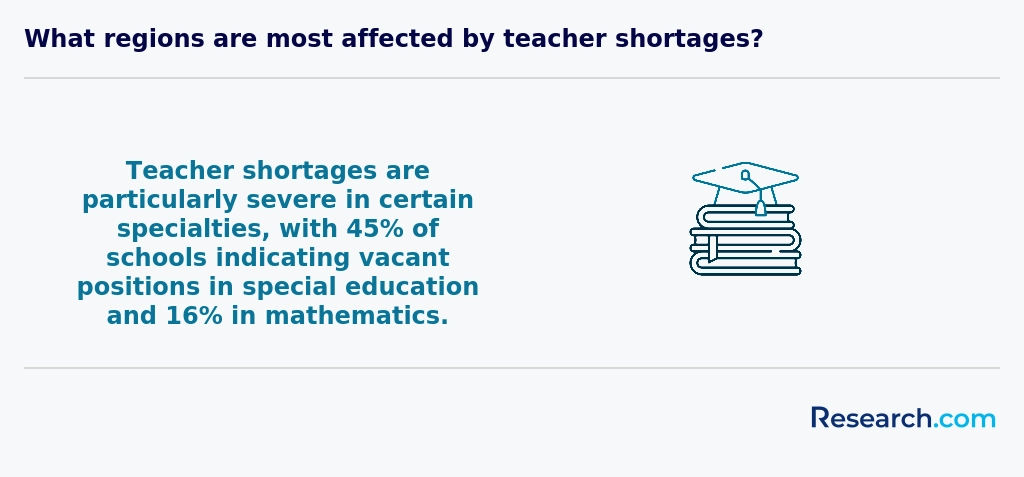
Graduates with an education degree in Little Rock have access to diverse career paths that align with the city's educational demands. The most prevalent role is classroom teaching across elementary, middle, and high school levels, with a particular emphasis on subjects like math, science, and special education. A teaching license issued by Arkansas requires degree completion at an accredited local institution, which supports steady job availability in these areas. Many graduates from the University of Arkansas at Little Rock appreciate the practical training enabling them to secure classroom positions efficiently.
For those seeking leadership roles, positions such as school counselors, curriculum coordinators, and principals represent attainable opportunities with additional certification. These paths enable graduates to impact educational systems on a larger scale, improving student outcomes. Given the growing need for specialized skills, special education teaching remains a promising and fulfilling option, matching persistent local vacancies reported by the Arkansas Department of Education.
Other jobs with education degree in Little Rock Arkansas include early childhood education specialists, instructional coordinators, educational consultants, and adult education instructors. Graduates often find rewarding careers by leveraging diverse skills acquired in local programs. Prospective students might also consider pursuing an online accelerated bachelor's degree to expedite their entry into these fields.
The job market for education degree holders in Little Rock remains robust despite statewide teacher shortages. Graduates from well-known institutions such as the University of Arkansas at Little Rock often find steady demand in local districts, especially in special education, STEM, and bilingual roles. This demand aligns with the regional trend that favors candidates holding licensure in areas with acute shortages, reflecting the practical job outlook for education degree Little Rock graduates.
Starting salaries in the region typically range from $38,000, with experienced educators earning around $50,000 or more, which is competitive within Arkansas. Many graduates appreciate that in-state tuition costs at Little Rock universities ranging between $7,000 and $9,000 annually help reduce financial stress during their transition into the workforce.
Beyond traditional teaching roles, education graduates have opportunities in educational administration, curriculum development, and educational technology. Some graduates further support their career growth through professional development programs or explore online certifications that pay well without a degree, enhancing their qualifications and adaptability.
2027 Best Education Degree Programs Ranking in Little Rock
Investing in your education is a significant decision that can shape your future, and the Research.com team understands the importance of making informed choices. To assist prospective students in Little Rock, we have meticulously crafted the "2027 Best Education Degree Programs Ranking in Little Rock." Our commitment to quality, credibility, and accuracy is reflected in the extensive research and analysis conducted to compile this ranking.
We utilized the following reputable data sources to ensure a comprehensive evaluation of education degree programs:
By exploring this ranking, readers will gain valuable insights into the best education degree programs available in Little Rock, helping them make informed decisions about their educational paths. For more details on our methodology, please visit our Research.com methodology page.

# 4 position
Philander Smith University
Bachelor of Science in Education

Frequently Asked Questions About education
Education degree students in Little Rock can maximize their learning experience by actively engaging in both classroom and fieldwork opportunities offered by local institutions. Many programs require or encourage student teaching in nearby schools, providing practical experience essential for future educators. According to the Arkansas Department of Education, hands-on experience improves job placement rates for graduates in the state by over 20%. Additionally, students should take advantage of professional development workshops and networking events available through universities such as the University of Arkansas at Little Rock.
Collaborating with peers and faculty can deepen understanding and foster useful connections.
Staying informed about state certification requirements and updates is vital for timely progress toward licensure.
Emerging niches within the education field in Little Rock reflect national trends while addressing local community needs. One key area is educational technology, where professionals develop and implement digital tools to enhance learning. This aligns with increased demand for online and hybrid teaching models, especially following the COVID-19 pandemic.
Another growing niche is special education, focusing on strategies to support students with disabilities. Arkansas has seen a steady rise in special education enrollment, highlighting a need for trained educators in this sector.
Additionally, culturally responsive teaching is gaining importance as schools in Little Rock become more diverse. Educators trained in this approach are equipped to address varied student backgrounds effectively, improving engagement and outcomes.
These niches offer promising career paths for prospective education degree candidates in Little Rock.
Preparing for the job market after completing an education degree in Little Rock involves several practical steps. First, gaining teaching experience through local internships or student teaching placements is essential. Many Little Rock school districts, such as the Little Rock School District, offer partnerships that help graduates transition into full-time roles.
Networking with educators in the area can improve job prospects. Professional associations like the Arkansas Education Association provide valuable resources and connections. Additionally, staying current with Arkansas state certification requirements is crucial, as educators must meet specific licensure standards to teach in public schools.
According to the Arkansas Department of Education, demand for qualified teachers in Little Rock, especially in STEM and special education, remains steady. Combining your degree with targeted skills such as classroom technology use can enhance employability.
Employers hiring education degree graduates in Little Rock highly value strong communication skills. Teachers must clearly convey concepts to diverse student groups. According to the Arkansas Department of Education, 68% of local schools emphasize effective verbal and written communication as a top employability skill in 2023.
Classroom management and adaptability are also critical. Little Rock educators face varied learning environments and student needs, requiring flexibility and proactive behavior management strategies.
Technology proficiency has become increasingly important. The integration of digital tools in classrooms demands that graduates are comfortable with educational software, aligning with trends reported by the National Center for Education Statistics.
Finally, collaboration skills rank highly. Working effectively with colleagues, parents, and the community is essential to support student success in Little Rock's public and private schools.
Finding internships in Little Rock relevant to an education degree involves leveraging local school districts, universities, and community organizations. The Little Rock School District and Pulaski County Special School District often offer placements for education majors seeking classroom experience. Networking with university education departments, such as those at the University of Arkansas at Little Rock, can help connect students with internship opportunities.
Additionally, local nonprofits and educational programs in Little Rock frequently collaborate with students to support tutoring or after-school initiatives. According to the Arkansas Department of Education, internships are a key component of licensure programs, making these connections vital for hands-on learning and career entry.
Holding an education degree in Little Rock significantly enhances career mobility and advancement opportunities within the local school systems and beyond. According to the Arkansas Department of Education, teachers with advanced degrees or specialized certifications often qualify for higher salaries and leadership roles such as curriculum specialists or administrative positions. Furthermore, Little Rock's public and private schools increasingly value candidates with credentials from accredited programs, which can open doors to professional development and tenure.
The U.S. Bureau of Labor Statistics projects a 7% growth in education jobs in Arkansas through 2031, favoring those with formal education qualifications. This local demand reflects a nationwide trend emphasizing skilled educators who can meet diverse student needs.
Studying for an education degree in Little Rock equips students with skills that are essential for interdisciplinary roles. Programs often integrate coursework in psychology, sociology, and communication, reflecting the interconnected nature of educational settings. This approach prepares graduates to collaborate effectively across multiple fields.
Little Rock's universities leverage community partnerships and practicum experiences, offering real-world exposure to diverse educational environments. According to the Arkansas Department of Higher Education, over 60% of education students engage in interdisciplinary projects during their studies.
Such experiences help graduates address complex challenges involving curriculum design, student psychology, and community engagement, ensuring well-rounded competencies beyond traditional teaching roles.
When choosing between a thesis and a non-thesis education degree in Little Rock, students should consider their career goals and learning preferences. A thesis program typically appeals to those interested in research or pursuing a doctoral degree, as it involves conducting original research and writing a formal thesis. Non-thesis programs emphasize coursework and practical experience, making them suitable for educators focused on classroom teaching or administration.
Local universities like the University of Arkansas at Little Rock offer both options. According to the Arkansas Department of Higher Education, nearly 60% of education graduate students in Little Rock choose non-thesis paths, valuing the faster completion time. Understanding these distinctions helps students pick a program aligned with their professional direction.
Students based in Little Rock seeking education degrees with international experience have several pathways through U.S. institutions offering study abroad programs. Universities such as the University of Arkansas at Little Rock provide opportunities to study education abroad via partnerships with schools in Europe, Asia, and Latin America. These programs often include semester-long exchanges, summer immersion courses, or service-learning projects that combine education theory with global practice.
Little Rock students can also access federally supported initiatives like the Gilman Scholarship, which aids undergraduates with financial support when studying abroad in diverse education settings. According to the Institute of International Education's 2022 report, Arkansas had a 12% increase in outbound study abroad participation over five years, reflecting growing interest among education majors. Such experiences enhance cultural competency and global teaching skills, important in today's educational careers.
Part-time job opportunities in Little Rock that complement education degrees often focus on roles directly related to teaching and student support. Many education students find valuable experience working as teacher's aides or paraprofessionals in local K-12 schools, where Little Rock School District offers numerous positions frequently posted on their career portal. These roles help develop classroom management and instructional skills.
Another option is tutoring, which is in high demand due to Arkansas's emphasis on improving literacy and math proficiency, as reported by the Arkansas Department of Education. Tutoring provides practical engagement with curriculum and personalized student interaction.
Some students also work in after-school programs or youth services organizations, gaining experience in child development and educational programming. These jobs add to professional skills useful for future certified teaching roles.
Education students in Little Rock have access to a range of networking opportunities that support professional growth. The University of Arkansas at Little Rock and other local institutions host education-focused events, including workshops and career fairs, connecting students with school districts and education leaders.
Local chapters of national organizations like the Arkansas Education Association offer students chances to meet practicing educators and policymakers. Additionally, community volunteering programs and partnerships with public schools provide practical experience and help students build valuable contacts in the field.
According to the Arkansas Department of Education, internships and mentorship programs in Little Rock have increased by 15% over the past five years, reflecting stronger ties between education programs and local schools.
Alumni networks play a significant role for education degree students in Little Rock by providing essential support and opportunities. Graduates often benefit from mentorship programs where experienced alumni guide current students through classroom challenges and early career decisions. In Little Rock, local school districts occasionally collaborate with university alumni associations to facilitate job placement and internships, improving employment rates for graduates.
Research from the University of Arkansas at Little Rock indicates that students connected to active alumni networks have up to a 20% higher chance of securing teaching positions within the region. Networking events and online platforms also help students stay informed about professional development workshops and certification updates.
Customizing an education degree program in Little Rock begins with selecting a concentration that aligns with your career ambitions, such as special education, curriculum development, or educational leadership. Many local universities, including the University of Arkansas at Little Rock, offer flexible options like online courses or evening classes to accommodate working students. Electives allow you to deepen knowledge in specific areas, while internships in nearby school districts provide valuable hands-on experience. Additionally, some programs enable you to pursue teaching certifications simultaneously, which can enhance employment prospects in Arkansas schools. According to the Arkansas Department of Education, tailored programs improve graduate readiness for diverse educational roles.
Education students in Little Rock often face several challenges unique to the local and national landscape. One common difficulty is balancing rigorous coursework with fieldwork requirements, as many programs require extensive student teaching placements in local schools. These placements can be demanding, especially in under-resourced schools, which make up a significant portion of the Little Rock School District.
Financial constraints are another challenge. According to the Arkansas Department of Higher Education, many students struggle with tuition affordability and limited access to scholarships, which affects retention rates in education programs.
Additionally, navigating Arkansas's teacher certification process can be a complex hurdle. The state mandates specific testing and practical experience that may extend time to degree completion.
Students also report needing stronger support in mastering technology integration for modern classrooms, an area growing rapidly in importance.
With an education degree in Little Rock, you can pursue several professional certifications to enhance your career prospects. The most common is the Arkansas Teaching License, required to teach in public schools across the state. This license requires passing the Praxis exams and completing a state-approved educator preparation program.
Other certifications include specialized endorsements in areas such as special education, English as a Second Language (ESL), and school counseling. Arkansas also offers National Board Certification, a prestigious credential recognized nationwide that can increase salary and job opportunities.
These certifications reflect both state requirements and opportunities for career growth within Little Rock's education system.
Applying to education degree programs in Little Rock requires careful preparation. Start by researching local institutions such as the University of Arkansas at Little Rock, which offers accredited teacher preparation programs recognized by the Council for the Accreditation of Educator Preparation (CAEP). Highlight relevant academic achievements and any volunteer or work experience in educational settings, as these strengthen your application.
Strong personal statements are crucial; clearly explain your motivation for pursuing a teaching career and how you plan to impact local communities. Include specific goals and examples that demonstrate commitment to education. Also, ensure your application meets all deadlines set by each school's admissions office to avoid disqualification.
Standardized test scores may be required, so prepare thoroughly to meet or exceed benchmarks typical for Arkansas education candidates, as reported by the Arkansas Department of Education. Recommendations from educators or professionals familiar with your skills can provide valuable support. Finally, double-check for any school-specific supplemental materials or interviews that could improve your chances.
Education careers in the United States, including Little Rock, are increasingly viewed through a global lens due to the interconnected nature of today's world. Educators often incorporate international standards and culturally responsive teaching to prepare students for global citizenship. According to the National Center for Education Statistics, Arkansas invests significantly in teacher training, with Little Rock being home to several institutions offering education degrees aligned with national accreditation.
Internationally, teaching careers are valued for their societal impact, but salaries and resources vary widely. In Little Rock, the average teacher salary is approximately $48,000, reflecting regional economic factors but also competitive within the South. This demonstrates a balance between local demands and global practices in education careers.
Many education programs in Little Rock emphasize technology integration and global competency, mirroring trends found in global education research. This prepares graduates to contribute effectively in diverse and international settings.
Gaining practical experience while pursuing an education degree in Little Rock involves engaging in fieldwork and internships offered through local universities. Many programs require students to complete student teaching practicums in nearby Little Rock public schools, providing real classroom exposure. These placements typically last one semester and allow students to apply theoretical knowledge in real settings.
Additionally, institutions such as the University of Arkansas at Little Rock collaborate with local school districts to facilitate hands-on training. According to the Arkansas Department of Education, nearly 90% of education students in the state complete practicums or internships before graduation. This direct experience helps students build essential teaching skills and professional networks within the Little Rock educational community.
Choosing the right concentration within an education degree program in Little Rock involves understanding your career goals and local needs. Little Rock offers concentrations such as elementary education, special education, and secondary education that align with Arkansas's demand for qualified teachers. According to the Arkansas Department of Education, special education teachers are in high demand statewide, including Little Rock, due to increasing student diversity and support needs.
Consider your interests in age groups and subjects, as well as certification requirements for Arkansas. Research local schools and community feedback to identify areas with teacher shortages or growth potential. Exploring practicum opportunities in Little Rock schools can also help you decide which concentration fits your strengths and goals.
- 2027 Best Education Degree Programs Ranking in Columbia
- 2027 Best Education Degree Programs Ranking in Birmingham
- 2027 Best Education Degree Programs Ranking in Kansas City
- 2027 Best Education Degree Programs Ranking in Wichita
- 2027 Best Education Degree Programs Ranking in New Orleans
- 2027 Best Education Degree Programs Ranking in Mobile
- 2027 Best Education Degree Programs Ranking in Montgomery
- 2027 Best Education Degree Programs Ranking in Louisville
- 2027 Best Education Degree Programs Ranking in Atlanta
- 2027 Best Education Degree Programs Ranking in Des Moines
See What Experts Have To Say About Studying Education
Read our interview with Education experts

Nooshan Ashtari
Education Expert
Professor & Book Author
University of Southern California


- Education Cover Letter: 6 Steps to Write a Job-Winning One [+Example & Template] | Cake https://www.cake.me/resources/cover-letter/education-cover-letter
- Online Learning vs Traditional Learning Comparison https://advantagesschool.com/online-learning-vs-traditional-learning/
- Latest Trends in the Field of Education - ICERT https://icert.org.in/latest-trends-in-the-field-of-education/
- Students: This is How You Should Prepare for the Job Market https://www.agencycentral.co.uk/articles/students-this-is-how-you-should-prepare-for-the-job-market/
- Workforce | Metro Little Rock Alliance https://metrolittlerockalliance.com/workforce
- How To Write A Great Cover Letter For Teacher Training - Engage Education https://engage-education.com/blog/how-to-write-a-great-cover-letter-for-teacher-training/
- Client Challenge https://www.lrsd.org/page/human-resources
- Why Is Education Important in Your Career Advancement? - KWSP Malaysia https://www.kwsp.gov.my/en/w/article/career-advancement
- Networking For Educators: How To Grow A Professional Circle - Carlow University https://www.carlow.edu/networking-for-educators/
- Student Expectations and Perceptions of Higher Education - ACA https://aca-secretariat.be/newsletter/student-expectations-and-perceptions-of-higher-education/


