
2027 Easiest Online Master's in Education Degree Programs Ranking in Massachusetts

Co-Founder and Chief Data Scientist
Choosing the right master's program in education can feel overwhelming, especially with so many online options available in Massachusetts. This article introduces the 2027 Easiest Online Master's in Education Degree Programs Ranking in Massachusetts, created by the Research.com team of data scientists to guide you toward programs that fit your needs.
By exploring this ranking, you'll discover accessible, high-quality education degrees that can help you advance your career and make a positive impact. Earning your degree could open new opportunities and personal growth, making the journey worthwhile.
Key benefits of getting online education degree in Massachusetts
- Education degree graduates in Massachusetts can expect competitive salaries, such as $129,330 for Education Managers and $96,570 for Higher Education Professors, providing strong financial motivation.
- Career paths include becoming an Education Manager, Curriculum Specialist, or Education Consultant, with many Massachusetts graduates from universities like Boston University succeeding in these roles.
- Online education degrees offer flexibility and convenience, allowing graduates from institutions like UMass Online to balance work and study while gaining valuable skills for thriving careers.
- 2027 Easiest Online Master's in Education Degree Programs Ranking in Massachusetts
- What can I expect from online education degree in Massachusetts?
- Where can I work with online education degree in Massachusetts?
What can I expect from online education degree in Massachusetts?
The average cost of an online education degree in Massachusetts typically hovers around $18,000 per year at public universities, while private institutions may charge significantly more. Graduates from the University of Massachusetts system often describe feeling reassured by this mid-range cost, which balances accessibility with high academic standards. Many have found that the investment aligns with their long-term career goals, especially when factoring in financial aid and scholarships targeted specifically at education students.
These graduates share stories of juggling coursework with full-time jobs, appreciating how the pricing reflects the program's flexibility and support services. Institutions like Boston College or Harvard Graduate School of Education, although pricier, provide robust career counseling and licensing exam preparation, which many students say justifies the higher tuition in exchange for personalized guidance.
Choosing an online education program in Massachusetts is not simply about price-graduates emphasize value. They feel empowered knowing their tuition translates into quality instruction, licensure readiness, and a community that understands the challenges of working adults pursuing advanced degrees remotely.
Where can I work with online education degree in Massachusetts?
Graduates with an online education degree in Massachusetts often find themselves at the heart of dynamic career paths, far beyond traditional classroom roles. For instance, many who studied through programs at institutions like UMass or Boston University share how they quickly transitioned into roles as licensed teachers in diverse settings-from bustling Boston public schools to suburban districts near Worcester. These educators passionately tackle challenges in STEM or ESL, reflecting the state's urgent demand for specialized skills.
But employment isn't limited to direct teaching. Some graduates thrive as instructional designers or educational coordinators, crafting innovative curricula and integrating technology in schools throughout Springfield or Cambridge. Their work deeply impacts how students learn, bringing exciting change one lesson at a time.
Others leverage their degrees to become academic advisors or instructional technologists at Massachusetts colleges, combining pedagogy with digital tools. The flexibility of online programs empowers them to balance work and study, fueling a sense of accomplishment and readiness.
Finally, Massachusetts' commitment to education equity opens roles in policy analysis and consulting, where graduates feel inspired by the chance to shape statewide improvement. These career journeys underscore how an online education degree here can transform passion into meaningful impact.
Graduates with online education degrees in Massachusetts often discover earnings that challenge common expectations about teaching careers. For example, many who studied at prominent institutions like Boston University or the University of Massachusetts report starting salaries in the range of $50,000 to $60,000, aligning with entry-level figures mentioned in state data.
Yet, as experience grows, so do opportunities-and paychecks. Curriculum Specialists, a role that graduates from schools such as Wheelock College often pursue, earn a mean annual wage of $77,200, reflecting a valuable blend of instructional expertise and creativity. Meanwhile, Education Consultants command around $95,600 annually, an incentive for those intrigued by advising schools on improvement strategies.
More impressively, Education Managers and Program Managers can break into six-figure salaries-$129,330 and $104,920 respectively-highlighting pathways beyond classroom teaching. These roles appeal to graduates who wish to influence education policy or manage programs, echoing success stories from alumni who leveraged their online degrees into leadership positions.
Ultimately, the range and growth in salary demonstrate that an online education degree in Massachusetts is not just about teaching; it's about unlocking diverse career doors with rewarding financial prospects.
- Tuition for online master's degrees in education in Massachusetts ranges from $20,000 to $40,000, with public universities generally offering more affordable rates.
- Most online education programs are accredited by the New England Commission of Higher Education (NECHE), ensuring recognized and quality degrees.
- Education-related jobs in Massachusetts are projected to grow by about 5% over the next decade, including roles like teachers and education administrators.
- Starting salaries for educators with a master's degree average around $60,000 annually, rising to $80,000 or more with experience, especially in urban areas like Boston.
- Online programs offer flexibility for working professionals and career changers to earn advanced degrees without relocating or leaving their jobs.
Completing an online education degree in Massachusetts often defies the simple timelines many expect. Graduates from Boston University frequently describe the journey as an 18 to 24 month full-time commitment, yet many working professionals embrace part-time study, stretching this to three years or more to maintain balance with life's demands.
One recent graduate reflected on choosing a part-time path that allowed her to continue teaching while advancing her skills without sacrificing income. Meanwhile, students at the University of Massachusetts noted how the flexibility of competency-based learning and accelerated courses helped them trim down typical durations, sometimes finishing master's degrees in just over a year.
Bachelor's degrees in education still traditionally take about four years full-time, but accelerated programs cater to transfer students, reducing time to as little as two to three years. Those balancing family, work, and certification requirements from the Massachusetts Department of Elementary and Secondary Education find themselves navigating a personalized timeline that values real-world obligations alongside academic achievement.
Massachusetts online Master’s in Education programs should hold CAEP accreditation and DESE approval to ensure seamless teacher certification. Verify that each curriculum aligns with state standards and prepares you for licensure.
- DESE-approved coursework covering pedagogy, educational theory and state regulations
- Supervised practicum hours in a Massachusetts school to meet student-teaching requirements
- Targeted preparation for the Massachusetts Tests for Educator Licensure (MTEL)
- Portfolio or edTPA guidance for performance assessment submission
Choose a CAEP-accredited, DESE-approved program to streamline your certification process. For accelerated pathways, explore our fast track degree programs.
Graduates from well-known Massachusetts institutions like Boston University often recall the energizing campus buzz-the spontaneous hallway chats with professors or peers that sparked ideas and built lasting networks. These on-campus experiences offer tangible access to libraries and labs, grounding learners in environments designed to immerse them fully in education theory and practice.
In contrast, alumni of online programs from places like the University of Massachusetts highlight a different kind of freedom: the ability to juggle coursework with demanding jobs or family life without the daily commute. The asynchronous structure lets them engage deeply when life allows, making education fit their rhythms instead of the other way around.
Yet, many online learners describe brief residencies or live video sessions as vital anchors, providing real-time connection and hands-on practice that enrich remote study. This hybrid approach challenges the old notion that online means isolated.
Ultimately, choosing between these Massachusetts education pathways means weighing direct interaction against flexibility-a reflection of your priorities and lifestyle rather than a measure of quality or legitimacy.
Ensuring that your online master’s in education in Massachusetts is recognized by both state and national accrediting bodies safeguards your career prospects and meets licensure standards. Key accreditation and certification considerations include: • Regional Accreditation: Confirm your institution holds NECHE (New England Commission on Higher Education) accreditation to validate academic rigor and ensure transferability of credits. • National Program Approval: Look for Council for the Accreditation of Educator Preparation (CAEP) endorsement, which signals adherence to exemplary teacher training benchmarks. • State Licensure Alignment: Verify that the curriculum aligns with the Massachusetts Department of Elementary and Secondary Education (DESE) requirements for initial teacher licensure or endorsement renewal. • Alternative Certification Pathways: Some programs collaborate with school districts to offer accelerated licensure tracks, integrating field experiences with online coursework. Before enrolling, review program guides and DESE guidelines for specific instructional hours, subject endorsements, and practicum requirements. Engaging with accredited courses not only enhances educational quality but also streamlines your path to obtaining a professional educator license in Massachusetts. For those just beginning their journey in the education field, exploring the the best online associate in education program can provide foundational knowledge and satisfy prerequisites for graduate-level study. Ensure you maintain current certification by fulfilling professional development credits and adhering to state-mandated renewal cycles. Accredited programs typically offer dedicated licensure advisors to support your application process, making accreditation a critical pillar of a trusted online master’s in education.
The average cost of an online education degree in Massachusetts challenges many assumptions about affordability and value. While the median total cost hovers around $20,700 for residents, the cost escalates sharply for out-of-state students, reaching median figures near $46,200. Graduates from public universities like Worcester State have shared stories of balancing rigorous coursework with family life, appreciating the reduced in-state tuition that made their goals achievable without sacrificing financial stability.
Private institutions such as Boston University bring a different experience; graduates often express pride in the specialized networks and resources they accessed, though their tuition often surpasses $35,000. Students are frequently encouraged to weigh this investment against the immersive learning environment and career opportunities these programs offer. Understanding these financial dynamics is a crucial step for anyone seeking affordable online education degrees Massachusetts provides.
Beyond tuition, consider subtle costs-textbooks, software, and required technology fees can quietly add up. Many students have recounted moments where financial aid or flexible payment plans eased unexpected expenses, illustrating how smart planning can turn apparent barriers into stepping stones. For those exploring options, exploring the best online associate in education program may reveal pathways that blend quality and cost-effectiveness.
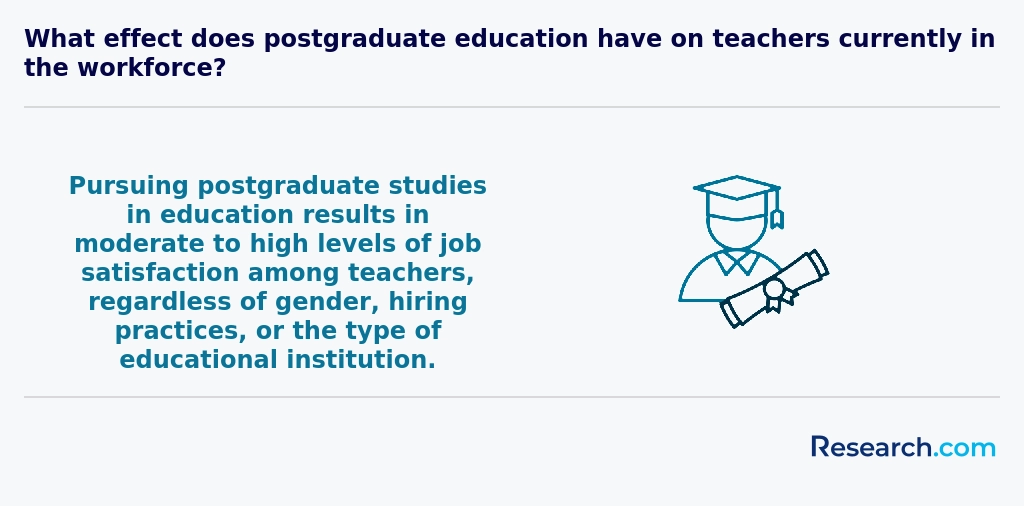
Financial aid for online education degrees in Massachusetts takes many forms, often blending federal, state, and institutional support in ways that surprise many prospective students. Graduates from the University of Massachusetts system frequently share how completing the FAFSA unlocked Pell Grants or Federal Direct Loans, easing the tension of upfront costs. These federal options offer crucial breathing room, especially for those balancing work and studies.
State-level aid like the MassGrant or the John and Abigail Adams Scholarship often feels like an unexpected boost for residents, enabling undergraduates at public universities to pursue education without the crushing weight of debt. Meanwhile, scholarships tied to teaching internships at regional colleges give students a tangible pathway to wealth not just in money but in meaningful experience.
Some graduates recount the relief of participating in employment-based tuition reimbursement programs, especially when committing to teach in high-need Massachusetts schools. This practical support reflects a partnership between educators and the state that transforms financial barriers into stepping stones for a fulfilling career.
Enrolling in an online education degree in Massachusetts means meeting more than just academic thresholds; it's about demonstrating readiness for a transformative journey. Graduates from institutions like Boston University and UMass Amherst often recall the weight of presenting a solid undergraduate GPA-typically around 3.0-but also how their diverse experiences, such as teaching in community programs or volunteering in local schools, made their applications stand out. It's not just grades; many programs seek official transcripts and proof of relevant teaching experience, especially if you aim for licensure.
Some Massachusetts programs still require GRE or MAT scores, pushing students to revisit standardized testing as a personal challenge rather than a hurdle. Others emphasize personal statements that reveal genuine passion and reflective goals, while recommendation letters bring supportive voices into the narrative. The technical side-reliable internet and comfort with digital platforms-though often overlooked, shapes daily success.
Financial realities also resonate deeply; many find scholarships or employer aid crucial to turning ambitions into reality. The path to an education degree here is rigorous yet deeply rewarding, inviting you to reflect on your unique story and aspirations.

Ensuring that your online Master’s in Education program holds proper accreditation is critical for both quality assurance and career advancement. In Massachusetts, regionally accredited institutions-such as those recognized by the New England Commission of Higher Education (NECHE)-guarantee that coursework meets rigorous academic standards and is widely accepted by employers and licensure boards. Prospective students should verify that their chosen program is approved by the Massachusetts Department of Elementary and Secondary Education (DESE), which validates that graduates are eligible to pursue teaching certification in public and private K–12 settings. State licensure requirements in Massachusetts typically include completing an approved teacher preparation program, passing the Massachusetts Tests for Educator Licensure (MTEL), and fulfilling supervised practicum hours. Online Master’s programs often integrate exam preparation modules and virtual field experiences aligned with DESE standards, helping candidates satisfy both academic and practical mandates. For example, many programs offer interactive workshops on classroom management strategies and data-driven instruction to prepare aspiring teachers for licensure assessments. Accredited programs also facilitate credit transfer and recognition of prior learning. If you hold a valid teaching license or have completed graduate coursework elsewhere, an accredited institution may award transfer credits or advanced standing, shortening the time to degree completion. This flexibility is particularly beneficial for working professionals who seek to leverage their previous credentials without repeating foundational coursework. For those comparing program quality and affordability, consider broadening your research with insights from our Cheapest Online Education Degree Programs Ranking in Campbellsville, KY, which highlights how accreditation standards and cost-effectiveness intersect to deliver value-packed education pathways.
In Massachusetts, online education degrees dive deeply into courses that challenge your understanding of how learning truly happens. Graduates from institutions like Boston University or the University of Massachusetts often describe how courses on educational psychology, such as "Foundations of Educational Psychology," transformed their approach to teaching by revealing the complexities behind student engagement and cognitive growth. This isn't just theory; it's about connecting with real students, understanding their unique developmental stages, and crafting lessons that resonate.
Instructional methods go beyond traditional lesson plans. Many students reflect on mastering curriculum design with a strong focus on integrating technology-a critical skill after the pandemic reshaped classrooms statewide. Imagine confidently developing digital tools that captivate your students remotely while meeting rigorous Massachusetts standards.
Leadership courses empower future principals and administrators to navigate school finance and community relations in a state known for high education investment. Graduates mention feeling equipped to balance budgets that support diverse learner needs, respecting Massachusetts' multilingual, multicultural classrooms. The practicum components, often supervised in local schools, bring this all to life, making certification pathways accessible and relevant.
In Massachusetts, online education degree specializations challenge the traditional one-size-fits-all approach, focusing instead on areas like Curriculum and Instruction, Special Education, Educational Leadership, TESOL, and School Counseling. Graduates from Boston University often share stories of how the Curriculum and Instruction specialization empowered them to craft innovative lesson plans, using cutting-edge educational technologies that transformed their classrooms. The emphasis on Special Education responds to the state's push for inclusivity, with Worcester State University alumni describing rewarding experiences supporting diverse learners facing unique challenges.
Massachusetts master's in education focus areas also tap into leadership roles, preparing students for administration through programs that cultivate decisive, compassionate leaders. TESOL specialization resonates deeply here due to the growing English learner population, enabling educators to meet evolving community needs. School Counseling graduates stress the emotional fulfillment found in supporting student well-being, balancing academic guidance with mental health awareness-a reflection of Massachusetts' educational priorities.
For those seeking affordable pathways, examining the Cheapest Online Education Degree Programs Ranking in Campbellsville, KY provides useful insights into cost-effective options without sacrificing quality or specialization.
If you think choosing the best online education degree in Massachusetts is just about picking an accredited school, think again. Accreditation is essential-after all, graduates from institutions like Boston University or University of Massachusetts-Amherst often praise how it prepared them for licensure-but it's just the starting line. Consider the real-life balance: one graduate found that asynchronous classes at UMass allowed her to juggle teaching full-time while pursuing her degree without sacrificing family time. How flexible is the program for your unique schedule?
Affordability matters deeply, especially when weighing the cost against potential outcomes. An affordable online master's in education MA can be found at public universities where in-state tuition averages about $12,000, easing financial pressure. Many grads recall feeling empowered after exploring financial aid and employer tuition reimbursement, which transformed an overwhelming cost into a manageable investment. And if you're curious about quicker pathways, some turn to 1 year certificate programs that pay well to accelerate their careers.
Ultimately, deep dive into program content and alignment. Specializations like educational leadership or curriculum design must resonate with your career vision. Graduates emphasize the joy of engaging with practical projects and licensure opportunities that directly impact their job market readiness. How will the curriculum shape your future teaching success and satisfaction?
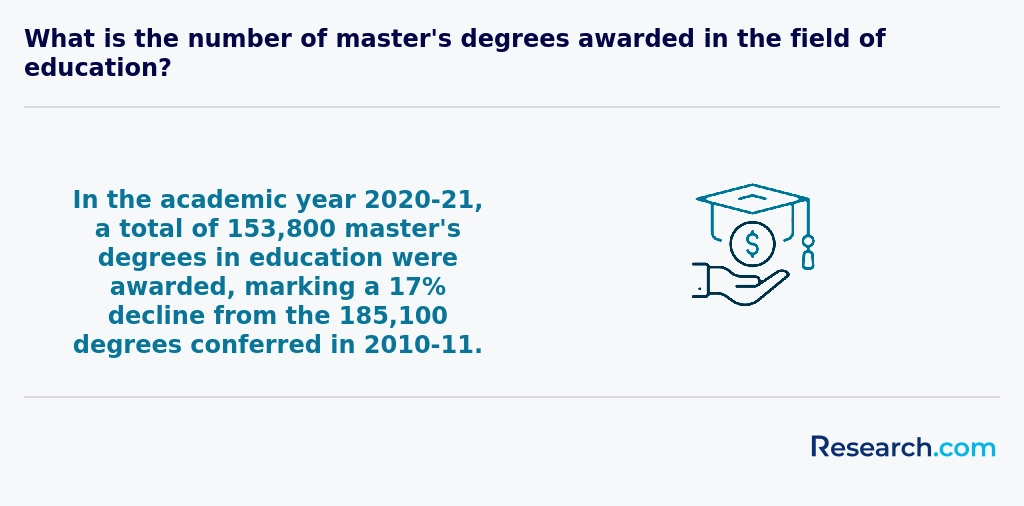
Graduates holding an online education degree in Massachusetts often find themselves stepping into a diverse array of roles, far beyond the traditional classroom setting. From K-12 licensed teaching positions tailored by the Massachusetts Department of Elementary and Secondary Education to leadership roles like principals or curriculum coordinators, the state's emphasis on quality education fuels these opportunities. For example, many graduates from well-known institutions in Massachusetts describe how their programs seamlessly integrated licensure preparation with practical teaching experiences, making the transition to the classroom feel empowering and achievable.
Other career avenues include educational consultants and instructional coordinators, professionals who blend pedagogy with technology, a crucial skill heightened by recent digital learning demands. These roles resonate with graduates who appreciate dynamic, impactful careers advancing educational methods statewide.
Those pursuing online education degree jobs Massachusetts can also explore community-based avenues such as adult education, which reflects the state's commitment to lifelong learning. Many find this path deeply fulfilling, delivering instruction in real-world contexts outside schools. Additionally, prospective students looking toward affordability and career potential will appreciate insights into majors that make money, guiding financially sound decisions.
The job market for those holding an online education degree in Massachusetts is surprisingly dynamic and rewarding. Graduates from well-known institutions such as Boston University or the University of Massachusetts find that their qualifications open doors not only in traditional classroom roles but also in expanding fields like curriculum development or educational consulting. These roles come with salaries that reflect Massachusetts' high standards, often exceeding national averages-encouraging for anyone pursuing a graduate degree in education.
Many education graduates experience the advantage of Massachusetts' commitment to education through competitive teacher salaries, which hover around $86,000, significantly higher than the national norm. This robust demand for skilled professionals illustrates why the massachusetts job market for education graduates feels especially supportive, offering rewarding career paths beyond typical teaching positions.
For students balancing work and study, online programs in the state are financially accessible, often costing between $500 and $900 per credit hour at public universities. Plus, they benefit from financial aid and employer assistance, making it feasible to advance without financial strain. Those interested in exploring further can see related opportunities by reviewing the top earning bachelor degrees.
Graduates frequently remark on their ability to pivot into roles like instructional coordinators or special education specialists, roles vital to the education system's health and growth in Massachusetts. Understanding this landscape can inspire prospective students to take action, knowing their investment in an online education degree will be met with meaningful, well-compensated work.
2027 Easiest Online Master's in Education Degree Programs Ranking in Massachusetts
Investing in your education is a significant decision that can shape your future, and the Research.com team understands the importance of making informed choices. To assist prospective students in Massachusetts, we have meticulously developed the "2027 Easiest Online Master's in Education Degree Programs Ranking in Massachusetts." Our dedication to quality, credibility, and accuracy is demonstrated through thorough research and careful analysis in compiling this ranking. We utilized the following reputable data sources to ensure a comprehensive evaluation of the programs:
By exploring this ranking, readers will gain valuable insights into the easiest online master's in education programs available in Massachusetts, empowering them to make informed decisions about their educational journey. For more details on our methodology, please visit our Research.com methodology page.


# 10 position
Hebrew College
Master of Jewish Education

Frequently Asked Questions About education
Online education degree students in Massachusetts can maximize their learning by establishing a consistent study schedule. Time management is crucial, especially when balancing work and classes. According to the Massachusetts Department of Higher Education, students who allocate regular hours to coursework report higher satisfaction and academic success.
Engaging actively in virtual discussions and group projects fosters deeper understanding and networking opportunities.
Utilizing campus resources like academic advising and online tutoring services offered by many Massachusetts institutions also supports student success.
Finally, staying informed about state regulations and certification requirements ensures that the degree meets professional standards within Massachusetts schools.
The education field in Massachusetts is seeing growth in several emerging niches, especially within online degree programs. One notable area is educational technology, driven by increasing demand for digital learning tools in K-12 and higher education. According to the Massachusetts Department of Elementary and Secondary Education, over 70% of schools reported using some form of online learning in 2023.
Another expanding niche is special education, focusing on inclusive practices and support for diverse learners. Online master's programs often emphasize advanced intervention strategies and policy knowledge tailored to Massachusetts' regulations.
Additionally, leadership roles in education, such as instructional coordination and administration, remain in high demand across the state. Programs emphasize skills in data-driven decision making and equity.
Preparing for the job market after earning an online education degree in Massachusetts involves strategic planning and skill building. First, graduates should leverage Massachusetts' strong network of public and private schools by seeking teaching certifications recognized by the Massachusetts Department of Elementary and Secondary Education.
Engaging in internships or student teaching is crucial to gain practical experience and build professional connections. According to the Massachusetts Department of Elementary and Secondary Education, over 40% of teachers in Massachusetts find jobs through practicum placements or district partnerships.
Additionally, joining local professional organizations, such as the Massachusetts Teachers Association, can provide access to job fairs and continuing education opportunities.
Developing skills in educational technology is also recommended, as schools increasingly require competence in digital tools for remote and hybrid teaching environments.
Employers in Massachusetts prioritize several key skills when hiring graduates with education degrees. Strong communication abilities are essential, as teachers must clearly convey concepts to diverse student groups. According to the Massachusetts Department of Elementary and Secondary Education, collaboration and teamwork rank highly, reflecting a statewide focus on inclusive learning environments.
Critical thinking and problem-solving skills are also valued, enabling educators to adapt lessons to meet student needs. Additionally, proficiency in using digital tools aligns with the growing emphasis on technology integration in classrooms across Massachusetts.
Time management and organizational skills help graduates meet the demands of lesson planning and grading efficiently.
Finding internships in Massachusetts related to education degrees involves leveraging multiple resources focused on the state's strong educational sector. Start by exploring university career centers, as many Massachusetts institutions like Boston University and UMass Amherst offer connections to local school districts and education organizations. The Massachusetts Department of Elementary and Secondary Education (DESE) website lists approved internship programs and educator preparation partnerships.
Online job platforms such as Handshake and LinkedIn often feature internships specifically in Massachusetts's education field. Networking through professional groups like the Massachusetts Teachers Association can also provide leads.
According to DESE data, Massachusetts employs over 90,000 teachers, creating numerous internship opportunities in K-12 schools statewide.
In Massachusetts, earning an online education degree can significantly enhance career mobility and advancement opportunities. The state's strong commitment to education, highlighted by its ranking among the top states for teacher salaries, supports professionals pursuing higher qualifications. According to the Massachusetts Department of Elementary and Secondary Education, educators with advanced degrees often qualify for higher pay scales and leadership roles.
Additionally, online degrees offer flexibility, allowing working professionals to balance studies and employment. This flexibility helps educators meet licensure renewal requirements and gain specialized skills that are in demand statewide. Research from the U.S. Bureau of Labor Statistics also confirms that master's degree holders tend to experience faster promotion rates and greater job security in education careers within Massachusetts.
Studying for an education degree in Massachusetts offers strong preparation for interdisciplinary roles by integrating diverse fields such as psychology, technology, and social sciences into the curriculum. Many online programs emphasize collaboration and problem-solving skills essential for working across disciplines. According to the Massachusetts Department of Elementary and Secondary Education, programs often include coursework on educational leadership, curriculum design, and inclusive practices.
Massachusetts institutions also leverage partnerships with local organizations, allowing students to engage in real-world projects. This approach helps future educators adapt to varied educational settings, improving their versatility. Such training aligns with broader workforce needs, where educators must navigate complex systems and diverse student populations effectively.
When choosing between a thesis and a non-thesis education degree program in Massachusetts, students should first consider their career goals. Thesis programs typically require original research and can be suited for those interested in academic or research roles. Non-thesis options focus more on practical skills and coursework, appealing to professionals seeking advancement in teaching or administration.
Massachusetts has a strong network of online master's programs, many accredited by the New England Commission of Higher Education (NECHE). According to the Massachusetts Department of Higher Education, online programs with thesis components may take longer to complete due to research demands.
Cost and time commitment are factors as well; thesis programs often incur additional fees for research materials. It's advisable to review program requirements carefully and consult advisors to align choices with personal and professional objectives.
Students based in Massachusetts seeking to study education abroad have several viable options through U.S. institutions offering online programs with international components. While fully remote degrees are common, many universities incorporate study-abroad opportunities or international practicums into their curricula. For example, some Massachusetts public universities partner with global education organizations to enable short-term overseas experiences that complement online coursework. According to the Massachusetts Department of Higher Education, over 30% of graduate students in education pursue programs with some international exposure, reflecting growing interest in global perspectives.
Additionally, Massachusetts students can enroll in accredited online education degrees that include global education frameworks, preparing them for diverse educational settings worldwide. This approach aligns with national trends emphasizing cross-cultural competencies in teaching. Institutions such as UMass Global and Lesley University offer flexible formats that can integrate international study virtually or through hybrid models, catering to working professionals. These options provide accessible pathways for Massachusetts students to gain global teaching credentials without relocating overseas.
Part-time job opportunities in Massachusetts that complement education degree studies often involve direct interaction with students or supporting educational environments. Common roles include teacher assistants, tutoring positions, and substitute teaching. These jobs provide practical classroom experience valuable for future educators. According to the Massachusetts Department of Elementary and Secondary Education, substitute teachers can earn between $100 and $150 per day, making this a viable option for students balancing work and study.
Additionally, positions such as after-school program staff or educational program coordinators at community centers offer flexible hours and relevant experience. Tutoring, especially in subjects like math and reading, is in high demand, reflecting the state's focus on literacy and STEM education improvement.
Online education students in Massachusetts have access to various networking opportunities despite the virtual format. Many universities offer virtual career fairs and online forums specifically designed to connect students with alumni and local educators. For example, institutions like Boston University and UMass Amherst provide platforms where students can engage with faculty and peers across the state.
Additionally, professional organizations such as the Massachusetts Teachers Association host online events and workshops that facilitate networking and professional growth. According to the Massachusetts Department of Higher Education, over 150,000 students engage in distance learning statewide, supporting a robust network of remote learners who often collaborate through social media groups and virtual study sessions.
Alumni networks play a crucial role for students pursuing online education degrees in Massachusetts. These networks offer valuable opportunities to connect with graduates who share similar academic and professional interests. Networking can lead to job referrals, mentorship, and collaborative projects, enhancing career prospects.
Massachusetts hosts a range of higher education institutions with robust alumni associations, such as the University of Massachusetts and Boston College. According to the Massachusetts Department of Higher Education, over 80% of employers in the state value alumni recommendations during hiring. This highlights how alumni connections can impact employment outcomes.
Furthermore, alumni events and online platforms foster continuous learning and support, which are especially important for remote students seeking engagement and community. Being part of an active network helps students navigate the Massachusetts education job market more confidently.
Customizing an online education degree program in Massachusetts allows students to align their studies with specific career goals. Many Massachusetts institutions offer flexible course selections and concentrations such as curriculum design, special education, or educational leadership. This flexibility helps students gain skills tailored to roles in administration, teaching, or counseling.
Additionally, online programs often include opportunities for internships or practicum experiences at local schools, which provide valuable hands-on learning directly related to career objectives. According to the Massachusetts Department of Elementary and Secondary Education, educators with specialized certifications tend to have higher job placement rates and salaries.
Students can also take advantage of elective courses and certifications within their degrees to prepare for licensure or advanced professional roles. Consulting academic advisors is key to designing a personalized academic plan that meets both state requirements and individual ambitions.
Online education students in Massachusetts often face challenges related to balancing coursework with personal and professional responsibilities. Many learners are working adults who must manage class schedules alongside jobs and family duties. According to the Massachusetts Department of Higher Education, time management remains a key obstacle for a majority of online students.
Another common issue is access to reliable technology and high-speed internet, especially in rural parts of the state. Technical problems can hinder participation in live lectures and timely submission of assignments.
Additionally, some students report feeling isolated due to limited face-to-face interaction with peers and instructors, which can affect motivation and engagement.
An online education degree in Massachusetts opens doors to several respected professional certifications. Graduates often pursue the Massachusetts Initial Teacher License, which allows them to teach in K-12 schools across the state. This credential requires completing an approved teacher preparation program and passing the Massachusetts Tests for Educator Licensure (MTEL).
Additionally, educators may seek certification as a Reading Specialist or a School Counselor, both requiring specialized coursework and state-approved exams. According to the Massachusetts Department of Elementary and Secondary Education, demand for certified teachers with advanced knowledge in special education and literacy continues to grow.
Beyond state certifications, national options like the National Board Certification enhance career opportunities and salary prospects for educators in Massachusetts.
Applying to an online education program in Massachusetts requires clear, concise, and well-organized materials. Start by carefully reviewing program requirements on official university websites like those of the University of Massachusetts or Northeastern University, which offer multiple accredited online education options.
Focus your personal statement on your passion for education and how the degree aligns with your career goals. Massachusetts colleges often value evidence of professional experience and commitment to educational equity, reflecting the state's emphasis on diverse learning environments.
Include official transcripts demonstrating strong academic performance. According to the Massachusetts Department of Higher Education, around 70% of applicants to graduate programs have a GPA of 3.0 or higher.
Finally, secure at least two recommendation letters from supervisors or professors who can attest to your readiness for graduate-level work in education.
The global perspective on a career in education highlights its critical role in societal development and cultural exchange. Educators are increasingly viewed as key contributors to innovation, equity, and lifelong learning worldwide. In the United States, and specifically in Massachusetts, education careers benefit from strong support systems and professional development opportunities.
Massachusetts consistently ranks among the top states for education quality, with a significant number of educators holding advanced degrees. According to the Massachusetts Department of Elementary and Secondary Education, nearly 70% of teachers in the state have a master's degree or higher. This reflects a broader U.S. trend valuing advanced qualifications for educators, especially in online education programs.
Internationally, education careers often emphasize adaptability and global awareness. Online degrees, common in Massachusetts, enable future educators to engage with diverse perspectives and educational models. This aligns with the growing demand for professionals who can integrate global insights into local teaching practices, improving student outcomes across communities.
Many online education degree programs in Massachusetts incorporate practical experience through field placements or student teaching components. These experiences allow students to apply theory in real classroom settings, often arranged in partnership with local schools. Massachusetts requires teaching candidates to complete supervised practicums, which are integral to licensure pathways. According to the Massachusetts Department of Elementary and Secondary Education, students typically spend 8 to 12 weeks in these placements, gaining hands-on skills.
Additionally, some programs offer virtual simulations and professional development workshops. These options help students build practical skills remotely while fulfilling state certification requirements.
Connecting with local schools or education organizations can further enhance applied learning, enabling students to network and gain relevant experience.
Choosing the right concentration within an online education degree program in Massachusetts begins with identifying your career goals. Massachusetts is known for its strong public school system, so many concentrations focus on specialties like curriculum design, educational leadership, or special education to meet local demands.
Consider market trends; the Massachusetts Department of Elementary and Secondary Education highlights a growing need for teachers skilled in technology integration and English as a Second Language (ESL). Research program accreditation, ensuring it aligns with Massachusetts' licensure requirements for educators.
Evaluate course flexibility, faculty expertise, and student support services. Data from the National Center for Education Statistics shows that Massachusetts ranks highly in educator salaries, which often correspond with specialized certifications. These factors can guide your choice toward a concentration that fits your professional ambitions and local needs.
- 2027 Easiest Online Master's in Education Degree Programs Ranking in New Hampshire
- 2027 Easiest Online Master's in Education Degree Programs Ranking in New York
- 2027 Easiest Online Master's in Education Degree Programs Ranking in New Jersey
- 2027 Easiest Online Master's in Education Degree Programs Ranking in Maine
- 2027 Easiest Online Master's in Education Degree Programs Ranking in Pennsylvania
- 2027 Easiest Online Master's in Education Degree Programs Ranking in Maryland
- 2027 Easiest Online Master's in Education Degree Programs Ranking in Virginia
- 2027 Easiest Online Master's in Education Degree Programs Ranking in Ohio
- 2027 Easiest Online Master's in Education Degree Programs Ranking in West Virginia
- 2027 Easiest Online Master's in Education Degree Programs Ranking in Kentucky
See What Experts Have To Say About Studying Education
Read our interview with Education experts


Alan J. Singer
Education Expert
Professor of Teaching, Learning and Technology
Hofstra University

- Massachusetts https://www.teachingchannel.com/state-requirements/massachusetts-teaching-license-renewal/
- Teaching Job Roles | Teach For Life https://www.teachforlife.com/teachingjobs/global-perspectives-teacher
- Guide to Online Education Degrees | OEDb.org https://www.oedb.org/rankings/online-education-programs/
- Career Goals: 17 Inspirational Examples for you in 2026 https://www.imd.org/blog/learning-and-development/career-goals/
- Seven Major Challenges Facing Education in the 21st Century https://www.internationalschoolparent.com/articles/seven-global-education-challenges/
- The 8 challenges of education in a changing world https://casvitrescantos.com/en/the-8-challenges-of-education-in-a-changing-world/
- 5 Tips on Choosing the Right Course or Study Program - Edunation https://www.edunation.co/5-tips-on-choosing-the-right-course-or-study-program/
- Home https://www.teachercertificationdegrees.com/
- Navigating Challenges In Education, Learning & Development - those who can https://www.thosewhocan.org/navigating-challenges-in-education-learning-and-development/
- Online Master's in Education: Compare Top Massachusetts Programs https://www.onlinemastersdegrees.org/best-programs/education/massachusetts/


