
2027 Most Valuable Online Master's in Education Degree Programs Ranking in Alabama

Co-Founder and Chief Data Scientist
Choosing the right online master's in education program can be challenging, especially with so many options available. That's why the Research.com team of data scientists has created the 2027 Most Valuable Online Master's in Education Degree Programs Ranking in Alabama to help you make an informed decision.
This article highlights programs that offer real value for your time and investment. Whether you want to advance your career or deepen your knowledge, earning an education degree can open new doors and bring personal fulfillment.
Key benefits of getting online education degree in Alabama
- Graduates with an education degree in Alabama can expect strong salary potential, with roles like Education Manager earning around $129,330 annually and Education Program Manager positions averaging $104,920 per year.
- Career paths are diverse, including roles such as Curriculum Specialist or Education Consultant, allowing graduates from universities like the University of Alabama to find fulfilling work that matches their passions and skills.
- Online education degrees offer flexibility and convenience, letting students balance work and life while earning a respected degree from institutions like Auburn University, making education more accessible and supportive.
- 2027 Most Valuable Online Master's in Education Degree Programs Ranking in Alabama
- What can I expect from online education degree in Alabama?
- Where can I work with online education degree in Alabama?
What can I expect from online education degree in Alabama?
Curious about the cost of pursuing an online education degree in Alabama? Graduates from top programs at the University of Alabama and Auburn University often share how investing approximately $10,000 to $15,000 for the full master's journey felt like a gateway to new opportunities. This range typically covers the 30 to 36 credit hours needed, blending affordability with quality, especially when compared to traditional on-campus expenses.
Many students find financial aid and state-specific scholarships make this adventure even more accessible. Imagine completing courses from home while still engaging in local practicum placements-this hands-on experience enriches your learning without extra travel costs.
One graduate excitedly recalled balancing work and study, noting that the program's flexibility allowed her to thrive without sacrificing income. In Alabama's welcoming learning environment, such investments transform dreams into meaningful careers, making the price tag feel like a worthwhile step toward leadership in education.
Where can I work with online education degree in Alabama?
Graduates with an online education degree in Alabama often find themselves stepping into dynamic roles within K-12 public schools, where over 52,000 teachers actively shape the future. Imagine yourself bringing fresh, innovative teaching methods to classrooms in Birmingham or Huntsville, energized by the support of programs like those at the University of Alabama or Auburn University's online education tracks.
Many graduates leap into creative positions as instructional coordinators or curriculum specialists, crafting engaging programs that blend traditional and digital learning-a skill highly sought after by school districts statewide. Picture collaborating with fellow educators to design lessons that captivate students in both urban and rural settings, fueled by training from institutions such as Troy University.
Others advance into leadership roles-assistant principals or academic advisors-where their leadership skills inspire school communities. Community colleges and universities also welcome these graduates as instructors or student counselors, especially as online programs expand. This diversity of paths sparks excitement and endless possibilities for those passionate about education in Alabama.
Graduates from online education programs in Alabama often discover exciting salary possibilities once they step into the workforce. Imagine finishing your degree through a renowned institution like the University of Alabama or Auburn University and stepping into roles such as Education Manager, where mean annual wages soar to $129,330 according to the latest BLS data. This role offers not just a paycheck but a thrilling leadership journey within educational systems.
For those passionate about shaping curriculum, becoming a Curriculum Specialist presents an inviting path, with an average salary around $77,200-enough to inspire continued growth and creativity. Education Consultants report earnings near $95,600 annually, a figure that reflects the valued expertise graduates bring when advising schools or districts.
If you prefer the dynamic world of higher education, graduates stepping into the professor role can expect mean annual wages of approximately $96,570. Many alumni from Alabama State University share stories of how their online learning experiences prepared them to confidently navigate these roles, blending theory with hands-on educational leadership.
Exploring these careers reveals the promising future awaiting education degree holders in Alabama-where dedication and your online studies can lead to fulfilling, well-compensated positions in the vibrant field of education.
- Online education master's degrees in Alabama typically cost between $8,000 and $15,000, which is generally more affordable than on-campus programs.
- Graduates with a master's in education can expect an average starting salary of about $45,000, with veteran teachers earning over $60,000 annually.
- Alabama's education job market is growing by about 5% over the next decade, especially for special education, STEM, and bilingual teaching roles.
- Most online programs are regionally accredited and meet Alabama's teacher certification standards, supporting licensure and federal financial aid eligibility.
- Many online education programs offer part-time options and student teaching placements within Alabama to help meet licensing requirements.
For those curious about a master's degree, the adventure usually lasts between 1.5 to 3 years, with many students at Alabama's top universities enjoying flexible paths. Some opt for accelerated programs that make it feel like time flies, while others choose part-time options, fitting study seamlessly into busy lives. Graduates share how this flexibility transforms the challenge into an exciting journey, allowing them to learn at their own pace and still manage work and family.
- Full-time students often finish faster, diving into coursework with focus and enthusiasm.
- Transfer credits from previous studies can speed up progress, a helpful surprise for many.
- Programs offering competency-based models let learners showcase skills and move forward without waiting.
Keep in mind, real-world experiences like supervised classroom practicums often add a meaningful extra semester, enriching both learning and resume. This blend of flexibility and structure at Alabama's public universities makes your educational adventure not only possible but truly rewarding.
Quality student support is critical for success in an online Master’s in Education program in Alabama. Most accredited institutions offer a comprehensive suite of resources designed to replicate-and in many cases enhance-the on-campus experience: • Academic Advising and Career Counseling: Universities such as the University of Alabama at Birmingham and Auburn University provide dedicated advisors who help you map out your degree plan, select specializations, and prepare for certification exams. Career counselors often host virtual workshops on resume building, interview preparation, and job search strategies. • Tutoring and Writing Centers: Many programs include free, on-demand tutoring services. For example, students at Troy University can access live writing support and peer-reviewed feedback for research papers in education. • Library and Research Tools: Online learners have 24/7 access to digital libraries, journals, and specialized databases. The University of North Alabama’s library portal offers real-time chat with research librarians to help with literature reviews and data sourcing. • Technical Support and Learning Platforms: Robust tech support teams ensure that learning management systems (LMS) run smoothly. Students at Alabama State University benefit from round-the-clock assistance for troubleshooting video-conferencing tools, assignment submissions, and mobile access. • Peer Networking and Mentorship: Virtual discussion boards, cohort-based group projects, and alumni-mentorship programs foster community, collaboration, and professional networking across the state and beyond. These support services not only help you stay on track academically but also smooth the transition into the education workforce. To compare affordability and support models in other regions, explore the Most Affordable Online Education Degree Programs Ranking in Pennsylvania.
Imagine juggling a full-time job and family while earning your education degree from the University of Alabama's online program. Online learning offers the freedom to study anytime, anywhere-logging into lectures, submitting assignments, and collaborating with classmates through video chats and discussion boards. This flexibility allows many graduates to balance life's demands without missing a beat.
On the other hand, graduates from Auburn University's on-campus program speak of vibrant classroom debates and the energy of face-to-face interaction with professors and peers. Strolling through campus, attending workshops, and joining student organizations add layers of connection beyond academics.
Both paths share rigorous accreditation standards in Alabama, ensuring degrees from online or traditional routes hold equal respect. While online students save on commuting and campus housing, on-campus learners dive into immersive campus experiences. Whether you crave flexibility or community spirit, Alabama's education programs open doors tailored to your adventure.
Graduates of an online Master’s in Education degree program in Alabama must secure state certification before assuming classroom responsibilities. The Alabama State Department of Education (ALSDE) oversees licensure and ensures that teachers meet all academic and professional standards. By following a clear, step-by-step process, you can transition smoothly from earning your degree to earning your teaching certificate.
1. Complete an Accredited Preparation Program
Enroll in an ALSDE-approved online Master’s in Education program that includes the required pedagogy and content courses for your chosen endorsement area. Ensure your institution maintains regional accreditation and programmatic approval from the ALSDE or CAEP (Council for the Accreditation of Educator Preparation).
2. Pass Required Praxis Examinations
Most candidates must pass the Praxis Core Academic Skills for Educators (reading, writing, mathematics) and the Praxis Subject Assessments specific to their endorsement (e.g., Elementary Education or Special Education). Study guides and practice tests can be found on the ETS website.
3. Submit Your Application to ALSDE
Once you have your official transcripts and Praxis scores, submit an online application through the ALSDE portal. Include a background check clearance (Level 2 fingerprinting) and pay any applicable fees. Your application will be reviewed to verify that all requirements are met.
4. Maintain and Renew Your Certification
After initial issuance, Alabama teaching certificates are valid for five years. To renew, complete required Continuing Education Units (CEUs) or graduate coursework. Stay informed about changes in licensure rules by visiting the ALSDE website regularly.
For cost-conscious learners exploring alternative options, you may also consider the Most Affordable Online Education Degree Programs Ranking in Pennsylvania, which highlights budget-friendly programs with strong support for certification pathways.
When exploring the average cost of an online education degree in Alabama, many students discover that tuition typically centers around a median total cost of $14,820. Graduates from popular institutions such as the University of Alabama or Auburn University often share how manageable these expenses felt compared to their initial expectations, especially when factoring in in-state tuition advantages alongside potential financial aid. For students chasing their dream of becoming educators, this cost offers a clear path to invest in their future without overwhelming financial strain.
Many Alabama learners find that the total tuition and fees for Alabama online education programs reflect a balance between quality and affordability. Private colleges tend to be a bit more costly, but public schools keep prices accessible. Picture a graduate from Troy University reminiscing about juggling family and work while steadily progressing through a well-priced program tailored to their needs. This approachable pricing invites a sense of freedom and possibility, essential elements for anyone serious about advancing their career in education.
It's exciting to see how accessible these opportunities truly are, especially when students tap into resources like scholarships or the Alabama Student Assistance Program. For those curious about their options and costs, the cheapest education schools in Alabama provide an excellent starting point, highlighting institutions that combine strong programs with affordable tuition. This adventurous spirit of seeking out the best educational investment makes the journey toward a degree both inspiring and achievable.
When considering online education programs in Alabama, affordability is a key factor for many prospective students. The cost of tuition, fees, and living expenses can vary significantly between institutions, making it essential to research and compare prices. For those seeking the most affordable options, visiting the cheapest education schools in alabama can provide valuable insights into budget-friendly choices. Understanding the financial aspects of online education can help students make informed decisions that align with their budget and career goals, ensuring a valuable and affordable educational experience.
Diving into the adventure of earning an online education degree in Alabama often feels more attainable thanks to a treasure trove of financial aid options. Imagine a graduate from the University of Alabama at Birmingham, who secured a Federal Pell Grant that lightened the financial load during their undergraduate journey-this kind of support eliminates worries about repayment and allows focus on learning.
Graduate students chasing their dreams at Auburn University frequently tap into federal Stafford Loans or Grad PLUS Loans, enjoying the benefit of relatively low fixed interest rates compared to private lenders. It feels like having a safety net tailored for those eager to lead classrooms tomorrow.
State programs like the Alabama Student Grant and Student Assistance Programs often reward students based on merit and need, making public institutions even more affordable for residents. One graduate recalled how these awards combined with lower in-state tuition turned their dream of teaching into reality without overwhelming debt.
Scholarships from local education foundations and the Alabama Education Association paint additional bright spots along the path, often reserved for passionate students ready to make a difference. Combined with employer tuition reimbursements, especially for working professionals, Alabama's support system creates a landscape ripe for exploration and growth.
Earning an online education degree in Alabama is only the first step toward the classroom-state licensure through the Alabama State Department of Education (ALSDE) is essential. To transform your degree into a valid teaching certificate, follow these critical steps: 1. Enroll in an ALSDE-Approved Educator Preparation Program • Verify your online program includes required field experiences and pedagogy coursework. • Confirm institution accreditation to meet ALSDE standards. 2. Pass Required Praxis Examinations • Praxis Core Academic Skills for Educators (Reading, Writing, Math) • Praxis Subject Assessments aligned with your endorsement area 3. Complete a Background Check and Fingerprinting • Schedule fingerprinting through the ALSDE-approved vendor. • Submit cleared background results to the Educator Certification Online System (ECOS). 4. Submit Your Certification Application via ECOS • Upload official transcripts, Praxis score reports, and fingerprint clearance. • Pay the application fee and track your status online. 5. Fulfill Performance Assessment Requirements • Some programs require the edTPA portfolio or an alternative performance assessment. • Check with your institution for specific submission deadlines. These steps not only secure your Alabama teaching license but also reinforce the credibility of your online master’s in education. For additional insights on cost-effective degree options, compare with our Most Affordable Online Education Degree Programs Ranking in Pennsylvania. By understanding and completing Alabama’s certification pathway, you’ll position yourself for a successful and compliant entry into K–12 education.
Diving into an online education degree in Alabama means embracing a journey that starts with a solid academic foundation. Most programs at universities like the University of Alabama or Auburn University ask for a bachelor's degree, preferably in education or a related field, setting the stage for deeper learning. Imagine a graduate from a popular Alabama college who, despite a different major, successfully entered a master's education program after completing key prerequisite courses and showcasing relevant work experience.
Many students recall the precise moment they gathered GRE scores or relied on their impressive undergraduate GPA to meet admission standards, often between 2.5 and 3.0, as reported statewide. Others appreciate how some institutions waive the GRE if they bring strong professional teaching backgrounds, making the path more accessible.
Applicants also submit personal statements and recommendation letters, sharing their passion and commitment in a way that resonates with admissions teams. For those chasing licensure, aligning with Alabama's State Department of Education requirements-such as holding a valid teaching certificate-creates a real connection between study and future classroom success.
While our ranking focuses on the value and benefits of online master’s programs in education, it’s also important for aspiring education leaders to consider advanced alternatives that can further enhance career growth. Many professionals eventually wonder if pursuing a Doctor of Education (EdD) might better prepare them for leadership roles, advanced research opportunities, and higher-level administrative positions. Online EdD programs are specifically designed for experienced educators aiming to influence policy and drive systemic change, complementing the practical focus of master’s programs. For instance, while a master’s degree hones instructional techniques and classroom management skills, an EdD delves deeper into research, strategic planning, and organizational leadership. Prospective students should weigh factors such as career goals, time commitment, and financial investment when choosing between these paths. Detailed comparisons in curriculum focus, funding availability, and post-graduation outcomes can help clarify which route aligns best with individual ambitions. For those who are evaluating cost-effective higher education options while considering a career transition into leadership, exploring the cheapest edd programs available online may provide additional insights and opportunities. This integrated approach of comparing program benefits ensures that you are fully informed about your educational choices, ultimately empowering you to select the right degree for your future in education leadership.
Exploring an online education degree in Alabama opens the door to a dynamic mix of courses designed to ignite your passion for teaching and learning. Imagine diving into Foundations of Education at the University of Alabama, where graduates recall being fascinated by the rich history and philosophies that shape schooling today. These courses create a solid base, blending theory with thought-provoking discussions accessible entirely online.
Courses like Child and Adolescent Development transport you into the world of young learners, helping you understand their growing minds and hearts. Graduates often say this knowledge felt like discovering a secret map to better connect with their future students. Instructional Design and Technology courses at Auburn University add an exciting twist, showing you how to creatively use digital tools to craft engaging lessons.
For those leaning toward leadership or special education, programs often include practical classes such as school finance or Behavioral Interventions and Support Strategies, helping you feel confident and ready to meet real classroom challenges. Your field experiences, usually completed locally, make this journey feel personal and grounded, ensuring you're truly prepared for Alabama's diverse classrooms.
Online education degree specializations in Alabama open exciting pathways for those eager to make a real impact in schools across the state. Graduates from popular universities often share how the Curriculum and Instruction track transformed their approach, enabling them to design engaging lessons and use technology creatively in classrooms. Others find joy in Educational Leadership and Administration, where they gain skills to become effective principals or district leaders, navigating school finance and policy with confidence. These choices aren't just academic-they prepare students for vibrant real-world roles that shape education in Alabama.
There's also a growing enthusiasm for Instructional Technology, especially among those adapting to the digital shift in education. Imagine graduates from Alabama colleges mastering online platforms and e-learning tools, helping schools thrive in remote teaching environments. Meanwhile, Special Education specializations empower students to connect deeply with learners who have unique needs, making each classroom a more inclusive space. For those passionate about nurturing young minds, Early Childhood and Elementary Education programs offer foundational skills that bring joy and growth to early learners.
Students exploring Alabama online master's education program options appreciate that affordability combines with rich specialization choices, fueling their ambition without overwhelming costs. For those wondering about budgeting, Alabama's average tuition rates are appealing compared to national averages, and you can discover even more savings by checking out the cheapest edd programs available.
Choosing the best online education degree in Alabama feels like setting out on a thrilling journey, where every choice shapes your future classroom or administrative office. Graduates from Auburn University often share how selecting a program with strong regional accreditation, like that from SACSCOC, boosted their confidence in the quality of their education. Imagine diving into coursework tailored to educational leadership or special education, carefully matched to your dream career. Students pursuing an affordable online masters in education Alabama often find joy in programs offering flexible schedules and strong support services, allowing them to balance family and work while advancing their knowledge.
Picture a graduate from the University of Alabama praising how the program's practical training prepared them for real-world challenges, fueling their enthusiasm as future educators. Keeping tuition reasonable is part of this adventure too - many find affordable options by comparing rates and financial aid opportunities. For a helpful guide to comparing costs and program options, consider exploring the Most Affordable Online Education Degree Programs Ranking in Pennsylvania as a model for what to look for when searching for value.
Graduates with an online education degree in Alabama find an exciting range of career opportunities ready to explore. Many dive into teaching careers for online education graduates in Alabama, stepping confidently into classrooms where demand for skilled educators in subjects like math and special education stays strong. Graduates from well-known schools such as the University of Alabama share how their online degrees opened doors to certification and teaching roles across the state's K-12 system.
For those craving variety, pathways like school counseling, curriculum development, or instructional coordination offer vibrant ways to shape learning experiences. Alabama State University graduates often describe the thrill of shaping educational content and supporting teachers with fresh methods learned through their programs.
Leadership roles beckon as well, with online master's graduates stepping up as school principals or district administrators, especially where rural communities need strong guidance. Some even find their passion in educational technology or corporate training, applying digital tools to transform learning.
If you're curious about which bachelor degree is the easiest to transition into education careers, see options at which bachelor degree is the easiest to fit your goals perfectly.
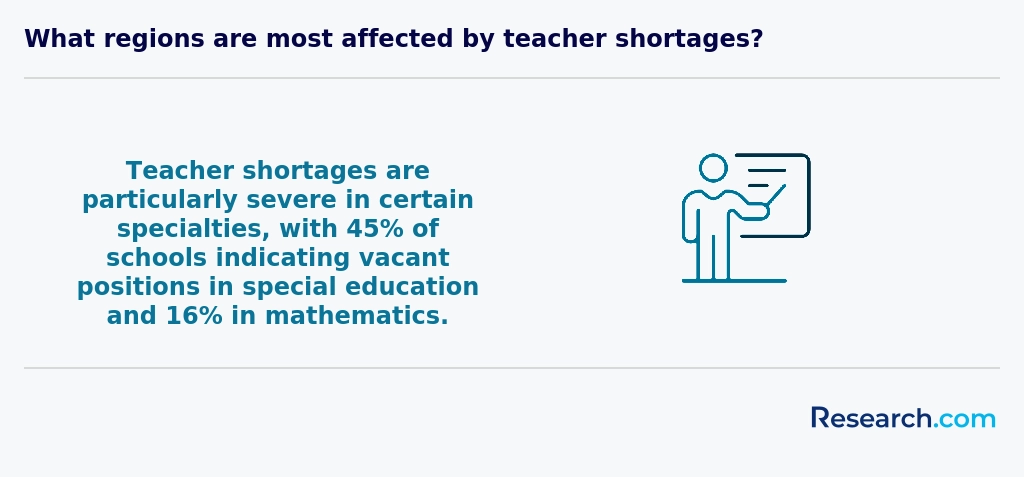
The job market for online education degree graduates in Alabama pulses with opportunity, especially for those who embrace the state's unique educational landscape. Graduates from universities like the University of Alabama and Auburn University often share stories of how their advanced degrees opened doors in public and private schools hungry for skilled educators. The Alabama market demand for online education graduates thrives on steady growth and teacher shortages in rural areas, creating inviting spaces for passionate professionals ready to make a real impact.
Picture yourself stepping into a classroom as a special education teacher or an instructional coordinator, roles that are especially sought after thanks to Alabama's focus on inclusive education and educational leadership. Graduates appreciate the flexibility of earning degrees online while benefiting from competitive in-state tuition rates, a smart choice compared to pricier national options. For those looking for faster pathways, exploring the top 6-month online associate degree programs can be an adventurous start to a fulfilling education career.
Many find salary prospects encouraging, with advanced certification potentially adding thousands annually, making the journey as rewarding financially as it is professionally. This landscape invites you to turn curiosity into action and join a community of educators shaping Alabama's future.
2027 Most Valuable Online Master's in Education Degree Programs Ranking in Alabama
Investing in your education is a significant decision that can profoundly impact your career and personal growth. The Research.com team is acutely aware of this responsibility and has taken extensive measures to ensure the quality, credibility, and accuracy of the "2027 Most Valuable Online Master's in Education Degree Programs Ranking in Alabama." Our team conducted thorough research and analysis to provide a trustworthy and well-rounded evaluation.
We utilized the following reputable data sources to create this ranking:
By exploring this ranking, readers will gain valuable insights into the most effective online master's in education programs in Alabama, empowering them to make well-informed educational choices. For more information about how this ranking was developed, please visit our Research.com methodology page.




Frequently Asked Questions About education
Online education degree students in Alabama can maximize their learning experience by actively engaging with course materials and participating in virtual discussions. Research from the Alabama Commission on Higher Education highlights that students who use online resources regularly tend to perform better academically. Setting a consistent study schedule helps maintain focus and manage time effectively, both crucial for success in distance learning. Additionally, leveraging support services such as academic advising and technical help, often provided by Alabama universities, can resolve challenges promptly. Building connections with peers and instructors through online platforms enhances understanding and networking, key factors in professional growth within education fields.
Emerging niches within the education field reflect shifts toward technology integration and specialized support roles. In Alabama, online education degrees increasingly focus on instructional technology, helping educators design digital learning environments. According to the Alabama Commission on Higher Education, programs in educational leadership and curriculum development are also growing rapidly to meet evolving school needs.
Another important niche is special education, especially online master's degrees emphasizing strategies for diverse learners. With Alabama reporting over 12% of K-12 students receiving special education services, expertise in this area is highly valuable. Additionally, workforce development and adult education are gaining attention, aligning with Alabama's push to improve adult literacy and job skills through expanded community college partnerships.
After completing an online education degree in Alabama, preparing for the job market involves strategic steps to increase employability. First, graduates should obtain Alabama state certification if they plan to teach in public schools. The Alabama State Department of Education provides detailed guidance on certification requirements and exams.
Networking is vital; joining professional organizations like the Alabama Education Association can connect graduates with educators and job opportunities. Additionally, practical experience through internships or substitute teaching bolsters resumes.
Job seekers should utilize both university career services and Alabama's public job portals, such as AL.gov's career section, for education-related openings. Staying informed about trends in Alabama's education sector by following reports from the Alabama Commission on Higher Education helps align skills with market needs.
Employers in Alabama prioritize several key skills when hiring graduates with education degrees, especially from online programs. Strong communication abilities are essential, as teachers must effectively convey information to diverse student populations. According to the Alabama State Department of Education, classroom management skills remain highly valued to create positive learning environments.
Data from the Bureau of Labor Statistics highlights critical thinking and problem-solving abilities as important traits for educators in Alabama. These skills help teachers adapt lessons and address students' unique learning needs. Additionally, proficiency in educational technology is increasingly required due to the rise of digital classrooms statewide.
Collaboration and teamwork are also emphasized, given that Alabama schools often promote cooperative work among staff to improve student outcomes.
Finding internships in Alabama related to an education degree involves several practical steps. First, students should explore partnerships between their online universities and local school districts. Many Alabama universities, including the University of Alabama and Auburn University, maintain established connections with K-12 schools for student teaching and internships.
Additionally, the Alabama State Department of Education offers resources and listings for practicum placements. Internships often serve as a requirement for licensure, especially in public education roles, so contacting school principals or district coordinators directly can open opportunities.
Networking with professional organizations such as the Alabama Education Association can also be valuable. According to the National Center for Education Statistics, Alabama had over 75,000 public school teachers in 2022, indicating a sizable market for internship positions.
Lastly, online platforms like Handshake or local job boards tailored to education in Alabama may post relevant internship positions. Early engagement and proactive communication enhance chances of securing meaningful experience.
Online education degrees in Alabama significantly enhance career mobility and advancement, especially in the education sector. According to the Alabama State Department of Education, educators with advanced degrees often qualify for higher pay scales and leadership positions, such as curriculum coordinators or school principals.
Online programs provide flexibility for working professionals, allowing them to continue employment while gaining credentials. This flexibility supports career advancement without interrupting income flow.
Data from the National Center for Education Statistics shows that in Alabama, teachers holding master's degrees earn an average of 15% more than those with only a bachelor's degree. This pay increase demonstrates the economic benefit linked to online education degrees.
Additionally, Alabama's reciprocal teacher certification agreements with nearby states facilitate geographic career mobility for online degree holders, broadening job opportunities.
Studying for an education degree in Alabama offers valuable preparation for interdisciplinary roles by combining core teaching skills with broader knowledge in psychology, technology, and leadership. Alabama universities emphasize hands-on learning and integration of various subjects to prepare graduates for complex educational environments. According to the Alabama Commission on Higher Education, programs often include coursework in counseling, administration, and instructional technology, equipping students to work across multiple sectors.
Such interdisciplinary training reflects workforce demands in Alabama, where education professionals increasingly collaborate with health services, social work, and community organizations. This approach enhances graduates' adaptability and problem-solving skills.
Choosing between a thesis and a non-thesis education degree program in Alabama depends on your career goals and learning preferences. Thesis programs often emphasize research skills and are ideal if you plan to pursue a PhD or work in academic settings. Non-thesis options focus more on practical knowledge and are suitable for professionals aiming for administrative or instructional roles.
In Alabama, about 30% of online master's programs in education offer thesis tracks, often requiring 6-12 credit hours dedicated to research. According to the Alabama Commission on Higher Education (ACHE), non-thesis degrees usually allow faster completion and greater flexibility for working adults.
Consider your time availability and interest in research when deciding which path suits you best.
Students in Alabama seeking online education degrees with an international perspective have several options. While full education degrees abroad require physical relocation, many Alabama institutions partner with foreign universities to offer virtual study-abroad experiences or global curriculum integration. For example, the University of Alabama and Auburn University provide online master's programs that include international education components or exchange opportunities allowing cross-cultural teaching practices.
Alabama's online education programs are accredited regionally by the Southern Association of Colleges and Schools Commission on Colleges (SACSCOC), ensuring quality comparable to many global standards.
According to the National Center for Education Statistics, over 30% of Alabama's graduate students pursue online degrees, reflecting growing access. Students interested in global education topics can also benefit from specialized certificates or courses embedded in many online education master's degrees, enhancing their international teaching credentials without leaving Alabama.
Part-time job opportunities in Alabama that complement education degree studies often include roles that provide practical experience and flexible hours. Common positions are teacher assistants and substitute teachers within local school districts, allowing students to apply educational theory in real-world settings.
Additionally, tutoring is a popular option. Alabama's demand for tutors has increased, particularly in subjects like math and reading, according to the Alabama State Department of Education. These roles help build instructional skills and strengthen subject knowledge.
Some education students also find work as daycare providers or afterschool program coordinators, gaining experience with child development and classroom management. Such jobs often offer the flexibility needed to balance coursework and employment.
Online education students in Alabama can access various networking opportunities to enhance their academic and professional growth. Many universities, including the University of Alabama and Auburn University, offer virtual student organizations and special interest groups linked to education fields. These platforms allow students to connect with peers and professionals across the state.
Additionally, Alabama's Department of Education and local education agencies often organize webinars and virtual conferences open to online students. These events provide valuable chances for interaction with experienced educators and policy makers.
According to a 2023 report by the Alabama Commission on Higher Education, over 60% of online education students participate in networking activities, improving their job prospects upon graduation.
Alumni networks offer significant advantages for students pursuing online education degrees in Alabama. These networks connect graduates with a broad community of professionals who can provide mentorship, job leads, and career advice. According to the Alabama Commission on Higher Education, schools with active alumni associations often report higher employment rates for recent graduates.
For online students, connecting through alumni events and online platforms helps build valuable relationships despite geographical distance. Alumni can share insights specific to Alabama's education job market, which is important given the state's unique teacher certification requirements and demand in rural areas.
Strong alumni networks also support professional development opportunities, such as workshops and conferences hosted by Alabama institutions, fostering lifelong learning and career growth for education graduates.
Customizing an online education degree program in Alabama begins with selecting a university that offers flexible curriculum options. Many Alabama institutions allow students to choose concentrations such as curriculum development, special education, or educational leadership, aligning studies with specific career goals. According to the Alabama Commission on Higher Education, over 20 public and private schools provide accredited online education programs, offering tailored course sequences.
Additionally, students can often integrate practicum experiences or internships related to Alabama's school districts to gain practical skills.
Advisors play a key role by helping students map degree requirements to certification standards established by the Alabama State Department of Education, ensuring programs meet licensure prerequisites for roles such as teacher or administrator.
Online education students in Alabama often face challenges related to technological access and support. According to the Alabama State Department of Education, rural areas in Alabama experience lower broadband connectivity, which can hinder consistent participation in online classes. Limited internet access impacts about 20% of residents, creating barriers to timely coursework submission and live engagement.
Another challenge involves balancing work, family, and study commitments. Many Alabama students pursuing online degrees juggle full-time jobs and caregiving responsibilities, which can affect their ability to focus on coursework.
Additionally, some students report difficulties with self-motivation and time management in the less structured online environment. Without the physical presence of instructors or classmates, maintaining discipline can be demanding.
Finally, navigating financial aid and transfer credit policies in Alabama's higher education system adds complexity for many online learners, impacting their progress and cost management.
With an online education degree in Alabama, you can pursue several professional certifications that enhance your career opportunities. Common options include the Alabama Class A Teaching Certificate, which qualifies you to teach in public schools across the state. Many graduates also aim for National Board Certification, recognized nationwide for advanced teaching skills and leadership.
Other certifications include Reading Specialist and English as a Second Language (ESL) endorsements, which address specific classroom needs and are valued in Alabama's schools. According to the Alabama State Department of Education, these add-ons can improve job prospects and salary potential for educators statewide.
To write a winning application for an online education program in Alabama, begin by thoroughly researching the specific school and program requirements. Highlight your academic background clearly, focusing on any teaching experience or relevant coursework.
Alabama has seen growth in online education enrollment by over 10% in recent years, reflecting the increasing competition applicants face (Alabama Commission on Higher Education, 2023). Therefore, your personal statement should emphasize your commitment to education and how the program aligns with your career goals.
Be sure to include strong recommendation letters from professionals familiar with your academic or teaching abilities. Additionally, meet all deadlines and proofread your materials carefully to demonstrate professionalism and attention to detail.
Education careers are highly regarded worldwide for their role in shaping future generations and supporting community development. In the U.S., including Alabama, the demand for qualified educators remains strong, with the Bureau of Labor Statistics projecting a 7% growth in teacher employment over the next decade. Globally, education professionals are valued for their adaptability to diverse learning environments, especially as online education expands.
For Alabama residents, earning an online degree in education is a strategic choice. According to the Alabama State Department of Education, the state has prioritized teacher preparation initiatives to meet local and international standards. This focus reflects a broader global trend where education professionals must be equipped with both content knowledge and digital skills to succeed.
Consequently, an education career offers opportunities not only within Alabama but also internationally, as educators familiar with U.S. credentials and teaching methods are often sought after in many education systems worldwide.
Gaining practical experience while studying for an online education degree in Alabama is essential to preparing for a successful teaching career. Many Alabama universities partner with local school districts to offer virtual internships and practicum placements, allowing students to apply theory in real classroom settings. The Alabama State Department of Education requires hands-on student teaching experiences even for online candidates, ensuring practical training is part of their certification process.
Some programs also provide simulated teaching software and mentorship opportunities with experienced educators. Additionally, students can volunteer or work part-time in educational programs to build classroom skills. Utilizing these options helps students meet Alabama's state licensure requirements while gaining valuable on-the-job experience.
Choosing the right concentration within an online education degree program in Alabama depends on your professional goals and interests. Common concentrations include curriculum development, educational leadership, special education, and instructional technology. Each area targets specific skills valued in Alabama's schools and education systems.
According to the Alabama State Department of Education, schools increasingly seek specialists in technology integration and special education, reflecting growing needs in these fields. Evaluating job trends in Alabama can help you select a concentration with strong employment prospects.
Consider accreditation and faculty expertise of online programs to ensure quality education aligned with Alabama licensing requirements. Also, review courses and practicum opportunities for hands-on experience relevant to your focus.
- 2027 Most Valuable Online Master's in Education Degree Programs Ranking in Georgia
- 2027 Most Valuable Online Master's in Education Degree Programs Ranking in Florida
- 2027 Most Valuable Online Master's in Education Degree Programs Ranking in Kentucky
- 2027 Most Valuable Online Master's in Education Degree Programs Ranking in South Carolina
- 2027 Most Valuable Online Master's in Education Degree Programs Ranking in North Carolina
- 2027 Most Valuable Online Master's in Education Degree Programs Ranking in Missouri
- 2027 Most Valuable Online Master's in Education Degree Programs Ranking in Indiana
- 2027 Most Valuable Online Master's in Education Degree Programs Ranking in Illinois
- 2027 Most Valuable Online Master's in Education Degree Programs Ranking in Texas
- 2027 Most Valuable Online Master's in Education Degree Programs Ranking in Virginia
See What Experts Have To Say About Studying Education
Read our interview with Education experts

Alan J. Singer
Education Expert
Professor of Teaching, Learning and Technology
Hofstra University

Nooshan Ashtari
Education Expert
Professor & Book Author
University of Southern California

- The importance of networking in the education sector https://www.tlclive.com/blog/the-importance-of-networking-in-the-education-sector
- Teacher of Global Perspectives (IGCSE) https://www.scie.com.cn/jobs-global-perspectives/
- The 8 challenges of education in a changing world https://casvitrescantos.com/en/the-8-challenges-of-education-in-a-changing-world/
- Know more about thesis vs non- thesis: what is the difference? https://studyfans.com/en/blogs/816
- Home https://www.teachercertificationdegrees.com/
- Navigating Challenges In Education, Learning & Development - those who can https://www.thosewhocan.org/navigating-challenges-in-education-learning-and-development/
- Teacher Certification & Licensure https://www.teachingdegrees.com/certification
- Promising Niches in the Global EdTech Landscape - Blog https://rocketech.it/blog/post/global-edtech-landscape-what-niches-are-the-most-promising
- Online Teaching Jobs | Elevate K-12 https://www.elevatek12.com/online-teaching-jobs/
- MONPERATOTO Jati Diri Situs Togel Online Resmi Bersama Agen Toto Togel 4D Terpercaya https://writerslife.org/educational-markets/


