
2027 Best Education Degree Programs Ranking in High Point

Co-Founder and Chief Data Scientist
Choosing the right education degree program in High Point can shape your future in meaningful ways. This article introduces the 2027 Best Education Degree Programs Ranking in High Point, created by the Research.com team of data scientists to help you make a confident, informed decision.
Exploring these top programs allows you to find options that fit your goals and aspirations. Earning an education degree opens doors to rewarding careers and personal growth. Dive in to discover which programs stand out and take a step closer to your dreams.
Key benefits of getting education degree in High Point
- Education degree graduates in High Point can expect rewarding salaries, such as $76,000 for special education teachers and $77,200 for instructional designers, highlighting strong earning potential in the field.
- A graduate from High Point University might explore diverse career paths like early childhood education, ESL teaching, or instructional design, offering flexibility and growth opportunities.
- Completing an education degree online from a local institution provides convenience and balance, allowing students to advance their careers while managing personal commitments effectively.
- 2027 Best Education Degree Programs Ranking in High Point
- What can I expect from education degree in High Point?
- Where can I work with education degree in High Point?
What can I expect from education degree in High Point?
The average cost of earning an education degree in High Point varies, but many students report that tuition at local institutions like High Point University typically ranges around $20,000 to $30,000 per year for undergraduate programs. Graduate degrees, especially those with specialized tracks such as educational leadership or special education, may cost slightly more, often between $25,000 and $35,000 annually. These figures usually include access to valuable practicum experiences in nearby schools, which graduates say make every dollar worth the investment.
Students often appreciate how the tuition covers not just traditional coursework but also exam preparation for required state certifications like the Praxis tests. One recent graduate shared how the hands-on student teaching placements helped them secure a teaching job soon after completing their degree, emphasizing the program's excellent practical focus combined with solid theoretical training.
Financial aid, scholarships, and flexible options such as online or hybrid courses help many learners manage costs effectively while balancing work and family responsibilities. This makes pursuing an education degree in High Point both a realistic and rewarding step toward a stable teaching career.
Where can I work with education degree in High Point?
Graduates with an education degree from High Point University often find steady employment within Guilford County's large public school system, which includes over 70 schools serving 72,000 students. Many alumni start their careers as K-12 teachers or move into roles such as school counselors and special education specialists by obtaining additional certifications required by the North Carolina Department of Public Instruction.
Some graduates pursue positions in local charter and private schools like Oak Hollow Christian Academy, where educators find a chance to engage with specialized teaching approaches and leadership opportunities. Others utilize their degree in community organizations, contributing to tutoring and after-school programs that make a real difference in youth development around High Point.
Higher education roles at institutions like High Point University or the University of North Carolina at Greensboro also provide jobs in academic advising and instructional design, a pathway many find rewarding after starting in local schools. Additionally, educational technology companies in the Piedmont Triad region offer chances to combine curriculum knowledge with tech skills, broadening career possibilities beyond traditional classrooms.
Graduates with an education degree in High Point can expect solid salaries that grow with experience and specialization. For instance, those beginning as elementary school teachers often start near $55,000 to $60,000 annually, aligning well with local public school data. A graduate from a popular local college who begins teaching at this level can feel confident that their role offers stability and room for growth.
Specialized roles also offer attractive pay. Special education teachers in the area earn around $76,000 a year, while Instructional Designers, often pursued by those interested in education technology careers, make approximately $77,200. For example, a graduate who shifted from classroom teaching to instructional design reported greater job satisfaction paired with a healthy salary.
English as a Second Language (ESL) teachers make about $65,430, a practical option if you enjoy diverse classrooms. Early childhood educators receive baseline salaries closer to $41,410, a rewarding starting point for recent graduates from area universities focused on early education.
Choosing your pathway carefully in High Point, whether sticking to classroom teaching or branching into specialized support roles, offers fulfilling opportunities with clear financial benefits tied to your experience and degree level.
- Education programs in High Point follow standards from the North Carolina Department of Public Instruction and regional accreditation bodies.
- Tuition costs range from about $25,000 to $35,000 per year at private universities and $7,000 to $10,000 per year at public universities for in-state students.
- Employment for kindergarten and elementary school teachers in North Carolina is projected to grow 3% from 2022 to 2032, indicating steady demand for educators.
- Starting salaries for education graduates in High Point are typically between $40,000 and $45,000 annually, with mid-career salaries rising to $55,000 to $65,000.
- Local schools offer student teaching placements essential for licensure, and North Carolina requires passing certification exams such as the Praxis series for teaching careers.
Completing a bachelor's degree in education in High Point typically takes about four years of full-time study. Graduates from popular local colleges often describe this period as a balanced mix of classroom learning, hands-on student teaching, and real-world practicum experiences that prepare them well for licensure. For example, a student at one such college found that the structure helped build confidence early on by giving plenty of supervised teaching practice.
If you pursue a master's degree in education locally, expect to spend an additional 1 to 2 years beyond your bachelor's. Many working professionals in High Point opt for part-time study, extending completion to around three years but allowing them to maintain their jobs and family life. Graduate programs often focus on practical skills like leadership or curriculum design, which enhances career prospects upon graduation.
For those aiming higher, doctoral degrees take between 3 and 5 years after the master's, involving research and advanced policy studies. Nearby universities offer these options, giving you flexibility without leaving the region.
Students pursuing an education degree in High Point, NC, not only benefit from rigorous academic training but also immerse themselves in a vibrant campus life that shapes their personal and professional growth. Campus life here offers a blend of academic clubs, engaging community events, and hands-on experiences that extend well beyond the classroom. From study groups to tutoring centers, students create supportive networks that foster both collaboration and leadership skills. Many institutions also host educational fairs, workshops, and cultural events that celebrate diversity and innovation in teaching-all of which contribute to a dynamic and enriched student experience. Additionally, prospective students interested in balancing quality education with affordability can explore programs at most affordable education schools in north carolina, where financial planning is integrated into the overall campus experience. By engaging in extracurricular activities and community partnerships, graduates leave not only academically prepared but also culturally enriched, ready to tackle the challenges of modern educational environments.
Online education degrees in High Point offer flexibility that suits busy individuals balancing work and family. Graduates from local programs often appreciate being able to study anywhere-whether at home or between teaching shifts-using video lectures and discussion boards. This setup works well for educators who want to advance their careers without pausing their jobs.
On the other hand, pursuing an on-campus degree at places like High Point University provides hands-on experiences with peers and professors. Students benefit from real-time discussions, access to campus resources like teaching labs, and practicum placements in nearby schools. Many graduates find these in-person interactions valuable for networking and deeper learning.
Cost-wise, attending in person can mean extra expenses for commuting or housing, while online studies often reduce these. However, tuition rates for both formats can be similar. Both pathways maintain rigorous accreditation and follow the same curriculum standards, ensuring your degree holds equal value regardless of how you choose to study.
Prospective educators in High Point, NC, must meet specific certification and licensure requirements to teach in K-12 schools. First, candidates must earn a bachelor’s degree in education from a regionally accredited institution and complete an approved teacher preparation program. Key steps include: 1. Praxis Exams: - Praxis Core Academic Skills for Educators (reading, writing, mathematics) with minimum passing scores as set by the North Carolina Department of Public Instruction (NCDPI). - Praxis Subject Assessments (e.g., Praxis II) in the intended teaching field. 2. Background Check & Fingerprinting: - Submit fingerprints via Live Scan for a state and federal criminal history record check. - Provide character references and disclose any past convictions. 3. Application to NCDPI: - Complete the Application for Initial Standard Professional Educator’s License. - Submit official transcripts, Praxis scores, and verification of student teaching. 4. Conditional Licenses & Residency: - Candidates without passing Praxis scores may obtain a Conditional License valid for one year while they complete exam requirements. - A Residency License allows employment under mentorship for two years while finishing licensure coursework. 5. Renewal & Continuing Education: - Standard licenses must be renewed every five years. - Teachers are required to complete six semester hours or 180 contact hours of continuing education, including workshops, graduate courses, or professional development credits. For graduate students seeking flexible pathways, exploring online master’s programs can be advantageous. For instance, the Affordable Online Master's in Education Degree Programs Ranking in Iowa offers cost-effective options that meet licensure-seeking requirements. Understanding and fulfilling these certification steps ensures a smooth transition from degree completion to a rewarding teaching career in North Carolina.
The average cost of an education degree in High Point typically ranges around $45,312 for in-state students and can reach approximately $58,812 for out-of-state students. These figures represent the median total cost of completing such a degree and provide a realistic expectation for budgeting your studies. Graduates from High Point University often reflect positively on the value of their investment, noting the supportive community and smaller classes as part of their rewarding experience despite its higher tuition costs. Conversely, attending nearby public universities offers a more affordable path, aligning well with the average cost of education degree in High Point for those who can qualify for in-state tuition.
Beyond tuition, prospective students should plan for additional yearly expenses like books and supplies, room and board, and personal transportation, which together add significantly to the overall cost. Well-informed students tend to combine scholarships, federal aid, and financial aid options to make their education more affordable. Those weighing cost and convenience sometimes look into affordable online education degrees, which can reduce commuting costs and offer flexible scheduling.
Planning with a clear understanding of education degree tuition and fees High Point 2027 means recognizing the variety of options available. Visit college financial offices early and calculate a full budget including living expenses to avoid surprises. Practical budgeting combined with targeted financial aid research can make earning a degree both manageable and fulfilling.
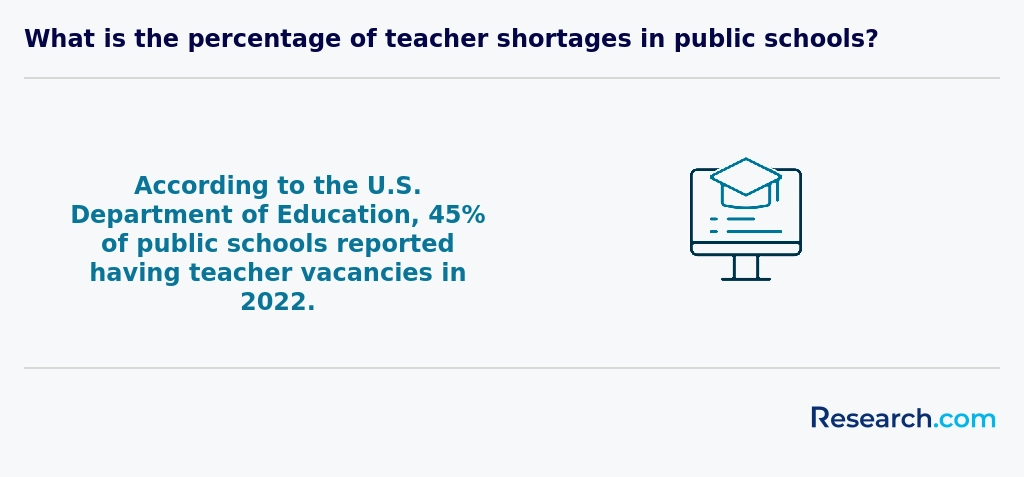
To teach in North Carolina public schools, candidates must complete a state-mandated certification process:
- Complete an NC-approved educator preparation program, including required coursework and supervised practicum hours.
- Pass the Praxis Core Academic Skills tests and relevant Praxis II subject assessments.
- Undergo a fingerprint-based criminal background check and fulfill state safety training requirements.
- Submit an application for an Initial Professional Educator License (IPEL) through the NC Department of Public Instruction.
- Serve a residency period-typically three years of mentored teaching under a Resident Teacher license.
- Maintain and renew certification every five years by completing required continuing education credits.
- For those pursuing school library roles, a master’s in library science degree often fulfills state certification requirements.
Students pursuing education degrees in High Point can rely on several practical financial aid options to ease their tuition burdens. Federal Pell Grants are a great starting point, offering up to $7,395 annually without repayment obligations. Many graduates from High Point University benefited from these grants, combining them with federal student loans to cover remaining costs.
State-level aid like the North Carolina Teaching Fellows Program is especially valuable for those committed to teaching in local public schools. Graduates often describe this scholarship as a "game changer" since it significantly reduces their debt while supporting their career goals in North Carolina.
Local colleges frequently offer merit-based scholarships and work-study jobs tailored to education majors. For example, students at High Point University found that institutional grants and on-campus work opportunities provided steady financial relief throughout their studies.
Finally, if employed, exploring employer tuition assistance programs is a must. Many High Point school districts and educational organizations have partnerships with nearby colleges, offering tuition reimbursement that graduates found motivating and financially supportive as they balanced work and study.
For educators seeking to advance their credentials quickly and flexibly, accelerated online master’s programs offer an ideal solution. These streamlined pathways allow candidates to complete advanced coursework in as little as one year, balancing rigorous instruction with real-world application. By choosing an accelerated option, you can deepen your expertise in areas such as curriculum development, instructional technology, or educational leadership without pausing your career. Many of these programs feature cohort models and asynchronous learning, fostering peer collaboration and accommodating busy schedules. Prospective students should compare program accreditation, credit transfer policies, and practicum requirements to ensure a seamless, high-quality experience. To explore top-rated accelerated offerings, consider our curated list of best rated 1 year online masters in education programs, which highlights institutions known for academic excellence, robust student support, and strong career outcomes. Whether you aim to lead a school district, specialize in special education, or enhance your instructional design skills, an accelerated online master’s can propel you toward your goals in record time.
To enroll in an education degree program in High Point, you must first hold a high school diploma or its equivalent, like a GED, ensuring you're prepared in core skills such as reading and math. Many graduates recall needing to submit their SAT or ACT scores; even if some programs have become test-optional, these scores still play a big role in demonstrating readiness.
At universities and colleges in High Point, applicants often provide recommendation letters and personal statements. Graduates highlight how sharing their passion for teaching through these helped admissions see their commitment and communication skills.
Practical experience matters greatly here. Students frequently share stories of volunteering or interning in local classrooms, which many schools encourage before full enrollment. This hands-on exposure builds confidence and a genuine understanding of what teaching entails.
Finally, expect to undergo background checks, especially if aiming for teacher certification. This step reassures schools that their candidates uphold the trust required when working with children, an important and reassuring hurdle for many students.
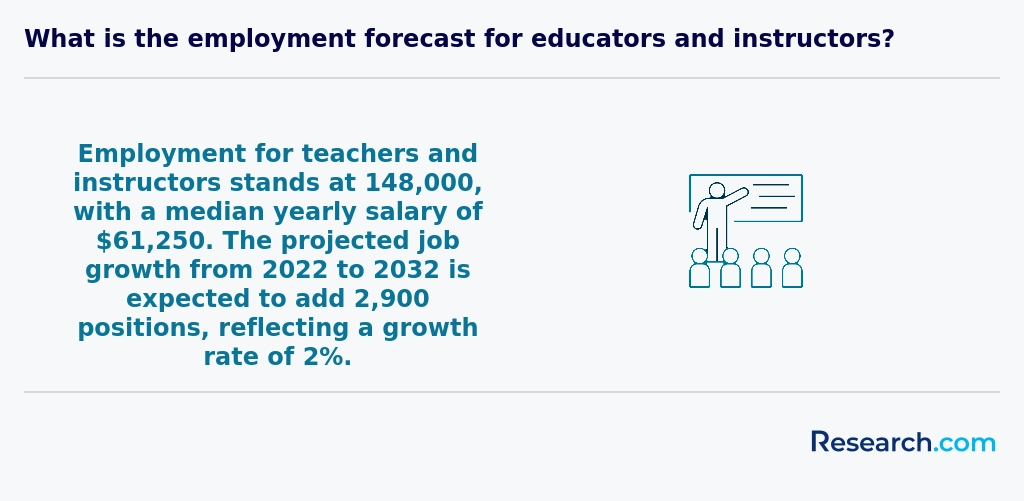
Before stepping into the classroom, education graduates must secure state certification. Key steps include:
- Complete a state-approved teacher preparation program, including required student teaching hours.
- Pass the Praxis Core Academic Skills Tests (reading, writing, math) and relevant Praxis Subject Assessments.
- Submit fingerprints and a criminal background check to the NC Department of Public Instruction (NCDPI).
- Apply online through NCDPI and pay the licensure fee.
After earning an initial Residency License, teachers must complete an induction program and accrue six graduate credits or approved professional development every five years to renew. To align your degree with market demand, explore best majors to make money in related fields.
Education degree programs in High Point include core courses designed to build a solid foundation in teaching. Graduates often mention how essential classes like educational psychology helped them understand how children think and grow, making lesson planning more effective. For instance, at institutions popular in High Point, students study curriculum development to learn how to create engaging lesson plans that meet diverse classroom needs.
Practical skills come next. Coursework in classroom management teaches strategies for maintaining a positive learning environment, preparing students to handle real classroom challenges confidently. Assessment techniques are also key, helping future teachers accurately measure student progress and adjust instruction accordingly.
Specialized courses offer flexible pathways. One graduate recalls how courses in special education methods gave them tools to support learners with disabilities, while others focused on educational technology integration, using digital tools to enhance lessons. Content-specific pedagogy, like math or science education, allows students to deepen expertise in their teaching subject.
Hands-on experience is vital. Most High Point programs require student teaching placements, which let candidates apply what they've learned in real classrooms, boosting confidence before graduation.
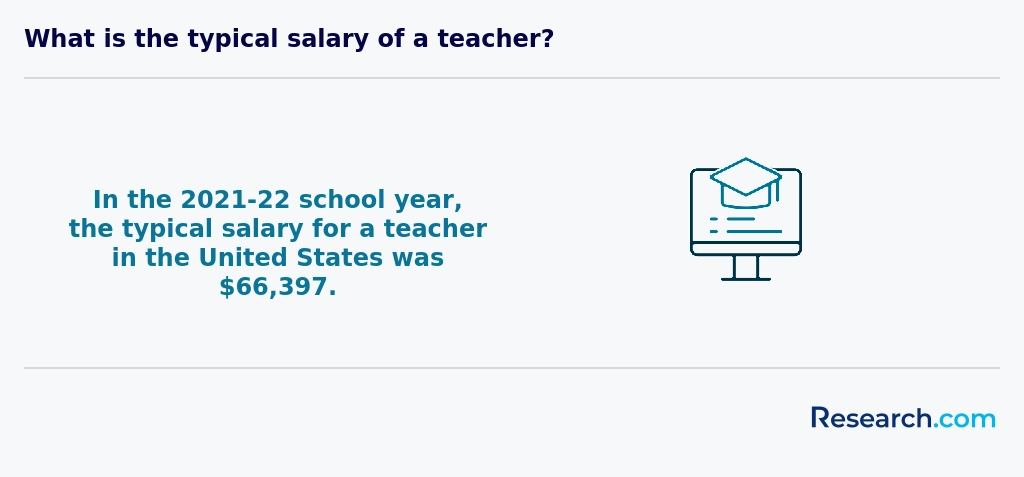
Students pursuing an education degree in High Point typically choose from a range of specializations tailored to local and regional needs. Popular options include Elementary Education, where graduates from well-known colleges gain practical skills in managing diverse classrooms and fostering foundational learning in literacy and math. Others opt for Secondary Education, specializing in subjects like English, Math, or Science to teach middle and high school students-a path favored by those aiming to meet North Carolina's teaching certification requirements.
Special Education is another crucial specialization, training candidates to support students with unique learning challenges through individualized education programs. Graduates often express pride in making a meaningful difference in students' lives across High Point's schools.
Many students also explore Educational Leadership to prepare for administrative roles, applying management strategies learned in local university programs to improve school systems. If you want practical guidance about next steps for licensure, consider reviewing Washington teacher preparation programs as a helpful reference.
Other options include Early Childhood Education and Curriculum and Instruction, offering tailored routes to fit diverse career goals within High Point teaching degree program options.
Start by pinpointing which education degree aligns with your career goals, whether it's elementary, secondary, or special education. Graduates from High Point University often highlight how their Bachelor of Science in Education program, with its strong teacher preparation focus, equipped them with real classroom skills. Location also plays a key role: look for programs in High Point or nearby Piedmont Triad schools that offer convenient, practical training. This connection ensures access to student teaching placements and internships that graduates say boost their confidence and job readiness.
Cost matters when considering affordable teaching degrees in High Point. Public institutions tend to offer lower tuition than private colleges, but remember to factor in fees and living expenses. Many students have found value in programs accredited by CAEP, which guarantees recognized certification and better employment prospects. Checking graduation rates and licensure pass rates like those reported by High Point University gives insight into program quality.
If you're returning to education later in life, explore options that accommodate your schedule and lifestyle, such as adult education teaching degrees programs designed for working adults, available at local institutions.adult education teaching degrees can be a practical path forward.

Graduates with an education degree in High Point find a variety of career paths aligned with local demand. Becoming a public school teacher remains the most straightforward route, especially in elementary and special education, given Guilford County's steady need for skilled educators. Many graduates from popular institutions in the area move directly into these roles, drawn by opportunities for stable employment and community impact.
Beyond classroom teaching, education degree careers in High Point include positions such as school principals or program coordinators, curriculum developers, and instructional coaches. For example, one graduate who studied at a well-known local university transitioned into curriculum development, designing materials to improve student engagement. Others find fulfillment in early childhood education or adult education programs, helping local learners gain essential skills.
For graduates interested in counseling or social services, pathways like school counseling or education-related social work are viable options, although they generally require additional certification. To navigate credential requirements practically, the resource on Louisiana teacher qualification offers useful parallels for certification steps. Exploring these diverse roles helps graduates of education degree careers in High Point to tailor their professions toward personal strengths and community needs.
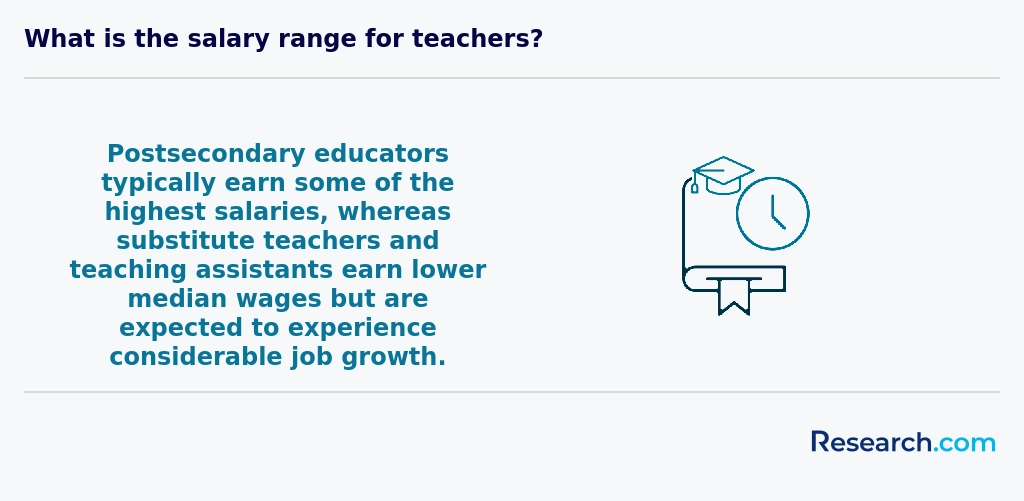
Graduates with an education degree in High Point find a job market that actively seeks qualified teachers, thanks to local school districts addressing ongoing shortages. Many education students from popular colleges in High Point share how securing positions in K-12 public schools or nearby community colleges was made easier by the strong partnerships their universities fostered with local employers. For those focused on fields like special education or STEM, demand is especially high, offering fresh graduates chances to enter rewarding roles quickly while positively impacting the community.
Practical experience through student teaching placements at High Point schools also helps bridge the gap between studies and employment, providing valuable insight into real classroom challenges. Those exploring advanced career paths in educational leadership and support services find opportunities growing as schools emphasize diverse student needs and evolving standards. When considering pursuing your education degree locally, reviewing options among the most affordable education schools in north carolina can ensure you balance quality and cost effectively while positioning yourself for favorable job prospects in High Point's market.
For job seekers focused on education degree job opportunities in High Point, understanding these local demands and leveraging university resources proves essential to building a successful career in teaching or education administration.
2027 Best Education Degree Programs Ranking in High Point
Investing in your education is a significant decision that can shape your future, and the Research.com team understands the importance of making informed choices. To assist prospective students in High Point, we have meticulously developed the "2027 Best Education Degree Programs Ranking in High Point." Our commitment to quality, credibility, and accuracy is demonstrated through extensive research and thorough analysis.
We utilized the following reputable data sources to ensure a comprehensive evaluation of education degree programs:
By exploring this ranking, readers will gain valuable insights into the best education programs available in High Point, empowering them to make well-informed decisions about their academic future. For more information about how this ranking was created, please visit our Research.com methodology page.

Frequently Asked Questions About education
Education degree students in High Point can maximize their learning experience by engaging actively in both academic and practical opportunities. Local institutions often emphasize hands-on teaching practice, which is crucial for developing effective classroom skills. For example, High Point University provides access to diverse local schools for student teaching placements, enriching real-world experience.
Networking with education professionals through local workshops and education conferences can enhance learning and career prospects. Students should also utilize resources such as tutoring centers and academic advising available on campuses.
Finally, staying informed about changes in education standards and incorporating technology in teaching methods benefits future educators in this region.
The education field is evolving rapidly, with several emerging niches gaining attention, especially for students in High Point. One notable area is educational technology, where educators leverage digital tools to improve learning outcomes. According to the North Carolina Department of Public Instruction, integration of technology in classrooms across High Point schools has increased by 25% over the last five years.
Another growing niche is special education focused on autism spectrum disorders, reflecting national trends. The U.S. Bureau of Labor Statistics projects a 7% growth for special education teachers through 2030, reinforcing demand locally. Additionally, bilingual education and culturally responsive teaching are rising due to High Point's increasing diversity, enhancing inclusivity in schools.
These fields offer promising career paths for prospective education degree students interested in innovative and impactful roles.
After completing an education degree in High Point, preparing for the job market involves targeted steps to increase employability. One important action is securing student teaching experiences, which many local programs require, giving practical classroom skills highly valued by North Carolina school districts. Networking with education professionals through local events or organizations like the North Carolina Association of Educators can open doors to job opportunities.
Additionally, obtaining state licensure is crucial. Graduates must pass the Praxis exams and apply for certification through the North Carolina Department of Public Instruction. According to recent data from the NC DPI, about 85% of education graduates in High Point successfully secure teaching positions within a year of graduation.
Finally, staying updated on educational technology and continuing professional development supports career growth in this competitive market.
Employers in High Point prioritize several key skills when hiring graduates with education degrees. Strong communication abilities rank highest, as effective interaction with students, parents, and colleagues is essential. Additionally, adaptability and classroom management skills are critical to handle diverse learning environments and maintain a positive atmosphere.
Data from the North Carolina Department of Public Instruction highlights that local schools increasingly seek educators proficient in technology integration, reflecting growing digital demands. Critical thinking and problem-solving also play important roles, supporting lesson planning and student assessment.
Finally, cultural competence is valued, enabling teachers to connect with High Point's diverse student population and promote inclusive education.
Finding internships in High Point for education degree students involves leveraging local educational institutions and community resources. High Point is home to universities like High Point University, which often connect students with nearby K-12 schools for practicum experiences. These partnerships help students gain hands-on teaching practice.
Additionally, the High Point Public School system offers internship opportunities in various educational roles. Students should visit school district websites and contact education departments to explore openings.
Networking through local education events and career fairs also increases chances of securing internships. The North Carolina Department of Public Instruction provides resources on requirements and approved internship programs statewide, which include High Point.
Holding an education degree in High Point significantly enhances career mobility and advancement opportunities. Local school districts, such as High Point Public Schools, often prefer candidates with at least a bachelor's degree in education for teaching positions, aligning with North Carolina's licensure requirements. According to the North Carolina Department of Public Instruction, teachers with advanced degrees can earn higher salaries and have better promotion prospects, including roles like lead teacher or curriculum specialist.
Data from the U.S. Bureau of Labor Statistics shows that educators nationwide with degrees advance more quickly into administrative positions. In High Point, professionals with a master's degree in education find higher chances to move into school leadership roles such as principals or instructional coordinators. This educational foundation supports both salary growth and career stability in the region.
Studying for an education degree in High Point offers a comprehensive foundation that equips students for interdisciplinary roles. Local programs emphasize collaboration across fields such as psychology, sociology, and technology, reflecting trends in U.S. education. High Point University and nearby institutions integrate coursework that fosters critical thinking and adaptability, skills essential for working in diverse educational settings.
According to the North Carolina Department of Public Instruction, educators trained in High Point demonstrate strong competencies in both curriculum development and community engagement. This prepares graduates for roles beyond traditional classrooms, including policy advising, educational consulting, and specialized student support services.
Hands-on experiences through partnerships with local schools and nonprofits further enhance interdisciplinary learning, allowing students to apply theory in real-world environments.
Choosing between a thesis and a non-thesis education degree program in High Point depends largely on your career goals and personal preferences. Thesis programs typically require a research project and are well-suited for students interested in pursuing doctoral studies or roles in educational research. Non-thesis options often focus more on practical skills and coursework, ideal for those aiming for immediate teaching or administrative positions.
In High Point, where public schools emphasize evidence-based practices, about 40% of graduate education students select thesis tracks to develop research skills (NC Department of Public Instruction, 2023). This reflects a growing demand for data-driven decision-making in education roles.
Ultimately, evaluate your professional plans and time commitment, as thesis programs generally require more time to complete.
Students based in High Point interested in studying education abroad have several pathways facilitated by local universities and regional programs. High Point University and nearby institutions often partner with international universities, enabling students to participate in exchange programs or complete parts of their education degree overseas. These programs generally last one semester to a full academic year.
Additionally, many education degrees include options to fulfill student teaching or internships abroad, broadening practical experience. According to the Institute of International Education, U.S. education majors made up 8% of all study abroad participants in the 2022-23 academic year.
Financial aid and scholarships specifically for study abroad in education fields are also accessible through High Point University's study abroad office and state programs.
In High Point, part-time job opportunities can effectively complement education degree studies by providing practical experience and financial support. Many students find positions as teacher assistants in local public schools, such as those within High Point Public Schools, which employ over 1,300 educators and support staff. These roles offer firsthand classroom exposure and help develop instructional skills.
Other popular jobs include tutoring services, both privately and through community centers like the High Point Public Library. Tutoring enhances subject mastery and communication abilities.
Additionally, after-school program staff positions at local nonprofits provide experience managing diverse student needs, a valuable asset in education careers.
Education students in High Point have several valuable networking opportunities through local universities such as High Point University and nearby institutions like the University of North Carolina at Greensboro. These schools often host education-focused events, career fairs, and workshops where students connect with experienced educators and administrators.
Additionally, regional organizations like the Guilford County Schools and the North Carolina Department of Public Instruction provide internships and mentorship programs. These opportunities enable students to gain practical experience and build professional relationships.
Students also benefit from participation in state and national education organizations, including the North Carolina Association of Educators (NCAE), which holds conferences accessible to High Point residents.
Alumni networks play a significant role for education degree students in High Point by providing valuable connections and resources. Graduates often find mentorship opportunities through these networks, helping new students navigate their careers.
These connections can lead to job placements in local schools or districts, which is crucial given High Point's competitive education job market. According to the National Center for Education Statistics, networking increases employment prospects by up to 30% in education fields.
Additionally, alumni often offer workshops, career advice, and support group participation. This community engagement enhances professional growth beyond the classroom, equipping students with practical skills and knowledge about regional educational trends.
Customizing your education degree program in High Point allows you to align your studies with specific career goals. Many institutions offer concentrations such as special education, curriculum development, or educational leadership, enabling focused expertise. You can often choose elective courses that emphasize areas like technology integration or bilingual education. Internships and practicum placements in local schools provide practical experience tailored to your interests.
High Point University and other nearby schools frequently update programs to reflect educational demands in North Carolina, supporting up-to-date curriculum options based on state standards. Additionally, flexible scheduling, including online and evening classes, helps working professionals diversify their skills without interrupting their careers.
Education students in High Point often face challenges balancing rigorous coursework with practical experience requirements. Programs typically include extensive fieldwork or student teaching hours, which can be demanding alongside classroom studies. According to the North Carolina Department of Public Instruction, managing time effectively remains a common obstacle, especially for those working part-time or supporting families.
Additionally, navigating certification processes presents challenges. Students must meet specific state licensing exams and background checks, which can delay progress if not properly prepared. Financial constraints also affect many, as tuition and materials for classroom resources add up. Local education program surveys reveal that about 35% of students cite financial stress as a barrier to completion.
With an education degree in High Point, you can pursue several professional certifications to enhance your career prospects. The most common certification is the North Carolina Teaching License, required to teach in public schools. This license covers various grade levels and subject areas. Additionally, specialists can seek certifications such as National Board Certification, which demonstrates advanced teaching expertise. Career options also include becoming a School Counselor through certifications offered by the National Board for Certified Counselors. Other pathways involve obtaining credentials in Special Education or Reading Instruction, both in demand locally. According to the North Carolina Department of Public Instruction, over 1,000 new educators were certified statewide in 2023.
Writing a winning application for an education program in High Point starts with thorough research. Prospective students should carefully review program requirements published on official university websites, such as High Point University, which offers accredited teacher preparation courses recognized by the North Carolina Department of Public Instruction.
Highlight your relevant experience, including any volunteer work or tutoring roles in local schools. Strong personal statements that connect your passion for teaching to community needs in High Point are essential. Admissions committees often look for clear goals and demonstrated commitment to education.
Be sure to include up-to-date transcripts showing academic achievement. Many education programs in High Point require a minimum GPA of 3.0 or higher. Additionally, prepare for required standardized tests like the Praxis Core, which is often mandatory for licensure candidates in North Carolina.
Letters of recommendation from qualified educators familiar with your potential can greatly strengthen your application. Finally, ensure your application is error-free and submitted before deadlines, typically early spring for fall admissions.
Education careers in the United States, including High Point, are increasingly influenced by global perspectives emphasizing cultural competence and technological integration. According to the National Center for Education Statistics (NCES), U.S. educators are encouraged to develop skills that prepare students for a connected world. High Point University's education programs reflect this by incorporating global teaching strategies and diverse classroom settings.
Globally, educators focus on inclusivity, with UNESCO highlighting the importance of equal access to quality education. For U.S. students pursuing education degrees in High Point, this means training that aligns with international standards and prepares graduates for diverse environments.
The demand for education professionals skilled in digital tools is growing. In High Point, local schools increasingly adopt technology-enhanced learning, creating opportunities for educators trained in these methods to lead advancements.
Gaining practical experience while studying for an education degree in High Point often involves participating in local school partnerships and internships. Many universities in the area collaborate with High Point public schools, allowing students to observe and assist experienced teachers in real classrooms. This hands-on approach complements theoretical coursework and helps develop essential teaching skills.
Students can also engage in volunteer tutoring programs, which are widely available throughout High Point. According to the North Carolina Department of Public Instruction, nearly 30% of education students in the state participate in internships that count toward licensure.
Additionally, workshops and training sessions organized by local educational institutions provide further opportunities for experiential learning. This combination of classroom and practical experience is crucial for success in the U.S. education system.
Choosing the right concentration within an education degree program in High Point involves understanding your career goals and the region's demand for skilled educators. High Point's school districts often seek teachers specializing in STEM, special education, and early childhood education, reflecting national trends highlighted by the National Center for Education Statistics.
Researching concentrations offered by local institutions, such as High Point University, can clarify options like literacy, educational leadership, or counseling. Students should consider where they want to impact-whether in elementary classrooms or administrative roles.
Additionally, speaking with local education professionals and reviewing job postings can reveal in-demand specialties. According to the North Carolina Department of Public Instruction, special education remains a high-need area statewide, influencing local hiring priorities.
- 2027 Best Education Degree Programs Ranking in Washington
- 2027 Best Education Degree Programs Ranking in Atlanta
- 2027 Best Education Degree Programs Ranking in Baltimore
- 2027 Best Education Degree Programs Ranking in Macon
- 2027 Best Education Degree Programs Ranking in Dover
- 2027 Best Education Degree Programs Ranking in Louisville
- 2027 Best Education Degree Programs Ranking in Jacksonville
- 2027 Best Education Degree Programs Ranking in Birmingham
- 2027 Best Education Degree Programs Ranking in Indianapolis
- 2027 Best Education Degree Programs Ranking in Montgomery
See What Experts Have To Say About Studying Education
Read our interview with Education experts

Alan J. Singer
Education Expert
Professor of Teaching, Learning and Technology
Hofstra University


- The 10 Highest Paying Jobs With a Teaching Degree [Quiz] https://www.umassglobal.edu/blog-news/highest-paying-jobs-with-a-teaching-degree
- Teaching Job Roles | Teach For Life https://www.teachforlife.com/teachingjobs/global-perspectives-teacher
- Student Loan Information | High Point Federal Credit Union https://highpointfcu.studentchoice.org/resources/guides/student-loan-information/
- Financial Aid - Point University https://point.edu/admissions/tuition-aid/financial-aid/
- Working in Ed Tech: How to Identify Your Niche and Build Relevant Skills https://www.highfivepartners.com/blog/working-in-ed-tech-how-to-identify-your-niche-and-build-relevant-skills
- Education Study Abroad Programs | Go Overseas https://www.gooverseas.com/study-abroad/education
- Admission to High Point University • Verto Education https://vertoeducation.org/partner-colleges/high-point-university/
- Networking Tips and Advice for Students https://schoolshouldbe.com/post/networking-tips-and-advice-for-students/
- 5 Tips on Choosing the Right Course or Study Program - Edunation https://www.edunation.co/5-tips-on-choosing-the-right-course-or-study-program/
- Networking For Educators: How To Grow A Professional Circle - Carlow University https://www.carlow.edu/networking-for-educators/





