
2027 Most Valuable Online Master's in Education Degree Programs Ranking in Missouri

Co-Founder and Chief Data Scientist
Choosing the right online master's in education program can shape your future career and personal growth. For students in Missouri, our article offers valuable insights to guide your decision.
The 2027 Most Valuable Online Master's in Education Degree Programs Ranking in Missouri was developed by the Research.com team of data scientists to help you identify programs that offer the best opportunities and return on investment.
By exploring this ranking, you'll gain clarity on which programs stand out, making it easier to select the education degree that fits your goals and aspirations.
Key benefits of getting online education degree in Missouri
- Graduates with an education degree in Missouri can expect competitive salaries such as $129,330 for Education Managers and $104,920 for Education Program Managers, reflecting strong financial prospects.
- Popular universities like the University of Missouri offer education graduates diverse career paths, including roles as Curriculum Specialists and Education Consultants, opening many rewarding opportunities.
- Completing an online education degree, such as from Missouri State University, provides flexibility and convenience, allowing you to balance work and study effectively while gaining valuable skills.
- 2027 Most Valuable Online Master's in Education Degree Programs Ranking in Missouri
- What can I expect from online education degree in Missouri?
- Where can I work with online education degree in Missouri?
What can I expect from online education degree in Missouri?
The average cost for an online education degree in Missouri typically ranges between $400 and $600 per credit hour at public universities such as the University of Missouri system and Missouri State University. Graduates often recall balancing coursework with full-time jobs and family commitments, appreciating how this cost structure allows for manageable financial planning without sacrificing quality.
Many students find added value through scholarships and financial aid, which helps offset tuition costs and reduces economic stress. For instance, one graduate from Missouri State University described feeling supported by accessible financial resources that made earning a degree feasible while raising children.
Prospective students should also consider the possibility of hybrid models requiring limited on-campus visits or internships, which while sometimes adding logistical challenges, enhance practical learning aligned with Missouri's educator certification standards. This balanced approach often leaves learners feeling confident and well-prepared for professional advancement in K-12 education settings.
Ultimately, Missouri's online education degree programs promise affordability combined with flexible scheduling and robust academic support tailored to adult learners' real-life demands.
Where can I work with online education degree in Missouri?
Graduates with an online education degree in Missouri find rewarding career paths across the state's diverse educational landscape. Many step confidently into teaching roles within K-12 public and private schools, where Missouri's demand for over 260,000 teachers reflects ample opportunities. These graduates, including those from respected institutions such as the University of Missouri and Missouri State University, often share how their online certification programs prepared them effectively for classroom challenges while balancing other responsibilities.
Beyond traditional classrooms, alumni frequently describe transitioning into early childhood education centers, contributing to Missouri's growing focus on quality early learning. Some pursue leadership roles like instructional coordinators or school principals, using advanced online degrees to develop skills needed for school administration.
Others highlight fulfilling careers in higher education or community education programs, working as advisors, counselors, or adult literacy coordinators. Graduates also appreciate the increasing demand for educators adept in technology, positioning them well in virtual schools and digital learning environments across Missouri.
Graduates holding an online education degree from popular Missouri institutions, such as the University of Missouri or Missouri State University, often find rewarding salary prospects in various education roles. For instance, education managers in Missouri earn a mean annual wage of around $129,330, reflecting leadership opportunities available to those who advance their qualifications. Graduates with a passion for program development may secure roles as education program managers, earning approximately $104,920 annually. Those focusing on curriculum design find rewarding positions as curriculum specialists with mean salaries near $77,200.
Many online degree holders share positive experiences about balancing work and study, which facilitates quicker advancement into higher-paying roles like education consultants, who earn about $95,600 per year. Higher education professors in Missouri benefit from competitive mean salaries of $96,570, especially at universities that value advanced online education credentials. These figures highlight the tangible financial benefits graduates can expect, particularly when combining flexible online learning with professional growth in Missouri's education sector.
- Many public universities in Missouri, including Mizzou and Missouri State University, offer fully online master's programs in education.
- The total cost for completing an online master's in education in Missouri ranges from about $20,000 to $35,000, with lower tuition for in-state residents and financial aid options available.
- The average starting salary for graduates with an online master's in education is around $45,000 per year, increasing to $60,000 or more mid-career in specialized roles.
- There is steady demand for education professionals in Missouri, especially in STEM, special education, and administration roles.
- Many online programs meet Missouri's teacher certification requirements, and the state has a centralized licensure process for easier certification.
Completing an online education degree in Missouri typically takes between one and three years, depending largely on enrollment status and program specifics. Graduates from esteemed institutions like the University of Missouri and Missouri State University often report finishing their master's degree in about two years when enrolled full-time. This timeframe aligns with the state's standard of nine credit hours per semester for graduate students, facilitating a steady yet manageable pace of study.
Part-time learners balancing work or family commitments may find themselves extending their studies to three years or more. For instance, one graduate juggling a full-time job praised the flexibility of asynchronous classes, which allowed her to progress steadily without sacrificing career responsibilities. Missouri's varied program specializations-ranging from instructional design to educational administration-also influence duration, as some require extra practicum hours or certification steps that lengthen the process.
The adaptability of online coursework enables students to tailor their schedules, empowering many to achieve their educational goals while maintaining personal obligations. Such flexibility makes Missouri's online education degrees a practical option for those seeking advancement with confidence and control.
To pursue a career in education without accumulating significant debt, it's essential to explore affordable education programs in Missouri. Many institutions offer competitive pricing and financial aid options, making it more accessible to achieve your educational goals. For instance, when considering the cost of an online master's in education, exploring options like affordable education programs in Missouri can provide valuable insights into budget-friendly paths. By understanding the various pricing models and available scholarships, prospective students can make informed decisions about their educational investment, ensuring that their pursuit of a degree in education is both financially sustainable and personally rewarding.
In Missouri, the primary distinction between online and on-campus education degree programs lies in the learning environment and schedule flexibility. Online students, such as those enrolled through Missouri State University, access course materials and complete assignments remotely, often balancing studies with work or family responsibilities. This flexibility frequently allows graduates to progress at their own pace, fostering a positive, self-directed learning experience.
Conversely, on-campus programs at institutions like the University of Missouri require students to attend scheduled classes in person, which can enhance direct interaction with professors and peers. Many graduates appreciate the networking and collaborative opportunities found in these face-to-face settings, which often contribute to a richer academic atmosphere.
Cost considerations also differ; in-state tuition for on-campus education degrees typically ranges from $9,000 to $11,000 annually. Online programs may offer reduced fees by eliminating housing and commuting expenses, appealing to those seeking financial flexibility.
Instructional methods vary, too, with online platforms supporting both synchronous and asynchronous learning, allowing students to find a format that suits their lifestyle while maintaining rigorous academic standards.
As Missouri's educational landscape evolves, online education programs are rapidly adapting to meet the demands of modern learning and a dynamic job market. Future-focused innovations, such as advanced digital classrooms, AI-driven personalized learning platforms, and competency-based assessments, are transforming how educators deliver curriculum and engage with students. These trends not only enhance instructional quality but also provide graduates with competitive skills that are increasingly valued by employers across the state. For instance, universities are integrating real-time data analytics into coursework, giving students practical experience in monitoring and improving student outcomes-a skill set that aligns with industry needs. As affordability remains a priority, prospective students can explore options that balance quality with cost, such as most affordable online education degrees, enabling them to invest in a transformative education without financial strain. By staying abreast of these emerging trends, aspiring educators in Missouri can ensure they remain adaptable, competitive, and empowered to lead in an ever-changing educational environment.
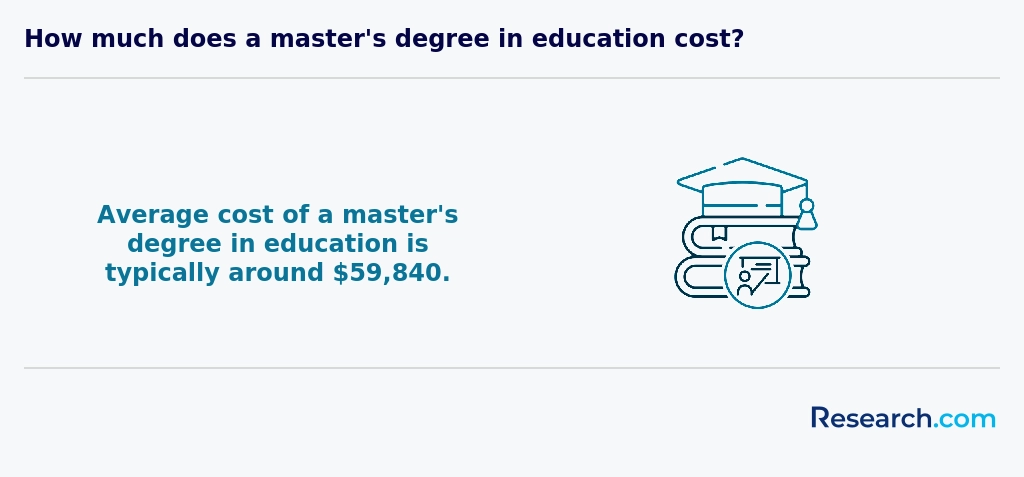
The average cost of an online education degree in Missouri is approximately $15,615, with in-state students typically paying around $12,622. This median reflects tuition expenses at well-known public and private institutions across the state, offering rigorous online education programs. Many graduates recall balancing their coursework with professional responsibilities, appreciating the affordability compared to traditional on-campus programs. For instance, students enrolled at prominent Missouri universities find that the cost aligns well with their financial and career goals, making advanced education accessible without overwhelming debt.
In detail, Missouri online master's in education tuition and fees for in-state learners are substantially lower than those for out-of-state students, whose costs can rise to about $18,843 on average. These figures help prospective students budget effectively while pursuing credential advancement in education fields. Alumni frequently mention that affordable tuition combined with flexible schedules enriches their learning experience, enabling them to stay employed and immediately apply new skills in school districts throughout Missouri.
Students seeking affordable and reputable programs should consider the range of options Missouri offers, as cost structures differ widely. Those interested in exploring affordable education programs in Missouri can refer to specialized resources to compare tuition and financial aid opportunities carefully. Scholarships, employer partnerships, and federal aid often further decrease direct costs, rewarding students who invest in their professional future through an online education degree.
Ensuring your online Master’s in Education is accredited is paramount for both academic credibility and professional licensure. In Missouri, top institutions like the University of Missouri and Missouri State University hold regional accreditation from the Higher Learning Commission (HLC) and program-specific approval from the Council for the Accreditation of Educator Preparation (CAEP). This dual recognition guarantees that coursework meets rigorous standards, credits transfer seamlessly between institutions, and graduates are eligible for federal financial aid and state teacher certification. When evaluating programs, verify that the institution’s education department publishes current pass rates for licensure exams such as the Praxis series. High pass rates-often above 80%-signal strong curriculum alignment with state teaching standards. Additionally, look for ongoing quality reviews, where external evaluators assess faculty credentials, student support services, and outcomes metrics like graduation and employment rates. For those balancing budget constraints with quality assurance, consider exploring our Low Cost Online Education Degree Programs Ranking in Lincoln, NE, which highlights accredited programs offering exceptional value without compromising educational excellence.
Students pursuing online education degrees in Missouri commonly rely on a combination of federal, state, and institutional financial aid to manage costs. Completing the FAFSA is essential, as it unlocks access to federal grants like the Pell Grant, federal student loans with manageable interest rates, and work-study opportunities. For example, graduates from the University of Missouri often mention how federal aid helped ease financial concerns during their studies.
State programs such as the Access Missouri Financial Assistance Program provide need-based grants specifically for Missouri residents attending in-state institutions, which benefits many students enrolling at schools like Missouri State University. High-achieving students might also qualify for the Missouri Bright Flight Scholarship, offering additional financial support.
Many Missouri universities offer tailored scholarships and assistantships for education students. Graduates recall how these institutional funds, especially those exclusive to online learners, made advanced degrees more attainable. Private scholarships from organizations like the Missouri Teachers Association Foundation further supplement financial aid, creating a realistic path for aspiring educators across the state.
Earning an online Master’s in Education in Missouri is only the first step toward becoming a fully certified teacher; understanding the state’s licensure pathway ensures you can transition from student to educator smoothly. First, verify that your chosen program is approved by the Missouri Department of Elementary and Secondary Education (DESE) and accredited by a regionally recognized agency, as this alignment is critical for eligibility. Next, complete all required coursework, including supervised student teaching hours, which typically range from 12 to 16 weeks in Missouri K–12 settings. You must also pass the Missouri Content Assessment (MoCA) for your subject area and the Missouri General Education Assessment (MoGEA) or its approved alternatives; these exams evaluate your mastery of content knowledge and basic skills. After meeting academic and assessment benchmarks, submit your application through the DESE Certification Portal, providing official transcripts, exam scores, and documentation of your student teaching experience. Background checks, including fingerprinting, are mandatory for all licensure candidates. Upon approval, you’ll receive your Initial Professional Certificate, valid for five years; during this period, you must complete the DESE-approved mentoring program and accrue professional development units (PDUs) to apply for an “Advanced Professional Certificate.” While many Missouri graduates focus on in-state certification, some professionals explore low-cost online alternatives to supplement or renew credits. For example, our Low Cost Online Education Degree Programs Ranking in Lincoln, NE can help you compare tuition rates and program features if you’re seeking additional courses or certifications at a reduced cost. By following these steps and tapping into affordable learning opportunities, you’ll be well on your way to a rewarding career in Missouri’s dynamic education landscape.
Enrollment in online education degree programs in Missouri typically requires applicants to hold a valid bachelor's degree from a regionally accredited institution when applying to graduate-level programs. Graduates from popular universities in Missouri often reflect on how this foundational requirement ensured they were academically prepared and confident tackling advanced coursework. For undergraduate programs, students must present a high school diploma or equivalent, such as a GED, with some universities requesting standardized test scores like the SAT or ACT, although many have relaxed this requirement recently.
Those aiming to become licensed teachers frequently face additional mandates, such as passing Missouri's Educator Gateway Assessments (MEGA), which assess content knowledge and teaching skills. Applicants commonly submit official transcripts, letters of recommendation, a personal essay, and a resume, all of which help universities gauge their readiness and commitment.
Students often describe the application process at institutions like the University of Missouri or Missouri State University as thorough but rewarding, with clear guidelines that helped them feel well-prepared and optimistic about succeeding in their education careers.

Earning an online Master’s in Education in Missouri is only the first step toward a rewarding teaching career; you must also secure state certification. The Missouri Department of Elementary and Secondary Education (DESE) requires graduates to complete an approved educator preparation program, pass the Missouri Content Assessments (MoCA) or Praxis subject tests, and fulfill the Missouri Pre-Service Teaching Assessment (MoPTA) performance evaluation. After passing these exams and logging required practicum hours, candidates apply for an Initial Professional Certificate, which is valid for three years. To advance, educators must complete additional professional development or pursue a Professional Educator Certificate. Many online programs embed exam prep modules, study guides, and virtual practicum placements to streamline this process. By understanding licensure pathways, you can choose a program that not only equips you with pedagogical expertise but also aligns with DESE’s certification standards. For insights into cost-effective degrees that offer robust licensure support, explore our Low Cost Online Education Degree Programs Ranking in Lincoln, NE.
Online education degree programs in Missouri typically include a comprehensive curriculum designed to equip students with essential skills for diverse educational careers. Graduates from well-known institutions like the University of Missouri often recall deeply engaging classes in educational psychology and curriculum and instruction, which provide foundational knowledge about how students learn and how to develop effective lesson plans.
Courses in classroom management and assessment and evaluation prepare candidates to foster positive learning environments and effectively measure student progress. Many students appreciate how these practical strategies translate immediately to their online or in-person teaching roles.
Specialized subjects, such as special education fundamentals and instructional technology integration, address Missouri's diverse learner population and the growing role of digital tools in education. For example, graduates from Missouri State University often highlight practicum experiences that allow hands-on application of these skills in local schools.
For those pursuing advanced roles, courses in educational leadership and policy develop expertise in school law and organizational management, supporting career growth into administrative positions across Missouri's education system.
Online education degree specializations Missouri students pursue often include Curriculum and Instruction, Educational Leadership and Administration, and Special Education. Graduates from popular institutions like the University of Missouri and Missouri State University have praised the ability to tailor their studies toward Curriculum and Instruction, where they develop effective teaching strategies applicable in real classrooms. Those focusing on Educational Leadership prepare for roles such as principals or program directors by studying school finance and policy, gaining skills immediately relevant to Missouri's administrative licensure requirements. Special Education specialization equips graduates with strategies for working with diverse learners, a vital need recognized across Missouri schools.
Additional specializations include Early Childhood Education, Reading and Literacy, and Educational Technology, reflecting current trends in the state's schools. Many students value the flexibility to choose based on career goals while studying remotely. For further options and cost-effective programs, prospective students often explore most affordable online education degrees, which offer accessible avenues to advance their professional qualifications.
When selecting the best online education degree Missouri programs, accreditation is paramount. Graduates from well-known institutions in Missouri appreciate how CAEP-accredited programs ensure recognition for teacher certification and access to financial aid. For example, students balancing family life and work have found flexible, asynchronous courses at Missouri universities align perfectly with their busy schedules.
Evaluating curriculum relevance is also critical. Programs that mirror Missouri's K-12 standards and offer specialties such as literacy or educational leadership enable students to pursue career goals confidently. Many graduates recount that practical, state-aligned training helped them feel prepared and valued in their school districts.
Cost considerations play a vital role, particularly for students searching for an affordable online master's in education Missouri offers. Tuition typically ranges broadly, but prospective students often seek programs with transparent fees and available scholarships to ease the financial commitment. For details on economical options, see the Low Cost Online Education Degree Programs Ranking in Lincoln, NE.
Finally, robust support services enhance satisfaction and success for online learners. Accessible advising, technical help, and peer interaction contribute to positive experiences, as graduates frequently highlight the importance of connection even in virtual settings.

Graduates with an online education degree in Missouri find diverse career paths, ranging from classroom teaching to administrative leadership. Many become licensed teachers in elementary, middle, or high schools, benefiting from programs aligned with Missouri's certification requirements and preparation for the Missouri Educator Gateway Assessments. For example, graduates from popular institutions such as the University of Missouri feel confident stepping into teaching jobs with online education degree Missouri, appreciating the practical, state-specific guidance they received.
Other career opportunities include roles in school administration, curriculum development, and instructional coordination. These positions often require advanced degrees and leadership skills, which graduates from Missouri colleges acquire through robust online coursework. Those pursuing specialized careers, like educational technology specialists or school counselors, also find rewarding opportunities, especially as Missouri schools increase their focus on technological integration and student support services.
Many graduates pursuing flexible options choose a 1 year online masters degree, allowing them to quickly advance in roles such as special education professionals or instructional coordinators. This flexibility combined with Missouri's steady demand for educators makes these career paths both practical and fulfilling.
The job market for individuals with an online education degree in Missouri remains stable and encouraging. Graduates from well-known institutions such as the University of Missouri and Missouri State University often share positive experiences about entering classroom roles, educational administration, or curriculum development within the state's diverse school systems. The steady demand is fueled by ongoing retirements and shortages in specialized fields like special education and STEM, making Missouri education degree employment outlook particularly strong for those who meet state licensure requirements.
Many graduates pursuing an online education degree find opportunities in K-12 schools across both urban and rural districts, where flexible, technology-savvy educators are highly valued. For those looking to advance their credentials or change focus, programs offer pathways that align with certification standards, enhancing employability. Tuition costs for graduate-level options are generally competitive, and some students opt for quick degree programs to speed their entry into the workforce. This adaptability supports a fulfilling career trajectory with rewarding prospects for Missouri residents.
2027 Most Valuable Online Master's in Education Degree Programs Ranking in Missouri
Investing in your education is a significant decision that can profoundly impact your career and personal growth, and the Research.com team recognizes the importance of providing reliable guidance. To support future educators in Missouri, we have carefully developed the "2027 Most Valuable Online Master's in Education Degree Programs Ranking in Missouri." Our dedication to quality, credibility, and accuracy is demonstrated through rigorous research and thorough analysis.
We utilized the following reputable data sources to ensure a comprehensive evaluation of online master's programs in education:
By examining this ranking, readers will gain valuable insights to help them choose the most suitable and valuable online master's degree programs in education. For more detailed information on our evaluation process, please visit our Research.com methodology page.


# 3 position
Southeast Missouri State University
Master of Teaching English to Speakers of Other Languages (TESOL)


# 10 position
Missouri State University-West Plains
Master of Educational Administration
Frequently Asked Questions About education
Students pursuing online education degrees in Missouri can maximize their learning by actively engaging with course materials and participating in virtual discussions. Missouri ranks among the top states with a growing number of online degree programs, offering flexibility to balance work and study.
Utilizing resources like Missouri's statewide Missouri Online platform or university tutoring services ensures better comprehension and academic support. Additionally, setting a structured study schedule helps maintain consistency, which is essential when learning remotely.
Research from the Missouri Department of Higher Education shows students who use campus advising and online forums report higher satisfaction and completion rates.
Emerging niches within the education field in Missouri reflect broader national trends emphasizing technology, diversity, and specialized support. One rapidly growing area is educational technology, where experts design digital tools and online curricula to enhance remote and hybrid learning environments. Missouri's increasing investment in broadband access supports this growth, benefiting online education programs.
Another key niche is special education, particularly focused on autism spectrum disorders and inclusive classroom strategies. Missouri's Department of Elementary and Secondary Education reports a steady rise in students requiring specialized services, creating higher demand for qualified educators.
Additionally, bilingual education and culturally responsive teaching are gaining importance to serve Missouri's diverse student population effectively. These fields offer opportunities for professionals committed to equity and inclusivity.
Preparing for the job market after completing an online education degree in Missouri involves strategic planning and skill development. Graduates should focus on obtaining Missouri teaching certification, which is required for most K-12 positions and is regulated by the Missouri Department of Elementary and Secondary Education (DESE). Building a professional network through local education associations like the Missouri State Teachers Association can enhance job prospects.
Internships or substitute teaching experience during your studies can provide practical classroom exposure. According to DESE data, Missouri's education sector is expected to grow by 3% by 2028, indicating steady demand for qualified educators. Tailor resumes and cover letters to reflect state-specific standards and competencies to improve hiring chances.
Employers in Missouri prioritize several key skills when hiring education degree graduates. Strong communication abilities are essential, allowing graduates to effectively engage with students, parents, and colleagues. Classroom management is another critical skill, as Missouri schools emphasize maintaining positive, organized learning environments.
Instructional technology competence is increasingly valuable, given the rise of digital learning tools in Missouri classrooms. The Missouri Department of Elementary and Secondary Education highlights critical thinking and adaptability as important traits for educators facing diverse student needs.
Additionally, cultural awareness and the ability to foster inclusive classrooms are increasingly expected by schools throughout Missouri. These skills help graduates meet state standards and diverse community expectations.
Finding internships in Missouri related to an education degree involves several strategic steps. Many universities in Missouri, such as the University of Missouri and Missouri State University, maintain partnerships with local schools and education organizations to offer internship placements. Students pursuing online education degrees can leverage their institution's career services and internship offices for guidance.
Additionally, the Missouri Department of Elementary and Secondary Education provides resources and listings for student teaching and internship opportunities. Networking with local school districts is also crucial, as about 500 districts exist statewide, increasing chances for placements.
Utilizing websites like Handshake and local job boards focused on Missouri education roles adds to accessible options.
Obtaining an online education degree in Missouri can significantly enhance career mobility and advancement for educators. According to the Missouri Department of Elementary and Secondary Education, certified teachers with master's degrees often qualify for higher salary tiers and leadership roles within K-12 schools. Online programs provide flexibility, allowing working professionals to earn advanced credentials without interrupting their employment.
In Missouri, 58% of school districts offer salary increases or bonuses for educators holding graduate-level education degrees, making online degrees a practical pathway for financial growth. Additionally, advanced degrees can lead to roles such as curriculum specialists or instructional coordinators, expanding career options beyond classroom teaching.
National data from the U.S. Bureau of Labor Statistics also show that education professionals with master's degrees generally experience lower unemployment rates and better job stability, trends reflected in Missouri's education sector as well.
Studying for an education degree in Missouri offers strong preparation for interdisciplinary roles by integrating diverse subject knowledge with educational theory and practice. Missouri universities emphasize collaboration across disciplines such as psychology, sociology, and technology, equipping graduates to address complex challenges in schools and communities. According to the Missouri Department of Higher Education, many online programs require coursework that develops skills in leadership, communication, and data analysis.
Additionally, Missouri's education degrees often include field experiences in varied settings, promoting adaptability and real-world application. This combination builds professionals capable of working in roles that connect education with healthcare, social services, and policy development effectively.
When choosing between a thesis and a non-thesis online education degree in Missouri, consider your career goals and learning style. Thesis programs typically require original research and writing, catering to students aiming for doctoral studies or research careers. Non-thesis options focus more on coursework and practical skills, ideal for those pursuing administrative or teaching roles.
Missouri institutions like the University of Missouri offer both formats, with about 40% of education master's students opting for thesis tracks according to state education reports. Also, thesis programs may take longer but can enhance critical thinking and research skills.
Review specific program requirements and accreditation status to ensure alignment with your ambitions.
Students based in Missouri seeking options for studying education abroad have several pathways through their home institutions. Many Missouri universities, including the University of Missouri system, offer established study abroad programs alongside online coursework that allow students to combine international experience with flexible learning.
These programs often partner with universities in countries like the United Kingdom, Australia, and Spain, providing opportunities to earn credits toward education degrees recognized back in Missouri. According to the Institute of International Education, about 2% of Missouri's undergraduate population participates in education-related study abroad experiences annually.
Additionally, some Missouri schools provide fully online international education degrees accredited within the US, enhancing global perspectives without requiring travel. This approach benefits working professionals who seek global education expertise with Missouri certification standards.
Part-time job opportunities in Missouri that complement education degrees often align with roles supporting school systems and community programs. Many students pursuing online education degrees work as teacher's aides or paraprofessionals, assisting in classrooms while gaining practical experience. According to the Missouri Department of Elementary and Secondary Education, paraprofessionals are essential in enhancing student learning and typically require some postsecondary education, making this a fitting role for working students.
Other common positions include after-school program coordinators and tutoring roles. These jobs provide flexible hours and rely heavily on educational knowledge and skills. Additionally, Missouri's expanding need for special education support staff creates opportunities for online education students to gain relevant experience part-time.
Working in these positions not only supports financial needs but also cultivates hands-on skills valuable for future educators in Missouri's public and private school systems.
Online education students in Missouri have growing networking opportunities despite not being on campus. Many public and private universities in Missouri offer virtual events, including webinars, career fairs, and alumni meetups, that encourage connections between students and education professionals. For example, the University of Missouri System frequently hosts online workshops and networking sessions tailored to education students.
Additionally, Missouri's education-focused professional organizations, like the Missouri Association of Colleges for Teacher Education (MACTE), provide online forums and local chapters where students can engage with peers and experts. These platforms help students build professional contacts crucial for job placements. According to the Missouri Department of Higher Education, participation in such groups boosts employment prospects by 20% for graduates.
Alumni networks play a crucial role for students pursuing online education degrees in Missouri. These networks connect graduates and current students, offering access to a broad community for mentoring, job leads, and professional growth. According to the Missouri Department of Higher Education, active alumni participation improves career outcomes by up to 25% due to networking opportunities.
For online learners, who may lack in-person campus interactions, alumni groups provide a valuable platform to engage with peers and faculty remotely.
Many Missouri institutions, such as the University of Missouri and Webster University, maintain strong online alumni networks that facilitate career services and continuing education.
These connections help students navigate Missouri's education job market and gain insight into regional professional standards.
To customize an online education degree program in Missouri, students often choose from various specializations such as curriculum development, educational leadership, or special education. Many Missouri institutions offer flexible credit electives, allowing learners to tailor coursework according to their career ambitions. For example, options may include technology integration for educators or counseling tracks.
Students can often enroll part-time or full-time, balancing studies with professional responsibilities. Accreditation by the Missouri Department of Higher Education ensures transferability and recognition of credits. According to the Missouri Department of Elementary and Secondary Education, over 60% of online education students select programs focused on leadership roles or specialized teaching fields, reflecting growing workforce demands.
Online education students in Missouri often face several common challenges. One major issue is balancing coursework with personal and professional responsibilities, as many learners juggle jobs and families while studying. According to the Missouri Department of Higher Education, about 60% of online students are part-time, intensifying this challenge.
Another difficulty is limited access to reliable high-speed internet in rural areas of Missouri. The Federal Communications Commission reports that approximately 10% of Missouri's population lacks broadband connectivity, hindering smooth participation in virtual classes.
Additionally, students sometimes encounter reduced interaction with instructors and peers, which can affect motivation and understanding of complex subjects.
An online education degree in Missouri opens pathways to various professional certifications that can enhance your career opportunities. Common certifications include the Missouri Teaching Certificate, required for public school educators, which you can pursue after completing required coursework and passing state exams. Additionally, candidates often seek National Board Certification, recognized nationwide for advanced teaching skills. For administrators, certifications such as Missouri Principal or Superintendent Licensure are accessible with a related advanced degree and experience. Other options include specialized endorsements in areas like special education or ESL, broadening your expertise and marketability in Missouri's schools, per the Missouri Department of Elementary and Secondary Education.
Writing a winning application for an online education program in Missouri begins with understanding the specific requirements of your chosen school. Many Missouri universities require a minimum GPA of 3.0 and official transcripts from previous institutions. Highlight relevant teaching experience and your passion for education in your personal statement. According to the Missouri Department of Higher Education, candidates who demonstrate clear career goals and familiarity with online learning platforms improve their chances significantly.
Strong letters of recommendation from educators or supervisors who know your skills in education add credibility. Carefully proofread your application to avoid errors, as Missouri institutions value attention to detail and professionalism.
Careers in education hold a strong global significance, emphasizing the crucial role teachers play in shaping future generations. In the United States, including Missouri, the demand for qualified educators continues to grow, driven by expanding student populations and evolving educational standards. According to the Missouri Department of Elementary and Secondary Education, the state is expected to add thousands of teaching jobs by 2028.
Globally, education professionals are viewed as key agents of social and economic development. The U.S. Bureau of Labor Statistics projects a 5% growth in education jobs nationally through 2031, highlighting the profession's stability. Online degrees in Missouri provide accessible pathways to enter or advance in this field, aligning with global trends valuing flexible and lifelong learning opportunities.
Gaining practical experience while pursuing an online education degree in Missouri is essential for career readiness. Many programs integrate virtual simulations and case studies that mirror classroom challenges, providing hands-on learning remotely. Additionally, students often arrange in-person student teaching or internships at local schools near their residence, which is a key requirement for Missouri teaching certification. The Missouri Department of Elementary and Secondary Education (DESE) mandates that candidates complete field experiences to develop essential teaching skills.
Universities in Missouri frequently partner with regional school districts to facilitate these placements. Online students should proactively communicate with their program advisors to secure appropriate opportunities. According to recent DESE reports, over 90% of Missouri education students complete internship hours before graduation, underscoring the value of practical experience in the state's teacher preparation.
Choosing the right concentration within an online education degree program in Missouri depends on your career goals and interests. Missouri offers diverse options, such as curriculum development, special education, and educational leadership. According to the Missouri Department of Elementary and Secondary Education, special education is a high-demand field due to statewide shortages.
Consider your target student group and the specific skills you want to develop. For example, curriculum design focuses on creating learning materials, while leadership prepares you for administrative roles. Research the certification requirements linked to each concentration, as Missouri has specific endorsements tied to licensure.
Additionally, analyze program flexibility, faculty expertise, and post-graduation job placement rates to ensure a good fit between your needs and program offerings.
- 2027 Most Valuable Online Master's in Education Degree Programs Ranking in Kansas
- 2027 Most Valuable Online Master's in Education Degree Programs Ranking in Iowa
- 2027 Most Valuable Online Master's in Education Degree Programs Ranking in Illinois
- 2027 Most Valuable Online Master's in Education Degree Programs Ranking in Kentucky
- 2027 Most Valuable Online Master's in Education Degree Programs Ranking in Indiana
- 2027 Most Valuable Online Master's in Education Degree Programs Ranking in South Dakota
- 2027 Most Valuable Online Master's in Education Degree Programs Ranking in Minnesota
- 2027 Most Valuable Online Master's in Education Degree Programs Ranking in Wisconsin
- 2027 Most Valuable Online Master's in Education Degree Programs Ranking in Colorado
- 2027 Most Valuable Online Master's in Education Degree Programs Ranking in Ohio
See What Experts Have To Say About Studying Education
Read our interview with Education experts

Alan J. Singer
Education Expert
Professor of Teaching, Learning and Technology
Hofstra University

Nooshan Ashtari
Education Expert
Professor & Book Author
University of Southern California

- Online Degree vs. Traditional: Choosing the Right Path https://beal.edu/online-degree-vs-traditional/
- Can Higher Education Improve Long-Term Career Success https://studysphereadvisors.com/how-higher-education-influences-long-term-career-growth/
- Putting theory into practice: The value of an interdisciplinary approach to teaching https://my.chartered.college/impact_article/putting-theory-into-practice-the-value-of-an-interdisciplinary-approach-to-teaching/
- How to Write a Great Letter of Intent for a Teaching Job | Zen Educate https://www.zeneducate.com/us/resources/becoming-a-teacher/how-to-write-letter-of-intent-teaching-job/
- The importance of networking in the education sector https://www.tlclive.com/blog/the-importance-of-networking-in-the-education-sector
- Tips for Choosing Your Graduate Concentration - Graduate Programs for Educators https://www.graduateprogram.org/blog/tips-for-choosing-your-graduate-concentration/
- International teaching and education jobs https://www.tes.com/jobs/search/international
- Globeducate Career Site https://globeducate.schoolrecruiter.com/
- Online Colleges in Missouri https://www.onlineschools.org/guides/missouri/
- How to Pick Your Concentration for Your M.Ed. Degree | ACE Blog https://ace.edu/blog/how-to-pick-your-med-concentration/





