
2027 Most Affordable Education Degree Programs Ranking in Missouri

Co-Founder and Chief Data Scientist
Choosing the right education degree program in Missouri can feel overwhelming. To help, this article presents the 2027 Most Affordable Education Degree Programs Ranking in Missouri, developed by the Research.com team of data scientists. Their work highlights programs that provide great value while keeping costs manageable.
Exploring this ranking will give you clarity and confidence in your decision-making. Pursuing an education degree is a rewarding path that opens doors to meaningful careers and personal growth. This guide supports your journey toward a bright future in education.
Key benefits of getting education degree in Missouri
- Education degree graduates in Missouri can earn rewarding salaries, such as $70,740 annually for Elementary School Teachers or $76,000 for Special Education Teachers, reflecting stable and fulfilling career opportunities.
- Graduates from Missouri State University, for example, often pursue diverse paths like ESL teaching or instructional design, showing the degree's flexibility in shaping various educational roles.
- Online education degrees from institutions like the University of Missouri offer convenience and flexibility, making it easier for busy students to balance work and study while gaining quality training.
- 2027 Most Affordable Education Degree Programs Ranking in Missouri
- What can I expect from education degree in Missouri?
- Where can I work with education degree in Missouri?
What can I expect from education degree in Missouri?
Imagine stepping onto a campus like the University of Missouri, where education students often share that the average yearly tuition ranges between $7,000 and $10,000 if you're an in-state learner. This investment feels tangible when you consider a graduate's story: balancing coursework in child psychology with late-night lesson plan crafting, knowing that each dollar spent is a step closer to impacting young minds across Missouri classrooms.
At places like Missouri State University or the University of Central Missouri, many students appreciate the blend of affordable in-state tuition with the rich hands-on experiences that come with student teaching-sometimes in bustling urban schools, sometimes in quiet rural communities. One graduate fondly recalls the relief of tuition fitting within a budget while gaining access to top-tier mentorship and DESE-aligned preparation crucial for certification.
The availability of flexible online and hybrid programs further sweetens the deal, letting working students keep jobs while progressing. Tuition becomes more than a number; it's part of a vibrant journey toward becoming an inspirational educator in Missouri's diverse schoolscape.
Where can I work with education degree in Missouri?
Graduates from Missouri's education programs often find themselves thriving in vibrant classrooms, from early childhood centers to bustling high schools across the state. Imagine stepping into a St. Louis elementary school, where a recent graduate from the University of Missouri guides curious minds through science experiments-this is just one snapshot of real impact.
Others carve out leadership roles, shaping schools as principals or curriculum designers, especially after gaining experience and credentials at places like Missouri State University. Their work behind the scenes crafts the future of education, blending passion with strategy in districts hungry for fresh ideas.
Missouri's education degrees aren't confined to classrooms either. Graduates frequently become school counselors or instructional coaches, addressing real challenges like mental health and literacy, inspired by community stories from campuses such as Truman State University. The growing need for these roles fuels their excitement and sense of purpose.
Higher education's doors swing wide open too, as alumni take on faculty or advisor roles in universities statewide, fostering the next generation of educators and sparking innovative research.
Innovators also flourish beyond schools-in nonprofits or corporate training. Missouri's unique blend of educational nonprofits and businesses crave education graduates to drive programs that change lives, turning a degree into a toolkit for community transformation.
Graduates from education programs at Missouri's well-regarded universities often find themselves stepping into classrooms with salary expectations that bloom brighter than they imagined. Starting salaries as an elementary school teacher hover around $70,740, a figure that reflects both dedication and the state's commitment to nurturing future leaders. Imagine a recent graduate from the University of Missouri, embracing their first year with a $76,000 starting wage as a special education teacher, feeling the rewarding mix of purpose and financial stability.
For those who danced through their studies at Missouri State University and specialized as ESL teachers, a mean annual wage of $65,430 offers a strong foothold in the education world, while early childhood educators, drawing from experiences at Truman State, can anticipate around $41,410, all while shaping young minds.
Instructional designers, often graduates of innovative education programs around St. Louis, pull in about $77,200, blending creativity and technology to ignite learning experiences beyond traditional classrooms. The financial figures mirror passion and progress for many Missouri education grads ready to impact lives and build a sustainable career.
- Missouri offers accredited education programs at public and private universities, including degrees in elementary, secondary, special education, and educational leadership.
- Annual tuition for in-state students at public universities ranges from $8,000 to $11,000, while private colleges often exceed $20,000 per year.
- Starting salaries for recent education graduates are about $40,000 to $45,000 per year, with experienced teachers earning up to $60,000 annually.
- There is steady demand for teachers in Missouri, especially in special education and STEM subjects, due to retirements and population growth.
- Licensure requires completing an accredited program, passing state exams, and student teaching hours according to Missouri Department of Elementary and Secondary Education standards.
Imagine stepping onto the University of Missouri campus as a fresh education major, ready to dive into four energetic years of learning, collaborating, and growing. That's the typical rhythm for most undergraduates chasing a bachelor's degree here-the steady beat of classes, study sessions, and fieldwork blending seamlessly into a transformative college experience.
On the flip side, those drawn to a master's degree often find themselves navigating about two years of more intense, focused study. Many graduates from Saint Louis University cherish the flexible schedules there, juggling night classes or online modules while balancing part-time jobs or family life. This adaptability transforms the challenge into a rewarding journey of personal and professional growth.
Doctoral candidates in Missouri's education programs-say, at the University of Central Missouri-embrace a more fluid timeline, often stretching three to six years. Their path weaves between rigorous research, classroom teaching, and the elusive pursuit of that breakthrough dissertation idea, making each day uniquely fulfilling yet demanding.
Ultimately, the blend of full-time energy, part-time persistence, and program flexibility makes completing an education degree in Missouri not just a timeline, but a story of resilience and passion tailored to every learner's pace.
Thriving in an education degree program requires not only academic commitment but also proactive strategies that can enhance both your learning and future career success. First, set clear academic and professional goals from the outset and develop a personalized study schedule that accommodates your unique learning style. Actively participate in classroom discussions, collaborative projects, and hands-on teaching experiences to build practical skills and reinforce theoretical knowledge. In addition, take advantage of available technology and resources-such as digital libraries, academic forums, and career counseling services-to stay current with industry trends and boost your professional network. Networking with faculty and peers can open doors to internships, mentorship opportunities, and job placements. For instance, exploring parallel online educational opportunities, like most affordable online master's degrees in library science, may provide insights into flexible learning models that can complement your current studies. Furthermore, consistently seek feedback on your teaching methods and classroom management skills to foster continuous improvement. Embrace professional development opportunities, including attending workshops, webinars, and conferences related to education, as these experiences enrich your professional profile. By integrating these success strategies into your daily routine, you'll be well-prepared to navigate the challenges of your education degree program and excel in your teaching career.
Imagine a graduate from the University of Missouri-Columbia, savoring the buzz of campus life-chatting after a lively classroom debate, hands stained with chalk from tutoring sessions, and real-time feedback fueling their growth. This on-campus experience thrives on human connection, with practicum hours spent walking into local schools, embracing the tangible pulse of teaching. In contrast, a Missouri State University online learner might find themselves curled up at home, balancing a toddler on one knee while clicking through video lectures with quiet determination. Their schedule bends flexibly around life's chaos, trading commute stress for virtual discussion boards and self-driven deadlines.
Both find themselves mastering the same rigorous curriculum and state certification paths, yet the emotional texture differs-online students cherish independence and adaptability, while their on-campus peers bask in community and spontaneous conversations. Tuition often mirrors each other, but online students smile knowing they skip parking fees and late-night campus walks. No matter the path, Missouri's education degrees weave a story of resilience and passion, uniquely tailored to each student's rhythm.
Pursuing one of the 2024 Most Affordable Education Degree Programs in Missouri ensures a balanced curriculum that blends foundational theory with hands-on practice. Core coursework typically includes: • Foundations of Education: Explores historical, philosophical, and sociological perspectives on teaching to ground future educators in best practices. • Educational Psychology: Examines child and adolescent development, learning theories, and motivation strategies to inform classroom instruction. • Curriculum Design and Assessment: Teaches methods for creating standards-aligned lesson plans, formative and summative assessments, and data-driven improvements. • Classroom Management and Inclusive Practices: Focuses on effective behavior management, differentiated instruction, and strategies for diverse learners, including those with special needs. • Instructional Technology Integration: Introduces digital tools and online platforms, preparing students for hybrid and virtual teaching environments. • Student Teaching Practicum: Provides supervised field experience in K-12 settings, allowing candidates to apply theory under mentor guidance and refine classroom skills. Elective and specialization courses may cover early childhood education, special education, or educational leadership, enabling tailored career paths. For those comparing program structures and seeking flexible online options, see our Inexpensive Online Education Degree Programs Ranking in Virginia Beach, VA to explore curriculum variations that align with your schedule and goals.
Imagine the journey of earning an education degree in Missouri as a carefully budgeted adventure. For many, the average cost sits near $23,700 for those living in-state, reflecting a balance of manageable tuition and living expenses. Graduates from iconic Missouri universities often recall how this investment opened doors, with affordable tuition making the dream feel tangible rather than distant. The Missouri affordable education degree tuition fees significantly ease the financial weight compared to out-of-state figures, which can nearly double, hovering around $39,556. These numbers are more than just statistics-they tell the story of hope, persistence, and the tangible value of staying local.
Envision a student navigating textbooks, campus fees, and the cost of living in vibrant cities like St. Louis or Kansas City while pursuing an education degree. The experience combines excitement with budgeting savvy, and many find that scholarships and state financial aid programs profoundly lighten the cost. With this in mind, those eager to teach in Missouri's communities can breathe easier knowing the path is financially accessible.
Many recent graduates from prominent institutions share how selecting programs with tailored tuition helped them thrive. Some discovered the most affordable online education programs in Missouri, blending flexibility with cost savings-ideal for balancing life and studies. These practical choices highlight that the average cost of education degree in Missouri is not just a hurdle but a calculated step toward a passionate career in education.
Choosing an education degree program in Missouri requires careful evaluation of accreditation status to ensure both academic rigor and eligibility for licensure. Regionally accredited institutions-recognized by bodies such as the Higher Learning Commission (HLC)-provide a foundational guarantee of overall quality, while programmatic accreditation by the Council for the Accreditation of Educator Preparation (CAEP) or the National Council for Accreditation of Teacher Education (NCATE) specifically validates teacher preparation standards. Prospective students should verify that their target program is approved by the Missouri Department of Elementary and Secondary Education (DESE), which confirms alignment with state licensure requirements and facilitates a smooth path to certification. Accredited programs undergo periodic reviews of curriculum, faculty qualifications, and student outcomes, ensuring continuous improvement and accountability. For example, CAEP standards mandate evidence of candidate impact on P–12 student learning, rigorous clinical experiences, and effective faculty-student ratios. By enrolling in a CAEP-accredited program at institutions like the University of Missouri or Missouri State University, candidates can trust that coursework and practicum experiences are designed to meet national benchmarks and state-specific competencies. When comparing online and on-campus options, accreditation remains the linchpin of program quality. Online degrees should carry the same CAEP or NCATE credentials as their on-campus counterparts, supplemented by robust digital infrastructure and student support services. For those exploring cost-effective virtual pathways, our Inexpensive Online Education Degree Programs Ranking in Virginia Beach, VA highlights accredited online offerings that combine affordability with the quality assurance essential for licensure and career success. Finally, students should consult institution-specific data on graduation rates, licensure exam pass rates, and job placement figures-key performance indicators that reflect the real-world effectiveness of an education program. Transparency in these metrics, often published in program outcome reports or the College Navigator database, empowers applicants to make evidence-based decisions that align with their professional goals and financial considerations.
Imagine stepping onto the campus of the University of Missouri, tuition looming like a storm cloud, yet feeling the tide turn as a Pell Grant sweeps in with up to $7,395 in aid-no strings attached. That's the kind of relief that lets education students breathe and focus on future classrooms rather than debt.
Missouri doesn't stop there. Graduates often share how the Missouri Teacher Reserve Grant gave them up to $10,000, transforming their pledge to teach in high-need schools into a tangible reward, not just a promise. It's financial faith with a purpose.
Meanwhile, at places like Truman State or Missouri State University, students often tap into the Access Missouri Program-a financial lifeline distributing thousands based on need, smoothing pathways toward their education dreams.
Work-study is another gem. Picture earning part-time on campus, gaining experience while paying rent, lessening financial worries. Collectively, these aids weave a safety net under Missouri's future educators, nurturing both their passion and pockets.
Choosing an education degree program in Missouri can be a pivotal decision for those passionate about teaching and fostering the next generation of learners. The state offers a blend of urban and rural educational settings, providing a diverse range of experiences for aspiring educators. By opting for a program within Missouri, students can take advantage of the state's commitment to educational excellence, including access to most affordable online education programs in Missouri, which cater to different learning needs and preferences. This flexibility, combined with the state's scenic landscapes and vibrant cultural life, makes Missouri an attractive location for education students seeking a comprehensive and enriching experience. Furthermore, the proximity to various educational resources and the opportunity to engage with a community dedicated to improving educational outcomes can enhance one's educational journey and future career prospects.
Imagine stepping onto the vibrant campuses of the University of Missouri or Missouri State University, where the journey to becoming an inspiring educator begins with clear checkpoints. To enroll in an education degree here, you need a high school diploma or GED, like those graduates who remembered juggling ACT scores while working part-time. A 2.5 to 3.0 GPA often sets the stage-a milestone that cheers students on as they glance at their report cards with hopeful eyes.
Passing the Missouri Educator Gateway Assessments (MEGA) feels like unlocking your first level in this teaching quest. Think of MEGA as a gateway, testing communication, math, and writing skills through real-life scenarios you'll face in classrooms. Graduates often recall how these exams built their confidence, prepping them for hands-on experiences.
Practical hours aren't just boxes to check but vivid moments-like tutoring kids in a local Springfield school or volunteering during summer camps-turning theory into heartfelt action. These experiences, backed by Missouri's DESE guidelines, bring education programs alive in ways that textbooks alone cannot capture.
A comprehensive Education degree in Missouri typically spans 120 credit hours and blends foundational theory with hands-on practice. Core courses commonly include:
- Introduction to Educational Psychology: Explores learning theories, motivation, and cognitive development.
- Curriculum Design and Instructional Strategies: Covers lesson planning, assessment methods, and differentiated instruction.
- Classroom Management and Leadership: Focuses on effective behavior management, classroom culture, and leadership skills.
- Diversity and Inclusion in Education: Teaches culturally responsive teaching, equity strategies, and collaboration with families and communities.
- Student Teaching Practicum: Provides supervised classroom experience, mentorship from veteran teachers, and reflective practice. Elective options allow specializations in areas like early childhood, special education, or digital learning. Many programs also require a capstone seminar where students develop a professional portfolio and complete research projects. For those seeking even more flexible and affordable online course options, compare our list with the Inexpensive Online Education Degree Programs Ranking in Virginia Beach, VA to discover additional pathways that fit your schedule and budget.
Diving into an education degree in Missouri feels like stepping into a vibrant classroom before you've even earned your credential. At popular schools like the University of Missouri or Missouri State University, courses are more than lectures-they're invitations to explore the heart of teaching. Imagine walking through the corridors of educational theory in Foundations of Education, where you unravel the stories behind America's schooling system and see how history shapes your future classroom.
Picture yourself in Educational Psychology class, discovering what sparks a student's curiosity or what quiet struggles hide behind confident smiles. You'll learn hands-on how to engage and motivate, skills graduates rave about as their secret teaching superpowers.
Then comes Curriculum Development and Instructional Strategies, where lesson plans transform from paper to passion, and Classroom Technology Integration breathes life into your methods using modern tools that today's students love. From student teaching in local Missouri schools to tailored special education courses, every class crafts a teacher ready to inspire the next generation.
In Missouri, education unfolds into rich tapestries of specializations that spark true passion in graduates from top Missouri education degree programs. Imagine diving into Early Childhood Education at a vibrant campus, where future teachers learn to craft magical moments from birth through third grade, nurturing curiosity and wonder. Others embrace Elementary Education, gaining tools to ignite young minds in foundational skills across literacy, math, and science, preparing for bustling Missouri classrooms alive with eager learners.
Secondary Education calls to those drawn to transforming middle and high school experiences, specializing in subjects like English or history with vivid, real-world applications that make subjects leap off the page. Special Education resonates deeply with compassionate souls ready to meet diverse learning needs head-on, fostering inclusive environments that celebrate every student's potential within Missouri's schools.
Amid these, a niche sparkles: TESOL, empowering educators to champion English learners in Missouri's richly diverse communities. Graduate students also explore advanced tracks in curriculum design and school counseling, shaping tomorrow's learning landscapes. For those curious about diverse academic paths, Missouri also offers the most affordable online master's degrees in library science, complementing education pursuits and broadening career horizons.
Imagine walking the paths of the University of Missouri or Missouri State University, feeling the hum of future classrooms, knowing your education degree is tailored to your dreams. Choosing the best education degree in Missouri is about aligning your passion with practical realities. Graduates often reflect on how accreditation by CAEP or DESE gave them confidence their program wasn't just a paper chase, but a true gateway to licensure and teaching success. This focus ensures your skills meet Missouri's standards and your license unlocks doors statewide.
Budget whispers loudly, too. Students wrestle with balancing quality and cost - average tuition at public schools hovers around $10,500 yearly, while private options push past $25,000. Yet, savvy applicants hunt for scholarships, assistantships, or check out Inexpensive Online Education Degree Programs Ranking in Virginia Beach, VA as inspiration for affordable education degree programs Missouri offers.
Flexibility creates peace of mind. Many graduates who juggled family or jobs found online or hybrid formats invaluable, transforming stress into momentum. When you choose your path here, think: will this program fit your unique rhythm and still deliver the credentials to start earning that $40,000 average Missouri teacher salary with pride?
Graduates with an education degree career options in Missouri find themselves stepping into a vibrant mosaic of possibilities. Many embrace the classic role of K-12 teachers, shaping curious minds in early childhood through high school across beloved institutions like the University of Missouri and Missouri State University. These educators often recall their classroom "aha" moments, where theory met real-world challenges. Some graduates find themselves drawn to fields experiencing shortages-special education, math, and science-where demand translates into both purpose and job security.
Others pivot toward roles beyond the classroom walls: becoming school counselors guiding students through emotional storms, educational administrators orchestrating the flow of school life, or curriculum developers crafting the voices of future textbooks. A few passionate alumni even explore adult education, helping non-traditional learners unlock new career paths. For those considering alternatives, the state offers 2 year certificate programs that pay well as another gateway into fulfilling teaching jobs with education degree Missouri.
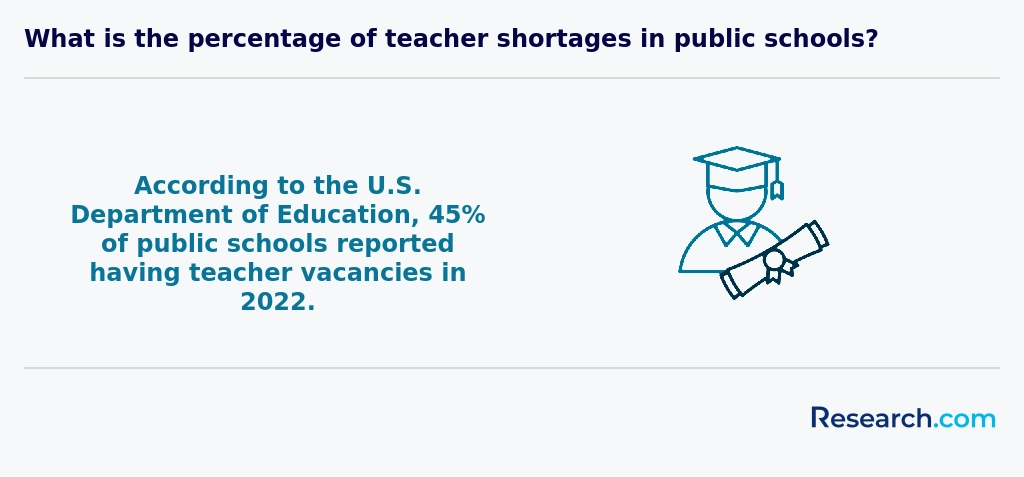
Graduates with an education degree in Missouri often find the job market both inviting and dynamic. Many alumni from institutions like the University of Missouri or Missouri State University share stories of landing roles quickly, thanks to the growing demand for teachers in elementary, secondary, and special education fields. This steady demand forms the backbone of the education degree job outlook Missouri, fueled by steady or slightly increasing public school enrollment and workforce retirements opening doors for newcomers.
One graduate recalls the excitement of securing a teaching position in a rural district, supported by state initiatives targeting shortages in subjects like math and science. Salaries hover around $56,000 annually, balancing affordability and career satisfaction across Missouri's urban and rural areas. For students dreaming of educational roles beyond teaching, universities also prepare them for administration and counseling roles, all while offering in-state tuition costs between $8,000 and $10,000, making it an accessible choice.
Those curious about the journey might consider the easiest associates degree that pays well as a stepping stone before diving into bachelor's level education programs. Passing Missouri's educator licensure exams becomes a crucial rite of passage, elevating job prospects and confidence among graduates eager to shape young minds within the state's thriving educational ecosystem.
2027 Most Affordable Education Degree Programs Ranking in Missouri
Investing in your education is a significant decision that can greatly impact your future, and the Research.com team is committed to supporting prospective students by delivering trustworthy, accurate information. We have carefully developed the "2027 Most Affordable Education Degree Programs Ranking in Missouri" with a focus on quality, credibility, and thorough research. To compile this ranking, we have drawn from the following reputable data sources:
By consulting this ranking, readers will gain valuable insights into affordable education degree options in Missouri, enabling well-informed decisions aligned with their career goals. For further information on our ranking process, please visit our Research.com methodology page.
# 1 position
Central Methodist University-College of Graduate and Extended Studies
Bachelor of Science in Education

# 2 position
Central Methodist University-College of Graduate and Extended Studies
Master of Education


# 11 position
Drury University-College of Continuing Professional Studies
Bachelor of Science in Education


Frequently Asked Questions About education
Education degree students in Missouri can maximize their learning experience by engaging actively in both coursework and practical opportunities. Missouri houses several accredited institutions offering diverse education programs, including field placements in local schools, which allow students to gain hands-on experience. According to the Missouri Department of Elementary and Secondary Education, practical experience is crucial for certification success and effective teaching skills.
Students should also utilize available resources like tutoring centers and faculty mentorships to deepen their understanding. Joining professional organizations such as the Missouri State Teachers Association provides networking opportunities and access to current educational research.
Balancing theory with practice, focusing on classroom management and culturally responsive teaching, is key to thriving in Missouri's education programs.
Emerging niches within the education field in Missouri reflect broader national trends emphasizing technology and inclusivity. One significant area is educational technology, where demand for professionals skilled in digital tools and virtual learning environments has grown rapidly. According to the Missouri Department of Higher Education and Workforce Development, online and blended learning courses increased by over 20% between 2018 and 2022.
Another key niche is special education, driven by a continuing need to support diverse learners. Missouri schools report a growing number of students with disabilities, increasing job opportunities in this specialization.
Additionally, bilingual education and culturally responsive teaching are gaining attention as Missouri's student population becomes more diverse, necessitating educators skilled in serving multilingual classrooms. These niches represent promising paths for education degree seekers in Missouri.
After completing an education degree in Missouri, preparing for the job market involves several strategic steps. Graduates should obtain Missouri teaching certification by passing the Missouri Educator Gateway Assessments, a requirement for public school employment. Connecting with local school districts and utilizing resources from the Missouri Department of Elementary and Secondary Education can enhance job prospects.
Gaining practical experience through student teaching or internships is vital, as 90% of Missouri school districts value hands-on classroom exposure. Networking via professional organizations like the Missouri State Teachers Association also offers access to job listings and career advice. According to the Bureau of Labor Statistics, Missouri's employment for kindergarten to secondary teachers is projected to grow 5% through 2031, highlighting growing opportunities in the field.
Employers in Missouri seek several key skills in education degree graduates that prepare them for effective teaching. Strong communication abilities rank highly, enabling educators to clearly convey information and collaborate with students, parents, and colleagues.
Classroom management is another essential skill. Missouri's Department of Elementary and Secondary Education highlights the need for teachers who can maintain a positive learning environment and address diverse student needs.
Critical thinking and problem-solving are also prized, helping educators adapt lesson plans and instructional strategies. Additionally, proficiency in technology integration is increasingly important due to growing digital learning demands across Missouri schools.
Lastly, cultural competence and inclusivity are valued skills, reflecting Missouri's commitment to serving diverse student populations, as noted by the Missouri Educator Gateway Assessments report.
Finding internships in Missouri related to an education degree involves several strategic steps. First, connect with your university's career services or education department, as many institutions maintain partnerships with local schools and districts offering internship opportunities.
Missouri Department of Elementary and Secondary Education (DESE) provides resources and listings for student teaching placements, which often count as internships. Additionally, education majors can explore programs within public school districts across Missouri, such as the St. Louis Public Schools or Kansas City Public Schools, known for their established internship programs.
Networking through professional associations like the Missouri State Teachers Association can also open doors. Online job portals and internship databases specific to Missouri education sectors are valuable tools to find current openings aligning with your degree focus.
Holding an education degree in Missouri significantly enhances career mobility and advancement opportunities within the state's educational system. According to the Missouri Department of Elementary and Secondary Education, teachers with advanced degrees often qualify for higher salary tiers and leadership roles. Many school districts prioritize candidates with education degrees for positions like instructional coordinator, curriculum specialist, or school administrator.
Missouri also requires continuing education credits for teacher certification renewal, encouraging degree holders to progress further professionally. Statistics from the National Center for Education Statistics show that educators with bachelor's or master's degrees tend to experience lower unemployment rates and more job stability in Missouri compared to those without formal education qualifications.
Studying for an education degree in Missouri equips students with skills to work across multiple disciplines. Missouri's universities incorporate coursework that blends teaching methods with subjects such as psychology, technology, and social sciences. This interdisciplinary approach reflects trends in U.S. education emphasizing collaboration among various fields to improve student outcomes.
Programs often include practicum experiences in diverse settings, preparing candidates to adapt to complex educational environments. According to the Missouri Department of Higher Education & Workforce Development, schools emphasize critical thinking and communication, which are vital for roles beyond traditional classrooms.
This preparation supports careers in educational leadership, counseling, and curriculum design where understanding multiple perspectives is essential.
When choosing between a thesis and a non-thesis education degree program in Missouri, consider your career goals and learning preferences. Thesis programs typically require original research and a written dissertation, ideal for students aiming for doctoral studies or research positions. Non-thesis programs emphasize coursework and practical experience, suited for those seeking immediate entry into teaching or administration roles.
Missouri public universities like the University of Missouri offer both options, often with similar tuition rates, but thesis tracks may take longer due to research commitments. According to the Missouri Department of Higher Education, over 60% of education graduate students prefer non-thesis paths for faster completion and direct workforce application.
Assessing faculty expertise and available resources can influence your choice. Thesis programs generally provide extensive mentorship, while non-thesis tracks offer flexibility and hands-on practice. Reflect on how much time you can dedicate outside class and your interest in contributing original research to education in Missouri.
Students based in Missouri who wish to study education abroad have several pathways available through their home institutions and external programs. Many Missouri universities, such as the University of Missouri and Missouri State University, offer study abroad partnerships specifically tailored for education majors. These programs often include semester exchanges in countries like the United Kingdom, Australia, and Spain, where students gain international teaching experience and cultural insights.
Additionally, students can explore programs sponsored by organizations like the Council on International Educational Exchange (CIEE) or the Fulbright Program, which support educational research and teaching abroad. According to the Institute of International Education, Missouri ranks moderately for participation in study abroad, indicating growing interest among education students.
Costs and credit transfer policies vary, so students should consult their university's study abroad office and academic advisors early to align their Missouri education degree requirements with international opportunities.
Students pursuing education degrees in Missouri have access to a variety of part-time job opportunities that complement their academic training. Working as teacher's aides or substitute teachers in local Missouri school districts offers practical classroom experience while earning income, helping students apply theory to real-world settings. According to the Missouri Department of Elementary and Secondary Education, substitute employment has increased by 8% in recent years, reflecting growing opportunities.
Additionally, tutoring positions in subjects aligned with Missouri's curriculum standards are popular. Many organizations, such as the Missouri State Teachers Association, highlight tutoring as a valuable role to develop instructional skills and student engagement techniques. Education students may also find roles in after-school programs or early childhood centers, which enhance classroom management abilities and deepen understanding of diverse learner needs.
Education students in Missouri benefit from a variety of networking opportunities through universities and professional organizations. Many institutions, such as the University of Missouri and Missouri State University, host regular events, workshops, and career fairs specifically for education majors. These events connect students with local school districts, administrators, and experienced educators.
Additionally, membership in groups like the Missouri State Teachers Association (MSTA) provides access to conferences, mentoring programs, and online forums. Such organizations serve over 40,000 members statewide, offering valuable professional contacts and resources. Networking is further enhanced by student chapters of national bodies like the National Education Association (NEA).
Alumni networks play a significant role in supporting education degree students in Missouri. Graduates often maintain strong connections through these networks, which offer valuable career guidance and mentoring. According to the Missouri Department of Higher Education & Workforce Development, educators with connections to alumni networks report higher rates of job placement within the state's school districts.
These networks provide access to exclusive internships and teaching opportunities, helping current students gain practical experience before graduation. Furthermore, members often share resources for continuing education and certification, which is essential in Missouri's evolving education sector.
Networking events and online platforms facilitated by alumni groups promote collaboration and knowledge exchange, benefiting new educators entering the workforce.
In Missouri, customizing your education degree to match your career goals is possible through various specialization options and flexible coursework. Many institutions allow students to choose concentrations like early childhood education, special education, or educational leadership, depending on their interests.
Additionally, some programs offer online or hybrid formats, enabling working professionals to balance studies and careers. Missouri's Department of Elementary and Secondary Education provides clear guidance on licensure requirements, helping students tailor their studies toward certification areas in demand locally.
Engaging in internships and field experiences throughout the program also helps refine practical skills aligned with specific career paths. According to the Missouri Economic Research and Information Center, education-related jobs in Missouri are expected to grow, making custom-fit programs especially valuable.
Education students in Missouri often face challenges related to balancing coursework, field experience, and personal commitments. Many programs require extensive practicum hours in local schools, which can be difficult to schedule alongside classes. According to the Missouri Department of Elementary and Secondary Education, securing quality placements remains a significant hurdle due to limited availability in some districts.
Additionally, the financial burden of tuition and materials impacts students. In Missouri, the average tuition for public education programs ranges widely, making affordability a concern for many prospective educators. Finally, navigating certification requirements, including passing the Missouri Educator Gateway Assessments (MEGA), adds another layer of difficulty for students pursuing licensure.
With an education degree in Missouri, graduates can pursue several professional certifications that enhance their teaching credentials and career prospects. The most common certification is the Missouri Initial Teaching Certificate, which qualifies individuals to teach in public schools across the state.
Additionally, educators may seek endorsements in specific subject areas such as special education, English as a Second Language (ESL), or early childhood education. These endorsements require additional coursework and passing state-approved exams.
For experienced teachers, the Missouri Advanced Specialist Certificate offers further professional development opportunities. Administrators and counselors must obtain separate certification through the Missouri Department of Elementary and Secondary Education (DESE).
According to DESE, Missouri awarded over 6,000 new teaching certificates in the 2022-2023 school year, reflecting strong demand for certified educators.
Writing a winning application for an education program in Missouri requires clear focus and careful preparation. Start by thoroughly researching the specific program and its requirements, as public universities like the University of Missouri system often emphasize professional experience and academic achievement. Missouri's education programs typically require a minimum GPA of 3.0, so highlight your academic strengths clearly.
Strong letters of recommendation from academic or professional mentors can significantly boost your application. Missouri schools also value commitment to community and practical experience, so include any volunteer work or teaching-related activities.
The personal statement should be concise and reflect your passion for education, goals, and understanding of regional educational challenges in Missouri, supported by data such as employment growth for teachers projected by the Missouri Department of Elementary and Secondary Education. Proofread carefully to present professionalism throughout your materials.
Globally, education careers are increasingly valued for their role in shaping future generations. In the United States, including Missouri, teaching remains a stable and essential profession with consistent demand. According to the Missouri Department of Elementary and Secondary Education, the statewide student population is expected to grow steadily, creating ongoing need for qualified educators.
The U.S. education system emphasizes diverse teaching strategies and inclusivity, reflecting broader global trends. Many countries view teaching as a respected career with opportunities for advancement and specialization, such as curriculum development or educational leadership.
For Missouri students, seeking an education degree aligns with these global perspectives, combining practical training with an understanding of cultural and social factors in learning.
Gaining practical experience while studying for an education degree in Missouri is essential for career readiness. Most Missouri universities require students to complete supervised student teaching as part of their degree programs. This hands-on placement typically occurs in local K-12 schools, allowing students to apply classroom theory in real teaching environments.
The Missouri Department of Elementary and Secondary Education (DESE) mandates specific fieldwork hours, often totaling between 12 to 16 weeks of student teaching. These placements are arranged by the university in partnership with school districts statewide.
In addition to student teaching, many programs encourage internships, tutoring, and volunteer opportunities to broaden experience. According to DESE, such immersive engagement significantly improves classroom management skills and instructional techniques before graduation.
When choosing the right concentration within an education degree program in Missouri, it is important to consider your career goals and interests. Popular concentrations include early childhood education, special education, and secondary education. Missouri's Department of Elementary and Secondary Education (DESE) offers clear certification pathways tied to these focuses, which can affect your job prospects.
Additionally, reviewing employment trends can help; for example, DESE data shows a steady demand for special education teachers due to statewide needs. Consider also the availability of local internship opportunities that Missouri universities provide, as they enhance practical experience. Finally, align your choice with licensure requirements and future student demographics to ensure relevancy in Missouri's education system.
- 2027 Most Affordable Online Education Degree Programs Ranking in Kansas
- 2027 Most Affordable Online Education Degree Programs Ranking in Iowa
- 2027 Most Affordable Online Education Degree Programs Ranking in Nebraska
- 2027 Most Affordable Online Education Degree Programs Ranking in Illinois
- 2027 Most Affordable Online Education Degree Programs Ranking in Kentucky
- 2027 Most Affordable Online Education Degree Programs Ranking in Indiana
- 2027 Most Affordable Online Education Degree Programs Ranking in South Dakota
- 2027 Most Affordable Online Education Degree Programs Ranking in Minnesota
- 2027 Most Affordable Online Education Degree Programs Ranking in Wisconsin
- 2027 Most Affordable Online Education Degree Programs Ranking in Mississippi
See What Experts Have To Say About Studying Education
Read our interview with Education experts

Nooshan Ashtari
Education Expert
Professor & Book Author
University of Southern California

Alan J. Singer
Education Expert
Professor of Teaching, Learning and Technology
Hofstra University

- Education Study Abroad Programs | Go Overseas https://www.gooverseas.com/study-abroad/education
- Special Education, BSE - Cross Categorical Disabilities Area https://www.ucmo.edu/academics/programs/majors/special-education-41-784-area-1-cross-categorical-disabilities-bse/_nav.inc
- Teaching Degree Requirements in 2023 | Teachers of Tomorrow https://www.teachersoftomorrow.org/blog/insights/teaching-degree-requirements/
- Online Degree vs. Traditional: Choosing the Right Path https://beal.edu/online-degree-vs-traditional/
- Bachelor of Education Degree (Here's What To Expect) https://www.alleducationschools.com/teaching-degrees/bachelors-in-education/
- 18 Highest Paying Jobs With an Education Degree (not teaching) | Devlin Peck https://www.devlinpeck.com/content/jobs-with-an-education-degree
- Student Expectations and Perceptions of Higher Education - ACA https://aca-secretariat.be/newsletter/student-expectations-and-perceptions-of-higher-education/
- How to Become a Teacher in Missouri, Quickly - American Board Blog https://www.americanboard.org/blog/how-to-become-a-teacher-in-missouri-quickly/
- Education Study Abroad | CIEE https://www.ciee.org/go-abroad/college-study-abroad/programs/subjects-disciplines/education-study-abroad
- Can Higher Education Improve Long-Term Career Success https://studysphereadvisors.com/how-higher-education-influences-long-term-career-growth/





