
2027 Most Affordable Education Degree Programs Ranking in Pennsylvania

Co-Founder and Chief Data Scientist
Choosing the right education degree program in Pennsylvania can feel overwhelming. To help simplify this important decision, the Research.com team of data scientists has created the 2027 Most Affordable Education Degree Programs Ranking in Pennsylvania. This ranking highlights programs that offer quality and accessibility without breaking the bank.
By exploring this article, you'll discover options that balance cost and value, giving you confidence as you plan your future. Earning an education degree opens doors to rewarding careers and personal growth-making this guide a helpful companion on your path.
Key benefits of getting education degree in Pennsylvania
- Graduates with an education degree in Pennsylvania can expect rewarding salaries; for example, Special Education Teachers earn a mean annual wage of $76,000, Instructional Designers make around $77,200, and Early Childhood Educators earn about $41,410.
- Education degree graduates enjoy diverse career paths, such as becoming elementary or special education teachers, instructional designers, or roles in school administration, offering opportunities for growth and impact in local communities.
- Online education degrees from Pennsylvania universities provide flexibility and convenience, allowing graduates to balance work and study while advancing their careers without relocating or compromising personal commitments.
- 2027 Most Affordable Education Degree Programs Ranking in Pennsylvania
- What can I expect from education degree in Pennsylvania?
- Where can I work with education degree in Pennsylvania?
What can I expect from education degree in Pennsylvania?
The average cost of pursuing an education degree in Pennsylvania varies depending on the type of institution. Public universities like Pennsylvania State University and Temple University generally offer more affordable tuition, with undergraduate education programs averaging around $18,000 per year for in-state students. Graduates often appreciate this accessibility, as it allows them to focus more on gaining valuable classroom experience without excessive financial stress.
On the other hand, private colleges offering education degrees may charge upwards of $30,000 annually. However, many students find these programs beneficial because they include specialized training and smaller class sizes, fostering close mentorship. Graduates from these schools often highlight how personalized support helped them succeed in challenging certification exams and student teaching placements.
Most education students take advantage of scholarships, grants, and loan forgiveness programs aimed specifically at future teachers in Pennsylvania. This financial support can significantly reduce costs, making a rewarding teaching career more attainable. Being strategic about resources and budgeting is key to managing expenses effectively while studying in the state's education programs.
Where can I work with education degree in Pennsylvania?
Graduates with an education degree in Pennsylvania commonly find careers as K-12 teachers in both public and private schools. With more than 1.7 million students enrolled statewide, schools consistently seek certified teachers, especially in high-demand areas like special education, STEM, and ESL. For example, graduates from Penn State often secure teaching roles leveraging these specializations to meet local school district needs.
Beyond classroom roles, many graduates pursue school administration positions such as principals or instructional coordinators, often after gaining experience and additional certification. Those from Temple University frequently share how their teacher training paved the way for leadership opportunities in urban school settings focused on boosting student success.
Careers also extend into educational support services such as counseling, curriculum design, and technology integration. Many education graduates work in Pennsylvania's growing mental health initiatives for schools, fostering student well-being in practical, hands-on ways.
Graduates are also valued in higher education, government agencies, and nonprofits advocating for education reform. These paths offer diverse, rewarding environments where graduates from popular institutions in Pennsylvania apply their expertise to improve educational outcomes statewide.
Graduates with an education degree in Pennsylvania can expect a broad range of earning potentials, depending on their chosen path. For example, elementary school teachers often earn around $70,740 annually, which provides a solid foundation for those starting their careers. Special education teachers do even better, with a mean wage near $76,000, reflecting the demand for specialized skills.
Others pursuing roles like instructional designers, common among education graduates seeking non-classroom positions, enjoy mean salaries of about $77,200. Early childhood educators earn around $41,410, which is an accessible entry point for those passionate about younger learners.
Graduates from well-regarded Pennsylvania institutions such as Temple University or Penn State often share how their practical training and local connections helped them secure these competitive salaries quickly. The state's diverse education landscape means you can start in a classroom or branch into curriculum and design roles.
With these earnings, graduates feel optimistic about their financial futures and professional growth when teaching or shaping education programs across Pennsylvania.
- Annual tuition for education degrees in Pennsylvania's public universities ranges from $10,000 to $15,000 for in-state students.
- Private institutions may charge over $30,000 per year but often offer scholarships and financial aid.
- There are over 200,000 teachers employed in Pennsylvania, with job growth expected to remain steady through 2028.
- Starting salaries for new teachers typically range from $45,000 to $55,000 annually, depending on certification and district.
- Veteran teachers with experience and advanced degrees can earn between $65,000 and $85,000 per year.
- Teachers in Pennsylvania must complete an approved program, pass Praxis exams, and fulfill continuing education requirements for license renewal.
Completing an education degree in Pennsylvania typically takes about four years for a bachelor's degree, as seen in programs at Penn State University or Temple University. Many graduates find the structured timeline reassuring, knowing they can enter the workforce with teaching certification promptly. Taking summer courses or enrolling in accelerated options helps some students finish even sooner, making the investment feel both manageable and rewarding.
For those pursuing a master's degree, expect an additional one to two years depending on whether you study full-time or part-time. Many enjoy the flexibility this offers, balancing work and study while enhancing their expertise. Programs like the M.Ed. often span 18 to 24 months, allowing graduates to advance their careers without extended delay.
Doctoral education degrees, such as a Ph.D. or Ed.D., generally require three to six years. Graduates appreciate the depth of research and mentorship involved, often recounting how student-teaching internships in Pennsylvania schools enriched their hands-on learning and professional confidence.
As the education landscape evolves, many graduates find that earning an initial degree is just the beginning of a lifelong learning journey. Exploring advanced studies not only enhances your expertise but can also open doors to specialized career paths and leadership roles within the field. For example, further education-such as a master’s degree-can equip you with advanced teaching methodologies, research skills, and administrative insights that help position you for higher-level responsibilities and greater salary potential. In today’s competitive market, employers increasingly value professionals who demonstrate a commitment to continuous improvement and skill development. Additionally, with the rise of online learning, balancing work and further education has become more accessible than ever. For those interested in exploring additional fields or supplementing their education expertise with complementary disciplines, resources such as the list of cheapest online library science masters degrees can provide affordable options to broaden your career horizons. By taking advantage of these opportunities, you ensure that your growth remains dynamic, adaptable, and responsive to the evolving demands of the education sector.
Choosing between an online and on-campus education degree in Pennsylvania depends largely on your lifestyle and learning style. Graduates from Penn State often recall the vibrant campus life and easily accessible resources like libraries and labs, which helped them feel connected and motivated. Meanwhile, those who studied online through Indiana University of Pennsylvania appreciate the flexibility to juggle work or family commitments while completing their coursework at their own pace.
On-campus programs offer structured schedules and face-to-face interactions that foster peer collaboration and instant feedback from professors. Online learners, however, benefit from asynchronous classes that fit around busy days, especially helpful for those in rural Pennsylvania where commuting is tough.
Both formats require similar practicum hours, but on-campus students may find student-teaching placements more straightforward to arrange locally. Ultimately, Pennsylvania education students should weigh the convenience of flexible online learning against the immersive, social experience of traditional campus environments to pick what truly fits their career goals and personal needs.
When evaluating the true value of an education degree, it’s useful to compare Pennsylvania’s costs with those in other regions. For example, while the average in-state tuition for public four-year institutions in Pennsylvania hovers around $9,750 annually, neighboring Mississippi offers even lower rates for comparable online programs. To see how Pennsylvania stacks up against these notably budget-friendly options, check out our Affordable Online Education Degree Programs Ranking in Mississippi. By contrasting tuition, fees, living expenses, and available scholarships across states, you can identify opportunities to reduce student debt-whether by enrolling in reciprocal out-of-state programs, leveraging online course credits, or securing region-specific grants. This cross-state analysis not only sharpens your financial planning but also expands your perspective on program flexibility, accreditation standards, and post-graduation support networks in diverse educational environments.
The average cost of an education degree in Pennsylvania is around $54,116, with in-state students typically paying about $38,147. Graduates often share that managing these expenses requires careful planning, especially when attending well-known institutions like Pennsylvania State University or Temple University, which are popular for education degrees. Many find that understanding this median cost helps them budget realistically for tuition, fees, and related expenses.
For those seeking more affordable education degree programs Pennsylvania 2027 offers, community colleges and public universities provide significant cost savings. These options allow students to begin their studies with lower tuition fees before transferring credits to a four-year program. One student recalled that starting at a community college with tuition under $5,000 per year made it easier to stay on track financially while pursuing teacher certification.
Additional expenses such as textbooks, certification materials, and technology fees can add up to $2,000 annually. Graduate degree candidates should anticipate total costs ranging from $20,000 to $40,000 depending on the institution and length of the program. Accessing financial aid, federal grants, and scholarships can dramatically reduce the financial burden, a common positive experience highlighted by many education graduates.
Prospective students seeking flexibility and affordability may consider the most affordable online education schools in Pennsylvania, which offer competitive rates alongside the convenience of remote learning. Exploring these choices early can empower you to make an informed decision that aligns with both your career goals and budget.

Understanding the long-term value of an education degree requires weighing total costs against career earnings and debt pay-off timelines. On average, Pennsylvania graduates borrow roughly $37,850 in federal loans and enter the workforce with a starting salary near $38,640 for Early Childhood Educators and $63,130 for ESL teachers. Assuming a standard 10-year repayment plan at 4.5% interest, an ESL teacher allocating 10% of their annual income could clear loans in about 8 years, whereas an Early Childhood Educator might take up to 12 years. Instructional Designers, earning $73,080 on average, may recoup their investment in under 7 years. Key factors influencing ROI:
- Total debt amount (including private loans and interest).
- Starting salary and projected salary growth (Pennsylvania teachers see 2–3% annual raises).
- Repayment strategies (income-driven plans can extend terms but reduce monthly burden).
- Additional certifications or endorsements that can boost earnings (e.g., special education or educational technology). For those exploring online pathways to reduce upfront costs, Pennsylvania’s offerings compare favorably with other states. You can also review the Affordable Online Education Degree Programs Ranking in Mississippi to benchmark online tuition savings and post-graduation outcomes. By modeling debt repayment against salary trajectories, prospective students can forecast break-even points and make data-driven decisions that maximize both financial and professional returns.
Students pursuing education degrees at popular Pennsylvania schools like Penn State or Temple University often rely on a mix of financial aid to manage costs effectively. Many start by completing the FAFSA, unlocking eligibility for federal grants such as the Pell Grant, which can provide up to $7,395 without any repayment obligation. This immediate relief can make a huge difference in covering tuition fees that average around $14,700 annually for in-state students.
State-specific aid through the Pennsylvania Higher Education Assistance Agency (PHEAA) offers additional support. Graduates recall how the Pennsylvania State Grant helped reduce their debt by several thousand dollars, easing their worries about expenses. Those aiming to become teachers can benefit from programs like the TEACH Grant, which awards up to $4,000 per year when committing to teach in high-need areas-common at schools like Millersville University. This not only lightens financial burdens but also boosts motivation by linking aid to meaningful career goals.
Work-study opportunities also provide a chance to earn while gaining hands-on experience in education on campus. Many education students have found their work-study roles invaluable, balancing income with practical skills that enriched their resumes. Applying early and consulting campus financial aid offices can unlock these benefits, making the journey more manageable and encouraging.
Investing in an education degree in Pennsylvania requires careful consideration of long-term financial gains versus upfront costs. With in-state tuition averaging $9,750 per year (about $108,584 over four years) and average starting salaries ranging from $38,640 for Early Childhood Educators to $63,130 for ESL teachers, prospective students should calculate a payback period. For example, an Instructional Designer earning $73,080 annually could recoup total program costs in under two years, while those in lower-paid roles may need closer to three to four years. Factoring in scholarships, grants, and work-study can further shorten this timeframe and improve net ROI. To maximize returns, students should prioritize programs with strong job placement rates and robust alumni networks. Leveraging state grants like PA State and PA-TIP, in combination with federal aid, can reduce loan balances significantly. Additionally, selecting accelerated or online tracks often lowers living expenses and opportunity costs; for comparative data on flexible, cost-effective programs, see our Affordable Online Education Degree Programs Ranking in Mississippi. Finally, consider region-specific demand: metropolitan areas in Philadelphia and Pittsburgh command higher starting salaries and more frequent openings, which can accelerate ROI. By aligning program choice with local job market trends, financial aid opportunities, and personal career goals, Pennsylvania students can transform an affordable education degree into a strategic investment with measurable returns.
To enroll in an education degree program in Pennsylvania, you need a high school diploma or GED with a solid GPA, typically between 2.5 and 3.0. Graduates from popular institutions like Temple University or Penn State often highlight how maintaining this GPA helped them build confidence and meet admission standards smoothly.
Many universities require standardized test scores such as the SAT or ACT, although some schools now offer test-optional paths. Submitting strong scores can give you an edge, reflecting the dedication needed for rigorous programs. For example, aspiring educators at West Chester University found that preparing for these tests boosted their readiness for college-level work.
Besides academics, relevant experience plays a crucial role. Volunteering in local schools or tutoring children demonstrates your commitment, a strategy consistently recommended by successful education students at Bloomsburg University. Letters of recommendation from teachers or previous employers further reinforce your passion for education.
Finally, you must complete a state-approved certification program and clear background checks, including fingerprinting. Many recent graduates recall feeling reassured that these steps ensure a safe environment for both students and educators, preparing them for a rewarding career.
When exploring education degree options, prospective students often find themselves at a crossroads, weighing the costs of tuition against the potential benefits of a career in education. In Pennsylvania, the pursuit of an affordable education degree can be particularly wise, given the state's emphasis on educational excellence and the job market's demand for skilled educators. For those interested in cost-effective pathways, researching the most affordable online education schools in Pennsylvania can be a strategic first step. This approach allows students to balance their academic aspirations with financial practicality, ensuring that they can embark on their educational journey without shouldering undue debt. By opting for an affordable education degree program, individuals can position themselves for success in a field that is both personally rewarding and financially viable, with opportunities to make a meaningful impact in the lives of students across Pennsylvania.
Education degree programs in Pennsylvania typically include courses like Foundations of Education, Educational Psychology, and Curriculum Development, which graduates from well-known universities like Penn State or Temple University describe as essential for building a solid teaching philosophy and effective lesson planning skills.
Classroom Management and Assessment and Evaluation courses prepare students for real classroom challenges by teaching strategies to create respectful environments and measure student progress accurately. Graduates often recount how hands-on experience in Field Experience or Student Teaching placements, commonly arranged in Philadelphia or Pittsburgh area schools, boosted their confidence and practical expertise.
Special Education courses equip future teachers with skills to support diverse learners, a necessity emphasized by Pennsylvania's certification standards. Educational Technology classes also stand out, as students enjoy integrating digital tools relevant to today's classrooms, enhancing engagement and accessibility.
These courses align closely with Pennsylvania's educator certification requirements, ensuring students graduate ready to pass state exams and succeed professionally in local schools.
Education degree specializations in Pennsylvania commonly include early childhood, elementary, and secondary education, each tailored to specific age groups and teaching needs. For example, graduates from popular universities find early childhood education rewarding as it prepares them to nurture foundational skills in young learners, while secondary education focuses more on subject expertise in areas like math or science. Those interested in making a broader impact often choose special education, which enjoys high demand statewide, or educational leadership and administration, targeting future principals and policymakers.
Students pursuing teaching certification programs Pennsylvania value specializations such as reading and literacy or counseling and school psychology, which combine instructional skills with essential student support. Many graduates recall how on-campus practicum experiences helped them confidently apply theory to real classrooms, fostering a strong connection between their training and career goals.
To explore affordable graduate options beyond Pennsylvania's borders, consider checking a list of cheapest online library science masters degrees, useful if you're interested in complementary areas like school library media specialization.
Start by identifying the education degree that best fits your goals in Pennsylvania. Graduates from popular colleges often recommend choosing a Bachelor's program if you want initial teacher certification, while those aiming for leadership or specialization lean towards Master's degrees. Look closely at accredited programs, such as those recognized by CAEP or regional bodies, to ensure your degree holds value in the Pennsylvania job market and licensure process.
Cost is a major factor; many students balance budgets by comparing tuition and fees across institutions. Public colleges with average in-state tuition around $11,000 offer affordable education degree programs Pennsylvania students appreciate, especially when supplemented by scholarships or grants. Graduates often praise flexible program formats-online or hybrid options at local universities provide the convenience needed when balancing work and studies.
Another key tip is to prioritize programs with strong licensure support, including high Praxis exam pass rates and student teaching placements within Pennsylvania school districts. Accessing practical experience is crucial and can boost confidence and job readiness. For those interested in affordability combined with quality online study, explore the Affordable Online Education Degree Programs Ranking in Mississippi as a resource for comparison.
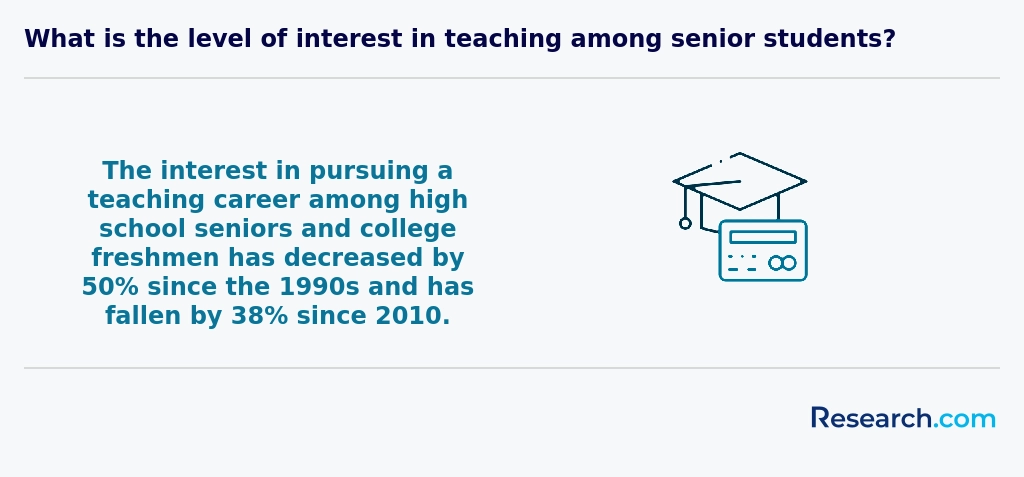
Graduates with an education degree in Pennsylvania often begin their careers in teaching jobs with education degree Pennsylvania, primarily within K-12 public schools, where Pennsylvania requires teacher certification. Many who studied at well-known institutions like Temple University or Penn State share how their programs' strong emphasis on state licensure preparation helped them secure rewarding teaching roles quickly after graduation.
Beyond traditional teaching, education degree career options in Pennsylvania include special education, school counseling, educational administration, and curriculum coordination. For example, graduates from community colleges in the state often find success in adult education and workforce training roles, providing vital skills to local communities. Others pursue careers in higher education, working as academic advisors or student affairs professionals at Pennsylvania's diverse colleges, enriching student experiences.
Students impressed by the range of opportunities often explore related fields while studying, sometimes guided by faculty who highlight the value of best college majors for the future within education. This forward-looking approach helps them match their passion with stable, impactful careers.
The job market for education degree graduates in Pennsylvania is robust, driven by steady demand across public school districts and private institutions. Many graduates from well-known colleges report positive experiences securing teaching roles, especially in high-need subjects like special education, math, and science. These specific areas often offer faster entry into employment due to ongoing teacher shortages, making it a practical focus for those aiming to start a teaching career quickly. Exploring teaching career opportunities in Pennsylvania also reveals growing prospects in educational technology and administration, with schools actively seeking professionals who can innovate and support evolving curricula.
Graduates from Pennsylvania's universities benefit from a state that invests significantly in education, offering certification programs tailored to local licensure requirements. For students concerned about costs, many public institutions offer in-state tuition averaging around $10,000, which helps manage expenses. Moreover, attending a Pennsylvania school connects you to a network of employers familiar with local education standards.
For those weighing options, comparing education degrees based on cost and career outcomes is useful. Many graduates recommend reviewing the highest paying 4 year degrees to understand the financial benefits of various education specializations before committing.
2027 Most Affordable Education Degree Programs Ranking in Pennsylvania
Investing in your education is a significant decision that can shape your future, and the Research.com team deeply understands the importance of making well-informed choices. To support prospective students in Pennsylvania, we have carefully developed the "2027 Most Affordable Education Degree Programs Ranking in Pennsylvania." Our dedication to quality, credibility, and accuracy is demonstrated through meticulous research and thorough analysis.
We utilized the following reputable data sources to ensure a comprehensive evaluation of affordable education degree programs:
By consulting this ranking, readers will obtain valuable insights into affordable and credible education degree programs in Pennsylvania, empowering them to make confident, informed decisions about their academic futures. For a detailed explanation of our approach, please visit our Research.com methodology page.


# 7 position
Pennsylvania State University-World Campus
Master of Education


# 10 position
Grove City College
B.S.in Elementary Education


# 15 position
Strayer University-Pennsylvania
Master of Education


# 18 position
East Stroudsburg University of Pennsylvania
Master of Education in Elementary Education


Frequently Asked Questions About education
Education degree students in Pennsylvania can maximize their learning experience by actively engaging in both theoretical and practical components of their programs. Many state universities, such as Penn State and Temple University, offer robust fieldwork opportunities including student teaching placements in local schools, which are essential for developing real-world skills. According to the Pennsylvania Department of Education, hands-on experience significantly improves student outcomes and teacher readiness.
Additionally, students should take advantage of academic support services like tutoring centers and faculty office hours. Participating in study groups can also enhance understanding through peer collaboration. Finally, leveraging resources such as state education conferences and online platforms can keep students updated with the latest teaching methods and policies.
Emerging niches within the education field in Pennsylvania reflect growing societal and technological needs. One key area is special education, where demand has increased by over 10% statewide in recent years, driven by new inclusivity laws and evolving student needs, according to the Pennsylvania Department of Education.
Another expanding niche is educational technology. Schools are adopting digital tools more rapidly, pushing the need for educators skilled in integrating technology into teaching. Pennsylvania's focus on STEM education also fuels growth in this sector.
Additionally, bilingual and English as a Second Language (ESL) teaching has gained importance due to rising cultural diversity among Pennsylvania students.
Preparing for the job market after earning an education degree in Pennsylvania involves several strategic steps. First, gaining classroom experience through student teaching is essential; Pennsylvania requires candidates to complete supervised practical teaching hours as part of certification. According to the Pennsylvania Department of Education, practical experience improves employability significantly.
Networking is equally important. Joining professional organizations like the Pennsylvania State Education Association can provide access to job listings and career resources. Additionally, graduates should focus on obtaining state certification promptly, as this is mandatory for most teaching roles in Pennsylvania's public schools.
Enhancing skills through workshops or advanced certifications can also improve job prospects. The Pennsylvania Department of Labor & Industry reports that nearly 65% of education graduates find employment within a year when actively engaged in professional development and job market preparation.
Employers in Pennsylvania seek education degree graduates with strong communication skills. Effective verbal and written communication is essential for working with students, parents, and colleagues. According to the Pennsylvania Department of Education, collaboration and teamwork abilities rank highly for new teachers entering the workforce.
Classroom management skills are also critical, enabling teachers to create a positive learning environment. Additionally, problem-solving and adaptability are valued, especially as schools integrate new technologies and adapt to diverse student needs.
Data from the National Center for Education Statistics shows that Pennsylvania schools increasingly emphasize technology proficiency, making digital literacy an important skill for graduates.
Finding internships in Pennsylvania for education degree students involves leveraging multiple resources available through universities and state education networks. Many Pennsylvania colleges, like Penn State and Temple University, have dedicated career services that connect students with local school districts and educational organizations offering internship placements.
The Pennsylvania Department of Education supports partnerships with public schools to facilitate field experiences essential for certification. Internships often focus on classroom assistance, curriculum development, and student engagement, providing practical skills required for teaching licensure.
Additionally, students can explore internship listings on platforms such as Handshake and Parker Dewey, which frequently feature Pennsylvania-based education opportunities. Networking with alumni and attending education career fairs in the state also significantly boosts chances of securing relevant internships.
According to the National Center for Education Statistics, Pennsylvania awards over 10,000 teaching certificates annually, highlighting the demand for qualified interns to meet workforce needs.
Holding an education degree significantly enhances career mobility and advancement opportunities in Pennsylvania's education sector. According to the Pennsylvania Department of Education, individuals with a bachelor's or higher degree in education are more likely to qualify for certified teaching positions, which offer higher salaries and job security compared to non-certified roles.
Further, advanced degrees such as a master's or doctorate often qualify educators for leadership positions, including principals and academic coordinators, which see median wages up to 25% higher than entry-level teaching roles. The Bureau of Labor Statistics reports that Pennsylvania expects a steady demand for qualified teachers and administrators through 2030, increasing opportunities for degree holders.
In addition to salary benefits, education degrees aid professionals in meeting licensure requirements and adapting to evolving educational standards in the state, fostering long-term career growth and flexibility.
Studying for an education degree in Pennsylvania offers strong preparation for interdisciplinary roles by integrating diverse academic disciplines and practical skills. Many Pennsylvania institutions design their programs to include coursework in psychology, sociology, and technology, allowing future educators to address varied classroom needs effectively.
Programs often emphasize collaborative learning, critical thinking, and problem-solving, skills essential when working across fields such as special education, counseling, or educational technology. According to the Pennsylvania Department of Education, over 60% of education graduates find roles requiring multifaceted expertise within five years of graduation.
This interdisciplinary approach ensures graduates are versatile, able to adapt to evolving educational environments and serve diverse student populations with comprehensive strategies.
Choosing between a thesis and a non-thesis education degree program in Pennsylvania depends largely on your career goals and time availability. Thesis options require conducting original research and writing a detailed paper, which suits those interested in academic or research-focused careers. Non-thesis tracks often involve additional coursework or practical experiences, appealing to professionals seeking quicker entry or advancement in K-12 education or administration.
According to the Pennsylvania Department of Education, about 65% of education graduates pursue certification through non-thesis programs, emphasizing practical skills. Tuition differences can also influence choice, as thesis tracks may take longer to complete.
Students based in Pennsylvania who wish to study education abroad have several options through their home institutions. Many Pennsylvania universities, including Penn State and Temple University, offer established study abroad programs specifically for education majors. These programs often partner with schools in Europe, Asia, and Latin America to provide practical teaching experiences combined with coursework.
According to the Institute of International Education, about 2% of U.S. education majors participate in study abroad, reflecting growing interest in global teaching perspectives. Pennsylvania students can access programs lasting a semester or summer, sometimes earning credits transferable toward their degrees.
Additionally, Education Abroad Offices within Pennsylvania institutions provide resources, scholarships, and advising tailored for education students. These options help future educators develop cross-cultural skills essential in today's diverse classrooms.
Part-time job opportunities in Pennsylvania that complement education degree studies are abundant, allowing students to gain practical experience while earning income. Common roles include teacher aides, tutors, and substitute teachers, which provide valuable classroom insights. According to the Pennsylvania Department of Education, the demand for substitute teachers grew by over 10% between 2019 and 2023, creating flexible employment options for education students.
Additionally, after-school program assistants and education program coordinators at community centers offer experience in youth development and instructional support. These positions help build skills directly applicable to future teaching careers. Local school districts and nonprofit organizations often post such jobs.
Working in these roles helps students apply theoretical knowledge from their coursework in real educational environments, enhancing both professional readiness and resumes.
Education students in Pennsylvania have access to numerous networking opportunities through their colleges and local organizations. Many universities, such as Penn State and Temple University, offer student teaching placements that connect students directly with K-12 schools, allowing them to build professional relationships early on.
Statewide education conferences, like those organized by the Pennsylvania Association of Colleges and Teacher Educators (PACTE), provide platforms to meet educators and administrators. Additionally, membership in professional groups such as the Pennsylvania Education Association (PEA) offers networking events and career resources.
Online platforms and alumni networks also play a growing role, helping students find internships and job openings within Pennsylvania's school districts.
Alumni networks provide significant advantages for education degree students in Pennsylvania. These networks offer access to experienced graduates who can provide mentorship, career advice, and professional connections. According to the Pennsylvania Department of Education, networking plays a crucial role in securing teaching positions, particularly in competitive districts.
Many Pennsylvania universities, such as Penn State and Temple, maintain active alumni associations that host events, workshops, and job fairs. These gatherings help students build relationships with educators already established in the field.
Furthermore, alumni networks often share job openings and recommend candidates, improving students' chances of employment after graduation. This peer support system complements formal career services and enhances professional growth opportunities in the state's education sector.
Customizing an education degree program in Pennsylvania allows students to align their studies with specific career goals. Many Pennsylvania universities offer specialization tracks, such as early childhood education, special education, or educational leadership, which help tailor knowledge and skills.
Students can often choose electives focused on curriculum development, counseling, or technology integration, providing flexibility within the degree structure. Practical experiences, including internships or student teaching in Pennsylvania schools, are commonly integrated to enhance real-world skills.
Additionally, online and part-time options are available at several Pennsylvania institutions, accommodating working professionals' schedules. According to the Pennsylvania Department of Education, personalized program pathways improve teacher retention and success rates in the state's diverse classrooms.
Education students in Pennsylvania typically face several challenges during their studies. One common issue is balancing demanding coursework with required field experiences, such as student teaching placements. According to the Pennsylvania Department of Education, student teaching often requires 12 to 16 weeks, which can be difficult to manage alongside other academic responsibilities.
Another challenge is meeting certification requirements. Pennsylvania has strict standards for educator licensure, including passing Praxis exams and completing background checks. These requirements can delay graduation or employment if not met on time.
Additionally, education students often encounter financial strain. The Pennsylvania Higher Education Assistance Agency reports that the average student loan debt for education majors in the state is around $30,000, which may create stress during and after the degree.
With an education degree in Pennsylvania, graduates can pursue several professional certifications to enhance their teaching credentials. The most common is the Pennsylvania Instructional I teaching certificate, which qualifies candidates to teach in public schools from kindergarten through grade 12.
After earning the Instructional I certificate, educators may advance to Instructional II and then to a Professional Teaching Certificate, which requires ongoing professional development. Special education certification is also a popular path, allowing teachers to work with students who have diverse learning needs.
Other certifications include school counselor, reading specialist, and administrator credentials. These certifications are regulated by the Pennsylvania Department of Education and require passing specific exams and completing required coursework. According to PDE data, approximately 85% of education graduates obtain certification within two years of graduation.
Writing a winning application for an education program in Pennsylvania requires attention to specific elements. Begin with a clear, concise personal statement that highlights your passion for teaching and commitment to student growth. Admissions committees often look for evidence of understanding educational challenges in Pennsylvania, where approximately 56% of public school teachers hold advanced degrees, according to the Pennsylvania Department of Education.
Include relevant experience such as volunteer work, internships, or employment in educational settings. Strong letters of recommendation from professionals familiar with your skills and character are crucial.
Finally, ensure all transcripts and standardized test scores meet program requirements, as most Pennsylvania institutions require a minimum GPA of 3.0 for education candidates.
Education careers are valued worldwide for their role in shaping future generations. In the United States, including Pennsylvania, teaching is considered both a stable and impactful profession. According to the Pennsylvania Department of Education, the state had over 170,000 certified teachers as of 2023, highlighting a consistent demand for qualified educators.
Globally, education professionals often face varying challenges such as resource availability and cultural differences. However, shared goals include fostering critical thinking and lifelong learning. Pennsylvania's education programs emphasize these skills while aligning with national standards like the Common Core.
Internationally, educators benefit from exchange programs and certifications that can enhance their careers. For students in Pennsylvania, understanding these global perspectives broadens career opportunities both domestically and abroad.
Gaining practical experience while studying for an education degree in Pennsylvania is essential for career readiness. Many Pennsylvania universities incorporate student teaching placements as part of their curriculum, allowing students to work directly in local K-12 classrooms under the supervision of certified teachers. This hands-on approach provides valuable classroom management and instructional skills.
In addition to student teaching, internships and volunteer opportunities with school districts, nonprofits, and educational programs are common. The Pennsylvania Department of Education supports partnerships between colleges and school districts to facilitate these experiences.
Some institutions also offer practicum courses and service-learning projects, enhancing real-world application. According to the National Center for Education Statistics, over 90% of Pennsylvania education students complete student teaching before graduation.
Choosing the right concentration within an education degree program in Pennsylvania begins with understanding your career goals. The state offers various concentrations such as special education, early childhood education, and secondary education, each aligning with specific teaching certifications issued by the Pennsylvania Department of Education.
Research shows that Pennsylvania schools have a growing demand for educators in STEM and special education fields. According to the Pennsylvania Department of Education's 2023 report, special education teachers made up nearly 15% of statewide instructional vacancies.
Consider the student populations, grade levels, and subjects you prefer to work with. Reviewing program requirements and state licensing standards helps ensure your concentration meets professional expectations in Pennsylvania's education system.
- 2027 Most Affordable Online Education Degree Programs Ranking in New Jersey
- 2027 Most Affordable Online Education Degree Programs Ranking in New York
- 2027 Most Affordable Online Education Degree Programs Ranking in Ohio
- 2027 Most Affordable Online Education Degree Programs Ranking in Virginia
- 2027 Most Affordable Online Education Degree Programs Ranking in Massachusetts
- 2027 Most Affordable Online Education Degree Programs Ranking in Kentucky
- 2027 Most Affordable Online Education Degree Programs Ranking in North Carolina
- 2027 Most Affordable Online Education Degree Programs Ranking in South Carolina
- 2027 Most Affordable Online Education Degree Programs Ranking in Indiana
- 2027 Most Affordable Online Education Degree Programs Ranking in Maine
See What Experts Have To Say About Studying Education
Read our interview with Education experts

Nooshan Ashtari
Education Expert
Professor & Book Author
University of Southern California

Alan J. Singer
Education Expert
Professor of Teaching, Learning and Technology
Hofstra University

- Career Goals: 17 Inspirational Examples for you in 2026 https://www.imd.org/blog/learning-and-development/career-goals/
- Practical Learning: Real-World Experience https://www.studiumalliance.com/post/how-practical-experience-enhances-learning
- Networking For Educators: How To Grow A Professional Circle - Carlow University https://www.carlow.edu/networking-for-educators/
- 10 Reasons Why Education Helps to Advance Your Career - Insight Training https://insight.edu.au/blog/career-advancement-through-education/
- Teacher of Global Perspectives (IGCSE) https://www.scie.com.cn/jobs-global-perspectives/
- Is a thesis always mandatory in a master's degree program? - EFMU: The Euler-Franeker Memorial University and Institute https://euler.euclid.int/is-a-thesis-always-mandatory-in-masters-degree-program/
- Teaching Programs in Pennsylvania https://www.educationdegree.com/states/pennsylvania/
- The Pros and Cons of Online Learning vs. Traditional Education https://www.sophia.org/blog/higher-education/pros-cons-online-learning-vs-traditional-education/
- Types of Financial Aid | PA State System of Higher Education https://www.passhe.edu/students/financial-aid.html
- The Future of Education: Emerging Trends Reshaping Learning Environments http://www.gesseducation.com/gess-talks/articles/future-education-emerging-trends-reshaping-learning-environments




