
2027 Most Affordable Online Doctorate in Education Degree Programs Ranking in Missouri

Co-Founder and Chief Data Scientist
Are you considering advancing your career with an online doctorate in education in Missouri? This article introduces the 2027 Most Affordable Online Doctorate in Education Degree Programs Ranking in Missouri, developed by the Research.com team of data scientists. It helps you find programs that balance quality and cost effectively.
We understand the importance of making informed decisions about your education. This guide highlights accessible options that fit your goals and budget, encouraging you to take confident steps toward a rewarding future.
Key benefits of getting online education degree in Missouri
- Salary for education degree graduates: Graduates can expect rewarding salaries, such as $96,570 annually for University Professors and Department Chairs, and up to $258,900 for Provosts and University Presidents, reflecting strong financial potential in education careers.
- Career paths: Education degree holders from Missouri State University often pursue diverse roles like academic leadership, teaching, or administrative positions, offering exciting opportunities tailored to their passions.
- Online degree benefits: Earning an education degree online from schools like the University of Missouri enables flexibility and balance, allowing students to work while studying and gain practical experience in real time.
- 2027 Most Affordable Online Doctorate in Education Degree Programs Ranking in Missouri
- What can I expect from online education degree in Missouri?
- Where can I work with online education degree in Missouri?
What can I expect from online education degree in Missouri?
The average cost of an online education degree in Missouri is both manageable and supportive of your professional journey, typically ranging between $500 and $700 per credit hour at prominent public universities like the University of Missouri and Missouri State University. Graduates often share how this affordability allowed them to focus fully on advancing their careers without overwhelming financial strain.
Imagine balancing coursework alongside your daily responsibilities, supported by flexible schedules designed for working educators. The combination of synchronous and asynchronous classes means you can learn at your own pace while still engaging with passionate faculty and classmates across the state.
Many students find that scholarships, financial aid, and employer tuition reimbursement programs further ease the investment needed. With Missouri's commitment to accessible and quality education, pursuing your doctorate online becomes a realistic, exciting step toward leadership roles that deeply impact schools and communities around you.
Where can I work with online education degree in Missouri?
With an online education degree in Missouri, graduates discover abundant opportunities in vibrant, rewarding careers. Many join public K-12 schools across cities and small towns, working as licensed teachers or school administrators, making a real difference in students' lives every day. Imagine a graduate from Missouri State University shaping young minds in a rural school, feeling the joy of creating lasting impact in their community.
Others choose to enrich higher education institutions like the University of Missouri system, serving as faculty members or academic advisors. These roles inspire graduates to contribute to future educators' journeys and lead innovative educational programs.
Graduates also thrive in cutting-edge educational technology and curriculum development, crafting digital learning tools embraced by schools statewide-especially important as remote learning grows. Some find fulfillment in policy work, shaping education reform alongside state agencies or nonprofits, turning data into real-world improvements.
Whether tutoring privately, consulting, or training corporate teams, Missouri's online education degree opens doors to diverse, inspiring careers that align with personal passion and purpose.
Graduates from online education programs at institutions like the University of Missouri or Missouri State University often find themselves stepping into rewarding roles with strong earning potential. For example, those who become university professors can expect to earn a mean annual salary of around $96,570, reflecting a respected and stable career. Graduates advancing to leadership positions such as academic deans see even greater rewards, with mean wages near $100,720, highlighting the financial benefits of pursuing advanced degrees.
For ambitious graduates aiming for top-tier administrative roles, the possibilities are truly inspiring. Positions such as provosts or university presidents offer mean annual salaries reaching $258,900, demonstrating how an online education degree can unlock significant financial and professional growth. Many Missouri graduates share stories of balancing online study with busy lives and later stepping confidently into these high-impact roles.
The earnings in Missouri's educational field reflect the state's commitment to investing in education leadership and expertise. Whether developing innovative curricula or leading academic departments, online degree holders feel the pride and excitement of knowing their education transforms not only their lives but also the futures of countless students.
- Missouri offers accredited online education degree programs at both bachelor's and graduate levels, designed for working professionals.
- In-state tuition at public universities ranges from $9,000 to $11,000 per year, while private institutions charge between $15,000 and $25,000 annually.
- Starting salaries for educators in Missouri average $40,000 to $45,000 per year, with experienced professionals earning $60,000 to $80,000 annually.
- The job market for education graduates in Missouri is stable, with growth expected in special education, STEM, and early childhood education.
- Certification for public school teachers requires completing an accredited program and passing state exams, which many online programs in Missouri support.
Completing an online education degree in Missouri is a journey tailored to fit your life's pace and goals. For many undergraduates, like those studying through popular institutions such as the University of Missouri or Missouri State University, the path to a Bachelor of Science in Education typically spans about four years. These students often appreciate the flexibility to accelerate their studies by taking extra courses or balancing work and family commitments.
Graduate students pursuing master's degrees find encouragement in programs designed for busy professionals, often finishing in as little as 1.5 years or taking up to three years if juggling part-time studies. Doctoral candidates, perhaps enrolled at institutions like Lindenwood University, embrace both traditional and accelerated paths, completing their Doctor of Education in three to six years depending on their individual schedules and research progress.
This adaptable structure reflects Missouri universities' commitment to helping every student thrive, offering options like transfer credits and cohort models that create a supportive, empowering learning experience. Graduates frequently share how these flexible programs allowed them to pursue their dreams without sacrificing their families or careers.
Embarking on an online doctorate program in Education requires not only choosing an affordable and accredited program but also developing strategies to thrive in a virtual learning environment. First, effective time management is crucial-establishing a dedicated study schedule, setting realistic goals, and taking regular breaks can enhance productivity and reduce burnout. Leverage the asynchronous nature of online courses by planning ahead and participating actively in virtual discussions to foster community and collaboration. Additionally, familiarize yourself with the digital tools and platforms used by your program, ensuring you’re comfortable navigating, troubleshooting, and maximizing their potential for learning. Building strong relationships with instructors and peers by actively engaging in online forums and group projects can also provide a supportive network that enhances both academic and professional growth. For further insights into optimizing your educational journey and choosing the best online program that fits your career aspirations, consider exploring the Best Online Doctorate in Higher Education Programs page, where expert rankings and additional resources are available to aid your decision-making process. Finally, maintain a balance between your studies, personal life, and professional responsibilities by regularly assessing your progress and adapting strategies as needed. Adopting these tips can help you not only succeed academically but also fully capitalize on the flexibility and opportunities afforded by an online Education program in Missouri.
Online and on-campus education degrees in Missouri each offer unique strengths tailored to your lifestyle and goals. Imagine a graduate from the University of Missouri, balancing a career and family, who thrives with the flexibility of online courses-studying on their own schedule while still earning a respected degree. This format removes commuting and campus fees, making education more accessible without sacrificing quality.
Conversely, graduates from Missouri State University often cherish the vibrant campus life, where face-to-face interactions spark spontaneous discussions and build lasting connections. The in-person experience, with access to libraries, labs, and real-time support, fosters deep engagement and motivates many students to reach their fullest potential.
Both paths share accredited programs recognized statewide, ensuring your degree holds value. Whether connecting digitally through video chats or walking campus halls, Missouri education students find supportive environments that inspire growth and success.
Choosing a regionally accredited institution-typically one recognized by the Higher Learning Commission (HLC)-is essential to ensure your online doctorate in education meets Missouri Department of Elementary and Secondary Education (DESE) standards and qualifies you for state licensure or certification reciprocity. Accreditation not only validates the quality of your curriculum but also: • Enables eligibility for federal financial aid and state grants. • Ensures seamless transfer of credits should you pursue post‐doctoral or complementary graduate studies. • Confirms that program outcomes align with Missouri educator preparation guidelines, including coursework in educational leadership, research methodologies, and practical internships. Before applying, verify that your program’s educator preparation provider (EPP) status is active with DESE’s Office of Educator Quality. Look for endorsements in areas such as Curriculum Design, Instructional Leadership, and Special Education, all of which carry specific credit hour and practicum requirements for initial or advanced teaching certificates. In addition, consider institutions that offer clear pathways to professional development and renewal credits beyond the doctorate-critical for maintaining Missouri’s five‐year teaching licenses. For those interested in further graduate study at an affordable rate, you may also explore our Low Cost Online Master's in Education Degree Programs Ranking in Greeley, CO, which highlights cost-effective master’s pathways that complement doctoral work and strengthen licensure portfolios.
Students pursuing an education degree online in Missouri find encouraging affordability, especially when comparing in-state options to private institutions. Graduates from public universities such as the University of Missouri-Columbia often share how manageable tuition, which averages around $356 per credit hour, allowed them to balance work, life, and studies without overwhelming financial strain. Similarly, Missouri State University offers online education programs with tuition ranging between $325 and $400 per credit hour, creating accessible pathways to degree completion.
For those seeking affordable online doctorate education programs Missouri is proud to offer options where total tuition typically falls between $9,000 and $27,000 for public, in-state learners. This flexibility helps many students envision a future where earning an advanced degree fits comfortably into their lifestyle and budget. Private universities might have higher tuition-often around $750 per credit hour-but many graduates emphasize the value of scholarships and financial aid, highlighting how these opportunities opened doors that once seemed distant.
Beyond tuition, graduates appreciate that most Missouri institutions keep added fees like technology and enrollment costs reasonable. Many students view these small expenses as investments in their seamless learning experience. As more individuals look for the most affordable education programs in Missouri, the prospect of joining the next wave of online learners feels empowering and achievable. Pursuing an education degree here brings both quality and value, making it a hopeful step toward fulfilling lifelong goals.
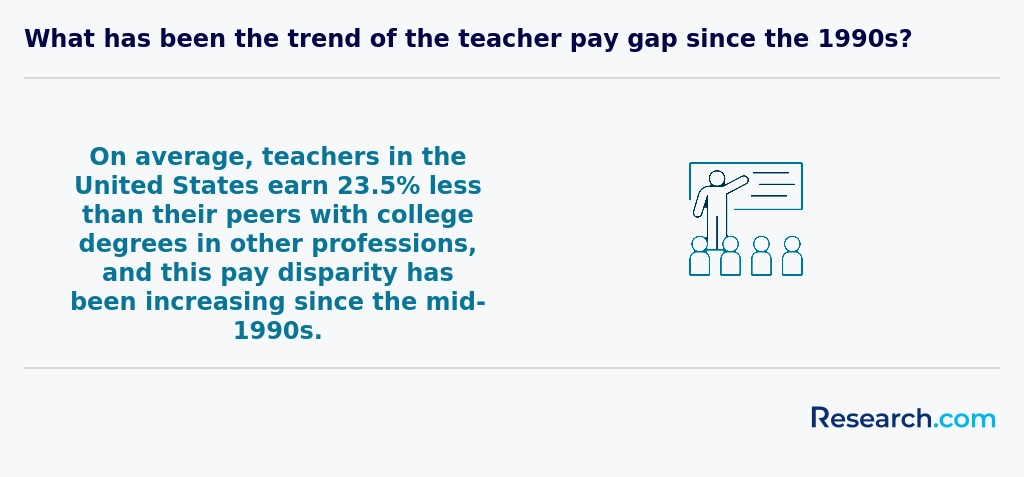
A robust research infrastructure and dedicated dissertation guidance are critical components of any top-tier online doctorate in education program. Missouri’s most affordable online doctorate offerings distinguish themselves through comprehensive support structures designed to help doctoral candidates transition from coursework to original research outcomes. Key Elements of Research and Dissertation Support:
- Faculty Mentorship: Students are paired with experienced faculty advisors who specialize in areas such as curriculum design, educational leadership, and learning technologies. Regular one-on-one virtual meetings ensure progress on literature reviews, methodology design, and data analysis.
- Research Centers and Resources: Many programs grant online students access to university research centers, digital archives, and subscription-based journals. This includes resources like the Missouri Education Research Library and cross-institutional databases.
- Dissertation Writing Workshops: Structured workshops and writing retreats help candidates refine dissertation proposals, develop coherent chapter outlines, and receive peer feedback. These sessions often feature guest sessions on qualitative and quantitative methods.
- Grant and Funding Opportunities: Candidates can apply for internal research grants, travel stipends for virtual conferences, and partnerships with external foundations to support field studies or pilot programs.
- Collaborative Research Projects: Doctoral cohorts frequently engage in collaborative studies, fostering peer accountability and broadening the scope of dissertation topics. This collaborative model enhances networking and multiplies opportunities for publication. For those looking to build a strong research foundation before embarking on a doctoral journey, our Low Cost Online Master’s in Education Degree Programs Ranking in Greeley, CO provides valuable insights into master’s-level research training and mentorship opportunities.
Graduate students pursuing online education degrees in Missouri find a wealth of financial aid options designed to support their journey. Many graduates from the University of Missouri and Missouri State University have shared how federal aid, such as Pell Grants and Direct Unsubsidized Loans, helped ease their tuition burden and allowed them to focus on learning rather than finances.
Beyond federal resources, Missouri's own Missouri Access Program (MAP) offers need-based grants that some graduate students can access, depending on their institution's eligibility. For those passionate about teaching, scholarships like the Missouri Teacher Education Scholarship provide both financial relief and motivation to give back to local schools.
Students often find assistantships or departmental awards available at major public universities, offering stipends in exchange for research or teaching - turning education expenses into opportunities for hands-on experience and growth. Additionally, many working professionals benefit from employer tuition reimbursement programs, making advanced degrees even more achievable by reducing out-of-pocket costs.
With these robust aid options, Missouri's online education students are empowered to pursue their dreams confidently and transform their passion into impact.
Accreditation serves as a critical benchmark for assessing the rigor and credibility of online doctorate in education programs in Missouri. Regional accreditation agencies such as the Higher Learning Commission (HLC) evaluate institutions on factors like governance, financial stability, and student support services, ensuring that degrees meet established academic standards. In addition, specialized accreditors like the Council for the Accreditation of Educator Preparation (CAEP) or the National Council for Accreditation of Teacher Education (NCATE) focus on program-specific criteria-curriculum quality, faculty credentials, and measurable student outcomes-that directly impact licensure eligibility and employability. Prospective students should always verify a program’s accreditation status by consulting the U.S. Department of Education database or directly visiting the accreditor’s website. Accreditation not only influences the transferability of credit hours but also determines access to federal financial aid and state-specific grants. For example, completing a CAEP-accredited online doctorate in education can streamline the process of certificating or renewing teaching credentials across Missouri and other states. Beyond formal accreditation, program quality can be gauged through metrics such as graduation rates, average time to completion, and post-graduation employment statistics. Many universities publish annual outcome reports; comparing these figures can reveal which institutions consistently deliver on promises of affordability and academic excellence. When evaluating programs, it can be helpful to cross-reference related rankings-such as the Low Cost Online Master’s in Education Degree Programs Ranking in Greeley, CO-to gain additional perspective on cost-effectiveness and institutional reputation. Finally, accreditation reviews also examine the technology infrastructure and student support systems vital to online learning success. Key elements include 24/7 technical help desks, virtual libraries, and robust learning management systems that facilitate interactive coursework. By prioritizing accredited programs with comprehensive quality-assurance measures, Missouri students can confidently invest in an online doctorate in education that will be recognized by employers, licensure boards, and fellow academics nationwide.
Embarking on an online education degree in Missouri is an exciting journey enhanced by clear, achievable prerequisites. For many undergraduate students at popular universities like the University of Missouri, holding a high school diploma or GED is the first step. Some have found that submitting ACT or SAT scores opens doors, though test-optional paths now offer more flexibility and hope.
Graduate students pursuing advanced education degrees often reflect on the pride they felt holding a bachelor's degree from accredited Missouri institutions such as Missouri State University. A solid GPA, usually around 2.75 to 3.0, coupled with heartfelt letters of recommendation and thoughtful statements of purpose, showcased their commitment and readiness.
Doctoral candidates embrace the challenge with confidence, bringing in rich professional experience and advanced credentials, sometimes from Lindenwood University or similar schools. Their dedication shines through in research proposals, demonstrating their passion to impact education deeply.
This vibrant academic community in Missouri supports every step confidently toward achieving educational dreams online.
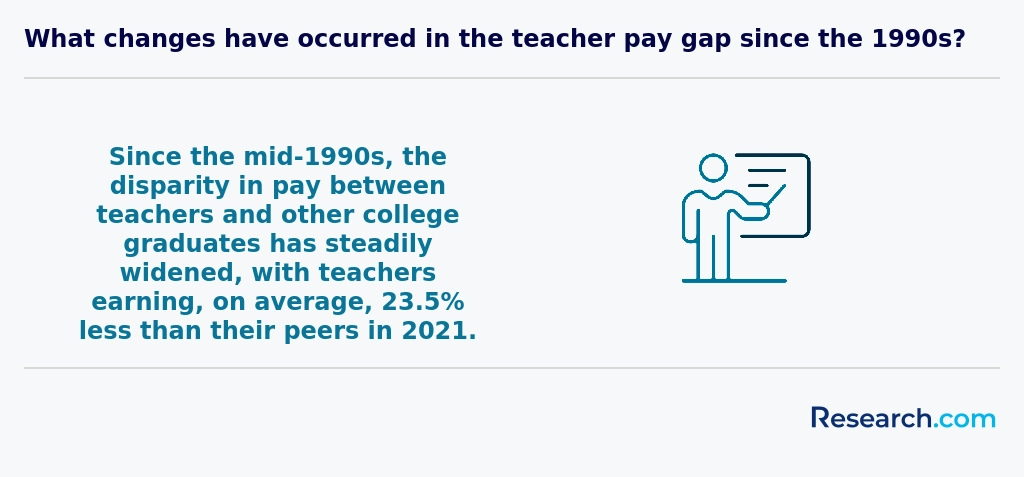
When considering a career in education, the importance of affordability cannot be overstated. Prospective students often find themselves at a crossroads, weighing the benefits of advanced education against the financial burdens it may impose. However, institutions in Missouri are committed to providing accessible pathways to educational careers, acknowledging that the future of education depends on attracting and retaining talented individuals. For those interested in exploring affordable options, researching the most affordable education programs in Missouri can be a pivotal step. This research can unveil a myriad of opportunities, from scholarships and grants to flexible payment plans and online programs designed to fit around existing commitments. By choosing an affordable education program, individuals can embark on their educational journey with a clear mind, focused on their career aspirations rather than financial anxieties. This approach not only benefits the individual but also contributes to the broader educational landscape in Missouri, fostering a community of educators who are passionate, dedicated, and well-prepared to inspire future generations.
Earning an online education degree in Missouri opens the door to engaging, inspiring courses designed to empower future educators. Graduates from well-known institutions like the University of Missouri often highlight how Foundations of Education gave them a deep appreciation of the history and philosophy behind teaching, helping them connect personal passion with professional purpose.
Courses such as Educational Psychology bring classroom scenarios to life, allowing students to understand how children learn and grow, which is incredibly rewarding when applying those skills in real Missouri schools. In addition, Curriculum Design and Assessment guides students in creating meaningful lesson plans that truly meet students' needs, reflecting Missouri's strong commitment to aligned educational standards.
Many appreciate how Instructional Technology equips them with tools to engage 21st-century learners effectively-an essential skill for online and blended teaching across the state. Meanwhile, Classroom Management and Leadership helps future teachers feel confident and ready to lead with empathy and authority.
Graduates often recall how Research Methods in Education enriched their critical thinking, enabling them to continuously improve their teaching practices and serve diverse Missouri communities with dedication and innovation.
Students pursuing online education degree specializations Missouri often find exciting options that directly support their passion for shaping future generations. Many choose Curriculum and Instruction, where graduates from popular institutions like the University of Missouri develop creative teaching strategies that transform classrooms into vibrant learning communities. This specialization inspires them to become instructional coordinators who boost student success.
Others embrace Educational Leadership and Administration, a path favored by many in Missouri's public schools. Graduates feel empowered leading as principals or district administrators, managing schools with confidence and heart. This specialization reflects the dynamic demands of Missouri online doctorate in education focus areas, nurturing leaders ready to make impactful changes.
Special Education is another rewarding focus, where students learn to champion inclusion and support diverse learners across Missouri's classrooms. Additional tracks like Higher Education Administration or Instructional Technology open doors to exciting careers in college management or digital teaching innovations. For those aiming higher, programs such as the Best Online Doctorate in Higher Education Programs offer transformative experiences to push their careers further.
Choosing the best online education degree in Missouri means focusing on what truly matters to your future. Graduates from well-known Missouri universities often emphasize the value of attending accredited programs recognized by the Higher Learning Commission, ensuring their degrees open doors nationwide. Imagine yourself balancing work and study while accessing flexible, part-time options and asynchronous classes that fit your busy lifestyle.
Many find success by selecting programs that align closely with their goals-whether that's educational leadership or curriculum design-offered at top public institutions within Missouri's vibrant academic landscape. Cost is a practical concern; with in-state tuition typically between $8,000 and $15,000 annually, financial aid and scholarships create exciting opportunities to invest in your future without overwhelming debt. For those seeking affordable options, checking rankings such as the Low Cost Online Master's in Education Degree Programs Ranking in Greeley, CO can be inspiring.
Graduates often share how strong support services, including academic advising and technical help, have played a vital role in their success-reminding prospective students that flexibility and comprehensive resources are just as important as curriculum. By focusing on these factors in Missouri, your journey toward an online education degree becomes an empowering experience.

Graduates with an online education degree in Missouri find inspiring opportunities across a variety of rewarding career paths. Many become licensed teachers, stepping confidently into classrooms equipped with knowledge from respected institutions like the University of Missouri or Missouri State University. These educators create positive learning environments that shape young minds every day. For those drawn to leadership, roles such as principals or instructional coordinators are flourishing, offering chances to influence school culture and policies. Alumni from Missouri's universities have shared how their leadership training empowered them to make meaningful changes in their districts.
Careers with online doctorate in education Missouri open doors to advanced roles like college faculty, academic advisors, or instructional designers, particularly in vibrant college towns such as Columbia and Springfield. Graduates describe the fulfillment of supporting adult learners and shaping higher education programs. Specialized paths in counseling or special education also thrive here, with many noting the competitive salaries and community impact. To help manage education costs, many students explore options like the Low Cost Online Master's in Education Degree Programs Ranking in Greeley, CO, making these ambitions accessible.
The job market for online education degree holders in Missouri is vibrant and full of opportunity. Graduates from well-known universities across the state report securing rewarding roles in K-12 schools and higher education institutions, where their modern teaching skills and flexibility gained through online study are highly valued. Missouri's commitment to strengthening educational outcomes means these professionals are in demand, especially in STEM areas and ESL programs.
For those pursuing a Missouri education doctorate career outlook is particularly bright, as advanced degrees open doors to leadership positions in school administration and university faculty roles. Many graduates from popular colleges find themselves leading curriculum development teams or influencing education policy, thanks to strong preparation and local recognition of their online credentials.
One graduate shared how online programs allowed them to balance family responsibilities while advancing their career, ultimately boosting their earning potential and job satisfaction. To explore more pathways, consider looking into online certifications that pay well which complement education degrees neatly in today's evolving job market.
2027 Most Affordable Online Doctorate in Education Degree Programs Ranking in Missouri
Investing in your education is a significant decision that can shape your future, and the Research.com team understands the importance of making informed choices. To assist prospective students in Missouri, we have meticulously crafted the "2027 Most Affordable Online Doctorate in Education Degree Programs Ranking in Missouri." Our commitment to quality, credibility, and accuracy is reflected in the extensive research and analysis conducted to compile this ranking.
We utilized the following reputable data sources to ensure a comprehensive evaluation of online doctorate in education programs:
By exploring this ranking, readers will gain valuable insights into the most affordable and credible online doctorate in education programs available in Missouri, helping them make well-informed decisions about their educational paths. For more details on how this ranking was created, please visit our Research.com methodology page.
# 1 position
A.T. Still University
Doctor of Health Professions Education


Frequently Asked Questions About education
Students pursuing online education degrees in Missouri can maximize their learning experience by actively engaging with course materials and participating in virtual discussions. Research shows that Missouri colleges offering online programs, such as the University of Missouri System, emphasize interaction between students and faculty to improve outcomes (Missouri Department of Higher Education & Workforce Development, 2023).
Time management is essential; students should create consistent study schedules to balance work, family, and academic responsibilities. Utilizing available campus resources like online tutoring and academic advising can also enhance progress. Additionally, joining professional networks related to education in Missouri helps build connections and practical insights.
Employing these strategies supports skill development and increases chances of successful degree completion in Missouri's growing online education landscape.
The education field in Missouri is witnessing growth in several emerging niches, especially in online degree programs. One significant area is digital and educational technology, where professionals design tools to enhance remote learning experiences. According to the Missouri Department of Higher Education, enrollment in technology-focused education degrees has increased by over 20% in recent years. Another growing niche is special education leadership, driven by rising demand for experts who can develop inclusive policies and personalized learning strategies. Additionally, there is expanding interest in educational data analytics, helping schools improve outcomes through evidence-based decisions. These fields reflect Missouri's adaptation to evolving educational needs nationwide.
After completing an online education degree in Missouri, preparing for the job market involves several key steps. First, graduates should utilize Missouri's strong educational networks, such as the Missouri Department of Elementary and Secondary Education, which provides licensure resources and job placement assistance.
Building a professional resume that highlights online learning skills and any practical experience gained during coursework is crucial. Missouri's teacher shortage areas, reported by the Department for Elementary and Secondary Education, can offer targeted job opportunities, especially in subjects like math, science, and special education.
Networking through local education conferences and Missouri-based professional groups is also beneficial for job placement.
Employers in Missouri prioritize several key skills for graduates with education degrees. Strong communication abilities are essential, as teachers must effectively share knowledge and connect with diverse student populations. Additionally, classroom management skills rank high in importance to maintain a productive learning environment.
Data from the Missouri Department of Elementary and Secondary Education highlights critical thinking and problem-solving as sought-after traits that help educators tailor lessons to individual needs. Technological proficiency is increasingly valued, given the rise of online and blended learning models in Missouri schools.
Finally, employers look for collaboration skills, as working within teams and with parents supports student success. These competencies prepare education graduates for the evolving demands of Missouri's classrooms.
Finding internships in Missouri that align with an education degree involves several strategic steps. Start by exploring partnerships between your online program and local school districts, many of which offer student teaching and internship opportunities. According to the Missouri Department of Elementary and Secondary Education, nearly 90% of teacher candidates complete internships through district collaborations. Networking is crucial; attending local education job fairs or connecting with Missouri's Regional Professional Development Centers can open doors. Additionally, online platforms like Handshake and the Missouri Educator Gateway provide listings tailored to education internships statewide. Early planning and proactive communication with program advisors enhance your chances of securing a relevant internship.
An online education degree in Missouri can significantly enhance career mobility and advancement opportunities. According to the Missouri Department of Higher Education & Workforce Development, educators with advanced degrees often benefit from higher salary tiers and greater job security in both public and private institutions.
The flexibility of online programs allows working professionals to earn credentials without interrupting their careers, which supports continuous professional growth. Many districts in Missouri recognize online degrees from accredited institutions, facilitating qualification for leadership roles such as curriculum coordinators or school administrators.
Data from the Missouri State Board of Education indicates that individuals holding a doctorate in education see a median salary increase of approximately 15% compared to those with only a master's degree.
Furthermore, online degrees provide access to updated educational practices and leadership strategies, essential for advancing within Missouri's evolving education system.
Studying for an education degree in Missouri, especially through online programs, equips students for interdisciplinary roles by emphasizing diverse skills and knowledge across multiple fields. Missouri's education degrees often integrate coursework in psychology, technology, administration, and special education, reflecting the state's push toward holistic educator preparation, as noted by the Missouri Department of Higher Education & Workforce Development.
Online programs encourage collaboration, problem-solving, and adaptability, key traits for roles that span education, counseling, and policy-making. According to the National Center for Education Statistics, Missouri's educators engage in ongoing professional development, supporting interdisciplinary competencies.
This approach aligns with workforce needs in Missouri's growing education and public service sectors, preparing graduates to work effectively in varied environments.
Choosing between a thesis and a non-thesis education degree in Missouri depends on your career goals and learning preferences. Thesis programs focus on research, requiring original work that can benefit those planning academic or research careers. Non-thesis options emphasize practical skills and coursework, ideal for professionals aiming to advance in educational leadership or administration.
According to the Missouri Department of Higher Education & Workforce Development, students in doctoral education programs often weigh workload and time commitments. Thesis routes typically demand more time, averaging 1-2 additional semesters for research and writing. Non-thesis programs may allow faster completion, appealing to working professionals.
Consider whether you prefer hands-on projects or theoretical research. Missouri universities offering online education degrees, such as the University of Missouri system, provide clear program outlines to help decide. Consulting advisors and reviewing curriculum can further clarify your best fit.
Students based in Missouri who want to study education abroad through online programs have several options, particularly via partnerships between Missouri universities and international institutions. Many Missouri institutions, like the University of Missouri system, offer online education degrees with globally recognized curricula that can facilitate international teaching credentials.
Additionally, Missouri students can enroll in accredited online education programs from out-of-state universities that include study abroad components or international internships. According to the Missouri Department of Higher Education, in 2023 over 15% of education students participated in online or hybrid programs, showing growing flexibility.
Some programs emphasize global education perspectives, allowing Missouri students to gain international experience remotely, which suits those unable to travel. Students are encouraged to verify state licensure reciprocity if intending to teach abroad. Resources like the National Center for Education Statistics provide updated data on program availability and enrollment trends.
Part-time job opportunities in Missouri that complement education degree studies often include roles such as teacher's aides, after-school program coordinators, and substitute teachers. These positions provide practical classroom experience while allowing flexibility for online students. According to the Missouri Department of Elementary and Secondary Education, substitute teaching positions are in steady demand, offering hourly wages ranging from $12 to $18 depending on the district.
Additionally, tutoring services, either through local community centers or online platforms, are popular options that reinforce subject matter expertise. Working in educational nonprofits or summer camps can also provide valuable leadership and instructional skills relevant to education careers.
Online education students in Missouri have several networking opportunities despite the virtual format. Many universities offer access to digital forums, virtual study groups, and online professional development events. For example, institutions like the University of Missouri and Southeast Missouri State provide students with platforms to connect with peers and faculty.
Statewide education organizations such as the Missouri Association of Colleges for Teacher Education (MACTE) also host conferences and workshops that are accessible online. These events allow online students to engage with educational leaders and alumni.
Research indicates that nearly 75% of Missouri's online learners participate in at least one networking activity during their program, enhancing their professional contacts significantly (source: Missouri Department of Higher Education & Workforce Development, 2023).
Alumni networks play a crucial role in supporting online education degree students in Missouri. These networks provide access to professional connections, mentorship, and career resources that can enhance job prospects after graduation. According to the Missouri Department of Higher Education, 72% of graduates who engage with alumni networks report improved employment opportunities within six months of degree completion.
Through these connections, students can find job openings not widely advertised and gain insights into local education trends. Alumni events and online forums also help graduates stay current with educational policies and innovations, which is vital in Missouri's evolving academic landscape.
Moreover, many Missouri universities with online programs offer dedicated alumni services that foster lifelong learning and professional growth. This support can be particularly beneficial for those balancing work, family, and studies.
Customizing an online education degree program in Missouri allows students to align their studies with specific career goals. Many Missouri universities offer flexible coursework options, enabling learners to choose concentrations such as curriculum development, educational leadership, or special education. The Missouri Department of Higher Education supports these adaptable pathways to meet workforce needs. Additionally, students can often select electives or capstone projects that focus on areas like technology integration or policy analysis. This tailored approach helps graduates develop expertise relevant to roles in K-12 schools, higher education, administration, or educational consulting. Always review each institution's program structure and accreditation to ensure quality and relevance.
Online education students in Missouri face several common challenges, despite advances in technology and growing program availability. One major issue is balancing coursework with personal and professional responsibilities, as many learners are working adults or parents. According to the Missouri Department of Higher Education, about 60% of online students juggle work alongside their studies. Technical difficulties and limited access to reliable internet in rural areas further complicate learning, especially since Missouri has 30% of its population living in rural communities. Additionally, some students report feeling isolated due to reduced face-to-face interaction, which can affect motivation and engagement.
The variety of program quality across institutions also poses challenges. Students must carefully evaluate accreditation and curriculum rigor to ensure their degree holds value in Missouri's education job market. Finally, navigating financial aid for online programs can be confusing, as not all funding options available for on-campus students fully apply. Understanding these challenges helps prospective students prepare for successful online education experiences in Missouri.
With an online education degree in Missouri, you can pursue several professional certifications that enhance your teaching credentials and career opportunities. Common certifications include the Missouri Teaching Certificate, which is required for most public school teachers in the state. This certification involves passing the Missouri General Education Assessment and content-specific tests.
Additionally, many educators seek National Board Certification, recognized nationwide and often supported by Missouri's Department of Elementary and Secondary Education for salary incentives. Specialists can also pursue certifications in reading, special education, or administration.
The Bureau of Labor Statistics notes that certified teachers typically have higher job stability and earning potential. Missouri's emphasis on certification ensures educators meet high standards, which benefits both teachers and students.
To write a winning application for an online education program in Missouri, start by thoroughly researching your targeted schools and their program requirements. Missouri has a growing number of accredited institutions offering online education degrees, such as the University of Missouri and Missouri State University, which meet regional accreditation standards essential for quality.
Highlight your relevant academic background and professional experience clearly. Missouri values practical experience combined with strong academic performance, so provide detailed examples and quantified achievements whenever possible.
Strong letters of recommendation and a well-crafted personal statement tailored to Missouri's education goals can set you apart. Use the statement to explain how your goals align with Missouri's educational needs and innovation in online learning.
Keep your application organized, error-free, and submit all required documents by deadlines. According to the Missouri Department of Higher Education, meeting deadlines and showing commitment are crucial in highly competitive cohorts.
Globally, education careers are valued for their role in shaping future generations, and this perspective influences the U.S., including Missouri. Many countries emphasize teacher preparation, research, and leadership in education as key to improving national outcomes. In Missouri, online education degrees reflect this trend by offering flexible pathways aligned with global standards.
According to the Missouri Department of Higher Education & Workforce Development, over 60% of teachers in the state seek advanced credentials to meet evolving educational demands. Online programs help address this need by enabling professionals to gain expertise without relocating.
Internationally, educators are encouraged to adopt inclusive, culturally aware teaching methods, a focus that Missouri's programs increasingly incorporate to prepare graduates for diverse classrooms.
Gaining practical experience while pursuing an online education degree in Missouri is essential for career readiness. Many Missouri universities offer virtual student teaching placements, allowing candidates to work remotely with local schools. This approach meets Missouri Department of Elementary and Secondary Education (DESE) requirements, which emphasize hands-on experience in diverse classroom settings.
Students can also engage in internships and practicum experiences coordinated by their programs. According to DESE, candidates must complete a minimum 600 hours of supervised clinical practice. Partnerships between universities and school districts in cities like St. Louis and Kansas City often provide accessible opportunities for online learners.
Additionally, some programs encourage community-based projects to apply educational theories in real-world contexts. This combination of virtual and in-person experiences helps build a strong professional foundation.
Choosing the right concentration within an online education degree program in Missouri depends on your career goals and interests. Popular areas include curriculum design, educational leadership, special education, and technology integration. According to the Missouri Department of Elementary and Secondary Education, districts increasingly seek leaders skilled in instructional technology and inclusive practices.
Evaluate labor market trends and regional demand. For example, special education teachers in Missouri earn a median salary of about $54,000 annually, showing steady growth. Additionally, check if the concentration aligns with Missouri's certification requirements if you plan to work in public schools.
Consider programs offering practical experiences or partnerships with local schools to enhance your skills and employability.
- 2027 Most Affordable Online Doctorate in Education Degree Programs Ranking in Nebraska
- 2027 Most Affordable Online Doctorate in Education Degree Programs Ranking in Kentucky
- 2027 Most Affordable Online Doctorate in Education Degree Programs Ranking in Indiana
- 2027 Most Affordable Online Doctorate in Education Degree Programs Ranking in Minnesota
- 2027 Most Affordable Online Doctorate in Education Degree Programs Ranking in Colorado
- 2027 Most Affordable Online Doctorate in Education Degree Programs Ranking in Mississippi
- 2027 Most Affordable Online Doctorate in Education Degree Programs Ranking in Michigan
- 2027 Most Affordable Online Doctorate in Education Degree Programs Ranking in Georgia
- 2027 Most Affordable Online Doctorate in Education Degree Programs Ranking in Texas
- 2027 Most Affordable Online Doctorate in Education Degree Programs Ranking in Florida
See What Experts Have To Say About Studying Education
Read our interview with Education experts

Nooshan Ashtari
Education Expert
Professor & Book Author
University of Southern California

Alan J. Singer
Education Expert
Professor of Teaching, Learning and Technology
Hofstra University

- How To Write A Great Cover Letter For Teacher Training - Engage Education https://engage-education.com/blog/how-to-write-a-great-cover-letter-for-teacher-training/
- Working in Ed Tech: How to Identify Your Niche and Build Relevant Skills https://www.highfivepartners.com/blog/working-in-ed-tech-how-to-identify-your-niche-and-build-relevant-skills
- The Pros and Cons of Online Learning vs. Traditional Education https://www.sophia.org/blog/higher-education/pros-cons-online-learning-vs-traditional-education/
- Students: This is How You Should Prepare for the Job Market https://www.agencycentral.co.uk/articles/students-this-is-how-you-should-prepare-for-the-job-market/
- Missouri State Teacher Certification Guide | All Education Schools https://www.alleducationschools.com/teacher-certification/missouri/
- Online Colleges in Missouri | OEDb.org https://www.oedb.org/missouri/
- Skills Employers Look for in Business Graduates – EU Business School https://www.euruni.edu/blog/skills-employers-look-for-in-business-graduates/
- Online Degree vs. Traditional: Choosing the Right Path https://beal.edu/online-degree-vs-traditional/
- Why Is Education Important in Your Career Advancement? - KWSP Malaysia https://www.kwsp.gov.my/en/w/article/career-advancement
- Online Teaching Jobs | Elevate K-12 https://www.elevatek12.com/online-teaching-jobs/


