
2027 Most Affordable Online Doctorate in Education Degree Programs Ranking in Nebraska

Co-Founder and Chief Data Scientist
Are you exploring affordable ways to advance your education career in Nebraska? This article presents the 2027 Most Affordable Online Doctorate in Education Degree Programs Ranking in Nebraska developed by the Research.com team of data scientists. It offers clear, data-driven insights to help you find the best value programs that fit your goals and budget.
Pursuing a doctorate in education can open doors to leadership and growth. Reading this ranking will empower you to make informed decisions and choose a path that truly supports your future success.
Key benefits of getting online education degree in Nebraska
- Graduates with education degrees in Nebraska can expect strong earning potential, such as Academic Deans earning around $100,720 annually and University Presidents making up to $258,900, reflecting rewarding career opportunities.
- Many education degree graduates in Nebraska find versatile career paths, from teaching roles to leadership positions at universities, exemplified by alumni from the University of Nebraska-Lincoln building diverse, fulfilling careers.
- Online education degrees offer the flexibility to balance work and study, allowing graduates from programs like those at the University of Nebraska Omaha to gain valuable skills while advancing their careers without interrupting their daily lives.
- 2027 Most Affordable Online Doctorate in Education Degree Programs Ranking in Nebraska
- What can I expect from online education degree in Nebraska?
- Where can I work with online education degree in Nebraska?
What can I expect from online education degree in Nebraska?
Students pursuing online education degrees in Nebraska typically encounter tuition costs that are notably affordable, especially for in-state residents. For example, graduates from the University of Nebraska-Lincoln reported tuition rates averaging below $10,000 per year for online graduate education programs as of 2023. This affordability allows working professionals to balance financial responsibilities while advancing their careers.
Many learners appreciate this cost-effectiveness, which, combined with flexible scheduling, makes it possible to maintain full-time employment during their studies. Online programs at institutions like Creighton University also offer comparable pricing structures alongside access to scholarships and assistantships, helping further alleviate financial stress.
This economic advantage aligns with the practical nature of Nebraska's education degrees, which emphasize applicable skills such as curriculum design and leadership. Graduates often describe their experiences as strategically wise investments, positioning them well for roles like instructional coordinators and school administrators within the state's growing education sector.
Where can I work with online education degree in Nebraska?
Graduates with an online education degree in Nebraska commonly find employment in K-12 public schools, where approximately 38,000 teachers work statewide as reported by the Nebraska Department of Education in 2023. Many education students from the University of Nebraska appreciate how their degree directly qualifies them for teaching or specialist roles within these school districts.
Other career paths include roles such as curriculum developers, instructional coordinators, and education consultants. These positions often require advanced qualifications and skills in educational technology-a strength emphasized in programs at Nebraska Wesleyan University, where graduates report confidence in applying tech-driven teaching methods.
Higher education institutions, including community colleges and the University of Nebraska system, also offer opportunities as academic advisors or faculty. Many online graduates with master's or doctoral degrees enjoy these positions, finding rewarding experiences in mentoring students and shaping academic policies.
Additionally, Nebraska's growing focus on remote learning fuels demand in private firms and nonprofits managing e-learning platforms. Graduates frequently express enthusiasm for these flexible roles that blend education expertise with innovative technology.
Graduates holding online education degrees from Nebraska institutions, such as the University of Nebraska or Creighton University, often secure roles with competitive salaries. Postsecondary education administrators in Nebraska typically earn around $84,000 annually, positioning online degree holders well for mid- to senior-level administrative positions. For example, graduates advancing to become university professors or department chairs nationally can expect mean salaries near $96,570, reflecting strong earning potential in academic careers.
Those pursuing leadership roles such as academic deans see higher compensation, with average annual wages of $100,720. At the top tier, provosts and university presidents earn mean salaries around $258,900, showcasing the financial rewards available to online education graduates advancing into executive roles. Recent graduates have reported satisfaction after transitioning into these leadership roles, appreciating salary growth linked to their advanced online degrees.
These figures are particularly encouraging given Nebraska's lower cost of living, enhancing the value of such salaries. Graduates find that investing in an online education degree opens pathways to rewarding careers with positive work-life balance across Nebraska's diverse educational settings.
- Nebraska offers accredited online education degrees at both bachelor's and advanced graduate levels recognized statewide and nationally.
- In-state tuition for public universities ranges from $250 to $350 per credit hour, costing about $7,500 to $10,500 for a 30-credit master's degree.
- Entry-level educators with a bachelor's degree earn around $45,000 annually, while those with doctorates can make between $70,000 and $85,000.
- The state experiences teacher shortages in rural areas and STEM fields, increasing demand for qualified education graduates.
- Online programs often include preparation for the Nebraska Teacher Certification test, supporting licensure and employment transitions.
The typical time to complete an online education degree in Nebraska varies by the level of study and enrollment status. Bachelor's programs usually take about four years for full-time students, aligning with traditional on-campus durations but offering the advantage of flexible scheduling. Graduates from the University of Nebraska often remark on how this flexibility allowed them to manage work alongside coursework effectively.
Master's degrees such as the M.Ed. or MAT typically require one to two years full-time; however, part-time students at institutions like Wayne State College may take up to three years or more, balancing professional responsibilities with study.
Doctoral programs, including Ed.D. or Ph.D. options offered online, often range from three to six years. This progression depends on credit requirements-from 60 to 90 graduate hours-and the individualized pace of dissertation research.
Many Nebraska students appreciate how asynchronous courses improve work-life balance, helping them stay motivated and engaged while progressing steadily toward their educational goals.
One way to gauge the true value of Nebraska’s online Doctorate in Education offerings is by comparing them with similar programs in other regions. Benchmarking tuition, completion rates, and career outcomes helps prospective students identify standout programs and uncover hidden savings. For instance, neighboring states like North Carolina have also prioritized affordability in graduate education-take a look at the Cheapest Online Master’s in Education Degree Programs Ranking in North Carolina to see how per-credit costs, financial aid packages, and post-graduation employment rates stack up. Key comparison points include:
- Tuition per Credit Hour: Nebraska’s public universities average $775 per credit for in-state doctoral students, while North Carolina’s leading online programs offer rates as low as $650 for residents.
- Scholarship and Grant Availability: Nebraska’s TEACH Grant participation rate is 35%, compared to 42% in North Carolina, indicating opportunities to increase state-specific awards.
- Time to Completion: Nebraska online doctorate candidates typically finish in 3–4 years, aligning with the national average, whereas many North Carolina institutions offer accelerated tracks that reduce the timeline to 2.5 years.
- Career Outcomes: Nebraska graduates report an 88% placement rate in administrative and higher-ed roles within six months, slightly above North Carolina’s 85%, underscoring the strength of Nebraska’s network and state education partnerships. By evaluating these metrics across states, you can prioritize programs that balance cost, quality, and speed-ensuring your investment in an online Doctorate in Education delivers maximum return.
Education degrees in Nebraska differ primarily in delivery and flexibility. On-campus programs, such as those at the University of Nebraska-Lincoln, require physical attendance, offering direct interaction with professors, hands-on learning, and access to campus resources like libraries and tutoring centers. Graduates from these programs often highlight the benefits of face-to-face engagement and tailored career counseling specific to Nebraska's educational landscape. However, attending on-campus means managing commute times or relocating, which can increase living expenses.
Online education degrees in Nebraska provide a flexible alternative, allowing students to complete coursework remotely through digital platforms. This format suits working professionals or those balancing family commitments. Graduates appreciate maintaining their current lifestyle while pursuing the same curriculum and faculty expertise as on-campus peers. According to recent National Center for Education Statistics data, online graduate enrollment has risen over 12%, reflecting Nebraska institutions' expansion of quality remote learning options.
Cost differences also impact decisions. Nebraska public universities charge approximately $9,000 to $11,000 annually for in-state students in education, but online programs may reduce expenses by eliminating transportation and campus fees. Many online learners enjoy keeping their housing arrangements, saving thousands annually.
- Online education offers scheduling flexibility essential for work-life balance.
- On-campus programs provide structured environments with direct peer and faculty interaction.
- Both formats require self-discipline, with online study demanding stronger time-management skills.
- Employers in Nebraska increasingly value online degrees equally to traditional ones.
Students pursuing an online doctorate in education in Nebraska must complete a rigorous dissertation that demonstrates original research and advanced scholarship. From selecting a topic to defending the final manuscript, this journey is supported by faculty mentors, virtual writing retreats, and institutional resources designed to facilitate each stage of the research process.
- Dissertation Proposal: Candidates develop a detailed proposal-covering literature review, research questions, and methodology-in consultation with a dissertation committee. Many programs require Institutional Review Board (IRB) approval for studies involving human subjects, ensuring ethical standards are met.
- Committee Guidance: Faculty advisors conduct regular virtual meetings, offering feedback on research design, data collection strategies, and analytical techniques to maintain scholarly rigor and keep the project on track.
- Research Tools and Workshops: Online libraries, statistical software (e.g., SPSS, NVivo), and webinars on qualitative and quantitative methods are commonly provided. Peer writing groups and virtual writing retreats enhance accountability and manuscript quality.
- Dissertation Defense: After drafting the final document, students schedule a formal defense via videoconference, presenting their findings and responding to committee questions to demonstrate mastery of their subject area. Leveraging these research skills can lead to peer-reviewed publications and conference presentations, strengthening academic profiles and career prospects. For those exploring related graduate pathways, the Cheapest Online Master's in Education Degree Programs Ranking in North Carolina highlights affordable programs that emphasize robust research training and faculty mentorship.
The average cost of an online education degree in Nebraska typically centers around a median total expense of $47,520. This figure reflects a comprehensive estimate for students pursuing education degrees entirely online at institutions such as the University of Nebraska and other prominent colleges. Graduates often share that the value received for this investment is substantial, as the blend of affordability and quality education allows for career advancement while balancing personal and professional commitments.
For many, the affordable online doctorate in education Nebraska programs stand out due to the competitive tuition rates, which usually range from $400 to $600 per credit hour, depending on the level of study. These costs are complemented by relatively low additional fees, such as technology or application fees. Graduates commonly note that these manageable expenses, coupled with flexible course formats, make it easier to complete their degrees without overwhelming financial stress.
Prospective students should also weigh the availability of financial aid options, including scholarships and grants targeted specifically at online learners. Such support significantly eases the financial burden, enabling more people to pursue degrees online in Nebraska's education programs.
Those interested in comparing cost options and identifying specific institutions may find the list of the cheapest education schools in Nebraska particularly useful. This resource helps future students discover affordable solutions tailored to their financial situations while maintaining strong academic outcomes.
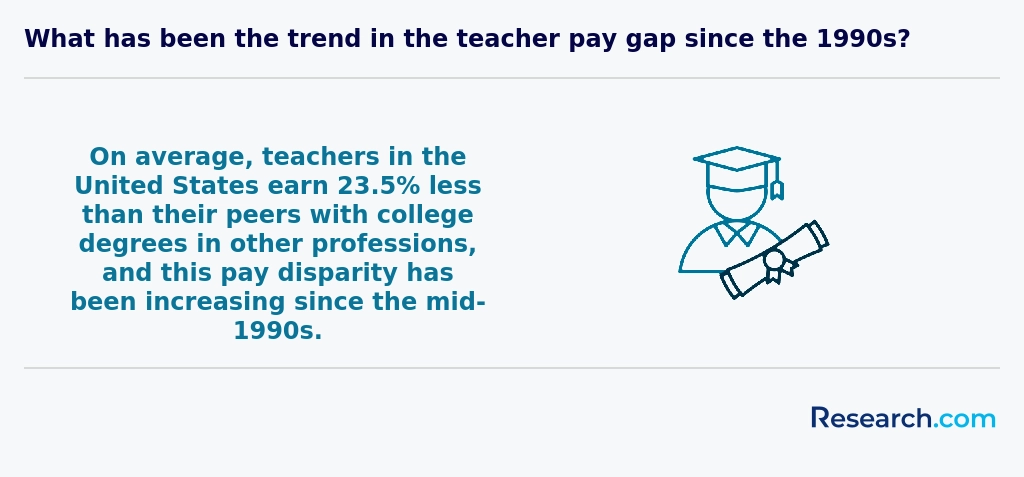
To keep your online doctorate in education affordable, consider the following approaches:
- Transfer eligible graduate credits from a master’s program to reduce total tuition
- Leverage employer tuition reimbursement or professional development funds
- Enroll in accelerated or cohort-based tracks to lower per-term fees and finish sooner
- Use Nebraska’s graduate tuition reciprocity agreements to access in-state rates at partner institutions
- Pursue prior learning assessments or portfolio reviews for credit toward practicum requirements
For additional program options, explore our guide to easy online degrees.
Students pursuing an online education degree in Nebraska benefit from a comprehensive array of financial aids tailored to ease tuition expenses. Federal aid, accessible through FAFSA, includes grants, low-interest loans, and work-study that online learners at accredited Nebraska institutions, such as the University of Nebraska, can confidently rely on. Graduates often recall how completing FAFSA unlocked vital resources that made their studies feasible.
State programs like the Nebraska Opportunity Grant specifically support low-income residents enrolled in online education programs, providing need-based scholarships that reduce financial strain. Public universities within the Nebraska College System complement this with merit-based scholarships and tuition discounts, helping many graduates manage costs without excessive debt.
Employer tuition reimbursement programs are instrumental for educators working locally; these district-sponsored plans sometimes cover most of the graduate tuition, fostering a sense of support and progress. Additionally, Nebraska State Education Association scholarships offer targeted grants to teachers advancing in educational leadership, reflecting a community invested in professional growth.
Federal Direct Unsubsidized and Grad PLUS Loans remain options for responsible borrowing, often offering manageable repayment plans that graduates appreciate for balancing long-term finances with career aspirations.
To find the most affordable education options in Nebraska, prospective students can explore various resources, including online platforms that rank institutions based on affordability and quality. For instance, those interested in pursuing a degree in education can look into the cheapest education schools in Nebraska, which offer a range of programs tailored to different career goals and financial situations. By researching these options, students can make informed decisions about their educational investments, ensuring they choose a program that aligns with their academic and financial objectives. This proactive approach enables individuals to navigate the complex educational landscape in Nebraska effectively, ultimately leading to a more fulfilling and cost-effective learning experience.
To enroll in an online education degree program in Nebraska, applicants usually must hold at least a bachelor's degree from an accredited institution. For doctorate programs like EdD or PhD, a master's degree in education or a related field is typically required. Graduates from popular Nebraska institutions often share how meeting these degree requirements gave them confidence to engage deeply with advanced coursework.
Applicants must submit official transcripts demonstrating a minimum GPA around 3.0, confirming academic readiness. Some programs may still request GRE scores, especially for doctoral candidates, although several universities waive this requirement based on relevant professional experience-an encouraging option for working educators.
Hands-on teaching experience is often preferred or mandatory, allowing students to connect theory with practice. Letters of recommendation and personal statements help admissions teams assess motivation and goals, mirroring what many Nebraska graduates recall as pivotal in their acceptance.
Tuition at public universities averages $10,000 to $12,000 annually, making advanced degrees accessible and attracting hopeful educators eager to advance their careers without financial strain.
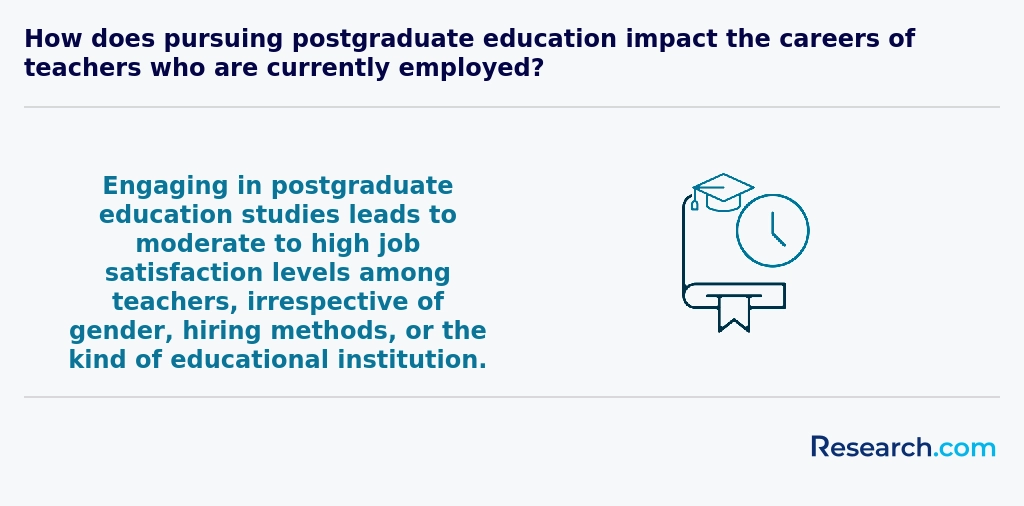
Successfully navigating an online Education degree program requires a proactive approach both academically and personally. One key strategy is to develop a well-structured study schedule that accommodates your work and family commitments, ensuring consistency in your learning routine. Engaging actively in discussion boards, virtual study groups, and leveraging available academic support services can transform isolated study into a collaborative experience. Additionally, familiarizing yourself with time management techniques and digital tools is essential for staying organized and meeting deadlines in a self-paced environment. Networking with peers and instructors not only enhances your learning but also opens doors to internships and job opportunities post-graduation. For those weighing the financial aspect of higher education, checking out affordable edd programs can provide valuable insights into cost-effective pathways to advance your career. By integrating these expert tips into your online education journey, you can enhance your overall academic performance and be better prepared to transform challenges into career opportunities.
Online education degree programs in Nebraska consistently include a set of core courses designed to equip students with both foundational knowledge and applied skills. Graduates from institutions like the University of Nebraska and Creighton University often highlight courses such as Curriculum Design and Development, Educational Research Methods, and Instructional Technology and Systems as essential in preparing them for real classroom challenges.
Students report that these courses provide practical insights, like creating engaging lesson plans or integrating technology to enhance remote learning-skills that are directly applicable whether teaching online or in physical classrooms.
Advanced coursework frequently covers Educational Leadership and Administration and Policy and Law in Education, reflecting Nebraska's focus on preparing educators for supervisory roles and school management. Graduates mention how understanding policy helps them navigate school regulations confidently.
Diversity and inclusion are key themes, with classes in Special Education and Inclusion Strategies fostering empathy and cultural responsiveness. This focus matches Nebraska's growing commitment to serving diverse student populations in urban and rural settings.
Online education degree specializations Nebraska students pursue typically include Educational Leadership and Administration, Curriculum and Instruction, Special Education, Early Childhood Education, and Higher Education and Student Affairs. Graduates from universities such as the University of Nebraska-Lincoln often highlight how the Educational Leadership specialization prepares them for practical roles like school principals and district-level administrators, emphasizing policy and community engagement. Others enrolled at Nebraska Wesleyan University appreciate the Curriculum and Instruction track, which hones their skills in pedagogical strategies tailored for diverse classrooms.
Special Education remains a significant focus given Nebraska's emphasis on aligning with the Individuals with Disabilities Education Act (IDEA), helping graduates feel confident working with students requiring specialized support. Many students also report satisfaction with Early Childhood Education programs that emphasize developmentally appropriate teaching methods, which are crucial due to growing statewide early learning initiatives.
For those aiming at the best online doctorate education programs Nebraska offers, the Higher Education and Student Affairs specialization provides knowledge on college governance and student development, equipping future counselors and administrators. Those interested in cost-effective advancement often explore affordable edd programs available at local institutions.
Choosing the best online education degree in Nebraska involves evaluating accreditation, curriculum, and cost-effectiveness. Accredited programs from the Higher Learning Commission (HLC) or the Council for the Accreditation of Educator Preparation (CAEP) ensure credibility and ease of licensure. Graduates from the University of Nebraska Omaha often highlight how its focused specializations and practical coursework helped align their careers with educational leadership or special education roles.
Financially, Nebraska residents benefit from competitive in-state tuition rates within the University of Nebraska system, often ranging between $8,000 and $20,000 annually for public graduate programs. This affordability has made the state attractive for those seeking an affordable online education degree Nebraska. Many students appreciate the availability of scholarships and financial aid that ease tuition burdens, further enhancing accessibility.
Flexibility also plays a vital role, with asynchronous course formats and strong faculty support helping working educators balance study and life. Graduates note that career services and networking opportunities offered by these programs significantly boosted their job placement outcomes. For cost-conscious prospective students, reviewing rankings such as the Cheapest Online Master's in Education Degree Programs Ranking in North Carolina provides useful benchmarking when comparing options.

Graduates holding an online education degree in Nebraska find a variety of career paths that reflect the evolving needs of the state's education system. Many become licensed K-12 teachers, a role requiring state certification, often pursued alongside the degree. Those employed by institutions like the University of Nebraska or Creighton University report satisfaction in impacting local classrooms while benefiting from starting salaries near $38,000, with higher wages for advanced degrees.
Others leverage their education to step into leadership roles such as school principals or curriculum coordinators, which demand advanced degrees in education leadership. Nebraska's educational administrators earn median wages around $90,000, providing strong motivation for graduates to pursue these roles. Instructional coordinators and educational technology specialists also serve essential functions, especially as schools adopt innovative teaching methods enhanced by digital tools.
Graduates aiming for online doctorate education career opportunities in Nebraska often join public universities as professors or researchers, contributing to the future of educational practice. For those weighing affordability, public graduate programs typically cost between $10,000 and $20,000 yearly, making Nebraska a practical choice. Prospective students interested in affordable online education degree careers Nebraska can consult the Cheapest Online Master's in Education Degree Programs Ranking in North Carolina for comparative options.
The job market for online education degree graduates in Nebraska shows promising stability and growth, especially for those earning advanced degrees from well-regarded institutions such as the University of Nebraska-Lincoln or Creighton University. With over 35,000 teachers employed statewide, Nebraska's education sector offers diverse opportunities in K-12 teaching, curriculum development, and educational leadership roles. Graduates often find themselves prepared for leadership positions like school principals and curriculum coordinators, thanks to the state's emphasis on master's and doctoral credentials.
Graduates from Nebraska colleges frequently share that balancing work and study online is vital for advancing their careers without interruption. This flexibility supports the increasing demand for professionals skilled in educational technology and data-driven decision making, aligning with the state's initiatives to improve rural education and digital learning environments. For those exploring affordable and accessible options, Nebraska residents benefit from lower tuition rates in public universities, making it a sensible choice for those pursuing an online education degree job opportunities Nebraska.
Many recent graduates see Nebraska's education job market as encouraging, aligned with the 8% projected growth for postsecondary teaching roles. To explore pathways tailored for convenience and affordability, prospective students often compare programs offering the easiest masters degree canada format to fit their professional and personal goals.
2027 Most Affordable Online Doctorate in Education Degree Programs Ranking in Nebraska
Investing in your education is a significant decision that can profoundly impact your future, and the Research.com team recognizes the importance of making well-informed choices. To support prospective students in Nebraska, we have carefully developed the "2027 Most Affordable Online Doctorate in Education Degree Programs Ranking in Nebraska." Our dedication to quality, credibility, and accuracy is demonstrated through thorough research and detailed analysis in compiling this ranking.
We utilized the following reputable data sources to ensure a comprehensive evaluation of these online doctorate programs:
By exploring this ranking, readers will gain valuable insights into affordable, high-quality education doctorate options available online in Nebraska, empowering them to make confident decisions aligned with their goals. For more information on how this ranking was created, please visit our Research.com methodology page.

# 2 position
University of Nebraska-Lincoln
Doctor of Educational Studies - Educational Leadership & Higher Education - Higher Education


Frequently Asked Questions About education
Online education degree students in Nebraska can maximize their learning experience by actively engaging with course materials and participating in virtual discussions. Research from the Nebraska Department of Education highlights that students who regularly interact with instructors and peers tend to achieve higher grades and satisfaction. Utilizing university academic resources, such as online tutoring and libraries, is critical for success. It is also important to develop strong time-management skills, as 65% of Nebraska students report balancing coursework with work or family responsibilities. Lastly, students should leverage technologies provided by accredited Nebraska institutions to stay organized and connected throughout their studies.
The field of education is evolving rapidly, with several emerging niches gaining prominence, especially for online degree seekers in Nebraska. One key area is educational technology, where professionals learn to integrate digital tools to enhance student engagement and learning outcomes. Nebraska's focus on expanding broadband access supports this growth, making tech-driven education degrees increasingly relevant.
Another significant niche is special education, emphasizing inclusive teaching strategies for diverse learners. According to the Nebraska Department of Education, approximately 14% of students receive special education services, underscoring demand for experts trained in this area.
Leadership and administration also remain in demand, preparing graduates to manage schools and district programs effectively. These specializations offer practical career pathways aligned with Nebraska's statewide education goals.
Preparing for the job market after completing an online education degree in Nebraska involves strategic planning and skill development. Nebraska's Department of Labor reports steady growth in education jobs, with an expected 7% increase in teaching roles by 2030. Graduates should focus on building a strong professional network through local education associations such as the Nebraska State Education Association.
Gaining relevant experience via internships or substitute teaching can enhance employability. Additionally, many Nebraska school districts value candidates with technological proficiency, a skill often emphasized in online programs. Staying updated on state certification requirements is essential, as Nebraska requires specific credentials for public school educators.
Utilizing career services provided by universities and exploring job boards specific to Nebraska can also improve job prospects.
Employers in Nebraska highly value education degree graduates who demonstrate strong communication skills, both written and verbal. Being able to effectively engage students and collaborate with colleagues is essential. According to Nebraska's Department of Education, adaptability is also critical, as teachers must meet diverse student needs in changing classroom environments.
Graduates with skills in instructional technology are increasingly in demand, reflecting Nebraska's push for modernized education methods, including online and hybrid learning. Moreover, problem-solving abilities help educators address classroom challenges innovatively.
Leadership potential and understanding of inclusive teaching practices are emphasized. These skills align with Nebraska's commitment to equity and quality in education, as outlined in recent state education reports.
Finding internships in Nebraska relevant to an education degree involves several focused strategies. Start by exploring partnerships between Nebraska colleges and local school districts, as many institutions facilitate internship placements through formal agreements. The Nebraska Department of Education website offers resources and contacts for education-related internships.
Additionally, check with university career centers and online portals like Handshake, which connect students to regional internship opportunities. Nebraska schools often require or recommend practical experience, making internships vital for hands-on learning.
Networking with education professionals via local education associations, such as the Nebraska State Education Association, also helps uncover openings not widely advertised. According to the U.S. Bureau of Labor Statistics, Nebraska's teacher employment is projected to grow by about 5% from 2020 to 2030, increasing internship availability.
Obtaining an online education degree in Nebraska significantly enhances career mobility for educators and administrators. According to the Nebraska Department of Education, professionals with advanced degrees are more likely to qualify for leadership roles such as curriculum specialists or school principals.
Online programs allow working educators to continue their roles without interruption, thus supporting career advancement while gaining credentials. Nebraska ranks among states encouraging teacher development, with over 40% of educators holding a master's or higher.
Higher education credentials often lead to salary increases; the Nebraska Teachers Association reports that teachers with doctoral degrees can earn 15-20% more than those with bachelor's degrees.
This flexibility and financial benefit make online education degrees a practical choice for Nebraskans aiming for career growth in education.
Studying for an education degree in Nebraska equips students with skills to work across multiple disciplines by emphasizing collaboration, critical thinking, and diverse instructional methods. Programs often integrate coursework in psychology, sociology, and technology, reflecting Nebraska's commitment to interdisciplinary learning.
Nebraska's online education degrees align with the state's educational standards and promote adaptability in roles beyond traditional classrooms, such as curriculum development and educational leadership. According to the Nebraska Department of Education, nearly 30% of educators engage in roles requiring interdisciplinary knowledge, highlighting the practical importance of such preparation.
Additionally, partnerships between Nebraska's institutions and local communities foster real-world experience, further supporting interdisciplinary competencies essential in today's evolving education landscape.
Choosing between a thesis and a non-thesis education degree program in Nebraska depends largely on your career goals and learning preferences. Thesis programs emphasize research and require completion of an original project, ideal for students seeking academic or research roles. Nebraska's public universities often highlight thesis options for those pursuing university teaching or doctoral studies later.
Non-thesis programs focus more on practical skills and coursework, benefiting professionals aiming to advance in administrative or applied education roles. According to the Nebraska Department of Education, about 60% of education professionals prefer non-research degrees for quicker workforce entry.
Cost, time commitment, and desire for research also influence choice. Online platforms in Nebraska offer flexibility to accommodate working educators in both paths.
Students in Nebraska seeking to study education abroad through online programs have several options. Many US institutions offer online degrees with international study components or partnerships with foreign universities. These programs often include virtual collaborations, international research opportunities, or optional study abroad experiences tailored for working professionals. According to the Nebraska Department of Education, students are encouraged to explore accredited programs that meet state licensure requirements while offering global perspectives.
Several Nebraska universities participate in exchange programs or provide resources to support education majors interested in global learning. These options help students gain international insights while completing their degrees remotely, preserving flexibility for those balancing work and study.
Part-time job opportunities in Nebraska that complement education degree studies often include roles such as teacher assistants, substitute teachers, and tutor positions. These jobs provide valuable classroom experience while students complete their online education degrees. According to the Nebraska Department of Labor, education-related part-time roles are expected to grow by 5% through 2028.
Other common roles are childcare aides and after-school program coordinators, which allow practical skills development supporting children's learning and development. Working in these positions part-time helps students apply theoretical knowledge gained from their degrees to real educational settings.
Many universities in Nebraska encourage students to gain experience through local school districts or community education programs that offer flexible schedules for those enrolled in online courses.
Online education students in Nebraska have several valuable networking opportunities despite physical distance. Many universities offering online education degrees, such as the University of Nebraska and Nebraska Wesleyan University, provide virtual events, webinars, and online discussion groups tailored for remote learners.
These platforms allow students to connect with peers, faculty, and industry professionals across the state. Additionally, Nebraska's digital learning communities and statewide education associations often invite online students to participate in conferences and workshops.
According to the Nebraska Department of Education, approximately 35% of higher education students engage in some form of online networking, reflecting growing institutional support. This connectivity helps online learners build professional contacts and access career resources within Nebraska's education sector.
Alumni networks play a vital role in supporting online education degree students in Nebraska by providing valuable professional connections. These networks often offer mentorship opportunities, allowing current students to gain insights from graduates who understand the local education landscape.
In Nebraska, where education professionals are closely connected, alumni groups help students access job openings and internships across school districts. According to the Nebraska Department of Education, networking is a key factor in career advancement for educators.
Moreover, alumni associations often organize events and webinars that enhance students' professional development beyond the virtual classroom. Being part of an active network can also encourage lifelong learning and peer support, which are crucial in the evolving field of education.
Customization of online education degree programs in Nebraska allows students to align their studies with specific career goals. Many Nebraska institutions offer elective courses and specialization tracks in areas such as curriculum design, educational leadership, and special education. This flexibility helps students tailor learning to meet the needs of K-12 education, administration, or higher education sectors.
Students can often choose practicum or internship placements based on their professional interests, enhancing practical experience. Online programs typically provide academic advising to guide course selection strategically. According to the Nebraska Department of Education, applicants with focused credentials often see improved job placement outcomes.
Online education students in Nebraska face several common challenges. One significant issue is the limited access to high-speed internet in rural areas, affecting around 27% of Nebraska households according to the U.S. Census Bureau. This creates difficulties in attending live lectures and submitting assignments on time.
Another challenge is balancing coursework with personal and professional responsibilities. Many online students are working adults who find managing schedules demanding. Additionally, some students report feeling isolated due to the lack of direct interaction with peers and instructors.
Lastly, navigating technical platforms and accessing academic support remotely can pose barriers, especially for those new to online learning environments.
With an online education degree in Nebraska, you can pursue several professional certifications that enhance your career opportunities. Common options include Nebraska Teaching Certification, which qualifies you to teach in K-12 public schools after meeting state-specific requirements set by the Nebraska Department of Education.
Additionally, educators often seek National Board Certification, a rigorous credential that can lead to higher salaries and career advancement. Specializations such as Reading Specialist or Special Education endorsements are also available to support diverse student needs.
According to the Nebraska Department of Education, over 85% of public school teachers hold some form of professional certification, emphasizing the importance of these credentials in the state's education system.
Writing a winning application for an online education program in Nebraska requires clear focus and preparation. Start by thoroughly researching the specific program's requirements, as Nebraska institutions often value relevant teaching experience and academic readiness. Highlight your professional background and how it aligns with your educational goals.
Be sure to include a well-crafted personal statement. This should explain your motivation for pursuing an online degree and how it will impact your career, referencing Nebraska's growing demand for skilled educators in rural and urban areas. According to the Nebraska Department of Education, this is a key consideration for admission.
Additionally, ensure all transcripts and test scores are submitted accurately and on time. Follow guidelines exactly and consider asking for feedback before submission. Demonstrating attention to detail can set you apart from other applicants.
The global perspective on an education career highlights its evolving significance and challenges. Education professionals are increasingly valued for their role in shaping future generations and adapting to diverse learning environments. In the US, including Nebraska, the demand for skilled educators is growing due to technological advancements and a focus on lifelong learning. The Nebraska Department of Education reports a steady increase in enrollment in online education degree programs, reflecting the shift toward flexible learning formats.
Internationally, educators must navigate cultural diversity and digital literacy, skills that Nebraska's online doctorate programs emphasize. This prepares graduates to compete and collaborate in a globalized education sector.
Gaining practical experience while pursuing an online education degree in Nebraska is essential for career readiness. Many Nebraska institutions partner with local schools and educational organizations to offer virtual or in-person student teaching and internships. According to the Nebraska Department of Education, hands-on field experiences are often required to meet licensure standards.
Online students can also engage in community projects or tutoring programs coordinated through their university. These real-world opportunities develop classroom management and instructional skills. Additionally, some programs provide simulation tools that mimic teaching scenarios, allowing students to practice in a controlled digital environment.
Choosing the right concentration within an online education degree in Nebraska involves careful consideration of your career goals and local education needs. Nebraska offers various specializations, such as educational leadership, curriculum development, or special education. According to the Nebraska Department of Education, there's a growing demand for administrators and special education teachers in the state. Reflect on your professional interests and the job market trends to align your concentration with opportunities available in Nebraska schools and districts.
Additionally, review program accreditation and faculty expertise to ensure quality education. Many Nebraska institutions tailor their online programs to meet state licensure requirements, a crucial factor if you plan to work in public schools.
- 2027 Most Affordable Online Doctorate in Education Degree Programs Ranking in Colorado
- 2027 Most Affordable Online Doctorate in Education Degree Programs Ranking in Missouri
- 2027 Most Affordable Online Doctorate in Education Degree Programs Ranking in Minnesota
- 2027 Most Affordable Online Doctorate in Education Degree Programs Ranking in Texas
- 2027 Most Affordable Online Doctorate in Education Degree Programs Ranking in Indiana
- 2027 Most Affordable Online Doctorate in Education Degree Programs Ranking in Mississippi
- 2027 Most Affordable Online Doctorate in Education Degree Programs Ranking in Kentucky
- 2027 Most Affordable Online Doctorate in Education Degree Programs Ranking in Michigan
- 2027 Most Affordable Online Doctorate in Education Degree Programs Ranking in Georgia
- 2027 Most Affordable Online Doctorate in Education Degree Programs Ranking in Florida
See What Experts Have To Say About Studying Education
Read our interview with Education experts


Alan J. Singer
Education Expert
Professor of Teaching, Learning and Technology
Hofstra University

- Online Colleges in Nebraska | 25 Best Online Schools in NE https://www.onlinecolleges.net/nebraska/
- Top 10 Effective Networking Tips for Students https://www.unfc.ca/blog/networking-tips-for-students
- My Experience with Online Learning | Leeds Beckett University https://www.leedsbeckett.ac.uk/blogs/student-blog-squad/2020/09/my-experience-with-online-learning/
- Education Technology Trends to Watch in 2065: 10 Innovations Shaping the Future of Learning https://www.digitallearninginstitute.com/blog/education-technology-trends-to-watch-in-2026
- 10 Strategies for Networking as a High School Student https://riseglobaleducation.com/blogs/best-strategies-for-networking-as-a-high-school-student
- Comprehensive Guide to Choosing the Right Educational Program https://veritaseedcenter.gr/blog/comprehensive-guide-to-choosing-the-right-educational-program
- Tips for Choosing Your Graduate Concentration - Graduate Programs for Educators https://www.graduateprogram.org/blog/tips-for-choosing-your-graduate-concentration/
- Promising Niches in the Global EdTech Landscape - Blog https://rocketech.it/blog/post/global-edtech-landscape-what-niches-are-the-most-promising
- Seven Major Challenges Facing Education in the 21st Century https://www.internationalschoolparent.com/articles/seven-global-education-challenges/
- How Instructional Technology Has Improved Education https://www.cune.edu/news/how-instructional-technology-has-improved-education


