
2027 Most Affordable Online Doctorate in Education Degree Programs Ranking in Minnesota

Co-Founder and Chief Data Scientist
Are you a Minnesota resident looking to advance your career in education? Pursuing an online doctorate in education can open doors to new opportunities and personal growth. This article introduces the 2027 Most Affordable Online Doctorate in Education Degree Programs Ranking in Minnesota, created by the Research.com team of data scientists.
Carefully designed to help you make an informed decision, this ranking highlights quality programs that offer value and flexibility. Exploring these options brings you one step closer to achieving your educational goals and making a positive impact in your field.
Key benefits of getting online education degree in Minnesota
- Salary for education degree graduates: Graduates can earn competitive salaries, such as Academic Deans earning about $100,720 annually and University Presidents or Provosts making up to $258,900 per year.
- Career paths: Education graduates from Minnesota colleges often find rewarding roles in administration, teaching, or leadership positions within local schools and universities.
- Benefits of online degrees: Earning an education degree online offers flexibility and convenience, allowing graduates to balance studies with work or family life while gaining valuable credentials from respected Minnesota institutions.
- 2027 Most Affordable Online Doctorate in Education Degree Programs Ranking in Minnesota
- What can I expect from online education degree in Minnesota?
- Where can I work with online education degree in Minnesota?
What can I expect from online education degree in Minnesota?
Imagine diving into an online education degree in Minnesota where affordability meets quality. Graduates from places like the University of Minnesota and Minnesota State schools often find themselves pleasantly surprised by tuition that fits within a practical range-typically between $10,000 and $20,000 for a full bachelor's program. This balance allows students to dream big without drowning in debt.
One graduate shared how, juggling family and work, they accessed numerous financial aid options that made the journey feel less like a financial tightrope and more like stepping stones. The state's commitment to accessible education means many programs within the Minnesota State system offer especially competitive pricing, making these degrees attainable without sacrificing quality.
Picture a teacher in rural Minnesota pursuing a master's online while still in their classroom-thanks to reasonable costs and flexible schedules, the transformation from classroom practitioner to education leader feels not just possible but genuinely empowering. These financial realities turn aspirations into immediate, reachable goals.
Where can I work with online education degree in Minnesota?
With an online education degree in Minnesota, graduates step into a vibrant tapestry of career paths that span beyond the classroom walls. Imagine shaping young minds in Minneapolis Public Schools or guiding curriculum innovation as a coordinator in a rural district-both thrilling realities for education majors from the University of Minnesota or Minnesota State University.
Some graduates find themselves leading school communities as principals, empowered by the certifications from the Minnesota School Leaders Licensure Board, blending their online learning with hands-on leadership. Others harness their expertise to become academic advisors or faculty members, enriching campuses across the state through advanced degrees earned entirely online.
Then there are those who dive into the heartbeat of education policy or become consultants, passionately influencing initiatives like the "Every Student Succeeds Act" to create ripples of positive change. For every education enthusiast eager to turn ambition into impact, Minnesota's education sector is a fertile ground-and the stories of recent graduates radiate pride and possibility on every path.
Graduates from online education programs in Minnesota often find themselves stepping into rewarding careers with impressive paychecks. Picture a graduate from a well-known Minnesota university landing a role as a university professor, bringing in an average annual salary of about $96,570-an inspiring figure that validates the countless hours spent mastering pedagogy online.
Those adventurous enough to ascend the academic ladder can aim for positions like academic dean, where the mean wage rises to an appealing $100,720 yearly. Imagine the pride and excitement felt while managing programs at a college or university, crafting the future of education from within.
For the boldest visionaries among them, roles as provosts or university presidents offer extraordinary salaries averaging $258,900 annually. These leadership positions in Minnesota's educational institutions symbolize pinnacle achievements, blending passion and earning power uniquely available for those with an advanced online education degree.
Whether launching a teaching career or commanding an institution, Minnesota's online education degree holders reflect a spectrum of success stories closely tied to the state's vibrant educational landscape.
- Minnesota offers online education degrees at bachelor's, master's, and doctoral levels with flexible options for working professionals.
- Tuition for online graduate education degrees ranges from about $12,000 to $25,000, with public universities generally more affordable than private ones.
- Entry-level educators in Minnesota earn around $45,000 per year, while those with advanced degrees can make between $65,000 and $85,000 annually.
- The state has steady demand for education professionals, especially teachers and administrators, supporting good job prospects.
- Many programs provide financial aid, scholarships, and tuition reimbursement options to help offset costs.
- Online degrees often align with Minnesota's licensure requirements, important for working in K-12 public schools.
Completing an online education degree in Minnesota is a journey shaped by your pace and life's rhythm. At the University of Minnesota, many full-time learners glide through bachelor's programs in about four years-imagine balancing virtual lectures with a vibrant Minnesota winter. Part-time students often stretch this to five or more years, crafting a personalized timeline that fits family dinners and weekday work shifts.
Graduate students share stories of mastering complex theories from their cozy homes while raising kids, with online master's degrees from Minnesota State Colleges wrapping between 1.5 and 3 years. These programs flex for the busy and ambitious alike.
Doctorate seekers embrace a longer odyssey of 3 to 5 years, balancing dissertation dives and comprehensive exams, often weaving study hours into quiet early mornings or late nights. The state's schools celebrate this flexibility-because here, education adapts to your life, not the other way around.
Embarking on an online Doctorate in Education requires not only rigorous coursework but also a well-structured dissertation process that culminates in original research. Most programs begin with foundational credits in advanced educational theory and research methodologies, followed by comprehensive exams that assess your readiness to pursue independent study. Once admitted to candidacy, you’ll typically work closely with a faculty advisor and a dissertation committee to develop a proposal, secure Institutional Review Board (IRB) approval, and design your research instruments. Regular virtual meetings and writing workshops help you stay on track, while dedicated research librarians assist with literature reviews and data analysis tools. Many institutions enhance their doctoral offerings by providing specialized support services, such as:
- Dissertation Boot Camps: Intensive writing retreats that foster peer feedback and goal setting.
- Methodology Workshops: Interactive seminars on qualitative, quantitative, and mixed-methods approaches.
- Virtual Defense Panels: Technology-enabled forums where candidates present and defend findings to faculty experts. When comparing affordability and support features, consider exploring the Low Cost Online Education Degree Programs Ranking in Campbellsville, KY, which highlights programs balancing cost-effectiveness with robust research mentorship. Ultimately, successful completion of your dissertation hinges on choosing a program that offers clear milestone timelines, transparent committee guidelines, and access to research software-ensuring you have the expertise, authority, and trustworthiness needed to contribute impactful scholarship in the field of education.
Imagine juggling a full-time job while pursuing an education degree at the University of Minnesota-online programs become your sanctuary, a digital campus where flexibility reigns. Graduates recall how late-night lectures and asynchronous assignments made it possible to learn without sacrificing family dinners or work commitments. This contrasts sharply with a traditional on-campus experience at institutions like St. Cloud State, where walking between classes, spontaneous study groups in the library, and face-to-face chats with professors fuel camaraderie and immediate engagement.
In Minnesota, online education degrees strip away the daily commute and parking hassle, allowing students to tailor their study rhythms. One graduate appreciated the self-paced nature, thriving on the independence but missing the vibrant energy found in physical classrooms. Conversely, on-campus learners savor the structure of a fixed schedule, which anchors their day and nurtures collaboration through labs and student services.
Costs tell another story-online learners often spend less annually, saving roughly some of the $13,000 tuition fees typical at public universities by avoiding certain on-site expenses. Still, Minnesota students emphasize evaluating tech needs carefully. Both paths rest on regional accreditation, assuring your credential holds weight in classrooms or licensing boards alike.
. When pursuing higher education, particularly an online Doctorate in Education, affordability is a crucial factor. Prospective students in Minnesota can benefit from exploring affordable education programs in Minnesota, which can significantly reduce financial burdens while providing quality educational experiences. By opting for affordable programs, students can allocate more resources to other aspects of their educational journey, such as professional development and networking opportunities. Affordable education programs in Minnesota are designed to cater to a wide range of students, from those seeking to advance their teaching careers to individuals looking to transition into educational leadership roles. These programs not only offer financial benefits but also provide flexibility, allowing students to balance their studies with work and personal commitments. Ultimately, considering affordable education programs in Minnesota can be a strategic decision for those aiming to achieve their educational and career goals without accumulating substantial debt.
The average cost of an online education degree in Minnesota hovers around $48,800, setting a clear expectation for those chasing their academic dreams from the comfort of home. Graduates from well-known Minnesota institutions recall stretching their budgets creatively, balancing tuition with technology fees and course materials-each semester bringing its own set of manageable expenses. For instance, a graduate from the University of Minnesota's online program shared how pacing credits allowed her to keep future costs predictable while diving deep into specialized education topics.
In a world where affordable online doctorate education programs Minnesota options are sought after, many find solace in Minnesota State University's competitive pricing, where per-credit expenses remain thoughtfully aligned with statewide averages. This makes embarking on doctoral paths less daunting for returning students blending family, work, and study.
Engaging in these programs isn't just about numbers-there's a vibrant community and tailored support that softens financial stress. Students often describe the thrill of mastering curriculum at their own pace while knowing scholarships and flexible payment plans exist as pillars of support. Those looking for accessible routes might explore affordable education programs in Minnesota, where tuition and practical resources come together in an encouraging academic adventure.
Such median cost figures translate into investment stories filled with hope, resilience, and a commitment to education transformation. Every dollar spent reflects a step towards impactful careers that ripple through Minnesota classrooms and beyond.
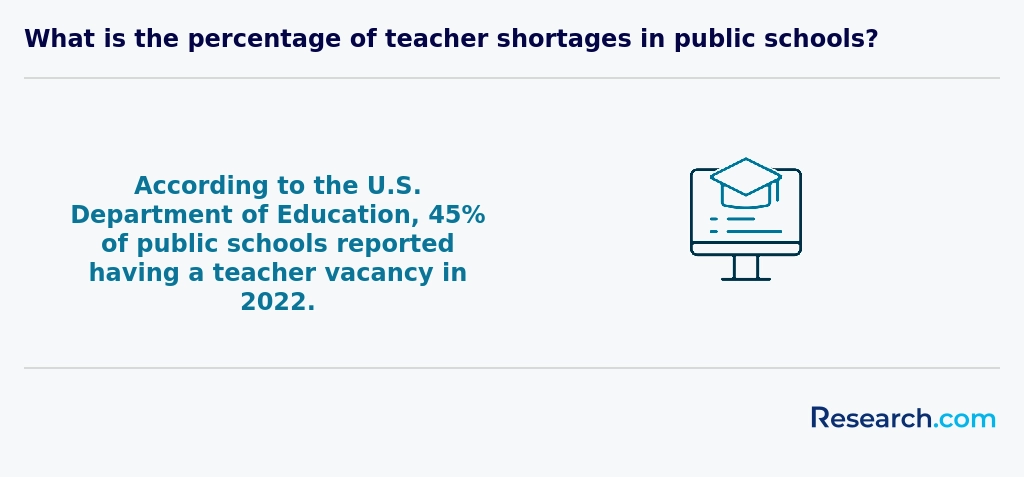
Earning your online Doctorate in Education is only the first step toward a fulfilling career in Minnesota’s public schools; obtaining the appropriate state licensure is equally essential. Minnesota requires all teaching candidates to hold a valid license from the Professional Educator Licensing and Standards Board (PELSB). To secure licensure, graduates must: • Complete a state‐approved educator preparation program and verify degree conferral through your institution’s Registrar. • Pass the Minnesota Teacher Licensure Examinations (MTLE), which typically include Basic Skills, Pedagogy, and content-specific tests aligned to your specialization. Many programs integrate MTLE preparation modules into their curriculum to streamline this process. • Submit an official application via the PELSB eLicensing system, including background checks and transcripts. Processing times can range from 4–6 weeks, so applicants should plan accordingly to avoid delays in employment. • Fulfill ongoing professional development requirements: Minnesota licenses are renewable every five years, contingent upon completion of 125 renewal credits or National Board Certification. For educators relocating from another state, Minnesota offers reciprocity for those holding an active comparable license. Applicants must provide verification of licensure status and meet any additional coursework or assessment benchmarks specified by the PELSB. Prospective EdD students balancing licensure steps alongside their studies often discover that planning ahead reduces stress and accelerates time to classroom placement. While comparing program affordability and support services, you may also find value in reviewing our Low Cost Online Education Degree Programs Ranking in Campbellsville, KY for additional insights into budget-friendly pathways.
Imagine juggling coursework from the University of Minnesota while watching your Federal Pell Grant wash away a chunk of tuition-suddenly, that $13,000 sticker price feels a bit lighter. Many online education degree students tap into FAFSA, unlocking a treasure chest of federal loans and grants tailored for grad learners, like Direct Unsubsidized and Grad PLUS Loans, which, unlike private loans, don't carry those frighteningly high interest rates.
Graduates from Minnesota State University recall the relief of snagging the Minnesota State Grant-state-sponsored aid that, although mainly geared toward undergraduates, sometimes bends the rules for education grad students locked in teacher training pathways.
Then there's the heartening buzz among cohorts at St. Cloud State University about scholarships from local organizations and the Minnesota Education Association. Many celebrate the Teacher Shortage Loan Forgiveness Program, turning service in high-need schools into real financial rewards.
And don't forget the hidden gems: employers and school districts offering tuition reimbursement or professional development funds, transforming stressful finances into manageable stepping stones.
Imagine you're sitting at your kitchen table in Minnesota, sipping coffee, as you prepare your application for an online education degree that might launch your career into new realms. To join programs at popular schools like the University of Minnesota or St. Cloud State, you'll first need to have a bachelor's degree, often in education or a closely related field. Graduates tell stories of juggling work and family while maintaining a solid GPA-usually around 3.0-to show they can thrive in challenging graduate courses.
They submit heartfelt letters of recommendation and polished statements of purpose that narrate their passion for teaching or leadership. Some programs want to see your real-world classroom adventures, like years of teaching experience or educational administration, which adds weight to your story. Though GRE tests are fading from requirement lists, a few schools still ask one more hurdle faced with determination.
These prerequisites, reflecting both commitment and readiness, unlock doors to affordable tuition rates within Minnesota's public university system. Students recall feeling both empowered and excited, knowing these carefully designed steps ensure a rewarding and supportive educational journey.
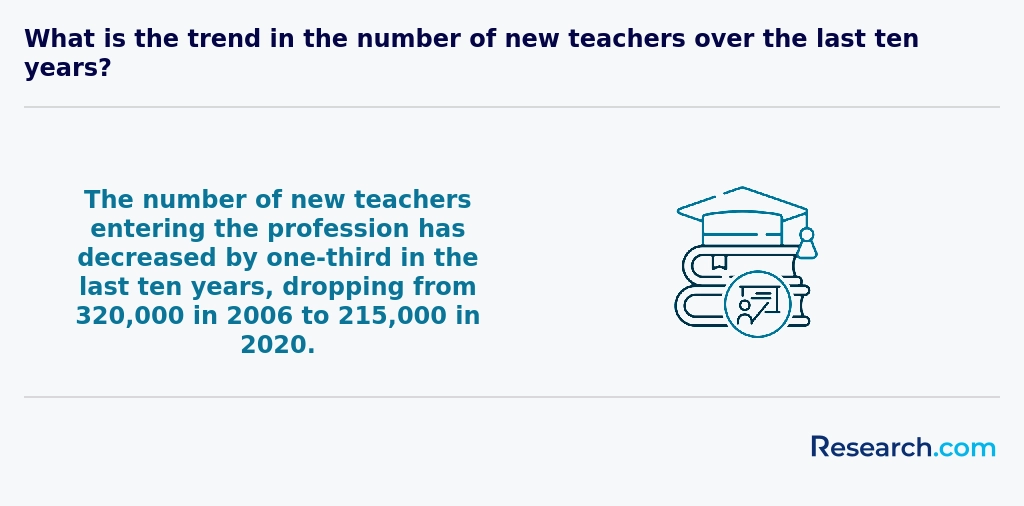
Ensure your online doctorate comes from a regionally and professionally accredited school to support licensure, credit transfer, and federal aid eligibility. Before enrolling in online college courses, verify the program meets Minnesota state authorization requirements and is recognized by the Higher Learning Commission or Council for the Accreditation of Educator Preparation (CAEP).
- Regional accreditation confirms overall institutional quality.
- CAEP accreditation highlights specialized education standards.
- State authorization approves delivery of online programs to Minnesota residents.
- Accreditation impacts eligibility for licensure and federal financial aid.
Imagine diving into courses like Educational Psychology at a top Minnesota university, where graduates recall moments of awe realizing how children's minds absorb knowledge like sponges in a classroom buzzing with potential. These courses aren't just theory-they're a backstage pass to understanding why a lesson plan clicks or flops.
Then there's Instructional Design and Technology, where students virtually craft vibrant, interactive lessons. Graduates often share how mastering digital tools transformed their teaching approach, making remote classrooms feel alive and personal-perfect for Minnesota's vast landscapes where online education bridges cities and small towns alike.
Leadership tracks-think Educational Leadership and School Law-challenge learners to step into the shoes of principals or district admins, navigating real-world dilemmas that graduates describe as empowering before they even set foot in a school.
Courses always align with Minnesota's teaching licensure standards, making certification a reachable goal. Education students feel a strong sense of purpose knowing their studies directly prepare them to uplift classrooms statewide.
Imagine diving into an online education degree in Minnesota where you can sculpt your career with specializations like Curriculum and Instruction, crafted to awaken creativity in how you teach and design lessons. Graduates from the University of Minnesota often speak about transforming classrooms with innovative strategies learned through this track, blending theory with real-life impact. For those aspiring to lead schools, the Educational Leadership and Administration pathway feels like stepping into the shoes of future principals and district leaders, ready to navigate policy and change with confidence.
Specialized doctorate programs in education Minnesota students pursue also include Special Education, where educators embrace the challenge of unlocking potential in diverse learners through inclusive practices. Many find joy in Higher Education programs that prepare them for thriving roles in colleges across the state, focusing on student affairs or faculty leadership. The Educational Technology specialization attracts forward-thinkers eager to weave digital tools seamlessly into Minnesota's classrooms, making learning vibrant and accessible. For a deep dive into elevated learning, check out the Best Online Doctorate in Higher Education Programs, a perfect route for seasoned educators aiming to inspire on a bigger scale.
Picture this: a recent graduate from a renowned Minnesota institution beams with pride, having chosen an online education degree that perfectly fit their hectic schedule and passion for special education. How did they do it? By zeroing in on programs accredited by the Higher Learning Commission, ensuring their hard work translates into real-world credentials and licensure opportunities. Those who chase the best online education doctorate programs Minnesota often find themselves diving into focused specializations like curriculum design or educational leadership, which shape not only their skills but also their professional identity.
Affordability matters just as much as reputation. Graduates frequently share glad stories about discovering affordable online education degrees Minnesota that respect their budgets without sacrificing quality-some even stumbling across treasures within Low Cost Online Education Degree Programs Ranking in Campbellsville, KY, a useful guide that broadens horizons beyond state lines while still considering Minnesota's standards.
The flexibility of fully asynchronous formats empowers working professionals, letting them learn on their own turf and timeline. Meanwhile, robust support services-from academic advisors to tech help-become lifelines, turning potential obstacles into stepping stones. In Minnesota's competitive education landscape, this blend of strategic choice and personal experience charts a rewarding path forward.
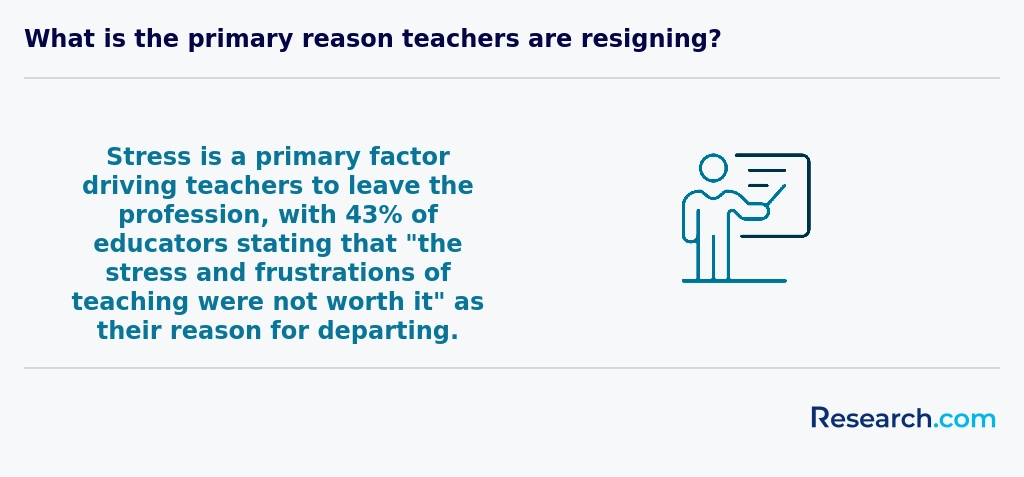
Graduates stepping out from the cozy virtual classrooms of Minnesota's top education programs find themselves on a kaleidoscope of career paths, each vibrant and ripe with potential. Whether it's landing a role as a licensed teacher in a bustling Minneapolis public school or becoming a curriculum coordinator shaping district-wide learning, the state's emphasis on accredited online education degrees makes these dreams tangible. For many from institutions like the University of Minnesota or St. Cloud State, the journey evolves into leadership, where they thrive as instructional coaches or principals, celebrating the blend of theory learned online and hands-on local experience.
For those craving innovation, career opportunities for education graduates Minnesota serve up roles as academic advisors or educational technologists at state colleges, where graduates apply cutting-edge digital tools to create engaging learning environments. Others channel their passion into adult education or policy research, quietly shaping education beyond the classroom. Many even explore pathways with flexible, budget-friendly options like cheap phd online, fueling careers that resonate deeply throughout Minnesota's diverse education landscape.
The job market for online education degree jobs Minnesota offers feels like a steady sunrise-consistent growth with bright promise. Graduates from institutions such as the University of Minnesota or Minnesota State often share stories of smoothly transitioning into roles as classroom teachers, curriculum developers, or school administrators. Many appreciate the flexibility that online programs provide, allowing them to juggle coursework while gaining hands-on experience in local schools. This balance is key, as districts increasingly seek professionals who blend solid pedagogical expertise with savvy educational technology use.
Enrollment climbs steadily in Minnesota schools, translating to about 1,200 new teaching positions annually, according to state forecasts. This means graduates from online education degrees see tangible opportunities across urban hubs like Minneapolis and St. Paul as well as rural areas. Those exploring further can benefit from the affordable tuition rates and even financial support through local district programs, easing the journey toward career advancement.
For students weighing their options, it's worth checking out the spectrum of programs available, especially at colleges known for their accessibility and support for working adults. Exploring the college open enrollment options in Minnesota can uncover pathways that fit unique schedules without sacrificing quality or career outcomes.
2027 Most Affordable Online Doctorate in Education Degree Programs Ranking in Minnesota
Investing in your education is a significant decision that can shape your future, and the Research.com team understands the importance of making informed choices. To assist prospective students in Minnesota, we have meticulously crafted the "2027 Most Affordable Online Doctorate in Education Degree Programs Ranking in Minnesota." Our commitment to quality, credibility, and accuracy is reflected in the extensive research and analysis conducted to compile this ranking.
We utilized the following reputable data sources to ensure a comprehensive evaluation of online doctorate programs:
By exploring this ranking, readers will gain valuable insights into the most affordable and high-quality online Doctorate in Education programs in Minnesota, empowering them to make well-informed decisions about their educational investments. For more details on our methodology, please visit our Research.com methodology page.

# 2 position
Bethel University, Minnesota
Doctor of Leadership (K-12 Education) (Higher Education)
# 3 position
Walden University
Doctor of Education

Frequently Asked Questions About education
Online education degree students in Minnesota can maximize their learning experience by actively engaging with course materials and instructors. Regular participation in discussion forums helps build a supportive community and enhances understanding. Time management is crucial; students should create a consistent study schedule to balance work, family, and school. Minnesota's higher education system supports online learners through resources like academic advising and tutoring services offered by many universities, including the University of Minnesota. According to the Minnesota Office of Higher Education, nearly 40% of Minnesota students take at least one online course, highlighting the importance of utilizing available support services. Staying organized and seeking feedback also ensures steady progress.
Emerging niches within the education field in Minnesota reflect broader trends in U.S. education and workforce needs. One significant area is educational technology, where professionals develop and manage digital learning tools to enhance student engagement. Minnesota's growing tech sector supports this niche.
Another rising focus is special education, particularly programs addressing autism and behavioral disorders. According to the Minnesota Department of Education (MDE), nearly 14% of students receive special education services, creating demand for specialized educators.
Additionally, online and adult education programs are expanding to serve non-traditional learners seeking flexible schedules. Leadership in educational administration remains vital as districts innovate with equity and inclusion initiatives.
Preparing for the job market after completing an online education degree in Minnesota requires strategic planning. Start by gaining practical experience through internships or volunteer positions in local schools or educational organizations. This hands-on experience can strengthen your resume and build professional networks.
According to the Minnesota Department of Employment and Economic Development, the demand for education professionals is expected to grow by 6% through 2030, with special education and STEM teaching roles showing the most opportunity.
Additionally, obtaining relevant teaching licenses or certifications timely is crucial, as Minnesota requires proper certification for K-12 educators. Networking with alumni and joining professional education organizations can also enhance job prospects.
Employers in Minnesota highly value education degree graduates who demonstrate strong communication skills. According to the Minnesota Department of Education, clear and effective communication is essential for classroom management and student engagement.
Critical thinking and problem-solving abilities are also prioritized, enabling teachers to adapt lessons to diverse student needs. The state's diverse student population requires educators skilled in cultural competency and inclusivity.
Technology proficiency is increasingly important, especially for those pursuing online education careers. The Minnesota Professional Educator Licensing and Standards Board emphasizes digital literacy as key to modern teaching practices.
Finally, collaboration and teamwork skills are sought after, as educators often work closely with colleagues and families to support student success.
Finding internships in Minnesota relevant to an education degree involves a combination of research, networking, and utilizing local resources. Minnesota's Department of Education and regional school districts often advertise internship opportunities for students enrolled in accredited education programs. Additionally, many online programs require or encourage practical experience, guiding students toward partnerships with local schools and educational organizations.
Job boards like Minnesota's WorkForce Centers and websites such as Handshake, used by many universities, list internships in education fields. According to the Minnesota Professional Educator Licensing and Standards Board, 85% of education students complete internships before graduating, emphasizing their importance.
Networking through professional associations such as the Minnesota Education Association can also help secure placements. Reaching out directly to schools within urban and rural districts often reveals unadvertised positions.
Online education degrees in Minnesota significantly enhance career mobility and advancement opportunities, especially in the education sector. According to the Minnesota Department of Education, educators with advanced degrees, including doctorates earned online, often qualify for higher-level roles such as school administrators or curriculum specialists. These positions typically offer increased salaries and leadership responsibilities.
The flexibility of online programs allows working professionals to continue in their current roles while gaining credentials that meet Minnesota's licensing and certification standards. Data from the National Center for Education Statistics shows that nearly 30% of Minnesota teachers hold a master's or higher degree, helping them advance within the competitive local job market.
Moreover, online degrees from accredited Minnesota institutions are recognized by school districts statewide, supporting professionals seeking promotions or transitions into specialized education fields.
Studying for an education degree in Minnesota offers strong preparation for interdisciplinary roles by emphasizing diverse skill sets and collaborative approaches. Minnesota's online education programs often include courses that integrate psychology, technology, leadership, and policy studies, reflecting the state's focus on holistic education practices.
According to the Minnesota Office of Higher Education, many programs require students to engage in applied research and community partnerships, which build the ability to work across different fields. This approach is especially important as education professionals frequently collaborate with social workers, healthcare providers, and technology experts.
Institutions in Minnesota also align their curricula with state standards, such as the Minnesota Professional Educator Licensing and Standards Board guidelines, which promote adaptability and cross-disciplinary knowledge in educational settings.
When choosing between a thesis and a non-thesis online education degree program in Minnesota, consider your career goals and learning preferences. Thesis programs typically require original research, making them ideal for students aiming for academic or research careers. Non-thesis options focus more on coursework and practical application, appealing to professionals seeking leadership roles in education without extensive research.
The University of Minnesota reports that nearly 40% of education doctoral students prefer non-thesis paths due to flexible schedules and faster completion times. Meanwhile, thesis programs often take longer but provide experience valuable for publishing and higher academia.
Evaluate faculty expertise, program structure, and future plans carefully to select the best fit for your professional growth.
Students based in Minnesota who wish to study education abroad have several online options that allow flexibility and access to international perspectives. While Minnesota universities, such as the University of Minnesota, offer robust online education degrees, international programs are accessible through partnerships and consortiums. Many US-accredited institutions collaborate with foreign universities, enabling students to complete coursework remotely and earn globally recognized credentials.
Programs often emphasize global education practices, beneficial for educators aiming to work in diverse environments. According to the National Center for Education Statistics, about 6% of Minnesota's graduate education students engage in international coursework or exchanges, illustrating growing interest. Minnesota students can also look into online doctorate degrees that incorporate comparative education studies to gain international insights without leaving home.
In Minnesota, part-time job opportunities that complement education degree studies are diverse and practical. Many students find work as teacher assistants or paraprofessionals in public schools, gaining valuable classroom experience while supporting student learning. According to the Minnesota Department of Education, over 85% of school districts employ paraprofessionals, providing ample positions for part-time workers.
Additionally, tutoring is a popular option. Companies and community centers often seek tutors in subjects like reading and math, aligning well with education coursework. The Bureau of Labor Statistics notes that the demand for tutors is growing nationwide, including Minnesota.
Other roles include substitute teaching and after-school program staff, which offer flexible hours to fit a student's schedule. Such jobs allow candidates to practice classroom management and curriculum implementation, reinforcing skills relevant to an education career.
Online education students in Minnesota have access to various networking opportunities designed to complement their virtual learning experience. Many universities, such as the University of Minnesota and St. Cloud State University, offer virtual events, webinars, and alumni networks that enable students to connect professionally. According to the Minnesota Office of Higher Education, online students can also participate in regional educational conferences and workshops to build relationships within the local education community.
Professional organizations like the Minnesota Education Association provide memberships and online forums for networking. These platforms allow students to engage with educators statewide and gain valuable insights.
Alumni networks provide significant advantages for online education degree students in Minnesota. Graduates gain access to a wide professional community, which fosters career development and job opportunities. According to the Minnesota Private College Council, many alumni actively participate in mentorship programs, helping current students navigate career paths and academic challenges.
These networks also facilitate connections with local education leaders and districts, crucial for students seeking practical experiences or employment within Minnesota's schools. Additionally, alumni events and online forums create a supportive environment, encouraging collaboration and knowledge sharing across various education specialties.
Overall, alumni networks enhance both professional growth and community engagement for online learners in education.
In Minnesota, many online education degree programs allow students to tailor their studies to match specific career goals. Customizing your degree often involves selecting from various concentrations such as curriculum development, educational leadership, or special education. These options help align your coursework with your professional aspirations.
Most programs also offer electives and capstone projects that focus on practical application, benefiting those pursuing roles in Minnesota's diverse educational settings. According to the Minnesota Office of Higher Education, 73% of distance learners reported enhanced skills directly applicable to their jobs.
Advisors at institutions frequently assist with career-focused planning to ensure your degree supports local certification requirements and workforce needs.
Online education students in Minnesota often face challenges related to time management and balancing responsibilities. Many students juggle work, family, and studies, which can limit their availability for synchronous activities. According to the Minnesota Office of Higher Education, about 35% of online learners report difficulty in maintaining consistent study schedules.
Technical issues also pose a barrier. Reliable internet access is not guaranteed for all, especially in rural areas where broadband connectivity lags behind urban centers. The Minnesota Broadband Office highlights that nearly 20% of rural households lack high-speed internet.
Finally, some students encounter limited engagement with peers and instructors, which can affect motivation and learning outcomes. Developing effective communication skills and self-discipline is crucial for success in virtual learning environments.
With an online education degree in Minnesota, you can pursue several professional certifications that enhance your career opportunities. One popular certification is the Minnesota K-12 Teaching License, which requires meeting state-specific requirements including passing the MTLE exams.
Additionally, educators often seek the National Board Certification, a respected credential that demonstrates advanced teaching skills and can increase salary potential.
Some online education graduates may also qualify for administrative licenses, such as the Minnesota Principal or Superintendent Licenses, depending on additional coursework and experience.
Other certifications include special education licenses and technology integration credentials, which align well with the growing demand for qualified educators in Minnesota schools, according to the Minnesota Department of Education (MDE).
Applying to an online education program in Minnesota requires clear, focused preparation. Start by researching accredited institutions recognized by the Minnesota Office of Higher Education. Highlight your academic achievements and any relevant work experience, especially in education or leadership roles.
Craft a compelling personal statement that explains your motivation, career goals, and how the program aligns with these aims. Research from the Minnesota Department of Employment and Economic Development shows that educators with advanced degrees earn an average 15% higher salary. Demonstrating awareness of this can strengthen your application.
Include strong letters of recommendation from professionals familiar with your skills. Pay close attention to application deadlines, as Minnesota online programs typically have fixed enrollment periods in fall or spring semesters.
The career outlook for education professionals is increasingly global, reflecting growing demand for skilled educators worldwide. In the United States, including Minnesota, there is a steady need for qualified teachers and administrators to support diverse student populations. According to the Minnesota Department of Education, enrollment in teacher preparation programs rose by 6% between 2018 and 2022, signifying a growing interest in education careers.
Globally, education is recognized as a key driver of economic growth and social development. Many countries prioritize advanced training for educators, making doctoral degrees in education valuable for leadership roles and policy influence. For Minnesota students pursuing online education degrees, understanding international standards can broaden career opportunities and improve cultural competence.
Students pursuing an online education degree in Minnesota can gain practical experience through fieldwork and clinical placements. Many programs require or encourage internships in local schools or educational settings, allowing students to apply theories in real classrooms. The Minnesota Department of Education supports partnerships between universities and school districts to facilitate such opportunities.
Additionally, some programs offer virtual practicums, allowing candidates to engage with remote learners or participate in educational technology projects. According to the National Center for Education Statistics, Minnesota schools employ nearly 85,000 educators, providing diverse placement options.
Networking with Minnesota's local educational community can also open doors to assistantships and mentorships during study.
Choosing the right concentration within an online education degree program in Minnesota depends on your career goals and interests. Minnesota offers a variety of concentrations such as curriculum design, special education, and educational leadership. Research from the Minnesota Office of Higher Education shows that demand for special education teachers is projected to grow by 8% through 2028, highlighting job stability in that area.
Consider your current experience and intended career path-leadership roles might require administrative-focused concentrations. Check whether concentrations align with Minnesota's licensure requirements if you plan to work in public schools. Also, evaluate program flexibility and support services, especially in online settings.
Review program outcomes like graduation rates and alumni employment in Minnesota's education sector. Reliable sources include Minnesota Department of Education and institutional data reports.
- 2027 Most Affordable Online Doctorate in Education Degree Programs Ranking in Nebraska
- 2027 Most Affordable Online Doctorate in Education Degree Programs Ranking in Missouri
- 2027 Most Affordable Online Doctorate in Education Degree Programs Ranking in Michigan
- 2027 Most Affordable Online Doctorate in Education Degree Programs Ranking in Indiana
- 2027 Most Affordable Online Doctorate in Education Degree Programs Ranking in Colorado
- 2027 Most Affordable Online Doctorate in Education Degree Programs Ranking in Kentucky
- 2027 Most Affordable Online Doctorate in Education Degree Programs Ranking in Mississippi
- 2027 Most Affordable Online Doctorate in Education Degree Programs Ranking in Georgia
- 2027 Most Affordable Online Doctorate in Education Degree Programs Ranking in Texas
- 2027 Most Affordable Online Doctorate in Education Degree Programs Ranking in Florida
See What Experts Have To Say About Studying Education
Read our interview with Education experts

Nooshan Ashtari
Education Expert
Professor & Book Author
University of Southern California

Alan J. Singer
Education Expert
Professor of Teaching, Learning and Technology
Hofstra University

- Online Teaching Jobs | Elevate K-12 https://www.elevatek12.com/online-teaching-jobs/
- Putting theory into practice: The value of an interdisciplinary approach to teaching https://my.chartered.college/impact_article/putting-theory-into-practice-the-value-of-an-interdisciplinary-approach-to-teaching/
- Teacher Certification & Licensure https://www.teachingdegrees.com/certification
- Online Education Degree Programs | University of Phoenix https://www.phoenix.edu/online-education-degrees.html
- IT Support AAS https://www.southeastmn.edu/major/IT-Support-AAS
- Online Degree vs. Traditional | University of Arkansas Grantham https://www.uagrantham.edu/blog/pros-cons-online-degree-vs-traditional-university/
- My Experience with Online Learning | Leeds Beckett University https://www.leedsbeckett.ac.uk/blogs/student-blog-squad/2020/09/my-experience-with-online-learning/
- Navigating Challenges In Education, Learning & Development - those who can https://www.thosewhocan.org/navigating-challenges-in-education-learning-and-development/
- Is a thesis always mandatory in a master's degree program? - EFMU: The Euler-Franeker Memorial University and Institute https://euler.euclid.int/is-a-thesis-always-mandatory-in-masters-degree-program/
- Online Bachelor's Degree Completion Financial Aid https://www.hamline.edu/admission-aid/financial-aid/online-bachelors


