
2027 Best Education Degree Programs Ranking in College Station

Co-Founder and Chief Data Scientist
Choosing the right education degree program is a major step toward a rewarding career. For students in College Station, knowing which programs stand out can make all the difference.
This article presents the 2027 Best Education Degree Programs Ranking in College Station, thoughtfully compiled by the Research.com team of data scientists. Their careful analysis helps you identify programs that offer quality, value, and strong outcomes.
By exploring this ranking, you'll gain clarity and confidence in selecting a program that matches your goals. Pursuing an education degree opens doors to meaningful opportunities and lasting impact.
Key benefits of getting education degree in College Station
- Salary for education degree graduates: Graduates can expect rewarding salaries, with Special Education Teachers earning around $76,000 annually and Instructional Designers making about $77,200, highlighting strong financial prospects.
- Career paths: A graduate from Texas A&M in College Station might explore diverse roles, including Elementary School Teacher or ESL Teacher, offering a fulfilling career helping students grow and succeed.
- Online degree benefits: Earning an education degree online from a College Station university allows flexible scheduling and balancing work-life commitments, making it easier to achieve your goals without disrupting daily routines.
- 2027 Best Education Degree Programs Ranking in College Station
- What can I expect from education degree in College Station?
- Where can I work with education degree in College Station?
What can I expect from education degree in College Station?
The average cost of pursuing an education degree in College Station, particularly at Texas A&M University, typically falls within a range that balances quality and accessibility. Graduates often recall the investment as reasonable, especially when considering tuition alongside available financial aid options like scholarships tailored for education majors. While tuition fees for in-state students can be several thousand dollars per semester, many find that grants and the Teach for Texas initiative substantially ease the financial burden.
For instance, students frequently share how the support from scholarships specifically aimed at those committed to teaching in Texas public schools made a tangible difference. This practical financial backing, combined with strong job placement rates, makes the overall cost feel like a wise investment in a fulfilling career. The blend of rigorous academics and practical experience offered by Texas A&M creates a value that many alumni describe with a sense of satisfaction and pride as they step confidently into classrooms or educational leadership roles.
Where can I work with education degree in College Station?
Graduates with an education degree in College Station often find rewarding careers teaching in local public and private schools, such as those within the Bryan and College Station Independent School Districts. Many share that their first roles are in classrooms spanning elementary to high school, where passion meets purpose, especially in high-demand subjects like math, science, and special education. This direct impact on young lives creates a profoundly satisfying professional beginning.
Others discover fulfilling paths in educational administration, stepping into roles like assistant principals or curriculum coordinators. Many graduates from Texas A&M University speak about how their internships, linked through the university's collaborations with local schools, eased their transition into leadership positions. These roles blend policy knowledge with a hands-on approach to shaping academic programs.
Beyond traditional routes, some graduates thrive in early childhood education centers or engage with nonprofit organizations and government youth programs, where they contribute to community growth and foundational education. Such experiences often spark deep fulfillment by witnessing children's early development and community empowerment firsthand.
Finally, campuses like Texas A&M open doors to careers in student services and academic advising, where education degree holders support higher learning with empathy and insight. These diverse opportunities embody the rich, interconnected tapestry of education careers in College Station.
Graduates with an education degree in College Station often find that their earning potential reflects both their area of specialization and experience level. For example, elementary school teachers tend to earn around $70,740 annually, while special education teachers can expect slightly higher salaries, averaging $76,000. Early childhood educators usually start with more modest earnings near $41,410, which can grow with additional experience and certifications.
At Texas A&M University and other local institutions, many graduates pursue roles like instructional designers, where the average wage reaches approximately $77,200. These salaries demonstrate how diverse career paths within education can lead to varying income levels.
Graduates often share how their early years teaching in local schools provide rewarding financial and personal growth, enhancing their confidence as educators. The salary for ESL teachers, averaging $65,430, further illustrates the opportunities in specialized teaching roles. Overall, living and working in College Station offers a promising salary outlook, supported by a community that values education and professional development.
- In-state tuition for undergraduate education degrees in College Station ranges from $13,000 to $15,000 per year, while out-of-state students often pay over $39,000 annually.
- Graduate education programs are less expensive per credit but still require a significant financial investment.
- Starting salaries for education graduates in the area average between $45,000 and $50,000 per year, with potential to rise to $60,000 to $70,000 as experience and certifications increase.
- Education-related jobs in Texas are expected to grow by about 7% from 2022 to 2032, driven by demand for special education and STEM teachers.
- Teacher certification programs in College Station include state exams and field experience, meeting Texas Education Agency requirements for timely workforce entry.
Completing an education degree in College Station often takes about four years for full-time undergraduates, especially at Texas A&M University, where many graduates recall pacing their studies through eight semesters. This steady rhythm of coursework, typically requiring 120 to 130 credit hours, allows students to build confidence as they progress, balancing classes, internships, and campus life.
For those advancing into graduate studies, the journey shifts. Master's degree seekers in education often find themselves immersed in 30 to 36 credit hours over one and a half to two years. Those who choose part-time paths appreciate the flexibility, extending their studies to fit work or personal commitments, and often reflect on this balance with a sense of accomplishment and perseverance.
Career changers prioritizing swift certification appreciate the accelerated one-year programs offered locally. Graduates often share how the focused intensity of these programs helps preserve motivation and fosters deep engagement with practical teaching skills. Ultimately, each pathway in College Station is uniquely shaped by personal circumstances and ambitions.
Prospective educators often enhance their credentials-and earning potential-by pursuing advanced degrees. Master’s and doctoral programs deepen pedagogical expertise, broaden leadership skills, and open doors to specialized roles in academia, administration, and policy development. Many College Station institutions offer Master of Education (M.Ed.) and Doctor of Education (Ed.D.) tracks in areas such as Curriculum & Instruction, Educational Leadership, and Special Education. Key considerations when comparing programs include:
- Curriculum Rigor: Look for courses in advanced research methods, instructional design, and equity-driven practices that align with your career goals.
- Mode of Delivery: On-campus cohorts foster collaboration and networking, while online formats provide flexibility-especially valuable for working professionals. For example, you may explore the Low Cost Online Master’s in Education Degree Programs Ranking in New Jersey to compare cost-effective online options.
- Faculty Expertise: Programs led by faculty with active research agendas or administrative experience in K–12 settings can offer real-world insights and mentorship.
- Time to Completion: Full-time master’s students typically finish in 1–2 years, while part-time and online formats may extend up to 3 years. Ed.D. candidates often commit 3–5 years, balancing coursework with dissertation research.
- Funding and Assistantships: Graduate assistantships, scholarships, and fellowships can offset tuition costs while providing hands-on teaching or research experience. By strategically selecting an accredited graduate program-whether in Texas or through a reputable online provider-you’ll position yourself for roles such as district curriculum specialist, higher education instructor, or school superintendent, all of which command higher salary brackets and greater influence on educational policy and practice.
The difference between online and on-campus education degrees in College Station often comes down to the learning environment and daily experience. Graduates from Texas A&M's on-campus program frequently recall the energizing moments of collaborating face-to-face with professors and peers, as well as the hands-on opportunities like classroom observations in local schools. This direct interaction fuels a sense of community and immediate support, which many find deeply motivating during their studies.
Conversely, students who choose the online route appreciate the flexibility it offers, especially those balancing work or family. One graduate shared how attending classes virtually allowed them to maintain their career while studying, with video lectures and discussion boards creating a connection despite the distance. The online setup demands discipline but rewards with the convenience of learning from home.
Cost and accessibility also shape this choice. On-campus students invest in campus amenities and commuting, while online students often save on such expenses. Yet, both pathways at respected institutions like Texas A&M adhere to rigorous teaching standards and licensing requirements, ensuring graduates are equally prepared and confident stepping into their careers.
For students seeking to minimize their educational expenses, exploring the most affordable education options is crucial. In College Station, TX, several institutions offer competitive pricing without compromising on the quality of education. Prospective students can find detailed information on these options by visiting cheapest education school in texas, which provides rankings and insights into affordable education pathways. By considering factors such as tuition fees, living expenses, and available financial aid, students can make informed decisions about their educational investments. This thoughtful approach not only helps in reducing financial burdens but also ensures that students can focus on their academic and professional growth, ultimately leading to a rewarding career in education.
Understanding the average cost of education degree in College Station is essential for those planning their academic journey. Graduates from Texas A&M University often reflect on the value they received for approximately $13,154 in-state tuition. This cost, while a significant investment, covers core tuition and fees over the course of their undergraduate education programs. Many recall balancing this with budgeting for housing, books, and personal expenses, which can considerably add to the total financial picture.
Out-of-state students face a higher expense, sometimes exceeding $52,000 in total, reflecting the premium paid for attending one of College Station's premier public institutions without in-state residency. Despite this, many out-of-state students have found opportunities through scholarships and aid, which ease the burden and make pursuing an education degree more feasible and rewarding.
For those enrolled in graduate education programs, the costs vary but similarly include tuition and additional fees, always important to factor in when considering long-term financial planning. Many education graduates emphasize how the comprehensive support services on campus helped them manage these costs effectively.
A valuable resource for prospective students is the official educational pathways shared by many graduates, which can be explored more deeply at https://research.com/degrees/what-can-you-do-with-a-teaching-degree. This site offers insights that complement understanding College Station education degree tuition and fees while highlighting career possibilities linked to these programs.
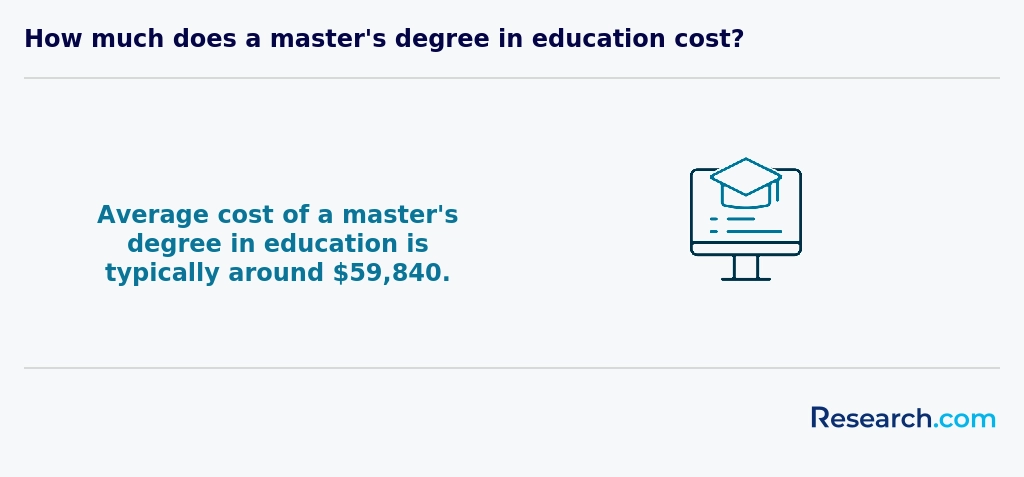
To teach in Texas public schools, graduates must obtain state certification through the Texas Education Agency (TEA), ensuring their credentials meet professional and legal standards. Upon completing an accredited Education degree, candidates must pass the Texas Examinations of Educator Standards (TExES) in their subject area and pedagogy. These exams assess both content knowledge and teaching skills, such as classroom management and instructional design. Additionally, applicants are required to submit fingerprints for a criminal background check and provide official transcripts demonstrating completion of a teacher preparation program. Once exam results and background checks are cleared, candidates apply for a Standard Certificate via the TEA’s online portal. Alternate routes-such as the Teach for America Corps or district internship programs-offer provisional certification while teachers complete coursework and mentored teaching. For those relocating from other states, Texas honors many out-of-state credentials through reciprocity agreements, though professionals may need to complete supplemental coursework or pass additional exams. Continuing professional development is mandatory for maintaining certification; Texas educators must earn at least 150 continuing education units (CEUs) every five years. Graduate credit from reputable programs can be applied toward CEU requirements. For example, educators looking for cost-effective pathways to advanced credentials may explore the Low Cost Online Master's in Education Degree Programs Ranking in New Jersey, which showcases programs that combine affordability with accreditation, helping teachers fulfill certification renewal and career advancement goals.
Graduates from Texas A&M's College of Education often reflect on how pivotal financial aid was in their journey. Many started by submitting the FAFSA, unlocking essential federal support such as Pell Grants and Stafford Loans, which made tuition manageable without overwhelming debt. This foundation of federal aid offers real relief, especially when paired with state programs like the Texas Grant or TEOG, both designed to ease costs for in-state students pursuing education degrees in College Station.
Beyond grants and loans, education students frequently benefit from scholarships exclusive to Texas A&M's College of Education, awarded for academic merit and financial need. These opportunities not only reduce expenses but also inspire confidence in one's path. Graduates recall how the TEACH Grant's commitment to serve in underserved areas added meaningful purpose to their studies.
Work-study roles on campus create both income and practical experience, while regional organizations like TACTE often extend scholarships that feel like a community's vote of encouragement. Many graduates found loan forgiveness programs invaluable, rewarding dedication to teaching in public schools and lightening financial burdens post-graduation.
To stay ahead in the evolving field of education, many graduates in College Station pursue advanced degrees, specialized certifications, and ongoing professional development. Master’s programs in areas such as Educational Leadership, Curriculum and Instruction, or Special Education not only deepen subject-matter expertise but also open doors to higher-paying administrative and policy roles. Local institutions like Texas A&M University offer CAEP-accredited graduate degrees, while online graduate certificates in instructional technology and literacy interventions provide flexible options for working educators. Additionally, professional bodies such as the Texas Education Agency (TEA) and the Association for Supervision and Curriculum Development (ASCD) host regular workshops, webinars, and conferences that earn continuing education units (CEUs) critical for license renewal. For educators seeking budget-friendly online master’s pathways, consider our nationally recognized Low Cost Online Master's in Education Degree Programs Ranking in New Jersey to compare cost-saving options and identify programs that align with your career goals.
Enrolling in an education degree program in College Station requires several important prerequisites that set the foundation for success. Graduates from Texas A&M University often recall how having a solid GPA-typically around 2.5 to 3.0-helped them feel confident as they entered rigorous coursework designed to shape effective educators. Official transcripts proving academic readiness are essential, reflecting not just past achievements but the commitment to meet challenging teacher training standards.
Many students share that preparing for and submitting standardized test scores like the SAT, ACT, or GRE can be stressful but ultimately affirming, as these exams demonstrate a learner's readiness for higher education. Some programs now also consider practical experience, such as volunteering in classrooms or tutoring, which enriches understanding beyond textbooks and triggers genuine excitement about working with children.
Foundational courses in psychology and communication, required by some programs, also help students build a conceptual toolkit early on. Prospective students often express relief knowing these steps equip them to thrive in the vibrant educational community of College Station.

After earning an education degree in College Station, TX, the next critical step is securing your teaching certification through the Texas Education Agency (TEA). Completing this process ensures you’re fully authorized to lead classrooms and advance your career in public schools. Key steps to teacher certification in Texas:
- Educator Preparation Program (EPP) Approval: Enroll in a TEA-approved EPP-many candidates choose online elementary teaching degrees that integrate coursework with field experiences.
- TExES Exams: Pass the Texas Examinations of Educator Standards (TExES) relevant to your subject area and grade level. Popular tests include the Core Subjects EC–6 for elementary educators and the ESL Supplemental exam for bilingual classrooms.
- Fingerprinting & Background Check: Submit fingerprints through the TEA’s fingerprinting vendor; a clear background check is mandatory for all initial certificates.
- Application Submission: Complete the online certification application via TEAL (Texas Assessment and Accountability Login) and pay associated fees. Approval typically arrives within 6–8 weeks.
- Continuing Professional Education (CPE): Maintain your standard certificate by fulfilling 150 hours of CPE every five years, which can include workshops, graduate credits, or professional development events. By understanding and following these steps early-ideally during your student teaching placement-you’ll transition smoothly from degree completion to a fully certified teaching professional in Texas.
Students pursuing education degrees in College Station typically engage with a carefully structured curriculum designed to build both deep knowledge and practical ability. At institutions like Texas A&M University, graduates often recall foundational courses such as Educational Psychology and Classroom Management, which illuminate how students learn and how to create supportive, dynamic classroom environments. These classes resonate deeply when future teachers reflect on their early classroom observations or student teaching experiences.
Many students find courses like Curriculum and Instruction and Assessment and Evaluation especially valuable, as they provide the tools to design lessons that reach every learner and measure progress effectively-skills essential when stepping into actual teaching roles in College Station's diverse schools.
The inclusion of Special Education Principles and Educational Technology courses prepares educators to embrace diversity and innovation, mirroring the real challenges and opportunities graduates face in modern classrooms. These courses often spark enthusiasm and confidence among students, nurturing their passion for inclusive, tech-savvy teaching approaches.
Finally, the hands-on Student Teaching/Practicum is where many feel their learning comes full circle. Through partnerships with local schools, students apply theory to practice, gaining invaluable firsthand insights that affirm their decision to pursue education in College Station.
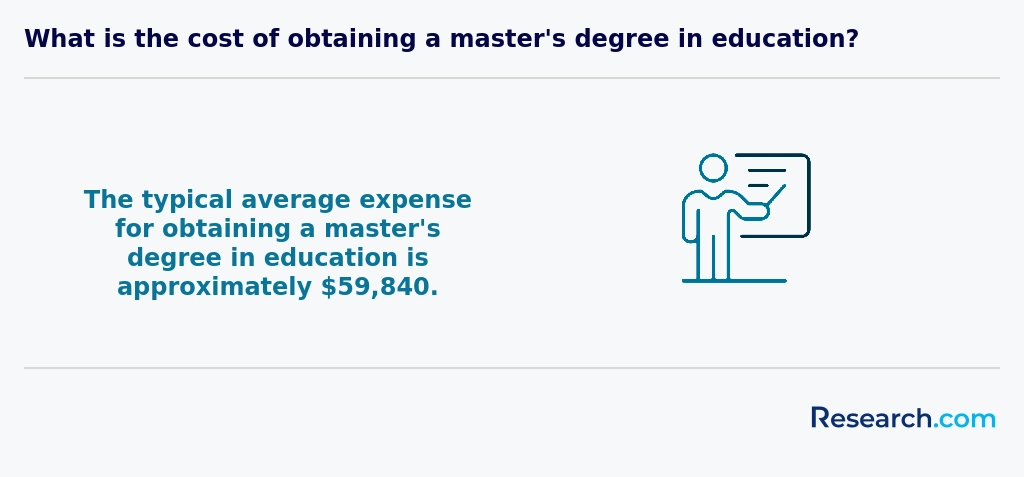
Education degree specializations in College Station often reflect the practical and diverse needs of today's classrooms. Graduates from popular colleges here share how focusing on Elementary Education immersed them in dynamic learning environments, fostering creativity in teaching young children. This foundation not only eases the transition into classrooms but also builds confidence in curriculum design and classroom management.
Other students pursuing College Station teaching degree options find Secondary Education compelling, especially when specializing in subjects like math or science. They often describe the rewarding challenge of engaging teenagers and developing deeper subject matter expertise, critical for high school instruction.
Special education remains a heartfelt choice among many, with graduates expressing fulfillment by supporting students with unique needs. In addition, fields like Educational Leadership and School Counseling open doors to meaningful roles in school administration and student welfare, where graduates feel empowered to make significant impacts.
Emerging areas such as Curriculum and Instruction and Educational Technology offer innovative paths. For those looking for affordable paths to advance, exploring low-cost online MFA degrees connected to education can also be an option.
Choosing the best education degree in College Station means focusing on what truly fits your goals and lifestyle. Graduates from Texas A&M University often reflect on the value of programs that combined strong theoretical foundations with practical experiences, thanks to local district partnerships. The access to hands-on internships often sparks confidence and real-world skills that transform classroom learning into rewarding careers. Many find that considering affordability is crucial; College Station offers options that align with those seeking affordable education degrees College Station TX without sacrificing quality.
Reflecting on the variety of degree levels-from bachelor's preparation for K-12 teaching to advanced leadership or counseling degrees-helps clarify your path. Flexibility matters too: students balancing family or work commitments appreciate programs blending online and hybrid courses, which allow them to manage their time effectively. For those seeking further options, exploring the most affordable MFA degrees online can provide inspiration for cost-effective study choices.
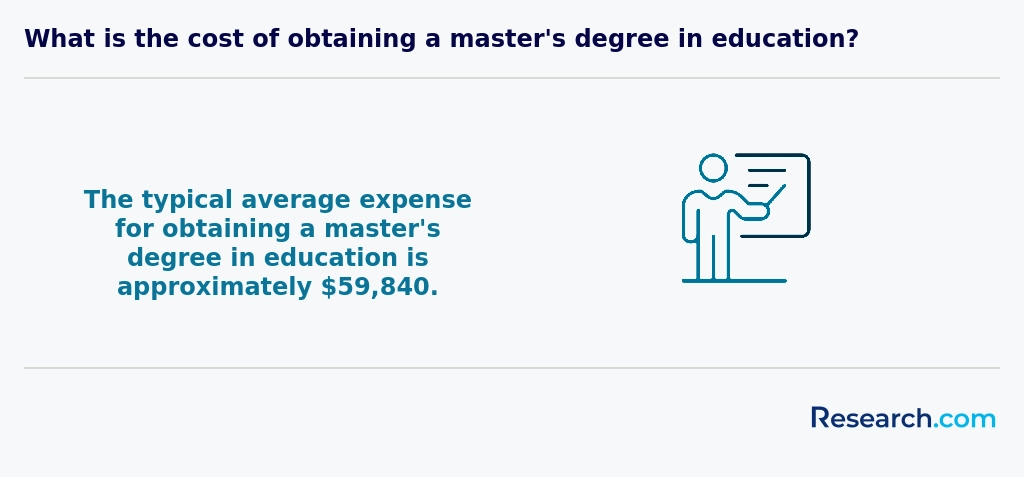
Graduates holding an education degree in College Station often find diverse and rewarding career paths that reflect their passions and strengths. Many pursue roles as K-12 teachers, where they experience the joy of inspiring young minds daily, especially at institutions like Texas A&M University. The practical training and community engagement embedded in College Station's programs equip students to thrive in classrooms facing growing demands in subjects like math, science, and bilingual education.
Beyond traditional teaching, education graduates explore various opportunities such as school administration or becoming an educational counselor, roles that call for leadership and emotional insight. For instance, some graduates transition into educational leadership administration careers, combining their classroom experience with broader school system impact. Others find satisfaction designing curriculum or specializing in support for students with disabilities, all essential components of a vibrant education ecosystem.
This range of job opportunities for education graduates College Station fosters not only professional success but also personal fulfillment, thanks to strong local networks and hands-on experiences that prepare them for meaningful lifelong careers.
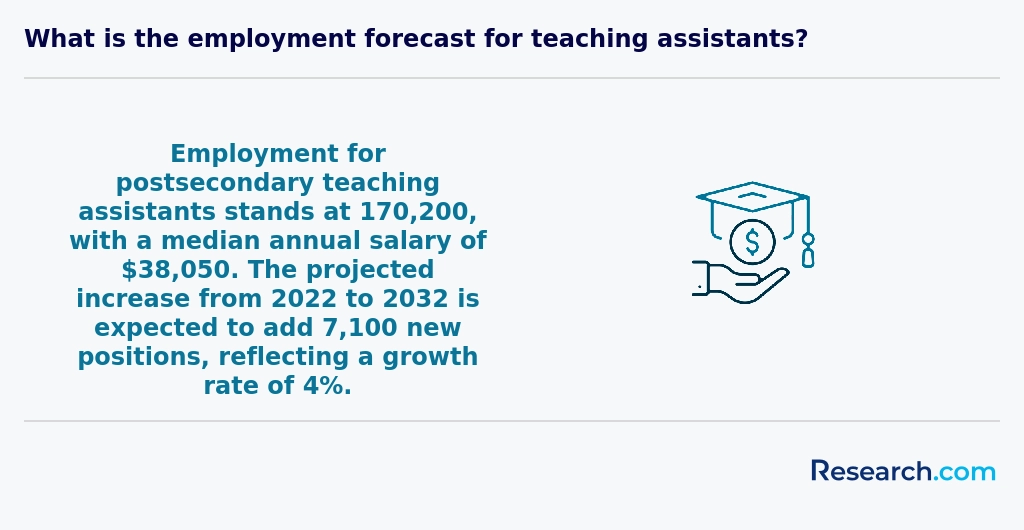
The education degree job outlook College Station offers is encouraging, especially for those connected to Texas A&M University and nearby colleges. Graduates often find rewarding opportunities in local school districts like Bryan Independent School District, where teaching career opportunities remain steady due to ongoing demand for qualified educators in subjects such as STEM and bilingual education. Many graduates share positive experiences about their first roles earning entry-level salaries around $50,000, a figure that rises with experience and specialization.
Beyond classroom teaching, education degree holders can build fulfilling careers in curriculum development, educational technology, or counseling. The vibrant academic community in College Station also presents roles in post-secondary administration, appealing to those pursuing advanced certifications. Graduates often appreciate the balance between achievable certification requirements in Texas and the affordable in-state tuition offered by local institutions, which supports sustained career growth. Students interested in diverse pathways should explore the top online child development programs that complement the region's educational landscape.
2027 Best Education Degree Programs Ranking in College Station
Investing in your education is a significant decision that can profoundly impact your future, and the Research.com team recognizes the importance of providing reliable guidance. To support prospective students in College Station, we have carefully developed the "2027 Best Education Degree Programs Ranking in College Station." Our dedication to quality, credibility, and accuracy is demonstrated through diligent research and thorough data analysis.
We utilized the following reputable data sources to ensure a comprehensive evaluation of education degree programs:
By consulting this ranking, readers gain valuable insights and a trustworthy framework to make well-informed decisions about their educational journeys. For further information about our methods, please visit our Research.com methodology page.

Frequently Asked Questions About education
Education degree students in College Station can maximize their learning experience by actively engaging in both classroom and practical opportunities. Texas A&M University, the primary institution in the area, offers comprehensive practicum and internship placements which provide hands-on teaching experience, essential for skill development.
Utilizing resources such as the University's Academic Success Center helps students improve study strategies and time management. Participating in teaching workshops and joining education-related student organizations can also foster professional growth and networking.
According to data from the Texas Higher Education Coordinating Board, over 70% of education graduates in College Station secure employment within six months after graduation, highlighting the importance of building a robust resume through diverse experiences.
Emerging niches within the education field reflect evolving societal needs and technological advancements. In College Station, specializations such as educational technology are expanding rapidly. This field focuses on integrating digital tools to enhance learning experiences, driven by a growing demand for online and hybrid instruction. Additionally, bilingual education remains vital due to Texas's diverse population, offering opportunities in teaching English learners.
Another important niche is STEM education, emphasizing science, technology, engineering, and math skills to meet workforce demands. According to the Texas Higher Education Coordinating Board, enrollment in STEM-focused education programs increased by 12% statewide from 2020 to 2023, reflecting this shift.
Finally, special education continues to be a critical area, with increasing attention on individualized learning plans and inclusive classrooms in College Station schools.
Graduates with an education degree in College Station should focus on building practical experience to stand out in the job market. Participating in student teaching programs offered by local universities such as Texas A&M provides hands-on classroom experience, which is highly valued by employers. According to the Texas Education Agency, 95% of teachers in Texas hold some form of certification, emphasizing the importance of completing state-required credentials.
Networking is essential; joining professional organizations like the Texas Classroom Teachers Association can connect graduates with potential employers and ongoing development opportunities. Additionally, staying informed about local school district hiring trends in College Station and surrounding Brazos County improves job search strategies.
Developing strong skills in educational technology and classroom management aligns with national trends showing a 7% projected growth in teaching positions through 2031, according to the U.S. Bureau of Labor Statistics.
Employers in College Station highly value education degree graduates who demonstrate strong communication skills. Effective verbal and written communication are essential for collaborating with students, parents, and colleagues. According to the Texas Education Agency, over 75% of school districts in the region prioritize these abilities during hiring.
Classroom management is another crucial skill. Graduates must create a productive learning environment and address student needs efficiently. Data from the College Station Independent School District emphasizes the need for adaptive teaching strategies to meet diverse student populations.
Additionally, critical thinking and problem-solving skills enable educators to develop lesson plans aligned with state standards while responding to classroom challenges. Familiarity with educational technology is increasingly important, reflecting trends in modern Texas schools.
Finding internships in College Station relevant to an education degree involves several strategic steps. Start by exploring opportunities through Texas A&M University, which is the largest institution in the area and offers robust career services. Their Education Career Center connects students with local school districts and educational organizations for internship placements.
Research local school districts such as College Station Independent School District (CSISD), which frequently hosts student interns to support classroom and administrative tasks. Also, nonprofits and educational nonprofits in the Bryan-College Station area provide practical experience for education majors.
Additionally, use platforms like Handshake and AggieJobLink, which post education-related internships specifically for Texas A&M students but may also be accessed by local residents. Networking through faculty and attending education career fairs in College Station are essential for securing positions that meet academic requirements and professional goals.
An education degree significantly enhances career mobility and advancement opportunities in College Station. According to data from the Texas Education Agency, educators with bachelor's or master's degrees in education are more likely to secure long-term positions in the local school districts, including College Station Independent School District. Advanced degrees often lead to higher salaries and eligibility for leadership roles, such as instructional coordinators or school administrators.
Furthermore, an education degree can provide flexibility to work in diverse settings, from K-12 schools to community education programs. Teachers with specialized certifications in areas like special education or bilingual instruction are in high demand in this region.
Graduates often benefit from networking opportunities offered by Texas A&M University, a major education research hub near College Station.
Studying for an education degree in College Station equips students with skills essential for interdisciplinary roles in education and related fields. Programs typically integrate coursework from psychology, sociology, communication, and technology, promoting a broader understanding of diverse learner needs. According to Texas A&M University's College of Education, students engage in collaborative projects and practical experiences that blend educational theory with real-world applications, enhancing adaptability across disciplines.
Additionally, opportunities for internships and research in community and educational settings allow learners to apply cross-disciplinary methods effectively. This holistic preparation aligns with national trends emphasizing versatile educators capable of addressing complex challenges.
When choosing between a thesis and a non-thesis education degree program in College Station, consider your long-term goals. Thesis programs focus on research, requiring a formal project that contributes new knowledge, ideal for students aiming at a doctoral degree or careers in academia. Non-thesis tracks typically involve additional coursework and practical training, better suited for those pursuing professional roles in education administration or teaching.
Texas A&M University in College Station, a leading institution in education, offers both options with different credit requirements. According to the university's 2023 graduate catalog, thesis programs often require around 30 credit hours plus a research project, while non-thesis programs may require up to 36 credit hours with internships or comprehensive exams.
Financial aid and time commitment also differ. Thesis degrees might take longer but could provide opportunities for research assistantships. Speak with advisors to evaluate program demands aligned with your career path.
Students in College Station interested in studying education abroad have several pathways through Texas A&M University, a leading institution in the area. Texas A&M offers robust study abroad programs specifically tailored for education majors, including semester-long exchanges and summer internships in countries such as Spain, Japan, and South Korea. These programs allow students to gain international teaching experience and cross-cultural insights, which are increasingly valuable in U.S. classrooms.
Additionally, Texas A&M's Education Abroad program provides scholarships and academic advising to help students integrate global learning into their degree plans. According to Texas A&M's 2023 report, nearly 15% of education students take part in study abroad opportunities, reflecting growing interest. These experiences support students in meeting certification requirements while enhancing their global competencies in education.
Students pursuing education degrees in College Station benefit from a variety of part-time job opportunities that enhance their academic experience. Tutoring local K-12 students, especially through programs affiliated with Texas A&M University, offers practical teaching experience. According to the Texas A&M Student Employment Office, on-campus roles like teaching assistantships or peer mentoring help strengthen skills in curriculum development and classroom management.
Additionally, positions in afterschool programs or youth organizations provide valuable interaction with diverse student groups, fostering essential communication skills. The College Station Independent School District often seeks part-time aides and substitute teachers, offering hands-on exposure to educational settings.
These roles not only supplement income but also build professional networks within the local education community, a key advantage for future careers in teaching or educational leadership.
Education students in College Station benefit from strong networking opportunities largely centered around Texas A&M University, the primary institution offering education degrees in the area. The College of Education & Human Development hosts regular events such as career fairs and workshops that connect students with local school districts and education professionals.
Students can join organizations like the Aggie Education Association, which fosters peer networking and mentorship. Additionally, internships coordinated through university partnerships place students in about 200 nearby schools annually, providing vital real-world experience and contacts.
Professional conferences in College Station and the broader Texas region further enhance networking, allowing students to meet counselors, administrators, and policy makers in education. According to recent reports from the Texas Education Agency, this active engagement improves graduate employment rates by up to 15% within the first year after degree completion.
Alumni networks provide significant advantages for education degree students in College Station by fostering connections that often lead to job opportunities and mentorships. Graduates from universities in College Station, such as Texas A&M University, benefit from one of the largest alumni networks in Texas, boasting over 500,000 former students worldwide. This extensive network offers education students access to experienced educators and administrators who can provide career guidance and advice.
Such networks also facilitate internships and teaching placements within the region. According to Texas A&M's Career Center, alumni-supported job referrals increase employment rates for education graduates by approximately 20%. This community support strengthens professional growth and local school partnerships, crucial for students aiming to build a career in education.
Customizing an education degree program in College Station involves selecting courses and specializations that align with your career ambitions. Many institutions, including Texas A&M University, offer flexible curricula allowing students to focus on areas such as curriculum development, special education, or educational leadership. Students can also tailor their practicum experiences to gain hands-on skills in specific teaching environments.
Elective options and certification tracks, like bilingual education or ESL endorsement, help diversify expertise. According to the National Center for Education Statistics, nearly 30% of education graduates from Texas universities pursue specialized certifications to improve job prospects.
Advising services in College Station typically guide students to customize their plans efficiently in line with state teaching requirements.
Education students in College Station often face challenges related to balancing rigorous coursework with practical teaching experiences. Many programs require substantial fieldwork, which can be time-consuming alongside academic responsibilities. Additionally, adapting to diverse classroom environments is a common challenge, as students must prepare for Texas's varied student populations.
Financial concerns also play a significant role; the average debt for education graduates in Texas exceeds $30,000, making budgeting for living expenses and materials critical. According to the Texas Higher Education Coordinating Board, limited availability of scholarships in the College Station area adds to this burden.
Lastly, keeping up with frequent changes in educational standards and technology integration demands ongoing effort from students to remain current and effective future educators.
With an education degree in College Station, you can pursue several professional certifications to enhance your career prospects. One common path is obtaining Texas Teacher Certification, which allows graduates to teach in public schools across Texas. The certification requires passing the Texas Examinations of Educator Standards (TExES).
Other valuable certifications include Special Education and Bilingual Education certifications, which address specific student needs and increase job opportunities. Many candidates also pursue National Board Certification for Teaching, a highly regarded advanced credential recognized nationwide.
According to Texas Education Agency data, certified teachers in College Station show higher employment rates and salary potential than non-certified counterparts, making these certifications essential for career advancement.
Applying for an education degree program in College Station requires a clear and focused application. Start by thoroughly researching the program's admission requirements, often available on university websites such as Texas A&M. Highlight your academic achievements, particularly in relevant coursework like psychology or sociology, to demonstrate your preparedness.
Personal statements should reflect your passion for teaching and your understanding of the role educators play. Incorporate any volunteer or work experience related to education to strengthen your profile.
Standardized test scores, such as the GRE, may also be required, though some programs waive this.
Finally, secure strong letters of recommendation from academic or professional references familiar with your potential in education.
A career in education offers global opportunities, influenced by varying cultural and policy perspectives. In the United States, including College Station, educators are increasingly valued for their ability to adapt teaching methods to diverse student populations. According to the U.S. Bureau of Labor Statistics, employment for kindergarten and elementary school teachers is projected to grow 7% from 2021 to 2031, reflecting steady demand nationwide.
Globally, countries prioritize education differently, but a strong foundation in pedagogy and curriculum development remains essential. College Station benefits from Texas A&M University's reputable College of Education and Human Development, which emphasizes research and inclusive teaching strategies.
Students who pursue education degrees here can expect training that meets both state certification requirements and international teaching standards, enhancing their prospects in local and international contexts.
Students pursuing education degrees in College Station can gain practical experience through several key opportunities. Many local universities, including Texas A&M, incorporate practicum placements and student teaching as essential components of their teacher preparation programs. These internships often occur in nearby public schools, offering real classroom exposure.
Additionally, students can engage in tutoring and mentorship programs sponsored by education departments, which help develop teaching skills in supportive environments. According to the Texas Higher Education Coordinating Board, over 85% of education majors in College Station complete field experiences before graduation.
Volunteering with community education initiatives also enriches practical learning beyond campus.
Choosing the right concentration within an education degree program in College Station involves understanding your career goals and interests. Many programs offer concentrations such as early childhood, special education, or instructional technology. Consider the demand for teachers in specific fields; for example, Texas has a projected growth rate of 10% in special education teaching jobs over the next decade, according to the Texas Education Agency. Research local school districts in College Station to identify their needs and the concentrations they prioritize. Additionally, explore program curricula at institutions like Texas A&M University to see which concentrations align with your strengths and professional aspirations.
- 2027 Best Education Degree Programs Ranking in New Orleans
- 2027 Best Education Degree Programs Ranking in Wichita
- 2027 Best Education Degree Programs Ranking in Mobile
- 2027 Best Education Degree Programs Ranking in Birmingham
- 2027 Best Education Degree Programs Ranking in Kansas City
- 2027 Best Education Degree Programs Ranking in Montgomery
- 2027 Best Education Degree Programs Ranking in Columbia
- 2027 Best Education Degree Programs Ranking in Tallahassee
- 2027 Best Education Degree Programs Ranking in Atlanta
- 2027 Best Education Degree Programs Ranking in Colorado Springs
See What Experts Have To Say About Studying Education
Read our interview with Education experts


Nooshan Ashtari
Education Expert
Professor & Book Author
University of Southern California

- Types of Financial Aid https://www.hhloans.com/types-of-financial-aid/
- Teacher of Global Perspectives (IGCSE) https://www.scie.com.cn/jobs-global-perspectives/
- How to Write a Great Letter of Intent for a Teaching Job | Zen Educate https://www.zeneducate.com/us/resources/becoming-a-teacher/how-to-write-letter-of-intent-teaching-job/
- Education Study Abroad Programs | Go Overseas https://www.gooverseas.com/study-abroad/education
- Baccalaureate Degree Programs https://www.texascollege.edu/baccalaureate-degree-programs
- Can Higher Education Improve Long-Term Career Success https://studysphereadvisors.com/how-higher-education-influences-long-term-career-growth/
- Workforce | Grow College Station https://grow.cstx.gov/why-college-station/workforce/
- Education Degree Entry Requirements https://universitycompare.com/advice/student/education-degree-entry-requirements
- The Future of Education: Emerging Trends Reshaping Learning Environments http://www.gesseducation.com/gess-talks/articles/future-education-emerging-trends-reshaping-learning-environments
- Events & Opportunities https://connect.teachforall.org/events-opportunities


