
2027 Best Education Degree Programs Ranking in the West

Co-Founder and Chief Data Scientist
Choosing the right education degree program can shape your future career and personal growth. This article introduces the 2027 Best Education Degree Programs Ranking in the West, thoughtfully developed by the Research.com team of data scientists. Their detailed analysis aims to guide prospective students like you toward programs that truly stand out.
Exploring this ranking can help you discover opportunities tailored to your goals and passions. Earning an education degree opens doors to meaningful work and lifelong learning, making your journey both rewarding and impactful.
Key benefits of getting education degree in the West
- Graduates with an education degree can expect rewarding salaries, such as Elementary School Teachers earning around $70,740 and Instructional Designers making approximately $77,200 annually, offering financial stability and career growth.
- A graduate from a well-known Western university can pursue diverse career paths beyond teaching, including roles in curriculum development, special education, or ESL instruction, expanding their impact in education.
- Completing an education degree online, like graduates from popular Western universities, provides flexibility to balance work and study while gaining the same valuable skills and credentials as traditional programs.
- 2027 Best Education Degree Programs Ranking in the West
- What can I expect from education degree in the West?
- Where can I work with education degree in the West?
What can I expect from education degree in the West?
Stepping into an education degree program in the West often feels like embarking on a journey filled with both challenge and reward, but understanding the financial path is key. On average, undergraduate tuition at prominent institutions like the University of Washington or California State University hovers around $10,000 to $20,000 per year for in-state students, while out-of-state learners might pay significantly more. Graduate degrees, such as those at Stanford or the University of California system, can range from $15,000 to over $30,000 annually depending on specialization and residency.
Graduates often share how scholarships, grants, and work-study options softened these costs, making their pursuit of educational leadership and teaching passion feel accessible rather than overwhelming. Imagine immersing yourself in research projects on educational equity or leading classrooms that celebrate diverse cultures, all while managing your expenses through financial aid tailored to Western institutions.
The investment might seem steep at first, but many find the hands-on training, internships, and community connections gained outweigh the monetary cost, creating memorable experiences that ignite their careers in education.
Where can I work with education degree in the West?
Graduates with an education degree in the Western United States find themselves on a vibrant career adventure. Imagine stepping into bustling classrooms from California's renowned state universities, joining over 450,000 teachers shaping young minds across the region. Whether in urban Seattle or scenic Colorado campuses, new educators thrive in K-12 schools, where every day sparks fresh connections. Some graduates dive into leadership roles, becoming inspiring principals or dynamic curriculum coordinators, fueled by their passion to innovate within local school districts.
Others explore special education, working closely with students requiring tailored support - a deeply rewarding path supported by federal initiatives like IDEA. Faculty positions at community colleges, especially in California's extensive two-year systems, offer graduates opportunities to mentor adults and guide career growth.
The West's tech hubs bring exhilarating chances to merge education with technology, designing digital learning tools that impact classrooms worldwide. Nonprofits and government agencies round out this journey, inviting graduates to champion youth development with heart and drive. Every step reflects the adventurous spirit of education students eager to make a tangible difference.
Graduates from education programs in the Western United States often find themselves stepping into rewarding roles with promising salaries. For instance, elementary school teachers in this region typically earn around $70,740 annually, a figure that reflects both their dedication and the vibrant school communities found at universities like the University of Washington or UCLA.
Special education teachers enjoy even more encouraging earnings, with a median income of $76,000. Imagine yourself making a real difference while earning a solid salary, just like many graduates from Portland State University who pursue these specialized paths.
Meanwhile, English as a Second Language (ESL) teachers bring enriching experiences to classrooms and earn about $65,430 per year. This role perfectly suits adventurous graduates eager to connect diverse student populations, as seen in graduates from San Diego State University's programs.
For those inspired to design educational programs, instructional designers in the West can expect salaries averaging $77,200, combining creativity with impact-an exciting prospect for graduates from USC's innovative education technology courses.
And if nurturing young minds in early childhood education calls to you, anticipate starting salaries around $41,410, setting a solid foundation for a meaningful career while growing within thriving communities such as those nurtured at the University of Oregon.
- Tuition for education degrees in Western public universities ranges from $7,000 to $15,000 per year for in-state students and $20,000 to $35,000 for out-of-state students.
- Private colleges often charge more than $40,000 annually, excluding extra fees and supplies.
- A bachelor's degree usually takes four years, with master's programs adding about two more years.
- Employment for teachers in the West is expected to grow by 5% over the next decade, especially for kindergarten, elementary, secondary, and special education roles.
- Starting salaries for new teachers typically range from $45,000 to $55,000, with experienced teachers earning $70,000 to $80,000 or more.
- Financial aid options such as federal grants, scholarships, and loan forgiveness are widely available to reduce education degree costs.
For those chasing a master's, the adventure continues with one to two more years of focused study. Graduate students at institutions like Stanford or the University of Oregon often explore specializations-from curriculum design to educational leadership-delighting in flexible schedules and real-world practicums that shape their unique paths.
Doctoral journeys in the West, such as at UC Berkeley or the University of Colorado, can stretch from three up to seven years. It's a thrilling, sometimes demanding quest filled with dissertation research and scholarly discovery. Many who embark on this path cherish the sense of accomplishment that comes with contributing new knowledge to the field.
Part-time and online options make this academic quest accessible for working professionals, extending timelines but fueling dreams without the need to pause life's other adventures.
As the education landscape continues to evolve, understanding emerging trends is crucial for aspiring educators. Today’s programs are increasingly integrating advanced technologies such as AI-driven learning tools and adaptive assessments that personalize student experiences. Moreover, there is a rising focus on interdisciplinary approaches, where innovative methods in fields like edtech and digital literacy are reshaping traditional classroom dynamics. This forward-thinking shift not only enhances learning outcomes but also opens doors for unique career paths, including emerging roles in blended learning environments and remote instruction. Many institutions are now prioritizing partnerships with industry leaders, ensuring that academic curricula align with real-world demands. This synergy fosters experiences that nurture creativity and critical thinking, preparing graduates for the competitive job market. Students evaluating online options may also consider exploring edd nursing programs, which exemplify accelerated pathways blending rigorous academic training with practical applications. By staying informed about these trends and leveraging cutting-edge resources, prospective educators can make well-informed decisions that empower them to shape the future of education with innovation and confidence.
Imagine walking the bustling halls of a university in California or Washington, where on-campus education students thrive through face-to-face interactions, lively group discussions, and hands-on practicums. These graduates often recall the excitement of in-person student teaching assignments that bring theory to life, surrounded by passionate peers and supportive faculty. This traditional path fosters a strong sense of community essential for many aspiring educators.
By contrast, online education degrees unlock a world of flexibility perfect for working adults or those scattered across the vast Western states. Graduates speak to the freedom of accessing lectures and assignments anytime-whether during quiet nights at home or while traveling. This adaptability appeals to those balancing jobs and families, especially in bustling urban areas or remote towns.
In Western public universities, on-campus programs typically cost between $12,000 and $25,000 yearly, while online options often trim costs by 15% to 30%. Still, technology fees add a modern twist to budgeting.
Both routes require regional accreditation, ensuring students in Oregon or Arizona earn credible degrees recognized by employers and licensing boards, with comparable success rates on licensing exams.
To embark on the journey of pursuing an Education degree in the West, it's essential to understand the initial steps and considerations. Prospective students often begin by researching the various programs available, each with its unique strengths and specializations. For those interested in exploring the best online education program in California, understanding the flexibility and convenience offered by online learning can be a deciding factor. This flexibility allows students to balance their studies with work or personal commitments, making it an attractive option for many. Aspiring educators should also consider factors such as accreditation, program reputation, and the availability of specializations that align with their career goals. By carefully evaluating these aspects, individuals can make informed decisions about their educational pathways, ultimately setting themselves up for success in their future careers.
Embarking on the journey to earn an education degree in the West means navigating costs that average around $12,397 for in-state students, while out-of-state students may face totals closer to $45,534. Graduates from well-known public universities often recall the challenge of balancing tuition costs with daily expenses, yet many feel that the investment was worth the rewarding classroom experiences and career opportunities that followed.
Many students attending popular colleges for education degrees in Western states find ways to make this adventure both affordable and enriching. Imagine the excitement of attending lectures at a leading state university, knowing your in-state tuition keeps the financial burden manageable, especially compared to pricier private alternatives. This insight into the average cost of education degree programs in the West helps prospective students envision the practical side of their studies, from securing textbooks to budgeting for housing.
Private institutions, on the other hand, can be a thrilling but more costly option, often amounting to significantly higher total tuition and fees for education degrees western US. Students pursuing these paths embrace the challenge of higher costs with hopes of personalized learning environments and exclusive resources.
Financial aid and scholarships often play a starring role, turning what might seem like a financial mountain into an attainable peak. For those dreaming of graduate study, exploring the best online education program in California offers a promising, flexible way to advance while managing costs.
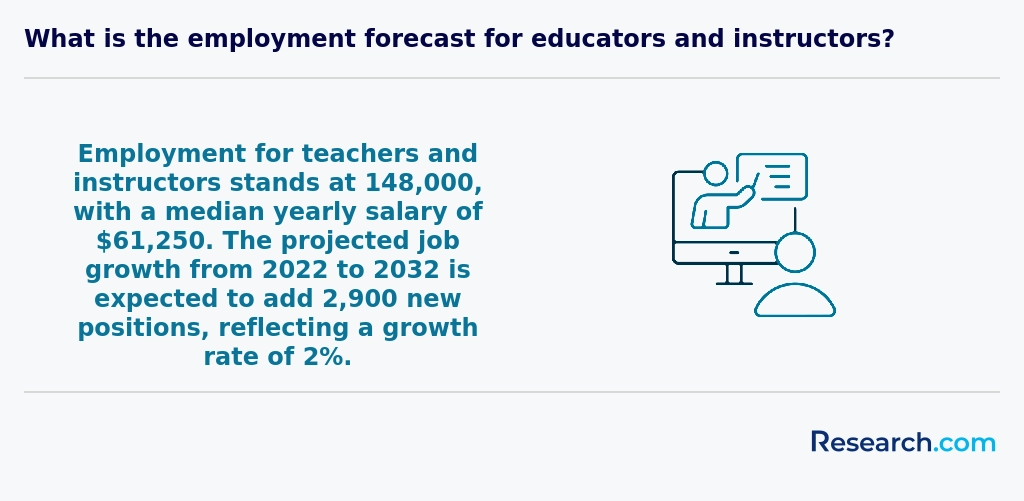
Understanding the return on investment (ROI) of an Education degree is crucial for prospective students weighing the long‐term value of their academic investment. While the average total cost for a bachelor’s degree at public four‐year institutions in the West is approximately $89,556 (including tuition, fees, room, and board), graduates often recoup this expense within 7–10 years through competitive salaries and diverse career opportunities. Key ROI considerations: • Mean starting salaries: ESL teachers earn around $63,130 annually, early childhood educators $38,640, and instructional designers $73,080. • Payback period: Based on average salaries, many graduates break even on tuition within eight years, assuming a 4.5% student loan interest rate and standard repayment plan. • Lifetime earnings premium: Over a 30‐year career, an Education bachelor’s holder in the West can expect cumulative earnings exceeding $1.8 million, compared to $1.2 million for high school‐only graduates. • Cost‐saving pathways: Graduates who begin at community colleges or choose high‐value online programs can reduce debt burdens by up to 30%. For more on budget‐friendly graduate options, explore our Affordable Online Master's in Education Degree Programs Ranking in Wisconsin. By analyzing both the upfront costs and long‐term salary trajectories, students can make informed decisions about selecting programs that align with their financial goals and career aspirations, ensuring that their passion for education translates into sustainable professional success.
Imagine stepping onto the vibrant campus of a Pacific Northwest university, where the daunting cost of an education degree begins to feel manageable thanks to a tapestry of financial aid options. Many students here eagerly file their FAFSA forms to unlock Pell Grants, which can provide up to $7,395 annually-an exciting boost that can cover a large chunk of tuition. Graduates recall how these grants turned tight budgets into opportunities, allowing them to focus more on becoming inspiring teachers and less on mounting debt.
Beyond federal aid, state-backed programs in places like California offer unique scholarships and forgivable loans designed specifically for teacher candidates committed to serving underserved communities. Graduates often share stories of how this support made their paths clearer and their goals more achievable, bridging gaps between dreams and reality.
Meanwhile, work-study jobs on campus provide not just income but hands-on experience, allowing students to dive into education-related roles that enrich their resumes while easing financial pressure. And at many Western universities, institutional scholarships based on merit or need spark bright moments of relief and motivation, uplifting students on their educational adventure.
Accreditation is the cornerstone of a credible Education degree in the West, ensuring programs meet rigorous standards set by bodies such as the Council for the Accreditation of Educator Preparation (CAEP) and regional agencies like the Western Association of Schools and Colleges (WASC). Choosing an accredited program not only guarantees quality instruction but also smooths the path to state certification. Prospective students should verify that their institution holds CAEP or NCATE recognition and is approved by the state board of education where they intend to teach. To obtain a teaching license, graduates typically must: 1. Complete an approved teacher preparation program. 2. Pass state-mandated exams (e.g., PRAXIS, CSET). 3. Fulfill supervised student-teaching hours. 4. Submit a background check and official transcripts to the state education board. Requirements vary by state, so it’s essential to review specific guidelines for California, Oregon, Washington, and other Western states. For example, California candidates must pass the California Basic Educational Skills Test (CBEST) and the Subject Matter Competence Exam, while Washington applicants complete the WEST-E assessments. For those seeking cost-effective accredited online options that align with state licensure pathways, explore our Affordable Online Master's in Education Degree Programs Ranking in Wisconsin. These programs combine affordability with the accreditation standards necessary for certification, helping you transition seamlessly from student to licensed educator in the Western education landscape.
Embarking on an education degree journey in the West starts with a solid foundation-a high school diploma or GED, the gateway that many graduates from universities like the University of California or Western Washington University remember as their first big step. Many recall the anticipation of sending SAT or ACT scores, though recent shifts mean you might have the freedom to decide if those test scores showcase your potential.
Picture yourself crafting a personal statement that captures your passion for teaching, much like recent graduates who shared how this essay was their moment to shine beyond grades. Often, a minimum GPA between 2.5 and 3.0 opens doors to programs, reflecting steady dedication rather than perfection.
Letters of recommendation from teachers or counselors become your advocates, echoing your readiness and enthusiasm, as many former students attest. For those aiming higher with master's or doctoral paths, a bachelor's degree is essential-whether directly in education or a related field fueling your curiosity.
Real-world experience in classrooms or volunteer roles often proves invaluable, turning theory into practice and inspiring many to push forward with excitement and purpose.
Accreditation ensures that Education degree programs in the West meet rigorous quality standards and qualify graduates for state teaching credentials. Most reputable programs are accredited by agencies such as the Council for the Accreditation of Educator Preparation (CAEP), the National Council for Accreditation of Teacher Education (NCATE), or regional bodies like the Western Association of Schools and Colleges (WASC). Enrolling in an accredited program not only guarantees curriculum alignment with national benchmarks but also streamlines the path to licensure and employment. To become a certified teacher in Western states, candidates must typically: 1. Complete a CAEP- or NCATE-accredited teacher preparation program, including supervised student teaching. 2. Pass required exams (e.g., Praxis Core Academic Skills for Educators and Praxis Subject Assessments) or state-specific tests. 3. Apply to the State Board of Education for an initial teaching license, submitting transcripts, exam scores, and background checks. 4. Fulfill continuing education or professional development hours to renew licensure every two to five years, depending on the state. Online programs are increasingly recognized by state education boards, provided they hold proper accreditation. For those exploring flexible graduate pathways, consider our Affordable Online Master's in Education Degree Programs Ranking in Wisconsin, which highlights accredited online master’s options that align with licensure requirements. Understanding accreditation and licensure is critical: without the proper credentials, graduates may face delays in classroom placement or be ineligible for federal financial aid. Always verify that your chosen program’s accreditation status is current and recognized by your target state’s education authority before enrolling.
Diving into an education degree in the Western US means immersing yourself in courses that truly prepare you for a vibrant career in teaching and beyond. Imagine studying at a university like the University of California or the University of Washington, where graduates often recall their excitement mastering educational psychology-understanding how kids think and grow, making lessons come alive tailored to each learner's needs.
Curriculum design and instructional methods are central, too; students eagerly draft creative lesson plans that bring classroom ideas to life, readying them for states like California, which value innovation in teaching. Then there's the hands-on thrill of classroom management, where learners practice maintaining a positive, inclusive space, handling challenges with empathy-skills essential for the diverse classrooms of Oregon and Washington.
West Coast education programs also ignite curiosity about educational technology, giving you a toolkit of digital resources to make learning engaging. Plus, the student teaching practicum often feels like an adventurous leap into real classrooms, where theory meets practice under seasoned guidance-a moment graduates describe as transformative and deeply rewarding.
If you're diving into education degree specializations in the West, prepare to explore a fascinating range of paths tailored to meet diverse student aspirations. Graduates from the University of Washington often share how their Elementary Education focus enriched their ability to nurture young minds in lively Seattle classrooms. Meanwhile, those pursuing Secondary Education at the University of California system find joy in mastering subject-specific teaching strategies, whether it's history or math, bringing their passions to life for teenagers. Special Education remains a rewarding choice for many Portland State University students who cherish making a real difference by supporting learners with unique challenges.
Other exciting options include Educational Leadership and Curriculum and Instruction, loved by students eager to innovate school environments and teaching methods. With the regional demand, programs frequently incorporate TESOL courses for instructing English learners, an essential skill in the West's culturally rich communities. For those balancing work and study, it's worth exploring flexible formats, such as edd nursing programs, which demonstrate the region's commitment to accessibility and practical learning.
Choosing the best education degree in the West means diving into a world of diverse programs that fit your ambitions and lifestyle. Imagine walking through the campus of a well-known California university popular for its flexible online learning-graduates often share how accessing classes anytime helped them balance work and study. Whether you aim for a bachelor's to start your teaching journey or a master's for leadership roles, aligning the degree type with your career goals is key to feeling confident and ready.
Tuition and cost are part of the adventure too; public institutions in states like Oregon or Washington offer affordable education degrees western region students appreciate, keeping budgets manageable. Many graduates highlight how accredited programs, backed by respected bodies like CAEP, gave their diplomas weight and opened doors in local school districts. For those seeking more flexibility, finding programs with online or hybrid formats is a game-changer.
To explore options with excellent value and convenience, check out the Affordable Online Master's in Education Degree Programs Ranking in Wisconsin-a helpful guide even if you plan to study elsewhere. This mix of practical advice and real student experiences helps you navigate your path to one of the best education degree programs in the West.
Graduates with an education degree in the West find themselves stepping into a world of vibrant teaching jobs with education degree West. Picture alumni from well-known colleges like the University of Washington or UCLA engaging directly with classrooms across bustling cities or serene towns, teaching subjects from math to special education. Their daily work is filled with rewarding moments and the excitement of shaping young minds in diverse communities.
But the adventure doesn't stop there. Many explore education degree career opportunities West by moving into administration roles-be it as principals or curriculum specialists-where leadership skills meet passion for learning. These positions, often based in districts throughout California and Oregon, come with new challenges and the joy of making meaningful system-wide impacts.
Others dive into educational support roles, becoming counselors or special education coordinators. Their work, essential to student success, often involves collaboration and empathy. For those drawn to innovation, the tech sector and nonprofit world offer intriguing routes, found at community colleges or startups in Silicon Valley, fostering creativity along the way.
Students considering varied paths might explore fast track degree programs online that accelerate entry into these thrilling careers, enabling quicker immersion into the passionate education community of the West.
The job market for education degree holders in the West remains vibrant and full of promise, fueled by population growth and strong public education investments in states like California and Washington. Many graduates from well-known institutions report exciting opportunities not just in traditional classrooms but also in areas like educational administration and special education. These roles are growing steadily, reflecting the region's evolving educational needs and expanding student populations. Exploring the West region teaching career outlook 2027 reveals a steady 5% growth rate for teaching jobs through 2030, mirroring national trends and highlighting reliable prospects for new educators.
Education grads in the West also benefit from diverse career paths that extend into counseling and curriculum design, with some seeing firsthand how loan forgiveness programs in states like California help make their careers more affordable. Those enrolled at popular colleges appreciate these supports as they dive into their studies and early career adventures.
For students wondering about the cost of their education, typical yearly tuition at public Western universities ranges from $7,000 to $10,000 for residents, though out-of-state students pay considerably more. Several graduates recommend exploring financial aid options to ease this burden. If you're curious about what are the easiest degrees to get alongside education, it's worth investigating how your degree might open doors across the West's educational landscape, from public schools to vibrant charter programs.
2027 Best Education Degree Programs Ranking in the West
Investing in your education is a significant decision that can impact your future, and the Research.com team recognizes the importance of providing trustworthy guidance. To support prospective students in the West, we have carefully developed the "2027 Best Education Degree Programs Ranking in the West." Our dedication to quality, credibility, and accuracy is demonstrated through rigorous research and thorough analysis.
We utilized the following reputable data sources to ensure a comprehensive assessment of education degree programs:
By exploring this ranking, readers will obtain critical insights to identify the best education programs in the West, empowering them to make well-informed choices for their academic and professional futures. For a detailed explanation of our data and methodology, please visit our Research.com methodology page.


Frequently Asked Questions About education
Education degree students in the Western United States can maximize their learning by engaging in hands-on experiences such as student teaching and internships, which are often required components of state certification programs. According to the California Department of Education, programs including at least 600 hours of practicum tend to produce more effective teachers. Additionally, students should take advantage of faculty mentorship and peer collaboration to deepen subject knowledge and pedagogical skills.
Utilizing university resources like tutoring centers and research libraries also enhances learning outcomes. Staying informed about state-specific licensure requirements through bodies such as the Oregon Teacher Standards and Practices Commission helps students align their coursework with career goals.
Emerging niches within the education field in the Western US increasingly focus on technology integration and specialized support roles. According to the National Center for Education Statistics (NCES), degrees emphasizing educational technology are growing rapidly, with enrollment increasing by over 15% since 2019. Programs training educators in special education and mental health counseling reflect heightened awareness of diverse student needs, driven by new federal legislation.
Additionally, bilingual education and English language learner (ELL) specialist certifications are gaining traction, especially in states like California and Washington. These areas address the growing multilingual student population in Western schools.
Higher education leadership programs are also expanding, preparing graduates to manage dynamic institutional environments impacted by shifting demographics and funding challenges.
Preparing for the job market after completing an education degree in the West involves strategic planning and skill development. First, gaining hands-on experience through student teaching or internships is crucial. According to the National Center for Education Statistics, nearly 90% of education graduates engage in practical training before graduation, which improves employability.
Networking is also essential. Joining professional organizations like the National Education Association can help build connections. Additionally, obtaining relevant certifications, such as state teaching licenses, increases job prospects. Familiarity with educational technology, a growing demand in Western schools, further enhances a candidate's profile.
Continuing professional development and staying updated with current teaching standards are key to long-term success in the field.
Employers in the Western US often prioritize specific skills when hiring graduates with education degrees. Strong communication abilities are essential, as teachers must clearly convey concepts to diverse student populations. Critical thinking and problem-solving skills are also highly valued, enabling educators to adapt lessons and handle classroom challenges effectively. According to the National Center for Education Statistics (NCES), technological proficiency is increasingly important, with over 70% of schools integrating digital tools into instruction.
Additionally, cultural competency and emotional intelligence help educators foster inclusive, supportive learning environments. Leadership and collaboration skills support teamwork among staff and engagement with parents. These combined skills enhance a graduate's readiness for today's evolving educational landscape in the West.
Finding internships related to education degrees in the Western US involves multiple strategic steps. Many universities in this region, including those in California and Washington, have partnerships with local schools and educational organizations that offer practical experience to students. According to the National Center for Education Statistics, about 70% of education graduates in the West complete internships before graduation. Students should start by consulting their university's career services and education departments, which often list approved school districts and education nonprofits as internship hosts.
Additionally, platforms like Handshake and LinkedIn feature internships specifically targeted at education majors. Networking with faculty and attending education career fairs in the West can also reveal hidden opportunities. Since many states require student-teaching as part of licensure, these placements frequently count as formal internships. Early application and clear alignment with state teaching standards can improve chances of securing these positions.
Obtaining an education degree in the Western United States significantly enhances career mobility and advancement opportunities. According to the National Center for Education Statistics (NCES), professionals with bachelor's or higher degrees in education experience lower unemployment rates compared to those with only a high school diploma.
Education degrees also open pathways to diverse roles, from classroom teaching to administrative positions such as principals or curriculum specialists. Advanced degrees, including master's and doctorates, often lead to higher salaries and leadership roles. For example, the Bureau of Labor Statistics reports that education administrators in Western states earn a median wage about 20% above that of teachers.
Additionally, many Western states require certification renewal linked to continued education, encouraging degree holders to pursue further qualifications for career growth. This structure supports ongoing professional development and upward mobility within the education sector.
Studying for an education degree in the Western United States equips students with skills essential for interdisciplinary roles. Many programs emphasize collaboration across fields such as psychology, sociology, and technology, reflecting the complexity of modern educational environments.
Universities in the West often integrate courses on learning sciences, digital tools, and cultural studies to foster broad expertise. For example, a 2022 report by the Western Interstate Commission for Higher Education highlights that over 75% of education programs there include interdisciplinary curricula.
This approach prepares graduates to work in diverse settings, from special education to policy development, adapting to varied learner needs and community contexts.
When choosing between a thesis and a non-thesis education degree program in the West, consider your career goals and learning preferences. Thesis programs are research-focused, requiring a substantial project and often preferred for students aiming at doctoral studies or research roles. Non-thesis options usually emphasize practical skills and coursework, suitable for professionals looking to enhance teaching or administrative expertise quickly.
According to the National Center for Education Statistics, about 40% of education master's students in the US opt for thesis tracks. Time commitment varies: thesis programs typically take longer due to research demands. In contrast, non-thesis paths can be completed faster, often within two years.
Students based in the Western United States have several options for pursuing education degrees abroad, with many universities offering specialized programs tailored to international learners. Popular destinations include Canada and Western Europe, where institutions provide diverse pedagogy and policy perspectives. According to the Institute of International Education, over 15,000 U.S. students studied education-related fields overseas in 2022, reflecting a growing interest.
Western U.S. students commonly choose programs in countries with English-taught graduate degrees, easing the language barrier. Many programs incorporate student-teaching opportunities abroad, enhancing practical skills.
Financial aid and exchange agreements through U.S. universities can also support study abroad.
Part-time job opportunities that complement education degrees in the Western US often include roles directly related to teaching and tutoring. Many education students take on positions as teacher's aides or instructional assistants in K-12 schools, which offer hands-on classroom experience. According to the National Center for Education Statistics, approximately 30% of education majors in the West work in such roles alongside their studies.
Additionally, tutoring remains a popular choice, especially in subjects like math and reading. With the rise of online platforms, students can also engage in virtual tutoring. Schools and community centers frequently hire part-time staff for after-school programs, providing valuable interaction with children and adolescents.
These roles not only build practical skills but also enhance resumes, making graduates more competitive in the job market.
Education students in the Western United States benefit from diverse networking opportunities that enhance their career prospects. Universities like UCLA, UC Berkeley, and the University of Washington host regular career fairs, workshops, and mentorship programs tailored to future educators. According to the Western Interstate Commission for Higher Education (WICHE), over 70% of education majors in the West participate in internships or student teaching placements, which provide crucial professional connections.
Students also gain access to statewide professional organizations such as the California Teachers Association and Washington Education Association. These groups offer conferences and local chapters where students can meet experienced teachers and education leaders, expanding their professional network before graduation.
Alumni networks play a significant role for education degree students in the Western United States by providing valuable professional connections. These networks often facilitate mentorship opportunities, internships, and job placements, leveraging the experience and contacts of graduates. According to the National Center for Education Statistics (NCES), graduates in education fields who engage with alumni networks report higher employment rates within six months of graduation.
Additionally, alumni connections support ongoing professional development. Many Western universities host workshops and seminars exclusive to their alumni, promoting lifelong learning. These networks also foster collaboration, helping future educators share resources, ideas, and best practices that improve classroom success. Overall, alumni networks enhance career readiness and community integration.
Customizing an education degree program in the Western United States typically involves selecting specializations, electives, and practical experiences aligned with your career goals. Many universities offer concentrations such as curriculum development, special education, or educational technology, allowing students to tailor their studies. For example, according to the Western Interstate Commission for Higher Education (WICHE), over 70% of regional institutions provide adaptable programs that include internships or student teaching elements. These hands-on opportunities help bridge theory and practice effectively.
Students may also choose between traditional degrees, accelerated programs, or online formats to suit their schedules. Additionally, some schools allow credits for prior professional experience, helping you progress faster toward licensure or advanced certifications.
Education students in the Western United States often face financial challenges, with tuition and fees averaging over $10,000 annually at public universities in states like California and Washington (NCES, 2023). Many must balance work and study, impacting their academic performance. Additionally, access to classroom placements for hands-on teaching practice can be limited due to high competition, especially in urban areas.
Students also encounter the pressure of meeting rigorous state certification requirements, which vary widely and require passing multiple exams. Mental health concerns are rising, with a 2022 survey by the American College Health Association reporting that 60% of education majors experienced significant stress related to coursework and career uncertainty.
Lastly, navigating shifting education policies and increasing emphasis on technology integration demands continuous adaptation, challenging students' readiness for teaching diverse classrooms.
With an education degree, graduates in the Western United States can pursue several professional certifications to enhance their careers. One common path is obtaining state teaching credentials, required for K-12 public school teachers. Each state has specific requirements, often including passing exams such as the Praxis series and completing supervised teaching experiences.
Beyond initial licensure, educators may seek National Board Certification from the National Board for Professional Teaching Standards, which recognizes advanced teaching expertise. In California, for example, about 3% of teachers achieved this as of 2022, highlighting its prestige.
Other certifications include those for specialized roles, such as school counseling, administration, or special education specialists. These often require additional coursework or exams. For instance, West Coast states like Oregon and Washington offer clear pathways for educational leaders' licenses.
To write a winning application for an education program in the West, start by clearly demonstrating your passion for teaching and learning. Admissions committees in U.S. universities often look for applicants who articulate their goals and explain how the program aligns with their career plans. According to the National Center for Education Statistics, applicants with relevant volunteer or work experience in education increase their chances of acceptance.
Strong letters of recommendation from professors or supervisors are crucial. They should highlight your skills, dedication, and suitability for the field. Additionally, a well-crafted personal statement that addresses your unique background and motivation is essential. Ensure you meet all application requirements and submit materials on time to avoid disqualification.
Education careers in the United States and Western countries are increasingly viewed through a global lens, reflecting the growing interconnectedness of educational practices. According to the National Center for Education Statistics (NCES), over 3.8 million students enrolled in teacher preparation programs in the U.S. in recent years, highlighting strong domestic interest. Globally, many Western education degrees emphasize cross-cultural competencies and inclusive teaching methods, responding to diverse classrooms. Western institutions also encourage study abroad and international internships as part of education degrees, promoting a broader understanding of educational systems worldwide. This global perspective prepares graduates to adapt to varied educational settings and policy environments.
Gaining practical experience while studying for an education degree in the West often involves participating in internships and student teaching placements mandated by most US universities. These hands-on opportunities allow students to apply theoretical knowledge in real classrooms under the supervision of experienced educators.
According to the National Center for Education Statistics, over 90% of education degree programs in the western United States include a practicum or student teaching component. This experience is essential for state certification and helps build classroom management skills.
Additionally, many programs encourage volunteering in local schools or community education projects, providing a broader range of teaching environments. Some institutions also offer partnerships with nearby school districts, facilitating seamless integration of coursework and practical training.
Choosing the right concentration within an education degree program in the Western United States involves understanding your career goals and the demands of the regional job market. Popular concentrations include Special Education, Educational Leadership, and Curriculum Development, reflecting local school district priorities. According to the National Center for Education Statistics, demand for special education teachers in the West is projected to grow by 8% through 2029.
Consider program accreditation, faculty expertise, and available practicum opportunities. Western states often emphasize inclusive education and technology integration, which can influence your concentration choice. Reviewing state licensure requirements can also help ensure your degree aligns with teaching or administrative certification standards.
See What Experts Have To Say About Studying Education
Read our interview with Education experts

Nooshan Ashtari
Education Expert
Professor & Book Author
University of Southern California

Alan J. Singer
Education Expert
Professor of Teaching, Learning and Technology
Hofstra University

- 7 Unique Career Paths for Education Graduates | MANCOSA https://www.mancosa.co.za/blog/7-unusual-career-paths-for-education-graduates/
- Putting theory into practice: The value of an interdisciplinary approach to teaching https://my.chartered.college/impact_article/putting-theory-into-practice-the-value-of-an-interdisciplinary-approach-to-teaching/
- Inside Western Education: Exploring Key Specialization Areas https://pages.riley-eyewear.com/riley-eyewear/western-education-exploring-key-specialization-areas-1767647837
- Real-World Experiences in Education: Boosting Student Skills and Employability - FSUK International College https://fsukinternationalcollege.com/2024/07/bridgingreal-world-experiences-in-education/
- International teaching and education jobs https://www.tes.com/jobs/search/international
- The 10 Highest Paying Jobs With a Teaching Degree [Quiz] https://www.umassglobal.edu/blog-news/highest-paying-jobs-with-a-teaching-degree
- Bachelor of Education https://www.northwestcollege.ca/programs/post_secondary/university/bachelor_of_education_.html
- Career Goals: 17 Inspirational Examples for you in 2026 https://www.imd.org/blog/learning-and-development/career-goals/
- 18 Highest Paying Jobs With an Education Degree (not teaching) | Devlin Peck https://www.devlinpeck.com/content/jobs-with-an-education-degree
- Can Higher Education Improve Long-Term Career Success https://studysphereadvisors.com/how-higher-education-influences-long-term-career-growth/


