
2027 Most Affordable Education Degree Programs Ranking in Nebraska

Co-Founder and Chief Data Scientist
Choosing the right education degree program can feel overwhelming, especially with so many options available in Nebraska. This article presents the 2027 Most Affordable Education Degree Programs Ranking in Nebraska, created by the Research.com team of data scientists to guide you toward the best choices.
By exploring this ranking, you'll discover affordable programs that fit your goals, helping you invest wisely in your future. Earning an education degree opens doors to rewarding career paths, making a positive impact in communities.
Take a confident step forward with helpful, reliable information tailored to your needs.
Key benefits of getting education degree in Nebraska
- Education degree graduates in Nebraska can expect competitive salaries, such as $70,740 annually for elementary school teachers and $76,000 for special education teachers, providing financial stability and growth potential.
- Graduates from popular Nebraska universities often pursue diverse careers like instructional designers, earning about $77,200, or ESL teachers with an average salary of $65,430, showing the degree's versatile opportunities.
- Obtaining an education degree online offers flexibility and convenience, allowing students from Nebraska to balance work and study effectively, just like graduates from well-known online programs in the state report great satisfaction and career advancement.
- 2027 Most Affordable Education Degree Programs Ranking in Nebraska
- What can I expect from education degree in Nebraska?
- Where can I work with education degree in Nebraska?
What can I expect from education degree in Nebraska?
If you're wondering about the cost of getting an education degree in Nebraska, here's the deal: most students attending universities like the University of Nebraska-Lincoln pay around $9,000 a year for in-state tuition. That's a solid price compared to many places around the country, especially when you consider the quality programs available.
Graduates often share how this affordable tuition allowed them to focus more on their studies and student teaching without stressing too much about finances. Many also tap into scholarships and financial aid, which are pretty common at schools like Creighton University, making the whole experience even more manageable. Imagine being able to dive into hands-on classroom work while knowing tuition won't break the bank-that's what a lot of education students in Nebraska enjoy.
Plus, the state's investment in education means you'll get training that's both solid in theory and super practical, without crazy costs getting in the way of your goals.
Where can I work with education degree in Nebraska?
If you're studying education in Nebraska, you'll find plenty of paths waiting for you after graduation. Most folks step into K-12 teaching jobs, working in public schools scattered all over the state. Imagine starting your day at a bustling Omaha or Lincoln elementary school, teaching everything from math to special ed-just like many graduates from the University of Nebraska found rewarding roles doing.
But teaching isn't your only option. Plenty of education grads from places like Creighton or Wayne State College also land roles in early childhood education at preschools or daycare centers, helping little ones get ready for school. It's a fulfilling way to make a difference before kids even hit kindergarten.
Some choose to jump into school leadership-think principals or curriculum coordinators-especially as districts embrace new tech and standards. Plus, if you're into shaping how schools run, instructional coordinator roles offer a great way to stay close to teaching without standing in front of a classroom.
And don't forget community colleges and universities across Nebraska! Many grads with education degrees support students there as advisors or adjunct instructors, gaining valuable experience and advancing their careers. Whether you like working directly with kids or behind the scenes, Nebraska's got a spot for you.
If you're studying education in Nebraska, you can expect some pretty solid earning potential once you graduate. For example, a graduate from the University of Nebraska teaching elementary school could look forward to a mean annual salary of about $70,740. That's a nice boost, especially compared to the starting salaries hovering around $40,000 in some districts.
Special education teachers tend to do even better, with average earnings near $76,000, so if you're passionate about that field, it's great to know it pays well. ESL teachers earn an average of $65,430, which fits nicely if you went to a place like Doane University and want to work with diverse communities.
Early childhood educators start a bit lower, around $41,410, but as you gain experience, there's room to grow. If you're interested in behind-the-scenes roles like instructional design, the pay jumps to about $77,200 annually, showing that your degree can open a variety of doors.
Graduates often share how rewarding it feels to work in both urban areas like Omaha and smaller towns, where salaries can vary but the impact you make is huge. With dedication and some extra certifications, you'll likely see your paycheck rise along with your experience.
- Education degrees in Nebraska are available at multiple accredited institutions offering elementary, secondary, and special education programs.
- The cost for a bachelor's degree ranges from $25,000 to $40,000 for in-state students, while associate degrees at community colleges often cost under $15,000.
- Starting salaries for graduates are about $40,000 to $45,000 annually, rising to $55,000 to $65,000 with five to ten years of experience.
- Nebraska requires passing Praxis exams for teacher certification, with many programs integrating exam preparation.
- There is steady demand for teachers, especially in rural areas and specialties like special education, math, and science.
- Alternative certification and graduate programs are available for career changers and leadership roles, affecting cost and program length.
If you're thinking about getting an education degree in Nebraska, here's the deal: most folks aiming for a bachelor's finish up in about four years. That's pretty much the standard pace, especially at places like the University of Nebraska-Lincoln or Creighton University. Students usually spend the first couple of years on general classes before diving deep into topics like teaching methods and curriculum. It's a solid balance that helps grads feel ready to hit the classroom by senior year.
For those who already have a degree but want to switch gears, alternative certification programs take around one to two years. These programs mix coursework with real teaching experience, which is perfect if you want to jump into the demand-filled rural areas around Nebraska quickly.
Graduate degrees, like an M.Ed., can take an extra year or two and often offer flexible schedules. Many students juggling work love how they can spread it out while learning specialized skills.
Investing in an Education degree in Nebraska typically requires an average total cost of $67,916 (4 years at $16,979 per year for in-state tuition and living expenses), but the long-term financial benefits often far exceed the initial outlay. Here’s how the ROI breaks down:
- Breakeven Point: With a median starting salary of $50,200 for K–12 teachers, graduates generally recoup their investment within 3–4 years of full-time teaching.
- Lifetime Earnings Premium: Over a 30-year career, teachers in Nebraska can expect cumulative earnings of approximately $1.5 million, compared to $1.2 million for professions requiring only an associate degree-resulting in a lifetime premium of roughly $300,000.
- Salary Growth: Entry-level salaries increase by an average of 2.5% annually with experience and additional certifications, pushing veteran teacher earnings well above $60,000 in later career stages.
- Advanced Degrees: Pursuing a master’s degree boosts earning potential. Nebraska master’s graduates report average salaries of $58,000–$65,000. For those considering online pathways, see the Cheapest Online Master's in Education Degree Programs Ranking in Minnesota as a benchmark for cost-effective advanced credentials.
- Debt-to-Income Ratio: The average student loan debt of $37,850 translates to an annual loan payment of about $4,300. With a starting salary of $50,200, the debt-to-income ratio remains under 9%, well below the recommended 20% threshold for sustainable borrowing. By weighing these figures, Nebraska students can confidently assess the economic value of their Education degrees and plan for a career that balances passion, impact, and financial stability.
If you're thinking about getting an education degree in Nebraska, the biggest difference between online and on-campus programs really comes down to how you want to learn. On-campus students at places like the University of Nebraska-Lincoln enjoy that classic college vibe-sitting in classrooms, chatting face-to-face with professors, and getting hands-on experience in local schools. Many grads love the energy of campus life and the easy access to libraries and study groups.
On the flip side, online programs offered by schools like the University of Nebraska at Kearney give you the freedom to study whenever and wherever you want. It's perfect if you're juggling work or family, or if you live far from a campus. Online learners have to stay super organized and motivated but often appreciate how flexible it is to attend classes from home.
Both paths require real teaching experience in Nebraska schools to get licensed, so no matter which you choose, you're getting solid, recognized training that helps you enter the classroom confidently.
While earning an Education degree in Nebraska is a significant achievement, many professionals consider advanced studies as a strategic next step for career growth. Pursuing a master’s degree or specialized certification can deepen your expertise, enhance leadership skills, and open doors to higher-paying roles in administration, curriculum development, or niche fields such as library science. Advanced education not only sharpens your professional skills but also keeps you competitive in a rapidly evolving job market. For example, professionals interested in diversifying their career options often explore degree programs that build on their teaching credentials, such as Most Affordable Online Masters Degrees in Library Science, which can complement your educational background with innovative research and emerging industry trends. As you evaluate your options, consider factors like program accreditation, alumni success rates, and available financial aid to ensure that your next academic investment aligns with your long-term professional goals.
When looking at the average cost of education degree programs in Nebraska, most students can expect to pay around $23,000 if they are in-state residents. That's a pretty reasonable figure compared to many other states, especially when you think about attending well-known universities that really support future teachers. Graduates often share how budgeting this amount helped them focus on their studies without being overwhelmed by debt right away. For out-of-state students, though, the cost is usually higher, often reaching around $39,000. This jump reflects the extra fees and tuition charges that come with attending from outside Nebraska.
Students at public schools appreciate how the tuition and fees align fairly well with their resources, which makes it easier to plan for everyday expenses like supplies and housing. Private universities tend to be a bit pricier but often come with more financial aid options. For those curious about finding the cheapest options, many have successfully found affordable education degree tuition Nebraska 2027 offerings by researching carefully and applying to programs that match their financial needs.
It's also smart to remember that tuition isn't the only cost. Books, supplies, and room and board can add up, but exploring scholarships and aid can lighten the load a lot. If you want to dig into more affordable ways to get your degree, check out the cheapest online education school in nebraska to discover options that fit your budget without sacrificing quality.

Nebraska requires all aspiring educators to obtain state certification before teaching in K–12 classrooms. To earn initial licensure, candidates must complete an approved teacher preparation program, successfully pass the Praxis Core Academic Skills exams (or meet alternative ACT/SAT benchmarks), and pass the relevant Praxis II subject assessments. Additionally, teacher candidates must complete a minimum of 12 weeks of supervised student teaching and submit a fingerprint-based criminal background check to the Nebraska Department of Education. After fulfilling these prerequisites, candidates apply online through the Nebraska Educator Certification System (NECS). The application process includes uploading official transcripts, test scores, and verification of student teaching hours. Application fees typically range from $75 to $100, and processing times average 4–6 weeks. Upon approval, new teachers receive an Initial Certificate valid for five years, during which they must complete 20 hours of professional development annually to transition to a Standard Certificate. For master’s-level candidates, particularly those pursuing specialized or leadership roles, advanced certification pathways are available. These include Administrative and Specialist certificates, which require additional graduate coursework, two years of classroom experience, and successful completion of advanced Praxis exams. Educators interested in online graduate pathways may find comparative program data helpful-see the Cheapest Online Master’s in Education Degree Programs Ranking in Minnesota for insights on flexible, cost-effective master’s options. Maintaining licensure in Nebraska involves ongoing professional development and endorsement additions (such as Special Education or ESL). Teachers must renew every five years, attest to completed PD hours, and update any endorsements via NECS. Understanding these certification and renewal requirements ensures that Nebraska graduates can smoothly transition from degree completion to classroom impact.
If you're studying education in Nebraska, there are plenty of financial aid options to ease the cost. For instance, many students at universities like the University of Nebraska-Lincoln often mention how the Pell Grant helped them cover tuition without adding debt. The Pell Grant is perfect for low-income students since it doesn't require repayment, making it a huge relief.
State scholarships are another great help. Take the Nebraska Student Loan Program's Teacher Education Scholarship-graduates who received this shared how it motivated them to stick with teaching in local public schools, knowing some of their loans would be forgiven afterward. It's a win-win that eases financial pressure and supports Nebraska's schools.
Institutions like Wayne State College offer extra scholarships based on grades, need, or even willingness to teach in under-served areas, which many graduates found super encouraging. Plus, loan forgiveness programs aimed at teachers working in high-need districts really make a difference, especially in rural parts of Nebraska where help is most needed.
Students also point out that combining work-study jobs with subsidized federal loans helped cover living costs during school. The key is to apply early and stack these aids-it's doable and totally worth it.
Before stepping into the classroom, graduates must secure state licensure through the Nebraska Department of Education. The process begins with completing an accredited teacher preparation program and logging at least 12 weeks of student teaching. Next, candidates must pass the Praxis Core Academic Skills for Educators tests (reading, writing and mathematics) and the relevant Praxis Subject Assessments for their endorsement area. Official transcripts and test scores are submitted via the NDE’s online Educator Certification System, along with a fingerprint-based background check. Once approved, new teachers receive an initial teaching permit valid for three years, during which they must complete the Educator Effectiveness System’s induction and mentoring requirements. To advance to a Professional Teaching Certificate, educators must demonstrate satisfactory performance evaluations, complete 18 credit hours of graduate-level coursework, or earn National Board Certification. Renewal thereafter requires 120 continuing education units (CEUs) every five years, ensuring teachers stay current with instructional best practices. For those considering an advanced degree to meet graduate credit requirements more affordably, explore the Cheapest Online Master’s in Education Degree Programs Ranking in Minnesota, which can help satisfy licensure renewal criteria while balancing cost and flexibility.
If you're thinking about starting an education degree in Nebraska, you'll want to know the basics before applying. Most schools here, like the ones in Omaha or Lincoln, ask for a high school diploma or a GED to get started. Graduates often say having at least a 2.5 GPA helps, although some colleges might want a bit more. A few folks remembered needing their SAT or ACT scores too, but recently, a lot of places have become test-optional, which takes the pressure off.
Everyone also has to clear a background check - it's super important because education programs care a lot about student and community safety. Some grads found they needed to complete classes in English, Math, and Social Sciences first, which really helped them feel ready when the real teaching classes kicked in.
And if you're aiming for a master's degree in Nebraska, schools typically want you to have your bachelor's with around a 3.0 GPA, plus maybe some letters of recommendation or experience. Many grads say once you meet these basics, you're already on a solid path to becoming a great teacher right here in Nebraska.
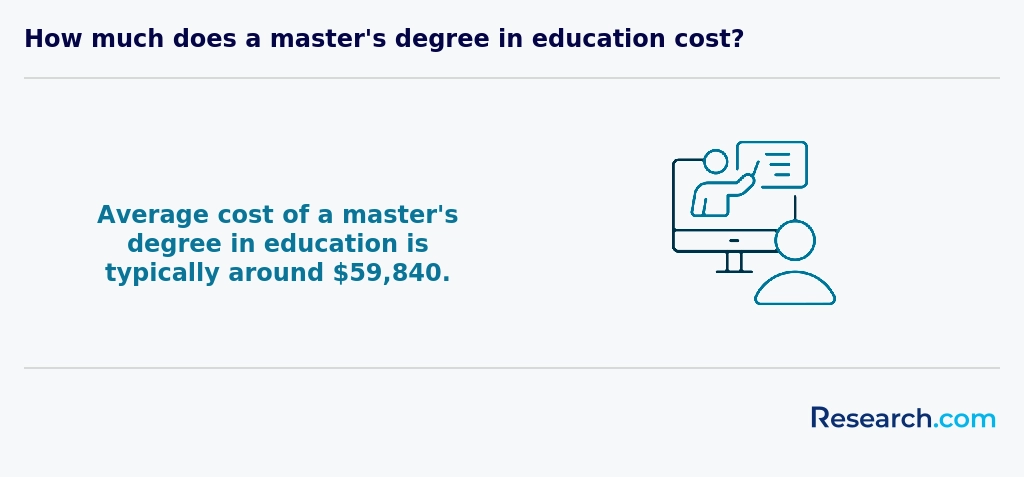
For individuals seeking to pursue a career in education without accumulating significant debt, finding the cheapest online education school in Nebraska is a prudent first step. This can involve researching institutions that offer affordable tuition rates while still providing a high-quality educational experience. By considering factors such as program accreditation, curriculum relevance, and support services, prospective students can make informed decisions about their educational investments. To find the most affordable options, visiting websites like cheapest online education school in nebraska can provide valuable insights into the cost-effective educational pathways available in the state. Furthermore, understanding the job market and potential career paths for education graduates in Nebraska can help individuals align their educational choices with their long-term professional goals, ensuring a fulfilling and financially stable career in education.
If you're diving into an education degree in Nebraska, expect to explore courses that really prepare you for the classroom hustle. Graduates from UNL or Doane often talk about how classes like educational psychology helped them understand what makes kids tick-why some students need a little extra encouragement while others thrive with more independence.
Curriculum development courses are a big deal too. Picture yourself designing lesson plans that aren't just tick-the-box stuff but something that actually sparks curiosity in your future students. Many Nebraska students find these classes exciting because they get to learn how to tailor lessons for all kinds of learners, a must-have skill in today's diverse classrooms.
Then there's classroom management-something everyone knows is crucial. Colleges like Creighton emphasize hands-on strategies for keeping your class focused and energized. And you won't skip assessment methods either; assessing student progress in meaningful ways is a skill graduates often say gave them real confidence during their student teaching.
Oh, and special education isn't just an add-on here. It's integrated well, so you're ready to support kids with all kinds of needs. Plus, you'll get to practice these skills firsthand during student teaching, which many Nebraskans credit as the moment they truly felt like teachers.
If you're diving into education degree specializations in Nebraska, you'll find some pretty cool options that really tailor your training to what you want to teach or do. For example, many grads from popular schools like the University of Nebraska focus on Elementary Education, getting ready to work with kids from kindergarten through fifth grade-imagine the joy of helping little ones master reading or math!
Others choose Secondary Education to teach subjects like science or English to middle and high schoolers, which is perfect if you love a particular subject. Plus, there's Early Childhood Education, all about those exciting early years from birth to age eight, which grads say is super rewarding as they see kids hit big milestones.
On the flip side, the available education majors Nebraska also include Special Education and Bilingual Education, which have been getting a lot of attention lately because of Nebraska's growing diverse student population. Students who pick these paths find themselves ready to make a real difference in classrooms across the state. And if you're aiming to lead schools, Educational Leadership is the way to go.
For anyone wondering about affordable options, it's worth checking out the Most Affordable Online Masters Degrees in Library Science as a related pathway to extend your education career too.
Picking the best education degree in Nebraska really comes down to what fits your life and goals. If you're balancing work or family, many schools offer hybrid or online options, which helped graduates feel less stressed while earning their degrees. For instance, students from the University of Nebraska at Kearney often rave about the strong support and high program completion rates, making the path smoother and more rewarding.
Cost is a big deal, too. You'll find that affordable education degree programs in Nebraska can save you money compared to other states. Plus, financial aid like the Nebraska Opportunity Grant can make a huge difference. Some graduates who picked programs based on both value and quality found themselves employed in local schools quickly after they finished.
Another tip is to think about the specific teaching focus you want-like special ed or secondary math-which Nebraska programs often tailor well. Checking out licensure requirements before you commit is key. If you want to explore budget-friendly options, you might also want to look into the Cheapest Online Master's in Education Degree Programs Ranking in Minnesota as a nearby option that some Nebraska students consider.
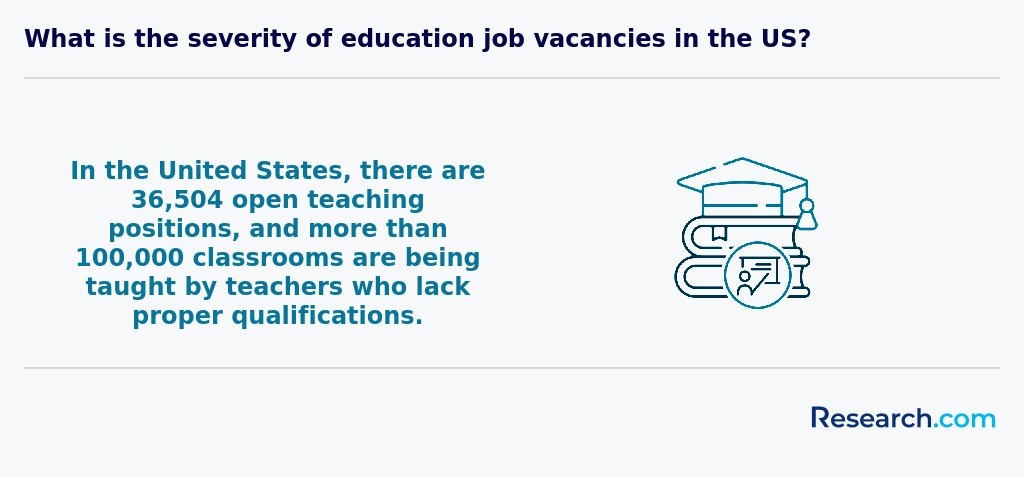
If you're earning an education degree in Nebraska, there's a bunch of career paths waiting for you beyond just stepping into a classroom. Lots of graduates from popular colleges around the state find themselves teaching in elementary, middle, or high schools after getting their teaching certificates through those hands-on, student-teaching programs Nebraska requires. It's a rewarding way to connect with your local community and make a real difference.
Some grads dive into special education, especially useful in rural parts of Nebraska where demand is growing. It can be tough but super fulfilling, working with kids who need a bit extra support. Others move toward leadership roles like school principals or curriculum coordinators, often going back for a master's in educational leadership. It's all about helping schools run smoothly and shaping policies that really work.
There are also options in counseling, tech, and instructional design for those who want a different vibe. If you want to explore affordable graduate programs, check out the Cheapest Online Master's in Education Degree Programs Ranking in Minnesota. These kinds of jobs offer stability and a chance to grow your skills.
Whether you're thinking about teaching jobs for education graduates Nebraska or other education degree career opportunities Nebraska has plenty of options that match lots of interests, so you can find your own perfect fit.
If you're thinking about an education degree job opportunities Nebraska offers a steady and promising path, especially if you're open to working in rural schools. Graduates from colleges like the University of Nebraska-Lincoln often land teaching roles in K-12 schools where there's real demand, particularly for science, math, and special education teachers. Many find this rewarding since they're filling crucial gaps in communities that truly value their work.
Those finishing a Master's degree sometimes move into roles like instructional coordinators or principals, where there's room to grow and influence education beyond the classroom. Plus, salaries for teachers in Nebraska hover between $50,000 and $60,000, which feels quite fair with the lower cost of living compared to big cities. Some grads mention that the affordable tuition and assistance programs made it easier to get started without heavy debt, which is a big plus.
For quicker, flexible options, you might want to check out programs like a best online associate's degree in 6 months, which can help kickstart your teaching career fast and efficiently. Overall, the teaching career outlook Nebraska 2027 looks bright if you're ready to make an impact in schools that need passionate educators.
2027 Most Affordable Education Degree Programs Ranking in Nebraska
Investing in your education is a significant decision that can shape your future, and the Research.com team understands the importance of making informed choices. To assist prospective students in Nebraska, we have meticulously crafted the "2027 Most Affordable Education Degree Programs Ranking in Nebraska." Our commitment to quality, credibility, and accuracy is reflected in the extensive research and analysis conducted to compile this ranking.
We utilized the following reputable data sources to ensure a comprehensive evaluation of affordable education degree programs:
By exploring this ranking, readers will gain valuable insights into affordable education degree options across Nebraska, enabling them to make well-informed decisions about their academic future. For more details on how this ranking was created, please visit our Research.com methodology page.

# 3 position
Wayne State College
Master of Arts in Teaching

# 4 position
Wayne State College
Bachelor of Science in Education
# 5 position
Peru State College
Master of Science in Education

# 6 position
Peru State College
Bachelor of Science in Education


Frequently Asked Questions About education
Education degree students in Nebraska can maximize their learning experience by actively engaging in both coursework and practical opportunities. Nebraska boasts several accredited institutions offering programs that combine theory with hands-on practice, such as student teaching placements in diverse school environments. According to the Nebraska Department of Education, participating in internships or practicum experiences significantly enhances teaching skills and classroom management.
Students should also take advantage of advising services and professional development workshops, common in Nebraska colleges, to tailor their academic plan toward state certification requirements. Networking with local educators and joining relevant organizations like the Nebraska State Education Association provides valuable mentorship and career insights.
Utilizing resources like academic tutoring and research libraries ensures a deeper understanding of educational theories and policies. Staying informed about Nebraska's educational standards and assessments further prepares students to meet state expectations efficiently.
The education field in Nebraska is evolving, with several emerging niches attracting attention from students and professionals alike. One growing area is special education, driven by increasing demand for qualified teachers to support diverse learners. According to the Nebraska Department of Education, special education enrollment has steadily risen over the past decade.
Another key niche involves educational technology, reflecting a nationwide trend towards digital learning tools. Nebraska's schools are investing in technology integration specialists who help design and implement effective tech use in classrooms.
Additionally, English as a Second Language (ESL) instruction remains vital due to Nebraska's growing immigrant population. The state's teacher workforce is responding by developing expertise in this area to meet community needs.
After completing an education degree in Nebraska, preparing for the job market involves several strategic steps. Nebraska's Department of Education reports a steady demand for teachers, especially in rural areas. Graduates should prioritize obtaining relevant certifications through the Nebraska Teacher Certification Program, which is required for public school employment.
Building practical experience is crucial; student teaching placements offered during your degree provide valuable classroom experience and professional networks. Joining local education associations, like the Nebraska State Education Association, offers resources and job leads.
Finally, understanding Nebraska's salary ranges for educators, which vary from approximately $42,000 to $55,000 depending on experience and district, can help set realistic expectations and inform negotiations.
Employers in Nebraska seeking education degree graduates prioritize a blend of practical and interpersonal skills. According to the Nebraska Department of Education, strong communication abilities rank highly, enabling graduates to effectively engage with students, parents, and colleagues.
Critical thinking and problem-solving are essential, particularly as teachers adapt to diverse classroom needs and evolving educational standards. Nebraska schools also value cultural competency due to increasing student diversity statewide.
Technological proficiency is another top skill, with schools integrating digital tools for instruction and assessment. Additionally, classroom management and collaboration skills remain vital to creating productive learning environments.
These competencies collectively prepare graduates to meet Nebraska's education goals efficiently.
Finding internships in Nebraska for education degree students involves several strategic steps. Start by exploring partnerships between universities and local school districts, as many Nebraska colleges have formal agreements offering internships. For example, the University of Nebraska system collaborates with public schools to provide practical experience. Use your college's career services office to access internship listings and receive guidance on application processes.
The Nebraska Department of Education also offers resources and connections to approved internship programs statewide. According to the Nebraska Career Connections website, internships in education can improve job prospects since 82% of educators find employment within six months of graduation.
Networking with local educators and attending education-related events in Nebraska increases chances of securing internships relevant to teaching or counseling.
In Nebraska, obtaining an education degree significantly enhances career mobility and advancement opportunities within the teaching profession. According to the Nebraska Department of Education, licensed educators with higher degrees, such as a master's, often qualify for higher salary tiers and leadership roles, including curriculum specialists and administrative positions.
Data from the U.S. Bureau of Labor Statistics shows Nebraska teachers' average salary rises by approximately 10-15% when they hold advanced degrees. This increase reflects statewide efforts to improve educational quality by incentivizing further qualifications.
Moreover, a degree in education supports the ability to move between districts more easily due to standardized certification processes, aiding career flexibility across Nebraska's diverse educational settings.
Nebraska's education degree programs emphasize interdisciplinary skills by integrating coursework in psychology, sociology, and technology alongside core teaching methods. This approach equips students to address diverse classroom needs and collaborate across fields. According to the Nebraska Department of Education, nearly 40% of graduates enter roles that require multidimensional problem-solving and teamwork beyond traditional pedagogy.
Many Nebraska institutions engage with community partners and offer field experiences that span multiple disciplines, fostering adaptability. Programs often include training in digital literacy, cultural competency, and inclusive instructional strategies, preparing candidates for varied educational settings.
As of 2023, Nebraska's education degrees are accredited to meet national standards, ensuring graduates can work effectively in interdisciplinary environments.
When choosing between a thesis and a non-thesis education degree program in Nebraska, consider your career goals and learning preferences. Thesis programs typically focus on research, requiring students to complete a formal research project. This path is ideal for those interested in academic or research careers.
Non-thesis programs emphasize practical skills and coursework, appealing to professionals aiming for direct application in schools or educational administration. Nebraska institutions like the University of Nebraska system offer both options with varying credit requirements. According to Nebraska's Coordinating Commission for Postsecondary Education, about 40% of education master's students prefer non-thesis tracks, valuing flexibility and faster completion.
Cost and time commitments also differ. Thesis degrees often take longer due to research demands, while non-thesis programs can be completed more quickly, sometimes part-time. Evaluating these factors helps align your educational choice with professional ambitions and personal circumstances.
Students based in Nebraska who wish to study education abroad have various pathways through U.S. universities with international partnerships. Nebraska's public institutions such as the University of Nebraska system often offer study abroad programs or exchange opportunities tailored for education majors. These programs allow students to gain diverse teaching perspectives while earning credits applicable to their degree.
According to the Institute of International Education, approximately 1,500 Nebraskan students studied abroad in recent years, with education among the popular fields.
Additionally, students can pursue joint or dual degrees with affiliated foreign institutions, enhancing their global teaching credentials. Financial aid and scholarships specifically aimed at education majors are sometimes available to support these experiences.
Students pursuing education degrees in Nebraska can benefit from several part-time job opportunities that complement their academic goals. Common options include working as teacher's aides or paraprofessionals in public schools, where Nebraska employs about 35,000 K-12 teachers, creating demand for support staff. These roles provide hands-on classroom experience and help develop essential skills for future educators.
Another growing opportunity is tutoring for K-12 students, often available through community centers or online platforms. Nebraska's strong emphasis on literacy programs encourages tutoring initiatives, particularly in rural areas.
Positions in after-school programs or childcare facilities also offer practical experience managing groups and delivering educational activities.
These jobs not only enhance resumes but also build important professional networks within the Nebraska education system.
Education students in Nebraska have access to various networking opportunities through universities, professional organizations, and community partnerships. The University of Nebraska system, including campuses in Lincoln, Omaha, and Kearney, hosts career fairs and student organizations focused on education careers. These events connect students with local school districts and experienced educators.
Additionally, Nebraska's chapter of the National Education Association offers memberships that provide access to conferences, workshops, and mentorship programs. These gatherings help students build relationships with educators across the state.
Many programs also encourage internships and practicum placements in nearby schools, enhancing professional connections before graduation. According to Nebraska Department of Education reports, these structured experiences improve employment outcomes for education graduates in the state.
Alumni networks provide valuable support for education degree students in Nebraska by offering access to professional connections within the state's education field. These networks often facilitate mentorship opportunities, helping students navigate licensure processes and classroom challenges. According to the Nebraska Department of Education, teachers who engage with alumni associations display higher retention rates, benefiting from shared resources and career advice.
Networking through these groups can also lead to job openings in local schools and districts, since Nebraska values community-based hiring. Many universities in Nebraska, such as the University of Nebraska-Lincoln, maintain active alumni chapters focused on education sectors to connect graduates with ongoing professional development. This ongoing network enhances students' competitive edge in the state's education job market.
Customizing an education degree program in Nebraska allows students to align their studies with specific career goals. Many universities offer flexible curricula where students can choose concentrations such as early childhood education, special education, or educational leadership. This flexibility helps tailor coursework to meet unique professional interests.
Students in Nebraska typically complete field experiences or student teaching hours in local schools, gaining practical skills relevant to their chosen focus. Institutions like the University of Nebraska emphasize hands-on learning, which is crucial for career readiness.
Nebraska's education programs often incorporate state teaching certification requirements, ensuring graduates are prepared for licensure. According to the Nebraska Department of Education, meeting these requirements is essential for employment in public schools, so customizing your degree to cover needed endorsements is important.
Education students in Nebraska face several challenges that can affect their academic and professional success. One major issue is the limited availability of diverse practicum placements, especially in rural areas, which comprise much of the state's landscape. According to the Nebraska Department of Education, rural schools sometimes lack the resources to accommodate student teachers effectively. Additionally, navigating certification requirements can be complex; Nebraska mandates specific coursework and standardized testing that require careful planning by students.
Funding is another concern. Many education students rely on loans or scholarships, but financial aid opportunities remain limited, impacting their ability to focus fully on studies. The COVID-19 pandemic also disrupted field experiences, creating uncertainty in practical training for recent cohorts. These factors combined make pursuing an education degree in Nebraska a careful balancing act for many students.
With an education degree in Nebraska, graduates can pursue several professional certifications to enhance their teaching credentials and career opportunities. The Nebraska Department of Education offers teaching certification for various grade levels and subject areas, including Elementary, Secondary, and Special Education. Candidates typically complete a state-approved educator preparation program and pass the Praxis exams.
Additional certifications include endorsements such as English as a Second Language (ESL), Reading Specialist, and School Counseling, which meet the state's workforce needs. According to the Nebraska Department of Education's 2023 report, over 80% of education graduates seek at least one endorsement to improve job prospects.
National certifications, like those offered by the National Board for Professional Teaching Standards (NBPTS), are also pursued by Nebraska educators for advanced career development and higher salary potential.
Writing a winning application for an education program in Nebraska involves several key steps. First, carefully review the admission requirements specific to the institution and program, as schools such as the University of Nebraska or Wayne State College may have distinct criteria. Highlight your academic achievements and any relevant teaching or volunteer experience. Nebraska reports a growing demand for qualified educators, so demonstrating commitment to the field is crucial.
Strong letters of recommendation from academic or professional contacts can enhance your application. Include a clear personal statement explaining your goals and why you chose Nebraska's education field. Finally, ensure all documents are complete and submitted before deadlines. Following these tips increases your chances of acceptance in Nebraska's education programs.
Education careers in Nebraska reflect broader trends seen across the United States but are also influenced by local needs. Globally, teaching remains a respected profession, though salary and job security vary widely. In Nebraska, education degree holders benefit from steady demand, with the Nebraska Department of Education reporting a consistent need for qualified teachers, particularly in rural areas.
Many US education programs, including those in Nebraska, emphasize global awareness and cultural competence, preparing graduates to work in diverse classrooms. According to the National Center for Education Statistics, the US employs about 3.2 million teachers, underscoring the career's stability.
Internationally, education careers may differ in structure and requirements, but the US system's focus on certification, including Nebraska's licensure standards, offers clear paths for career advancement.
Gaining practical experience while studying for an education degree in Nebraska is an essential step toward becoming a qualified teacher. Many Nebraska colleges and universities incorporate student teaching or clinical practice into their programs, allowing students to work directly in K-12 classrooms. This hands-on experience helps develop classroom management and instructional skills.
According to the Nebraska Department of Education, student teaching typically lasts between 12 to 16 weeks and is supervised by experienced educators. Additionally, many programs encourage participation in internships and fieldwork, offering exposure to diverse educational settings.
Some institutions partner with local schools to provide service-learning and observation opportunities. These practical experiences are vital for meeting state licensure requirements and preparing for a successful career in education.
Choosing the right concentration within an education degree program in Nebraska depends on your career goals and interests. Nebraska colleges typically offer concentrations such as elementary education, secondary education, special education, and educational leadership. According to the Nebraska Department of Education, demand is growing for special education teachers, reflecting national trends.
Consider your preferred teaching age group and subject area. For example, a concentration in secondary education allows specialization in subjects like math or English. Review program curricula and ask about certification outcomes. Additionally, research graduation rates and employment statistics from schools you're interested in to ensure alignment with your goals.
- 2027 Most Affordable Online Education Degree Programs Ranking in Kansas
- 2027 Most Affordable Online Education Degree Programs Ranking in South Dakota
- 2027 Most Affordable Online Education Degree Programs Ranking in Iowa
- 2027 Most Affordable Online Education Degree Programs Ranking in Missouri
- 2027 Most Affordable Online Education Degree Programs Ranking in Minnesota
- 2027 Most Affordable Online Education Degree Programs Ranking in North Dakota
- 2027 Most Affordable Online Education Degree Programs Ranking in Illinois
- 2027 Most Affordable Online Education Degree Programs Ranking in Wisconsin
- 2027 Most Affordable Online Education Degree Programs Ranking in Texas
- 2027 Most Affordable Online Education Degree Programs Ranking in Indiana
See What Experts Have To Say About Studying Education
Read our interview with Education experts

Alan J. Singer
Education Expert
Professor of Teaching, Learning and Technology
Hofstra University


- Can Higher Education Improve Long-Term Career Success https://studysphereadvisors.com/how-higher-education-influences-long-term-career-growth/
- Employment Gap https://insights.nswers.org/outcomes/employment-gap/
- Education Cover Letter: 6 Steps to Write a Job-Winning One [+Example & Template] | Cake https://www.cake.me/resources/cover-letter/education-cover-letter
- The Importance of Education for Your Career https://www.kwsp.gov.my/en/w/article/career-advancement
- Academic Programs, Degrees and Majors at Concordia University, Nebraska https://www.cune.edu/academics
- Global Perspectives Teacher https://www.teachforlife.com/teachingjobs/global-perspectives-teacher
- Putting theory into practice: The value of an ... https://my.chartered.college/impact_article/putting-theory-into-practice-the-value-of-an-interdisciplinary-approach-to-teaching/
- 7 Major Global Education Challenges of the 21st Century https://www.internationalschoolparent.com/articles/seven-global-education-challenges/
- Education Careers | NWU https://www.nebrwesleyan.edu/academics/majors-and-minors/education/education-careers
- How to Write a Great Letter of Intent for a Teaching Job | Zen Educate https://www.zeneducate.com/us/resources/becoming-a-teacher/how-to-write-letter-of-intent-teaching-job/


