
2027 Most Valuable Education Degree Programs Ranking in Chestnut Hill

Co-Founder and Chief Data Scientist
Choosing the right education degree program can feel overwhelming, especially with so many options in Chestnut Hill. This article features the 2027 Most Valuable Education Degree Programs Ranking in Chestnut Hill, created by the Research.com team of data scientists to guide you through the best choices.
By exploring this ranking, you'll discover programs that offer strong career prospects and valuable skills. Getting an education degree is a rewarding step towards making a positive impact and building a fulfilling future.
Let this guide help you make an informed decision that suits your passion and goals.
Key benefits of getting education degree in Chestnut Hill
- Graduates with an education degree in Chestnut Hill can expect rewarding salaries, such as $76,000 for Special Education Teachers and $77,200 for Instructional Designers, reflecting strong financial potential in the field.
- Career paths are diverse, ranging from Early Childhood Educator to ESL Teacher, offering flexibility and opportunities to make a positive impact in various educational settings.
- Obtaining an education degree online from a local university in Chestnut Hill offers convenience and the ability to balance studies with personal commitments, making it an ideal choice for busy students.
- 2027 Most Valuable Education Degree Programs Ranking in Chestnut Hill
- What can I expect from education degree in Chestnut Hill?
- Where can I work with education degree in Chestnut Hill?
What can I expect from education degree in Chestnut Hill?
The average cost of pursuing an education degree in Chestnut Hill typically aligns with tuition rates at Boston College's Lynch School of Education and Human Development, a leading institution in the area. Graduates often report tuition expenses comparable to other prestigious private universities in the Northeastern United States, generally ranging from $50,000 to $60,000 per year before financial aid. Many students find significant relief through scholarships and financial aid packages tailored for education majors, making the investment more manageable.
Graduates frequently express satisfaction with the value of their education, highlighting how personalized instruction and close faculty mentorship justify the expenses. They often recall real-world teaching placements in nearby public schools as transformative experiences that enriched their training and confidence.
This financial investment correlates with positive career outcomes, as starting salaries for education graduates in Chestnut Hill average around $45,000, with prospects increasing alongside experience and certifications. Such returns reinforce the perception that education degrees here offer both rigorous academic preparation and promising professional pathways.
Where can I work with education degree in Chestnut Hill?
Graduates with an education degree in Chestnut Hill frequently find rewarding career paths in a variety of local settings. Many secure positions within Philadelphia Public Schools, where there is ongoing demand for certified teachers, particularly in special education, STEM fields, and early childhood education. Obtaining certification through Pennsylvania's Department of Education allows graduates to teach across elementary to high school levels, including charter schools nearby.
Others pursue roles in private institutions like Springside Chestnut Hill Academy, where educators engage in classroom teaching, curriculum development, or student support. These schools value candidates with specialized training or advanced degrees, offering fulfilling opportunities driven by a passion for child development and educational leadership.
Higher education roles at Chestnut Hill College attract graduates seeking positions such as academic advisors or education program coordinators. These roles enable education degree holders to contribute to shaping future educators, supported by the college's robust academic community.
Additionally, graduates often find meaningful work in community education centers or nonprofits focused on youth development, fostering deep connections with local initiatives. These real-life opportunities reflect a steady and growing demand for education professionals in Chestnut Hill's vibrant educational landscape.
Graduates with an education degree in Chestnut Hill often find rewarding employment opportunities with competitive salaries reflective of their expertise. For instance, elementary school teachers typically earn a mean annual wage of about $70,740, which aligns with local public school salaries starting near $60,000. Graduates trained at well-known Chestnut Hill institutions frequently share that early career roles in elementary education provide both financial stability and strong community impact.
Special education teachers, another common path for local graduates, report mean annual earnings around $76,000. Many find this career especially fulfilling, working directly with students' unique learning needs. Additionally, educators specializing in English as a Second Language (ESL) often command salaries averaging $65,430 per year, benefiting from Chestnut Hill's diverse population.
For those aiming at instructional design, a growing area within education departments, the average annual wage is approximately $77,200. Graduates share that combining education theory with technology skills opens doors to innovative roles across the region's schools and educational organizations.
Starting salaries may vary, yet many education graduates from Chestnut Hill's colleges experience positive growth thanks to strong regional demand, union support, and proximity to major educational hubs such as Boston.
- The average annual cost for an education degree in Chestnut Hill ranges from $20,000 to $35,000, depending on whether the institution is public or private.
- Starting salaries for early-career educators are about $45,000 per year, matching the national average for entry-level teaching roles.
- Experienced educators and those in administrative positions can earn between $60,000 and $80,000 annually in the Chestnut Hill area.
- The job market shows steady demand for education professionals, with opportunities in public schools, private academies, and educational support services.
- Many education programs in Chestnut Hill hold accreditation that meets national standards, supporting licensure and certification in Pennsylvania.
Completing an education degree in Chestnut Hill typically aligns with national timelines, providing students with a clear roadmap for their academic journey. Graduates from popular local colleges often share that a bachelor's degree in education requires about four years of dedicated full-time study, enabling them to gain comprehensive knowledge and practical experience. For those pursuing quicker entry into the workforce, associate degrees in education-related fields usually take around two years and are well-suited for roles such as paraeducators or early childhood educators.
Many students from Chestnut Hill institutions aiming for career advancement or specialized teaching positions pursue master's degrees, which generally take one to two years full-time. These programs offer flexibility through part-time options, accommodating working professionals who balance studies with other commitments. Doctoral candidates study more intensively, often investing three to seven years in research and advanced coursework, as reported by graduates engaged in education leadership and higher education teaching roles.
Local students appreciate that these clear timelines help them plan their futures effectively while enjoying the supportive academic environments typical of Chestnut Hill's renowned education programs.
Understanding how quickly you can recoup education costs helps measure program value. Below are example payback periods based on typical tuition and starting salaries:
- In-state public programs cost about $108,584 over four years. With an average ESL teacher salary of $63,130, you can break even in under two years.
- Out-of-state public programs cost about $182,832 over four years. With the same starting salary, payback occurs in roughly three years.
- Private nonprofit programs cost about $234,512 over four years. With an instructional designer salary of $73,080, you can recoup costs in around 3.2 years.
For a stronger ROI, consider high-earning fields like college majors that make the most money.
Online education degrees in Chestnut Hill offer flexibility that appeals to students juggling work or family responsibilities. Graduates from these programs describe the convenience of accessing lectures and assignments anywhere, fitting studies around their busy lives. Boston College's online education courses exemplify this approach, enabling students to engage deeply without geographic constraints.
Conversely, on-campus education degrees provide immersive learning experiences. Students appreciate the dynamic classroom discussions and spontaneous interactions with professors and peers, which enrich understanding and foster strong professional networks. Attending classes in Chestnut Hill's vibrant campus settings, such as at Boston College, creates a supportive community atmosphere that many graduates recall fondly.
While on-campus programs often incur higher costs due to facilities and campus activities, online degrees may reduce ancillary fees. However, both align with strict accreditation standards, ensuring rigorous preparation for teaching careers in Massachusetts. The choice depends largely on personal learning preferences and life circumstances but both paths offer reputable routes to becoming an education professional in Chestnut Hill.
Aspiring teachers in Massachusetts must complete state-mandated steps to earn a professional license:
- Complete an Educator Preparation Program approved by the Massachusetts DESE
- Pass the Massachusetts Tests for Educator Licensure (MTEL), including subject-specific and Communication & Literacy exams
- Submit a certification application to DESE with official transcripts, MTEL scores, a fingerprint-based background check, and required fees
- Renew your license every five years by completing mandatory professional development credits
Many students fulfill general education requirements through an affordable online bachelor's degree before starting a teacher preparation track.
The average cost of an education degree in Chestnut Hill typically centers around $87,610 for both in-state and out-of-state students, reflecting the premium nature of private institutions in the area. For example, graduates from Boston College, a prominent university in Chestnut Hill known for its education programs, often report tuition fees that align closely with these figures. While Boston College's undergraduate tuition can approach $63,000 annually, additional expenses like fees, books, and living costs may push total yearly costs to between $80,000 and $100,000 over a standard four-year program.
Many students pursuing an education degree in Chestnut Hill find that these costs, although significant, are balanced by the personal and professional growth experienced during their studies. Graduates often describe a feeling of accomplishment and optimism as they complete their degrees from prestigious local institutions, which are well-regarded for both their rigorous curricula and community support.
When examining education degree tuition and fees Chestnut Hill 2027 projections, it's important to consider the broader context. Although public universities nationwide have lower tuition rates, typically $10,000 to $15,000 annually for in-state attendees, Chestnut Hill lacks large public universities nearby, making private schools the primary option for most students. Many leverage financial aid, scholarships, and employer tuition reimbursement programs to make their education more affordable.
Prospective students should carefully explore all funding options and program specifics. Those interested in career pathways related to education can find more information at https://research.com/careers/education-careers.

Campus life plays a crucial role in shaping your overall educational experience. Beyond rigorous academics, students benefit from vibrant social communities, comprehensive support services, and a range of extracurricular activities that foster personal growth and professional networking. Many institutions in Chestnut Hill, MA, offer state-of-the-art facilities, engaging student clubs, cultural events, and academic societies that create a well-rounded college environment. Whether you’re looking to join study groups, participate in community service projects, or explore leadership opportunities, the campus atmosphere can enhance your learning beyond the classroom. Prospective students can also explore success stories and additional details about the quality and variety of programs available at a valuable education school in massachusetts, which underscores the importance of community engagement and student support in making the most informed decision about their future.
Students pursuing education degrees in Chestnut Hill benefit from multiple financial aid opportunities that make their academic journey more attainable. Many graduates recall how completing the FAFSA opened doors to Pell Grants averaging $4,500 annually, relieving significant tuition pressure at local institutions like the College of Saint Elizabeth. Federal Work-Study programs also offer valuable part-time positions on campus, enhancing both income and professional experience.
State grants, such as the Pennsylvania State Grant, provide up to $5,000 per year to in-state undergraduates demonstrating financial need, a lifeline for many aspiring teachers in the region. Institutional scholarships awarded by colleges in Chestnut Hill often target education majors, rewarding merit and specialized interests like STEM or early childhood education. For instance, students at nearby universities remember receiving support that eased their focus on studies rather than finances.
Loan options include federal subsidized and unsubsidized loans with comparatively low interest rates, allowing borrowers to manage costs cautiously. Furthermore, the Teacher Loan Forgiveness Program encourages graduates to serve in local low-income schools, offering forgiveness up to $17,500 after five years-an incentive that resonates deeply with those passionate about giving back to the Chestnut Hill community.
Additional scholarships from organizations such as the National Education Association, combined with guidance from campus financial aid offices and community foundations, create a supportive environment where education students feel empowered and hopeful about funding their degrees.
Prospective students often ask: How long until tuition investments translate into earnings? Understanding the ROI of an Education degree in Chestnut Hill, MA, can clarify the financial payoff of your academic journey. Average Cost vs. Early-Career Earnings • In-state public bachelor’s programs cost roughly $27,146 per year, while private nonprofit institutions average $58,628 annually. • First-year graduates in roles like ESL teaching earn around $63,130, recouping one year of in-state tuition in under six months. Payback Period and Mid-Career Growth • With average salaries rising to $73,080 for instructional designers and over $80,000 for school administrators, most graduates break even within 2–3 years post-graduation. • Mid-career professionals can expect salary increases of 20–25%, shortening payback timelines and boosting lifetime earnings. Key Factors Influencing ROI 1. Specialization: Roles in special education or educational leadership often command higher salaries. 2. Mode of Study: Online programs may reduce living costs and accelerate completion-compare costs with the Most Affordable Online Doctorate in Education Degree Programs Ranking in Virginia Beach, VA to assess affordability. 3. Financial Aid: Grants and scholarships can lower upfront expenses, improving net ROI. By evaluating tuition, projected salaries, and available financial aid, students can make data-driven decisions about their Education degree investment in Chestnut Hill.
Prospective students seeking education degrees in Chestnut Hill must fulfill a series of academic and administrative prerequisites to ensure a successful admission. Typically, applicants present a high school diploma or equivalent, such as a GED, as a foundational requirement. Graduate programs commonly require a bachelor's degree, often favoring candidates with backgrounds relevant to education. For example, graduates from Chestnut Hill's prominent colleges recall how their diverse undergrad experiences enriched their graduate studies in local education programs.
Standardized test scores like the SAT or ACT are customary for undergraduates, while master's applicants may need GRE results, though some programs have recently waived this to promote inclusivity. Key application components include official transcripts demonstrating a competitive GPA-usually around 3.0 for advanced degrees-alongside recommendation letters and a personal statement reflecting genuine passion for teaching.
Many students from Chestnut Hill institutions find that relevant volunteer or work experience in educational settings significantly strengthens their applications. Additionally, compliance with state requirements such as background checks and immunization proof is strictly enforced, ensuring candidates are prepared for licensure and professional responsibilities.
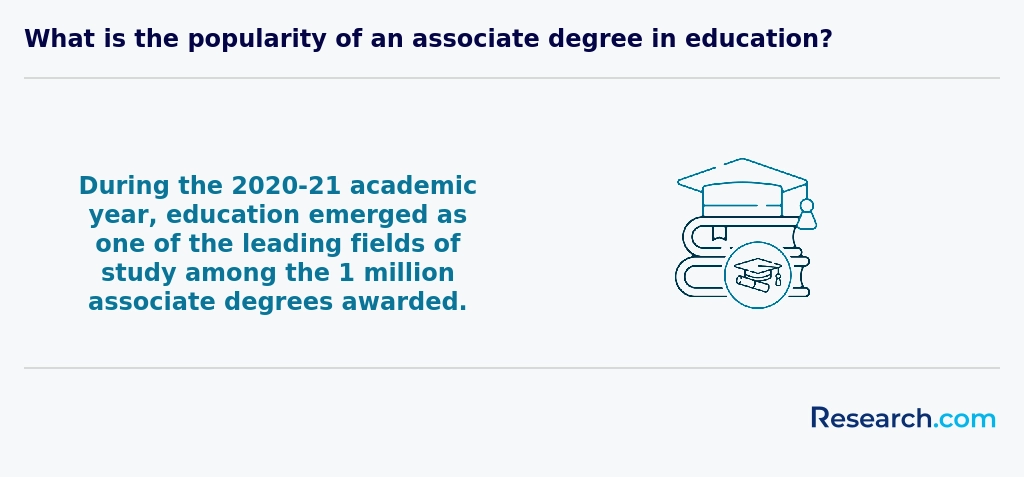
Graduates aiming to teach in Massachusetts must fulfill state licensure criteria set by the Department of Elementary and Secondary Education:
- Complete a DESE-approved educator preparation program
- Pass the Massachusetts Tests for Educator Licensure (MTEL) in Communication and Literacy and one subject area
- Undergo a criminal background check and fingerprinting
- Apply for licensure through the DESE eSEAL portal with official transcripts
- Earn Professional Development Points (PDPs) every five years to renew certification
Many educators also pursue an edd degree for advanced credentials in educational leadership.
Education degree programs in Chestnut Hill cover essential courses that prepare students comprehensively for teaching and educational leadership roles. Graduates from local institutions, such as Boston College, often highlight foundational classes like Foundations of Education, which delve into the history and philosophy behind teaching, giving a strong theoretical base to their work.
Courses in Educational Psychology equip students with an understanding of how children learn and develop cognitively, a key insight that supports effective classroom interaction. Curriculum Design and Instruction classes teach future educators how to craft engaging lesson plans tailored to diverse learners, ensuring inclusivity and adaptability in real-world settings.
Hands-on preparation is emphasized through Student Teaching or Field Experience, where students apply methods learned under supervision, boosting confidence and practical skills. Additionally, classes such as Classroom Management and Special Education introduce strategies to create positive learning environments and support students with diverse needs, experiences often praised by graduates who feel well-equipped for their first teaching positions.

Education degree specializations in Chestnut Hill cover diverse areas tailored to meet current educational demands. Popular tracks include Early Childhood Education, which immerses students in teaching children from birth to third grade, emphasizing developmental milestones and family engagement. Elementary Education specialization prepares graduates to confidently instruct multiple subjects to K-6 students, combining theory with classroom management skills. Secondary Education allows focus on specific subjects such as English or science for grades 7-12, fostering deep content knowledge.
Graduates from well-known Chestnut Hill institutions often describe their training in Special Education as transformative, equipping them to support students with diverse learning needs effectively. Educational Leadership is another key specialization, offering aspiring principals and administrators robust training in school management and policy. Those passionate about cultural diversity frequently choose Bilingual or Multicultural Education to meet the needs of growing English language learner populations. Students pursuing Chestnut Hill teaching degree program options benefit from practical experiences and tailored guidance to navigate certification and career paths within the teaching profession.
Choosing the best education degree in Chestnut Hill requires a clear understanding of your career aspirations and the distinct programs available. Graduates from institutions like La Salle University and Chestnut Hill College often emphasize how their programs align closely with their professional goals, whether pursuing teacher certification, administration, or specialized fields such as curriculum development. These universities are known for integrating practical student teaching experiences within diverse Philadelphia-area schools, which enriches both skill-building and confidence.
Affordability frequently guides decisions for those seeking affordable education degrees Chestnut Hill offers. While private institutions in the area tend to have higher tuition, many graduates appreciate the financial aid options available, helping them manage costs without sacrificing quality. Accreditation also plays a vital role; programs recognized by the Council for the Accreditation of Educator Preparation ensure degrees meet rigorous standards, easing licensure and employment.
For those exploring early-career pathways, exploring the elementary education degree benefits can provide valuable insights into cost-effective programs with strong outcomes.
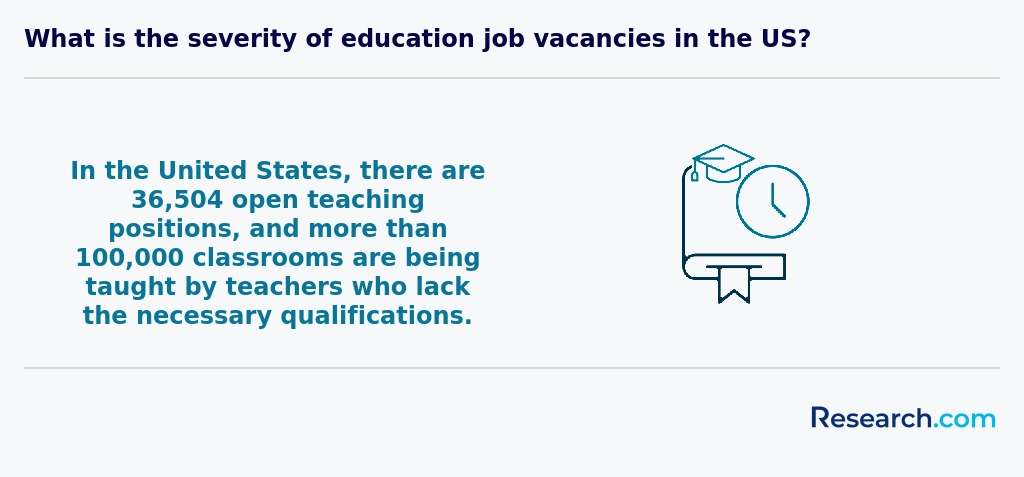
Graduates holding an education degree in Chestnut Hill have access to a wide spectrum of career opportunities, reflecting the region's strong demand for qualified professionals. Many begin their careers as K-12 teachers, specializing in elementary, middle, or high school education, with a notable need in STEM subjects and special education. Local colleges in Chestnut Hill have reported numerous success stories of graduates securing teaching and education jobs Chestnut Hill schools value highly. Beyond classroom roles, education degree holders also pursue administrative careers such as school principals and instructional coordinators, shaping school policies and educational standards.
Additional paths include educational counseling and support services, where professionals work closely with students to overcome academic and social challenges, a vital role given the growing counselor-to-student ratios in Chestnut Hill schools. Others contribute to curriculum development, educational technology, and adult education, sectors that thrive amidst expanding online learning initiatives. Many graduates from Chestnut Hill's universities collaborate on innovative programs, often starting with top early childhood education programs online.

The job market for education degree holders in Chestnut Hill remains robust, driven by the area's strong commitment to education and well-funded public and private institutions. Graduates from local universities, such as those near the Boston College campus, frequently secure positions in public and private K-12 schools, with high demand for certified teachers in STEM, special education, and English language learning. This positive employment outlook for Chestnut Hill education graduates reflects broader regional trends that reward expertise and certification.
Many graduates find rewarding roles not only as classroom instructors but also in higher education administration, community outreach, and curriculum development organizations. Starting salaries in Massachusetts, including Chestnut Hill, typically exceed the national average, offering a competitive advantage for recent educators. Students pursuing degrees here often explore options like accredited online EdD programs in leadership to enhance their credentials and career potential.
2027 Most Valuable Education Degree Programs Ranking in Chestnut Hill
Investing in your education is a significant decision that can shape your future, and the Research.com team understands the importance of making well-informed choices. To assist prospective students in Chestnut Hill, we have meticulously developed the "2027 Most Valuable Education Degree Programs Ranking in Chestnut Hill." Our dedication to quality, credibility, and accuracy is demonstrated by the thorough research and analysis behind this ranking. We utilized the following reputable data sources to ensure a comprehensive evaluation of education degree programs:
By exploring this ranking, readers will obtain valuable insights into the most valuable education degree programs in Chestnut Hill, facilitating informed decisions about their academic and professional futures. For more information on how this ranking was created, please visit our Research.com methodology page.

Frequently Asked Questions About education
Education degree students in Chestnut Hill can enhance their learning by engaging actively with local schools through practicum and student-teaching opportunities. Chestnut Hill's proximity to diverse public and private schools offers valuable real-world classroom experience, essential for pedagogical skill development. Additionally, many institutions encourage participation in workshops and seminars on the latest teaching methods and educational technology, which aligns with national trends emphasizing digital literacy.
Students should also utilize campus resources such as tutoring centers and academic advisors specialized in education programs. According to data from the Massachusetts Department of Elementary and Secondary Education, candidates who complete structured field experiences in their programs demonstrate higher certification exam pass rates. Networking with local educators and joining professional organizations can further support career readiness and enrich student learning.
The education field is evolving with several emerging niches gaining prominence, especially relevant for students in Chestnut Hill. One growing area is educational technology, which integrates digital tools to enhance learning experiences. According to the National Center for Education Statistics, over 65% of K-12 schools nationwide now use some form of blended or online learning, indicating strong demand for experts in this niche.
Another rising specialization is special education with a focus on inclusive practices. Chestnut Hill's local school districts report increasing enrollment of students with diverse learning needs, boosting demand for qualified special educators.
Additionally, there is rising interest in curriculum design that incorporates culturally responsive teaching, addressing diverse student populations in the US. These emerging subfields reflect a shift toward more personalized and technologically integrated education careers.
Preparing for the job market after completing an education degree in Chestnut Hill involves several strategic steps. Students should focus on gaining practical experience through student teaching placements, which are often arranged by local institutions partnering with Chestnut Hill colleges. According to the National Center for Education Statistics, nearly 80% of education graduates find full-time employment within a year, highlighting the importance of hands-on experience.
Networking with local schools and educational organizations in Chestnut Hill can increase job prospects. Additionally, obtaining state certification through the Massachusetts Department of Elementary and Secondary Education is crucial for public school teaching positions.
Developing strong skills in technology integration and special education also improves employability in this competitive field.
Employers in Chestnut Hill prioritize several key skills when evaluating graduates with education degrees. Strong communication abilities are essential, as teachers must clearly convey complex information to diverse student populations. According to the Massachusetts Department of Elementary and Secondary Education, effective classroom management skills rank highly due to the diverse urban-suburban student body.
Critical thinking and adaptability are also crucial, allowing graduates to address varied learning needs and incorporate new teaching technologies. Collaboration skills stand out, reflecting the teamwork required in today's schools, including working with parents and colleagues. A 2023 survey by the Chestnut Hill Education Alliance emphasized cultural competence and empathy to support inclusive learning environments across the district.
Finding internships in Chestnut Hill relevant to an education degree involves leveraging local resources and institutions. Chestnut Hill is home to several colleges, such as Chestnut Hill College, which often provide internship placement assistance for education majors. Students should utilize campus career centers, which connect them with nearby public and private schools looking for intern educators.
In addition, local school districts, including Philadelphia School District nearby, frequently offer structured internship programs. According to the Pennsylvania Department of Education, practical experience through internships is critical for teacher certification.
Networking with local educators and joining professional organizations like the Pennsylvania State Education Association can further increase internship opportunities relevant to education degrees in Chestnut Hill.
In Chestnut Hill, obtaining an education degree significantly enhances career mobility and advancement opportunities within the local school systems and educational institutions. According to the Massachusetts Department of Elementary and Secondary Education, teachers with advanced degrees often see higher salary scales and priority for leadership roles. Many school districts, including those in Chestnut Hill, require a minimum of a bachelor's degree in education for licensure, with master's degrees preferred for specialized positions.
Higher education credentials increase eligibility for roles such as curriculum coordinator, administrator, or special education director. Local data from the National Center for Education Statistics indicates that educators with advanced degrees typically experience a 10-20% wage increase, reflecting their greater expertise and leadership potential.
Studying for an education degree in Chestnut Hill offers students comprehensive training that emphasizes interdisciplinary skills. Programs in this area often integrate coursework from psychology, sociology, and technology, preparing graduates to address diverse learning environments.
According to data from the U.S. Department of Education, interdisciplinary preparation enhances educators' ability to collaborate across fields, a critical skill in today's classrooms. Chestnut Hill's institutions often provide hands-on experiences in local schools, fostering real-world application of these skills.
By combining theory and practice, education degrees here enable graduates to work not only in teaching but also in curriculum design, counseling, and educational technology roles. This broad training aligns well with the evolving demands of the U.S. education sector.
Choosing between a thesis and a non-thesis education degree program in Chestnut Hill depends largely on your career goals and academic interests. Thesis programs emphasize original research, suitable for those aiming to pursue doctoral studies or roles in educational research and policy. Non-thesis tracks focus more on practical skills and coursework, appealing to professionals seeking immediate application in teaching or administration.
The availability of both options is common in Chestnut Hill's universities, like Boston College. According to the National Center for Education Statistics, 60% of local graduate education students prefer non-thesis programs for flexibility.
Consider workload and time commitment as thesis degrees often require a year longer to complete. Reflect on your passion for research versus practical learning to make an informed decision.
Students in Chestnut Hill interested in studying education abroad have several pathways through U.S. higher education institutions that offer structured study abroad programs. Schools such as Boston College, located nearby, provide education majors opportunities to participate in programs across Europe, Asia, and Latin America. These programs often integrate coursework with international teaching experiences, enhancing global teaching skills.
According to the Institute of International Education, about 6% of education majors nationally engage in study abroad opportunities, signaling growing interest but limited availability compared to other fields.
Additionally, students can explore partner programs or third-party providers accredited by U.S. universities to gain teaching credentials with an international perspective. Financial aid and scholarships are sometimes available to cover travel and tuition costs.
Chestnut Hill students should consult university study abroad offices for precise offerings tailored toward education degrees.
Students pursuing education degrees in Chestnut Hill can benefit from several part-time job opportunities that complement their academic learning. Local schools and tutoring centers frequently seek after-school tutors, allowing students to gain practical experience working directly with children of diverse ages and backgrounds. Additionally, positions as teacher's aides in nearby elementary and secondary schools offer valuable classroom management and instructional support practice.
Libraries in the Chestnut Hill area often hire assistants, providing experience in educational resource management and community engagement. According to recent data from the U.S. Bureau of Labor Statistics, education-related roles show steady part-time job growth, supporting skill development for future educators in the region.
Education students in Chestnut Hill benefit from a variety of networking opportunities. Local colleges, such as Boston College, offer events connecting students with experienced educators, school administrators, and alumni working in the education field. These gatherings often include career fairs, workshops, and mentoring programs.
Community partnerships also support networking. Students engage with nearby schools and education centers through internships and volunteer activities, creating both professional connections and practical experience. Additionally, Massachusetts hosts several regional education conferences annually, which are accessible to Chestnut Hill students seeking broader networking options.
According to the Massachusetts Department of Elementary and Secondary Education, over 75% of education majors in the state find employment through connections made during study.
Alumni networks play a significant role for education degree students in Chestnut Hill, offering valuable connections that enhance career opportunities. Graduates can access mentorship and guidance from experienced professionals who understand the local education landscape. In Chestnut Hill, networking through alumni groups often leads to internships and teaching positions in nearby school districts, which is essential given the competitive job market.
A study by the National Association of Colleges and Employers shows that 85% of jobs are filled through networking, highlighting the importance of alumni connections. Specifically, Chestnut Hill's education alumni often support new graduates in obtaining certifications and navigating licensure requirements in Pennsylvania. These networks foster collaboration and professional growth, helping students transition smoothly into their teaching careers.
Customizing an education degree program in Chestnut Hill allows students to align their studies with specific career goals. Many local institutions offer flexible curricula where students can select concentrations such as special education, curriculum design, or educational leadership.
Students often choose electives or internships tailored to their interests, gaining practical experience in nearby schools and organizations. According to the National Center for Education Statistics, over 70% of education students in Massachusetts benefit from such experiential learning opportunities.
Additionally, Chestnut Hill's proximity to major educational hubs provides access to workshops and certifications that supplement degree requirements. These options enhance employability by focusing on current educational trends and local community needs.
Education students in Chestnut Hill often face several common challenges during their academic journey. A significant issue is balancing rigorous coursework with fieldwork requirements such as student teaching, which demands substantial time and commitment. According to local education reports, many students report stress related to meeting certification standards set by the Massachusetts Department of Elementary and Secondary Education.
Additionally, financial constraints are a noticeable hurdle. While scholarships exist, the cost of tuition and materials remains a barrier for some. Another challenge involves adapting to diverse classroom environments, as students need to develop skills to effectively teach in varied cultural and socioeconomic settings, a priority emphasized by area institutions.
Access to up-to-date technology and resources is also critical but sometimes limited, impacting students' ability to engage fully in modern teaching practices. These factors combine to shape the educational experience in Chestnut Hill's schools of education.
With an education degree, professionals in Chestnut Hill can pursue various certifications to enhance their careers. Common certifications include state teacher certification required for K-12 public school teaching. In Massachusetts, this involves passing the Massachusetts Tests for Educator Licensure (MTEL) and completing approved educator preparation programs.
Additional professional credentials include National Board Certification, which acknowledges advanced teaching skills. Also popular are certifications in special education, ESL (English as a Second Language), and reading specialist endorsements. These can expand job opportunities and salary potential.
Chestnut Hill's proximity to Boston offers access to numerous professional development programs and workshops that support certification renewal and advancement. According to the Massachusetts Department of Elementary and Secondary Education, over 95% of local teachers hold valid state certification, highlighting its importance in the region.
Writing a winning application for an education program in Chestnut Hill starts with understanding key admission requirements. Most programs require a strong academic record, including transcripts showing proficiency in relevant subjects like English and social sciences. Chestnut Hill College, for example, emphasizes a minimum GPA of 3.0 for its education degrees.
Applicants should prepare a clear personal statement that highlights their passion for teaching and any related experience, such as tutoring or volunteering in local schools. References from educational professionals can strengthen the application.
Standardized test scores, like the GRE or MAT, might be required depending on the program level, so verify each school's expectations carefully. Demonstrating knowledge of current U.S. education standards and trends will also enhance your candidacy.
Education careers in the United States, including in Chestnut Hill, are increasingly viewed through a global lens. According to the National Center for Education Statistics, the US education workforce grows steadily, reflecting rising demand for qualified teachers and administrators. Globally, US-trained educators are often valued for their exposure to diverse pedagogical methods and inclusive practices.
In Chestnut Hill, local colleges offering education degrees emphasize global competency, preparing students for interconnected classrooms. This global perspective aligns with US Department of Education goals to foster cultural awareness and technological skills among future educators. Such training is vital, as international collaboration in education continues to expand.
The global demand for skilled educators encourages Chestnut Hill graduates to engage with international education initiatives or contribute to immigrant and multilingual student communities locally. Thus, a US education degree provides both local and global career pathways, supported by robust academic programs and community resources in Chestnut Hill.
Students pursuing an education degree in Chestnut Hill can gain practical experience through local internships and student teaching placements required by accreditation bodies like CAEP. Many programs partner with nearby Boston-area schools, allowing candidates to engage in classroom management and lesson planning under mentor supervision. According to the Massachusetts Department of Elementary and Secondary Education, over 80% of education students in the region complete at least one semester of supervised fieldwork before graduation.
Additionally, Chestnut Hill's proximity to diverse school districts offers opportunities to work with varied student populations.
Volunteering in after-school programs and educational nonprofits also helps enrich hands-on skills essential for future educators.
Choosing the right concentration within an education degree program in Chestnut Hill involves aligning your career goals with regional opportunities. Consider local school district needs; for example, Chestnut Hill Public Schools emphasize special education and STEM fields. According to the Massachusetts Department of Elementary and Secondary Education, employment for special education teachers in the area is projected to grow by over 8% through 2027.
Assess your interests in areas such as early childhood, secondary education, or educational technology. Research program offerings at nearby institutions like Boston College or Pine Manor College, which tailor concentrations to local demands.
Networking with current educators and reviewing licensure requirements will also guide the best fit for your concentration choice.
- 2027 Most Valuable Education Degree Programs Ranking in Providence
- 2027 Most Valuable Education Degree Programs Ranking in Bronx
- 2027 Most Valuable Education Degree Programs Ranking in Queens
- 2027 Most Valuable Education Degree Programs Ranking in Wilkes-Barre
- 2027 Most Valuable Education Degree Programs Ranking in Dover
- 2027 Most Valuable Education Degree Programs Ranking in Washington
- 2027 Most Valuable Education Degree Programs Ranking in Buffalo
- 2027 Most Valuable Education Degree Programs Ranking in Erie
- 2027 Most Valuable Education Degree Programs Ranking in Pittsburgh
- 2027 Most Valuable Education Degree Programs Ranking in Cleveland
See What Experts Have To Say About Studying Education
Read our interview with Education experts


Nooshan Ashtari
Education Expert
Professor & Book Author
University of Southern California

- Education: Secondary Education - Chestnut Hill College https://www.chc.edu/academics/programs/education-secondary-education/
- Chestnut Hill College Certification Program Information - TeachPHL https://teachphl.org/chestnut-hill-college-certification-program-information/
- Quick Links https://www.myccp.online/transfer-agreements/chestnut-hill-college
- Chestnut Hill College Tuition and Financial Aid https://www.prepscholar.com/sat/s/colleges/Chestnut-Hill-College-tuition-financial-aid
- Education Study Abroad | CIEE https://www.ciee.org/go-abroad/college-study-abroad/programs/subjects-disciplines/education-study-abroad
- Get the skills employers want | Study UK https://study-uk.britishcouncil.org/why-study/succeed-your-career/get-skills-employers-want
- Skills Employers Look for in Business Graduates – EU Business School https://www.euruni.edu/blog/skills-employers-look-for-in-business-graduates/
- Benefits of Networking for Students https://www.melioeducation.com/blog/benefits-of-networking-for-students/
- Tips for Choosing Your Graduate Concentration - Graduate Programs for Educators https://www.graduateprogram.org/blog/tips-for-choosing-your-graduate-concentration/
- Teaching Degree Requirements in 2023 | Teachers of Tomorrow https://www.teachersoftomorrow.org/blog/insights/teaching-degree-requirements/


