
2027 Most Affordable Education Degree Programs Ranking in University Park

Co-Founder and Chief Data Scientist
Choosing the right education degree program in University Park can be overwhelming. To help you make an informed decision, this article presents the 2027 Most Affordable Education Degree Programs Ranking in University Park, developed by the Research.com team of data scientists.
By exploring this ranking, you'll discover affordable options that balance quality and cost. Earning an education degree opens doors to rewarding careers and personal growth.
With clear insights and trustworthy data, this guide supports your journey to a brighter future.
Key benefits of getting education degree in University Park
- Education degree graduates in University Park can expect rewarding salaries, such as $76,000 annually for special education teachers and $41,410 for early childhood educators, reflecting strong earning potential in various roles.
- Career paths from University Park universities include teaching, instructional design, and ESL instruction, offering diverse options to make a positive impact in education.
- Online education degrees provide flexibility and convenience, allowing graduates from University Park's programs to balance work and study, often accelerating career growth without compromising quality.
- 2027 Most Affordable Education Degree Programs Ranking in University Park
- What can I expect from education degree in University Park?
- Where can I work with education degree in University Park?
What can I expect from education degree in University Park?
Students pursuing education degrees in University Park typically face an average annual tuition cost around $18,000 at public institutions like Pennsylvania State University. Graduates often recall this as a manageable investment, especially considering the comprehensive support available, including dedicated scholarships and financial aid tailored for education majors.
Many find the cost reasonable when weighed against the quality of instruction and hands-on experiences embedded in the programs. For example, student teaching placements allow learners to apply classroom theories in real schools, which graduates frequently describe as both challenging and rewarding.
However, it's important to consider that costs may vary slightly based on residency status or additional fees. Some students mention the pressure of balancing expenses with part-time work or loans, showing the financial aspect is significant but not insurmountable.
Ultimately, the commitment to a well-rounded education degree in University Park often aligns with a positive outlook on the value received-a blend of affordable tuition, practical training, and career-focused opportunities that many graduates have appreciated firsthand.
Where can I work with education degree in University Park?
Graduates with an education degree from institutions like Southern Methodist University in University Park often find diverse career opportunities, primarily within local public and private schools. Many begin as licensed teachers at elementary, middle, or high school levels, thriving in familiar community settings such as University Park Elementary or schools in the Dallas Independent School District. Their direct engagement with students fosters a strong sense of purpose and connection.
Others leverage their degree to pursue administrative roles like school counselors or curriculum developers, which, while requiring further certification, offer rewarding leadership experiences. For example, graduates have shared how advancing into these roles allowed them to shape educational programs more broadly, enhancing their impact beyond the classroom.
The proximity to Dallas expands prospects into educational consulting or state-level positions at the Texas Education Agency. Some graduates relish these systemic roles, appreciating the chance to influence policy and support educators across the region. Meanwhile, a subset pursues academia, working as academic advisors or researchers, reflecting the long-term aspirations inspired by their University Park studies.
Graduates with education degrees from institutions in University Park often find starting salaries reflecting both regional trends and specific career paths. For example, elementary school teachers typically earn around $70,740 annually, which aligns well with local expectations shared by recent graduates from well-regarded University Park universities. Many recall their initial employment feeling rewarding not only for impact but also fairly compensated.
Special education teachers report even higher mean salaries, about $76,000 per year, demonstrating the value placed on specialized skills in the community. ESL teachers earn approximately $65,430 annually, suggesting viable options for graduates interested in culturally focused roles.
Some graduates pursue roles like instructional designers, with mean wages near $77,200, reflecting broader opportunities beyond traditional classroom settings and highlighting career diversity available to education degree holders.
Local alumni emphasize that while entry-level salaries may vary, advancing through experience and additional qualifications can lead to salaries significantly above these averages, especially in leadership or specialized positions common among education professionals in University Park.
- Education degree costs at public institutions in University Park range from $20,000 to $35,000 per year, while private colleges may charge over $40,000 annually.
- Starting salaries for education graduates average around $45,000 per year, increasing to $60,000-$70,000 with experience and advanced credentials.
- Teacher shortages exist locally, especially in special education, STEM, and bilingual education, creating favorable job opportunities.
- Most programs include student-teaching placements that offer valuable hands-on experience in local schools.
- Educators must complete accredited degree programs and pass state certification exams to meet licensure requirements.
- Graduate-level degrees are available in areas like curriculum development, educational leadership, and counseling for career advancement.
Completing an education degree in University Park typically takes about four years for a bachelor's program, reflecting the common experience of graduates from popular local institutions. Many undergraduates share how the balance of coursework and hands-on student teaching, often scheduled in the junior or senior year, offers rewarding but challenging real-world learning that feels both demanding and deeply fulfilling.
For those pursuing a master's degree in education, the timeline usually ranges from one to two years if attending full-time. Many graduates appreciate the flexibility of part-time options available at University Park colleges, allowing them to work while studying, though this can extend their program duration to three years or more.
Doctoral candidates often recount the extended commitment of three to six years due to intense research requirements and dissertation milestones. At institutions known for robust education programs, the pace can vary widely, depending on how students manage their research alongside professional and personal responsibilities.
Students often highlight the impact of practical training requiring careful scheduling, which can extend completion times but provides invaluable classroom experience under accredited standards. Some find accelerated tracks available in University Park tempting for faster graduation, though these routes demand significant dedication and resilience.
Navigating the application process for an Education degree in University Park, IL can be straightforward when you follow a structured approach. First, research each institution’s specific requirements-public and private universities may differ in deadlines, test scores, and document submissions. For a broader perspective on flexible program options, consult our rankings of the best online education degree programs to compare delivery formats, tuition rates, and admissions criteria. Next, compile all necessary materials well before the deadline. Common requirements include: • Official high school or college transcripts showing a minimum 2.5 GPA • Standardized test scores (ACT/SAT) or evidence of a test-optional policy • Two to three letters of recommendation from educators or relevant professionals • A personal statement outlining your teaching philosophy and career goals • A completed criminal background check for student-teaching eligibility Once your documents are ready, create an account on each university’s admissions portal, complete the online application form, and pay any associated fees. Track submission deadlines closely-fall semester applications typically close between November and January, while spring intake deadlines may fall in August or September. After submitting, confirm receipt with the admissions office and schedule any required interviews or placement tests. By following these steps and staying organized, you’ll maximize your chances of acceptance into a quality, affordable Education program in University Park, IL.
Online and on-campus education degrees in University Park present distinct experiences tailored to different student needs. On-campus students at well-known local universities often enjoy direct engagement with professors and peers, participating in hands-on activities like practice teaching and enriching campus events. One graduate recalls the energizing atmosphere of collaborating in study groups at the university library, which fostered a deep connection to the educational community.
In contrast, online students value the flexibility to balance studies with work or family commitments. Another graduate appreciated being able to attend lectures and complete assignments on their own schedule, which made pursuing the degree manageable despite a busy life. However, this format demands strong self-discipline to stay on track without the physical structure of campus life.
Cost differences also shape decisions in University Park. On-campus programs include extra expenses like housing and commuting, easily exceeding $10,000 annually, while online students trade those for technology and internet costs. Both paths maintain rigorous accreditation, ensuring equal respect from employers, but students' priorities and circumstances ultimately guide their choice.
Aspiring educators in University Park, IL must navigate state certification protocols to earn a teaching license. The Illinois State Board of Education (ISBE) mandates completion of a state-approved educator preparation program, passage of requisite exams, and proof of student teaching experience. Below is an overview of key steps: • Education Program Approval: Enroll in a program accredited by the Council for the Accreditation of Educator Preparation (CAEP) or regionally recognized bodies to satisfy ISBE standards. • Examination Requirements: Successfully pass the Test of Academic Proficiency (TAP) or SAT/ACT alternative, plus the content-area licensure test (e.g., Illinois Licensure Testing System). Some programs also require the edTPA performance assessment. • Student Teaching Internship: Complete a minimum of 12 weeks of supervised clinical practice in a licensed Illinois school to demonstrate classroom management and instructional competency. • Application Submission: Submit official transcripts, exam scores, and a completed Educator Licensure Information System (ELIS) application to ISBE, including fingerprint-based background clearance. • Professional Educator License (PEL): After initial certification, maintain licensure through continuing professional development (CPD) or by earning a Master’s degree within seven years. Many candidates pursue advanced credentials via flexible online options-explore the Cheapest Online Master’s in Education Degree Programs Ranking in the Midwest to compare affordable pathways. Understanding and planning for these requirements ensures a smooth transition from degree completion to a fully licensed teaching career in Illinois.
The average cost of an education degree in University Park centers around the median figures, with total expenses typically reaching about $12,004 for in-state students and approximately $24,740 for out-of-state students. These estimates reflect the comprehensive outlay for tuition and related academic fees at well-known institutions such as Pennsylvania State University, which is renowned for its College of Education. Graduates often note that while the numbers might seem substantial, the investment aligns with the quality and reputation of education programs in this area.
Many students pursuing affordable education degree programs University Park value the community feel and resources available at local universities. For instance, some graduates have shared positive experiences about accessing supportive faculty and interactive coursework, which enrich their learning and translate into strong professional outcomes. These aspects strongly influence how the cost is perceived compared to similar programs elsewhere.
Living expenses and supplementary costs such as books and supplies add to the financial picture, but compared to larger cities, University Park remains more moderate. Additionally, some students explore online or hybrid formats that might ease schedules and adjust costs, though they must carefully assess total credit requirements. Considering various paths, students interested in education fields may also benefit from reviewing career prospects and financial planning on platforms like https://research.com/careers/education-careers.

A clear understanding of return on investment (ROI) helps prospective students weigh tuition costs against future earnings and career growth. In University Park, IL, the average annual total cost of attendance for an in-state bachelor’s in Education is $27,146, while out-of-state attendees face roughly $45,708. Considering median starting salaries-$38,640 for Early Childhood Educators, $63,130 for ESL Teachers, and $73,080 for Instructional Designers-students can estimate a break-even point: • Early Childhood Educator (Salary $38,640): ROI achieved in approximately 0.7–1.2 years. • ESL Teacher (Salary $63,130): ROI achieved in 0.4–0.7 years. • Instructional Designer (Salary $73,080): ROI achieved in 0.4–0.6 years. For master’s candidates, average program costs near $59,840, with median post-graduate salaries ranging from $55,000 (Curriculum Coordinator) to $84,380 (Postsecondary Teacher). At these rates, break-even occurs within 1–2 years, assuming full-time employment. To further optimize investment, many students explore fully online options that reduce housing and commute expenses-our Cheapest Online Master’s in Education Degree Programs Ranking in the Midwest highlights top low-cost, high-quality online master’s programs across the region. Key factors impacting ROI: • Financial Aid & Scholarships: Up to 89% of students receive aid-grants and waivers can cut net costs by 30–50%. • Program Length & Format: Accelerated or hybrid tracks shorten time to degree, accelerating earning potential. • Career Advancement: Specializations in Educational Leadership or Instructional Design often command higher salaries and leadership roles. By aligning program choice, specialization, and financing strategy, University Park students can maximize ROI and achieve a swift financial and professional payoff.
Education students in University Park often rely on a mix of federal, state, and institutional financial aid to manage tuition and living costs. For example, graduates from popular local universities frequently highlight the impact of Federal Pell Grants, which can cover up to $7,395 annually, significantly easing the burden for lower- and middle-income families. Completing the FAFSA is a crucial first step, opening doors to grants, loans, and work-study jobs that combine practical experience with income.
Merit-based scholarships commonly awarded by universities in University Park also boost students' financial stability. These scholarships, ranging from $1,000 to $5,000 a year, reward academic excellence or a commitment to pursuing teaching, reflecting both personal dedication and institutional recognition of the teacher shortage.
State programs like Illinois' MAP grant and Teacher Loan Forgiveness further support education students willing to serve high-need schools-a frequently mentioned motivator among recent graduates. Work-study roles on campus offer hands-on involvement, such as tutoring or administrative support, making finances manageable while cultivating professional skills.
Private scholarships from local foundations provide an additional, sometimes overlooked resource, especially for those aiming for specialized teaching fields. Graduates often express relief and pride when these layered aids come together to make their education attainable and rewarding.
Navigating the application process for an education degree can be as challenging as choosing the right program. Prospective students are encouraged to start by researching each institution's unique application requirements, including deadlines, personal statements, and recommendation letters. Establishing a clear timeline and preparing all necessary documents in advance can reduce last-minute stress and improve your chances of success. Additionally, crafting a well-thought-out personal statement that highlights your passion for education and your long-term career goals will help you stand out. It’s beneficial to seek feedback from mentors or alumni who have successfully navigated the process. Many also recommend attending virtual or in-person information sessions to gain deeper insights into the program culture and expectations. For those looking to broaden their options and discover cost-effective pathways, you might want to explore affordable education programs in illinois. By taking these strategic steps, you’ll be better prepared to submit a strong application that accurately reflects your academic potential and commitment to a career in education.
Enrolling in an education degree program in University Park generally requires a high school diploma or equivalent, such as a GED, with many programs expecting applicants to maintain a GPA around 2.5 to 3.0. For example, graduates from local universities often recall navigating the delicate balance between meeting these academic standards and managing personal responsibilities, highlighting the importance of consistent effort and support. While standardized tests like the SAT or ACT might still be requested, many institutions now emphasize holistic factors, such as high school transcripts and letters of recommendation, reflecting a broader view of student potential.
At the graduate level, a completed bachelor's degree is fundamental, frequently with a focus on education or related fields. Many students pursuing teaching or administration degrees in University Park recount the challenge and fulfillment of completing prerequisite courses that bridged their previous majors to education fundamentals, illustrating the accessibility for diverse academic backgrounds. Practical requirements like letters of recommendation, essays, and background checks underscore the profession's commitment to responsibility and readiness.
Financial considerations cannot be overlooked. With Pennsylvania's average costs ranging widely, students appreciate the availability of state and federal aid that eases the financial burden, enabling them to focus on their aspirations in settings like the respected education departments within University Park colleges. Additionally, demonstrating subject proficiency through placement tests or remedial coursework ensures preparedness, especially in vital areas like English and math, which former students often describe as empowering foundations that improved their classroom confidence.

Students in University Park, IL, can maximize financial aid by choosing online Education degrees that accept FAFSA. Online pathways often feature reduced per-credit costs and greater scheduling flexibility.
- Explore accredited online Education programs in areas like curriculum design, special education, or instructional technology.
- File your FAFSA early to secure federal grants, state awards, and low-interest loans before priority deadlines.
- Compare net costs across programs, accounting for tuition discounts, technology fees, and residency requirements.
- Balance program length (accelerated vs. standard) and delivery format (fully online vs. hybrid) to fit work and family commitments.
For additional online options and detailed cost comparisons, visit our cheapest online colleges.
Education degree programs in University Park commonly include courses such as Foundations of Education, which situates future teachers within the historical and philosophical landscape of schooling in the U.S. Graduates often reflect on how this course reshaped their understanding of the classroom beyond day-to-day teaching, helping them appreciate broader societal influences.
Courses like Educational Psychology and Curriculum Development offer practical frameworks for understanding student motivation and crafting lesson plans that meet state standards, which many students find immediately applicable during their practicum experiences. Classroom Management classes provide strategies that graduates recall as essential for maintaining productive learning environments.
Additionally, programs frequently incorporate Instructional Technology, preparing students to adapt to digital tools that are increasingly valued in University Park's schools. Special Education and Assessment courses allow students to meet diverse learner needs and critically evaluate their teaching effectiveness, a challenge many students speak positively about after their student teaching placements.
These courses, often offered at local institutions like Penn State, are designed to align with Pennsylvania's certification standards, helping students feel confident and ready as they transition into their teaching careers.

Education degree specializations in University Park typically include areas like Elementary Education, Secondary Education, and Special Education, each tailored to meet specific student needs. Graduates from popular colleges often share how the Elementary Education track, focusing on basic literacy and math for younger students, provides a rewarding foundation for those who enjoy nurturing early childhood growth. Meanwhile, the Secondary Education option offers a chance to dive deeper into subjects like science or social studies, with practical experiences helping future teachers connect with adolescents.
Special Education is especially important, addressing diverse learning challenges and fostering inclusive classrooms-something graduates describe as both challenging and fulfilling. Some students choose concentrations like Educational Leadership or Administration, which prepare them for roles beyond teaching, such as school management or curriculum planning. These varied offerings reflect University Park teaching degree concentration options designed to fit different career goals and learning styles.
Many students attest that financial considerations are eased by the relatively affordable tuition here, sometimes combined with specialized scholarships. Some even transition into related areas, such as an affordable online master's in speech therapy, reflecting the flexibility and breadth of educational pathways available locally.
Choosing the best education degree in University Park involves weighing personal goals against program qualities. Graduates from reputable schools in the area often emphasize the importance of accredited programs that align with state licensure requirements, ensuring smooth entry into teaching roles. For those prioritizing affordability, researching affordable education degrees in University Park is crucial, especially given the variation in tuition between in-state public institutions and private colleges.
Flexibility is also vital. Some students balance part-time jobs and family commitments while completing degrees through evening or online classes offered by popular education programs University Park hosts. These options can make a difference for working adults seeking career advancement.
Practical experience can't be overlooked-graduates frequently highlight how student teaching placements and internships helped them build confidence in real classrooms. For those unsure about certification pathways, reviewing details on oklahoma teacher certification steps offers valuable perspectives to compare state requirements and ensure you're making an informed choice.
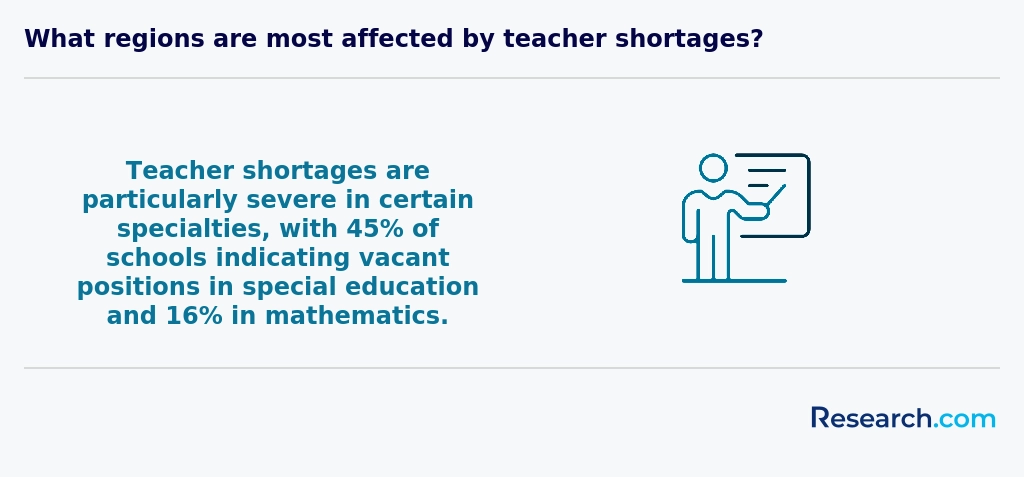
Graduates with an education degree in University Park find diverse career paths beyond traditional classroom teaching. Many take up K-12 teaching roles, benefiting from the region's commitment to hiring qualified educators in its public and private schools. Graduates often share positive experiences about applying theory learned at popular University Park colleges to real-world classroom challenges. This first-hand engagement highlights how education degree career opportunities University Park can lead to fulfilling jobs that make a tangible difference in student lives.
Others pursue educational administration, taking on roles like principals or curriculum coordinators. These positions, while requiring additional certification, offer a chance to influence school management and student outcomes positively in their communities. Some graduates reflect on the rewarding challenge of these leadership roles, which align with the University Park education graduate job prospects tied to local school improvement initiatives.
Beyond these options, alumni have found success in related fields such as school counseling, educational technology, and policy advocacy. For instance, instructional designers from University Park colleges often design innovative learning tools that resonate with diverse learners. Those interested in exploring further can consider how an elementary education degree salary reflects the broader opportunities in the area, underscoring the value of flexible career pathways that extend well beyond classroom walls.
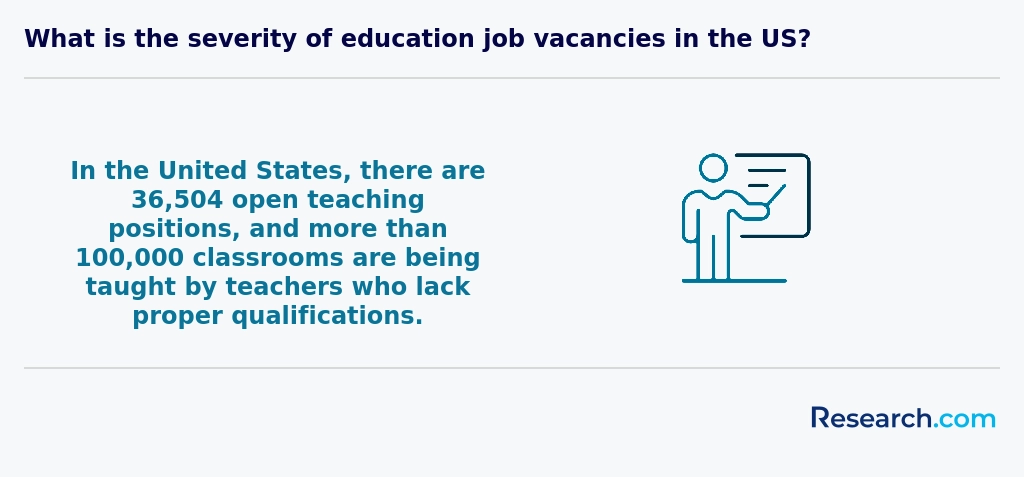
The job market for education degree holders in University Park remains steady, reflecting a consistent demand for qualified educators in local schools and nearby districts. Graduates from popular colleges in the area often find roles in K-12 teaching, special education, or school administration, supported by ongoing district expansions driven by increasing student populations. This outlook aligns with the broader University Park education degree employment outlook, suggesting graduates can anticipate meaningful opportunities, especially if they pursue additional certifications or advanced degrees.
Many graduates share positive experiences about starting their careers with competitive salaries near the Texas median of approximately $62,000, appreciating the combination of job stability and benefits like retirement plans. However, some caution that regional salary scales and competition may vary, so gaining specialized credentials is essential for long-term growth. For those considering further education, enrollment in internet-based EdD programs offers a flexible path to enhance qualifications and job prospects.
2027 Most Affordable Education Degree Programs Ranking in University Park
Investing in your education is a significant decision that can shape your future, and the Research.com team understands the importance of making informed choices. To assist prospective students in University Park, we have meticulously crafted the "2027 Most Affordable Education Degree Programs Ranking in University Park." Our commitment to quality, credibility, and accuracy is reflected in the extensive research and analysis conducted to compile this ranking.
We utilized the following reputable data sources to ensure a comprehensive evaluation of education degree programs in University Park:
By exploring this ranking, readers will gain valuable insights into the most affordable and high-quality education degree programs available in University Park, empowering them to make well-informed decisions about their educational investments. For more details on our methodology, please visit our Research.com methodology page.

Frequently Asked Questions About education
Education degree students in University Park can maximize their learning experience by actively engaging in both coursework and practical opportunities. Universities in this area often emphasize hands-on experiences such as student teaching and internships, which are crucial for real-world skills. According to the National Center for Education Statistics, students who participate in fieldwork tend to perform better academically and develop stronger professional networks.
Utilizing campus resources like tutoring centers, academic advising, and study groups also enhances learning. Staying updated on education research and policies relevant to the U.S. education system helps students deepen their understanding. Networking with local schools in University Park can provide valuable insight and job connections early in one's career.
The education field in University Park is evolving to include several emerging niches designed to meet modern challenges. One such niche is educational technology, which integrates digital tools to enhance learning experiences. According to the National Center for Education Statistics, enrollment in education technology programs has increased by over 15% in the past five years nationwide, reflecting a growing demand for tech-savvy educators.
Another emerging area is special education focusing on inclusive practices for diverse learners. University Park has seen increased funding for special education research, promoting innovative strategies tailored to individual needs. Additionally, there is growth in STEM education degrees, emphasizing science, technology, engineering, and math teaching skills.
These niches respond to changing educational demands and workforce trends, preparing future educators for dynamic classroom environments.
Graduates completing an education degree in University Park should actively engage in career preparation to enhance job market success. According to the U.S. Bureau of Labor Statistics, teachers with relevant practicum experience are 20% more likely to secure positions quickly. Students should seek internships or student teaching opportunities within local schools to gain hands-on skills and build professional networks.
University Park benefits from numerous school districts that often collaborate with universities for credentialing and job placement programs. Additionally, attending local job fairs and joining professional associations like the National Education Association strengthens connections.
Developing a strong resume focused on classroom management, curriculum design, and student assessment skills is crucial. Continuing education and certifications, such as ESL or special education endorsements, can further increase employability in this competitive field.
Employers in University Park increasingly value education degree graduates who demonstrate strong communication skills. Clear and effective communication is vital for engaging diverse student populations and collaborating with parents and staff. According to the National Center for Education Statistics, 85% of school districts emphasize communication during hiring.
Critical thinking and adaptability are also top priorities. Graduates must be prepared to handle various classroom challenges and evolving educational technologies. The Texas Education Agency highlights adaptability as essential for success in local schools.
Additionally, proficiency in digital tools and inclusive teaching strategies is highly sought after. Experts stress that skills catering to diverse learners improve student outcomes and meet district goals in University Park.
Finding internships in University Park relevant to an education degree involves several practical steps. First, students should explore the career services offered by local universities, such as Penn State University Park, which connects education majors with K-12 schools and community programs.
Many education programs require internships as part of their curriculum, offering placements in nearby public and private schools. According to the National Center for Education Statistics, hands-on experience improves employment prospects by 20% for education graduates.
Additionally, students can seek opportunities through district websites or local educational nonprofits focused on youth development. Networking events and job fairs hosted on campus also provide direct contacts within the education sector.
Finally, online platforms tailored to education internships, like Handshake or education-specific listings, can be valuable resources for securing practical experience in University Park.
Obtaining an education degree in University Park significantly enhances career mobility, especially within the local school districts and educational institutions. According to the National Center for Education Statistics, teachers with specialized education degrees in Texas experience a 10% higher rate of promotions within five years compared to those without such credentials. In University Park, several public and private schools prioritize candidates with advanced teaching certifications and degrees when considering leadership roles.
Additionally, many education programs in University Park offer connections to regional districts, easing transitions into administrative or specialized roles, including curriculum development and counseling. The degree often serves as a prerequisite for advancement beyond classroom teaching. Given the competitive education job market in the area, holding an education degree markedly improves prospects for salary increases and job security, aligning with state regulated pay scales tied to academic qualifications and certifications.
Studying for an education degree in University Park equips students with skills that extend beyond traditional teaching roles. Programs here emphasize interdisciplinary learning, combining education theory with psychology, sociology, and technology. This approach prepares graduates to address diverse learning environments and collaborate across professional fields effectively.
University Park's education degrees often include practicum experiences where students engage with community organizations and schools. These real-world opportunities deepen understanding of interdisciplinary challenges, such as adapting curricula for varied learner needs.
According to the National Center for Education Statistics, education programs in metropolitan areas like University Park have integrated technology and social sciences more intensively since 2020, enhancing graduates' versatility in interdisciplinary positions.
Choosing between a thesis and a non-thesis education degree program in University Park depends largely on your career goals and learning preferences. Thesis programs require original research and a substantial written project, ideal for students aiming for academic or research-oriented careers. Non-thesis options focus more on coursework and practical experience, appealing to those seeking immediate application in educational settings.
Typically, thesis tracks involve fewer credit hours but demand significant time for research. Non-thesis tracks may require more classes, allowing broader knowledge in various education topics.
According to data from the National Center for Education Statistics, about 40% of graduate education students prefer non-thesis options nationwide, reflecting practical career priorities. Students in University Park often consider local employment trends, where teaching roles emphasize applied skills over research.
Students based in University Park seeking education degrees with an international focus have several options within the U.S. higher education framework. Many local universities, including Pennsylvania State University, offer study abroad programs tailored for education majors. These programs often include placements in countries such as the United Kingdom, Australia, and Spain, allowing students to gain global teaching experience.
Further, partnerships with universities abroad provide opportunities for semester exchanges or summer teaching practicums. According to the Institute of International Education, roughly 12% of education majors nationwide participate in study abroad programs, reflecting growing interest.
University Park students benefit from access to academic advising and funding resources specific to education study abroad, helping reduce costs and enhance curricular relevance.
Students pursuing education degrees in University Park have several part-time job options that align well with their academic goals. Working as a teaching assistant or tutor allows hands-on experience with lesson planning and student interaction, essential skills for future educators. Local schools and community centers often seek education majors for after-school programs or summer camps, providing practical classroom exposure.
According to the Bureau of Labor Statistics, education-related part-time roles can help develop communication and organizational skills valuable for certification. Additionally, jobs in libraries or educational nonprofits in University Park offer relevant experience in literacy and resource management.
Education students in University Park benefit from numerous networking opportunities designed to enhance their professional development. Local universities often host regular career fairs and education-focused conferences, connecting students with school districts and educational organizations. For example, the annual University Park Education Symposium attracts over 300 participants from regional school systems, providing a platform for direct interaction.
Students can also join chapters of national organizations like the Student Pennsylvania State Education Association (SPAESA), which offers workshops, mentorship programs, and networking events. Additionally, University Park's proximity to major school districts facilitates student engagement through internships and practicum placements, fostering connections with practicing educators and administrators.
These opportunities are critical for building relationships that aid in job placement and career advancement post-graduation, with surveys indicating that over 60% of graduates secure employment through networking during their studies.
Alumni networks provide valuable benefits to education degree students in University Park by offering mentorship and career support. These networks connect current students with experienced graduates who have navigated the local job market. According to the National Association of Colleges and Employers, 85% of jobs are filled through networking, highlighting the importance of such connections.
Additionally, University Park's education alumni often participate in workshops and panel discussions, helping students gain insights into teaching strategies and certification requirements specific to the state of Texas. Access to these resources can improve job placement rates for graduates.
Moreover, alumni networks frequently share exclusive job openings in nearby school districts, giving students early access to teaching positions. Membership in these groups also fosters professional growth through conferences and continuing education opportunities.
Customizing an education degree program in University Park involves selecting courses and specializations aligned with your career goals. Many universities offer options such as elementary education, special education, or educational leadership, allowing you to focus on your preferred field. Additionally, students can often choose elective courses that enhance skills in areas like curriculum development or educational technology.
Practical experience is another key customization factor. University Park institutions frequently provide internships or student teaching placements in local schools, giving hands-on exposure tailored to your interests.
Advisors at these universities can guide you in creating a degree path that fits state certification requirements and career objectives.
Education students in University Park commonly face several challenges that affect their academic progress and overall experience. One major issue is balancing fieldwork or student teaching requirements with coursework, which demands significant time and energy. According to data from the National Center for Education Statistics, about 75% of education majors juggle these commitments simultaneously.
Another challenge is adapting to diverse classroom settings during practicum placements. University Park's schools serve varied populations, requiring cultural competence and flexible teaching approaches. This often adds stress, especially for novice educators.
Additionally, financial constraints and rising tuition costs impact many students, causing them to work part-time jobs, which can reduce study time. Mental health concerns linked to academic pressure are also reported, reflecting a broader national trend among education majors.
With an education degree in University Park, graduates can pursue several professional certifications enhancing their career prospects. The most common certification is state licensure for K-12 teaching, required to work in public schools. For example, Texas Teacher Certification is mandatory for educators in University Park, aligning with state standards set by the Texas Education Agency.
Additionally, educators may pursue certifications such as ESL (English as a Second Language) to meet growing demand for bilingual instruction. Special education certification is another valuable credential, qualifying teachers to support students with disabilities.
Beyond teaching, candidates can obtain administrator licenses to become principals or education supervisors. According to the Texas Higher Education Coordinating Board, these certifications typically require passing standardized exams and completing professional development hours.
Applying for an education degree program in University Park requires careful preparation to create a compelling application. Start by thoroughly researching the programs offered by local institutions, such as Penn State University Park, which is known for its competitive College of Education. Tailor your personal statement to highlight your passion for teaching and your understanding of current educational challenges.
Strong letters of recommendation are crucial; request these from professors or employers who can attest to your dedication and potential as an educator. Additionally, ensure your academic transcripts demonstrate a solid GPA, as many education programs typically require at least a 3.0 GPA.
Standardized tests like the GRE may be required, so prepare in advance to meet or exceed average scores reported by University Park applicants. Finally, be mindful of deadlines and provide all requested documents to present yourself as a well-organized and motivated candidate.
Education careers increasingly emphasize global perspectives, reflecting the interconnected world in today's classrooms. For students in University Park pursuing education degrees, understanding diverse learning environments and cultural responsiveness is crucial. According to the National Center for Education Statistics (NCES), over 40% of US teachers work in multicultural settings, highlighting the need for global awareness.
International trends show growing demand for skills in technology integration and inclusive education. University Park's programs often incorporate these elements, aligning with global standards. Additionally, educators with global competence can improve student engagement and outcomes, a focus area identified by the US Department of Education.
Thus, a global outlook is essential to prepare for the evolving challenges in education careers nationwide.
Students pursuing an education degree in University Park can gain practical experience through multiple avenues integrated within their programs. Many local universities partner with nearby schools, allowing students to participate in supervised teaching internships. These placements often require at least 100 hours of classroom work, where students apply theory in real settings.
Additionally, some programs offer practicum courses, enabling hands-on learning with mentorship from experienced educators. Community engagement projects and tutoring opportunities further develop practical skills.
According to the National Center for Education Statistics, almost 80% of education degree students in Pennsylvania engage in such experiential learning activities before graduation, helping improve job readiness.
Choosing the right concentration within an education degree program in University Park begins with understanding your career goals. Education programs often offer concentrations such as elementary education, special education, or educational technology. Research from the National Center for Education Statistics shows that special education jobs in Pennsylvania are projected to grow by 6% by 2030, indicating demand in this field.
Consider program offerings specific to University Park institutions, which may include hands-on placements in local K-12 schools. Reviewing course curriculum and faculty expertise helps identify a concentration that matches your interests and strengths. Additionally, contacting academic advisors at University Park universities can provide tailored guidance based on regional job trends and certification requirements.
- 2027 Most Affordable Education Degree Programs Ranking in Chicago
- 2027 Most Affordable Education Degree Programs Ranking in River Forest
- 2027 Most Affordable Education Degree Programs Ranking in Indianapolis
- 2027 Most Affordable Education Degree Programs Ranking in Dubuque
- 2027 Most Affordable Education Degree Programs Ranking in Cincinnati
- 2027 Most Affordable Education Degree Programs Ranking in Louisville
- 2027 Most Affordable Education Degree Programs Ranking in Columbus
- 2027 Most Affordable Education Degree Programs Ranking in Des Moines
- 2027 Most Affordable Education Degree Programs Ranking in Cleveland
- 2027 Most Affordable Education Degree Programs Ranking in Nashville
See What Experts Have To Say About Studying Education
Read our interview with Education experts


Nooshan Ashtari
Education Expert
Professor & Book Author
University of Southern California

- Are Universities Preparing Students for the Job Market? - Sprint CV https://www.sprintcv.com/blog/are-universities-preparing-students-for-the-job-market/
- Education Study Abroad | CIEE https://www.ciee.org/go-abroad/college-study-abroad/programs/subjects-disciplines/education-study-abroad
- Bachelor of Education Degree (Here's What To Expect) https://www.alleducationschools.com/teaching-degrees/bachelors-in-education/
- Education degree - Tłumaczenie po angielsku - Słownik angielsko-polski Diki https://www.diki.pl/slownik-angielskiego
- Get the skills employers want | Study UK https://study-uk.britishcouncil.org/why-study/succeed-your-career/get-skills-employers-want
- Interdisciplinary Studies - what can i do | Study https://www.uottawa.ca/study/career-experiential-learning/career-development/what-can-i-do-with-my-studies/interdisciplinary-studies
- Teaching Job Roles | Teach For Life https://www.teachforlife.com/teachingjobs/global-perspectives-teacher
- The Future of Education: Emerging Trends Reshaping Learning Environments http://www.gesseducation.com/gess-talks/articles/future-education-emerging-trends-reshaping-learning-environments
- Teaching Degree Requirements in 2023 | Teachers of Tomorrow https://www.teachersoftomorrow.org/blog/insights/teaching-degree-requirements/
- Education Cover Letter: 6 Steps to Write a Job-Winning One [+Example & Template] | Cake https://www.cake.me/resources/cover-letter/education-cover-letter


