2027 Fastest Online Master's in Education Degree Programs Ranking in Washington, DC

Co-Founder and Chief Data Scientist
Choosing the right online master's in education program can feel overwhelming, especially with so many options available in Washington, DC. This article introduces the 2027 Fastest Online Master's in Education Degree Programs Ranking in Washington, DC, developed by the Research.com team of data scientists to guide you toward informed decisions.
By exploring this ranking, you'll discover programs that combine quality, speed, and flexibility-key factors for busy students. Earning an education degree opens doors to rewarding career opportunities and personal growth, making your journey both meaningful and achievable.
Key benefits of getting online education degree in Washington
- Education degree graduates in Washington can expect competitive salaries, such as Education Managers earning around $129,330 annually and Curriculum Specialists about $77,200, reflecting strong earning potential.
- Career paths for education graduates include becoming Education Program Managers or Consultants, offering diverse opportunities to impact learning environments and policies.
- Completing an education degree online from a respected university in Washington allows flexible scheduling and personalized learning, making it easier to balance work, life, and studies.
- 2027 Fastest Online Master's in Education Degree Programs Ranking in Washington, DC
- What can I expect from online education degree in Washington?
- Where can I work with online education degree in Washington?
What can I expect from online education degree in Washington?
When diving into the cost of an online education degree in Washington, many students find a pleasant surprise waiting. The average tuition at public universities like the University of Washington or Western Governors University tends to be quite manageable, with WGU's flat-rate tuition model allowing learners to accelerate their studies without financial stress. Imagine finishing your master's faster because monthly fees don't increase if you take more courses - it's a real game-changer for budget-conscious students.
Graduates often share how this approachable pricing, combined with financial aid options and state grants, helped them focus more on mastering teaching techniques rather than worrying about mounting bills. Whether you're balancing family commitments or a job, these thoughtful tuition structures provide a sense of freedom and motivation, enhancing the overall learning adventure. Washington's emphasis on accessible, quality education is clear, making the dream of earning a respected online degree both achievable and inspiring.
Where can I work with online education degree in Washington?
With an online education degree in Washington, your career journey can be as vibrant as the state itself. Graduates often find themselves shaping young minds in bustling K-12 schools across Seattle, Spokane, or Tacoma, where the demand for skilled educators keeps growing. Imagine joining a classroom in the Lake Washington School District, bringing fresh ideas to life while knowing the district values your advanced online credentials.
Others step beyond the classroom, becoming curriculum coordinators or school principals who craft the future of education. Graduates from the University of Washington or Washington State University frequently share how their online coursework prepared them for these leadership roles, blending flexibility with hands-on expertise.
Emerging opportunities also await in higher education and corporate training sectors. Picture designing innovative online learning programs or training modules in a dynamic company downtown. The state's emphasis on special education and ESL fields means your specialized skills can open many rewarding doors throughout Washington's diverse communities.
Graduates from online education programs in Washington, including those from well-known institutions like the University of Washington or Seattle Pacific University, often find themselves stepping into rewarding careers with impressive salaries. Imagine earning around $129,330 as an Education Manager, a role many graduates achieve by building on their online master's degrees through local networks and professional growth.
Others pursuing paths such as Education Program Manager enjoy strong salaries too, with mean annual wages near $104,920. This level of income reflects not only experience but also the valuable skills gained through flexible online learning while balancing life in vibrant cities like Seattle or Bellevue.
Curriculum Specialists and Education Consultants, roles that emphasize creativity and influence in shaping educational content, typically earn $77,200 and $95,600 respectively. Graduates often share how their online studies empower them with confidence to innovate within Washington's dynamic educational landscape.
- Online education degrees in Washington include bachelor's, master's, and certification programs with state-specific content for public and private schools.
- The average tuition for an online master's degree in education ranges from $15,000 to $30,000, with lower rates at public universities for in-state residents.
- Demand for teachers and educational administrators in Washington is expected to grow by 5% over the next decade, matching the national average.
- Starting salaries for master's graduates average $55,000 per year, increasing to $70,000-$85,000 for experienced professionals.
- Programs are accredited by bodies like the Council for the Accreditation of Educator Preparation (CAEP), which supports licensure and employment eligibility.
- Specialized online master's degrees are available in areas like curriculum design, educational leadership, and special education.
Imagine a graduate balancing classroom teaching during the day and coursework by night, steadily earning 30 to 45 credit hours tailored to their ambitions. Some accelerated programs offer energetic movers a chance to finish in as little as 12 to 18 months by stacking continuous terms and heavier course loads. These pathways invite you to dive deep into specializations such as educational leadership or curriculum design-each adding valuable practicum experiences that enrich your practical skills.
The Washington Student Achievement Council highlights the state's commitment to adaptable pacing, enabling in-service teachers to thrive without sacrificing their careers. Many graduates appreciate how prior professional experience can shave months off the timeline, making the journey through Washington's online education degrees feel not just achievable but empowering.
Imagine studying education at the University of Washington while sipping coffee at your favorite local café-that's the kind of freedom online programs offer. Graduates from these programs often praise the flexibility to fit lectures and assignments into their busy lives, juggling work or family with ease. Online learning platforms open doors wide, allowing access anytime and anywhere, a perfect fit for Washington's dynamic lifestyle.
On the other hand, attending an on-campus program at Washington State University paints a different picture: bustling libraries, face-to-face discussions, and the chance to build vibrant networks with peers and professors. Many graduates recall how these in-person interactions energized their learning and sparked lasting friendships.
Both paths lead to equally respected degrees accredited by respected bodies like the NWCCU, but the student experience differs. Online students save on commuting and housing, often appreciating the cost benefits and digital support services expanding quickly across Washington's campuses.
The average cost of an online education degree in Washington hovers around $33,690, reflecting a balance between quality and affordability unique to this vibrant state. Graduates from well-known institutions like the University of Washington often recall feeling both challenged and supported, knowing their tuition investment opened doors to meaningful career advancements. These graduates share stories of evenings spent juggling coursework alongside their daily commitments, energized by the flexibility online programs provide.
Washington's online education programs attract students with varied backgrounds, many appreciating the transparent tuition and fees. The tuition landscape here encourages prospective students to consider residency status, program length, and additional fees, which can subtly shift the total cost. For instance, technological or practicum fees might surprise newcomers, demanding a curious eye when reviewing financial expectations. The tuition and fees for online education programs in Washington continue to spark excitement among learners willing to explore options that fit their budget while keeping quality intact.
Public universities like Washington State University offer online degrees that appeal to those seeking cost efficiency without sacrificing academic rigor. Meanwhile, stories from alumni highlight how some chose accelerated associate degrees to speed up their journey and reduce overall expenses. This sense of adventure in educational planning truly captures the spirit of studying education online in Washington-an experience brimming with opportunity and personal growth.
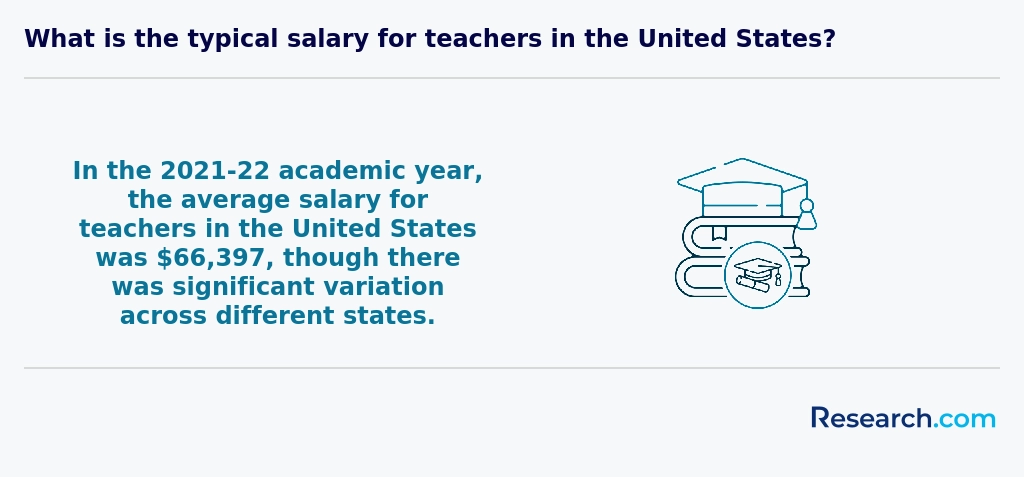
Imagine unlocking the door to an online education degree at universities like the University of Washington or Seattle Pacific University with a little financial magic. Many graduates talk about how federal aid, accessed through the FAFSA, was their first bright spark. Pell Grants waving their need-based wand can cover up to $7,395 without debt looming over their heads-pure relief for many.
Then there's the Washington College Grant, a powerful ally that lifted nearly 29,000 students last year, easing tuition burdens at both public and private institutions. One grad recalls how combining this with institutional scholarships made studying online feel genuinely achievable. Employers in Washington often join the quest, offering tuition reimbursement, especially for education fields, transforming dreams into affordable realities.
For those who see themselves teaching high-need schools in the future, loan forgiveness programs act like hidden treasures, forgiving student loans through federal and state routes. Professional organizations, such as the Washington Education Association Foundation, also open doors to scholarships that bring hope and opportunity closer.
Next up, transcripts are your storytelling tool, lighting the path of your academic journey. Alongside these, letters of recommendation from advisors or supervisors add a personal touch, reflecting your unique potential and professional promise.
Imagine crafting a personal statement that's more than words-it's your chance to express passion for teaching and your dreams, much like many students from Seattle Pacific University who found this step transformative.
Standardized tests like the GRE might still be required, but with nearly 40% of programs waiving this, your path could be more accessible. Plus, if you seek teacher certification, expect state-specific steps like background checks and skills assessments, ensuring you're truly prepared to inspire future learners across Washington.

Diving into an online education degree in Washington is like embarking on a journey through the heart of teaching itself. Graduates from well-regarded programs at universities such as the University of Washington describe courses on educational psychology as eye-opening-they reveal how students think and grow, making classroom challenges feel like puzzles waiting to be solved. Imagine learning instructional technology tools that bring lessons to life, blending digital creativity with real-world teaching.
Curriculum design and classroom management classes often spark excitement among learners, offering practical skills to craft engaging lessons that truly connect with diverse students. Many graduates recall the rewarding experience of special education courses, emphasizing inclusion and adapting to unique learner needs in meaningful ways.
Leadership courses prepare students to confidently step into roles like school administrators, navigating policies and supporting staff with newfound ease. These courses, often paired with hands-on practicums coordinated through local schools, underscore Washington's dedication to practical, relevant training for educators stepping into the field.
Exploring an online education degree in Washington reveals a dynamic array of specializations designed to match the state's evolving educational landscape. Graduates from prominent local institutions often speak enthusiastically about choosing Curriculum and Instruction, where they craft engaging lesson plans that truly resonate with K-12 students in diverse classrooms. Others find their passion in Educational Leadership and Administration, preparing to take on influential roles such as principals or district leaders, shaping the future of Washington's school systems.
For those drawn to making a meaningful impact, the Special Education track offers invaluable strategies to support learners with disabilities, aligning perfectly with growing local demand highlighted by the OSPI. Many students appreciate the innovative nature of the Educational Technology specialization, integrating digital tools into everyday teaching - a perfect fit as remote learning becomes the norm.
For learners focused on workforce relevance, Adult and Continuing Education emerges as a rewarding path, particularly at universities known for flexible programs aligned with the best education degree focus areas Washington DC offers. Curious learners always find it helpful to explore programs with financial considerations in mind too, balancing passion and cost while discovering the best majors in college to make money.
Choosing the best online education degree in Washington means diving into a sea of options where accreditation is your compass. Graduates often recall the relief of confirming their program met the rigorous CAEP standards and was approved by OSPI-both crucial for state teaching credentials. Imagine a busy parent pursuing an affordable online master's in education Washington DC, exploring Washington State University's flexible, asynchronous courses that fit around family life while keeping tuition manageable.
One graduate shared how the practical student teaching components became a real adventure, arranging local classroom observations that connected them deeply with their community. Another discovered that career support services unlocked doors to high-demand STEM teaching roles in the region, fueling both hope and opportunity. When weighing programs, keep your eyes open for tuition deals and financial aid, and consider how pacing aligns with your goals-some even found joy exploring easy associate degrees to complement their knowledge.
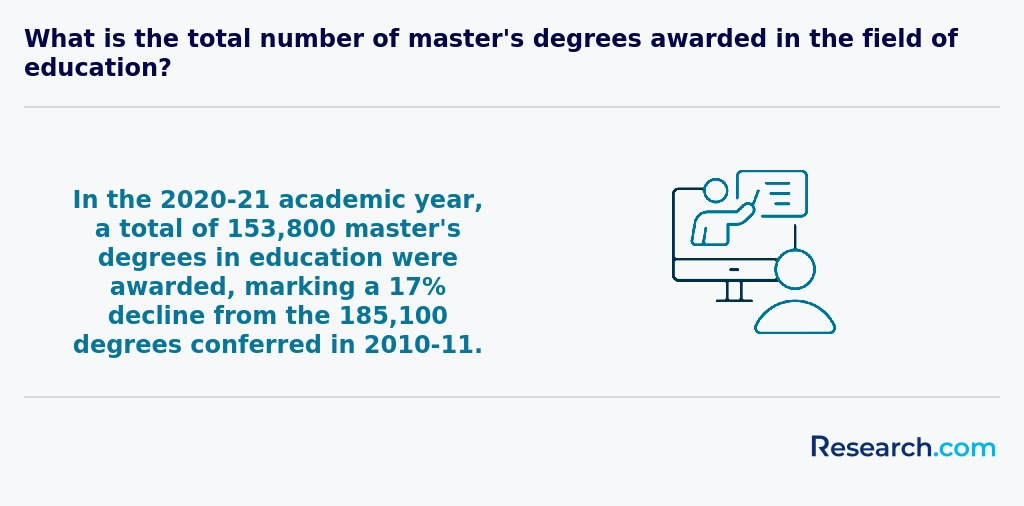
Curious minds also venture into educational technology, crafting digital learning experiences that transform classrooms statewide. Others discover fulfilling careers as adult education and corporate trainers, unlocking professional potential across Washington's diverse economy. For those weighing their next step, the adventure includes exploring options at best accredited online colleges that open doors to a dynamic job market and exciting education master's job opportunities Washington DC programs often highlight.
The job market for those holding an online education degree in Washington is vibrant and full of promise. Graduates from prominent institutions like the University of Washington or Seattle Pacific University discover a dynamic landscape where the demand for skilled educators and administrators continues to rise. These education professionals find themselves stepping into roles that influence curriculum development, special education, and technology integration within the classroom. Many graduates share stories of landing rewarding positions in public and private K-12 schools, where their training in innovative teaching methods truly shines.
For students exploring education career opportunities Washington DC also offers inspiring examples of how flexible online programs prepare candidates for leadership and specialist roles, from instructional coordinators to educational technology experts. The state's commitment to advancing classroom technologies means graduates remain competitive and ready for the evolving needs of schools. Those considering further advancement often look into an accelerated associate degree to build foundational teaching skills quickly and confidently.
Overall, the balance of strong salaries, ongoing growth, and supportive learning environments create an inviting path for anyone pursuing online education degree jobs in Washington DC, emitting a sense of excitement and opportunity in every step taken.
2027 Fastest Online Master's in Education Degree Programs Ranking in Washington, DC
Investing in your education is a significant decision that can profoundly impact your professional and personal growth. The Research.com team recognizes the importance of making informed choices, especially when selecting an online master's program in education. To this end, we have carefully developed the "2027 Fastest Online Master's in Education Degree Programs Ranking in Washington, DC" with a strong commitment to quality, credibility, and accuracy. Our comprehensive research draws upon multiple authoritative data sources to deliver trustworthy and actionable insights.
We utilized the following reputable data sources to ensure a thorough evaluation of programs:
By consulting this ranking, readers can confidently identify the fastest and most credible online master's programs in education available in Washington, DC, making the decision process clearer and more efficient. For comprehensive information about how this ranking was created, please visit our Research.com methodology page.

# 2 position
The George Washington University
Master of Special Education for Culturally & Linguistically Diverse Learners

Frequently Asked Questions About education
Students pursuing online education degrees in Washington can enhance their learning by creating structured daily schedules. This approach helps balance coursework with personal responsibilities, a vital strategy reported by the National Center for Education Statistics. Engaging actively in virtual discussions and group projects fosters deeper understanding and peer support, essential in online settings.
Washington's digital infrastructure supports reliable internet access, which benefits uninterrupted participation. Utilizing university resources such as online libraries and academic advising improves research skills and academic planning. Additionally, incorporating regular self-assessments can track progress and identify areas for improvement, a method recommended by the U.S. Department of Education.
Emerging niches within the education field reflect growing demands for specialized skills and modern learning environments. In Washington, online education degrees increasingly focus on areas such as educational technology, bilingual education, and special education. According to the Washington State Board for Community and Technical Colleges, demand for educators trained in technology integration has risen by over 20% in recent years.
Other rising specialties include curriculum development targeting diverse populations and leadership roles in distance education management. The state's diverse demographics and commitment to inclusive education drive the need for professionals skilled in culturally responsive teaching methods.
As digital learning evolves, professionals with expertise in virtual classroom management and instructional design find growing opportunities. These niches align with national trends highlighted by the U.S. Department of Education's Office of Educational Technology, emphasizing personalized and accessible online instruction.
After completing an online education degree in Washington, preparing for the job market involves several key steps. First, graduates should obtain Washington state certification if they plan to work in public schools. The Office of Superintendent of Public Instruction (OSPI) offers detailed guidance on teacher certification requirements.
Networking is crucial. Joining local professional organizations like the Washington Education Association can connect graduates with mentors and job openings. Additionally, gaining practical experience through internships or substitute teaching can improve employment prospects.
Washington's education sector values skills in technology integration and diverse classroom management, so highlighting these can boost your resume. According to the Bureau of Labor Statistics, education roles in Washington grew by 6% from 2021 to 2031, signaling expanding opportunities.
Employers in Washington prioritize several key skills in graduates holding education degrees, especially those trained through online programs. Strong communication skills, both verbal and written, are essential for effectively engaging with students, parents, and colleagues.
Critical thinking and problem-solving abilities are equally valued, as educators often need to adapt lessons to diverse learning styles and address classroom challenges. Additionally, proficiency in digital technology is increasingly vital given the rise of virtual and blended learning environments in Washington schools.
Data from the Washington State Office of Superintendent of Public Instruction highlights collaboration skills as crucial, reflecting the cooperative nature of modern educational settings. Finally, knowledge of culturally responsive teaching methods is important in serving Washington's diverse student population.
Finding internships in Washington related to an education degree involves a strategic approach. Many education students turn to local school districts, such as Washington, D.C. Public Schools, which often offer internship and practicum opportunities for students aiming to gain classroom experience. Additionally, universities with online education programs frequently have partnerships with local schools to facilitate placements.
Organizations like the District of Columbia Office of the State Superintendent of Education provide resources and listings for education internships. Job boards specific to the region, such as DCinternships.org, can also help connect students with relevant positions.
Networking with faculty and joining education-focused professional groups in Washington can improve internship prospects. According to the National Center for Education Statistics, hands-on experience remains a critical component for teacher certification and employment within the region.
In Washington, obtaining an online education degree can significantly enhance career mobility and advancement opportunities. According to the Washington Student Achievement Council, educators with advanced degrees, including online master's programs, often see higher salary prospects and greater eligibility for leadership roles within K-12 and higher education institutions.
Many Washington school districts recognize accredited online degrees, which allows graduates to meet certification requirements faster. The state's ongoing teacher shortage intensifies demand for qualified professionals, making candidates with advanced online education degrees more competitive.
Additionally, online programs offer flexibility, enabling working adults to continue their education without interrupting their careers, thus supporting continuous professional growth.
Studying for an education degree in Washington equips students with skills that extend beyond traditional teaching roles. Online programs in the state often integrate coursework in technology, psychology, and leadership, fostering an interdisciplinary approach. This prepares graduates to work in diverse settings such as educational technology firms, nonprofit organizations, or policy development agencies. According to the Washington State Board for Community and Technical Colleges, over 60% of education graduates pursue roles that require cross-disciplinary knowledge.
Many programs emphasize collaboration across fields, training students to address complex challenges in education systems. This aligns with local workforce demands, which increasingly value versatility. Online formats provide flexibility, enabling professionals to apply interdisciplinary learning in real time.
Choosing between a thesis and a non-thesis online education degree program in Washington depends largely on your career goals and learning preferences. Thesis programs focus on original research, ideal for students aiming for doctoral studies or academic careers. Non-thesis programs emphasize practical skills and coursework, suited for those seeking immediate application in educational settings.
Washington's universities, like the University of Washington, report that thesis programs usually require 6 to 12 months longer to complete. According to the National Center for Education Statistics, 58% of education graduate students in the state prefer non-thesis options, valuing flexibility.
Consider your future ambitions: research-intensive careers favor thesis paths; practitioner roles benefit from non-thesis tracks. Also evaluate available faculty expertise, resources, and time commitments before deciding.
Students in Washington seeking online education degrees with an international focus have several pathways available. While studying education exclusively abroad is uncommon for fully online U.S. degrees, many Washington institutions offer global education components through partnerships or study-abroad options integrated into their programs.
For example, the University of Washington provides online master's programs in education that include opportunities for international research or exchange collaborations. According to the U.S. Department of Education, around 15% of graduate education students in Washington engage in programs with an international dimension, enhancing their global understanding.
Additionally, students can explore education certificates or endorsements with global competencies, preparing them for diverse classrooms worldwide. These options allow flexibility while maintaining compliance with Washington state licensure requirements.
Students pursuing online education degrees in Washington can benefit from various part-time jobs that complement their studies. Positions like teaching assistants or tutors in local schools provide valuable classroom experience while supporting their academic progress. According to the Washington State Employment Security Department, education roles in support services have shown steady growth, offering flexible hours ideal for part-time work.
Additionally, roles in after-school programs and educational nonprofits allow candidates to apply instructional skills in community settings. These positions often require less formal commitment but enhance leadership and communication abilities.
Working as a substitute teacher is another viable option, with Washington having over 1,400 public schools needing flexible staffing. This exposes students to diverse teaching environments essential for master's degree candidates.
Online education students in Washington have access to multiple networking opportunities that enhance their academic and professional experience. Many universities, such as the University of Washington and George Washington University, offer virtual career fairs and alumni networking events specifically for online learners. These events connect students with local education professionals and potential employers across the state.
Additionally, professional organizations like the Washington Education Association provide online forums, workshops, and webinars that facilitate connections among online students and educators. According to the National Center for Education Statistics, over 30% of Washington's graduate students participate in such networking activities yearly, boosting career prospects.
Alumni networks offer valuable support to students pursuing online education degrees in Washington. These networks connect current students with graduates who have firsthand experience in local education systems and job markets. According to the Washington Student Achievement Council, strong alumni networks can increase job placement rates by providing mentorship and career advice.
Many Washington universities encourage online degree alumni to engage through virtual events and professional groups. This fosters networking opportunities that help students access internships and teaching positions in nearby school districts.
Furthermore, alumni can share insights on Washington's education policies and evolving classroom technologies, giving online students a practical edge. Such connections often lead to collaborations and recommendations that enhance career growth within the state's education sector.
In Washington, online education degree programs often allow students to tailor their studies to align with specific career goals. Many institutions offer concentrations or specializations such as curriculum design, educational leadership, or special education. These options help students develop skills relevant to their desired roles.
Students can also select electives and participate in practicum experiences or internships that match their interests. Washington's State Board of Education supports flexible licensing pathways, enabling graduates to meet local certification requirements.
According to the National Center for Education Statistics, 30 percent of Washington's educators pursue graduate degrees online, highlighting growing demand for customizable programs.
Online education students in Washington face several common challenges. A significant issue is the digital divide; despite Washington's high internet penetration rate of 89%, some students still experience unstable connections that hinder their learning.
Another challenge is balancing coursework with work and family commitments. Many students in the state are working adults, which can make time management difficult.
Furthermore, some students report feelings of isolation and lack of direct interaction with instructors and peers, which can affect motivation and success rates. These challenges reflect national trends but also highlight unique considerations for Washington learners.
With an online education degree in Washington, you can pursue several professional certifications to advance your career. Popular options include the Washington State Residency Teacher Certification, essential for K-12 teaching roles in public schools. Many graduates also seek National Board Certification, recognized nationwide for demonstrating teaching excellence.
Other certifications available include endorsements in Special Education, English Language Learning (ELL), and Reading Specialist credentials. These help educators specialize and fill high-demand areas across Washington's districts. According to the Washington Student Achievement Council, certified teachers with endorsements often see expanded job opportunities and higher salaries.
For administrators, credentials like the Principal or Superintendent Certificate are attainable with further coursework and experience. Online degree holders can strategically prepare for these certifications to meet state requirements and enhance career growth.
To write a winning application for an online education program in Washington, begin by researching the specific requirements of each institution. Many Washington schools emphasize a strong academic record, so highlight your undergraduate GPA and relevant coursework clearly. Include a compelling personal statement that explains your motivation for pursuing a degree in education online, connecting it to local educational challenges or goals if possible.
Letters of recommendation, preferably from academic or professional sources familiar with your teaching or leadership skills, are crucial. Washington applicants should also demonstrate familiarity with state education standards or initiatives like the Washington State K-12 Learning Standards. According to the Washington Student Achievement Council, including examples of your commitment to education improves your chances of admission.
Pursue clear, concise writing and ensure your application is error-free. Attention to detail reflects well on your professionalism and readiness for graduate-level study.
The global perspective on education careers highlights growing demand for qualified teachers and education leaders worldwide. In the United States, including Washington state, education remains a vital sector with steady job growth. According to the U.S. Bureau of Labor Statistics, employment for preschool, elementary, middle, and high school teachers is projected to grow 5% from 2021 to 2031.
Washington's diverse population and commitment to equitable education create unique opportunities for educators trained to work in inclusive environments. Online education degrees in Washington often emphasize multicultural competence and technology integration.
Internationally, education careers are increasingly valued as essential to economic development and social progress. Education professionals with U.S. credentials, especially those earned online, are recognized for strong pedagogical skills and leadership training.
Gaining practical experience while studying for an online education degree in Washington is essential for career readiness. Many programs integrate fieldwork or practicum hours, which can often be completed in local schools or educational organizations. This hands-on training allows students to apply theoretical knowledge in real classroom settings.
Washington State supports partnerships between universities and public schools, facilitating internships and student-teaching placements. For example, candidates pursuing teacher certification typically complete at least 450 clinical hours, as required by the Washington Professional Educator Standards Board.
Additionally, some programs encourage volunteering or working as paraeducators to build experience while enrolled. This practical exposure helps meet licensure requirements and enhances job prospects.
Choosing the right concentration within an online education degree program in Washington requires careful consideration of your career goals and the needs of local schools. Washington's education sector emphasizes special education, STEM (science, technology, engineering, and math), and educational leadership, reflecting state priorities and workforce demands. According to the Washington State Office of Superintendent of Public Instruction, schools face growing demand for qualified special education teachers and technology integration experts.
Evaluate concentrations by reviewing curriculum focus, potential certifications, and alignment with Washington's teaching standards. Programs that offer licensure tracks or endorsements can enhance employability in state schools. Additionally, consider job market trends reported by the Washington Employment Security Department to guide your choice.
- 2027 Fastest Online Education Degree Programs Ranking in Philadelphia, PA
- 2027 Fastest Online Education Degree Programs Ranking in Loretto, PA
- 2027 Fastest Online Education Degree Programs Ranking in Norfolk, VA
- 2027 Fastest Online Master's in Education Degree Programs Ranking in Virginia Beach, VA
- 2027 Fastest Online Education Degree Programs Ranking in Indiana, PA
- 2027 Fastest Online Education Degree Programs Ranking in California, PA
- 2027 Fastest Online Education Degree Programs Ranking in Pittsburgh, PA
- 2027 Fastest Online Education Degree Programs Ranking in New York, NY
- 2027 Fastest Online Education Degree Programs Ranking in Slippery Rock, PA
- 2027 Fastest Online Education Degree Programs Ranking in Greenville, NC
See What Experts Have To Say About Studying Education
Read our interview with Education experts


Nooshan Ashtari
Education Expert
Professor & Book Author
University of Southern California

- Seven Major Challenges Facing Education in the 21st Century https://www.internationalschoolparent.com/articles/seven-global-education-challenges/
- Teacher of Global Perspectives (IGCSE) https://www.scie.com.cn/jobs-global-perspectives/
- Online Colleges in Washington | OEDb.org https://www.oedb.org/washington/
- How To Write A Great Cover Letter For Teacher Training - Engage Education https://engage-education.com/blog/how-to-write-a-great-cover-letter-for-teacher-training/
- Skills Employers Look for in Business Graduates – EU Business School https://www.euruni.edu/blog/skills-employers-look-for-in-business-graduates/
- The Advantages of Studying an Online Degree https://www.falmouth.ac.uk/news/advantages-studying-online-degree
- Tips for Choosing Your Graduate Concentration - Graduate Programs for Educators https://www.graduateprogram.org/blog/tips-for-choosing-your-graduate-concentration/
- What Employers Actually Want From Graduates https://bodyswaps.co/resources/blog/what-employers-actually-want-from-graduates
- 5 Tips on Choosing the Right Course or Study Program - Edunation https://www.edunation.co/5-tips-on-choosing-the-right-course-or-study-program/
- Online Education Degree Programs | University of Phoenix https://www.phoenix.edu/online-education-degrees.html