
2027 Best Education Degree Programs Ranking in Cleveland

Co-Founder and Chief Data Scientist
Choosing the right education degree program can shape your future in meaningful ways. Our article presents the 2027 Best Education Degree Programs Ranking in Cleveland, created by the Research.com team of data scientists. This detailed ranking aims to guide prospective students like you through the best options available locally.
By exploring this article, you'll gain clarity on which programs truly stand out. Pursuing an education degree offers rewarding opportunities to inspire others and build a fulfilling career. Let us help you take an informed step toward achieving your goals.
Key benefits of getting education degree in Cleveland
- Graduates with an education degree in Cleveland can expect competitive salaries, such as Special Education Teachers earning around $76,000 and Instructional Designers making about $77,200 annually, offering financial stability and rewarding careers.
- Career paths are diverse, including roles like Early Childhood Educators, ESL Teachers, and Instructional Designers, reflecting the real experiences of local graduates from popular colleges such as Cleveland State University.
- Obtaining an education degree online from Cleveland institutions allows flexible scheduling and personalized learning, making it easier for working students to balance life and education while achieving their goals efficiently.
- 2027 Best Education Degree Programs Ranking in Cleveland
- What can I expect from education degree in Cleveland?
- Where can I work with education degree in Cleveland?
What can I expect from education degree in Cleveland?
The average cost of pursuing an education degree in Cleveland tends to vary significantly depending on the type of institution and residency status. Graduates from Cleveland State University, for instance, often recall how the in-state tuition made the journey more affordable, helping ease financial concerns without sacrificing quality. Public universities like CSU offer in-state tuition rates that are noticeably lower than those at private institutions, making them an appealing choice for Ohio residents. Meanwhile, those attending private schools like John Carroll University frequently value the flexible scheduling and smaller class sizes, though they acknowledge the higher price tag that comes with this experience.
Many students appreciate that scholarships and grants targeting future educators help bridge the gap, often tied to commitments to teach within Ohio schools. These financial supports transform an already rewarding career path into one that feels even more accessible and hopeful. When reflecting on their time at Cleveland's campuses, graduates often emphasize how the balance of affordability and quality prepared them well for impactful, community-centered teaching roles.
Where can I work with education degree in Cleveland?
Graduates from education programs at Cleveland State University or Cuyahoga Community College often find rewarding careers in local K-12 schools, such as those within the Cleveland Metropolitan School District. Many share how becoming a certified teacher or special education specialist opened doors to fulfilling roles that directly impact student growth. The ongoing need for skilled educators here provides steady opportunities that inspire confidence and a sense of purpose.
Others discover meaningful work in early childhood centers and Head Start programs, where their training in child development comes alive through hands-on experience. These settings often allow graduates to grow into leadership or curriculum design roles, a path many find both challenging and uplifting.
For those drawn to higher education or administrative roles, Cleveland's colleges and universities offer positions like academic advising or educational technology support. Graduates describe these careers as vital, providing stability while staying connected to education beyond the classroom.
Additionally, nonprofit organizations focused on tutoring and literacy create vibrant community engagement opportunities, where education professionals can see the tangible difference their efforts make. This variety of pathways reflects the rich educational landscape of Cleveland, encouraging graduates to envision a career that truly fits their passion and talents.
Graduates holding education degrees from institutions like Cleveland State University or John Carroll University often find rewarding career paths with competitive salaries in Cleveland. For instance, elementary school teachers typically earn a mean annual wage of about $70,740, offering a solid foundation soon after graduation. Special education teachers report even higher average earnings, around $76,000 per year, reflecting the specialized skills they bring to classrooms.
English as a Second Language (ESL) educators, valued for their ability to support diverse student populations, make roughly $65,430 annually, with hourly wages near $31.50. Early childhood educators start with a lower average wage, about $41,410, but this role provides fulfilling opportunities to shape young minds during crucial developmental stages.
Instructional designers, often involved in education technology and curriculum development, enjoy some of the highest salaries in the field, earning an average of $77,200 annually. Many recent graduates share how their practical training and local internships helped them secure these roles, making the financial outlook promising while engaging in meaningful work within Cleveland's educational community.
- The cost for a bachelor's degree in education in Cleveland ranges from $10,000 to $25,000 per year at in-state public universities and $20,000 to $40,000 at private institutions.
- Starting salaries for teachers in Cleveland are about $40,000 to $45,000 per year, increasing to $60,000 to $70,000 with experience and certifications.
- Cleveland school districts are actively recruiting teachers, especially in special education, STEM, and bilingual education due to ongoing shortages.
- Ohio teacher licensure requires completing an accredited program, passing state exams, and completing student teaching practicum.
- Education programs in Cleveland include hands-on training with local schools, which supports licensure requirements and practical experience.
- Scholarships and financial aid are commonly available for education majors in Cleveland to help lower overall education costs.
Completing an education degree in Cleveland often reflects the dedication and time investment mirrored nationwide, but with local nuances. Graduates from Cleveland State University commonly share that their bachelor's degree journey, typically lasting about four years, brings rewarding hands-on teaching experiences essential for real classroom readiness.
Those pursuing a master's degree appreciate the flexibility offered by institutions like Case Western Reserve University. Many report that full-time study of 1.5 to 2 years feels intensive yet manageable, especially when balancing summer sessions, while part-time options ease the challenge for working professionals.
Doctoral candidates describe a longer, immersive path that can span three to five years or more, involving advanced research and rigorous exams. They often express a sense of purpose, knowing their commitment prepares them for leadership roles in education sectors across Cleveland.
Understanding these timelines helps prospective students set realistic expectations, reminding them that timeframes may shift with part-time choices or accelerated programs, but ultimately lead to fulfilling careers.
Pursuing an education degree in Cleveland, OH, is a significant investment, and understanding the affordability and funding options available can greatly influence your decision. One crucial aspect to consider is the cost of tuition and living expenses, which can vary widely between institutions. For those seeking affordable education programs in ohio, there are several factors to explore, including scholarships, grants, and federal aid. Many universities in Cleveland offer competitive pricing and financial assistance packages to make education more accessible. Additionally, some institutions provide online or part-time programs that can help balance the financial burden with the flexibility to work or manage other responsibilities. Exploring these options can help you make an informed decision about which education program best fits your budget and career aspirations.
Choosing between online and on-campus education degrees in Cleveland often comes down to how you want to engage with learning and life. Graduates from Cleveland State University frequently recall the energy of walking into a classroom, where face-to-face interaction with professors helped build confidence and offered immediate feedback. This direct connection also made student teaching practicums feel more supported, allowing them to grow through hands-on experiences on-site.
In contrast, alumni of online programs praise the freedom to balance school with jobs or family responsibilities. Their ability to access lectures and participate in discussions anytime, without commuting to John Carroll University's campus, eased the pressure of rigid schedules. Yet, they also note the challenge of arranging local practicums independently, requiring a proactive approach and community networking.
Ultimately, those who thrive on routine and personal interaction often favor on-campus programs, while self-motivated learners appreciate the flexibility of online education offered throughout Cleveland's institutions.
As the educational landscape evolves, staying informed about future trends is essential for prospective students seeking an education degree in Cleveland, OH. Today’s classrooms are rapidly integrating digital tools, personalized learning platforms, and hybrid teaching models that extend learning well beyond traditional settings. Innovations such as artificial intelligence in curriculum design and virtual reality for immersive training are reshaping the way educators connect with students. By embracing these changes, future educators can gain a competitive edge and be better prepared for the shifting demands of the workforce. Moreover, programs that offer accelerated and flexible scheduling-like Shortest EDD Online Degree Fast Track Programs-provide a pathway for professionals to update their skills quickly. Keeping an eye on upcoming trends not only enhances your resume but also ensures you remain at the forefront of educational best practices, ready to meet the evolving needs of diverse learning environments.
The average cost of a education degree in Cleveland typically ranges around $12,988 for in-state students, reflecting a balance between accessibility and quality education. Graduates from Cleveland's popular institutions, such as Cleveland State University, often recall a combination of manageable tuition and supportive campus environments that made their educational journey both enriching and affordable. Out-of-state students face higher expenses, but many find the investment worthwhile given the comprehensive programs offered locally.
Reflecting on education degree tuition and fees Cleveland students encounter, private universities like John Carroll present a higher cost, usually exceeding $34,600 annually, yet these schools attract those seeking specialized resources and smaller class sizes. Many former students appreciate that tuition investments come alongside opportunities for scholarships and grants, which can dramatically reduce financial burdens.
One factor that many students notice is that while tuition forms the core expense, the overall financial picture includes additional fees, textbooks, and living costs. Fortunately, living expenses in Cleveland tend to be lower than in many other cities, easing the total cost of earning a degree. Several graduates recommend exploring local financial aid extensively and searching through affordable education programs in ohio, which help offset these additional expenditures.
Choosing to pursue a degree in education here resonates with many students because they feel supported by community-focused institutions whose tuition aligns closely with Ohio's public college averages. Personal experiences often highlight a rewarding blend of quality education and financial pragmatism, making Cleveland a practical choice for aspiring educators.
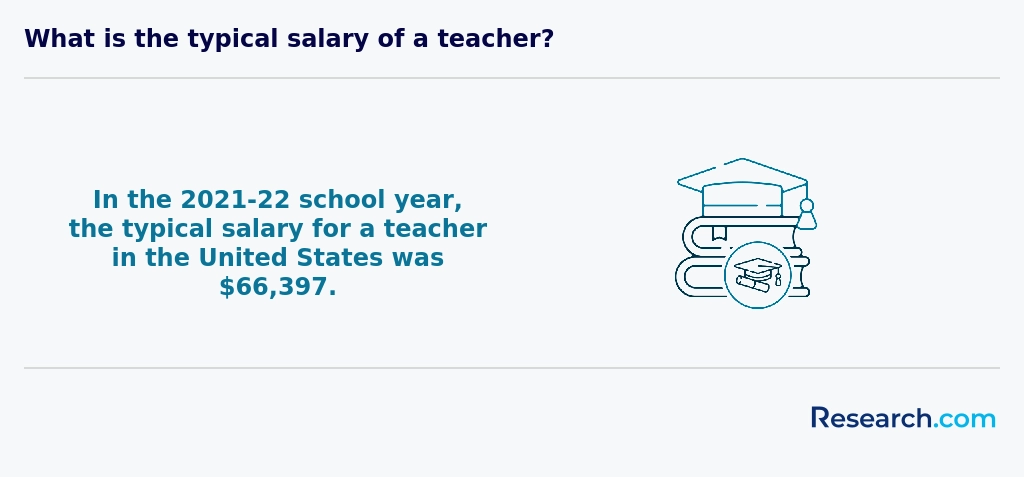
Pursuing an Education degree in Cleveland, OH is only the first step; obtaining state licensure ensures you’re qualified to teach in Ohio’s public and private schools. To earn an initial P–12 teaching license, candidates must complete a state-approved educator preparation program, fulfill a minimum of 100 clock hours of supervised clinical experience, and pass the Ohio Assessments for Educators (OAE) relevant to their subject area and grade level. Additionally, all applicants undergo a criminal background check and must hold at least a bachelor’s degree from a regionally accredited institution. Once these requirements are met, candidates apply through the Ohio Department of Education’s online certification portal. Ohio offers both traditional and alternative routes to certification:
- Traditional route: Complete a university-based preparation program (such as those at Cleveland State University or John Carroll University), pass the OAE, and submit transcripts, test scores, and a mentor-verified clinical experience log.
- Alternative route: For career changers or those with non-education degrees, Ohio’s Resident Educator Program allows entry into the classroom under a provisional license while completing pedagogy coursework and mentoring requirements. After three years of satisfactory performance and professional development, teachers transition to a five-year professional license. Maintaining licensure in Ohio requires ongoing professional development-30 clock hours of continuing education every five years-and renewal applications through the department’s eLicense system. Prospective educators balancing work and certification coursework may also explore flexible, cost-effective options; for example, our Cheapest Online Education Degree Programs Ranking in Nebraska highlights programs that meet accreditation standards while remaining budget-friendly.
Students pursuing education degrees in Cleveland find a variety of financial aid options that can make their academic journey more manageable and hopeful. Many graduates recall the relief of receiving federal Pell Grants, which can cover up to $7,395 annually without the burden of repayment. For Ohio residents, the Ohio College Opportunity Grant has been a true game-changer, easing tuition costs significantly, especially for those attending local institutions like Cleveland State University or John Carroll University.
Graduates often mention the unique support from programs such as the Ohio Teaching Residency, which not only provides scholarships and stipends but also connects them directly with Ohio's public schools, fostering a sense of purpose and community. Additionally, institutional scholarships tailored for education majors at Cleveland-area universities have opened doors that otherwise felt out of reach.
While federal student loans remain an option, many advise cautiously balancing borrowing with maximizing grants and scholarships to emerge with less debt and more optimism for their teaching careers.
Pursuing an Education degree in Cleveland, OH, culminates in obtaining state licensure, ensuring you meet Ohio’s rigorous standards for classroom readiness. To become a licensed teacher in Ohio, you must: • Complete an accredited teacher preparation program approved by the Ohio Department of Education (ODE). • Pass the required Ohio Assessments for Educators (OAE), which typically include the Foundations of Reading, Content Knowledge, and Professional Knowledge exams. • Satisfy fingerprint-based background checks and submit proof of citizenship or legal residency. • Demonstrate coursework or professional development in trauma-informed teaching, cultural responsiveness, and student mental health. • Fulfill student teaching requirements-usually a full semester of supervised classroom experience-verified by your institution. • Apply for an initial five-year Resident Educator license through the ODE portal, providing transcripts, test scores, and mentor evaluations. Beyond state certification, many graduates seek national credentials such as the National Board Certification to enhance career mobility and salary potential. If you’re exploring affordable pathways, consider also reviewing the Cheapest Online Education Degree Programs Ranking in Nebraska for comparative cost and flexibility insights. By understanding Ohio’s licensure framework and planning early for exams and field experiences, you’ll streamline your transition from student to certified educator, ready to make a lasting impact in Cleveland classrooms.
Enrolling in an education degree program in Cleveland means preparing to meet both academic and administrative expectations that reflect a student's dedication and readiness. Graduates from Cleveland State University often recall how maintaining a competitive GPA between 2.5 and 3.0 played a crucial role in their acceptance, emphasizing that consistent effort throughout high school or prior college work is essential. For those pursuing graduate degrees, having a bachelor's degree from a recognized institution is non-negotiable, ensuring a solid educational foundation.
Many students share that submitting standardized test scores like the SAT or ACT was a key step, though some local schools have become test-optional, easing some pressure. Graduate applicants often faced GRE requirements but felt reassured knowing professional experience sometimes waived this hurdle. Background checks are another important component, especially for those aiming to work with children, reflecting the responsibility embedded in education careers.
Alongside these formalities, practical prerequisites like prerequisite coursework in English and math, recommendation letters, and personal essays helped applicants present a fuller picture of their passion and commitment. These steps, sometimes supplemented by interviews or writing samples, provide a meaningful chance to connect with admissions committees at places like John Carroll University.
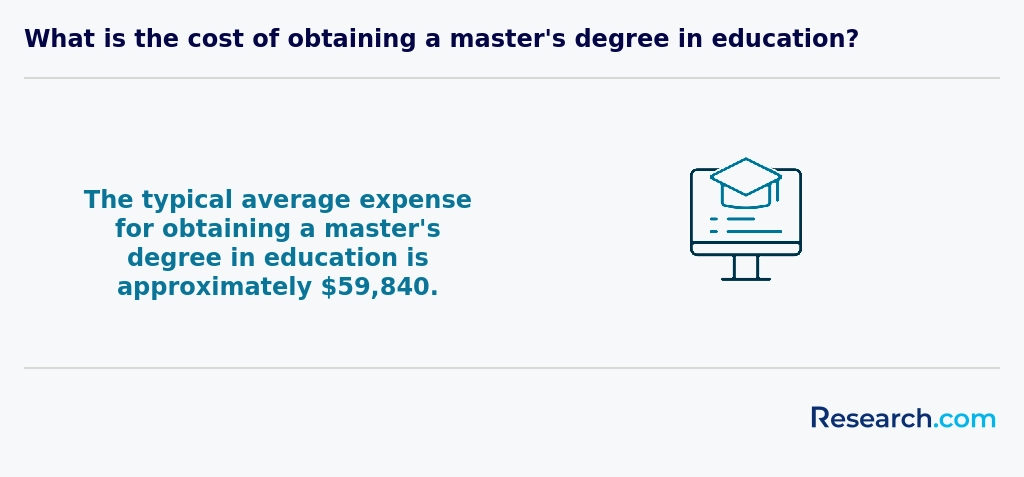
Choosing an education degree program in Cleveland, OH that is accredited and prepares you for state licensure is essential to launching a successful teaching career. Most reputable programs in the area hold CAEP (Council for the Accreditation of Educator Preparation) accreditation, ensuring rigorous academic standards and field experiences that align with Ohio licensure requirements. You can verify each institution’s accreditation status through the Ohio Department of Education and review program-specific pass rates on the Ohio Assessments for Educators (OAE). High OAE pass rates-typically above 85%-indicate strong curriculum alignment with licensure competencies in classroom management, subject-area pedagogy, and educational theory. Key factors to consider:
- Accreditation Body: Confirm CAEP or NCATE recognition to guarantee program quality and eligibility for federal financial aid.
- Licensure Exam Preparation: Look for integrated OAE prep courses and mock assessments that boost your confidence and exam performance.
- Pass Rates and Employment Outcomes: Programs publicly share first-time OAE pass rates and job placement data; aim for institutions with at least an 80% pass rate and strong graduate employment within 12 months. For students comparing cost and quality across state lines, you may also find value in the Cheapest Online Education Degree Programs Ranking in Nebraska, which highlights accredited online pathways that balance affordability with licensure readiness.
In Cleveland, education degree programs typically immerse students in a variety of courses that blend theory with hands-on practice, reflecting the city's strong commitment to preparing skilled educators. Graduates from institutions like Cleveland State University often recall foundational classes such as Educational Psychology, which deepens understanding of how students learn, making lesson planning more empathetic and effective in real classrooms.
Core subjects like Curriculum Design and Classroom Management are particularly valued, as they equip future teachers with strategies to engage diverse student populations and maintain a positive learning environment. For example, students describe applying techniques from Classroom Management courses directly during their supervised practicums, building confidence in managing challenging classroom dynamics.
Special Education and Technology in Education are standout courses that reflect Cleveland's inclusive approach and modern teaching demands. Many graduates appreciate these classes for preparing them to incorporate digital tools and tailor instruction to meet all learners' needs, fostering a sense of accomplishment and readiness for their careers.
Among education degree specializations in Cleveland, Early Childhood Education stands out as a heartfelt choice for many graduates who have cherished the buzz of local preschool classrooms. This area focuses on nurturing young minds from birth to third grade, a path that aligns well with Cleveland's community-oriented approach and close partnerships between programs and early learning centers. Graduates often describe a deep sense of fulfillment seeing children's developmental milestones firsthand.
Special Education is equally compelling, resonating with those drawn to making a meaningful difference in the lives of students facing diverse learning challenges. The growing demand in Cleveland schools echoes national trends, and those who complete teaching certification programs Cleveland find their skills highly valued in inclusive educational settings.
Secondary Education attracts students passionate about specific subjects-such as math or English-and eager to meet Ohio's certification standards, often through schools like Cleveland State University. This institution's strong internship programs offer graduates authentic classroom experience, which many reflect on as a pivotal step in their growth.
Educational Leadership and Curriculum and Instruction specializations appeal to graduates interested in shaping school policies or innovating teaching strategies. Those who pursue these paths often draw on their practical experience in Cleveland's public systems to inform their work.
For those eager to advance swiftly, considering Shortest EDD Online Degree Fast Track Programs offers an efficient path without compromising depth of knowledge.
Choosing the best education degree programs in Cleveland involves more than just picking a school; it requires weighing accreditation, program specialties, and personal goals. Graduates from Cleveland State University often reflect on how the institution's solid accreditation gave them confidence when applying for teaching licenses and jobs across Ohio. Affordability is another critical factor-many find Cleveland State's tuition manageable compared to private options, blending quality with value. Students juggling work or family appreciate flexible formats like evening classes or online coursework, which ease the challenge of pursuing a degree without sacrificing life's other priorities.
Exploring specialties such as early childhood or special education helps align your studies with a clear career path. Graduates recall how practical internships and mentorships at local schools enhanced their readiness for real classroom demands. Considering affordable education degrees Cleveland cost alongside program outcomes, like graduation and job placement rates, offers a full picture. For those seeking cost-effective routes, examining the Cheapest Online Education Degree Programs Ranking in Nebraska can provide useful insights that complement your Cleveland choices.
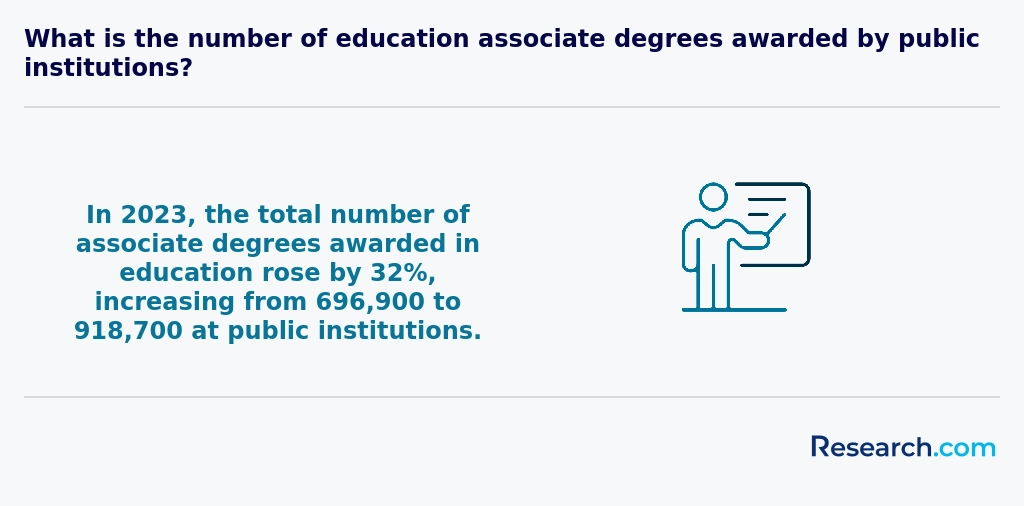
Graduates with an education degree in Cleveland find a wealth of career opportunities across the city's diverse school systems and educational organizations. Many step confidently into roles such as public school teachers in elementary, middle, or high schools, often inspired by their hands-on experience at local institutions like Cleveland State University. These education degree jobs in Cleveland also include specialized paths, such as special education teachers who craft tailored learning experiences for students with disabilities, a field in high demand.
Beyond classroom teaching, education graduates frequently transition into impactful roles in school administration or curriculum development, drawing on practical insights gained through partnerships with large districts like Cleveland Metropolitan School District. Others pursue roles as educational policy analysts or nonprofit program coordinators, engaged in meaningful work that supports literacy and equity initiatives. For those weighing their options, examining the most useful college majors can provide guidance on aligning passions with career goals.
The energy and fulfillment experienced by many graduates reflects a strong connection between their Cleveland education and the opportunity to uplift local communities. These career opportunities for education graduates Cleveland truly embody a commitment to positive transformation and lifelong learning.
The education degree job outlook Cleveland offers is marked by steady employment opportunities, especially within the Cleveland Metropolitan School District and its growing initiatives in special education, STEM, and bilingual programs. Graduates from local universities often share their experiences of securing teaching positions quickly, appreciating the region's strong focus on alternative certification programs that accelerate entry into classrooms. This practical approach helps many feel confident as they transition from study to professional roles.
Teaching career opportunities in Cleveland extend beyond typical public school teaching roles. Graduates often find fulfilling positions in private schools, charter schools, or administrative and counseling roles. These varied pathways reflect the city's diverse educational landscape. Many draw encouragement from starting salaries, averaging between $40,000 and $45,000, and find comfort in a job market that values their skills despite a slightly lower pay scale compared to national averages.
Students attending institutions like Cleveland State University benefit from affordable tuition costs, which ease financial burdens while preparing them for a competitive job market. For those exploring career options, exploring the highest paying bachelor degrees entry-level can offer additional perspectives. These factors collectively create a supportive environment for education degree holders aiming to make a meaningful impact in Cleveland's schools and communities.
2027 Best Education Degree Programs Ranking in Cleveland
Investing in your education is a significant decision that can profoundly impact your future, and the Research.com team is fully aware of the responsibility involved in providing trustworthy guidance. To support students exploring opportunities in Cleveland, we have carefully developed the "2027 Best Education Degree Programs Ranking in Cleveland." Our dedication to quality, credibility, and accuracy is demonstrated through rigorous research and thorough analysis.
We utilized the following reputable data sources to ensure a comprehensive evaluation of education degree programs:
By engaging with this ranking, readers will gain valuable insights about the top education degree programs in Cleveland, empowering them to make well-informed decisions aligned with their academic and career goals. For a detailed explanation of our ranking process, please visit our Research.com methodology page.

Frequently Asked Questions About education
Education degree students in Cleveland can maximize their learning experience by actively engaging in both theoretical and practical components of their programs. Many Cleveland institutions, such as Cleveland State University and John Carroll University, offer field placements in local schools, allowing students to gain hands-on classroom experience early in their studies. According to the Ohio Department of Education, over 60% of education degree candidates in Cleveland partake in internships or student teaching, which significantly improves their readiness for licensure.
Participating in local education workshops and joining professional organizations, like the Cleveland Education Association, helps students build networks and stay updated on teaching best practices. Additionally, utilizing resources from Cleveland Public Library and local education research centers supports academic growth. Balancing coursework with community involvement enhances both skills and understanding of diverse student populations common in Cleveland schools.
Emerging niches within the education field in Cleveland reflect broader trends in U.S. higher education. One growing area is educational technology, where professionals focus on integrating digital tools to enhance learning experiences. Cleveland State University offers programs emphasizing this trend, preparing students for modern classrooms.
Another developing niche is special education with an emphasis on inclusive practices for diverse learners. Demand for specialists trained in autism spectrum disorder support and behavioral intervention is increasing locally, aligning with national shifts.
Additionally, career and technical education is expanding, driven by Cleveland's strong manufacturing and health care sectors. Programs preparing educators to teach vocational skills are valued to meet workforce needs.
According to the Ohio Department of Education, these areas are projected to see workforce growth through 2027, making them strategic choices for prospective degree seekers in Cleveland.
After completing an education degree in Cleveland, preparing for the job market involves several strategic steps. First, gaining classroom experience through student teaching or local internships is essential, as many Ohio school districts prioritize candidates with practical experience. Cleveland's public schools often require teacher licensure aligned with Ohio Department of Education standards, so passing the Ohio Assessments for Educators ensures eligibility for many positions.
Networking plays a vital role in Cleveland's education sector. Attending local job fairs, such as those hosted by the Cleveland Metropolitan School District, can connect you with hiring managers. Additionally, leveraging resources from Cleveland State University's career center or other institutions helps in resume building and interview preparation.
Tracking regional employment trends is helpful. According to recent U.S. Bureau of Labor Statistics data, school employment growth in Ohio is expected to rise moderately through 2028, especially in special education and STEM fields, which may offer more opportunities locally.
Employers in Cleveland prioritize several key skills when hiring graduates with education degrees. According to recent data from the Cleveland Metropolitan School District and regional employment surveys, strong classroom management and communication abilities rank highly.
Critical thinking and adaptability are also essential, as educators must tailor lessons to diverse student needs in urban environments. Additionally, proficiency in technology integration is increasingly valued, reflecting the rise of digital learning tools.
Understanding cultural competency and inclusive teaching practices are vital, given Cleveland's diverse student population. Data from the Ohio Department of Education supports these trends, emphasizing collaboration and problem-solving skills as top competencies for new teachers.
Finding internships in Cleveland relevant to an education degree involves connecting with local school districts, universities, and community organizations. Cleveland Metropolitan School District offers numerous internships allowing education students to gain practical experience. Additionally, universities like Cleveland State and John Carroll have partnerships with local schools for student teaching placements.
Students should also explore nonprofit organizations focused on youth education, such as the Cleveland Foundation, which supports educational initiatives and may offer internship opportunities. According to the National Center for Education Statistics, Ohio ranks within the top states for education internships, reflecting active collaboration between institutions and local schools.
Networking through career services, attending education job fairs, and leveraging LinkedIn specifically for Cleveland-based education roles are effective strategies. Starting early and applying broadly increases internship chances in the competitive Cleveland education field.
An education degree in Cleveland significantly enhances career mobility and advancement opportunities. According to the Cleveland Metropolitan School District, educators with advanced degrees often earn higher salaries and have greater access to leadership roles such as curriculum coordinators or administrators. The Ohio Department of Higher Education reports that teachers holding master's degrees typically experience a 10-15% salary increase compared to those with only a bachelor's degree.
Moreover, Cleveland's growing emphasis on improving educational standards increases demand for qualified educators. Schools prefer candidates with specialized credentials, boosting chances for promotions and transfers within the district. Continuous professional development tied to a degree boosts employability in charter schools and private institutions as well.
Studying for an education degree in Cleveland offers students a strong foundation for interdisciplinary roles. Many local universities emphasize collaborative learning, integrating fields such as psychology, sociology, and technology into their education programs. This approach prepares graduates to work effectively across various professional areas.
Cleveland's education programs often include practicum experiences in diverse school settings, allowing students to apply theories from different disciplines in real-world contexts. According to the National Center for Education Statistics, over 60% of graduates from Cleveland education programs engage in interdisciplinary roles within five years after graduation.
Additionally, partnerships between Cleveland schools and community organizations foster skills in communication and problem-solving, essential for interdisciplinary careers. These integrated programs equip students to adapt to evolving educational demands regionally and nationally.
When choosing between a thesis and a non-thesis education degree program in Cleveland, students should consider their career goals and time commitment. Thesis programs typically require original research and are suited for those planning to pursue doctoral studies or careers in academia. Non-thesis programs focus more on practical skills and coursework, ideal for educators aiming to advance in K-12 or administrative roles.
Cleveland offers several universities with both options, including Cleveland State University and John Carroll University. According to the National Center for Education Statistics, nearly 60% of local graduate students prefer non-thesis paths due to shorter completion times. Understanding these factors helps prospective students align their choices with professional aspirations.
Students based in Cleveland who wish to study education abroad have several pathways through partnerships between local universities and international institutions. Cleveland State University, for example, offers study abroad programs focused on education that allow students to gain global perspectives. These programs typically last from a few weeks to a full semester, providing hands-on experience in different educational systems.
Many Cleveland students also benefit from federally supported exchanges like the Fulbright Program, which funds research and teaching opportunities worldwide. According to the Institute of International Education, Cleveland institutions have seen a steady increase in outbound education majors participating in such programs.
Additionally, students can consider enrolling in online education degrees from accredited foreign universities, combining global curriculum access with local study. These options help Cleveland-based students diversify their academic and professional qualifications while adhering to U.S. credential standards.
Students pursuing education degrees in Cleveland have several part-time job options that can enhance their academic experience. Working as a teacher's aide or paraprofessional in local public schools, such as those in the Cleveland Metropolitan School District, offers hands-on classroom experience directly related to education careers.
Additionally, tutoring positions at community centers or private organizations provide flexible hours while developing crucial instructional skills. According to the Ohio Department of Education, Cleveland has seen growing demand for tutors in subjects like reading and math, which aligns well with education students' expertise.
Other opportunities include after-school program assistants and childcare providers at local non-profits, which offer insight into child development and classroom management.
Education students in Cleveland benefit from numerous networking opportunities through local universities and community organizations. Institutions such as Cleveland State University and John Carroll University host regular events, workshops, and career fairs aimed at education majors. These gatherings enable students to connect with experienced educators, administrators, and potential employers.
The district's partnerships with over 100 K-12 schools provide practical field experiences and foster professional relationships. Additionally, groups like the Cleveland Education Association support networking with local teachers and policymakers. According to the Ohio Department of Education, these connections significantly enhance job placement rates for graduates in the region.
Alumni networks provide significant advantages for education degree students in Cleveland by fostering professional connections and mentorship opportunities. Many local universities, including Cleveland State University, have active alumni groups that help students access job openings and internships in regional schools. According to the Cleveland Metropolitan School District, nearly 30% of new teachers are hired through referrals, highlighting the power of networking.
These networks also offer workshops and career fairs tailored to education students, improving employment outcomes. Being part of an alumni community enhances a student's professional reputation and increases chances for collaborative projects within Cleveland's educational ecosystem.
Customizing an education degree program in Cleveland starts with selecting a school that offers flexible course options and diverse specializations. Many Cleveland institutions allow students to focus on areas such as early childhood education, special education, or educational leadership. This flexibility helps align studies with specific career goals.
Students can also tailor their programs by choosing electives, participating in practicum placements within local Cleveland schools, and engaging in research projects addressing local education challenges. For example, Cleveland's emphasis on urban education offers unique opportunities for practical experience.
Additionally, online and part-time study modes are available to accommodate working professionals aiming to advance their careers while studying.
Education students in Cleveland often face challenges related to limited field placement opportunities, which are essential for gaining practical experience. According to the Ohio Department of Education, urban districts like Cleveland can have competition among candidates for student teaching positions. This can delay program completion or reduce hands-on learning time.
Financial constraints also affect many students pursuing education degrees, with tuition costs rising faster than state aid. Cleveland State University reports that nearly 45% of its education students rely on financial aid, yet many still struggle with living expenses.
Additionally, handling diverse classroom environments requires strong cultural competence, a skill many students must continuously develop during their studies to meet the needs of Cleveland's varied student population.
With an education degree in Cleveland, graduates can pursue several professional certifications to enhance their career opportunities. One common path is obtaining state teacher certification through the Ohio Department of Education, which allows teaching in public schools. This includes licensure in special education, early childhood, or subject-specific areas.
Additionally, many educators pursue certifications like National Board Certification for teaching excellence, which is recognized nationwide and can lead to higher salaries. Cleveland educators may also seek specialized credentials such as ESL (English as a Second Language) endorsements or administrator licenses for school leadership roles.
These certifications align with local hiring trends reported by the Cleveland Metropolitan School District, which values both teaching licensure and advanced qualifications for career advancement.
Writing a winning application for an education program in Cleveland requires clear focus and preparation. Start by researching programs offered by local institutions like Cleveland State University and Ursuline College, both known for strong education departments. Emphasize your passion for teaching and community impact in your personal statement, as Cleveland programs often value candidates committed to urban education.
Include relevant experiences such as volunteer work or internships in local schools; data from the Cleveland Metropolitan School District highlights the importance of practical engagement in urban education. Make sure your GPA and standardized test scores meet program requirements, typically a minimum 3.0 GPA for graduate programs. Lastly, request strong recommendation letters from educators familiar with your skills and dedication.
Global perspectives on a career in education highlight the growing importance of culturally responsive teaching and lifelong learning. In the United States, including Cleveland, educators are increasingly expected to prepare students for a diverse, interconnected world. According to the National Center for Education Statistics, there is a steady demand for skilled teachers, with Ohio experiencing a 7% growth in education-related jobs through 2030.
Experts emphasize that educators must understand global issues while meeting local community needs. Cleveland schools benefit from initiatives promoting international collaborations and multilingual education, reflecting global trends. Pursuing an education degree here equips students with skills relevant both locally and internationally.
Gaining practical experience while studying for an education degree in Cleveland is essential for developing the skills needed in the classroom. Many local universities, such as Cleveland State University and John Carroll University, offer student teaching opportunities that place candidates directly in K-12 schools throughout the Cleveland Metropolitan School District. These placements allow students to work under licensed teachers and gain hands-on experience with diverse student populations.
Additionally, internships and assistantships at educational nonprofits and community centers provide valuable exposure to educational program coordination and leadership. According to the Ohio Department of Education, over 50% of education students in Cleveland participate in clinical experiences before graduation, enhancing their readiness for licensure and employment.
Choosing the right concentration within an education degree program in Cleveland requires careful consideration of your interests and career goals. In Cleveland, popular concentrations include early childhood education, special education, and secondary education. According to the Ohio Department of Education, special education teachers are in high demand locally, with a projected 8% job growth through 2030.
Research local school district needs to align your concentration with regional demand. For example, Cleveland Metropolitan School District emphasizes multilingual education due to its diverse population. Understanding such trends can guide your choice.
Additionally, consider programs offering hands-on internships or partnerships with Cleveland schools, as practical experience is vital for teacher certification.
- 2027 Best Education Degree Programs Ranking in Ann Arbor
- 2027 Best Education Degree Programs Ranking in Grand Rapids
- 2027 Best Education Degree Programs Ranking in Indianapolis
- 2027 Best Education Degree Programs Ranking in Washington
- 2027 Best Education Degree Programs Ranking in Chicago
- 2027 Best Education Degree Programs Ranking in Baltimore
- 2027 Best Education Degree Programs Ranking in Louisville
- 2027 Best Education Degree Programs Ranking in River Forest
- 2027 Best Education Degree Programs Ranking in Dover
- 2027 Best Education Degree Programs Ranking in Brooklyn
See What Experts Have To Say About Studying Education
Read our interview with Education experts

Nooshan Ashtari
Education Expert
Professor & Book Author
University of Southern California

Alan J. Singer
Education Expert
Professor of Teaching, Learning and Technology
Hofstra University

- Looking to be Surrounded by High-Achieving and Driven Students Like You? | McMillan Education https://www.mcmillaneducation.com/blog/looking-to-be-surrounded-by-high-achieving-and-driven-students-like-you/
- The Future of Education: Emerging Trends Reshaping Learning Environments http://www.gesseducation.com/gess-talks/articles/future-education-emerging-trends-reshaping-learning-environments
- Cleveland - Talent Hubs https://talenthubs.org/cleveland/
- Promising Niches in the Global EdTech Landscape - Blog https://rocketech.it/blog/post/global-edtech-landscape-what-niches-are-the-most-promising
- EDUCATION AS A KEY IN CAREER BUILDING https://journals.vilniustech.lt/index.php/JBEM/article/download/15399/10674
- Program Finder - Cleveland Community College https://clevelandcc.edu/program-finder/
- Benefits of Networking for Students https://www.melioeducation.com/blog/benefits-of-networking-for-students/
- Finding Your Path: How to Align Studies with Career Goals https://www.alfabetaglobal.com/blogs/finding-your-path-how-to-align-your-studies-with-your-career-goals
- Teaching Job Roles | Teach For Life https://www.teachforlife.com/teachingjobs/global-perspectives-teacher
- Get the skills employers want | Study UK https://study-uk.britishcouncil.org/why-study/succeed-your-career/get-skills-employers-want


