2027 Fastest Online Master's in Education Degree Programs Ranking in Maine

Co-Founder and Chief Data Scientist
Choosing the right online master's program in education can feel overwhelming, especially in Maine's growing market. This article introduces the 2027 Fastest Online Master's in Education Degree Programs Ranking in Maine, created by the Research.com team of data scientists to guide you through the best options available.
By exploring this ranking, you'll gain clear insights, helping you pick a program that fits your goals and lifestyle. Earning an education degree can open doors to rewarding careers and personal growth. This guide is here to support your journey with trustworthy, easy-to-understand information.
Key benefits of getting online education degree in Maine
- Education degree graduates in Maine can expect competitive salaries such as $129,330 annually as Education Managers or $104,920 as Education Program Managers, reflecting strong financial rewards in the education field.
- Graduates from popular Maine universities often pursue diverse careers including Curriculum Specialists or Education Consultants, offering flexibility and meaningful work that impacts communities.
- Online education degrees provide convenience and accessibility, allowing graduates from Maine to balance studies with personal commitments while gaining the same respected credentials as traditional programs.
- 2027 Fastest Online Master's in Education Degree Programs Ranking in Maine
- What can I expect from online education degree in Maine?
- Where can I work with online education degree in Maine?
What can I expect from online education degree in Maine?
The average cost of an online education degree in Maine is often more manageable than many expect, especially for residents benefiting from in-state tuition rates. Graduates from institutions like the University of Southern Maine recall feeling relief when discovering that their total tuition expenses were comparable to or even less than traditional on-campus programs elsewhere. This affordability makes advancing a teaching career through online learning feel attainable, not burdensome.
Many students appreciate the balance between cost and quality, as Maine's universities maintain rigorous accreditation standards, ensuring degrees hold real value. One graduate shared how federal financial aid and state grants significantly eased their financial concerns, enabling focus on meaningful coursework rather than stressing over payments. The financial support combined with flexible schedules often creates a hopeful and encouraging pathway for working professionals seeking certification or leadership roles in education.
Choosing an online program in Maine can thus feel like a thoughtful investment, supported by supportive policies and a community that values accessible, affordable education tailored to local teaching requirements.
Where can I work with online education degree in Maine?
Graduates with an online education degree in Maine often find themselves welcomed into diverse roles across public schools, higher education, and emerging educational technology fields. Many find rewarding positions in Portland or Bangor school districts, where they apply specialized skills in STEM or literacy intervention gained through programs at institutions like the University of Southern Maine. These real-life pathways reflect how an online degree equips educators to support students in dynamic classroom settings or specialized programs.
Some graduates share how earning a master's from Maine Community College System opened doors to administrative careers as principals or instructional coordinators, roles that inspire leadership and innovation within schools. Others describe the excitement of working in higher education as academic advisors or program coordinators, supporting new generations of learners and contributing to curriculum development.
With remote learning growing, graduates also celebrate opportunities in designing online curricula and educational technology, blending creativity with educational expertise. This adaptability mirrors Maine's evolving landscape, assuring that earning an online degree here can truly lead to meaningful, fulfilling careers throughout the state.
Graduates from online education programs in Maine often find promising salary prospects that reflect their dedication and advanced skills. Many who completed degrees through institutions like the University of Maine report stepping into roles such as curriculum specialists, where the median annual wage is about $77,200. Others advance into education management positions, with mean salaries reaching $129,330, reflecting the higher responsibility these roles demand.
Those working as education consultants in Maine earn roughly $95,600 per year, using their expertise to support school systems and improve educational outcomes. Graduates moving into education program management see salaries averaging $104,920, combining leadership with hands-on program oversight that shapes the state's learning environments.
These figures illustrate the real-world rewards that align well with the cost of Maine's quality online education programs. Many graduates feel a strong sense of accomplishment knowing their investment in education leads to financial stability and meaningful contributions to Maine's schools. This balance of passion and practicality continues to make online education degrees a smart choice for aspiring educators in the region.
- Public universities in Maine offer education master's programs costing between $12,000 and $18,000 for in-state students, while private schools often charge over $25,000.
- The median starting salary for education graduates in Maine ranges from $45,000 to $50,000, with potential growth up to $70,000 with experience and certifications.
- Maine expects moderate growth in its education workforce, especially in rural areas and specialties like special education and educational technology.
- Online education programs in Maine are accredited by recognized bodies such as CAEP, which is important for licensure and employment.
- Flexible online schedules allow students to manage work and family, and many programs include practicum placements in local school districts for real-world experience.
Completing an online education degree in Maine generally takes between 1.5 and 3 years, depending on how you manage your course load and personal commitments. Graduates from the University of Southern Maine often share that balancing part-time study with work and family makes the longer timeline feel more manageable and rewarding. On the other hand, students at the University of Maine at Fort Kent who enroll full-time tend to finish within 18 to 24 months, enjoying the momentum of a more intense pace.
Many find value in the flexibility offered by these programs, letting them tailor their schedule to fit busy lives. For instance, some acceleration-oriented students report completing their degrees in as little as 12 to 15 months by taking heavier course loads, which requires dedication but offers faster career advancement.
This adaptability aligns well with the real-life demands Maine educators face, making it not only feasible but also emotionally uplifting to continue professional growth without sacrificing stability at home.
When considering an online education degree in Maine, one of the most critical factors is affordability. Prospective students often find themselves weighing the costs of tuition, fees, and living expenses against the potential benefits of their desired program. To make informed decisions, it's essential to explore the various financial aid options available, including grants, scholarships, and loans. For those seeking the most affordable education programs in Maine, researching and comparing costs is crucial. You can find more information on most affordable education programs in Maine, which can help you navigate the financial aspects of pursuing an online education degree. By understanding the financial landscape and available resources, students can better plan their educational journey and make the most of their investment in an online education degree in Maine.
Graduates from the University of Southern Maine often reflect on the energy of attending classes on campus-engaging directly with professors and peers, experiencing the buzz of campus life, and accessing physical resources like libraries and group study spaces. This face-to-face environment fosters strong connections and a tangible sense of community.
In contrast, those who pursued their education degrees online from institutions like the University of Maine appreciate the flexibility it provides. Managing coursework around family life or jobs, they value the ability to learn asynchronously while using advanced digital tools that bring lessons to life. This autonomy builds resilience and sharp time-management skills, often making students feel empowered and in control of their own learning journey.
Both pathways maintain rigorous standards and accreditation, ensuring graduates meet high expectations regardless of format. For Maine students, choosing between online and on-campus education degrees often depends on balancing personal responsibilities with the desire for interaction or flexibility, reflecting a deeply personal decision shaped by life's unique rhythms.
Choosing an accredited online Master’s in Education program is critical to securing state certification and advancing your career in Maine’s public schools. Look for programs recognized by the Council for the Accreditation of Educator Preparation (CAEP) or the National Council for Accreditation of Teacher Education (NCATE), as these credentials signal that curriculum and faculty meet rigorous national standards. Additionally, verify that your institution holds approval from the Maine Department of Education, which ensures coursework aligns with state requirements for K–12 teaching, administration, or specialized certification. Before enrolling, review program guides for clear pathways to Maine’s initial teacher certification (ITC) or advanced licensure. Accredited programs will outline required practicum hours, portfolio submissions, and any state-mandated workshops on topics such as child abuse prevention or special education law. If you plan to transfer credits or pursue reciprocal licensure in neighboring states, assess each institution’s credit transfer policies and regional accreditation status. Cost-conscious students should balance affordability with quality. For alternatives that combine strong accreditation and lower tuition, explore our sister ranking of Inexpensive Online Master’s in Education Degree Programs Ranking in New Jersey, where programs maintain CAEP accreditation at competitive rates. While tuition varies, prioritize programs that include clear licensure support, such as dedicated certification advisors and state exam preparation resources. Finally, seek evidence of successful licensure outcomes: published pass rates for the Praxis® exams or state-required assessments can serve as reliable indicators of program effectiveness. By selecting an accredited, licensure-aligned online master’s program, you’ll ensure your degree not only enriches your pedagogical skills but also meets Maine’s certification standards-paving the way for a seamless transition into the classroom or leadership roles.
The average cost of an online education degree in Maine generally aligns around $17,259, reflecting a balance between in-state and out-of-state tuition expenses. Graduates from prominent institutions such as the University of Maine often describe their experience as not only affordable but also rewarding, given the quality of instruction and flexibility provided. For many, this investment offers a manageable pathway to advancing their careers while juggling personal and professional commitments.
When considering online master's in education tuition and fees in Maine, the range can seem significant but offers options based on the type of school chosen. Public universities offer more budget-friendly tuition rates, roughly $12,000 to $21,600 total, which appeals to students seeking cost-effective solutions without compromising academic rigor. Private colleges, while often charging upward of $21,000, attract those valuing specialized tracks or more flexible schedules.
One graduate from a respected Maine college recalled how additional fees-usually around $500 to $1,000 annually-were straightforward and transparent, helping them budget efficiently. The overall experience was enhanced by available financial aid and scholarship opportunities, including state-specific programs. Prospective students who carefully compare options and weigh these factors can find programs that suit their goals and financial situation.
For those exploring the most affordable education programs in Maine, it's wise to review tuition structures and fees closely. This reflection often leads to a smart, confident choice that supports both professional aspirations and peace of mind.
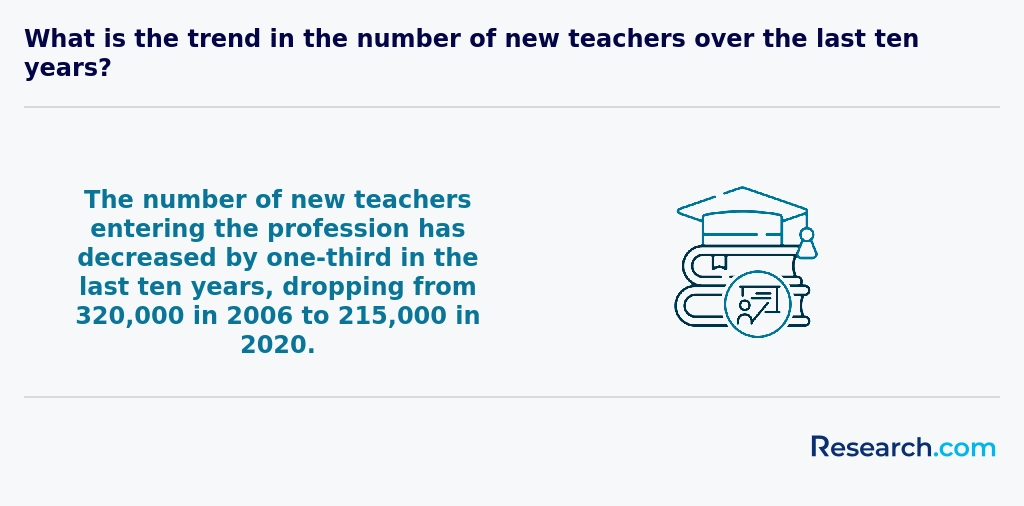
As you explore the world of online Master’s in Education programs in Maine, taking the next step involves researching and comparing options that best fit your budget, career goals, and learning style. Begin by evaluating program accreditation, student support services, and post-graduation career outcomes. It’s also vital to plan your finances early by looking into available scholarships, grants, and flexible payment plans that can ease the burden of tuition costs. For those looking to invest wisely, exploring cheap masters of education online can reveal programs that combine value with quality. By creating a clear plan and leveraging resources such as online forums, virtual open houses, and university career services, you can confidently move forward in your academic journey to become a transformative educator.
Students pursuing online education degrees in Maine often find federal financial aid indispensable. Completing the FAFSA opens doors to Pell Grants providing up to $7,395 annually, which helped many graduates from the University of Southern Maine manage tuition costs with less stress. For graduate students, the TEACH Grant offers up to $4,000 per year but requires commitment to work in high-need schools, a path embraced by graduates from the University of Maine at Presque Isle who sought meaningful careers while easing their debt.
State aid, like the Maine State Grant Program, supports low- to middle-income residents attending colleges such as the University of Maine, where institutional scholarships and assistantships further lighten the financial load for many dedicated learners.
Moreover, employer tuition assistance programs serve as a quiet lifeline for working professionals enhancing their skills without accruing heavy loan debt, a reality praised by countless educators balancing work and study in Maine's communities.
Ensuring that an online Master’s in Education program is properly accredited is crucial for both academic credibility and professional licensure. In Maine, look for regional accreditation from the New England Commission of Higher Education (NECHE) and programmatic accreditation from bodies such as the Council for the Accreditation of Educator Preparation (CAEP) or the National Council for Accreditation of Teacher Education (NCATE). Accredited programs meet rigorous standards in curriculum design, faculty qualifications, and student outcomes, which can affect your eligibility for federal financial aid and ensure smooth transfer of credits if you decide to continue into a doctoral program. Employers and licensure boards in Maine and beyond often require degrees from accredited institutions, so verifying your program’s status before enrolling can prevent future hurdles in certification or career advancement. For those comparing program quality against cost, Research.com also offers an Inexpensive Online Master’s in Education Degree Programs Ranking in New Jersey, showcasing accredited programs that balance affordability with academic excellence. By prioritizing accreditation, you safeguard your investment and pave the way for a recognized, high-quality education.
Enrolling in an online education degree in Maine generally means having a bachelor's degree from an accredited institution, a foundation many graduates found reassuring as it proved their readiness for advanced study. It doesn't always need to be in education; degrees in liberal arts or social sciences often provide a solid base, especially when paired with meaningful professional experience. For example, several graduates from the University of Southern Maine shared how their background in psychology gave them a unique edge in understanding educational theories.
A typical requirement is maintaining a minimum undergraduate GPA around 2.75 to 3.0, reflecting the ability to manage graduate coursework confidently. Those with slightly lower GPAs often found that submitting strong letters of recommendation or a personal statement helped showcase their determination and potential.
Standardized testing requirements vary, with some programs at institutions like Maine's community colleges waiving the GRE, while others might still ask for it. Many students found checking specific school websites essential to avoid surprises.
Additional prerequisites, often highlighted by graduates from several Maine universities, include submitting official transcripts, letters of recommendation, a clear statement of purpose, and relevant professional experience-especially for leadership-focused tracks.

Before you can step into a Maine classroom, you’ll need to meet the state’s teacher licensure and certification requirements, which are overseen by the Maine Department of Education (MDOE). First, complete a teacher preparation program-your online Master’s in Education must align with MDOE-approved standards. Next, pass the Praxis Core Academic Skills exams (or qualifying substitutes) and any subject‐specific Praxis II tests required for your endorsement area, such as Elementary Education (K–6) or Special Education. Once your coursework and examinations are complete, submit an application for Initial Teaching Certification through the MDOE portal, including official transcripts, test scores, and a fingerprint‐based background check. Maine offers provisional certification to graduates awaiting full endorsement, allowing you to teach under supervision while completing any remaining requirements, such as the Maine Foundations of Reading Test for literacy specialists. To maintain your license, you’ll need to complete 125 hours of continuing education every five years or hold an advanced degree in education. Many online programs integrate Professional Development Units (PDUs) or workshops into their curriculum, helping you satisfy renewal criteria without leaving your home. For educators comparing cost‐effective pathways in other states, our team also publishes an Inexpensive Online Master’s in Education Degree Programs Ranking in New Jersey, which can offer insight into alternative regional options and financial aid strategies.
Students pursuing online education degrees in Maine often find themselves immersed in courses that blend theory with practical application, tailored to prepare them for real classroom challenges. For example, graduates from the University of Maine recount how foundational courses like Foundations of Education offered deep insights into historical and philosophical aspects of teaching, setting a strong base for their careers.
Courses such as Curriculum Development and Instructional Design encourage students to create lesson plans that truly engage diverse learners, an experience many found rewarding as they envisioned their own classrooms. Similarly, Educational Psychology helps students understand student behavior and learning patterns, a critical step often highlighted by those who appreciated the direct impact on their teaching style.
The practical focus continues with studies in Assessment and Evaluation and Technology Integration, essential in today's digital classrooms-a common theme among graduates from Maine's community colleges who value these skills for managing remote learning environments. Classroom Management, another core course, prepares students to create positive learning atmospheres, a challenge many new educators in Maine feel more confident tackling after completing their degrees online.
In Maine, students pursuing an online education degree often find a diverse array of specializations that align with their career ambitions and personal interests. Graduates from major colleges appreciate programs in Curriculum and Instruction, which equip them to craft innovative teaching techniques suited to the varied needs of classrooms across the state. This specialization is especially valued by those working in Maine's public school systems, where adaptability and creativity are essential.
Another popular choice among students seeking education master's degree concentration options Maine is Special Education. Many graduates recall how this specialization provided them the skills to support students with disabilities, enhancing their confidence in navigating federal guidelines and adapting learning environments compassionately.
Leadership-minded students often engage in Educational Leadership and Administration programs at renowned universities, preparing them for meaningful roles as principals or district leaders. Some find inspiration in technology-focused courses, where Technology Integration is emphasized to meet the growing demands of online and hybrid education models in Maine's evolving school landscape.
Those interested in more tailored paths might explore niche areas like English as a Second Language (ESL) or Early Childhood Education, which resonate deeply with Maine's diverse student populations. For those curious about cost-effective options, many seek guidance on cheap masters of education online to balance quality and affordability in their pursuit of these specializations.
Choosing the best online education degree in Maine begins with verifying accreditation, which ensures your program meets high standards recognized by the state and employers. Graduates from popular institutions like the University of Southern Maine often emphasize how accreditation provided them confidence in their career readiness and eased the process of obtaining certification in Maine's public schools.
Cost considerations also play a significant role. Many find that affordable online master's in education Maine options offer competitive tuition rates between $8,000 and $15,000 annually. Comparing these costs alongside financial aid and scholarships can make a meaningful difference in managing expenses. For those balancing work and family, program flexibility is invaluable; asynchronous courses at respected colleges allow students to study on their own schedules without the pressure of synchronous attendance.
Looking into programs' alignment with Maine's certification requirements helps ensure your degree leads to legitimate teaching credentials. Graduates often share satisfaction when their programs clearly prepare them for state licensing exams, smoothing the path to employment. For a broader perspective, you might explore the Inexpensive Online Master's in Education Degree Programs Ranking in New Jersey to contrast affordability and offerings outside Maine, refining your choice for the best online education degree programs Maine offers.
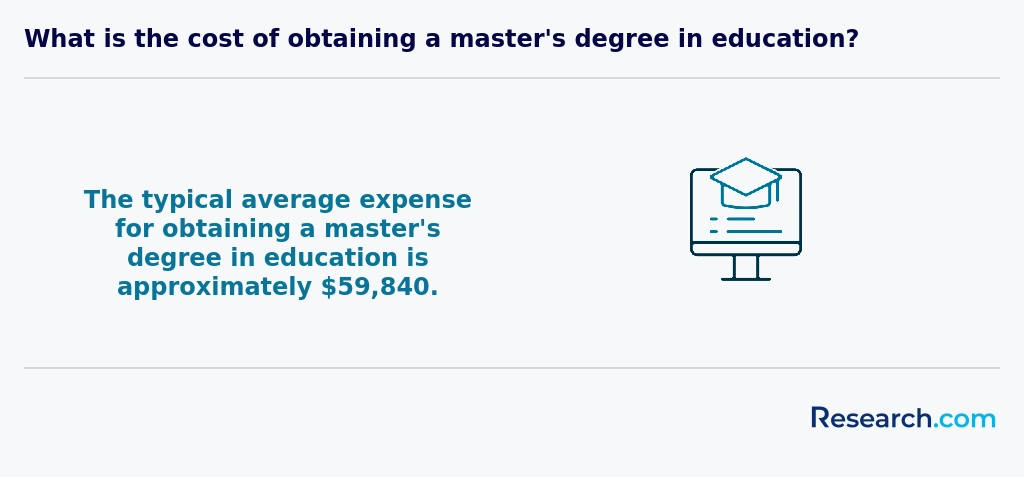
Graduates holding an online education degree in Maine often find themselves drawn to public or private school teaching positions, where their passion for impacting young lives becomes a daily reality. Many graduates from well-regarded institutions like the University of Southern Maine appreciate how their online studies aligned with state requirements, enabling a smooth transition into roles across elementary, special education, or secondary subject teaching. This varied demand reflects a rewarding career with tangible community impact.
Others choose to advance towards educational leadership roles, such as instructional coordinators or school administrators, where strategic planning and curriculum development become their focus. Graduates often share how master's programs helped them feel confident taking on these responsibilities, meshing practical experience with theory to foster school improvement tailored to Maine's unique educational landscape. These paths offer stability and growth in the evolving school systems.
The expanding field of educational technology also offers exciting opportunities, as Maine's schools integrate more digital tools. Graduates enthusiastic about combining pedagogy with technology find this area fulfilling and forward-thinking. For some, complementing their degree with certifications you can get online that pay well makes them uniquely competitive.
Indeed, the range of online education degree jobs in Maine reflects both tradition and innovation, providing fulfilling career options with education degree Maine graduates value deeply.
The job market for graduates holding an online education degree in Maine remains steady and encouraging, especially for those eager to contribute in K-12 public schools or administrative roles. Many graduates from well-regarded institutions like the University of Southern Maine or the University of Maine reflect on the positive impact of their degrees as they secure positions in districts facing shortages, particularly in special education and STEM subjects. The Maine Department of Education's projections support this optimism, highlighting consistent demand due to retirements and increasing enrollments in rural and urban areas alike, a reassurance for anyone weighing the prospects of an online education degree job opportunities in Maine.
Beyond classroom teaching, graduates appreciate how their online education degrees open doors to leadership and curriculum development roles statewide. They often share experiences of leveraging technology integration skills gained during their programs to support Maine's rural education initiatives. The practical blend of theory and application found in these programs gives confidence to educators pursuing new pathways. Furthermore, Maine's financial aid options tailor support to education students, making the pursuit of these degrees more accessible.
Many find salary prospects reasonable, with mean wages around $62,000, increasing with experience and advanced credentials. This balance of cost and opportunity is why numerous students explore master degrees that pay well related to education, understanding that Maine's market favors those prepared for diverse roles in education and leadership.
2027 Fastest Online Master's in Education Degree Programs Ranking in Maine
Investing in your education is a significant decision that can shape your future, and the Research.com team understands the importance of making informed choices. To assist prospective students in Maine, we have meticulously crafted the "2027 Fastest Online Master's in Education Degree Programs Ranking in Maine." Our commitment to quality, credibility, and accuracy is reflected in the extensive research and analysis conducted to compile this ranking.
We utilized the following reputable data sources to ensure a comprehensive evaluation of online education degree programs:
By exploring this ranking, readers will gain valuable insights into the fastest online master's education programs available in Maine, empowering them to make well-informed decisions that align with their career and educational goals. For more information on how this ranking was created, please visit our Research.com methodology page.
# 1 position
University of Maine
Master of Elementary and Secondary Education (Curriculum, Assessment and Instruction)


Frequently Asked Questions About education
Students pursuing online education degrees in Maine can enhance their learning by actively engaging with course materials and instructors. Maine's universities often provide access to digital libraries and academic support, which students should utilize fully. According to the Maine Department of Education, participation in virtual study groups also improves retention and understanding of content.
Time management is crucial; setting a regular study schedule helps balance coursework with personal responsibilities. Additionally, leveraging Maine's successful broadband expansion ensures smoother video lectures and timely submissions, a key factor since 95% of Maine's households now have internet access.
Finally, students should seek practicum opportunities or partnerships with local schools, linking theory with practical experience in Maine's diverse educational settings.
Emerging niches within the education field increasingly focus on technology integration and specialized student support. In Maine, online education degrees emphasize areas like educational technology, special education, and data-driven instruction. According to the Maine Department of Education, demand for teachers skilled in remote learning tools and adaptive technologies has grown by over 15% since 2020.
Additionally, mental health support roles are expanding as schools prioritize student well-being. Programs addressing counseling and social-emotional learning provide valuable skills for educators adapting to modern challenges.
These niches reflect national trends while meeting Maine's unique rural and technological needs, offering promising career paths for online education graduates.
Graduates with online education degrees in Maine should start preparing for the job market by building a strong professional network. Joining state-specific organizations, such as the Maine Education Association, can provide valuable connections and local insights.
It is important to gain relevant teaching experience through student teaching or substitute positions, which are often required for certification in Maine. According to the Maine Department of Education, holding a valid teaching certificate significantly improves employment prospects.
Additionally, tailoring resumes and cover letters to highlight skills developed in online programs-like technology integration and remote instruction-can appeal to modern schools adapting to digital classrooms.
Researching Maine's regional school districts and their hiring trends is also recommended to identify demand areas and target applications effectively.
Employers in Maine prioritize a blend of practical and interpersonal skills when hiring education degree graduates. Strong communication abilities are essential, as teachers need to engage diverse student populations effectively. The Maine Department of Education highlights the importance of classroom management and instructional planning in preparing educators to meet state standards.
Analytical skills are also valued, enabling teachers to assess student progress and adapt lessons accordingly. According to the U.S. Bureau of Labor Statistics, adaptability and technological proficiency, especially in digital tools for virtual learning, are increasingly sought after due to the rise of online education.
Collaboration and cultural competency are critical for working within Maine's varied school districts. Employers look for graduates who demonstrate leadership and a commitment to continuous professional development to support student success statewide.
Finding internships in Maine related to education degrees often begins with leveraging local school districts and community organizations. Maine's Department of Education lists approved internship opportunities that align with state teaching certification requirements, which is crucial for aspiring educators.
Many online education programs in Maine coordinate with public and private schools across the state to place students in practical classroom settings. For example, the Portland Public Schools system offers internships that provide hands-on experience with diverse student populations.
Additionally, job boards such as Maine JobLink and internships offered through Maine Colleges provide a centralized resource to explore openings in education. Networking through professional associations like the Maine Education Association can also enhance chances of finding relevant internships.
Statistics from the National Center for Education Statistics (NCES) indicate that Maine supports over 200,000 K-12 students, ensuring a broad landscape for internship placements.
Obtaining an online education degree in Maine can significantly enhance career mobility and advancement for educators. According to the Maine Department of Education, advanced degrees often increase eligibility for higher-paying teaching positions and leadership roles such as curriculum coordinators or school administrators.
Online programs offer flexibility, allowing working professionals to earn credentials without interrupting their careers. This flexibility is crucial in Maine, where rural communities may limit access to traditional campus programs.
Furthermore, data from the National Center for Education Statistics indicates that educators with master's degrees in education tend to experience faster salary growth and greater job stability.
Studying for an education degree in Maine equips students with skills to engage in interdisciplinary roles by blending knowledge across various fields such as psychology, technology, and sociology. Maine's education programs emphasize collaborative learning and real-world applications that reflect the state's diverse community needs.
Programs often include courses on educational technology and leadership, preparing graduates to work beyond traditional classrooms in roles like curriculum developers or educational consultants. According to the Maine Department of Education, about 60% of educators pursue professional development integrating multiple disciplines to address complex learning environments.
This approach aligns with national trends encouraging educators to be adaptable and responsive, fostering skills that enhance career flexibility. Online formats in Maine also support this by offering access to diverse resources and expert instructors from several academic fields.
Choosing between a thesis and a non-thesis education degree program in Maine depends largely on your career goals and learning preferences. A thesis option typically involves conducting original research and writing a substantial paper, which prepares students for doctoral studies or research-focused jobs. The Maine Department of Education notes that research skills are valuable for educational policy and curriculum development roles.
The non-thesis track often requires additional coursework or a capstone project, better suited for professionals seeking leadership or administrative positions without extensive research.
Public universities in Maine, like the University of Maine, offer both options in online formats, giving flexibility to students balancing work and study.
Students in Maine interested in pursuing education degrees abroad have several options through U.S. institutions offering online programs with international study components. Although purely foreign online degrees are rare for Maine residents, many accredited universities in the U.S. provide partner programs allowing study abroad experiences combined with online coursework.
Maine's proximity to Canadian institutions creates additional opportunities for cross-border educational exchange, though these are typically supplementary rather than full degree paths. According to the Maine Department of Education, 12% of local graduate students are enrolled in online programs, some of which include internships or student teaching placements abroad.
Prospective students should verify program accreditation and state licensure compatibility when considering study abroad options integrated within online education degrees.
Part-time job opportunities in Maine that complement education degree studies often focus on roles within schools and community programs. Positions such as teacher assistants, substitute teachers, or after-school program aides allow students to gain relevant classroom experience while completing their degrees. According to the Maine Department of Education, teacher assistant roles have seen steady demand, with over 1,200 employed statewide in 2023.
Working in these roles helps build practical skills aligned with educational theories studied in degree programs. Additionally, tutoring services for K-12 students or working with local libraries can provide valuable experience. These jobs offer flexible hours, which are suitable for online education students managing coursework alongside employment.
Online education students in Maine have access to various networking opportunities that support academic and professional growth. Many state universities, such as the University of Southern Maine and the University of Maine, offer virtual events, webinars, and discussion forums that connect students with faculty and peers. These platforms foster collaboration and knowledge exchange beyond the classroom experience.
Additionally, Maine's education departments often partner with local school districts, providing internships and practicum placements that encourage real-world connections. Professional organizations like the Maine Education Association also offer memberships and events tailored to educators seeking to expand their networks.
Finally, statewide virtual conferences and local chapter meetings help online students build relationships, which can be crucial for career advancement in the education field.
Alumni networks play a crucial role for online education degree students in Maine by providing valuable professional connections. These networks often offer mentorship programs that help graduates navigate career options and enhance job placement rates.
Maine's education sector benefits from strong community ties; universities like the University of Southern Maine maintain active alumni groups that organize local events and webinars. According to the Maine Department of Education, graduates engaged with alumni networks report higher satisfaction in early career stages compared to those without such connections.
Networking through alumni also provides access to exclusive job listings and internships relevant to online learners who may lack on-campus resources.
In Maine, customizing an online education degree to fit your career goals often involves selecting specific concentrations or electives offered by accredited universities. Many Maine institutions provide flexible options such as curriculum design, special education, or educational leadership, allowing students to tailor their studies. According to the Maine Department of Education, incorporating practical experiences like internships or practicum placements enhances professional readiness.
Students can also choose programs aligned with certification requirements for Maine's public schools, ensuring their degree meets state licensure standards. Additionally, several programs permit part-time enrollment and asynchronous classes, accommodating working professionals' schedules while advancing their careers.
Online education students in Maine face several challenges that impact their academic success. A significant issue is limited broadband internet access in rural areas, affecting nearly 10% of Maine households as reported by the Federal Communications Commission in 2023. This digital divide makes participating in live lectures and submitting assignments difficult. Additionally, many students struggle with time management due to balancing work, family, and studies. The lack of in-person interaction can also result in feelings of isolation, which may affect motivation and engagement.
Access to academic support services is another concern, as Maine's online programs may have fewer tailored resources compared to traditional campuses. Lastly, navigating financial aid options can be complex, with varied tuition policies across institutions offering online degrees in the state.
With an online education degree, professionals in Maine can pursue several key certifications to advance their teaching careers. A common option is obtaining state licensure through the Maine Department of Education, essential for teaching in public schools. Additionally, educators often seek the Professional Teaching Certification, which allows for greater job opportunities and salary increases. For those interested in specialization, certifications such as National Board Certification enhance professional standing nationally. Other options include endorsements in special education or English as a Second Language (ESL), which are in demand across Maine schools, according to recent state education reports.
Further, online education degree holders can pursue administrative certifications to qualify for roles like school principal or curriculum director. Maine's standards require passing specific exams and meeting experience thresholds for these roles. The availability of remote preparation courses supports candidates across the state. Overall, these certifications complement an online degree by formalizing qualifications recognized by Maine's public education system, aligning with workforce needs documented by Maine's Department of Labor.
When applying for an online education program in Maine, begin by thoroughly researching the specific schools and their admission requirements. Highlight your commitment to education through a clear, concise personal statement that explains your goals and reasons for choosing an online format.
Include relevant academic achievements, such as your undergraduate GPA or any teaching certifications, which Maine values for admissions. According to the Maine Department of Education, candidates with practical experience in teaching or education-related fields have a stronger application.
Letters of recommendation should come from professionals familiar with your work ethic and dedication to teaching. Finally, ensure all transcripts and application materials are submitted before deadlines to meet the competitive landscape of Maine's online education programs.
The global perspective on an education career increasingly values adaptability and cultural understanding. In the United States, including Maine, educators are expected to prepare students for a diverse and interconnected world. According to the U.S. Bureau of Labor Statistics, employment for educational professionals is projected to grow 7% from 2021 to 2031, reflecting strong demand nationwide.
Specifically in Maine, the Department of Education highlights a rising need for teachers who can apply global competencies in their classrooms. Online education degrees offer flexibility for Maine residents to gain skills in multicultural communication, inclusive pedagogy, and digital technology.
These skills align with international education trends, where global citizenship and lifelong learning are priorities. Therefore, pursuing a career in education means engaging with broader educational goals, nationally and internationally.
Gaining practical experience while pursuing an online education degree in Maine is achievable through several approaches. Many Maine universities offering online programs incorporate fieldwork or practicum components, allowing students to work directly in local schools. This hands-on involvement helps build teaching skills and professional networks.
The Maine Department of Education supports partnerships between programs and K-12 schools statewide, facilitating placements for student teachers. According to the latest state data, about 85% of education graduates complete practical experiences before licensure.
Additionally, some programs encourage volunteering or substituting in local classrooms, which provides flexible, real-world exposure. Online students in Maine should explore these opportunities early to align them with coursework and certification requirements.
Choosing the right concentration within an online education degree program in Maine begins with assessing your career goals. Maine has a strong demand for educators specializing in areas like special education and STEM fields, according to the Maine Department of Education. Understanding where statewide shortages exist can guide your choice.
Consider program accreditation and how concentrations align with Maine's teacher certification requirements. Some concentrations prepare students directly for licensure in subjects such as literacy or administration. Review course offerings and practicum opportunities that fit your schedule and learning style.
Additionally, explore salary data; for example, special education teachers in Maine earn a median annual wage of about $50,000, according to the Bureau of Labor Statistics. Matching concentrations to local job market trends improves your long-term prospects.
- 2027 Fastest Online Master's in Education Degree Programs Ranking in Massachusetts
- 2027 Fastest Online Master's in Education Degree Programs Ranking in New York
- 2027 Fastest Online Master's in Education Degree Programs Ranking in New Jersey
- 2027 Fastest Online Master's in Education Degree Programs Ranking in Pennsylvania
- 2027 Fastest Online Master's in Education Degree Programs Ranking in Maryland
- 2027 Fastest Online Master's in Education Degree Programs Ranking in Virginia
- 2027 Fastest Online Master's in Education Degree Programs Ranking in Ohio
- 2027 Fastest Online Master's in Education Degree Programs Ranking in Kentucky
- 2027 Fastest Online Master's in Education Degree Programs Ranking in North Carolina
- 2027 Fastest Online Master's in Education Degree Programs Ranking in South Carolina
See What Experts Have To Say About Studying Education
Read our interview with Education experts

Nooshan Ashtari
Education Expert
Professor & Book Author
University of Southern California


- Education Study Abroad Programs | Go Overseas https://www.gooverseas.com/study-abroad/education
- Maine Launches Statewide Career Exploration Survey to Strengthen Resources and Opportunities for Students https://mainedoenews.net/2026/02/06/maine-launches-statewide-career-exploration-survey-to-strengthen-resources-and-opportunities-for-students/
- Top 10 Effective Networking Tips for Students https://www.unfc.ca/blog/networking-tips-for-students
- Get the skills employers want | Study UK https://study-uk.britishcouncil.org/why-study/succeed-your-career/get-skills-employers-want
- EDUCATION AS A KEY IN CAREER BUILDING https://journals.vilniustech.lt/index.php/JBEM/article/download/15399/10674
- The Best Online Schools In Maine https://www.affordablecollegesonline.org/online-colleges/maine/
- How to Choose a Concentration for Your Master of Education 3 Questions to Consider https://www.aiuniv.edu/degrees/education/articles/how-to-choose-an-education-specialization
- Teacher of Global Perspectives (IGCSE) https://www.scie.com.cn/jobs-global-perspectives/
- Maine Colleges Evolving to Meet Demand for Online Classes https://www.govtech.com/education/higher-ed/maine-colleges-evolving-to-meet-demand-for-online-classes
- Putting theory into practice: The value of an interdisciplinary approach to teaching https://my.chartered.college/impact_article/putting-theory-into-practice-the-value-of-an-interdisciplinary-approach-to-teaching/