
2027 Most Valuable Education Degree Programs Ranking in Lynchburg

Co-Founder and Chief Data Scientist
Choosing the right education degree program can shape your future in meaningful ways. This article introduces the 2027 Most Valuable Education Degree Programs Ranking in Lynchburg, developed by the Research.com team of data scientists to guide you in making informed decisions.
You'll discover which programs offer the best value, helping you focus on paths that align with your goals. Whether you're starting fresh or considering a change, understanding these rankings can boost your confidence and clarity. Exploring education degrees is a step toward rewarding opportunities and personal growth.
Key benefits of getting education degree in Lynchburg
- Graduates with an education degree in Lynchburg can expect rewarding salaries such as $76,000 for Special Education Teachers and $77,200 for Instructional Designers, reflecting strong earning potential in the field.
- Career paths often include teaching roles at various levels or instructional design, as seen with alumni from Lynchburg College who successfully enter diverse education careers.
- Obtaining an education degree online from institutions like Liberty University offers flexibility and convenience, allowing students to balance studies with work or family commitments while advancing their careers.
- 2027 Most Valuable Education Degree Programs Ranking in Lynchburg
- What can I expect from education degree in Lynchburg?
- Where can I work with education degree in Lynchburg?
What can I expect from education degree in Lynchburg?
If you're wondering about the average cost of getting an education degree in Lynchburg, it's pretty affordable compared to a lot of places. For example, students at the University of Lynchburg pay less than $10,000 a year for in-state tuition, which is a huge relief when you're managing budgets and maybe even working part-time. Graduates often mention how this reasonable cost helped them focus more on learning and gaining real classroom experience without stressing too much about piling up debt.
At Liberty University, the fees might be a bit different, but many education students share that the investment feels worth it, especially considering the high licensure exam pass rates and hands-on teaching practice they get. Plus, with federal grants and Virginia-specific scholarships targeting future educators, many students find extra financial help that makes the whole journey feel manageable and encouraging.
Where can I work with education degree in Lynchburg?
If you're studying education in Lynchburg, you've got plenty of great job options waiting for you. Graduates from Liberty University and the University of Lynchburg often land teaching gigs in local schools, like Lynchburg City Public Schools, where there's always a demand for teachers from elementary to high school. Imagine walking into a classroom full of eager students who count on you to make learning fun and meaningful every day-that's the reality for many grads here.
Some graduates dive into early childhood education, working at cozy preschools or childcare centers where they help little ones explore and grow from birth to age five. Others find jobs on campus, becoming academic advisors or helping design better courses, which is perfect if you love shaping college experiences.
Lots of folks also go into school leadership roles-think principals or counselors-in Lynchburg's schools, steering programs and supporting teachers and students. Plus, if you're passionate about special education, there's a real need for you here, helping kids with unique learning styles thrive.
And don't forget the community side of things! Many graduates work with nonprofits, tutoring or offering adult education-making a real impact beyond the traditional classroom.
If you're thinking about earning an education degree in Lynchburg, you're probably wondering how much you can expect to make after graduating. Well, a lot of local grads from schools like Liberty University or Lynchburg College find that starting as elementary school teachers, they can earn around $70,740 a year. That's a solid paycheck for stepping into your first teaching job in town.
Special education teachers in Lynchburg are doing even better, often bringing home about $76,000 annually. This role is pretty rewarding and in demand, so it's a great choice for those who want a meaningful career with good pay.
Some grads go the route of instructional design, working behind the scenes to create educational content, scoring around $77,200 a year. Plus, ESL teachers typically make about $65,430 annually, which is perfect if you enjoy working with diverse students.
Graduates I've talked to say the pay here feels competitive for the area, and the chance to grow your salary with experience or further certifications makes it a really promising path.
- Undergraduate tuition for education degrees in Lynchburg typically ranges from $15,000 to $20,000 per year for full-time students.
- Graduate education programs, including Master's degrees and certifications, generally cost between $10,000 and $25,000 for the entire program.
- Starting salaries for education graduates in Lynchburg usually range from $40,000 to $45,000 annually, with experienced teachers earning $55,000 to $60,000.
- Job opportunities exist in public and private schools, with demand strong in elementary, secondary, special education, administration, and counseling roles.
- Teaching certification through the Virginia Department of Education licensure process is required for public school employment.
If you're thinking about getting an education degree in Lynchburg, you'll typically spend about four years finishing your bachelor's. That's pretty standard whether you're studying at Liberty University or Randolph College. Plenty of grads say the pace feels just right-long enough to really absorb what you need without dragging on forever.
For those aiming higher, like a master's degree, expect another one to two years full-time. Some students prefer part-time study to juggle work and life, which can stretch that to three or even four years. One local grad mentioned how balancing a part-time M.Ed. program with a job meant flexible hours but a longer finish line.
Keep in mind, after earning your degree, you'll spend a semester or so on certification and student teaching, which most find rewarding because you get hands-on experience. All in all, the timeline in Lynchburg feels manageable and realistic, especially with so many options catering to different schedules and goals.
Accreditation is the cornerstone of any reputable education degree, ensuring programs meet rigorous standards for curriculum, faculty, and student outcomes. In Lynchburg, VA, prospective educators should verify both institutional and programmatic accreditation to guarantee eligibility for state licensure and to maximize transferability of credits. Key accreditation bodies to consider:
- Council for the Accreditation of Educator Preparation (CAEP): Recognized nationally for setting high benchmarks in teacher preparation.
- Virginia Department of Education (VDOE): State approval confirms alignment with Virginia’s licensure requirements.
- Specialized Accreditors: Programs like special education or educational leadership may hold additional endorsements from agencies such as the Council for Exceptional Children (CEC) or the Department of Educational Leadership and Policy. How to confirm accreditation: 1. Visit the institution’s official website or CAEP directory for current status. 2. Review state licensure checklists on the VDOE portal. 3. Contact program advisors to request accreditation documentation. Accredited programs often feature:
- Regular external reviews and continuous improvement plans.
- Faculty with terminal degrees and active research or K–12 partnerships.
- Transparent reporting of graduate job placement and certification exam pass rates. Choosing an accredited program not only safeguards your educational investment but also enhances your marketability. For a broader look at cost-conscious, quality-focused education degree options, explore our Affordable Online Education Degree Programs Ranking in St. Davids, PA.
If you're thinking about getting an education degree in Lynchburg, the biggest difference between online and on-campus programs is how you experience your classes. On-campus programs at places like Liberty University let you walk right onto campus, join study groups in the library, and get that face-to-face time with professors and classmates. Graduates often say that the in-person vibe helped them stay motivated and build a tight network for future teaching jobs.
On the flip side, online programs offer amazing flexibility. Imagine juggling a job or family while studying-the online setup in Lynchburg lets you hit your lectures whenever it fits your schedule. Many graduates appreciated logging in late at night or on weekends without rushing around town. Plus, online often costs less since you don't have to worry about commuting or campus fees.
No matter which route you choose, Lynchburg programs make sure you get real classroom experience through local student teaching or internships, so you're ready to hit the ground running in your teaching career.
Calculating the return on investment (ROI) for an education degree in Lynchburg, VA, can help you measure how quickly your career earnings will recoup your tuition expenses. On average, public in-state students pay approximately $27,146 per year, while private institution students face about $58,628 annually. For a four-year bachelor’s degree at a public university (total cost ≈ $108,584), an entry-level ESL teacher’s mean salary of $63,130 yields a payback period of roughly 1.7 years. At a private university (total cost ≈ $234,512), this period extends to about 3.7 years, still under the industry average of five years for professional degrees. Graduate degrees often increase earning potential even further. A typical master’s degree costing $59,840 can be offset in under one year when transitioning into roles like instructional designer, which average $73,080 annually. Factoring in financial aid, scholarships, and federal grants can shorten these payback windows significantly. Prospective students seeking lower upfront costs can compare programs in our Affordable Online Education Degree Programs Ranking in St. Davids, PA, ensuring you choose a path that maximizes both educational quality and long-term financial benefits.
If you're wondering about the average cost education degree Lynchburg students face, it typically falls around $35,931 for the full program. That's a pretty solid estimate if you're considering local options like Liberty University or University of Lynchburg. Graduates often share how budgeting for tuition alongside extra expenses like books and room and board is key. At Liberty, for example, tuition is roughly $565 per credit hour, and with a typical bachelor's requiring around 120 credits, total tuition costs add up-though some online options give a bit of breathing room on price.
Many students find education degree tuition fees Lynchburg residents deal with to be in line with regional private college standards, while in-state public universities usually offer lower rates, but those options are a bit more limited within Lynchburg itself. Beyond tuition, be ready for annual costs like $1,200 on books and about $10,000 to $12,000 for living expenses. Those details matter when piecing together your budget.
Graduate education programs around here charge differently, roughly between $450 and $750 per credit hour, so it helps to plan carefully if you want to continue your studies past undergrad. Luckily, some schools offer scholarships and aid specifically for education majors, which has been a big help for many grads. If you want to see which programs strike a good balance of cost and quality, check out this valuable education school in Virginia list to get a feel for your best options.
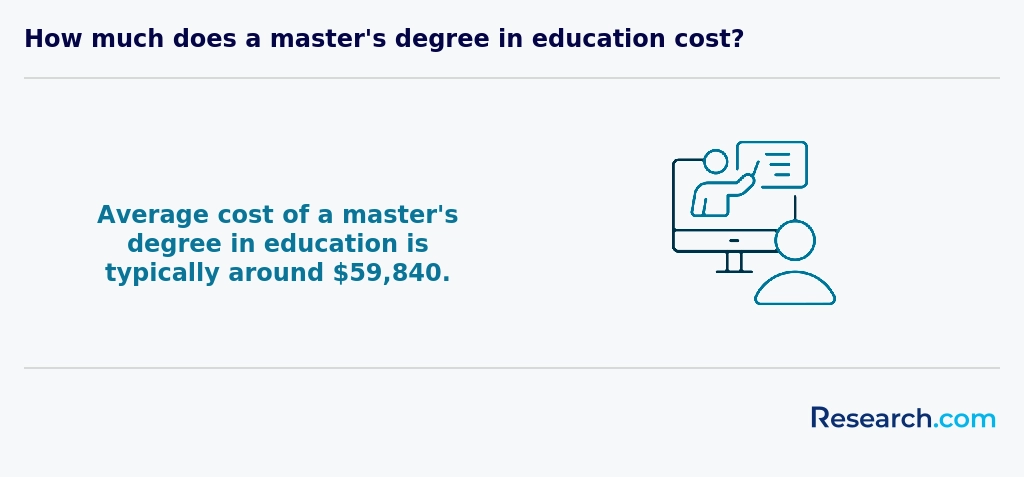
Lynchburg’s educational institutions are not only centers for academic excellence but also vibrant communities that foster personal growth and lasting connections. Students benefit from a dynamic campus life where extracurricular activities, clubs, and engaging events complement rigorous coursework. From interactive workshops to cultural festivals, the social environment here plays a key role in shaping well-rounded educators. Campus facilities such as modern libraries, collaborative learning spaces, and dedicated career centers ensure that students have the tools they need to succeed both inside and outside the classroom. Moreover, mentorship programs and networking opportunities with industry professionals provide invaluable insights that bridge academic learning and real-world challenges. For additional guidance on building leadership skills in education, consider exploring most affordable online master’s degrees in educational leadership, which offer flexible pathways to enhance your professional profile. This holistic student experience not only enriches academic achievements but also prepares graduates to inspire and innovate in today’s multifaceted educational landscape.
If you're thinking about studying education in Lynchburg, you'll be glad to know there's quite a bit of financial aid to help ease the cost. Many students start with federal aid by filling out the FAFSA. This can unlock Pell Grants, which don't have to be paid back and can cover up to $7,395 a year-pretty great when you're juggling tuition at Lynchburg-area schools that often charge between $25,000 and $40,000 annually.
State programs like the Virginia Tuition Assistance Grant also come in handy, especially if you're attending private colleges here. Graduates from these programs often mention how these grants trimmed down their tuition bills, making school feel way more doable.
A lot of Lynchburg colleges, such as those popular for education degrees, offer scholarships tailored for education majors. These aren't just about grades-they reward people who are genuinely passionate about teaching underserved communities. Some grads recall working through school with education department work-study jobs that gave them real classroom experience while earning money.
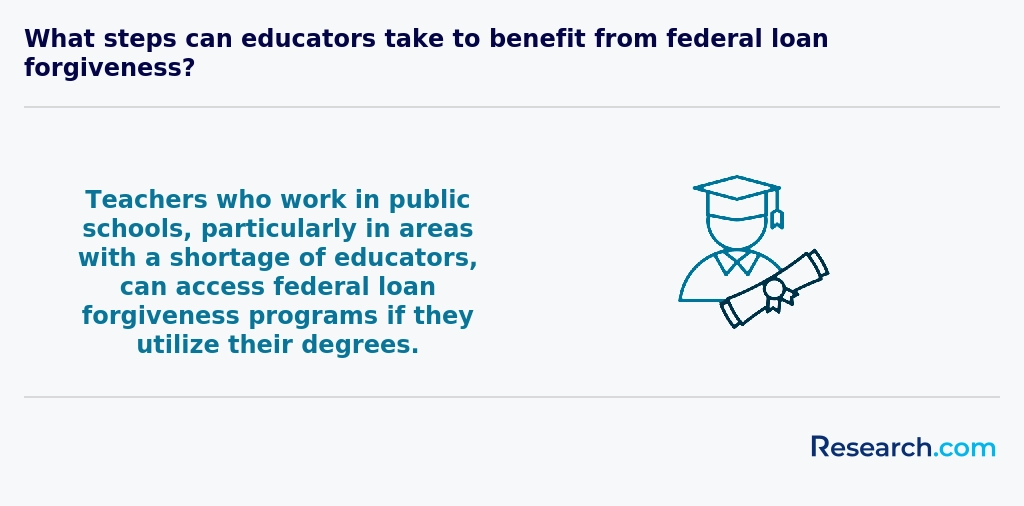
Plus, loan forgiveness programs like the Teacher Loan Forgiveness or Public Service Loan Forgiveness are big wins. If you teach in a designated low-income Lynchburg school for a few years, you can have a chunk of your federal loans forgiven, which really lifts the weight off your shoulders after graduation.
Pursuing an education degree in Lynchburg, VA, is a significant investment in one's future, and the institution one chooses can greatly impact their career prospects and personal growth. When considering the various education programs available, it's essential to weigh factors such as accreditation, curriculum, and faculty expertise to ensure that the institution aligns with one's career aspirations. For instance, those interested in attending a valuable education school in Virginia can explore programs that offer specializations in areas like special education or educational leadership, which are in high demand. By selecting an institution that is reputable and offers a curriculum that is both comprehensive and specialized, students can position themselves for success in the competitive job market, whether they aim to become teachers, administrators, or education consultants. This thoughtful approach to choosing an education institution can make all the difference in achieving a fulfilling and impactful career in education.
If you're thinking about jumping into an education degree in Lynchburg, you'll first need a high school diploma or something similar like a GED. A lot of folks I know from local schools like Lynchburg College recall how having that basic credential was their first checkpoint before applying. Some programs ask for SAT or ACT scores, but plenty of colleges around here have gotten a bit flexible with test-optional policies, especially since the pandemic-so it's smart to double-check with your chosen school.
Official transcripts are a must-universities want to see how you did, especially in core subjects like English and math. For example, graduates from Lynchburg University often mention that having a GPA around 2.5 or higher helped keep their options open. If you're aiming higher, like a master's in education, you'll need a bachelor's first, plus things like recommendation letters and a personal statement where you share your passion for teaching.
Experience also counts a lot. Many students got their start by volunteering in local schools or tutoring kids-these hands-on moments really boosted their applications and confidence. It feels great knowing you're already making an impact before you even graduate!
Evaluating the true value of an Education degree involves comparing total costs against projected earnings. On average, students graduating from Lynchburg’s education programs accumulate $24,000 in federal loans. With early-career salaries averaging $42,000 and mid-career salaries climbing to $60,000, the typical payback period ranges from 4 to 6 years. Factoring in living expenses and potential raises, graduates often see a 15–20% return on investment (ROI) annually after breakeven, outperforming many other degree pathways. A detailed cost-benefit breakdown shows:
- Total Cost of Attendance (TCA): $27,000 per year for in-state students
- Projected 10-Year Earnings: $550,000–$650,000 based on conservative 3% annual salary growth
- Average Loan Repayment: $250 monthly on a 10-year plan, representing under 7% of starting salary Beyond numbers, qualitative returns such as job stability, retirement benefits, and career advancement amplify long-term value. For those concerned about upfront expenses, exploring affordable alternatives is key-see our Affordable Online Education Degree Programs Ranking in St. Davids, PA for cost-effective online options that still deliver strong ROI. Ultimately, understanding ROI empowers prospective students to make data-driven decisions, ensuring that their investment in an Education degree in Lynchburg, VA, yields both financial rewards and personal fulfillment.
If you're diving into an education degree in Lynchburg, get ready to explore courses that really prepare you for the classroom and beyond. Graduates from popular local schools often talk about how courses like Foundations of Education helped them understand the "why" behind teaching, covering history and social aspects that make education meaningful in Virginia.
Many students also find Educational Psychology super eye-opening-it's all about figuring out how kids learn and grow, which makes lesson planning feel more personal and effective. Then there's Classroom Management, where you pick up real strategies for keeping a lively but focused classroom, something graduates say was a game-changer when they started teaching.
Hands-on experience is huge here too. Practicum or Student Teaching lets you step right into local Lynchburg schools, working closely with experienced teachers. This first-hand training builds the confidence you need to shine in your job search and day-to-day work. Plus, courses like Technology in Education ensure you're comfortable using digital tools, which makes teaching more fun and dynamic.
If you're diving into education degrees in Lynchburg, you'll find plenty of specializations to choose from. A lot of students at local schools like Liberty University get excited about Elementary Education because it's all about teaching kids in grades K-6-think creating fun, engaging lessons that really stick. Other grads opt for Secondary Education, focusing on teaching subjects like math or English to middle and high schoolers, which is perfect if you love working with teenagers and want to master your favorite subject.
Special education is huge here too, especially since Lynchburg schools really value educators trained to support students with learning differences. You'll also hear about options like Early Childhood Education, Educational Leadership, and Curriculum and Instruction-these give you a taste of everything from running a school to designing lesson plans.
A lot of folks studying here appreciate how these education degree specializations in Lynchburg prepare them for real-world classrooms and leadership roles. If you want to go even further, check out the most affordable online master's degrees in educational leadership that some locals recommend for climbing the career ladder.
When choosing the best education degree in Lynchburg, start by thinking about what kind of teaching excites you most-whether it's early childhood, special education, or maybe stepping into educational leadership. Graduates from popular Lynchburg schools often mention how focusing early on their passion made their studies feel way more rewarding and practical. It's also smart to check out how affordable education programs Lynchburg are, like those at Liberty University, where tuition costs tend to be friendlier on the wallet compared to other private schools around.
Another tip is to look at how well the program prepares you for real teaching through internships or student-teaching placements in local schools. Many grads say these hands-on experiences gave them confidence before stepping into their own classrooms. Plus, if you need flexibility, plenty of programs offer evening or online classes to fit your busy life.
Don't forget to verify accreditation and licensure exam success rates-knowing that a program is solid can give you peace of mind. For a deeper dive into affordable options, check out the Affordable Online Education Degree Programs Ranking in St. Davids, PA for ideas that might just fit your budget and lifestyle.
If you're considering an education degree in Lynchburg, you'll find plenty of career paths waiting for you beyond just teaching. Many graduates from popular local colleges land teaching jobs with education degree Lynchburg programs that prepare them well for classrooms in elementary, secondary, or special education. The hands-on experience they gain means they're confident starting out, and with state certification, they're ready to make a real impact from day one.
But teaching isn't the only option. Other grads explore roles like school counselors who help students navigate academic and emotional challenges, or educational administrators managing day-to-day school operations. Instructional coordinators are another cool option-imagine shaping entire curricula to make learning more effective in Lynchburg schools. Plus, some folks dive into education technology roles, keeping up with digital tools that are becoming essential in classrooms and nonprofits around town.
Many students from local universities also get creative, moving into educational policy or workforce training. If cost is a concern, Lynchburg's institutions offer practical options, and you might find help through scholarships. Speaking of which, you might want to check out 6 month certificate programs for high paying jobs that can complement or jumpstart your education career journey.
The education degree job opportunities in Lynchburg are pretty solid, especially if you're aiming to teach in public schools or want a role in higher education. Graduates from places like the University of Lynchburg or Liberty University often share how the local school district's steady growth means new positions pop up regularly, especially for those passionate about special education or STEM subjects. Starting salaries might be a bit below the national norm, around $42,000 to $45,000, but students feel the closeness of the community and the chance to truly make an impact outweigh that. Many find themselves moving into curriculum planning or counseling roles, which keeps their careers fresh and exciting.
For anyone worried about tuition costs while pursuing their education degree here, Lynchburg's universities tend to offer reasonable rates or helpful aid, making it easier to stick with your goals. Some grads even balance their studies by checking out online colleges with open enrollment to complement what they get locally. This mix of opportunity and support makes Lynchburg a practical choice if you're mapping out your Lynchburg education degree employment outlook.
2027 Most Valuable Education Degree Programs Ranking in Lynchburg
Investing in your education is a significant decision that can shape your future, and the Research.com team is fully aware of the importance of making well-informed choices. To support prospective students in Lynchburg, we have carefully developed the "2027 Most Valuable Education Degree Programs Ranking in Lynchburg." Our dedication to quality, credibility, and accuracy is demonstrated through rigorous research and thorough analysis behind this ranking.
We utilized the following reputable data sources to ensure a comprehensive evaluation of education degree programs:
By consulting this ranking, readers will receive valuable insights into the most valuable education degree programs offered in Lynchburg, empowering them to make confident and strategic educational decisions. For a detailed understanding of how this ranking was created, please visit our Research.com methodology page.


Frequently Asked Questions About education
Education degree students in Lynchburg can maximize their learning by actively engaging with local schools for hands-on experience. Lynchburg's public and private elementary and secondary schools offer partnerships that allow students to apply theory in real classrooms, enhancing practical skills. According to Lynchburg city education reports, internships and practicum placements significantly improve job readiness for graduates.
Additionally, students should take advantage of online and hybrid course offerings from Lynchburg-area universities, which provide flexible learning while maintaining access to expert faculty. Connecting with local education organizations and attending workshops can expand professional networks and keep students informed about regional education trends.
Research also shows that forming study groups and seeking mentorship from experienced educators in Lynchburg boosts comprehension and retention, helping students succeed academically and professionally.
The education field is evolving rapidly, with several emerging niches gaining importance in Lynchburg and across the U.S. One key area is educational technology, where specialists develop tools and methods to enhance digital learning. This sector has grown especially after the pandemic, driving demand for expertise in online curriculum design and instructional technology.
Another significant niche is special education, focusing on tailored support for students with diverse learning needs. Lynchburg's schools have seen a steady increase in enrollment of students requiring individualized education programs, highlighting career opportunities in this area.
Additionally, there is growing interest in educational leadership and administration, preparing professionals to manage evolving school environments effectively. Literacy coaching also stands out, addressing increased local efforts to boost reading proficiency from early childhood onward.
Preparing for the job market after earning an education degree in Lynchburg involves practical steps aligned with current hiring trends. First, gaining classroom experience through student teaching is essential; Lynchburg's local school districts often seek candidates with hands-on practice. According to the Virginia Department of Education, 81% of graduates with teaching credentials find employment within a year.
Networking plays a critical role. Joining local education associations and attending job fairs hosted by Lynchburg colleges can connect candidates with school administrators. Additionally, obtaining relevant certifications, such as Special Education or ESL endorsements, can increase job prospects. Staying informed about Lynchburg's public school hiring priorities gives graduates a competitive edge.
Employers in Lynchburg highly value education degree graduates who demonstrate strong classroom management skills. Effective organization and the ability to maintain a positive learning environment are essential for success in local schools, according to the Lynchburg City Schools employment reports from 2023.
Communication skills are also critical. Teachers must clearly convey ideas to students, parents, and colleagues. Graduates proficient in both verbal and written communication have a competitive advantage in this region's education job market.
Additionally, adaptability stands out as a key skill, especially given the growing emphasis on technology integration. The Virginia Department of Education highlights that educators who can incorporate digital tools effectively tend to perform better in Lynchburg schools.
Finally, strong subject knowledge combined with a commitment to continuous learning is a must, as ongoing professional development is often required to maintain licensure and improve instructional quality.
Finding internships in Lynchburg relevant to an education degree involves leveraging local resources and institutional partnerships. Many Lynchburg colleges, like the University of Lynchburg and Lynchburg College, have established connections with nearby K-12 schools and educational centers, providing students with structured internship opportunities.
Students should consult their college's education department or career services, as these offices often maintain up-to-date listings of internships tailored to education majors. According to the Virginia Department of Education, Lynchburg public schools collaborate regularly with higher education institutions to support teacher training through internships and practicum placements.
Additionally, networking with local school districts, such as Lynchburg City Schools, can help identify openings. Internships typically span a semester and offer hands-on experience in curriculum planning, classroom management, and student assessment, crucial for certification requirements.
An education degree in Lynchburg can significantly enhance career mobility and advancement opportunities within the region's school systems and educational institutions. Holding a degree often meets the minimum requirement for teaching positions and increases eligibility for specialized roles, such as curriculum coordinators or instructional coaches.
According to the Virginia Department of Education, Lynchburg-area school districts prioritize candidates with bachelor's or master's degrees in education for both entry-level and leadership positions. Additionally, graduates with advanced degrees tend to earn higher salaries; for example, Lynchburg Public Schools salary scales show a substantial wage increase for teachers with master's credentials.
Furthermore, an education degree supports professional licensure and endorsements necessary for career growth. Continued education is linked to better job security and the ability to move into administrative roles like principals or educational consultants, fostering long-term career advancement in Lynchburg's education sector.
Studying for an education degree in Lynchburg equips students with skills to engage in interdisciplinary roles by emphasizing collaboration across various fields such as psychology, sociology, and technology. Local institutions integrate theory with practical application, enabling students to address diverse educational challenges.
Programs often include coursework in communication, leadership, and instructional design, preparing graduates for roles beyond traditional teaching. The Lynchburg area's focus on applied learning, supported by partnerships with local schools and community organizations, enhances exposure to real-world interdisciplinary settings.
According to the U.S. Department of Education, Lynchburg's teacher preparation programs maintain strong licensure pass rates, reflecting comprehensive training aligned with current educational demands.
Choosing between a thesis and a non-thesis education degree program in Lynchburg depends largely on your career goals and learning preferences. Thesis programs generally require producing original research, ideal for those aiming for doctoral studies or research roles. Non-thesis options often focus on coursework and practical experience, suitable for educators seeking immediate classroom application or administrative positions.
According to the National Center for Education Statistics, about 60% of graduate education students nationwide opt for non-thesis tracks, valuing flexibility. Lynchburg's institutions reflect this trend, offering diverse formats to accommodate working professionals.
Consider your available time, interest in research, and long-term objectives when selecting the program most aligned with your ambitions.
Students based in Lynchburg seeking to study education abroad have several pathways through partnerships offered by local institutions. For instance, Liberty University supports study abroad programs that include education-focused experiences in countries like the United Kingdom and Spain. These programs typically combine coursework with cultural immersion, helping students earn credits toward their education degrees while gaining global perspectives.
Additionally, many Lynchburg students participate in exchange programs via regional consortia or through state-supported initiatives, which allow for short-term study experiences lasting from a few weeks to a full semester. According to the Institute of International Education, participation rates for U.S. education majors in study abroad have grown by 15% over recent years, reflecting increasing interest.
Such options are especially valuable for future educators aiming to understand diverse educational systems and pedagogies. Students are encouraged to consult their academic advisors and study abroad offices to identify approved programs that align with licensure requirements and degree progress.
Part-time job opportunities in Lynchburg that complement education degree studies often include roles such as teacher assistants, tutoring, and childcare providers. Lynchburg's public and private schools actively seek education students for before- and after-school programs, offering practical experience. According to the Virginia Department of Education, Lynchburg City Schools support student interns in classrooms, which can strengthen teaching skills alongside academic studies.
Additionally, local tutoring centers and community organizations provide chances to work with diverse student populations. These roles help build communication and instructional techniques essential for educators.
Gaining experience in such positions while studying not only enhances resumes but also aligns with licensure requirements in many US states, including Virginia.
Education students in Lynchburg benefit from numerous networking opportunities through local institutions and community organizations. Liberty University, the largest in the area, frequently hosts education fairs and workshops, attracting educators and school administrators from across the region. These events allow students to connect directly with potential employers and mentors.
Additionally, Lynchburg's public school system partners with colleges for student-teaching placements, creating practical networking pathways. Local chapters of professional education associations, such as the Virginia Education Association, offer meetings and conferences that provide further contacts in the field.
Attending these events enhances career prospects by fostering relationships with experienced educators and district coordinators in Lynchburg and surrounding counties.
Alumni networks play a crucial role in supporting education degree students in Lynchburg by providing valuable connections and resources. Graduates from local institutions often stay involved, offering mentorship and guidance to current students. This helps learners navigate career paths in teaching and administration more effectively.
These networks also facilitate access to job opportunities within Lynchburg and surrounding regions, where many schools prefer hiring candidates recommended through trusted alumni relations. According to the Lynchburg Regional Chamber of Commerce, institutions with strong alumni engagement boast higher employment rates after graduation.
Additionally, alumni often contribute to scholarships and funding, easing financial burdens for education students pursuing certification or advanced degrees. This communal support enhances both professional growth and academic success in Lynchburg's educational landscape.
Customizing an education degree program in Lynchburg allows students to align their studies with specific career goals. Many local institutions offer flexible curricula that include elective courses, specializations, or endorsements in areas like special education, curriculum development, or educational technology.
Students can choose between online, hybrid, or traditional classroom formats to fit personal schedules. According to data from the National Center for Education Statistics, Lynchburg's colleges typically provide opportunities for practical experience through student teaching or internships, which are essential for career readiness.
Additionally, some programs offer certificate tracks or graduate-level options for further specialization. Engaging with academic advisors early helps tailor course selections effectively to meet state licensure requirements and evolving educational trends.
Education students in Lynchburg commonly face several challenges during their degree programs. One significant hurdle is balancing rigorous coursework with field experience requirements. Lynchburg's programs often mandate extensive student teaching hours, which can strain time management and work-life balance.
Another challenge involves navigating the evolving standards set by accreditation bodies like CAEP (Council for the Accreditation of Educator Preparation). Keeping up with these criteria means students must demonstrate competency in both theory and practical skills.
Financial constraints also impact many students; according to the Lynchburg Chamber of Commerce, approximately 40% of education students rely on financial aid or part-time employment to fund their studies.
Additionally, the region's public schools, where student teaching typically occurs, face staffing shortages and diverse classroom needs, requiring future educators to adapt quickly to varied learning environments.
With an education degree in Lynchburg, graduates can pursue a variety of professional certifications to enhance their qualifications. Common certifications include state teacher licensure, which is mandatory for public school teaching and regulated by the Virginia Department of Education. Many education graduates also seek National Board Certification to demonstrate advanced teaching expertise, which can increase salary potential and job opportunities.
Additional certifications such as Reading Specialist or Special Education Certification allow educators to specialize further. Lynchburg educators often pursue endorsements in areas like ESL to meet the needs of diverse classrooms. Data from the Virginia Department of Education highlights growing demand for certified special education teachers locally, reflecting regional employment trends.
Writing a winning application for an education program in Lynchburg starts with understanding the competitive nature of local institutions. Schools like Liberty University and Lynchburg College receive hundreds of applications annually for their education degrees. To stand out, applicants should clearly demonstrate their passion for teaching and commitment to educational development.
Include a strong personal statement highlighting relevant experience, volunteer work, or tutoring roles. Lynchburg area schools often value hands-on experience and community involvement.
Additionally, submit all required documents promptly, including transcripts showing a solid academic record, typically a minimum GPA of 3.0 is preferred. Strong letters of recommendation from educators or supervisors can also boost your application.
Finally, preparing well for any required entrance exams or interviews improves your chances of admission. Research shows that candidates who exhibit preparation and dedication tend to be more successful in Lynchburg's education programs.
The global perspective on an education career increasingly values adaptability, cultural awareness, and technological proficiency. In the United States, including Lynchburg, education professionals are expected to prepare students for a diverse, interconnected world. According to the National Center for Education Statistics, teaching positions are projected to grow by 8% through 2031, reflecting a steady demand for educators.
In Lynchburg, local institutions emphasize practical training and community engagement, aligning with global trends that prioritize experiential learning. Educators are encouraged to incorporate multicultural curricula to foster inclusive classrooms. Understanding international education standards and policies also enhances career prospects, as education systems worldwide increasingly share research and practices.
Overall, pursuing an education degree with a global outlook equips graduates to meet evolving challenges and opportunities in the field.
Gaining practical experience while studying for an education degree in Lynchburg is essential for career readiness. Most local universities, including Liberty University and Lynchburg College, require students to complete field experiences or student teaching. These placements allow students to work directly in K-12 classrooms under the supervision of licensed teachers.
The Lynchburg community benefits from partnerships between schools and higher education institutions, providing diverse settings for observation and hands-on teaching practice. According to Virginia Department of Education data, about 90% of education candidates in Lynchburg complete at least 100 hours of supervised classroom experience before graduation.
Additionally, volunteering or internships in after-school programs and tutoring centers offer valuable opportunities to apply teaching methods while building professional networks.
Choosing the right concentration within an education degree program in Lynchburg requires careful consideration of your career goals and local job market demands. Lynchburg and the surrounding Central Virginia region often prioritize special education, early childhood, and secondary education due to regional school district needs, as noted by the Virginia Department of Education.
Prospective students should research concentrations offered by Lynchburg-area institutions such as Liberty University and the University of Lynchburg, which align programs with licensure requirements in Virginia. According to the Bureau of Labor Statistics, teachers specializing in special education and STEM subjects typically see higher employment growth nationally, which may reflect in Lynchburg's schools as well.
Additionally, consider practical experience opportunities provided by schools' partnerships with local districts. Internships and student teaching placements help clarify which concentration fits your skills and interests before graduation.
- 2027 Most Valuable Education Degree Programs Ranking in Greensboro
- 2027 Most Valuable Education Degree Programs Ranking in Raleigh
- 2027 Most Valuable Education Degree Programs Ranking in Washington
- 2027 Most Valuable Education Degree Programs Ranking in Pittsburgh
- 2027 Most Valuable Education Degree Programs Ranking in Dover
- 2027 Most Valuable Education Degree Programs Ranking in Greenville
- 2027 Most Valuable Education Degree Programs Ranking in Columbus
- 2027 Most Valuable Education Degree Programs Ranking in Cleveland
- 2027 Most Valuable Education Degree Programs Ranking in Cincinnati
- 2027 Most Valuable Education Degree Programs Ranking in Wilkes-Barre
See What Experts Have To Say About Studying Education
Read our interview with Education experts

Alan J. Singer
Education Expert
Professor of Teaching, Learning and Technology
Hofstra University


- How to Pick Your Concentration for Your M.Ed. Degree | ACE Blog https://ace.edu/blog/how-to-pick-your-med-concentration/
- Education Cover Letter: 6 Steps to Write a Job-Winning One [+Example & Template] | Cake https://www.cake.me/resources/cover-letter/education-cover-letter
- What Employers Actually Want From Graduates https://bodyswaps.co/resources/blog/what-employers-actually-want-from-graduates
- Three year degree options coming to University of Lynchburg https://wset.com/news/local/three-year-degree-options-coming-to-university-of-lynchburg-december-2025-education-college-hill-city-learning
- EDUCATION AS A KEY IN CAREER BUILDING https://journals.vilniustech.lt/index.php/JBEM/article/download/15399/10674
- Networking For Educators: How To Grow A Professional Circle - Carlow University https://www.carlow.edu/networking-for-educators/
- Teaching Degree Requirements in 2023 | Teachers of Tomorrow https://www.teachersoftomorrow.org/blog/insights/teaching-degree-requirements/
- Student Expectations and Perceptions of Higher Education - ACA https://aca-secretariat.be/newsletter/student-expectations-and-perceptions-of-higher-education/
- Students: This is How You Should Prepare for the Job Market https://www.agencycentral.co.uk/articles/students-this-is-how-you-should-prepare-for-the-job-market/
- Master of Education in Curriculum and Instruction (MEd) https://www.lynchburg.edu/academics/graduate/master-of-education-in-curriculum-and-instruction/


