
2027 Easiest Online Education Degree Programs Ranking in Washington

Co-Founder and Chief Data Scientist
Choosing the right education degree program can be challenging, especially with so many online options available. This article presents the 2027 Easiest Online Education Degree Programs Ranking in Washington, developed by the Research.com team of data scientists to guide you in making an informed decision.
By exploring these ranked programs, you'll discover opportunities that fit your goals and lifestyle. Earning an education degree opens doors to rewarding careers and personal growth. Let this guide help you find a path that's both achievable and fulfilling.
Key benefits of getting online education degree in Washington
- Graduates with an education degree can expect rewarding salaries, such as Special Education Teachers earning around $76,000 and Instructional Designers making approximately $77,200 annually in Washington.
- Career paths include roles like Elementary School Teacher or ESL Teacher, offering opportunities to inspire students and impact communities, as seen with graduates from popular Washington colleges.
- Online education degrees offer flexibility and convenience, allowing students to balance work and life while gaining valuable skills, as experienced by successful online graduates from universities in Washington.
- 2027 Easiest Online Education Degree Programs Ranking in Washington
- What can I expect from online education degree in Washington?
- Where can I work with online education degree in Washington?
What can I expect from online education degree in Washington?
The average cost of an online education degree in Washington is pretty reasonable when you consider all the perks. Graduates from places like Washington State University Global Campus often mention how affordable the tuition feels compared to in-person programs, especially since you save a bunch on commuting and housing. Depending on the school and course load, tuition varies, but many find it fits well within their budget without sacrificing quality.
Online education students here often share how financial aid and scholarships geared specifically for online learners make a huge difference. It's a real relief when balancing work and study. Plus, schools like Central Washington University provide flexible payment options, making it manageable to invest in your future without stressing your finances.
All these factors combine to create a welcoming, supportive atmosphere that lets you focus on learning and gaining hands-on teaching experience in your own community, without breaking the bank.
Where can I work with online education degree in Washington?
If you earn an online education degree in Washington, you've got plenty of cool paths to explore. Many grads jump into teaching at K-12 public schools, where the demand is pretty solid-over 95,000 teachers worked in the state last year! Schools like Seattle Central College and Pierce College often have grads stepping right into adjunct teaching roles or education support jobs, which is great if you want to get your foot in the door.
Some grads find their rhythm in private or charter schools, loving how these spots appreciate online learning backgrounds because of tech skills and flexibility. Others head into educational administration-think curriculum coordinators or program managers-especially after grabbing a little extra certification.
Plus, with Washington being a hub for educational technology, many grads get excited about creating e-learning content for districts or companies. It's a mix of classroom passion and tech-savvy creativity, which makes a lot of graduates feel pumped about where they land after studying online in Washington.
If you're aiming for an online education degree in Washington, you're probably wondering how much you can actually make after graduation. Well, depending on the role you land, salaries can vary quite a bit, but there are definitely some solid numbers to get excited about. For instance, graduates working as elementary school teachers around here typically bring in about $70,740 a year. That's a decent paycheck to start your career and make a positive impact on young learners.
Some grads who specialized in special education find themselves earning even more-around $76,000 annually-which is great, considering the demand for those skills in Washington's schools. Others teaching English as a Second Language can expect about $65,430 a year, which is attractive if you enjoy working with diverse communities. Early childhood educators, often the heart of school districts, pull in roughly $41,410.
For those who went deeper into instructional design, maybe through programs at places like Seattle Pacific University or the University of Washington, the average salary jumps to $77,200. This role lets you blend tech and education, and graduates often say it feels rewarding both creatively and financially.
- Washington offers online education degrees from bachelor's to master's levels with specializations like curriculum development and special education.
- In-state tuition at public universities ranges from $7,000 to $12,000 per year, while private institutions charge over $15,000 annually.
- Education-related jobs in Washington are expected to grow by about 7% over the next decade, faster than the national average.
- Starting salaries for online education graduates average around $47,000 per year, increasing to $75,000-$80,000 with experience.
- Graduates can obtain state teaching credentials through the Washington Professional Educator Standards Board for licensure.
If you're diving into an online education degree in Washington, the time it takes really depends on the type of degree and how you juggle your schedule. For example, grads from popular schools like the University of Washington or Central Washington University often wrap up their bachelor's degrees in about four years, just like on-campus students, but they love the flexibility of pacing themselves slower if needed.
Some folks aiming for an associate degree, maybe to start working as paraeducators, usually finish in around two years when studying full-time. And if you're going for a master's, like an M.Ed., expect about 18 months to three years depending on whether you're full- or part-time. Many working professionals appreciate that these programs at schools like Western Washington University offer part-time options that stretch out the timeline but keep things manageable.
It's pretty common to hear graduates say the ability to take accelerated classes or spread courses across the year really helps balance work, family, and school. That's the kind of flexibility Washington's online education degrees are known for.
Achieving success in your online education journey requires more than just enrolling in a program-it involves intentional planning, effective time management, and proactive engagement with available resources. To help you navigate this landscape, consider implementing these strategies: start by creating a dedicated study space and schedule to maintain a consistent routine, and take advantage of virtual tutoring, tech support, and academic advising services offered by your institution. Additionally, joining online communities and discussion groups can enhance your learning experience and help build lasting professional connections. For instance, many students researching online programs discover invaluable resources at affordable education schools in washington, where expert advice and peer support further enrich the educational process. Embrace goal setting by outlining short-term milestones and long-term objectives, and regularly review your progress to adjust strategies as necessary. This proactive approach not only increases your chances of academic success but also positions you for improved career outcomes after graduation.
If you're thinking about an education degree in Washington, the choice between online and on-campus really comes down to how you like to learn and live. Graduates from the University of Washington often talk about how the online program fit perfectly with their busy schedules, letting them study late at night after work or while juggling family duties. It's super flexible because you access everything through your laptop, so you're not tied down to any physical classroom.
On the flip side, those who went the on-campus route at Western Washington University loved the face-to-face vibe-the instant chats with professors, group projects in real time, and the buzz of campus life. It's like being part of a learning community, which some find really motivating. But, yeah, it can get tricky fitting classes around a full-time job or family stuff.
Another cool thing about online degrees in Washington is the cost advantage. Since you don't spend on gas, parking, or dorms, some students report feeling less financial stress. Plus, both formats share solid accreditation from the Northwest Commission, so you know your degree holds weight no matter where you study.
Support-wise, online students have grown to appreciate virtual tutoring and career help that Washington schools now offer, even if it's not the same as popping into the library in person. The key is having good self-discipline-online grads say managing their own time was a game changer, but also super rewarding.
To ensure your online education degree holds weight in Washington’s competitive job market, it’s vital to choose a program accredited by nationally recognized bodies such as the Council for the Accreditation of Educator Preparation (CAEP) or the Association for Advancing Quality in Educator Preparation (AAQEP). Accreditation not only validates the rigor of your coursework but also streamlines the teacher licensure process with the Washington State Professional Educator Standards Board (PESB). Understanding the online bachelors degree in early childhood education benefits can help you ensure that your program meets both national accreditation standards and state certification criteria. Key accreditation and certification considerations include:
- CAEP/AAQEP Recognition: Confirms alignment with best practices in curriculum design, clinical partnerships, and continuous improvement cycles.
- Washington State PESB Approval: Guarantees your degree satisfies the state’s content-knowledge and pedagogical requirements for elementary, secondary, or special education certification.
- Program Completer Pass Rates: Look for published data on the percentage of graduates who pass the Washington Educator Skills Test (WEST-B and WEST-E) on their first attempt. Meeting these benchmarks will: 1. Expedite your application for a Washington teaching certificate. 2. Increase employability across school districts that prioritize accredited program completers. 3. Qualify you for federal and state aid programs geared toward accredited teacher-prep graduates, like the TEACH Grant and Washington College Grant. Before enrolling, verify accreditation status on the U.S. Department of Education’s database and confirm licensure alignment on the PESB website to safeguard your career trajectory in Washington’s education sector.
If you're wondering about the average cost of a online education degree Washington students can expect, the median total cost is around $23,014. This figure reflects what many students pay overall, including tuition and other expenses, making it a realistic baseline for budgeting your studies. Many graduates from schools like the University of Washington or Washington State University share that while tuition for residents often ranges between $8,000 to $12,000 per year, additional fees for technology and course materials can add up, so it's important to plan accordingly.
One nice thing about pursuing an education degree in Washington is that public universities tend to keep tuition manageable, especially for in-state students. Graduates often highlight the value they received given the quality of programs and resources. Plus, with financial aid options and scholarships widely available, many find that their actual out-of-pocket cost is less than the sticker price. Some graduates mention employer tuition reimbursement programs that significantly helped reduce their total expenses.
Since costs can vary depending on the program length and school type, it helps to explore detailed tuition data and support options at schools you're interested in. For a helpful starting point, check out the affordable education schools in washington, which list programs offering solid education degrees without breaking the bank. That way, you can focus more on enjoying your learning journey than stressing over costs.
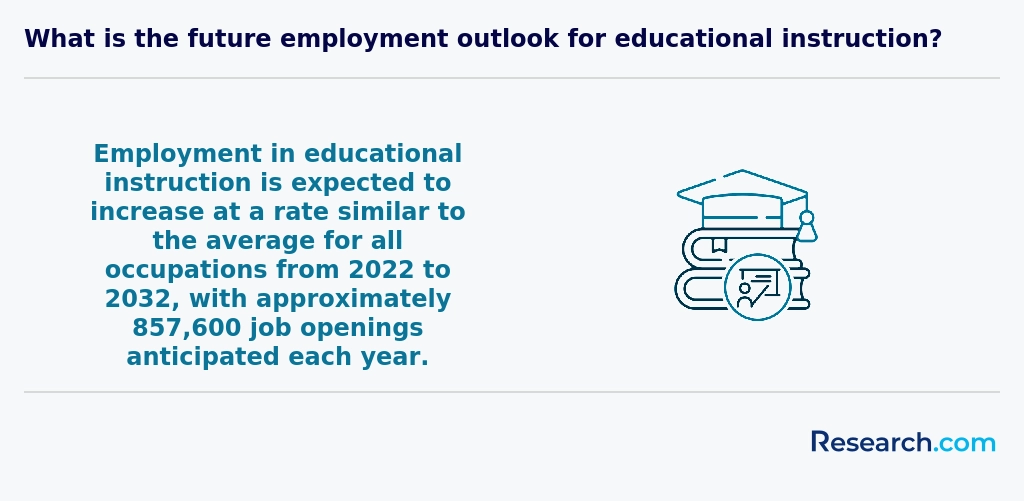
Accreditation is essential for a recognized teaching credential in Washington. Ensure your online program holds CAEP approval and state program endorsement from the Office of Superintendent of Public Instruction (OSPI).
- CAEP accreditation validates curriculum quality and field experience.
- OSPI program approval is mandatory for initial teacher certification.
- Regional accreditation (e.g., NWCCU) facilitates credit transfer and employer confidence.
After graduation, follow these steps to earn your teaching license:
- Pass the Washington Educator Skills Test–Endorsement (WEST-E) or NES content exams.
- Apply for a Residency Teacher Certificate through OSPI.
- Complete any additional mentorship or practicum hours required by the state.
Many affordable masters degrees in Washington integrate CAEP accreditation with built-in licensure exam prep, streamlining your journey from degree to classroom.
If you're going for an online education degree in Washington, there's a good chance you'll find financial aid that really eases the burden. Many students at schools like the University of Washington or Central Washington University start by filling out the FAFSA, which opens doors to federal help like Pell Grants. These grants are a big win since you don't have to pay them back, and they can cover up to $7,395 a year depending on your financial situation.
Some grads share how federal student loans helped them when Pell wasn't quite enough, offering flexible options like subsidized loans that don't build interest while you're studying. Plus, work-study programs are a solid way to earn cash on the side without losing sight of your classes.
Washington residents also love the Washington College Grant, which can knock off thousands of dollars from tuition at public schools, including online programs. If you're aiming to become a teacher, don't overlook scholarships dedicated to education majors - those are like hidden gems offered by groups like the Washington Education Association.
Just a heads up: private loans exist but watch out for the fine print since they can have funky interest rates. Overall, many students find a mix of these aids can turn the cost of getting that education degree in Washington into something manageable and way less stressful.
A robust online Education degree program goes beyond coursework by offering comprehensive support services designed to help you succeed at every stage. From the moment you enroll, you should have access to: • Academic Advising and Mentorship – Personalized guidance from faculty advisors helps you select courses, meet licensure requirements, and map out your career trajectory. • Technical and Library Support – 24/7 IT helpdesk, virtual library resources, and research tutorials ensure seamless access to digital textbooks, journals, and learning platforms. • Tutoring and Writing Centers – On-demand tutoring for core subjects and specialized writing assistance for lesson plans, research papers, and certification portfolios. • Career Services and Job Placement – Resume reviews, mock interviews, employer networking events, and internship coordination connect you with district hiring managers and educational nonprofits. • Peer Networking and Student Organizations – Virtual study groups, discussion forums, and student chapters of professional associations like the American Educational Research Association foster community and collaboration. • Mental Health and Wellness Resources – Licensed counselors, stress-management workshops, and online support groups help you balance academic demands with personal well-being. By leveraging these services, online learners can replicate the on-campus experience and build a strong professional network. Explore similar cost-effective options in other states by checking our Low Cost Online Master’s in Education Degree Programs Ranking in Illinois, and discover how targeted support can accelerate your progress toward licensure and career advancement.
If you're thinking about enrolling in an online education degree in Washington, there are a few key things schools typically look for. Most undergrad programs want to see a high school diploma or GED. Some also ask for SAT or ACT scores, but plenty of colleges, especially popular ones like Western Washington University, have started to drop those testing requirements to make things easier for students.
Graduates from local schools often mention submitting transcripts showing a 2.5 to 3.0 GPA to prove they're ready for college-level work. For those going for a master's or teaching certification, having a bachelor's degree and sometimes a 3.0 GPA is the starting line. Plus, work experience in classrooms can be a huge bonus, especially if you want to get licensed in Washington.
One grad shared how passing the WEST-B test was a big step before getting into the teacher prep program at the University of Washington. It's great to know these are just milestones designed to help you grow into a confident educator who's ready to make a difference in Washington's schools.

Choosing an accredited program ensures your online education degree meets Washington’s standards for teacher preparation and licensure.
Key accreditation and licensure requirements:
- CAEP or NCATE accreditation for rigorous teacher education content
- Regional accreditation by NWCCU for overall academic quality
- Approval by the Washington Professional Educator Standards Board (PESB) for certification eligibility
- Passing the WEST-E or NES exams for subject-area licensure
Selecting a fully accredited, PESB-approved program not only secures high-quality instruction but also guarantees a streamlined path to your teaching certificate. For an accessible foundation, consider the easiest degree to get online.
If you're diving into an online education degree in Washington, you'll tackle courses that really get to the heart of teaching and learning. Expect to explore foundations of education that dig into the history and philosophy behind why we teach. Many grads from programs at places like the University of Washington or Western Washington University found this super helpful for understanding the bigger picture of their role in schools.
You'll also jump into educational psychology, which helps you see how students tick and learn best-imagine connecting that to real classroom moments or your future students' needs. Curriculum design and classroom management courses give you solid tools to plan lessons and keep things running smoothly, which graduates often say made them feel ready to handle the daily challenges of teaching.
On top of that, Washington's unique state requirements mean you'll cover local laws, diversity, and tech use-pretty cool since schools here are always evolving with new tools and inclusive practices. Many students love how these courses prepare them for the actual work environment in Washington's schools.
If you're diving into online education degrees in Washington, you'll find tons of specializations tailored to fit a variety of career paths. A lot of students from well-known schools like the University of Washington or Western Washington University love choosing Elementary Education, which gets them ready to teach kids K-8. This track's pretty hands-on, with courses on curriculum and child psychology. Graduates often feel confident stepping into classrooms knowing they're prepared to make a difference right away.
Another popular route is Secondary Education, perfect if you want to teach middle or high school, often focusing on subjects like math or science. And for those who feel passionate about helping kids with unique learning needs, Special Education is a big draw since about 17% of Washington's public school kids receive special services.
Some grads share how Educational Administration and Leadership programs helped them land roles as principals or district admins, thanks to courses covering everything from school law to budgeting. Plus, others interested in student well-being choose Counseling and School Psychology.
Many students appreciate the flexibility when they enroll in specialized education programs Washington state offers, like Early Childhood Education or Instructional Technology options. In fact, you can explore perks of an online bachelors degree in early childhood education benefits firsthand. All these paths are designed with Washington's local licensing and job market in mind, making it easier to jump into exciting education careers.
When choosing the best online education degree in Washington, start by checking if the program is properly accredited-this really makes a difference when you're applying for jobs or licenses here. Graduates from popular schools in the state often mention how programs aligned with Washington's teacher certification requirements helped them feel confident passing those tough exams.
Another tip is to look for programs that offer specializations that match your passions, whether it's early childhood or educational leadership. Many working adults find that flexible scheduling and asynchronous classes from well-known Washington colleges make juggling work and family much easier, keeping motivation high.
Cost is a biggie too. Students frequently share how finding affordable online options really eased the stress. For instance, checking out resources like the Low Cost Online Master's in Education Degree Programs Ranking in Illinois gave them ideas on managing tuition and financial aid. This helps keep education affordable without sacrificing quality, especially if you want one of the best affordable online education degree Washington offers.
Finally, hearing from past students about strong faculty support and internship chances at local school districts makes the whole experience feel real and inspiring. Those real-life connections point you toward top online teaching programs Washington state that actually prepare you for a rewarding career.
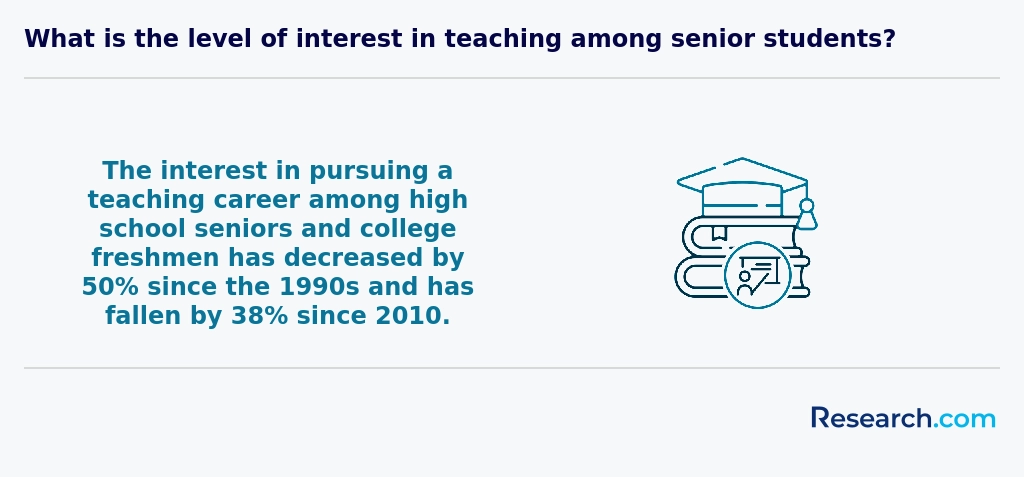
If you're diving into an online education degree in Washington, you'll find a bunch of career options that really match what the state needs. Graduates from popular schools here often land teaching jobs in public or private K-12 schools, especially since Washington is always looking for new teachers in STEM, special education, and English language learning. It's exciting because these roles are in demand and offer a real chance to make a difference in your community.
Some grads aim higher, moving into school leadership like principals or curriculum coordinators, roles that often need a master's degree, which you can also get online from universities in Washington. Those jobs pay well, around $100K a year, and come with the pride of shaping schools. If you're into supporting students personally, becoming a school counselor or education specialist is another popular path, and Washington's boosting funding in those areas, making those jobs more available and rewarding.
Plus, there are roles in early childhood education, adult learning, and ed tech-especially with schools expanding digital learning. Many students find these areas super engaging. If you're budget-conscious, you might want to check out an associates degree online cheap first, which can start you off in the education field without breaking the bank.
If you're thinking about online education degree jobs in Washington, you'll find the job market pretty steady and encouraging. Graduates from popular programs at universities like the University of Washington or Western Washington University often talk about how the demand for educators, especially in specialized areas like math and special education, keeps their job search smooth. Schools across the state, from Seattle's urban districts to more rural areas, are actually looking hard for licensed teachers, which is great news if you're stepping into the field.
Besides regular teaching roles, the state's push for remote learning means there are more chances than ever for online education grads to work as instructional coordinators or even education tech specialists. Many students have found combining their degree with teaching credentials opens even more doors. If you want a quicker start, you might explore an accelerated bachelor degree in education, which is becoming a popular route for busy learners.
Overall, the Washington job outlook for education graduates is quite positive. Starting salaries usually hover between $50,000 and $80,000 depending on where you land, which helps cover living costs in cities like Seattle. Many grads say the combination of affordable online programs and solid job prospects is what made their decision easier and their transition into the workforce smoother.
2027 Easiest Online Education Degree Programs Ranking in Washington
Investing in your education is a significant decision that can shape your future, and the Research.com team understands the importance of providing reliable guidance. To support prospective students in Washington, we have carefully developed the "2027 Easiest Online Education Degree Programs Ranking." Our dedication to quality, credibility, and accuracy is demonstrated through rigorous research and thorough analysis.
We utilized the following reputable data sources to create this ranking:
By exploring this ranking, readers will gain valuable insights into the easiest online education degree programs in Washington, empowering them to make informed decisions about their educational journey. For more details on how this ranking was created, please visit our Research.com methodology page.


# 3 position
Heritage University
Bachelor of English

Frequently Asked Questions About education
Students pursuing online education degrees in Washington can enhance their learning experience by actively engaging with course materials and instructors. Research from the Washington Student Achievement Council highlights that students who participate in virtual discussions tend to earn higher grades. Time management is crucial; creating a consistent study schedule minimizes distractions and helps meet deadlines effectively. Utilizing local resources like Washington public libraries or university tutoring centers can also provide additional support. Furthermore, students should verify their chosen program's accreditation to ensure quality education and transferability of credits, which is essential for future career opportunities and graduate studies.
Emerging niches within the education field reflect current societal and technological shifts, with particular relevance for online education degrees in Washington. One fast-growing area is educational technology (EdTech), where professionals design digital tools to enhance learning. According to the Washington State Employment Security Department, jobs in this sector are expected to grow faster than average through 2030.
Another notable niche is special education focused on inclusivity and individualized learning plans. The demand for specialists trained in autism spectrum disorders and emotional support remains high across Washington schools.
Additionally, early childhood education roles are expanding, especially in urban centers like Seattle, driven by state funding increases and new policy initiatives promoting early learning equity.
These emerging fields offer promising paths for students pursuing online degrees in Washington, combining strong job prospects with meaningful impact.
After completing an online education degree in Washington, preparing for the job market involves several strategic steps. First, it is crucial to obtain relevant teaching certifications required by the Washington Professional Educator Standards Board (PESB). These certifications often include passing the WEST-E or NES exams, depending on the specialization.
Networking plays an essential role. Graduates should connect with local school districts and professional organizations, such as the Washington Education Association, to find job openings and mentorship opportunities.
Washington's employment outlook for teachers shows steady growth, with a projected increase of 9% through 2030 according to the Bureau of Labor Statistics. Leveraging internships or practicum experiences during the degree can significantly improve job prospects.
Finally, staying updated with state-specific education policies and continuing professional development ensures graduates remain competitive in Washington's evolving education sector.
Employers in Washington prioritize a blend of strong communication skills and adaptability in graduates with education degrees. According to the Washington State Employment Security Department, effective classroom management and the ability to integrate technology into teaching are in high demand due to the increasing use of digital tools in schools.
Critical thinking and problem-solving abilities are essential for addressing diverse learning needs. Additionally, cultural competence is emphasized, reflecting Washington's diverse student population; educators must be prepared to support varied backgrounds and learning styles.
Data from the National Center for Education Statistics shows that collaboration skills, especially teamwork with parents and colleagues, significantly impact hiring decisions in Washington schools.
Finding internships in Washington related to an education degree often starts with leveraging the resources of your online program. Many universities offer career services that connect students with local school districts and educational organizations for internship opportunities. In Washington, the Office of Superintendent of Public Instruction (OSPI) frequently posts openings for student teaching and internships across the state's public schools.
Additionally, networking within local education communities via professional organizations like the Washington Education Association can be invaluable. Internships through these channels provide practical classroom experience required for certification.
Online students should also explore partnerships between their universities and school districts; such collaborations often streamline placement. According to Washington's Workforce Training and Education Coordinating Board, education-related jobs are projected to grow 7% through 2028, highlighting the increasing internship demand for future educators.
Obtaining an online education degree in Washington can significantly enhance career mobility and advancement opportunities. The Washington State Workforce Training and Education Coordinating Board reports that education-related jobs are projected to grow by 9% through 2028, faster than the national average. Online degrees offer flexible scheduling, allowing working professionals to gain necessary qualifications without interrupting current employment.
Many school districts in Washington prioritize candidates with advanced degrees for promotions, especially into administrative roles such as principals or curriculum coordinators. Additionally, the Washington Office of Superintendent of Public Instruction recognizes online degrees from accredited institutions as valid for teacher certification and career ladder programs.
An online education degree can also open doors to specialized roles, including instructional design or educational technology, which are expanding fields in the state's education system. Earnings tend to increase with higher qualifications, supporting career growth for online graduates.
Studying for an education degree in Washington equips students with skills relevant to interdisciplinary roles across various sectors. Washington's online education programs integrate coursework in technology, social sciences, and leadership, reflecting the state's emphasis on innovation and diversity. This approach prepares graduates to work beyond traditional classrooms, including roles in educational technology, community outreach, and policy development.
According to the Washington Student Achievement Council, interdisciplinary knowledge is increasingly valued in K-12 and higher education settings statewide. Online degrees often include collaboration with professionals in fields like psychology and communication, enhancing adaptability.
Such programs also meet Washington's teaching standards, ensuring competency in cross-subject areas.
Choosing between a thesis and a non-thesis online education degree in Washington depends on your career goals and time commitment. A thesis program typically involves original research and is suited for students aiming for academic or research positions. It often requires more time and strong writing skills.
Non-thesis programs usually focus on practical skills and coursework, appealing to professionals who want to advance quickly in teaching or administration roles. According to the Washington Student Achievement Council, around 60% of master's education students in the state opt for non-thesis options for faster completion.
Consider your professional plans, learning style, and available time when making this decision.
Students based in Washington seeking education degrees abroad have several options, primarily through international partnerships and online study programs recognized by U.S. institutions. Washington residents can enroll in accredited online degrees offered by foreign universities that meet U.S. Department of Education standards, ensuring transferability and credential recognition. According to the Washington Student Achievement Council, nearly 40% of recent graduates consider global study valuable for career development.
Many Washington universities also participate in exchange programs with overseas institutions, allowing students to earn credits abroad before returning home to complete their degree. Popular destinations include Canada, the UK, and Australia, which offer education programs aligning with U.S. standards.
Federal regulations require that foreign programs comply with state licensure requirements, an important consideration for education majors planning to teach in Washington. Resources like the Council for Higher Education Accreditation help verify program quality for international degrees.
In Washington, part-time job opportunities that complement education degree studies often involve roles directly related to teaching and support. Common positions include teacher assistants, substitute teachers, and after-school program facilitators. These roles provide practical classroom experience while students complete their online degrees.
According to the Washington Workforce Training and Education Coordinating Board, the demand for educational support staff is expected to grow by 6% through 2028. Additionally, tutoring services, both in-person and online, are popular, allowing students to develop instructional skills while earning income.
Engagement in these part-time jobs enhances resumes and builds valuable professional networks within local school districts.
Networking opportunities for online education students in Washington are growing as institutions adapt to digital learning environments. Many universities encourage participation in virtual events such as webinars, career fairs, and discussion groups. For example, the University of Washington offers online workshops and alumni networking platforms accessible to remote students.
Additionally, state organizations like the Washington Education Association provide membership benefits, including professional development and local chapter meetings that are often accessible online. These platforms allow students to connect with educators across Washington and gain insights into regional education trends.
According to the Washington Student Achievement Council, about 35% of students engage in online communities related to their field, highlighting the importance of virtual interaction in building networks within the education sector.
Alumni networks offer valuable benefits to online education degree students in Washington by providing access to professional connections and mentorship. Many Washington universities report that active alumni communities help graduates find job opportunities and internships within the state's education sector.
Being part of an alumni network can increase career prospects, as around 85% of jobs in the US are filled through networking, according to the US Bureau of Labor Statistics. In Washington, local alumni groups frequently organize events, workshops, and webinars tailored to educators pursuing career advancement.
These networks also foster a sense of belonging, which can be especially important for online students who might feel isolated from campus life.
In Washington, many online education degree programs offer flexible curriculum options to help students align their studies with specific career goals. Candidates can often select from various specializations such as early childhood education, special education, or educational leadership, depending on their interests. According to the Washington Student Achievement Council, around 65% of online programs in the state provide elective courses or certificate add-ons to enhance expertise in niche areas.
Additionally, students can benefit from practicum placements or internships tailored to local school districts, which help build relevant professional experience. Advisors frequently assist in designing personalized study plans, ensuring coursework supports certification and licensure requirements in Washington.
Online education students in Washington face several common challenges. Limited access to reliable high-speed internet remains a significant barrier, especially in rural areas, impacting about 15% of Washington households according to the U.S. Census Bureau. This affects the ability to participate fully in virtual classes and complete assignments on time.
Another challenge is balancing coursework with work and family responsibilities. Many online students juggle full-time jobs or caregiving roles, which can affect their academic progress. Additionally, some students report feelings of isolation due to reduced face-to-face interactions, which may hinder motivation and engagement.
Technical difficulties and unfamiliarity with digital platforms also pose obstacles, as students must navigate learning management systems without direct onsite support.
With an online education degree in Washington, you can pursue several professional certifications that enhance your teaching career. The Washington Professional Educator Standards Board (PESB) certifies teachers, requiring candidates to hold a state-approved teaching certificate.
Common certifications include the Washington State Residency Teacher Certificate, which is necessary for beginning educators. Additionally, endorsements such as Special Education, English Language Learner (ELL), and School Counselor can be added with further coursework and testing.
National credentials like the National Board Certification are also available and recognized in Washington, providing advanced teaching certification. These certifications often lead to higher salaries and more career opportunities within the state's public schools, according to the Washington Office of Superintendent of Public Instruction (OSPI).
When applying to an online education program in Washington, start by thoroughly researching state-approved and regionally accredited institutions recognized by the Northwest Commission on Colleges and Universities. Admissions committees look for clear evidence of academic readiness and motivation. Highlight your previous academic achievements, relevant work experience, and your commitment to teaching or education-related goals.
Washington's Teacher Preparation Program Requirements specify that programs emphasize both theory and practical skills, so tailor your personal statement to reflect your understanding of these elements. According to the Washington Student Achievement Council, including specific examples of how your background aligns with state education priorities can strengthen your application.
Additionally, secure strong letters of recommendation from supervisors or educators familiar with your professional or academic skills. Meeting all application deadlines while submitting a polished, error-free application is essential to stand out among candidates.
Globally, an education career is viewed as essential for societal development and lifelong learning. In the U.S., including Washington, teaching roles are highly valued for their impact on future generations. According to the Washington State Office of Superintendent of Public Instruction, demand for qualified educators is expected to grow by 8% through 2028, reflecting national trends.
Internationally, educators often face similar challenges such as adapting to technology and diverse classrooms. However, U.S. online education degrees, especially those offered by Washington institutions, are designed to meet these global standards while emphasizing local educational policies and needs.
Online programs in Washington allow students to gain skills relevant both locally and worldwide, preparing them to navigate educational systems that increasingly emphasize cultural awareness and inclusivity. This makes a career in education flexible and globally respected.
Gaining practical experience while studying for an online education degree in Washington is essential for career readiness. Many accredited programs in the state require students to complete fieldwork or student teaching in local K-12 schools. This hands-on experience is often arranged in partnership with school districts, helping students apply theoretical knowledge in real classrooms. According to the Washington Office of Superintendent of Public Instruction, these placements align with state certification standards.
Additionally, internships and volunteer opportunities in educational organizations within Washington can enrich practical skills. Online learners should actively seek these options to enhance their resumes and network professionally.
Choosing the right concentration within an online education degree program in Washington begins with understanding your career goals. For instance, if you aim to work in K-12 settings, focusing on elementary or secondary education concentrations can be vital. Washington State reports growing demand for teachers, especially in STEM fields and special education, according to the Office of Superintendent of Public Instruction (OSPI).
Next, consider accreditation and the specific licensing requirements in Washington. Some concentrations lead directly to teacher certification, while others support roles in administration or counseling.
Review course content and flexibility to match your learning style and schedule. Many programs offer concentrations like curriculum development or educational technology, areas increasingly important in Washington's evolving education landscape.
- 2027 Easiest Online Education Degree Programs Ranking in Idaho
- 2027 Easiest Online Education Degree Programs Ranking in Arizona
- 2027 Easiest Online Education Degree Programs Ranking in Colorado
- 2027 Easiest Online Education Degree Programs Ranking in New Mexico
- 2027 Easiest Online Education Degree Programs Ranking in Nebraska
- 2027 Easiest Online Education Degree Programs Ranking in Kansas
- 2027 Easiest Online Education Degree Programs Ranking in Texas
- 2027 Easiest Online Education Degree Programs Ranking in Iowa
- 2027 Easiest Online Education Degree Programs Ranking in Missouri
- 2027 Easiest Online Education Degree Programs Ranking in Arkansas
See What Experts Have To Say About Studying Education
Read our interview with Education experts

Alan J. Singer
Education Expert
Professor of Teaching, Learning and Technology
Hofstra University


- Online Master's in Education: Review Top Washington Schools https://www.onlinemastersdegrees.org/best-programs/education/washington-state/
- How to Choose a Concentration for Your Master of Education 3 Questions to Consider https://www.aiuniv.edu/degrees/education/articles/how-to-choose-an-education-specialization
- Online Colleges in Washington https://mycollegeguide.org/online-colleges-in-washington/
- International teaching and education jobs https://www.tes.com/jobs/search/international
- Guide to Online Education Degrees | OEDb.org https://www.oedb.org/rankings/online-education-programs/
- The Advantages of Studying an Online Degree https://www.falmouth.ac.uk/news/advantages-studying-online-degree
- Best Online Education Degrees https://www.onlineu.com/degrees/education
- Accelerated Online Teacher Certification Program | Whitworth Online https://online.whitworth.edu/programs/teacher-certification/
- Promising Niches in the Global EdTech Landscape - Blog https://rocketech.it/blog/post/global-edtech-landscape-what-niches-are-the-most-promising
- Home https://www.teachercertificationdegrees.com/


