
2027 Easiest Online Education Degree Programs Ranking in Kansas

Co-Founder and Chief Data Scientist
Choosing the right online education degree program can feel overwhelming, especially in Kansas where options are plentiful. This article introduces the 2027 Easiest Online Education Degree Programs Ranking in Kansas, created by the Research.com team of data scientists to guide you toward programs that fit your goals and lifestyle.
By exploring this ranking, you'll discover practical insights that make your decision easier and more confident. Earning an education degree is a rewarding step toward personal growth and career success, and this article is here to support your journey.
Key benefits of getting online education degree in Kansas
- Education degree graduates in Kansas can expect competitive salaries, such as $70,740 annually for elementary school teachers and $76,000 for special education teachers, making the investment in a degree financially rewarding.
- Graduates from Kansas universities often pursue diverse career paths, including roles as early childhood educators, instructional designers, or ESL teachers, offering flexibility and growth.
- Obtaining an education degree online provides the convenience to balance work and study, as shown by graduates from well-known Kansas universities, allowing faster entry into the rewarding education field.
- 2027 Easiest Online Education Degree Programs Ranking in Kansas
- What can I expect from online education degree in Kansas?
- Where can I work with online education degree in Kansas?
What can I expect from online education degree in Kansas?
The average cost of an online education degree in Kansas typically centers around $325 per credit hour for in-state students attending public universities like Wichita State University and Pittsburg State University. Graduates often describe this pricing as financially manageable, especially when coupled with in-state tuition advantages that significantly reduce the overall expense compared to out-of-state or private institution rates.
For many, this affordability allows balancing work, family, and school without excessive financial strain. One example includes a graduate from Pittsburg State who appreciated the ability to continue working full-time locally while completing field experiences near their home. These practicums, required by most Kansas programs, enrich the learning experience without adding relocation costs.
Students also report benefiting from available scholarships and state teacher loan forgiveness programs, which further ease financial burdens. The practical cost-efficiency combined with quality curriculum aligned to Kansas licensure standards makes online education degrees a viable, attractive option for aspiring teachers in the state.
Where can I work with online education degree in Kansas?
Graduates holding an online education degree in Kansas often find employment opportunities across diverse educational settings statewide. For instance, alumni from universities like the University of Kansas and Wichita State University frequently secure teaching roles in K-12 public and private schools, where a projected 5% growth in teacher employment from 2021 to 2031 indicates a stable job market.
Many graduates also enter early childhood education centers, responding to rising demand for skilled instructors in preschool and kindergarten programs. This field is especially vibrant due to initiatives like those promoted by Kansas Action for Children, emphasizing quality care and education.
Other common career paths include educational administration and curriculum development, with schools increasingly valuing expertise in digital learning tools-skills that online degree programs effectively foster. Graduates from Fort Hays State University report satisfaction working in hybrid or virtual classrooms, a growing trend accelerated by the COVID-19 pandemic.
Community colleges and vocational institutions also employ these professionals to lead adult education, GED preparation, and workforce training, reflecting Kansas Board of Regents' emphasis on adult learning expansion. Additionally, some graduates become instructional coordinators or corporate trainers, applying their knowledge beyond conventional classrooms.
Graduates with an online education degree in Kansas typically start with salaries ranging from $40,000 to $50,000, depending on district and certification level. For example, a graduate from the University of Kansas entering elementary education can expect a mean annual wage of about $70,740, reflecting strong regional demand and competitive pay.
Special education teachers report even higher earnings, with a mean annual wage near $76,000, showing promising financial growth for those specializing in this in-demand field. ESL teachers in Kansas earn approximately $65,430 annually, often benefiting from additional certifications.
Instructional designers, a growing career path for online education graduates, earn a mean salary of around $77,200 in Kansas. Graduates from Wichita State University and Emporia State University have highlighted that their online degrees equipped them for these roles, leading to satisfying careers in curriculum development and digital learning design.
Early childhood educators with online degrees typically earn about $41,410 yearly, providing a solid foundation for those passionate about education at the foundational level. Furthermore, advanced degrees commonly pursued online can boost earning potential by 10-20%, reflecting the positive value of continued education within Kansas' supportive academic environment.
- Online bachelor's degrees in education in Kansas cost between $8,000 and $15,000 per year for in-state students, while graduate programs range from $10,000 to $20,000 annually.
- Starting salaries for education graduates in Kansas average around $42,000 per year, increasing to $55,000-$60,000 for mid-career teachers.
- Kansas shows steady demand for educators, especially in rural and suburban areas, with higher growth in special education and STEM roles.
- Many online programs in Kansas include integrated licensure pathways that align with state certification requirements for teaching.
- Accredited public universities like Wichita State University and Pittsburg State University offer multiple online education degree options.
Online education degree completion times in Kansas vary by degree level and enrollment status, but typically range from two to four years. For example, graduates from the University of Kansas pursuing a bachelor's in education often complete their studies in about four years when enrolled full-time. This timeframe fits well for those who prioritize a steady pace alongside work or family commitments.
Students at Kansas State University highlight the flexibility of online master's programs, which generally take between 18 months and three years. Many appreciate the ability to progress part-time, allowing them to balance jobs and personal life effectively while working toward advanced credentials.
Associate degrees, commonly completed in two years, provide a quicker pathway into the education field, ideal for those attending community colleges like Johnson County Community College. Graduates mention that credit transfer options and year-round courses accelerate their journey.
Overall, Kansas online education programs accommodate diverse needs, enabling students to customize their pace to align with real-world responsibilities and ambitions.
Earning an online education degree in Kansas is just the first step toward a rewarding teaching career-obtaining licensure and certification ensures you meet state standards and can legally teach K–12 students. Kansas licensure typically involves: 1. Completing an accredited teacher preparation program. Many online master’s and bachelor’s degrees meet these standards and are recognized by the Kansas State Department of Education. For program costs and details on the cost of getting online masters degree in education, refer to our comprehensive guide. 2. Passing required exams. Prospective teachers must clear the Praxis Core Academic Skills exams (reading, writing, mathematics) and the Praxis Subject Assessments for their endorsement area (e.g., Elementary Education, ESL). 3. Submitting official transcripts and verification of practicum hours. Online programs often coordinate virtual or in-person field experiences; ensure your program provides documentation of student-teaching hours. 4. Applying for initial Kansas teaching licensure. After exam scores and program completion are verified, submit your application through Educator Licensure Information System (ELIS). Typical processing takes 4–6 weeks. 5. Maintaining and upgrading certification. Kansas requires renewal every five years via professional development activities or by completing a master’s degree in education. By understanding these steps upfront and choosing an accredited online program, you’ll streamline your path from degree completion to classroom placement and long-term career growth.
Online education degrees in Kansas offer unmatched flexibility, allowing students to study from home or work while managing family responsibilities. Graduates from institutions like Washburn University often praise the convenience of accessing lectures and assignments asynchronously, eliminating commuting time. This suits working professionals aiming to balance career and study.
Conversely, on-campus degrees at universities such as the University of Kansas provide structured environments where students benefit from face-to-face interactions with professors and hands-on experiences like student teaching placements. Graduates report feeling more engaged and motivated through direct mentorship and immediate feedback in classroom settings.
Cost is another key difference. Public universities in Kansas average around $8,000 annually for in-state tuition, with online programs sometimes offering slight savings by reducing facility fees. However, some private institutions may charge similar or higher rates for online courses.
Both formats maintain accreditation from the Higher Learning Commission, ensuring quality and equal respect among employers. Ultimately, students must consider personal learning style, time management, and career goals when choosing between online and on-campus pathways in Kansas.
As the landscape of online education continues to evolve, future trends point toward increased integration of advanced technology, personalized learning environments, and even broader access to high-quality remote programs. Prospective students should be aware that innovations such as artificial intelligence-driven tutoring, immersive virtual classrooms, and interactive peer collaboration platforms are set to redefine the educational experience. These advancements not only enhance learning outcomes but also expand career opportunities for graduates in education. Forward-thinking institutions are adapting by developing programs that equip students with digital literacy and innovative teaching strategies to meet the demands of modern classrooms. Additionally, an emphasis on affordability remains a top priority; resources like the most affordable education schools in kansas ranking help students identify institutions that offer high-quality, cost-effective programs without compromising on academic excellence. Staying informed about these trends can empower you to choose a program that not only matches your current needs but also prepares you for a rapidly changing job market in education.
The average cost of an online education degree in Kansas is approximately $27,438, reflecting a balanced figure between in-state and out-of-state tuition rates. For many students attending public universities such as Wichita State University, the University of Kansas, or Kansas State University, these costs represent a manageable investment in their future careers. Graduates often share how earning their degrees online allowed them to maintain employment while advancing their qualifications, making the tuition fees feel justified and achievable.
Typically, in-state students benefit from lower tuition rates, often closer to $21,485, while out-of-state students may face higher expenses near $29,601. These figures end up being slightly above the national average but still competitive within the region. The Kansas online education degree tuition fees generally include additional expenses, such as technology fees, textbooks, and other materials, which can add a few hundred dollars per semester. Students frequently express appreciation for the flexible costs and effective support services that accompany these programs.
Many enrolled in programs at well-known Kansas institutions find it helpful to explore financial aid options. Scholarships, employer tuition assistance, and other funding opportunities significantly mitigate the median total cost. For those analyzing the best value and searching for a list of the most affordable education schools in Kansas, you can find useful information at most affordable education schools in kansas.
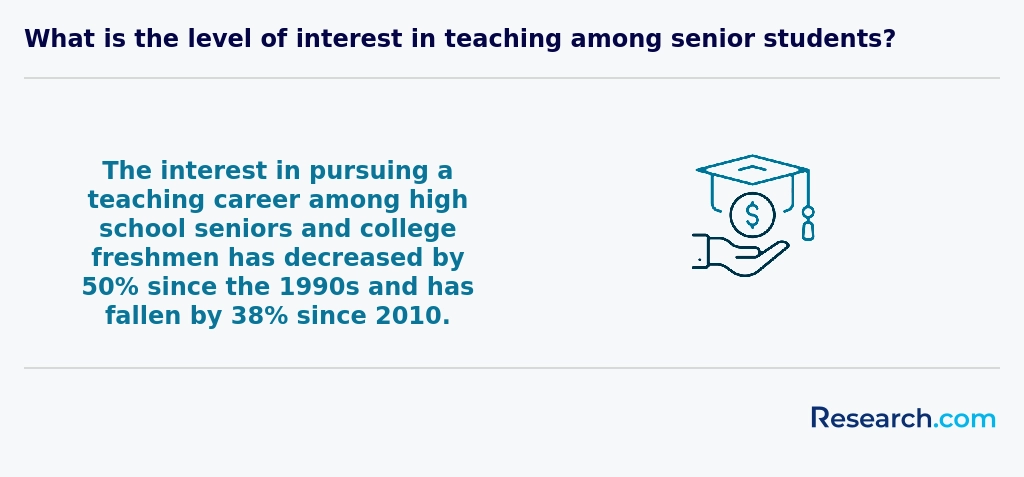
Ensuring your online education degree is both accredited and state-approved is key to earning a valid teaching credential in Kansas.
- Regional accreditation: Choose programs accredited by the Higher Learning Commission or the Council for the Accreditation of Educator Preparation (CAEP) to guarantee quality, credit transferability and employer recognition.
- Kansas State Department of Education approval: Verify the program meets state licensure standards, including required coursework, student-teaching hours and background checks.
- Exam and endorsement support: Look for curricula that integrate Praxis exam prep and prepare you for endorsements in areas like elementary, secondary or special education.
- Budget-friendly accreditation: If cost is a concern, compare accredited options in our affordable online bachelor's degree guide to find programs that align with both your financial and licensure goals.
Students pursuing online education degrees in Kansas often rely on federal aid such as Pell Grants, which can provide up to $7,395 annually for eligible candidates after submitting the FAFSA. Graduates from institutions like the University of Kansas highlight how this support significantly eased their financial burden during remote studies. State-specific aid, including the Kansas Comprehensive Grant, offers additional relief with awards from $500 to $1,500 per year, helping to offset typical tuition costs of $300 to $400 per credit hour at schools such as Wichita State University.
Many learners also benefit from institutional scholarships, which reward both academic excellence and financial need. For example, alumni from Emporia State University recall securing scholarships that made education more affordable. Kansas's participation in teacher loan forgiveness programs further motivates graduates to serve high-need schools, often helping reduce debt faster.
Work-study and employer tuition reimbursement provide extra financial pathways, with some graduates balancing jobs while earning degrees online, illustrating the practicality of these options.
Earning an online education degree in Kansas offers several advantages for future educators:
- Flexible, self-paced learning that fits around work, family and life commitments
- Accredited programs aligned with Kansas licensure standards and classroom requirements
- Real-world practicum placements and partnerships with local K-12 schools
- Access to financial aid, in-state tuition rates and competitive scholarships-explore our cheapest masters degree offerings
- Development of digital teaching skills for modern and remote learning environments
Prospective students enrolling in online education degree programs in Kansas typically need a high school diploma or GED for undergraduate admission, or a bachelor's degree for graduate-level studies. Graduates from popular institutions like the University of Kansas often emphasize how submitting official transcripts with a minimum GPA of around 2.5 to 3.0 plays a critical role in the application process, reflecting program rigor and institutional standards.
Teacher certification candidates must comply with Kansas State Department of Education requirements, including background checks and passing the Praxis Core exams that assess essential skills in reading, writing, and math. These steps are frequently highlighted by graduates from Wichita State University, who found the exam preparation demanding but ultimately rewarding in validating their readiness.
Additional application components commonly requested include letters of recommendation and personal statements, which allow applicants to share their motivation and relevant teaching experience. Many students describe these as opportunities to express passion for education and community impact, enhancing their acceptance chances.
Financially, with an average in-state tuition around $8,500 per year at public colleges, Kansas students appreciate the affordability coupled with strong academic support available across online platforms.

Upon completing an online education degree in Kansas, graduates must obtain state licensure through the Kansas State Department of Education (KSDE) to teach in public schools. This process includes: • Accreditation alignment: Ensure your program is accredited by CAEP or NCATE-many Low Cost Online Education Degree Programs meet these standards, allowing seamless licensure application. • Basic competencies: Pass the relevant Praxis Core Academic Skills exams (Reading, Writing, Mathematics) and Praxis Subject Assessments for your endorsement area. • Field experience verification: Submit documentation of required student teaching hours or supervised clinical experiences to KSDE. • Background clearance: Complete a fingerprint-based criminal history check and the KSDE Professional Code of Conduct training. • Application submission: File the Application for Initial Kansas Teaching Licensure, including official transcripts, test scores, and a fee to KSDE. • Endorsement areas: Choose endorsements (e.g., Early Childhood, Special Education, ESL) aligned with your degree specialization; additional endorsements can be added through the Alternative Licensure Program or graduate-level coursework. • Continuing education and renewal: Maintain licensure via Professional Development Points (PDPs) every five years or pursue advanced credentials through KSDE-approved graduate programs. By understanding and fulfilling these certification steps, online graduates can confidently transition into accredited teaching roles across Kansas.
Online education degree programs in Kansas commonly include a core curriculum that prepares students to tackle real classroom challenges. Graduates from well-known institutions such as the University of Kansas and Kansas State University often highlight courses like Educational Psychology, which helps them understand student development and diverse learning needs firsthand. This knowledge proves invaluable when managing classroom dynamics effectively.
Instructional Strategies courses teach future educators how to design engaging lessons that promote critical thinking, a skill regularly praised by alumni reflecting on their student teaching experiences across Kansas schools. Classroom Management coursework provides practical tools for creating positive learning environments, often illustrated by graduates who successfully navigated demanding classrooms with challenging behavior.
Furthermore, classes on Assessment and Evaluation empower students to measure progress and adjust teaching methods, a critical ability cited by recent graduates from Wichita State University. Education Law and Ethics offer clear guidance on legal responsibilities, ensuring teachers stay compliant and ethical.
Technology Integration and Diversity and Inclusion courses equip candidates to embrace digital classrooms and support equity, reflecting the modern realities graduates face daily in Kansas's evolving education landscape.
Online education degree specializations Kansas universities commonly offer include Early Childhood Education, Elementary Education, Secondary Education, Special Education, Educational Leadership, Curriculum and Instruction, and Reading and Literacy. Graduates from institutions like the University of Kansas and Wichita State University have praised the targeted curriculum that enables them to focus on desired career paths, such as working with young children or pursuing school administration roles. A graduate working in Special Education noted the practical strategies learned online helped immediately in supporting diverse learners in Kansas classrooms.
Kansas online teaching degree options reflect state licensure needs, particularly in areas of high demand like special education and STEM subjects. Students appreciate how programs tailor coursework to local requirements, making transitions into teaching jobs smoother. Alongside specialization choices, many students explore affordable pathways, often considering the cost of getting online masters degree in education when evaluating degree options. These factors combine to make online education degrees in Kansas both focused and accessible for future educators.
Choosing the best online education degree in Kansas requires focusing on key factors such as accreditation, program alignment, and cost. Graduates from popular institutions like Wichita State University often highlight the importance of attending programs with regional accreditation from the Higher Learning Commission (HLC), which assures academic quality and eligibility for federal aid. For many students, finding top accredited education programs Kansas online means verifying that the curriculum supports their career goals, whether that involves early childhood education, K-12 teaching, or educational leadership. Many programs also prepare students for Kansas teacher licensure, an essential step for certification and employment in the state.
Cost remains a practical concern, with in-state tuition for public universities ranging roughly from $7,000 to $9,000 annually for online undergraduate education degrees. Students frequently recommend comparing total expenses-including fees and technology costs-to assess value accurately. Prospective learners seeking affordable options can explore Low Cost Online Education Degree Programs tailored to Kansas residents. The flexibility of asynchronous courses helps working professionals and parents balance studies with life commitments, leading to positive experiences shared by many graduates.
To ensure a rewarding experience, consider programs offering strong academic support, such as tutoring and career advising, which graduates credit for boosting their confidence and success. Reviews and graduation rates provide additional data points, enabling you to select the best affordable online education degrees Kansas has to offer with informed confidence.
Graduates with an online education degree in Kansas find career paths ranging from K-12 teaching to specialized roles like instructional coordinators. Many alumni of institutions such as the University of Kansas and Kansas State University share how their online programs equipped them for state certification and classroom readiness, enabling them to join the workforce of over 40,000 teachers statewide. The stability and demand in teaching careers provide a rewarding professional experience.
Beyond teaching, career opportunities for Kansas education graduates include roles as special education teachers, reflecting the need to support nearly 14% of public school students with special needs. Educational technology specialists also represent a growing field, especially as Kansas schools expand digital learning initiatives. Graduates often report satisfaction working in these evolving positions, which blend education with innovative tools.
Some graduates advance into school counseling or become administrators requiring additional licensure. Their online education degree journey often continues with further studies. For students considering financial investment, comparing tuition against anticipated career outcomes can be aided by exploring top paying master's degrees, which often complement education careers.
The job market for online education degree jobs Kansas shows promising opportunities, particularly in areas facing teacher shortages. Graduates from universities well-known for their education programs report strong demand in specialties like special education, math, and science. For example, those completing their degrees at institutions such as the University of Kansas or Wichita State University often find employment in rural districts actively offering signing bonuses and loan forgiveness to attract talent.
The growth rate for education professionals in Kansas remains steady, with kindergarten and elementary teacher positions projected to rise by about 5% over the next decade. This aligns closely with national trends and signals ongoing opportunities for graduates entering the field. Many report that their online education degrees prepared them well for both in-person and virtual classroom environments, a skill increasingly valued by schools enhancing digital learning platforms.
Affordability also plays a key role for students weighing their options. Several state universities provide accredited online programs with tuition rates designed for Kansas residents. Prospective students interested in accelerated programs tailored to busy adults should explore accelerated online degrees for working adults, which combine flexibility with cost savings while preparing for licensure in the state.
2027 Easiest Online Education Degree Programs Ranking in Kansas
Investing in your education is a significant decision that can have a lasting impact on your career and personal growth. The Research.com team recognizes the importance of making well-informed choices and has therefore developed the "2027 Easiest Online Education Degree Programs Ranking in Kansas" with a strong emphasis on quality, credibility, and accuracy. To create this ranking, we thoroughly analyzed multiple trusted data sources to provide reliable insights.
We utilized the following reputable data sources to ensure a comprehensive evaluation of online education programs:
By reviewing this ranking, readers will gain valuable guidance on the most accessible online education degrees in Kansas, helping them navigate their educational decisions with confidence. For a more detailed explanation of our approach, please visit our Research.com methodology page.


Frequently Asked Questions About education
Online education degree students in Kansas can maximize their learning experience by leveraging local and state resources. For example, many Kansas institutions participate in the Kansas Board of Regents' statewide online course offerings, enabling students to access diverse classes without geographic constraints. According to the Kansas Department of Education, staying engaged through regular communication with instructors and peers significantly improves course completion rates.
Setting a structured study schedule helps maintain consistent progress, particularly important as 45% of Kansas adults reportedly balance education with work or family obligations (Pew Research Center, 2023). Additionally, utilizing campus resources like tutoring centers and virtual libraries offers critical academic support.
Finally, students should take advantage of Kansas's licensing and certification pathways linked with online degrees to boost career readiness and meet local education standards.
The education field in Kansas is expanding into several emerging niches, especially within online degree programs. Key growth areas include special education, educational technology, and literacy development. According to the Kansas State Department of Education, demand for special education teachers is expected to rise by 9% over the next decade due to increased student identification and inclusive practices.
Educational technology is another fast-growing area, fueled by Kansas schools adopting digital tools and remote learning strategies. Professionals with skills in instructional design and technology integration are increasingly sought after. Additionally, literacy specialists are in demand to support Kansas students struggling with reading at various grade levels.
These niches reflect broader national trends and offer promising career opportunities for online education graduates in the state.
Preparing for the job market after earning an online education degree in Kansas involves several key steps. Start by gaining relevant teaching certifications required by the Kansas State Department of Education, as these credentials are essential for public school employment. According to the Kansas Department of Education, over 90% of districts prefer candidates with proper licensure. Networking is also crucial; joining local education associations or online teaching forums can connect you to job opportunities. Additionally, completing student teaching or internships during your degree enhances practical skills and resumes. Staying informed about Kansas education trends and continuing professional development improves employment prospects in a competitive market.
Employers in Kansas prioritize a range of skills in graduates with education degrees, reflecting the state's diverse educational needs. According to the Kansas State Department of Education, strong communication skills are essential for effective classroom management and collaboration with parents and colleagues. Critical thinking and problem-solving abilities enable educators to adapt lessons and address student challenges effectively.
Technological proficiency is increasingly important, as online and hybrid learning grow in Kansas schools. Data from the National Center for Education Statistics show a rising demand for educators skilled in digital tools. Additionally, cultural competency and patience remain vital for supporting Kansas's varied student populations.
Finding internships in Kansas relevant to an education degree involves several practical steps. Start by exploring partnerships between online universities and local school districts, as many programs collaborate to place students in authentic teaching environments. According to the Kansas State Department of Education, over 200 school districts offer practicum and internship opportunities annually. Utilizing resources like the Kansas Educator Preparation Program Directory can help identify certified internship sites.
Additionally, students should reach out to the Kansas Board of Regents' workforce initiatives, which support education internships statewide. Networking through local educational organizations and volunteer programs also increases internship chances in Kansas classrooms or educational nonprofits.
An online education degree can significantly enhance career mobility and advancement opportunities for professionals in Kansas. According to the Kansas Board of Regents, many school districts actively prefer candidates with advanced degrees, especially those attained through accredited online programs, for leadership roles and salary increases.
Online degrees offer flexibility, allowing educators to continue working while earning credentials needed for positions such as instructional coordinators or principals. The Kansas Department of Education notes that approximately 30% of public school administrators hold a master's degree, which is often a minimum requirement for higher-level roles.
Moreover, online education degrees align with state licensure requirements, facilitating smoother transitions in career paths within Kansas schools and districts.
Studying for an education degree in Kansas offers strong preparation for interdisciplinary roles by integrating diverse subject knowledge and practical skills. Kansas universities emphasize collaboration across fields such as psychology, sociology, and technology to prepare educators for varied learning environments. According to the Kansas State Department of Education, programs often include coursework that promotes understanding of cultural diversity and special education, equipping graduates to address diverse student needs effectively.
Online programs in Kansas provide flexibility while maintaining rigorous standards aligned with national accreditation bodies like CAEP. This ensures students develop both theoretical understanding and applied skills to work in collaborative roles beyond traditional classrooms, including community outreach and educational leadership positions.
Choosing between a thesis and a non-thesis education degree program in Kansas depends largely on your career goals and learning preferences. Thesis programs typically require conducting original research and writing a substantial paper, which suits students interested in academia or research roles. Non-thesis programs focus more on coursework and practical skills, ideal for those aiming to enter or advance in K-12 teaching or administration.
Kansas universities like the University of Kansas and Kansas State University offer both options online, reflecting trends seen nationwide where about 30% of education graduate students prefer thesis tracks for research experience (NCES data, 2023).
Consider faculty mentorship availability and how much time you can commit, as thesis programs often demand more self-directed work. Additionally, non-thesis tracks may allow faster completion and can include capstone projects or additional electives.
Students based in Kansas seeking to study education abroad have several options, though these typically involve partnerships between Kansas universities and foreign institutions. Many Kansas schools offer study abroad programs that allow education students to gain international experience while earning credits toward their degree. According to the Kansas Board of Regents, over 20% of public university students participate in some form of study abroad, including education majors.
Programs often include short-term international fieldwork, culturally immersive semesters, or virtual exchanges with global education experts. Online education degrees in Kansas can sometimes be paired with such opportunities, allowing flexibility for students who cannot relocate permanently.
Moreover, accredited Kansas institutions adhere to US Department of Education standards, ensuring that study abroad credits transfer seamlessly, supporting degree completion on schedule.
Part-time job opportunities in Kansas can effectively complement education degree studies by providing practical experience and financial support. Positions such as teacher aides, substitute teachers, and educational tutors are commonly available and relevant. According to the Kansas Department of Labor, the demand for teacher assistants is projected to grow by 6% through 2030, indicating steady opportunities.
Working as a childcare provider or after-school program assistant also enriches skills in classroom management and child development. Additionally, many school districts in Kansas offer flexible part-time roles, allowing students to balance work and coursework.
Gaining these experiences can strengthen resumes and increase employability after graduation.
Online education students in Kansas have growing opportunities to connect with peers and professionals. Many universities offer virtual student organizations and networking events that foster collaboration. For example, Emporia State University and Fort Hays State University provide online platforms where students can join education-focused groups.
Kansas is part of the Kansas Board of Regents system, encouraging statewide networking through shared resources. Additionally, online students often access local chapters of national education associations, such as the Kansas National Education Association (KNEA), which hosts workshops and conferences.
These options help build connections despite distance, supporting both professional growth and job prospects in education sectors within Kansas.
Alumni networks offer significant benefits to students enrolled in online education degree programs in Kansas. These networks provide access to mentorship opportunities, connecting current students with graduates who have navigated similar career paths. According to the Kansas Board of Regents, strong alumni connections can improve job placement rates by facilitating professional networking and referrals.
Additionally, alumni groups frequently host virtual events and workshops, helping students stay updated on education trends and career skills. Participation in these networks fosters a sense of community among online learners, reducing feelings of isolation common in distance education.
For Kansas students, such networks also offer localized insights into school districts and educational policies, aiding in practical job searches after graduation.
Customizing an online education degree program in Kansas allows students to align their studies with specific career goals. Many state universities offer flexible curriculum options, including specializations in areas like early childhood education, special education, or administration. Students can choose electives and practicums tailored to their desired work settings.
Additionally, Kansas institutions often provide pathways to obtain state teaching licenses through online programs, accommodating various certification needs. According to the Kansas Board of Regents, around 75% of education programs integrate practical experiences, ensuring students develop relevant skills for local schools.
Advising services help learners map out coursework that meets both professional aims and regulatory requirements.
Students pursuing online education degrees in Kansas often face challenges related to technology access and reliable internet connectivity, especially in rural areas. According to the Kansas State Department of Education, about 15% of households in rural Kansas lack sufficient broadband, which can hinder participation in live classes and timely assignment submission.
Time management is another common challenge. Many online learners balance coursework with jobs and family responsibilities, making it difficult to maintain a consistent study schedule. This issue is particularly relevant given that a 2022 survey from the National Center for Education Statistics found that 60% of Kansas online students are employed full-time.
Additionally, some students report limited opportunities for direct interaction with instructors and peers, which can affect motivation and engagement. While many institutions offer virtual support services, not all students utilize them effectively, impacting overall academic success.
With an online education degree in Kansas, you can pursue several professional certifications that enhance your teaching credentials and career opportunities. The most common certification is the Kansas Professional Teaching License, which allows you to teach in public schools statewide. This license requires passing the Praxis exams, including Praxis Core and Praxis Subject Assessments, depending on your specialization.
Additionally, you can pursue specialized certificates such as ESL (English as a Second Language) endorsement or Special Education certification, which address key needs in Kansas classrooms.
National certifications like the National Board for Professional Teaching Standards (NBPTS) are also options, providing advanced credentials recognized beyond Kansas.
Many Kansas schools support online degree holders in meeting these certification requirements via state education department guidelines.
Writing a winning application for an online education program in Kansas requires clear communication of your academic goals and relevant experience. Start by researching accredited institutions recognized by the Kansas State Board of Regents, ensuring your chosen program meets state standards.
Highlight any teaching experience or volunteer work, as Kansas values practical knowledge alongside academic achievement. Include strong recommendation letters and a concise personal statement explaining why online education suits your lifestyle.
Many programs look for competitive GPA scores; in Kansas, the average admitted student GPA for education programs is around 3.0, based on data from the National Center for Education Statistics.
Lastly, ensure all transcripts and documents comply with submission deadlines. Timely, organized applications often make a strong first impression.
Education careers are valued worldwide, reflecting a shared commitment to improving learning outcomes. In the United States, and specifically Kansas, the demand for qualified educators continues to grow. The U.S. Bureau of Labor Statistics projects a 5% growth in education jobs through 2031, highlighting steady opportunities. Kansas aligns with this trend, as its Department of Education reports a rising need for teachers in rural and urban areas alike.
Globally, education is recognized as a key driver of social and economic development. Many countries emphasize teacher training and certification, similar to U.S. standards, to ensure quality education. For Kansas students seeking online education degrees, understanding these global standards may enhance career prospects within and beyond the state.
Gaining practical experience while pursuing an online education degree in Kansas is essential for career readiness. Many Kansas universities incorporate student teaching or practicum components within their online programs, allowing students to work directly in local classrooms. These placements are often coordinated through partnerships with school districts across the state.
The Kansas State Department of Education requires all teacher candidates to complete a minimum of 16 weeks of supervised student teaching. This ensures that online students receive hands-on training comparable to traditional programs.
Additionally, some programs offer virtual simulations and interactive tools to develop classroom management and instructional skills. Students can also seek volunteer or assistant roles in nearby schools to further enhance their practical knowledge.
Choosing the right concentration within an online education degree program in Kansas begins with assessing your career goals. Kansas offers diverse fields such as curriculum and instruction, educational leadership, and special education, each tailored to different professional paths. The Kansas State Department of Education reports a growing demand for educators skilled in special education and STEM subjects.
Next, consider program accreditation and how the concentration aligns with Kansas licensure requirements. Accredited programs ensure coursework meets state standards, which is crucial for teacher certification.
Finally, review course flexibility and availability of support services to match your lifestyle. Many Kansas institutions provide part-time options and virtual advising to accommodate working professionals.
- 2027 Easiest Online Education Degree Programs Ranking in Nebraska
- 2027 Easiest Online Education Degree Programs Ranking in Missouri
- 2027 Easiest Online Education Degree Programs Ranking in Colorado
- 2027 Easiest Online Education Degree Programs Ranking in Iowa
- 2027 Easiest Online Education Degree Programs Ranking in Arkansas
- 2027 Easiest Online Education Degree Programs Ranking in Texas
- 2027 Easiest Online Education Degree Programs Ranking in New Mexico
- 2027 Easiest Online Education Degree Programs Ranking in Tennessee
- 2027 Easiest Online Education Degree Programs Ranking in Kentucky
- 2027 Easiest Online Education Degree Programs Ranking in Michigan
See What Experts Have To Say About Studying Education
Read our interview with Education experts

Alan J. Singer
Education Expert
Professor of Teaching, Learning and Technology
Hofstra University

Nooshan Ashtari
Education Expert
Professor & Book Author
University of Southern California

- International teaching and education jobs https://www.tes.com/jobs/search/international
- Education Cover Letter: 6 Steps to Write a Job-Winning One [+Example & Template] | Cake https://www.cake.me/resources/cover-letter/education-cover-letter
- Putting theory into practice: The value of an interdisciplinary approach to teaching https://my.chartered.college/impact_article/putting-theory-into-practice-the-value-of-an-interdisciplinary-approach-to-teaching/
- Study Abroad For Education Majors: Benefits, Tips & More https://www.semesteratsea.org/education-major-study-abroad/
- EDUKAN and Kansas State - EDUKAN Online College Courses | University | Accredited https://edukan.edu/edukan-and-kansas-state/
- Students: This is How You Should Prepare for the Job Market https://www.agencycentral.co.uk/articles/students-this-is-how-you-should-prepare-for-the-job-market/
- Online Education Degree Programs | University of Phoenix https://www.phoenix.edu/online-education-degrees.html
- Benefits of Networking for Students https://www.melioeducation.com/blog/benefits-of-networking-for-students/
- Latest Trends in the Field of Education - ICERT https://icert.org.in/latest-trends-in-the-field-of-education/
- Your career at KIDS&Co. - dwujęzyczne przedszkola KIDS&Co. https://kids-co.pl/en/career/


