
2027 Most Valuable Education Degree Programs Ranking in Ames

Co-Founder and Chief Data Scientist
Choosing the right education degree program is a big step toward a rewarding future. For students in Ames, this article will introduce the 2027 Most Valuable Education Degree Programs Ranking in Ames created by the Research.com team of data scientists.
This carefully crafted ranking helps you discover which programs truly stand out based on real data, so you can make an informed decision that fits your goals.
Investing in an education degree can open doors to meaningful careers, and understanding your options is the first step to success.
Key benefits of getting education degree in Ames
- Salary for education degree graduates: Graduates in Ames can expect rewarding salaries, such as $76,000 annually for Special Education Teachers and $77,200 for Instructional Designers, offering financial stability in fulfilling careers.
- Career paths: A graduate from Iowa State University in Ames may explore roles from Early Childhood Educator to ESL Teacher, with diverse opportunities that match their passion for making a difference in education.
- Online degree benefits: Pursuing an education degree online from a university like Iowa State allows flexible learning schedules, letting students balance work and study while advancing their careers with the same strong credentials.
- 2027 Most Valuable Education Degree Programs Ranking in Ames
- What can I expect from education degree in Ames?
- Where can I work with education degree in Ames?
What can I expect from education degree in Ames?
The average cost of pursuing an education degree in Ames typically reflects the robust offerings at Iowa State University's School of Education. Graduates often mention that tuition, fees, and related expenses hover around a moderate range compared to national standards, making it an accessible investment for those passionate about teaching and leadership careers. Many students find that the value they receive-from hands-on student teaching placements in local schools to access to specialized certification pathways-far outweighs the financial commitment.
For example, graduates recall balancing part-time work with immersive learning experiences like curriculum design projects and community engagement initiatives, which helped them grow confident and career-ready without overwhelming debt. The opportunity to participate in educational research and leadership programs at ISU further enhances their preparation while justifying the costs involved.
Looking ahead, there's potential for more funding avenues and scholarships targeting education majors in Ames, which could lower out-of-pocket expenses and support diverse learners eager to shape the future of education locally and beyond.
Where can I work with education degree in Ames?
Graduates with an education degree in Ames typically find rewarding opportunities teaching in local K-12 schools, thanks to steady student enrollment and the dedicated Ames Community School District hiring across grade levels. Many graduates describe the joy of shaping young minds in classrooms filled with diverse learners and supportive colleagues. Beyond traditional teaching roles, graduates often pursue early childhood education at licensed childcare centers and preschools where they craft engaging curricula and build strong family relationships.
Education graduates from Iowa State University and other colleges frequently step into educational support positions, such as instructional coordinators or administrators, where they influence teaching methods and integrate emerging technologies. Some share how contributing to STEM initiatives makes their work feel innovative and impactful. The growing emphasis on inclusive education in Ames also opens doors in special education, with graduates finding fulfillment supporting students with disabilities through programs linked to Americorps and local organizations.
Higher education roles at institutions like Iowa State University attract graduates interested in student advising and research, offering a dynamic environment to shape future educators. Overall, education degree holders in Ames enjoy diverse career paths that combine meaningful community impact with personal fulfillment.
Graduates with an education degree in Ames can anticipate a rewarding career with salaries reflecting their specific roles and experience. For example, elementary school teachers earn a mean annual wage around $70,740, offering a stable income right after completing programs at local institutions such as Iowa State University.
Special education teachers, whose expertise is increasingly vital, have a higher average salary of about $76,000 annually, demonstrating the tangible benefits of specialized training received in Ames.
Opportunities extend beyond traditional classrooms. Instructional designers, often graduates with innovative ideas from Ames colleges, command salaries near $77,200, merging education and technology for a modern career path.
English as a Second Language (ESL) teachers, reflecting Ames' growing cultural diversity, earn about $65,430 annually, showing how education degrees enable meaningful work in dynamic community settings.
Even early childhood educators, frequently stepping into education careers in local preschools, earn a respectable average of $41,410, illustrating a strong foundation for growth.
These figures highlight promising futures for education graduates in Ames, combining personal fulfillment with competitive compensation in a supportive academic environment.
- Education degrees in Ames are primarily offered by Iowa State University, covering undergraduate to graduate programs.
- Tuition for in-state students typically ranges from $9,000 to $11,000 per year, while out-of-state students pay about $25,000 annually.
- Entry-level salaries for education graduates start between $40,000 and $45,000 per year and can rise to $55,000-$60,000 with experience.
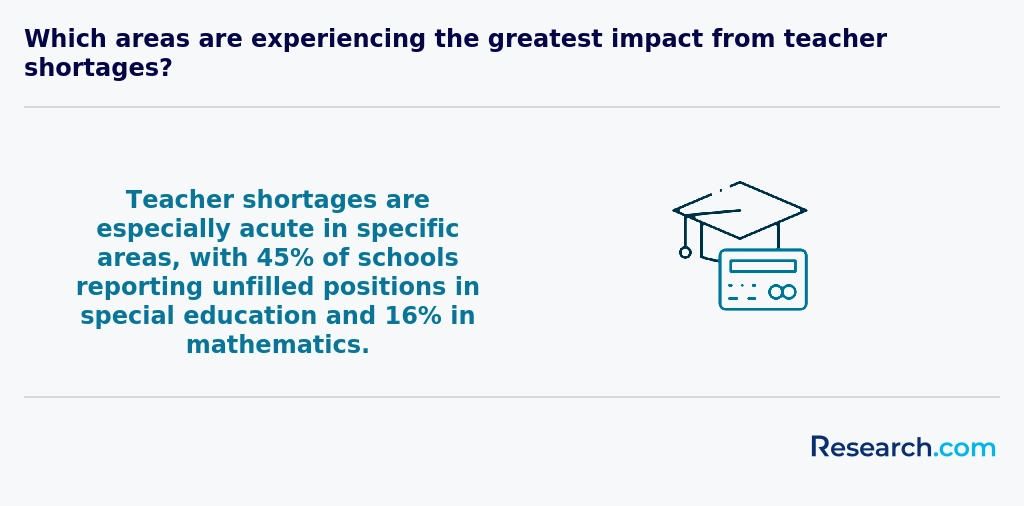
- There is steady job demand in Ames, especially for teachers in elementary, secondary, STEM, and special education fields.
- Local schools collaborate with universities to provide internships and student teaching, enhancing job opportunities for graduates.
Completing an education degree in Ames typically takes about four years for a bachelor's program, as many graduates from Iowa State University fondly recall balancing engaging coursework with hands-on field experiences by their junior year. This standard timeline offers a steady path filled with rewarding moments, like student teaching placements that bring theory to life in local schools.
Master's degrees often span one to two years if pursued full time, but many who juggle work and family appreciate part-time or online options extending up to three years or more. These flexible pathways allow students to thrive without feeling rushed, making it easier to savor milestones such as practicum successes and capstone projects.
Doctoral candidates exploring Ph.D. or Ed.D. journeys near Ames generally invest three to five years, diving deeply into research and dissertation work. The rewarding challenge of this longer, self-paced road often leads to a profound sense of accomplishment and professional growth.
Innovations like accelerated cohorts and hybrid learning models are emerging in Ames, hinting that future students might complete education degrees faster while maintaining rich practical experiences essential for licensure and career readiness.
Students in Ames, IA, not only benefit from top-tier academic programs but also thrive in a vibrant campus culture that fosters personal growth and lifelong connections. From dynamic student clubs and collaborative research initiatives to modern learning facilities, the student experience is designed to complement rigorous academic coursework. Many education degree candidates highlight campus events, peer mentoring programs, and community engagement opportunities as vital parts of their journey, enriching both their professional skills and personal lives. For instance, students often participate in educational outreach events and volunteer tutoring programs that build real-world experience while strengthening community ties. Moreover, exploring rankings and reviews from digital resources-like the insights provided by a valuable education school in iowa-can offer a comprehensive look into the supportive campus environments that set these programs apart. Emphasizing extracurricular opportunities helps prospective students understand how the overall college experience in Ames, IA, extends well beyond the classroom, preparing them not just for a career in education, but for a fulfilling and well-rounded life.
Students pursuing education degrees in Ames often experience lively campus interactions when attending Iowa State University in person. Graduates recall vibrant classroom discussions and the energizing atmosphere of education labs where hands-on practice feels immediate and engaging. The structured schedules create a dependable rhythm, helping them balance study with social and extracurricular activities.
Conversely, online learners appreciate the freedom to tailor their study times around jobs and family life, often joining courses through the Iowa Online initiative. These students enjoy the flexibility to revisit recorded lectures and complete assignments at their own pace, fostering a sense of autonomy that traditional settings might not offer. Some even mention feeling empowered by virtual study groups that connect peers across different states.
Both formats maintain strong accreditation standards, so whether immersed in campus life or learning remotely, graduates from Ames-based programs share confidence in their readiness for teaching careers. As technology advances, future education students in Ames may find even richer interactive experiences blending the best of both worlds.
To become a licensed teacher in Iowa, follow these essential steps:
- Earn a bachelor’s degree from an accredited education program.
- Complete supervised student teaching to gain practical classroom experience.
- Pass required Praxis exams (content, pedagogy, professional knowledge).
- Submit transcripts and application to the Iowa Department of Education.
- Clear a background check and fingerprinting.
- Renew your certificate every five years through professional development.
For flexible, certification-approved coursework, explore cheap online degrees that streamline your path to licensure.
The average cost of obtaining an education degree in Ames typically reflects a median total tuition of about $39,157, with in-state students paying closer to $10,787. Many graduates from Iowa State University and other local institutions describe feeling a strong sense of value in their investment, especially when considering the comprehensive education and supportive campus environment they experience. While tuition is a significant part of the equation, students often highlight the importance of recognizing living expenses and fees as part of the total tuition and fees for education degree Ames. This holistic view helps future students prepare more realistically for their educational journey.
One common observation from recent graduates is how scholarships and financial aid can substantially reduce costs, often easing what initially seems like a steep financial commitment. The positive impact these supports have on managing expenses creates an encouraging atmosphere for many pursuing teaching professions. As education evolves, so does the cost structure, but hopeful students can anticipate that institutions like Iowa State will continue to offer assistance tailored to education majors.
Many prospective students also find inspiration in envisioning their future careers, especially given the growing childhood development job outlook in the region. This outlook makes the total cost investment feel worthwhile and strategic for long-term success. Those seeking a degree in Ames can take comfort in the fact that despite evolving costs, the return remains promising and aligned with national trends and opportunities.
After earning an education degree in Ames, IA, securing your Iowa teaching license is essential for classroom practice. Follow these steps to become fully credentialed:
- Complete an approved Educator Preparation Program, including required student teaching hours.
- Pass the Praxis Core assessments (reading, writing, math) and a content-area Praxis exam.
- Submit your application, official transcripts and fee to the Iowa Board of Educational Examiners (BOEE).
- Complete fingerprinting and a criminal background check through the BOEE’s approved vendor.
- Enroll in Iowa’s TalenED induction and mentoring program during your first teaching year.
- Apply for your initial five-year teaching license and meet ongoing continuing education requirements for renewal.
This streamlined process ensures you meet state standards and enter the classroom with confidence. While education offers rewarding career stability, if you’re curious how it compares to other high-earning fields, see majors that make the most money.
Students pursuing education degrees in Ames often find financial aid options that significantly ease their journey. Graduates from Iowa State University, for instance, frequently share how completing the FAFSA unlocked access to Pell Grants, which helped reduce their loan burdens during tough semesters. Imagine balancing study with part-time work through university work-study programs that not only defray costs but also build practical teaching experience, a combination that many find empowering and motivating.
The Iowa Tuition Grant stands out for residents attending private institutions nearby, although Iowa State education majors benefit more from in-state tuition, which feels like a financial relief compared to out-of-state rates surpassing $25,000 annually. Many education students recall receiving scholarships ranging from $1,000 to $5,000, awarded annually based on merit, which sparked excitement and a renewed commitment to their teaching goals.
Programs like the Teach Iowa Scholar Program also energize students, offering financial support tied to their future contribution to Iowa's public schools. These emerging aid trends create a hopeful financial landscape for Ames education students, fostering both stability and inspiration for the path ahead.
Prospective education students in Ames, IA, should weigh not only tuition but also long-term earnings to assess the true value of their degree. On average, in-state students at public four-year institutions invest roughly $27,146 per year in cost of attendance, while private nonprofit tuition can exceed $58,628 annually. By comparison, graduates entering roles such as ESL Teachers earn a mean annual wage of $63,130, translating to a typical payback period of just under three years for public program attendees. Instructional Designers, with a mean annual wage of $73,080, often recoup their investment in under two years. For students seeking more budget-friendly alternatives or flexible schedules, online programs can offer competitive ROI. Many find that reduced living expenses and lower per-credit costs accelerate their return, especially when balanced against strong job market demand. Prospective learners may also explore our Affordable Online Education Degree Programs Ranking in Georgia, which highlights cost-effective pathways that rival traditional on-campus offerings in both affordability and career outcomes. Ultimately, calculating ROI involves:
- Estimating total program costs (tuition, fees, materials)
- Projecting starting salaries based on career path data
- Comparing time to recoup costs against personal financial goals By conducting this simple ROI analysis, students can make data-driven decisions that align educational aspirations with long-term financial well-being.
To enroll in an education degree program in Ames, applicants typically need a high school diploma or equivalent, such as a GED, to start at the associate's or bachelor's level. Graduates from popular Ames institutions often share how submitting recommendation letters and personal statements helped highlight their passion for teaching, making a genuine impression on admissions committees.
Many programs still request SAT or ACT scores, though some colleges in Ames have embraced test-optional policies, reflecting a flexible and evolving admissions landscape. For those pursuing master's degrees, having an accredited undergraduate degree is essential, alongside possible GRE requirements depending on the university.
Imagine a student at a well-known Ames college preparing their application by gathering background check documentation and immunization records-requirements that ensure classroom safety and compliance with state laws. Maintaining a GPA around 2.5 to 3.0 remains common, but prior volunteering or educational work experience can truly set applicants apart by demonstrating commitment.
As these prerequisites continue to evolve, future education students in Ames might benefit from digital portfolios or virtual interviews, making the application process more interactive and personal than ever before.

Becoming a licensed teacher in Ames requires meeting state education and testing standards. Follow these core steps to ensure your degree leads directly to the classroom:
- Complete an accredited educator preparation program (undergraduate or master’s) with required coursework and supervised practicum. Many students choose a self paced online college that is approved for Iowa licensure.
- Pass the Praxis Series exams:
- Praxis Core Academic Skills (reading, writing, math)
- Praxis Subject Assessments for your teaching field
- Apply to the Iowa Board of Educational Examiners:
- Submit official transcripts and test scores
- Complete a criminal background check
- Pay the application fee
- Receive your Initial License (valid five years) and complete a mentored teaching year.
- Advance to the Standard License by documenting professional development or earning a master’s degree.
Understanding and following these requirements early in your degree program ensures a smooth transition from student teaching to a full teaching license in Iowa.
Education degree programs in Ames, particularly at Iowa State University, typically include a mix of foundational and specialized courses designed to prepare students for dynamic classrooms. Graduates often recall diving into Foundations of Education, where they explored the history and philosophy of teaching through engaging discussions and real-world case studies. Many found the Educational Psychology classes insightful, helping them understand how children develop cognitively and socially, which made their later teaching experiences more rewarding.
Instructional Methods courses frequently offered hands-on opportunities to design lesson plans and practice delivery, boosting confidence before stepping into real classrooms. Students recall that Classroom Management classes helped them envision creating positive, inclusive learning environments. Through Assessment and Evaluation, they learned to interpret tests and assignments effectively, making academic support more tailored and meaningful.
Also notable are courses in Special Education and Technology in Education, which prepare future teachers to meet diverse needs and integrate digital tools smoothly, reflecting the tech-forward spirit of Ames classrooms. These experiences combine theory with practical application, fostering enthusiasm and readiness among education majors.
Education degree specializations in Ames typically include Elementary Education, Secondary Education, and Special Education, reflecting the broad spectrum of teaching roles graduates can pursue. At institutions like Iowa State University, students often share how focusing on Elementary Education helped them build strong foundational teaching skills while connecting deeply with younger children's learning journeys. Secondary Education students frequently choose content areas such as math or science, preparing to inspire curiosity in middle and high school classrooms.
Graduates with a specialization in Special Education recount rewarding experiences supporting diverse learners with disabilities, highlighting Ames's commitment to inclusive education. The best education programs Ames IA also offer emerging tracks like Educational Leadership and Instructional Technology, preparing future educators to lead schools or integrate advanced tech into lessons.
Many students imagine their futures confidently after pursuing pathways like English as a Second Language or Curriculum and Instruction, reflecting evolving classroom demographics. Those curious about educational careers might explore how to become a teacher in oklahoma for additional perspectives on training and career steps.
Choosing the best education degree programs in Ames means envisioning how your education journey aligns with your future ambitions. Graduates from Iowa State University often share how the mix of practical student teaching and strong licensure preparation made their transition into classrooms seamless and rewarding. Many appreciate how affordable education degrees Ames 2027 options, like those offered locally, reduce financial stress, allowing deeper focus on mastering teaching skills.
Consider programs that adapt to emerging trends such as hybrid or online models, making balancing work and life easier. For example, some students combine part-time study with career responsibilities, experiencing positive growth both personally and professionally. Others explore interdisciplinary paths, sometimes complementing their education degree with tech skills or special education emphasis.
Emerging educators increasingly value support networks that connect them with local schools. This real-world exposure boosts confidence and readiness, vital in a field where adaptability matters. For those seeking innovative alternatives, exploring an online master's in speech pathology with lowtuition can also open new doors within education, reflecting future-forward thinking in Ames' educational landscape.
Graduates with an education degree in Ames discover a diverse range of career paths fueled by the city's strong ties to Iowa State University and local districts. Many find rewarding positions as licensed teachers in K-12 settings, especially in high-demand areas like math, science, and special education. One graduate shared how their education degree career options in Ames expanded beyond teaching to include roles such as school counselors and academic advisors, where they actively support students' personal growth.
Others leverage their skills in educational administration or curriculum development, shaping future learning experiences across the community. With the rise of new educational technologies, careers in training and development within corporate or nonprofit sectors also appeal to those seeking dynamic environments. A graduate from a local college emphasized the excitement of combining traditional teaching skills with innovative methods.
For those curious about specific teaching jobs with education degree Ames opportunities, more information is available here.

The job market for graduates with an education degree in Ames remains promising, driven by steady demand in local public schools and expanding educational programs at Iowa State University. Graduates often find rewarding roles as teachers, administrators, or specialists in emerging areas like STEM education and special education. Many recent graduates describe a positive experience transitioning from university classrooms to Ames Community School District classrooms, where growing student enrollment translates into increasing job stability. This climate encourages students to pursue advanced certifications, enhancing their employability and earning potential in the region's thriving education sector.
For those considering what career paths await with an education degree in Ames, opportunities extend beyond traditional teaching positions. Programs centered on educational technology and curriculum development are growing, supported by local investment in robust learning environments. Students appreciate how their degrees open doors to diverse roles, including adult and continuing education. Exploring what can you do with a teaching degree offers a clear view of these exciting options.
Future trends suggest that as Ames focuses on improving educational quality and responding to demographic shifts, the teaching career outlook Ames Iowa will continue to brighten. Graduates foresee a community eager for innovative educators ready to make a meaningful impact, making Ames an encouraging place to begin and grow a teaching career.
2027 Most Valuable Education Degree Programs Ranking in Ames
Investing in your education is a significant decision that can shape your future, and the Research.com team understands the importance of making informed choices. To assist prospective students in Ames, we have meticulously developed the "2027 Most Valuable Education Degree Programs Ranking in Ames." Our commitment to quality, credibility, and accuracy is demonstrated through the thorough research and analysis conducted to ensure the ranking's reliability.
We utilized the following reputable data sources to create a comprehensive and trustworthy ranking:
By exploring this ranking, readers will obtain valuable insights into the most valuable education degree programs available in Ames, empowering them to make well-informed decisions about their educational investments. For more information on how this ranking was created, please visit our Research.com methodology page.

Frequently Asked Questions About education
Education degree students in Ames can maximize their learning experience by actively engaging in fieldwork and practicum opportunities offered through local schools. Iowa State University, the primary institution in Ames, emphasizes hands-on teaching practice, allowing students to apply theory in real classrooms early in their programs. According to the Iowa Department of Education, students who complete extensive student-teaching placements tend to achieve higher job placement rates after graduation.
Additionally, joining education-related student organizations and attending workshops enhances networking with experienced educators and peers. Utilizing campus resources like tutoring centers and academic advising also supports academic success.
Emerging niches within the education field in Ames reflect broader trends in the US and local demands. One notable area is educational technology, where specialists focus on integrating digital tools into classrooms to enhance learning outcomes. This niche is growing rapidly due to increased technology use in Iowa schools.
Another key niche is special education, with rising needs for educators trained in supporting diverse learners. According to the Iowa Department of Education, enrollment in special education programs in Ames has increased by 8% over the past five years.
Additionally, culturally responsive teaching is gaining attention, preparing educators to effectively serve increasingly diverse student populations. Graduate programs at Iowa State University offer focused tracks on these emerging areas, keeping pace with local educational priorities.
Preparing for the job market after completing an education degree in Ames involves strategic planning and networking. Graduates should utilize resources offered by local institutions like Iowa State University's Career Services, which reports that approximately 78% of education graduates secure employment within six months of graduation.
Building strong connections through internships or student teaching placements in Ames-area schools can significantly improve job prospects. Participating in professional organizations such as the Iowa State Education Association also helps graduates stay updated on job openings and industry trends.
Additionally, obtaining relevant state certification and continuing professional development are critical steps. According to the Iowa Department of Education, certified teachers in Ames typically enjoy higher employment rates and starting salaries.
Employers in Ames value education degree graduates who demonstrate strong communication and classroom management skills. According to the Iowa Department of Education, effective verbal and written communication is essential for fostering student engagement and collaboration.
Analytical skills are also crucial, as teachers must adapt lesson plans based on student performance data. The Iowa Workforce Development highlights that problem-solving abilities and adaptability are in high demand among local school districts.
Additionally, proficiency in educational technology is increasingly important, with 78% of Ames schools integrating digital tools into teaching, per recent district reports.
Finally, understanding diverse learning needs and cultural competence are key skills sought to support inclusive classrooms effectively.
Finding internships in Ames relevant to an education degree involves leveraging local resources and institutions. Iowa State University, the primary higher education institution in Ames, offers strong partnerships with local schools for student teaching internships. These opportunities are often listed through the university's College of Education and Career Services. Additionally, the Ames Community School District regularly collaborates with education students for classroom experience.
Students should also explore connections with nearby nonprofit organizations focused on youth development and education. Utilizing online platforms such as Handshake, which serves Iowa State students, can provide access to internships specifically targeted at education majors.
In Ames, earning an education degree significantly enhances career mobility and advancement opportunities. According to the Iowa Department of Education, professionals with advanced education credentials often secure higher-level positions such as curriculum specialists, school administrators, or district coordinators. These roles typically offer higher salaries and greater responsibilities compared to entry-level teaching jobs.
Data from Iowa State University, a major institution in Ames, shows that graduates with education degrees have a 15% higher likelihood of promotion within five years. Employers in Ames value candidates with specialized knowledge in educational technology and leadership, skills often gained through advanced degree programs.
The regional job market, reported by the U.S. Bureau of Labor Statistics, highlights steady growth in educational roles requiring formal degrees, underlining the role of education credentials in career progression locally.
Studying for an education degree in Ames equips students with skills that cross traditional academic boundaries. Programs often incorporate coursework in psychology, sociology, and communication, vital for understanding diverse classroom environments. According to Iowa State University's College of Human Sciences, their education degrees emphasize collaboration across fields to address complex educational challenges.
Students engage in practical experiences within schools and community settings, fostering problem-solving and adaptability. This hands-on approach reflects the growing need for educators who work alongside professionals in health, technology, and social services.
Data from the Iowa Department of Education highlights that graduates from Ames institutions excel in roles requiring interdisciplinary knowledge, preparing them well for careers beyond conventional teaching.
Choosing between a thesis and a non-thesis education degree program in Ames depends largely on your career goals and interests. Thesis programs focus on original research, requiring a written dissertation. This path suits students aiming for academic or research careers, or who plan to continue to doctoral studies.
Non-thesis programs emphasize coursework and practical skills. They are often preferred by professionals seeking to advance in teaching or administrative roles without engaging in extensive research.
According to the Iowa State University Graduate College, about 40% of education master's students in Ames enroll in thesis options, reflecting a strong research culture but also robust practical training programs.
Consider how much time you can commit, your interest in research, and your future plans when deciding between these paths.
Students based in Ames seeking to study education abroad have several options primarily facilitated by Iowa State University, the region's leading institution. Iowa State offers exchange programs and partnerships with universities across Europe, Asia, and Latin America, allowing education students to gain international perspectives while earning credits toward their degrees.
According to Iowa State's Study Abroad Office, about 10% of education majors participate in such programs, including placements in countries like Ireland, Spain, and Japan. These opportunities are typically semester-long but can also include summer sessions focused on global education issues.
Additionally, students may pursue education-focused fellowships or internships abroad sponsored by organizations such as the Fulbright Program or the Council for International Exchange of Scholars, which provide funding and placements worldwide.
In Ames, part-time job opportunities that complement education degree studies often focus on practical experience within schools and community programs. Many education students find work as teacher assistants or substitute teachers in local public schools, gaining valuable classroom management skills and firsthand instructional experience.
Ames is home to several early childhood centers and after-school programs that frequently hire education students for tutoring and childcare roles. These positions develop communication and lesson-planning abilities crucial for future educators.
Additionally, Iowa State University in Ames offers campus roles such as instructional aides or peer mentors, providing relevant exposure to educational support roles. According to Iowa Department of Education data, such experiences can increase employment prospects in teaching after graduation.
Education students in Ames benefit from multiple networking opportunities that connect them with local schools, educational professionals, and alumni. Iowa State University, the city's main higher education institution, offers various student organizations and education-focused events where students engage with peers and faculty in meaningful ways.
Field experiences and internships within Ames Community School District provide direct interaction with experienced educators, enabling practical networking. According to Iowa State's College of Education, over 90% of education students participate in internships or student teaching, enhancing professional connections.
Additionally, education students can attend workshops, career fairs, and seminars hosted both by the university and local education agencies. These events often include recruiters and school administrators actively seeking future educators in the Ames area.
Alumni networks play a crucial role for education degree students in Ames by providing access to mentorship and career opportunities. Graduates from institutions like Iowa State University often benefit from these connections, as alumni actively engage in professional development events and job placement programs.
Research indicates that networking through alumni groups can increase job placement rates by up to 25% in education fields nationally. In Ames, collaborative initiatives between recent graduates and experienced teachers help new educators navigate classroom challenges and advance their careers.
Additionally, alumni networks offer forums for sharing resources, facilitating continuous learning essential for educators in a changing academic environment.
In Ames, customizing an education degree program to match your career goals involves selecting specialized tracks and elective courses aligned with your interests. Many local institutions offer options such as special education, curriculum development, or educational technology, allowing students to focus on areas in demand nationwide. For example, Iowa State University, a prominent institution in Ames, provides diverse education majors and minors that suit various teaching careers.
Students can further tailor their programs by participating in internships within the Ames Community School District, gaining practical experience. According to the National Center for Education Statistics, programs emphasizing hands-on learning improve job readiness significantly.
Additionally, pursuing certifications like ESL or reading specialist credentials, often available through Ames schools, can enhance career prospects and allow educators to work in specialized settings.
Education students in Ames often face challenges related to balancing rigorous coursework with practical field experiences. Many programs require extensive classroom instruction alongside student teaching placements, which can be time-consuming and stressful.
Financial concerns also rank high, as tuition and living costs in Ames, while generally moderate, still pose barriers for some students. According to the Iowa Board of Regents, education majors often carry average debt loads similar to state averages, around $30,000 at graduation.
Another common issue is adapting to diverse classroom environments. Ames schools emphasize inclusion and special education, requiring future teachers to develop skills in managing varied student needs and cultural backgrounds, as noted in Iowa's Department of Education reports.
With an education degree, you can pursue several professional certifications that enhance your teaching credentials and career opportunities in Ames and beyond. The most common is the state-issued teaching license, required for K-12 public school teachers in Iowa. Additional certifications include endorsements in special education, English as a Second Language (ESL), and content-area specialties such as math or science.
Many educators also seek National Board Certification, a voluntary, advanced teaching credential that demonstrates expertise and commitment. According to the Iowa Department of Education, holding such certifications can lead to salary increases and leadership roles within schools.
Other options include administrator licenses for those interested in school leadership positions, like principal or curriculum director. These certifications often require additional coursework and examinations.
Writing a winning application for an education program in Ames begins with thorough research. Iowa State University, the primary institution offering education degrees in Ames, emphasizes academic excellence and community engagement. Applicants should present strong undergraduate GPA records, ideally above 3.0, to meet competitive standards reported by ISU admissions data.
Personal statements must clearly articulate your passion for education and how you plan to contribute to schools in Iowa. Including relevant volunteer or teaching experience strengthens your profile. Recommendations from professors or education professionals are also essential.
Lastly, prepare for any required standardized tests like the GRE or Praxis, ensuring your scores meet or exceed program averages, often provided on university websites.
Education careers in the United States are increasingly viewed through a global lens, reflecting diverse teaching methods and cross-cultural competencies. In Ames, educators are encouraged to adopt global perspectives to prepare students for a connected world. The U.S. Department of Education highlights that teachers with international awareness tend to improve critical thinking and foster inclusivity.
According to the National Center for Education Statistics, about 70% of education degree graduates in Iowa, including Ames, pursue licensure that supports diverse classroom environments. This aligns with global trends emphasizing multicultural understanding and technological integration.
Experts note that embracing global educational frameworks can open opportunities in comparative education, international schools, and policy development worldwide, enhancing career flexibility for Ames graduates.
Students pursuing education degrees in Ames can gain practical experience through local school partnerships and fieldwork placements. Many programs require supervised student teaching, often arranged with Ames Community Schools or nearby districts. These placements provide real classroom exposure under the mentorship of experienced educators.
Additionally, some Ames institutions offer volunteer opportunities and internships within community education centers, allowing students to develop classroom management and lesson planning skills. According to Iowa Department of Education data, over 90% of teacher candidates in Iowa complete field experiences before graduating, ensuring readiness for professional roles.
Local workshops and education-focused events also support skill development outside formal coursework.
Choosing the right concentration within an education degree program in Ames involves assessing your career goals and interests in specific teaching or administrative fields. Popular concentrations often include early childhood education, special education, and educational leadership. According to data from Iowa State University, located in Ames, early childhood education remains in high demand statewide, reflecting nationwide trends.
Consider job placement rates and licensure requirements in Iowa. For example, special education teachers earn an average of 10% more than general educators, according to the Bureau of Labor Statistics, and have strong employment prospects locally. Research local school districts' needs to better align your concentration with regional demand.
Visiting academic advisors at Ames institutions can clarify state certification pathways and help match your concentration with your strengths and interests.
- 2027 Most Valuable Education Degree Programs Ranking in Minneapolis
- 2027 Most Valuable Education Degree Programs Ranking in River Forest
- 2027 Most Valuable Education Degree Programs Ranking in Chicago
- 2027 Most Valuable Education Degree Programs Ranking in Indianapolis
- 2027 Most Valuable Education Degree Programs Ranking in Cincinnati
- 2027 Most Valuable Education Degree Programs Ranking in Columbus
- 2027 Most Valuable Education Degree Programs Ranking in Denver
- 2027 Most Valuable Education Degree Programs Ranking in Cleveland
- 2027 Most Valuable Education Degree Programs Ranking in Colorado Springs
- 2027 Most Valuable Education Degree Programs Ranking in Erie
See What Experts Have To Say About Studying Education
Read our interview with Education experts

Nooshan Ashtari
Education Expert
Professor & Book Author
University of Southern California

Alan J. Singer
Education Expert
Professor of Teaching, Learning and Technology
Hofstra University

- An Overview of Specialization Options in Education Degrees https://www.euroeducation.net/articles/an-overview-of-specialization-options-in-education-degrees.htm
- ACU Price List | AMES Christian University https://ameschristian.net/price-list/
- Practical Learning: Real-World Experience https://www.studiumalliance.com/post/how-practical-experience-enhances-learning
- Master's Degree: How Long Does It Take? | Teacher's Guide https://creditsforteachers.com/masters-degree-how-long-does-it-take-a-complete-guide-for-teachers/
- About Us https://amescsd.org/district/about/
- AMES https://www.ames-slc.org/course-selection
- Teaching Job Roles | Teach For Life https://www.teachforlife.com/teachingjobs/global-perspectives-teacher
- Skills Employers Look for in Business Graduates – EU Business School https://www.euruni.edu/blog/skills-employers-look-for-in-business-graduates/
- Career & Technical Education https://ahs.amescsd.org/course-information-planning/courses-offered/career-amp-technical-education/
- Finding Networking Opportunities as a Student | National Society of High School Scholars https://www.nshss.org/resources/blog/blog-posts/how-to-find-networking-opportunities-as-a-student/


