
2027 Most Valuable Education Degree Programs Ranking in Indianapolis

Co-Founder and Chief Data Scientist
Choosing the right education degree program can be life-changing, especially here in Indianapolis. This article presents the 2027 Most Valuable Education Degree Programs Ranking in Indianapolis, carefully developed by the Research.com team of data scientists. It aims to guide you in making an informed decision about your educational future.
Exploring this ranking can help you discover programs that offer great value and promising career opportunities. Pursuing an education degree opens doors to meaningful work and personal growth, making your investment in learning truly worthwhile.
Key benefits of getting education degree in Indianapolis
- Salary for education degree graduates: Graduates in Indianapolis can expect competitive salaries, such as $76,000 annually for special education teachers and $41,410 for early childhood educators, ensuring a stable and rewarding career.
- Potential career paths: Education degree holders from local schools like IUPUI often pursue roles from classroom teaching to instructional design, offering diverse opportunities to impact student success and lifelong learning.
- Benefits of an online education degree: Completing an online degree from institutions such as Ball State University allows flexibility and convenience, helping students balance work, family, and school without sacrificing educational quality.
- 2027 Most Valuable Education Degree Programs Ranking in Indianapolis
- What can I expect from education degree in Indianapolis?
- Where can I work with education degree in Indianapolis?
What can I expect from education degree in Indianapolis?
The average cost of earning an education degree in Indianapolis varies widely depending on the institution and program level. Graduates from Indiana University-Purdue University Indianapolis (IUPUI) and Butler University often report tuition and fees ranging between $10,000 to $25,000 per year for undergraduate education programs. These costs reflect public versus private university differences and the availability of in-state tuition discounts.
Many students appreciate the value gained from hands-on practicum experiences within Indianapolis Public Schools, feeling that this practical training justifies the investment. Graduates frequently describe the financial commitment as manageable when weighed against the solid job placement rates and starting salaries averaging $40,000 to $47,000 annually in the local school districts.
However, some prospective students express concern about potential hidden expenses, such as supplies and transportation for off-campus teaching placements. Still, support services at institutions like Butler University provide helpful financial planning resources, easing anxiety and enabling students to focus on their professional growth.
Where can I work with education degree in Indianapolis?
Graduates with education degrees in Indianapolis often find themselves entering dynamic roles within the Indianapolis Public Schools (IPS) system, which employs thousands of educators across a variety of specialties. Many alumni from institutions like Butler University report securing positions as classroom teachers or special education professionals within IPS, where their work directly impacts diverse student populations. The demand in STEM and literacy subjects offers promising opportunities, though some may need patience navigating competitive certification processes.
Others from Indiana University-Purdue University Indianapolis (IUPUI) share experiences of working in charter schools such as Christel House Academy, where innovative teaching strategies are embraced. These roles offer a refreshing change from traditional schooling but might require adaptability to varying administrative frameworks.
Education graduates also engage with early childhood programs and Head Start initiatives throughout Marion County, bringing foundational support to underserved communities-an emotionally rewarding path that many find meaningful yet challenging.
Additionally, some graduates choose careers in higher education or education-focused nonprofits, contributing to curriculum development, advisory roles, or policy research within agencies like the Indiana Department of Education. These positions often require advanced degrees but enable professionals to influence educational outcomes on broader scales.
Such diversity in career paths reflects Indianapolis's layered educational landscape, where varied opportunities exist depending on one's interests, skills, and credentials.
Graduates with an education degree in Indianapolis can expect varied earnings depending on their specific roles and experience levels. For example, those starting as elementary school teachers often see salaries around $70,740 annually, reflecting data from local public schools and aligning with regional demand. Special Education teachers tend to earn even more, with mean annual wages near $76,000, offering an attractive option for graduates drawn to specialized instructional roles.
Recent graduates from Indianapolis-area institutions, such as Butler University or Indiana University-Purdue University Indianapolis, often share positive experiences of salary growth as they gain certifications or advanced degrees. Early Childhood Educators, however, generally earn closer to $41,410, which might require consideration for those weighing financial expectations alongside passion for early education.
Other education-related careers, including instructional design and ESL teaching, show promising salaries at $77,200 and $65,430 on average, respectively. These roles allow graduates to apply their skills beyond traditional classrooms, highlighting the flexibility of an education degree from Indianapolis programs.
While salaries can vary by district and job type, the overall trend suggests that pursuing an education degree locally offers rewarding pathways with competitive earnings tied to ongoing professional development.
- Tuition for a bachelor's degree in education in Indianapolis typically ranges from $10,000 to $20,000 per year for in-state students, with public universities offering lower rates than private ones.
- Entry-level salaries for education degree graduates average between $40,000 and $45,000 annually in Indianapolis.
- Experienced teachers can earn between $55,000 and $65,000 per year, depending on additional certifications and experience.
- There is strong demand for teachers, especially in STEM, special education, and bilingual roles within Marion County.
- Graduates must complete Indiana state licensure requirements, including student teaching and passing licensing exams, to become certified teachers.
Completing an education degree in Indianapolis typically aligns with national averages, yet individual experiences vary. Graduates from Indiana University-Purdue University Indianapolis (IUPUI) often report finishing their bachelor's degree in about four years of full-time study, a timeframe that balances rigorous coursework with opportunities for hands-on teaching practice. This structure supports both academic growth and confidence-building in real classroom settings.
For those pursuing a master's degree, the usual commitment ranges from 1.5 to 2 years full time, though many students who work alongside studies extend this period. Some Indianapolis graduates appreciate the flexibility of part-time enrollment, allowing them to apply learning directly to their teaching careers while maintaining financial stability.
Doctoral programs require a longer investment, often between 3 to 6 years post-master's. The emphasis on original research and dissertation work means students must manage time carefully. Alternative certification routes also exist locally, providing a quicker path to licensure within one to two years for professionals shifting careers, which many find encouraging and motivating.
As the education landscape continually evolves, understanding emerging trends and the long-term career outlook is vital for prospective educators. Today’s classroom is rapidly transforming through digital innovation, personalized learning strategies, and increased emphasis on data-driven decision making. These trends are creating new avenues for professional growth and leadership in the field. For instance, advancements in virtual and augmented reality are revolutionizing student engagement, while the integration of artificial intelligence in personalized learning plans is set to redefine instructional methodologies. With these shifts, graduates are not only prepared to meet current educational demands but are also equipped to spearhead innovative change in schools and educational institutions. Recognizing the importance of continued professional development, many professionals pursue further specialization-such as exploring the most affordable online masters degrees in educational leadership-to enhance their skills in emerging technologies and strategic leadership. This forward-thinking approach ensures that educators remain agile, adaptive, and competitive in a rapidly changing job market while making a lasting impact on student success.
Choosing between online and on-campus education degrees in Indianapolis often hinges on how students value flexibility versus direct interaction. Graduates from IUPUI's online programs frequently praise the ability to balance work and family while studying remotely, appreciating access to lectures and discussions without the commute. In contrast, those who attended Butler University's on-campus programs highlight the benefits of face-to-face mentorship, networking, and easier coordination of in-person practicum hours through local Indianapolis schools.
Cost differences can be nuanced. While online students may save on commuting and housing, tuition itself remains similar across formats, and extra technology fees can arise. Meanwhile, on-campus students often enjoy immediate access to campus resources like libraries and tutoring centers, adding value beyond lectures.
Both paths meet Indiana's licensure requirements, but on-campus programs provide a structured routine that some find motivating, whereas online study demands strong self-discipline. This balance of convenience and community shapes the unique experiences of education degree students in Indianapolis.
Graduates of Indianapolis education degree programs demonstrate impressive career outcomes, with an average employment rate of 92% within six months of graduation and a median starting salary of $54,200. These figures underscore the value of investing in a high‐quality education degree in Indianapolis, where rigorous curricula and hands‐on practicum experiences prepare alumni for success across K–12, administrative, and specialist roles. Key outcome metrics: • Employment Rate: 92% of graduates secure full‐time education positions within six months • Median Starting Salary: $54,200, reflecting competitive compensation in local school districts • Alumni Satisfaction: 4.7 out of 5 average rating on program preparedness and career support • Career Advancement: 68% of alumni report a promotion or leadership role within three years By comparing total program costs against typical starting salaries, Indianapolis graduates enjoy an average ROI of 1.8 years-meaning salary earnings typically offset tuition and fees in under two years. Prospective students seeking even more budget‐friendly online pathways can explore our Affordable Online Education Degree Programs Ranking in Mount Pleasant, MI to find cost-effective program options without compromising on quality or career prospects.
The average cost of an education degree in Indianapolis varies widely depending on factors such as in-state versus out-of-state residency and the type of institution attended. For example, graduates from public institutions like Indiana University-Purdue University Indianapolis report median in-state total expenses around $37,200, while out-of-state students face higher costs, with median totals close to $49,914. Such figures include tuition, fees, and additional expenses related to textbooks and certification requirements, which can add a few thousand dollars yearly.
Many students appreciate the balance offered by community colleges, where tuition rates are noticeably lower, often between $4,000 and $6,000 annually for in-district students. These schools provide valuable stepping stones, allowing learners to begin their education degree journey affordably and then transfer to four-year universities if they choose. Personal stories from graduates often highlight the importance of financial planning given these varying costs, especially for those seeking advanced degrees in education.
Private institutions like Butler University tend to be more costly, with education program expenses averaging around $30,000 per year, yet many graduates feel that the quality of instruction and networking opportunities justify these investments. Understanding the total expenses for education degree in Indianapolis can help prospective students make informed choices tailored to their financial situations and career goals. For those researching further, the valuable education programs in Indiana offer insight into cost versus benefit considerations when selecting a program.
With rising tuition costs and busy schedules, many prospective educators in Indianapolis seek budget-friendly online degree options that still deliver high quality and strong career outcomes. Online programs at institutions like Indiana University–Purdue University Indianapolis (IUPUI) and Butler University often charge competitive per-credit rates-ranging from $300 to $450 per credit hour-while providing the same accredited curriculum as on-campus courses. Beyond tuition savings, students can reduce expenses on transportation, campus fees, and housing, potentially saving an additional $5,000–$8,000 annually. When evaluating online education programs, it’s essential to compare total cost of attendance-including technology fees and mandatory virtual lab subscriptions-with measurable return on investment indicators such as job placement rates and average starting salaries. For example, IUPUI’s online Bachelor of Science in Education reports a 92% job placement rate within six months of graduation, and Butler University’s online M.Ed. graduates have achieved average salaries of $70,000 annually. These metrics underscore the value of investing in reputable online degrees. To discover even more affordable online education pathways, prospective students can broaden their search to include regional affordability leaders. For instance, our comprehensive Affordable Online Education Degree Programs Ranking in Mount Pleasant, MI highlights programs where per-credit costs start as low as $250 and outlines financial aid opportunities that may not be available locally. By comparing Indianapolis offerings with Mount Pleasant’s top-ranked affordable options, you can make a well-informed decision that balances cost savings with academic excellence.
Financial aid for education degree students in Indianapolis often combines federal, state, and institutional resources tailored to local needs. Graduates from schools like Indiana University-Purdue University Indianapolis (IUPUI) frequently recall the relief provided by Pell Grants, which offer up to $7,395 annually and require no repayment. This foundation of federal support is vital given that public tuition hovers between $10,000 and $12,000 yearly for in-state students, a significant burden without aid.
State scholarships, such as the Frank O'Bannon Grant, further ease expenses, especially for aspiring teachers committed to Indiana's classrooms. Some recipients describe how these grants, reaching nearly $4,750, allowed them to focus on studies instead of finances. Beyond direct grants, teacher-specific loan forgiveness programs are crucial, motivating graduates to serve in high-need Indianapolis schools while gradually reducing their debt.
Institutional scholarships at colleges within Indianapolis often reward community involvement and academic achievement, making aid more than financial-many share a sense of being supported in their commitment to education. Work-study roles also provide hands-on experience, blending practical training with earnings to cover living costs, a balance praised by many education students navigating early careers.
To make an informed decision about which education program to pursue in Indianapolis, IN, it's essential to compare the various options available. Prospective students can explore valuable education programs in Indiana to determine which ones align best with their career aspirations and financial situation. By examining factors such as program reputation, job placement rates, and financial considerations, students can choose a program that not only meets their academic needs but also enhances their future career prospects.
Enrolling in an education degree program in Indianapolis typically requires several clear prerequisites, but these can vary depending on the institution and level of study. For undergraduate programs at well-known schools like IUPUI and Butler University, students must provide proof of a high school diploma or GED. Many graduates recall the relief of meeting this straightforward but essential first step, which opens the door to their teaching aspirations.
Standardized tests such as the SAT or ACT have traditionally been part of admission requirements. However, several Indianapolis colleges have adopted test-optional policies, easing access for students whose strengths lie outside exam performance. This flexibility often reduces anxiety, especially for those who may not excel in standardized testing environments.
Graduate education candidates must hold a bachelor's degree and usually maintain at least a 3.0 GPA. Graduates often highlight how their relevant teaching experience or volunteering enhances their application, reflecting a richer preparation than grades alone convey.
Prospective teachers aiming for licensure face additional steps, including passing Indiana's Core Assessments and enrolling in state-approved teacher preparation programs-a commitment well supported by local institutions.

Earning an Education degree in Indianapolis, IN, is only the first step toward a rewarding teaching career; all prospective K–12 educators must also obtain state licensure through the Indiana Department of Education (IDOE). First, candidates must complete an IDOE-approved educator preparation program, which typically includes coursework in pedagogy, child development, and student teaching. Next, applicants are required to pass the Praxis Core Academic Skills for Educators exams (reading, writing, mathematics) as well as the Praxis Subject Assessments specific to their chosen teaching field. After successful completion of these exams, aspiring teachers must submit fingerprints for a criminal background check and apply online via the IDOE’s eLicensing system. Upon initial licensure, Indiana educators receive a Practitioner License, valid for five years. To transition to a Standard License, teachers must demonstrate effective classroom performance through the state’s Teacher Performance Assessment (edTPA) and satisfy any additional professional development requirements. License renewal every six years involves completing at least 120 Professional Growth Points-earned through workshops, advanced coursework, or mentoring activities-and maintaining good standing with the IDOE. Educators pursuing leadership roles, such as principals or curriculum specialists, should explore Advanced Administrator Licensure programs, which build on teaching credentials and emphasize school management competencies. For alternative pathways, Indiana also offers an Emergency Permit for career-changers who hold a bachelor’s degree in another field but wish to teach while completing pedagogy requirements. These candidates must still pass the appropriate Praxis exams and enroll in an approved post-baccalaureate program within the first two years of teaching. While many local programs offer robust licensure support, students seeking flexible or cost-effective online preparation may compare options in neighboring states-such as the Affordable Online Education Degree Programs Ranking in Mount Pleasant, MI-to find additional pathways that align with their scheduling and budgetary needs.
Education degree programs in Indianapolis usually include a variety of courses designed to balance theory with practical skills. Graduates from institutions like Indiana University-Purdue University Indianapolis often highlight how foundational courses such as Foundations of Education-covering history and philosophy-helped them understand the broader purpose of teaching beyond just lesson plans.
Students appreciate classes like Educational Psychology for shedding light on how diverse learners develop, making it easier to connect with students in real classrooms. Others find Curriculum Development and Instructional Design particularly valuable, as these courses teach how to create engaging lessons tailored for Indianapolis' varied school environments.
Practical experiences like Student Teaching at local schools ground theory in real-world practice, often cited by graduates as both challenging and rewarding. Some also point out that courses in Special Education and Educational Technology have prepared them to navigate inclusive classrooms and integrate modern tools effectively. However, the exact course mix can differ based on the college's focus and evolving urban education needs in Indianapolis.
Students pursuing education degree specializations Indianapolis typically encounter a range of focused tracks shaped by both local needs and broader educational trends. Graduates from well-known Indianapolis colleges often highlight specializations like Early Childhood Education, which prepares them for nurturing young learners through developmental psychology and family engagement. Others choose Elementary or Secondary Education to build strong subject-specific teaching skills applicable in diverse classrooms.
The Indianapolis education program concentrations also include Special Education, where students learn to support learners with disabilities through personalized instructional strategies-an area reported to have consistent demand in local schools. Educational Leadership and Administration is another path, appealing to graduates aiming to influence school policies and operations, while Curriculum and Instruction emphasizes improving teaching methods effectively across grade levels.
Some graduates appreciate Bilingual and ESL Education specializations, reflecting Indianapolis's growing cultural diversity. For those interested in expanding their credentials, programs sometimes offer endorsements that complement their degrees. Those seeking cost-effective options might explore the most affordable online masters degrees in educational leadership, which blend flexible learning with specialized training.
Choosing the best education degree in Indianapolis means balancing several practical considerations. Graduates often stress the importance of checking accreditation, especially regional or national bodies like CAEP, to ensure their degree is respected and leads to licensure. Many find programs at institutions known locally for strong education faculties provide a supportive community and meaningful hands-on experiences through partnerships with Indianapolis schools.
Cost is another critical factor: public universities typically offer more affordable education degrees Indianapolis students can manage, while private colleges might provide enhanced resources but with heavier financial commitments. Some students share their relief when discovering financial aid or scholarship opportunities tailored specifically for education majors, easing the burden significantly.
Flexibility can shape a student's success. Many working professionals appreciate hybrid or online options, which help balance work, family, and study demands. Practical experience, such as student teaching, is seen as essential by graduates who feel this real-world exposure prepared them well for local job markets.
For those budgeting carefully, exploring rankings like the Affordable Online Education Degree Programs Ranking in Mount Pleasant, MI can provide useful financial perspective when comparing options beyond Indianapolis's city limits.
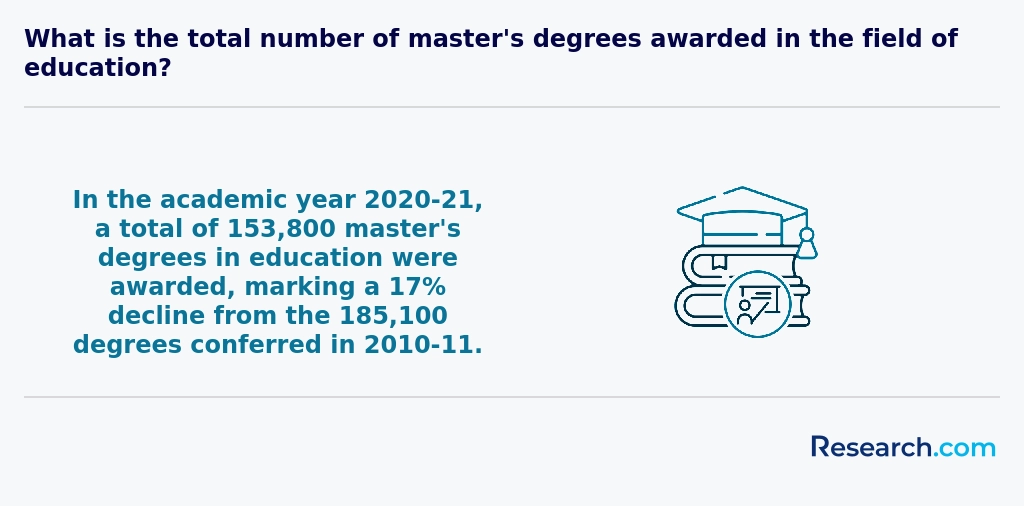
Graduates with an education degree in Indianapolis can explore diverse career paths shaped by the city's unique educational landscape. Many find rewarding roles within local school districts like Indianapolis Public Schools, where teaching jobs and salaries in Indianapolis vary according to specialization and experience. Whether entering elementary classrooms or pursuing special education, graduates often appreciate the direct impact they have on students' lives in familiar community settings.
Beyond classroom teaching, some graduates leverage their degrees to pursue educational administration or leadership positions. These roles require additional certification but typically offer higher salaries, making them attractive for those seeking advancement. Educational consulting and program coordination also present opportunities, especially within Indianapolis's many non-profits and public institutions. Graduates note that such roles allow them to influence education policy and outreach more broadly.
Educational technology careers have grown in prominence, with graduates describing exciting experiences developing e-learning tools or training staff at institutions like Indiana University-Purdue University Indianapolis. For those keen on counseling or student support, opportunities reflect the city's commitment to comprehensive student well-being. Some graduates even combine education degrees with quick certifications that pay well, expanding their potential career options. This variety demonstrates how education degree career opportunities Indianapolis truly offer multiple paths tailored to diverse interests.
The job market for education degree jobs in Indianapolis shows steady demand, especially for graduates specializing in bilingual education, special education, and STEM subjects. Graduates from Indiana University-Purdue University Indianapolis (IUPUI) often share positive experiences about how their practical training helped them secure teaching roles in local public and suburban schools. The availability of pathways to licensure and focused certifications enhances their confidence and readiness to enter the workforce, reinforcing the city's stable market.
Employment prospects align with national averages, reflecting projected growth of about 6% for elementary and kindergarten teachers from 2022 to 2032. However, it is important for students to consider that job competition can intensify in certain specialties and locations. Many graduates find that continuing education, such as ESL certification or advanced degrees, not only improves job placement but also salary potential, demonstrating the value of ongoing professional development in their career outlook.
The Indianapolis education degree career outlook benefits from the relatively affordable tuition costs, roughly $11,000 annually at public institutions for in-state students. This makes pursuing an education degree practical and accessible. Students looking for the easiest degree to get while aiming at a stable job market might appreciate this balance of cost and opportunity available locally.
2027 Most Valuable Education Degree Programs Ranking in Indianapolis
Investing in your education is a significant decision that can shape your future, and the Research.com team recognizes the importance of providing trustworthy information to support this process. To aid prospective students in Indianapolis, we have carefully developed the "2027 Most Valuable Education Degree Programs Ranking in Indianapolis." Our dedication to quality, credibility, and accuracy is demonstrated through rigorous research and analysis.
We utilized the following reputable data sources to ensure a comprehensive evaluation of education degree programs:
By exploring this ranking, readers will gain valuable insights into the most valuable education degree programs available in Indianapolis, enabling informed decisions about their academic and professional futures. For more information about our methodology, please visit our Research.com methodology page.


Frequently Asked Questions About education
Education degree students in Indianapolis can maximize their learning experience by actively engaging with local school districts, as Indianapolis Public Schools and nearby districts offer valuable student teaching placements. Practical experience is crucial-according to the Indiana Commission for Higher Education, hands-on practice improves job readiness for over 75% of education graduates in the state. Additionally, students should take advantage of Indianapolis-area tutoring centers and community programs to enhance classroom skills.
Using technology and online resources provided by Indiana universities supports diverse teaching methods. Networking through local education conferences and workshops also offers professional growth and job opportunities.
Emerging niches in education reflect shifts in both technology and student needs. In Indianapolis, degrees focusing on educational technology are gaining traction, as schools increasingly integrate digital tools. According to the Indiana Department of Education, demand for tech-savvy educators has grown by over 15% since 2020. Special education remains a vital niche, especially with new state initiatives improving access for diverse learners. Additionally, fields like early childhood education and bilingual teaching are expanding due to Indianapolis's growing and diverse population. Career pathways in curriculum design and educational leadership also attract students aiming to influence school policies and innovation locally and nationally.
Preparing for the job market after earning an education degree in Indianapolis involves several strategic steps. Graduates should begin by gaining practical experience through student teaching or internships, which are often part of degree programs. This hands-on training helps build classroom management skills and professional networks. According to the Indiana Department of Education, teachers with relevant experience tend to secure positions faster in the region.
Networking with local school districts also plays a crucial role. Indianapolis schools, including Indianapolis Public Schools (IPS), frequently post job openings online and hold hiring events during spring and summer. Candidates are advised to prepare tailored resumes and cover letters highlighting Indiana teaching certification and local student needs.
Additionally, pursuing continuing education or specialized certifications in areas like special education or ESL can enhance employability. The Bureau of Labor Statistics reports that Indiana's demand for qualified teachers is projected to grow by 4% through 2030, showing a steady need for well-prepared educators in the area.
Employers in Indianapolis seeking education degree graduates prioritize a combination of strong interpersonal and instructional skills. According to the Indiana Department of Education, effective communication and classroom management are essential to fostering productive learning environments. Knowledge of differentiated instruction and culturally responsive teaching is highly valued, reflecting Indianapolis' diverse student population.
Additionally, proficiency in using educational technology is increasingly important, as digital tools become integral to teaching. Critical thinking and problem-solving abilities are also sought after, enabling teachers to adapt to challenges in dynamic classrooms. Graduates with practical experience through local internships or student teaching placements tend to be preferred by Indianapolis school districts.
Data from the National Center for Education Statistics highlights that candidates demonstrating collaboration skills and continuous professional development have higher employment prospects in Indiana's education sector.
Finding internships in Indianapolis related to an education degree involves several practical steps. Start by exploring local school districts such as Indianapolis Public Schools (IPS), which often partner with universities to offer internship positions for education students. Many institutions require criminal background checks and basic certifications before placement.
Additionally, universities like IUPUI provide career services that list internship opportunities specific to education fields. According to the Indiana Commission for Higher Education, approximately 65% of education students in Indiana engage in internships before graduation, highlighting its importance for practical experience.
Networking at local educational conferences and utilizing platforms such as Handshake can also improve access to Indianapolis-based internships. Early preparation and proactive engagement with school administrators increase the chances of securing relevant positions.
Holding an education degree in Indianapolis significantly enhances career mobility and advancement opportunities within the local school systems and educational organizations. According to the Indiana Department of Education, candidates with advanced degrees are often preferred for leadership roles, such as instructional coordinators and school administrators.
Indianapolis public schools emphasize continuing education, with many educators pursuing higher degrees to meet licensure requirements or increase their salary scale. For example, teachers with a master's degree in education can earn up to 15% more annually than those with only a bachelor's degree, based on district salary schedules.
Furthermore, a degree in education opens pathways into specialized roles like curriculum design, special education, and educational technology, which are growing fields in Indianapolis due to increasing student diversity and technological integration. Data from the Bureau of Labor Statistics shows a steady rise in education-related job openings locally, signaling positive prospects for degree holders.
Studying for an education degree in Indianapolis offers a strong foundation for interdisciplinary roles by integrating diverse subject knowledge and practical skills. Local universities emphasize collaboration between education, psychology, and social work, reflecting the city's commitment to holistic student development. According to the Indiana Commission for Higher Education, 45% of education graduates in Indianapolis pursue roles requiring skills across multiple disciplines.
Programs often include coursework in technology, counseling, and community engagement, preparing graduates to address varied educational settings. Indianapolis' urban schools serve diverse populations, encouraging future educators to develop adaptable strategies applicable in inclusive environments. This interdisciplinary approach enhances employment prospects beyond traditional teaching roles.
When choosing between a thesis and a non-thesis education degree program in Indianapolis, students should consider their career goals and learning preferences. Thesis programs focus on original research, preparing students for roles in academia or research-intensive positions. Non-thesis programs emphasize practical skills and coursework, appealing to those seeking immediate application of knowledge in schools or administrative roles.
Indianapolis offers several accredited institutions with both options, such as Indiana University-Purdue University Indianapolis (IUPUI), where about 40% of graduate education students choose thesis tracks according to recent enrollment data.
Cost and time commitment also differ; thesis tracks may take longer due to research requirements. Understanding these factors can guide students in selecting the most fitting program.
Students based in Indianapolis seeking to study education abroad have several pathways through local universities and national programs. Indiana University-Purdue University Indianapolis (IUPUI) offers study abroad opportunities focused on educational practices in countries such as Spain and Japan, allowing future educators to gain global perspectives.
Many Indianapolis students can also access federal exchange programs like Fulbright or partnerships with organizations such as the Council on International Educational Exchange (CIEE). These programs provide options to study pedagogy, curriculum development, and multicultural education overseas.
According to IU's Office of International Affairs, participation in education-focused study abroad programs from Indianapolis has grown approximately 15% over the past five years, reflecting increasing interest in global teaching competencies.
This trend aligns with broader national efforts encouraging teacher candidates to develop cross-cultural skills, which are critical in diverse U.S. classrooms.
Students pursuing education degrees in Indianapolis have several part-time job options that complement their studies and build practical skills. Working as a teacher's aide or paraprofessional in Indianapolis public schools offers direct classroom experience, helping students understand educational strategies and classroom management.
Local tutoring centers and after-school programs often hire part-time tutors, allowing education students to apply instructional techniques while assisting younger learners. According to the Indiana Department of Education, these roles also help develop communication skills necessary for future teachers.
Additionally, positions in community centers or libraries provide opportunities to engage in educational programming and resource management. These jobs not only supplement income but also strengthen resumes with relevant experience in the Indianapolis education landscape.
Education students in Indianapolis benefit from numerous networking opportunities tied to the city's robust higher education and school systems. Institutions like Indiana University-Purdue University Indianapolis (IUPUI) and Butler University offer student organizations and education-focused events that connect aspiring educators with peers and experienced professionals. Local school districts often collaborate with universities, providing internships and practicum placements which foster direct relationships with practicing teachers and administrators.
The Indianapolis Public Schools system supports partnerships that enable networking through workshops and career fairs. Additionally, organizations such as the Indiana Association of Colleges for Teacher Education hold regional conferences, drawing participants from Indianapolis and nearby areas. These connections are essential for gaining insights, mentorship, and potential job leads in education careers within the city and state.
Alumni networks provide significant benefits to education degree students in Indianapolis by offering valuable professional connections. These networks often include graduates working in local school districts and educational organizations, helping current students gain insights and mentorship opportunities.
Many Indianapolis universities, such as Indiana University-Purdue University Indianapolis (IUPUI), maintain active alumni associations that host workshops, networking events, and job fairs, fostering career growth. According to the National Center for Education Statistics, such connections can increase job placement rates by up to 20% for education graduates nationwide.
Additionally, alumni networks often support student teaching placements and partnerships with local schools, which can be essential for practical experience. This strong community presence in Indianapolis enhances both career readiness and professional development for education students.
In Indianapolis, customizing an education degree program to match your career goals involves selecting specialized tracks and electives offered by local institutions. Many universities allow students to choose concentrations like special education, curriculum development, or educational leadership. According to the National Center for Education Statistics, Indiana schools emphasize practical experience, so internships and student teaching placements within Indianapolis public schools are common.
Additionally, online and hybrid course options provide flexibility for working professionals. You can also incorporate certifications in areas such as ESL or reading instruction to enhance your qualifications. Carefully reviewing each program's curriculum and consulting academic advisors helps tailor your studies to local job market needs in education.
Education students in Indianapolis commonly face challenges related to balancing coursework with practical teaching experiences. Many programs require completing student teaching hours in local schools, which can be time-intensive alongside academic demands. According to the Indiana Commission for Higher Education, nearly 40% of education majors reported difficulty managing these concurrent responsibilities.
Another notable challenge is navigating Indiana's licensure requirements, which involve passing specific state exams and meeting continuing education criteria. This can be a complex process, especially for those unfamiliar with state policies.
Financial strain also affects many students. Data from the National Center for Education Statistics shows that students in education programs often rely heavily on loans, as grant opportunities in Indianapolis are limited compared to other fields.
With an education degree in Indianapolis, graduates can pursue several professional certifications to enhance their careers. The most common is the Indiana Teaching License, required for K-12 public school teachers. It involves passing tests such as the CORE Assessments.
Other certifications include Special Education Licensure for working with students with disabilities, and English as a New Language (ENL) Endorsement, which is valuable in diverse classrooms.
Additionally, educators may seek National Board Certification, a voluntary, advanced credential that recognizes teaching excellence nationwide. According to the Indiana Department of Education, pursuing these certifications can improve job prospects and salary potential within the state's education system.
Writing a winning application for an education program in Indianapolis requires clear focus and preparation. Begin by thoroughly researching the specific program and institution, such as Indiana University-Purdue University Indianapolis (IUPUI), which is known for its strong education degrees. Tailor your personal statement to reflect your passion for teaching and your commitment to serving diverse communities, a key priority in Indianapolis schools according to the Indiana Department of Education.
Highlight any relevant experience, including volunteering or internships in local schools. Use concise language and provide concrete examples of your skills and achievements.
Attention to detail is crucial-ensure your application is free of errors and submit all required documents by the deadline. According to recent data, proactive applicants who demonstrate community involvement and academic readiness have higher acceptance rates in Indianapolis education programs.
Globally, an education career is viewed as vital for societal development, emphasizing strong teaching skills and cultural awareness. In the United States, including Indianapolis, education degrees prepare graduates for diverse classroom environments and evolving educational technologies. According to the National Center for Education Statistics, the demand for qualified teachers in Indiana is expected to grow by 6% through 2030, reflecting the nationwide trend.
Internationally, educators are increasingly expected to understand global competencies, such as multilingualism and inclusive teaching. Indianapolis universities, like Indiana University-Purdue University Indianapolis (IUPUI), incorporate these global perspectives into their education programs. This alignment helps prospective students prepare for careers in an interconnected world, balancing local demands with global trends.
Gaining practical experience while studying for an education degree in Indianapolis is essential for preparing to become an effective teacher. Many local universities, such as Indiana University-Purdue University Indianapolis (IUPUI), offer practicum and student teaching placements in nearby public schools. These opportunities allow students to apply educational theories in real classrooms under the guidance of experienced mentors.
Additionally, Indianapolis has numerous partnerships with school districts like Indianapolis Public Schools, providing structured internships. According to the Indiana Commission for Higher Education, around 80% of education students report participating in hands-on experiences during their studies. Volunteering and after-school program work also help build relevant skills and enhance resumes for future employment.
Choosing the right concentration within an education degree program in Indianapolis involves considering your career goals and the local job market. Indianapolis offers concentrations such as early childhood education, special education, and secondary education. According to the Indiana Department of Education, demand for special education teachers in the Indianapolis metro area has increased by 5% over the past five years.
Evaluate which age group or subject you are passionate about teaching. Researching Indianapolis school districts can provide insights into staffing needs and salary trends. Additionally, consider certification requirements, which vary by concentration and impact your eligibility for teaching licenses in Indiana.
Internships and field experiences through local schools like Indianapolis Public Schools help clarify your interests and enhance employability. Networking with local educators and academic advisors is another valuable step in making an informed decision.
- 2027 Most Valuable Education Degree Programs Ranking in Cincinnati
- 2027 Most Valuable Education Degree Programs Ranking in Chicago
- 2027 Most Valuable Education Degree Programs Ranking in Columbus
- 2027 Most Valuable Education Degree Programs Ranking in River Forest
- 2027 Most Valuable Education Degree Programs Ranking in Cleveland
- 2027 Most Valuable Education Degree Programs Ranking in Pittsburgh
- 2027 Most Valuable Education Degree Programs Ranking in Erie
- 2027 Most Valuable Education Degree Programs Ranking in Greenville
- 2027 Most Valuable Education Degree Programs Ranking in Atlanta
- 2027 Most Valuable Education Degree Programs Ranking in Greensboro
See What Experts Have To Say About Studying Education
Read our interview with Education experts

Alan J. Singer
Education Expert
Professor of Teaching, Learning and Technology
Hofstra University


- How to Build Work Experience While Studying - EN Global Education Ltd https://englobaleducation.co.uk/how-to-build-work-experience-while-studying/
- Education Study Abroad Programs | Go Overseas https://www.gooverseas.com/study-abroad/education
- Four Decades of Higher Education Solutions - INvestEd https://www.investedindiana.org/
- Education Degree Entry Requirements https://universitycompare.com/advice/student/education-degree-entry-requirements
- How To Write A Great Cover Letter For Teacher Training - Engage Education https://engage-education.com/blog/how-to-write-a-great-cover-letter-for-teacher-training/
- a degree in education - Tłumaczenie na polski – słownik Linguee https://www.linguee.pl/angielski-polski/t%C5%82umaczenie/a+degree+in+education.html
- How to Choose a Concentration for Your Master of Education 3 Questions to Consider https://www.aiuniv.edu/degrees/education/articles/how-to-choose-an-education-specialization
- Student Expectations and Perceptions of Higher Education - ACA https://aca-secretariat.be/newsletter/student-expectations-and-perceptions-of-higher-education/
- I want to be a teacher and have a degree, but not in education. https://www.acsc.net/apps/pages/index.jsp
- Online Learning vs Traditional Learning Comparison https://advantagesschool.com/online-learning-vs-traditional-learning/


