
2027 Best Education Degree Programs Ranking in Hawaii

Co-Founder and Chief Data Scientist
Choosing the right education degree program in Hawaii can feel overwhelming, but we're here to help. This article introduces the 2027 Best Education Degree Programs Ranking in Hawaii, carefully crafted by the Research.com team of data scientists to guide you toward the best options.
By exploring this ranking, you'll gain valuable insights about programs that offer quality education and promising career paths. Whether you're just starting or seeking to advance, earning a degree in education can open doors and make a meaningful impact in your community.
Key benefits of getting education degree in Hawaii
- Education degree graduates in Hawaii can expect competitive salaries, such as special education teachers earning around $76,000 and instructional designers making about $77,200 annually, showing strong financial benefits.
- Graduates from the University of Hawaii have diverse career options, from early childhood education to becoming ESL teachers, allowing for fulfilling roles that positively impact the community.
- Online education degrees from the University of Hawaii offer flexibility and convenience, helping students balance studies with life while gaining the same respected qualifications as traditional programs.
- 2027 Best Education Degree Programs Ranking in Hawaii
- What can I expect from education degree in Hawaii?
- Where can I work with education degree in Hawaii?
What can I expect from education degree in Hawaii?
The average cost of earning an education degree in Hawaii typically ranges between $10,000 and $15,000 per year for in-state students attending the University of Hawaii system, including the University of Hawaii at Manoa. Graduates often reflect on how this investment feels worthwhile, given the state's distinctive focus on cultural competence and hands-on teaching experiences.
Many students appreciate how their tuition covers not only traditional coursework but also immersive internships in local public schools, allowing them to connect deeply with diverse communities and Native Hawaiian culture. For example, a graduate recalled how student teaching on a neighbor island enriched their understanding of rural classroom dynamics, an experience they consider priceless for their career readiness.
With some programs offering hybrid or online options, the flexibility helps balance cost and personal commitments without sacrificing quality. The relatively moderate tuition combined with a consistently strong teacher salary in Hawaii fosters optimism among students, creating a promising value proposition for those committed to making a difference in local education.
Where can I work with education degree in Hawaii?
Graduates with education degrees in Hawaii often find themselves stepping confidently into roles within the state's extensive public school system, where over 180 schools eagerly seek passionate teachers. Imagine starting your career in a bustling Honolulu elementary school, shaping future leaders with a strong foundation in math or bilingual instruction that resonates with Hawaii's diverse communities. Many graduates from the University of Hawaii or Hawaii Pacific University talk about the rewarding experience of working in K-12 settings or charter schools that value innovative teaching methods and multicultural awareness.
Others pursue opportunities in Hawaii's thriving higher education sector, joining community colleges or the University of Hawaii system as instructors or academic advisors. These roles offer the chance to engage in curriculum development and research, fueling professional growth and personal satisfaction.
Beyond traditional classrooms, education graduates often find fulfilling careers with state agencies or non-profits, where they influence policy or provide vital support services. With steady job growth and competitive wages in education-related fields, many graduates feel hopeful about building impactful, stable careers right here in paradise.
Graduates with education degrees in Hawaii can expect rewarding salary prospects that reflect the state's unique educational landscape. For instance, many who completed their studies at prominent institutions like the University of Hawaii at Manoa find themselves earning an average of around $70,740 annually as elementary school teachers. This provides a stable income while making a meaningful community impact.
Special education teachers, often graduates from Hawaii Pacific University, typically earn about $76,000 per year, which is quite competitive and highlights the demand for specialized skills. Meanwhile, some early career educators who focused on early childhood education earn around $41,410, demonstrating a promising entry point for those passionate about shaping young minds.
Instructional designers-a growing role that blends education with technology-see average salaries near $77,200. Graduates from Hawaii's education programs who pursue these innovative careers often enjoy dynamic work environments and developing futures. With Hawaii's evolving educational needs, graduates can anticipate exciting opportunities paired with salaries that recognize their professional growth and commitment.
- Tuition for education degrees in Hawaii ranges from $12,000 to $14,000 per year for in-state students and about $33,000 for out-of-state students at public universities.
- Education programs typically require 4 years for a bachelor's degree or 2 years for a master's degree.
- Entry-level teacher salaries in Hawaii are between $45,000 and $55,000 annually, with experienced educators earning $60,000 to $90,000 or more.
- Hawaii prioritizes teachers skilled in special education, STEM, and Hawaiian language and culture due to diverse school needs.
- Teacher certification requires passing exams and supervised teaching through the Hawaii Teacher Standards Board.
- Financial aid and state grants are available, especially for students who commit to working in Hawaii's public schools after graduation.
Completing an education degree in Hawaii typically takes about four years for a bachelor's degree when attending full-time, as experienced by many graduates from the University of Hawaii at Manoa. These students often find that following the traditional course load keeps them on track, allowing them to enjoy a balanced college life while steadily progressing toward their goal.
For those pursuing a master's degree in education, like an M.Ed. at popular local institutions, completion usually ranges between one and two years full-time. Graduates appreciate the flexibility offered by part-time or online course options, which can extend study time but enable working professionals to advance without sacrificing income or family commitments.
Doctoral candidates in Hawaii often spend three to seven years completing their studies due to the intensive research and dissertation work involved. This journey can be challenging yet rewarding, as many find the process deeply fulfilling by contributing original insights to the field of education within a Hawaiian context.
Overall, students in Hawaii benefit from accredited programs aligned with national standards, creating predictable timelines that keep educational aspirations realistically within reach.
To teach in Hawaii’s public schools, candidates must obtain a state-issued Professional or Vocational/Technological Educator License through the Hawaii Teacher Standards Board (HTSB). This process begins with completing an accredited teacher preparation program-either traditional or alternative-and meeting the following core requirements: 1. Approved Educator Preparation Program - Graduation from a program accredited by CAEP or NCATE, or an HTSB-approved alternative pathway - Completion of at least 600 hours of supervised clinical experience, including classroom practicum and student teaching in Hawaii schools 2. Praxis Examinations and Basic Skills Assessment - Praxis Core Academic Skills for Educators (reading, writing, mathematics) unless exempted by qualifying SAT/ACT scores - Praxis II content knowledge exam aligned to your teaching subject and grade level 3. Background Check and Character Fitness - FBI fingerprint clearance and state criminal history review - Submission of professional references and evidence of good moral character 4. Application and Fees - Submission of official transcripts, Praxis score reports, and HTSB application form - Payment of initial licensure fee (currently $120) plus annual license renewal fee For educators who already hold a bachelor’s degree and seek advanced credentials or salary differentials, pursuing a master’s degree can be pivotal. When exploring graduate options, consider programs such as the Inexpensive Online Master's in Education Degree Programs Ranking in Columbia, MO, which meet accreditation standards and offer affordability along with flexible online coursework. Once licensed, Hawaiian teachers must complete 100 professional development points every five years-usually earned through graduate coursework, workshops, and educational conferences-to renew their license. Understanding these certification and renewal pathways ensures you remain compliant while advancing your career in Hawaii’s vibrant educational community.
Graduates from the University of Hawaii at Manoa often recall how on-campus education programs immersed them in vibrant classroom discussions and hands-on practicums, fostering deep connections with faculty and peers. This face-to-face engagement helps build a supportive learning community, invaluable for those who thrive on immediate feedback and collaboration.
Meanwhile, online students balancing work and family appreciate the flexibility that programs at institutions like Hawaii Pacific University provide. They can attend lectures and complete assignments from their own homes, even in remote areas of the islands, without the stress of commuting. This independence cultivates strong self-discipline and adaptability-skills prized in modern educators.
Looking ahead, hybrid models may blend these strengths, allowing students to enjoy personalized schedules while maintaining meaningful in-person experiences. With accreditation standards consistently upheld across Hawaii's education programs, future educators can feel confident that whether online or on campus, their degrees will prepare them well for licensure and rewarding teaching careers.
When pursuing an education degree in Hawaii, one of the critical factors to consider is the cost of tuition and the potential return on investment. Prospective students often find themselves weighing the benefits of various programs against the financial burdens they may incur. To make an informed decision, it's essential to explore not just the academic offerings but also the financial aid options and the overall affordability of the program. For those seeking a cost-effective path, researching the cheapest education programs in Hawaii can be a strategic first step. This approach allows individuals to balance their passion for education with the practical realities of financial responsibility, ultimately leading to a more sustainable and fulfilling career in teaching or educational leadership.
The average cost of an education degree in Hawaii offers a distinctive blend of opportunity and challenge for in-state students. Median in-state total costs hover around $12,186, making public institutions like the University of Hawaii an accessible choice for many aspiring educators. Graduates often reflect on how this investment balanced quality instruction and manageable expenses, enabling them to develop their skills in vibrant classroom environments while staying close to home. The Hawaii education degree tuition and fees align with these median figures, reflecting a commitment within the state to support future teachers.
Out-of-state students face a steeper financial path, with median total costs near $50,339, illustrating the premium placed on relocating to Hawaii for study. Yet, many find the experience transformative, enriched by the unique cultural context and the chance to connect deeply with native Hawaiian educational practices. These expenses can feel worthwhile as graduates emerge ready to contribute innovatively to education across diverse communities.
Living costs in Hawaii amplify the overall investment, as housing and supplies can add significantly to yearly expenses. However, students often discover creative ways to engage with affordable housing options and scholarship programs specifically designed for education majors. Exploring the cheapest education programs in Hawaii can uncover hidden gems that blend cost-effectiveness with academic excellence.
Looking ahead, prospective students may benefit from expanding financial aid opportunities, including grants and targeted scholarships, which are increasingly tailored to reduce the burden of tuition and living costs associated with education degrees in Hawaii. This optimistic trend encourages many to envision a fulfilling career in education without insurmountable debt.

Pursuing an Education degree in Hawaii immerses students in a thoughtfully structured curriculum designed to build both theoretical foundations and practical teaching skills. Core courses often include Educational Psychology, which explores how students learn and develop; Instructional Design, focusing on crafting effective lesson plans; and Classroom Management, where future educators learn strategies to foster positive learning environments. Additionally, courses in Multicultural Education address Hawaii’s diverse cultural landscape, ensuring teachers can engage students from various backgrounds with cultural sensitivity and relevance. Specialized courses may cover Assessment and Evaluation, teaching students to design and interpret formative and summative assessments, and Technology Integration in Education, which equips learners with the skills to utilize digital tools for online and hybrid instruction. For those drawn to inclusive teaching, Special Education Methodologies offer in-depth training on adapting curricula for learners with exceptional needs, while Early Childhood Education courses emphasize developmental milestones and age-appropriate pedagogies. Most programs culminate in a practicum or student teaching internship, providing hands-on experience in local schools under the mentorship of experienced educators. This capstone experience not only reinforces classroom learning but also builds professional networks and enhances employability. Elective seminars in areas like Educational Leadership, Curriculum Development, or ESL Instruction enable students to tailor their studies to personal interests and career goals. For candidates seeking advanced credentials, many institutions offer seamless pathways into master’s programs. Those interested in cost-effective options can refer to our sister ranking of Inexpensive Online Master’s in Education Degree Programs Ranking in Columbia, MO for guidance on affordable graduate study. By blending rigorous coursework with immersive field experiences, Hawaii’s Education degree programs prepare graduates to become innovative, culturally responsive educators ready to inspire the next generation.
Financial aid for education degrees in Hawaii is evolving to meet the needs of prospective teachers, blending traditional support with promising new opportunities. Graduates from the University of Hawaii often share how Pell Grants and federal loans initially bridged the gap between aspiration and affordability, easing the pressure of tuition fees that for public institutions range around $11,000 to $13,000 annually for in-state students.
State-specific programs like the Hawaii State Grant and scholarships from the Hawaii Teacher Standards Board add targeted support, especially for those dedicated to teaching in local public schools. Many find these scholarships life-changing, not just financially but as a source of motivation to serve their communities.
Institutions are expanding help through merit-based awards and graduate assistantships, making the University of Hawaii system a beacon for education majors seeking deeper engagement and reduced financial strain. A growing trend includes tuition reimbursement programs offered by school districts, empowering current educators to continue their studies with less worry about personal costs.
These layered financial avenues, experienced firsthand by education students statewide, foster hope and confidence, creating a pathway that feels both achievable and rewarding.
Cost remains one of the biggest hurdles for many aspiring educators in Hawaii. Fortunately, you can expand your search beyond state lines by considering highly regarded, budget-friendly online master’s programs. These alternatives often offer lower tuition rates, flexible scheduling, and the same accreditation standards you’d expect from on-campus degrees. Many students find that comparing total cost of attendance-including fees, technology surcharges, and living expenses-helps reveal the true value of a program. To discover some of the most cost-effective options, explore our Inexpensive Online Master's in Education Degree Programs Ranking in Columbia, MO, which highlights programs designed for busy professionals seeking quality education at reduced rates. When evaluating affordable online master’s in education, consider the following factors:
- Net Price Calculator: Use each school’s tool to estimate your personalized cost after grants and scholarships.
- Financial Aid Packages: Investigate federal and state grants, as well as institution-specific scholarships.
- Program Format: Fully online or hybrid models may reduce living costs and commuting expenses.
- Credit Transfer Policies: Transferring relevant graduate credits can shorten time to degree and lower overall tuition. By proactively researching these elements, you can pursue a reputable education master’s degree without shouldering excessive debt-empowering you to focus on teaching and leadership rather than financial stress.
To enroll in an education degree program in Hawaii, students typically need a completed high school diploma or equivalent, meeting a GPA threshold around 2.5 to 3.0, depending on the institution. Graduates from the University of Hawaii system often recall submitting official transcripts that reflected their steady academic progress, providing a crucial foundation for acceptance.
Many schools in Hawaii have adapted to recent trends by making standardized tests like the SAT or ACT optional, a change that has eased the pressure for applicants who shine through other achievements. Prospective students find this shift encouraging, especially those balancing work or family commitments while preparing their applications.
For candidates aiming for teacher certification or advanced degrees, fulfilling background checks and passing Praxis exams remain essential. Alumni from popular Hawaii colleges share how writing personal statements and gathering recommendation letters allowed them to express genuine passion and readiness for teaching careers rooted in the state's unique cultural environment.
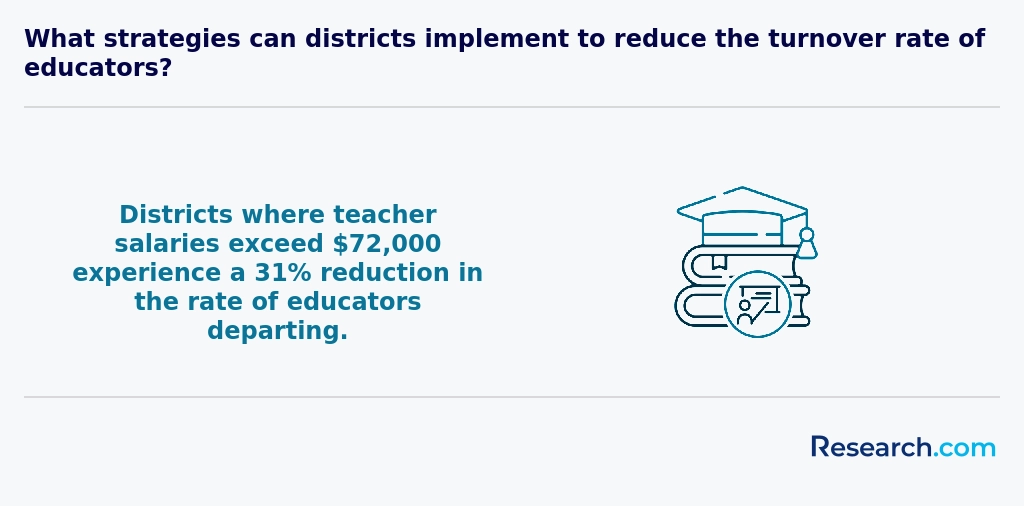
A cornerstone of any great education program is its curriculum, which not only imparts foundational theories but also delivers practical, hands-on learning experiences. In Hawaii’s top education degree offerings, students typically explore courses such as Foundations of Education, Classroom Management, Instructional Strategies, and Educational Psychology, designed to provide both a theoretical framework and real-world application. Many programs also integrate culturally responsive teaching methods and Hawaiian history to resonate with local communities, ensuring that educators are well-equipped to serve diverse classrooms. In addition, innovative options like project-based learning, internships, and student teaching placements allow learners to apply their knowledge in real educational settings, bridging the gap between theory and practice. For those looking to accelerate their academic journey or explore flexible formats, options such as the shortest edd online degrees offer an alternative path that combines rigorous curriculum with the convenience of online learning. This comprehensive approach not only prepares graduates to meet the demands of today’s dynamic classroom environments but also sets a solid foundation for lifelong career success in education.
Education degree programs in Hawaii typically include courses that blend foundational theory with hands-on learning tailored to the state's unique cultural landscape. Graduates from institutions like the University of Hawaii at Manoa often share how courses in child and adolescent development helped them understand the diverse stages their future students will experience, especially within Hawaii's multicultural classrooms.
Many students find courses in curriculum design particularly empowering, as they teach how to create inclusive lesson plans that respect Native Hawaiian culture while meeting state educational standards. Others highlight the value of instructional methods that focus on engagement and motivation, preparing them to support varied learning styles.
Practical experiences, such as student teaching placements in local schools, are frequently described as eye-opening. These real-world settings allow students to apply classroom theory with mentorship, fostering confidence and excitement about becoming educators in Hawaii's distinctive environment.
Courses in educational technology and special education further equip students to innovate in the classroom, reflecting emerging trends toward digital integration and inclusivity. These combined experiences create a rich, relatable foundation for those passionate about teaching in Hawaii's future.
Education degree specializations in Hawaii currently include diverse fields such as Elementary and Secondary Education, Special Education, Early Childhood Education, and Educational Leadership. Graduates from popular programs at the University of Hawai'i often express excitement about how their training integrates Hawaiian culture, language, and local history, making teaching feel deeply connected to the community. Many find that focusing on English as a Second Language (ESL) or Bilingual Education resonates especially well in Hawaii's multicultural classrooms, helping them navigate the complexities of language acquisition in everyday school settings.
Looking ahead, future specialization areas will likely expand to include educational technology and social-emotional learning, enabling educators to adapt to rapidly changing classroom environments. Institutions in Hawaii that emphasize cultural competence and innovation prepare students to lead in diverse and dynamic schools. Those pursuing Hawaii teaching credential programs often report feeling empowered by these evolving tracks. For students seeking accelerated options, the shortest edd online degrees offer an appealing path to leadership roles while embracing these emerging trends.
To choose the best education degree in Hawaii, carefully weigh how each program fits your career goals and lifestyle. Graduates from the University of Hawaii's education programs often share how practical field experiences in local schools helped them develop powerful teaching skills and a deep sense of community connection. Considering your preferred specialization-whether early childhood, special education, or educational leadership-can shape your path toward impactful work in Hawaii's diverse classrooms. Balancing program flexibility is also key; some students juggling family or jobs find part-time or online courses invaluable for staying on track.
Cost and value are crucial when evaluating programs. Public universities in Hawaii offer competitive tuition rates for residents, but for those seeking more affordable options or advanced degrees, seeing rankings like the Inexpensive Online Master's in Education Degree Programs Ranking in Columbia, MO can reveal compelling alternatives. Students often feel empowered knowing their education investment aligns with Hawaii's growing demand for skilled teachers, especially in STEM and special education fields.
Ultimately, exploring best education degree programs Hawaii offers means envisioning how your training will meet future community needs, supporting your passion with programs that combine strong academic foundations and real-world Hawaii classroom experience.
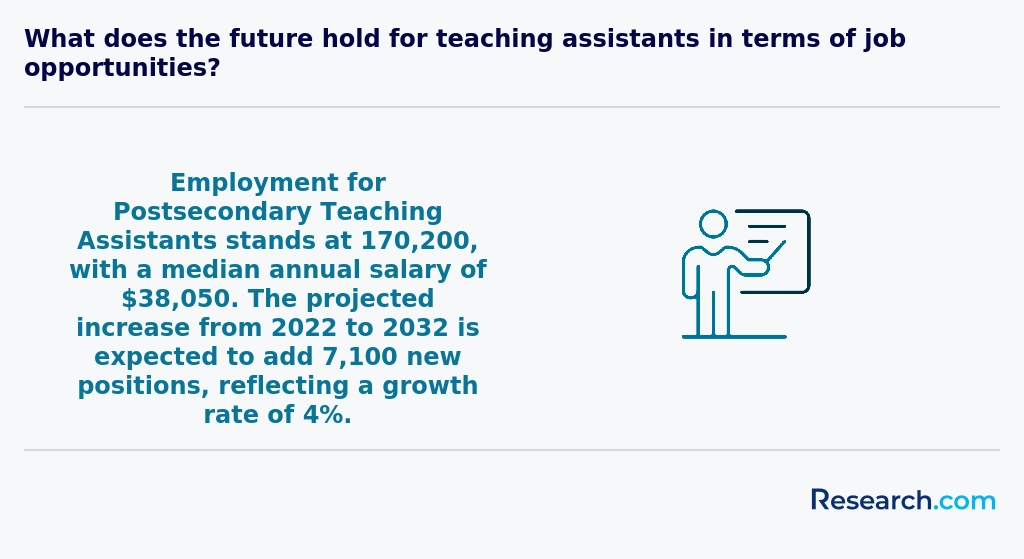
Graduates with an education degree in Hawaii often find themselves drawn to diverse career paths that go beyond traditional teaching roles. Many become licensed teachers serving in public or private schools across the islands, where they contribute to a culturally rich educational environment. Meanwhile, others explore educational leadership, stepping into roles like school principals or curriculum coordinators, where their impact on community education grows larger. These roles often reflect the evolving demands within Hawaii's unique school systems and appeal to those pursuing higher responsibility and influence.
Some graduates from renowned institutions in Hawaii speak about the rewarding challenge of becoming instructional coordinators, integrating Hawaiian culture and technology into classrooms. This is a promising trend for education degree career options in Hawaii, especially as schools emphasize culturally responsive teaching. Others venture into school counseling, providing emotional and academic support amid growing awareness of student well-being.
For those interested in alternative routes, adult education and corporate training offer vibrant opportunities to foster lifelong learning across the state's diverse workforce. Graduates also find meaningful work as educational consultants or in nonprofits focused on youth education and cultural preservation. For students considering advanced specialization, exploring Inexpensive Online Master's in Education Degree Programs Ranking in Columbia, MO can provide flexible pathways to expand their credentials and career possibilities.
The job market for education degree holders in Hawaii remains promising, with strong demand especially within public school districts and educational support roles. Graduates from popular institutions like the University of Hawaii often find rewarding opportunities teaching in subjects such as math, science, and special education, which continue to experience shortages statewide. These positions provide not only competitive salaries but also the chance to make a meaningful impact in local communities.
Many graduates appreciate how the state's unique geography creates specialized teaching needs, particularly in rural and underserved areas, cultivating diverse professional experiences. For those pursuing education degrees in Hawaii, balancing tuition costs and career prospects is key; local public universities typically charge between $12,000 and $14,000 annually for residents. Some even complement traditional study options with accelerated paths, such as an online associate's degree in 6 months, enabling faster entry into the workforce.
With Hawaii's evolving educational policies and certification requirements, the employment outlook for education graduates emphasizes flexibility and adaptability. Graduates report positive outcomes when aligning their qualifications with local needs, reinforcing a job market that is both stable and aligned with community values.
2027 Best Education Degree Programs Ranking in Hawaii
Investing in your education is a significant decision that can shape your future, and the Research.com team understands the importance of making informed choices. To assist prospective students in Hawaii, we have meticulously crafted the "2027 Best Education Degree Programs Ranking in Hawaii." Our commitment to quality, credibility, and accuracy is reflected in the extensive research and analysis conducted to compile this ranking.
We utilized the following reputable data sources to ensure a comprehensive evaluation of education degree programs:
By exploring this ranking, readers will gain valuable insights into the best education degree programs available in Hawaii, empowering them to make confident and well-informed decisions about their academic futures. For more details on our methodology, please visit our Research.com methodology page.


Frequently Asked Questions About education
Education degree students in Hawaii can enhance their learning by engaging actively in both coursework and practical experiences. Many Hawaii institutions, such as the University of Hawaii system, emphasize hands-on training through student teaching placements across diverse communities. Participating in these field experiences helps students apply theory in real classrooms and understand local cultural contexts.
Utilizing Hawaii's unique cultural diversity in educational settings also broadens perspectives, aiding future educators in addressing varied student needs. According to the Hawaii State Department of Education, teachers who immerse themselves in community and cultural events perform better in student engagement.
Additionally, students benefit from networking with local educators and attending workshops to stay informed about state education policies and innovations.
Emerging niches within the education field in Hawaii reflect broader national trends toward technology integration and cultural responsiveness. One growing area is educational technology, which focuses on developing skills to effectively use digital tools in classrooms. This niche is especially relevant as Hawaii's schools continue to expand distance learning options.
Another important niche is bilingual education, given Hawaii's multicultural population. Educators proficient in Hawaiian language revitalization and other Pacific Island languages are in demand, supporting local culture and student engagement.
Special education remains a vital focus, with Hawaii reporting a steady increase in demand for trained professionals to serve diverse learners under the Individuals with Disabilities Education Act (IDEA).
Finally, environmental education is gaining traction, leveraging Hawaii's unique ecosystems to foster sustainability awareness among students. According to the Hawaii Department of Education, programs integrating environmental studies have seen enrollment growth in recent years.
Preparing for the job market after completing an education degree in Hawaii involves several key steps. First, obtaining state certification is essential; Hawaii requires prospective teachers to pass the Praxis exams and complete a background check through the Hawaii Teacher Standards Board. According to the Hawaii State Department of Education, teacher vacancies have been increasing, indicating strong demand across public schools.
Gaining practical experience through student teaching or internships is vital. Many Hawaii education programs include placements in diverse classroom settings, helping graduates adapt to local cultural and linguistic needs. Networking within local education communities and attending job fairs can also provide an advantage. Finally, continuing professional development improves job prospects by keeping skills current with Hawaii's evolving education standards.
Employers in Hawaii seeking graduates with education degrees prioritize a blend of practical and interpersonal skills. According to the Hawaii Department of Education, strong classroom management and effective communication are essential. These skills help teachers address diverse student needs across the state's multicultural population.
Additionally, adaptability and cultural competence rank highly due to Hawaii's unique ethnic and linguistic diversity. Graduates must be prepared to work with students from varied backgrounds and with different learning styles.
Data from the National Center for Education Statistics highlights that technology proficiency is increasingly important, as Hawaii schools integrate digital tools in instruction. Collaboration skills are also valued, enabling new educators to work well with colleagues and families in building supportive learning environments.
Finding internships in Hawaii relevant to an education degree involves leveraging local resources and university partnerships. The University of Hawaii system, including UH Mānoa and UH Hilo, offers structured internship programs aligned with education coursework. These programs connect students with public schools and educational organizations across the islands.
The Hawaii Department of Education, which is the largest employer in the state, frequently partners with universities to host student interns. This offers practical classroom experience in diverse settings.
Additionally, websites like Handshake and the Hawaii Internship Program provide listings targeted to Hawaii-based students, including many education-related roles. Networking through local teacher associations also helps secure valuable placements.
Holding an education degree in Hawaii significantly enhances career mobility and advancement opportunities within the state's school systems. According to the Hawaii Department of Education, educators with advanced degrees often qualify for higher salary tiers under the state's teacher salary schedules. This formal credentialing opens doors to roles beyond classroom teaching, including administrative positions, curriculum development, and specialized instructional roles.
Additionally, Hawaii's growing focus on improving public education, combined with statewide teacher shortages, increases demand for qualified educators. Graduates with education degrees can leverage this demand to negotiate better roles or transfer between school districts more easily.
Research from the National Center for Education Statistics confirms that teachers with bachelor's or master's degrees consistently have higher employment rates and longer retention in the profession-a trend evident in Hawaii as well. Thus, an education degree helps professionals establish more stable and upward career trajectories in the state's education sector.
Studying for an education degree in Hawaii offers unique preparation for interdisciplinary roles. Many programs integrate coursework in psychology, sociology, and cultural studies, reflecting Hawaii's diverse population. This prepares graduates to work effectively across different fields such as social work, counseling, and community education.
Hawai'i's education degrees emphasize collaboration and practical experience in various settings. According to the Hawaii Department of Education, about 43% of educators participate in cross-disciplinary projects, highlighting the importance of flexible skill sets.
Additionally, Hawaii's emphasis on Native Hawaiian culture in curricula fosters cultural competency, crucial for interdisciplinary approaches involving indigenous knowledge and modern pedagogy.
Choosing between a thesis and a non-thesis education degree program in Hawaii depends largely on your career goals and interests. A thesis program involves conducting original research and writing a detailed paper, which can be valuable if you aim to pursue doctoral studies or a research-based career. Non-thesis programs typically focus on coursework and practical skills, appealing to students targeting administrative or teaching positions.
In Hawaii, institutions like the University of Hawaii at Mānoa offer both options, reflecting national trends where about 40% of education master's students choose thesis tracks (NCES, 2022). Consider your readiness for research and the time commitment; thesis paths usually require more months to complete.
Students based in Hawaii who wish to study education abroad have several options within the U.S. higher education system. Many universities offer online or hybrid education degree programs, allowing remote access to coursework from mainland institutions. For example, the University of Hawai'i system collaborates with mainland universities to provide pathways for licensing and advanced degrees while maintaining ties to Hawaii's educational standards.
Additionally, some students participate in exchange programs or enroll in accredited education programs in mainland U.S. states with strong education schools. According to the Hawai'i State Department of Education, about 15% of teacher candidates seek out-of-state programs to access specialized training or credentials.
Since Hawaii follows U.S. licensure standards, degrees earned at regionally accredited mainland universities generally fulfill certification requirements.
Part-time jobs in Hawaii that complement education degrees can enhance practical skills and build professional experience. Many education students find opportunities as teacher aides or classroom assistants in local schools, gaining firsthand experience with curriculum implementation and student interaction.
Another common role is tutoring, either independently or through organizations like the Hawaii Afterschool Alliance. Tutoring helps develop instructional skills while supporting community learning.
Some students also work as substitute teachers, which provides valuable classroom management experience and exposure to diverse learning environments. According to the Hawaii Department of Education, nearly 30% of substitute teachers are education majors, highlighting this job's relevance.
Positions in early childhood education centers also offer practical training, especially for those focusing on younger learners.
Education students in Hawaii benefit from a variety of networking opportunities that connect them with local schools, educators, and education organizations. Universities such as the University of Hawaii at Manoa host career fairs, workshops, and guest lectures aimed at fostering professional relationships. The Hawaii Association of Colleges for Teacher Education (HACTE) offers students access to statewide conferences and events supporting teacher development.
Additionally, Hawaii has a strong network of public and private schools where students can engage in practicum placements and internships. These experiences allow students to build contacts within the education community while gaining practical skills. According to the Hawaii Department of Education, internships and student teaching placements occur in over 200 schools statewide, providing diverse networking environments.
Professional organizations like the Hawaii Teachers Association also encourage student membership, which further expands connections with current educators and advocates in the field. These opportunities equip education students with the relationships and resources essential for their careers in Hawaii's unique educational landscape.
Alumni networks play a crucial role for education degree students in Hawaii by providing valuable connections and career support. Graduates can access a community of professionals who have firsthand experience within Hawaii's public and private school systems. This network often shares job openings, mentorship opportunities, and advice specific to local teaching environments.
According to the Hawaii Department of Education, networking within the state can improve employment chances by up to 30%, as many positions are filled through referrals. Alumni connections also facilitate access to professional development workshops and local education conferences, enhancing student learning beyond the classroom.
Students benefit from these networks by building long-term relationships that support career growth within Hawaii's diverse education landscape.
Customizing an education degree program in Hawaii involves selecting courses and experiences aligned with your career goals. Many universities in Hawaii, such as the University of Hawaii system, offer flexible education tracks with options to specialize in areas like early childhood, special education, or educational leadership. Students can often choose electives that support their interests, including bilingual education or curriculum development.
Internships and practicum placements within local schools allow hands-on experience in Hawaii's diverse classrooms. According to the Hawaii Department of Education, completing these placements in various settings helps tailor skills to specific careers. Additionally, graduate programs may offer research opportunities on topics relevant to Hawaiian education needs.
Education students in Hawaii face several unique challenges that can affect their academic and professional development. One major issue is the high cost of living, which can strain budgets, as reported by the Hawaii Data Collaborative. Balancing coursework with part-time jobs is common among students to manage expenses. Additionally, geographic isolation limits access to diverse field placements compared to mainland peers, often requiring travel to neighbor islands or rural communities for practicums.
Another challenge is adapting to Hawaii's multicultural and multilingual classrooms. Students must be prepared to meet the needs of diverse populations, including Native Hawaiian and Pacific Islander students, which requires specialized cultural competence training. According to the Hawaii Department of Education, over 40% of K-12 students identify as Native Hawaiian or Pacific Islander, making this skill essential for future educators.
With a degree in education, professionals in Hawaii can pursue several certifications to advance their careers. The most common is the State of Hawaii Teacher License, required to teach in public schools. This license categorizes educators by grade level and subject area.
Beyond teaching licenses, graduates may seek certifications like National Board Certification, which enhances educator credibility and earning potential. Specialists can also pursue certifications in fields such as special education or English as a Second Language (ESL).
Additionally, administrators often obtain certifications in school administration or counseling, aligning with Hawaii's Department of Education standards. According to the Hawaii Teacher Standards Board, ongoing professional development is vital for maintaining these credentials.
When applying to education degree programs in Hawaii, it is essential to present a clear and focused application. Start by thoroughly researching the specific requirements of your chosen institution, as public universities like the University of Hawaii at Manoa often prioritize applicants with strong academic records and relevant experience.
Highlight your passion for teaching and understanding of Hawaii's unique cultural and educational landscape. The Hawaii Department of Education reports that culturally responsive teaching significantly impacts student success, so demonstrating this awareness can strengthen your application.
Include meaningful volunteer or work experiences that illustrate your commitment to education. Strong letters of recommendation and a well-written personal statement tailored to Hawaii's community values are also critical. Admissions committees appreciate candidates who show both academic preparedness and dedication to serving diverse student populations.
Education careers in the United States, including Hawaii, increasingly reflect global trends emphasizing cultural competence and technological integration. According to the National Center for Education Statistics, over 3.7 million teachers work nationwide, with Hawaii maintaining a student-to-teacher ratio of about 15:1, which is lower than the national average. This allows for more personalized teaching, something valued globally.
Internationally, educators are expected to adapt to diverse classrooms and digital learning tools. U.S. degrees in education often include training in these areas, preparing graduates for global challenges. Hawaii's unique cultural context further enriches this perspective, encouraging respect for indigenous knowledge alongside standard curricula.
Additionally, teaching credentials from the U.S. are widely recognized, offering graduates opportunities for international employment or collaboration. This global relevance makes education degrees in Hawaii attractive for students desiring a career with both local and international impact.
Students pursuing an education degree in Hawaii can gain practical experience through various channels integral to their academic programs. Most teacher preparation programs require supervised student teaching placements in local public schools, providing hands-on experience in classroom management and lesson delivery. According to the Hawaii Teacher Standards Board, these internships typically last several months and are essential for state certification.
Additionally, many universities partner with Hawaiian schools to offer practicum opportunities focused on cultural competency and native Hawaiian education, reflecting the state's unique educational needs. Volunteering or working as a teacher's aide within the community further supplements classroom learning with real-world practice.
Choosing the right concentration within an education degree program in Hawaii starts with understanding your career goals and the needs of local schools. Hawaii's Department of Education emphasizes areas like special education, STEM teaching, and Hawaiian language and culture integration, reflecting community priorities. According to the Hawaii Teacher Standards Board, demand is particularly high for educators skilled in these fields.
Students should consider concentrations aligned with state licensure requirements to ensure eligibility for teaching positions. Reviewing the state's licensing pathways can clarify which concentrations offer practical classroom opportunities. Additionally, speaking with current educators and academic advisors in Hawaii can provide insights into job market trends and community impact.
Finally, research local schools' demographics and curricula to choose a concentration that supports Hawaii's diverse student population and unique cultural context.
- 2027 Best Online Education Degree Programs Ranking in Idaho
- 2027 Best Online Education Degree Programs Ranking in Texas
- 2027 Best Online Education Degree Programs Ranking in South Dakota
- 2027 Best Online Education Degree Programs Ranking in North Dakota
- 2027 Best Online Education Degree Programs Ranking in Nebraska
- 2027 Best Online Education Degree Programs Ranking in Kansas
- 2027 Best Online Education Degree Programs Ranking in Minnesota
- 2027 Best Online Education Degree Programs Ranking in Iowa
- 2027 Best Online Education Degree Programs Ranking in Missouri
- 2027 Best Online Education Degree Programs Ranking in Wisconsin
See What Experts Have To Say About Studying Education
Read our interview with Education experts

Nooshan Ashtari
Education Expert
Professor & Book Author
University of Southern California

Alan J. Singer
Education Expert
Professor of Teaching, Learning and Technology
Hofstra University

- Networking Tips and Advice for Students https://schoolshouldbe.com/post/networking-tips-and-advice-for-students/
- Navigating Challenges In Education, Learning & Development - those who can https://www.thosewhocan.org/navigating-challenges-in-education-learning-and-development/
- Scholarships - The Office of Hawaiian Affairs (OHA) https://www.oha.org/educational-pathways/scholarships/
- Why Experience is Just as Important as Education https://lateral-connect.com/why-experience-is-just-as-important-as-education/
- Skills Employers Look for in Business Graduates – EU Business School https://www.euruni.edu/blog/skills-employers-look-for-in-business-graduates/
- EDUCATION AS A KEY IN CAREER BUILDING https://journals.vilniustech.lt/index.php/JBEM/article/download/15399/10674
- Events & Opportunities https://connect.teachforall.org/events-opportunities
- Education Cover Letter: 6 Steps to Write a Job-Winning One [+Example & Template] | Cake https://www.cake.me/resources/cover-letter/education-cover-letter
- Online Degree vs. Traditional: Choosing the Right Path https://beal.edu/online-degree-vs-traditional/
- Students: This is How You Should Prepare for the Job Market https://www.agencycentral.co.uk/articles/students-this-is-how-you-should-prepare-for-the-job-market/


