2027 Most Valuable Online Bachelor's in Education Degree Programs Ranking in Missouri

Co-Founder and Chief Data Scientist
Choosing the right education degree program is a big step toward a fulfilling career in teaching or education leadership. For students in Missouri seeking an online bachelor's degree, understanding which programs offer the most value can make all the difference.
This article features the 2027 Most Valuable Online Bachelor's in Education Degree Programs Ranking in Missouri, developed by the Research.com team of data scientists. It's designed to help you explore top options with confidence.
By reading, you'll gain insight to make an informed decision that fits your goals and supports your future success.
Key benefits of getting online education degree in Missouri
- Salary for education degree graduates: Graduates can expect competitive salaries, such as $70,740 annually for elementary school teachers and $77,200 for instructional designers, offering financial stability in rewarding education roles.
- Career paths: Missouri education graduates often find fulfilling opportunities in schools, special education, or instructional design, supported by local universities like the University of Missouri which foster strong community connections.
- Online degree benefits: Earning a degree online from institutions like Missouri State University allows flexible scheduling, making it easier to balance work and study while advancing your career at your own pace.
- 2027 Most Valuable Online Bachelor's in Education Degree Programs Ranking in Missouri
- What can I expect from online education degree in Missouri?
- Where can I work with online education degree in Missouri?
What can I expect from online education degree in Missouri?
The average cost of an online education degree in Missouri generally ranges between $20,000 and $40,000 for the entire program, depending on the institution and program length. Graduates from well-known universities like the University of Missouri or Missouri State University often share how financial aid and scholarships tailored for online learners helped ease their financial burden significantly. Many appreciate that these programs reduce expenses usually spent on commuting or housing, making achieving a teaching degree feel more attainable and less stressful.
One graduate recalled how the flexible online format allowed balancing work and family commitments while steadily progressing toward certification. Another highlighted that although tuition was a major consideration, the practical benefits-such as partnerships with local schools offering practicum hours within their communities-added tremendous value beyond the price tag. These real-world placements made their education genuinely feel connected to Missouri's classrooms and educational standards, creating a sense of readiness and confidence as they entered the workforce.
Where can I work with online education degree in Missouri?
Graduates with an online education degree in Missouri often discover diverse job opportunities throughout the state's rich educational settings. Many start by teaching in public K-12 schools, where over 100,000 teachers serve communities statewide. For example, graduates from well-known programs at the University of Missouri or Missouri State University frequently step into classrooms, confidently applying their training in elementary or special education roles.
Others find rewarding positions in private or charter schools, especially in urban areas like Kansas City or St. Louis, where flexible certification helps graduates adapt quickly to community needs. Alumni often describe the satisfaction of working with charter networks that value the adaptability their online education has nurtured.
Beyond direct teaching, some graduates pursue careers in administration or curriculum development, stepping into roles such as assistant principal or instructional coordinator. Those with experience from programs at Webster University or Southeast Missouri State sometimes advance to these leadership positions, leveraging skills learned in their online courses.
Furthermore, colleges and universities offer roles in advising and student support-areas where graduates contribute meaningfully without necessarily needing advanced degrees. Graduates appreciate these pathways as fulfilling extensions of their commitment to education.
Finally, emerging roles like educational technology specialists reflect the evolving needs of Missouri schools. Graduates equipped with practical tech skills from their programs find excitement in supporting modern classrooms, blending pedagogy with innovation in ways that feel both challenging and inspiring.
Graduates holding an online education degree in Missouri often find that their earnings reflect both the diversity of teaching roles and the region's economic climate. For instance, many graduates from well-known institutions like the University of Missouri or Missouri State University share that their starting salaries as elementary school teachers align closely with state averages, around $70,740 annually. This figure is encouraging and provides a solid foundation, especially when considering the cost of living in cities such as Columbia or Springfield.
Those who specialize, such as in special education, can look forward to even higher pay, with average salaries reaching $76,000, adding a sense of fulfillment paired with financial stability. Many graduates express pride in the impact they make while earning a wage that reflects their expertise. Meanwhile, graduates who pursue instructional design roles report mean annual incomes around $77,200, a testament to the strong demand for technology-driven education skills.
In more hands-on classroom environments, ESL teachers see average salaries near $65,430, balancing meaningful work with steady compensation. From experience, graduates often highlight that staying in metro areas like Kansas City can boost earnings, while also providing dynamic professional communities and development resources. Overall, Missouri's education sector offers graduates a blend of rewarding careers and financial potential rooted in practical experience and continual growth.
- Online bachelor's degrees in education in Missouri cost between $8,000 and $15,000 per year at public universities, with private schools sometimes charging over $25,000 annually.
- Graduates typically start with salaries around $40,000, increasing to about $45,000 within five years depending on experience and school district.
- The state will need thousands of new teachers in the next decade, especially in rural areas and in subjects like math, science, and special education.
- Licensing requires an accredited degree, state exams, and background checks, with many online programs meeting these standards.
- Online programs include local student teaching internships to provide practical, hands-on training despite the remote format.
Completing an online education degree in Missouri typically takes about four years for full-time students, much like attending on-campus programs. Graduates from institutions such as the University of Missouri or Missouri State University often share how this timeline allowed them to balance studies with personal and work commitments, making the journey manageable and rewarding.
For those who need more flexibility, part-time study extends the process to five or six years, offering a gentler pace that still leads to success. Others have accelerated their progress by enrolling in programs with shorter eight-week or 12-week terms, sometimes finishing in as little as two to three years. This adaptability is a real positive for busy adults juggling family and jobs.
Many students find that transferring credits from previous coursework or qualifying for credit based on work experience speeds their path, demonstrating how prior efforts can be both recognized and valued in Missouri's education system.
While earning the degree is a key milestone, prospective educators should also prepare for certification requirements, like student-teaching internships, which can add time but profoundly enrich the teaching experience.
Graduates from universities like the University of Missouri often reflect on how on-campus education degrees offer the invaluable experience of face-to-face interactions with professors and peers, fostering a sense of community and immediate feedback. This tangible connection can enrich learning, especially when navigating complex topics or preparing for classroom teaching.
Conversely, those who pursued online education degrees at institutions such as Missouri State University emphasize the flexibility that remote learning provides. Balancing work and family commitments becomes more manageable with asynchronous courses that fit diverse schedules. Many found that cultivating strong self-discipline and time management skills was key to success.
Both paths require clinical practice in local schools, ensuring hands-on experience regardless of delivery method. Technology also plays a crucial role; online students quickly adapt to learning platforms and develop digital fluency, enhancing their readiness for modern classrooms.
Ultimately, Missouri students' experiences highlight that choosing between online and on-campus education degrees depends on aligning personal lifestyle, learning style, and career goals with the program's format.
Most valuable programs meet three critical standards to ensure your degree leads to Missouri state licensure:
- Regional accreditation (Higher Learning Commission) ensures credit transferability and federal aid eligibility.
- Educator preparation accreditation (CAEP or NCATE) guarantees alignment with national teaching standards and Missouri DESE requirements.
- Structured field experiences, including supervised practicum and 12–16 weeks of student teaching, prepare you for Missouri Educator Gateway Assessments (MEGA) and real-world classrooms.
Before enrolling, verify each program’s DESE approval status and practicum support to streamline your path to certification. Consider exploring online college courses that balance rigorous accreditation with flexible delivery.
The average cost of an online education degree in Missouri typically centers around a median in-state total tuition of approximately $49,800. This figure reflects the overall expense for completing a bachelor's program, including tuition and associated fees, providing a realistic benchmark for prospective students navigating their educational journey within the state.
Many graduates from well-known institutions, such as the University of Missouri and Missouri State University, have found that while online programs require a significant financial commitment, the flexibility and ability to balance school with work or family life bring immense value. Their experiences reveal that the expense is often offset by the opportunity to continue earning while studying, reducing stress compared to traditional campus-only degrees.
When considering the total tuition and fees for Missouri online education programs, it is important to factor in additional costs like books, technology, and minor fees. Despite these expenses, many students feel reassured by the availability of federal and state financial aid targeted to Missouri residents, which can ease the burden and make earning a degree much more attainable.
Those exploring options will also appreciate that online education degrees in Missouri align well with national trends, offering competitive costs that blend quality and affordability. For a helpful perspective, prospective students can consult a list of best bachelors degrees in special education online to assess programs tailored to specific interests and budgets.
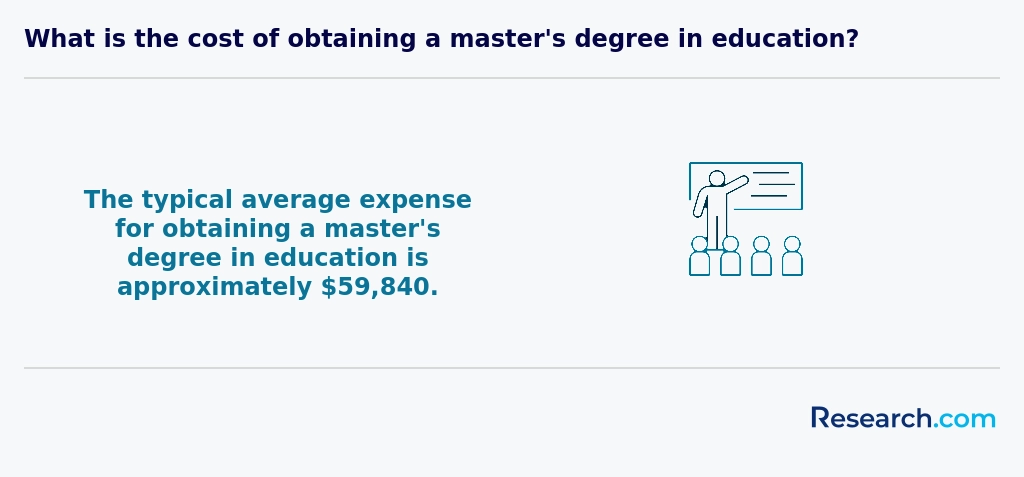
When pursuing an online education degree in Missouri, students often find relief through a variety of financial aid sources that make these programs more accessible. Federal aid, especially Pell Grants, plays a central role-covering up to $7,395 for eligible students, which can significantly ease the $9,500 average annual tuition at institutions like the University of Missouri or Missouri State University. Graduates recall how this grant transformed their ability to focus on studies rather than finances.
State programs such as Access Missouri Financial Assistance also provide crucial support, especially for middle-income families who might not qualify for federal grants. Many education students at popular colleges like Truman State University have found this aid vital in continuing without heavy debt.
Merit-based scholarships and grants from universities further lighten the load, often rewarding dedication to teaching careers in Missouri public schools. Employer tuition assistance through school districts enriches these options, enabling students to study online while advancing professionally.
Completing the FAFSA is a key step, unlocking nearly all available resources and helping students feel empowered in their educational journey.
Earning an online Education degree in Missouri is just the first step toward teaching-state certification and licensure ensure you’re classroom-ready and meet Missouri Department of Elementary and Secondary Education (DESE) standards. To become a fully licensed teacher, you must: • Complete an approved educator preparation program (EPP) recognized by DESE, which includes both coursework and supervised practicum hours. • Pass the Missouri General Education Assessment (MoGEA) or demonstrate equivalent college coursework to verify foundational skills in reading, writing, and mathematics. • Succeed on the Missouri Content Assessment (MoCA) specific to your teaching field-whether that’s Elementary Education, Secondary English, or another concentration. • Fulfill the Educator Ethics and Missouri Child Abuse and Neglect Reporting training requirements, ensuring adherence to professional and legal guidelines. • Submit official transcripts and apply via the DESE Educator Certification System (ECS), paying applicable licensure fees. • For Special Education endorsements-highly in demand across Missouri districts-you'll engage in specialized coursework on Individualized Education Plans (IEPs), behavior intervention strategies, and inclusive classroom design. Aspiring special educators can also explore our list of best bachelors degrees in special education online to find programs aligned with Missouri’s endorsement requirements. Alternative routes, such as the Teach for America partnership or a residency licensure pathway, allow career changers to teach while completing certification. After receiving your Initial Certificate, maintain active status through professional development, graduate-level coursework, or renewing via an Advanced Professional Certificate after six years. Understanding these certification steps empowers you to transition seamlessly from graduation to a Missouri classroom, equipped with the credentials and confidence to inspire learners.
Enrolling in an online education degree in Missouri starts with meeting clear academic prerequisites that help shape a successful journey. Graduates from universities like the University of Missouri often reflect on the importance of having a high school diploma or GED as a solid foundation. This basic credential ensures you're prepared for the challenges ahead.
Many recall the process of submitting official transcripts, which gave admissions a window into their academic strengths and growth. While standardized tests like the SAT or ACT were sometimes encouraged, several graduates mention how test-optional policies made the application less stressful and more accessible, particularly for online learners balancing work or family.
Writing a personal statement allowed applicants to express their passion for teaching, making their application stand out. Some found that letters of recommendation illuminated their interpersonal skills and commitment, which are crucial in education roles. For international students, mastering English proficiency exams felt like an empowering step towards joining Missouri's inclusive educational community.

Graduates from popular Missouri institutions pursuing online education degrees often reflect on the rich variety of courses that shaped their teaching philosophies. Core subjects like educational psychology offer deep insights into how children and adolescents grow and learn, a foundation that proves invaluable when designing lesson plans tailored to real classroom dynamics at universities such as the University of Missouri or Missouri State University.
Students frequently share how courses in curriculum development and instructional strategies helped them craft engaging lessons for diverse learning needs, reinforcing practical skills alongside theory. Classroom management classes stood out as particularly transformative, equipping future educators with effective techniques to foster positive, respectful environments.
Assessment methods also receive strong emphasis, training students to use both formative and summative approaches to genuinely track their pupils' progress. Specialized courses addressing grade-specific standards-from early childhood development to secondary content-area pedagogy-offer further relevance, allowing learners to focus on their intended teaching levels.
Most importantly, these programs integrate student teaching experiences required by Missouri state certification, connecting academic knowledge to hands-on practice, boosting confidence and readiness for real-world classrooms.
Online education degree specializations Missouri students often pursue include Elementary Education, Secondary Education, and Special Education, each reflecting distinct career paths within teaching. Graduates from popular Missouri institutions frequently share how an Elementary Education focus equipped them to confidently manage early grade classrooms, blending core subjects with practical classroom management skills. For those who prefer teaching older students, Secondary Education offers focused preparation in subjects like math or social studies, often complemented by student teaching experiences in familiar local schools.
Missouri online teaching degree options also extend to Special Education, a field with growing demand as schools seek educators skilled in adaptive teaching and individualized learning plans. Other enriching specializations include Early Childhood Education and Educational Leadership, where graduates appreciate how these programs prepare them for roles beyond the classroom, such as school administration or curriculum coordination. Many commend the flexibility and affordability of these degrees, with some turning to the Most Affordable Online Education Degree Programs Ranking in Mississippi for comparative insights, helping balance educational goals with real-life commitments.
Choosing the best online education degree in Missouri means focusing on regional accreditation, especially from the Higher Learning Commission, to ensure employers recognize your qualification. Graduates from well-known programs like those at the University of Missouri often share how this assurance boosted their confidence in job searches. Missouri residents benefit from more affordable tuition at public universities, typically ranging from $9,000 to $11,000 annually, which many graduates found essential in managing their finances without sacrificing quality education.
Program flexibility is also vital. Many students balancing work and family appreciate fully asynchronous formats that allow them to study at their own pace, a feature frequently offered by top institutions in the state. When considering curriculum, targeting specializations aligned with Missouri's demand-such as STEM or special education-can enhance employment prospects and satisfaction.
Invest time to explore graduation rates and online support services; graduates often highlight career counseling as a key factor in their success. If you're curious about which colleges offer dual degree options, researching carefully will reveal programs that fit your long-term goals within affordable online teaching programs Missouri provides.

Graduates with an online education degree in Missouri often find rewarding paths as licensed teachers in both public and private K-12 schools, where holding a valid Missouri teaching certificate is essential. Many alumni from popular institutions like the University of Missouri and Missouri State University share how their programs prepared them for real classroom challenges, bringing confidence and a sense of achievement.
Beyond teaching, career options expand into educational administration, school counseling, and program coordination. These roles, favored by graduates from various Missouri colleges, offer fulfilling work supporting student growth and school success. It's common for these professionals to pursue advanced certifications while gaining practical experience.
Opportunities also include special education-a field steadily growing in Missouri due to rising student enrollment. Graduates often report the emotional rewards of making a difference in diverse learners' lives. Other avenues such as adult education, corporate training, and educational technology thrive as well, especially as schools integrate modern, flexible learning. Those seeking such pathways should explore open enrollment colleges online recognized in Missouri to balance study with career advancement.
Ultimately, the job opportunities for Missouri education graduates reflect the state's commitment to quality education and the adaptability of online learning.
The job market for online education degree jobs Missouri offers true promise for graduates who wish to teach or take on educational roles statewide. Many who graduated from popular institutions like the University of Missouri or Missouri State University report a sense of confidence when entering the workforce, especially given regional shortages highlighted in rural districts. These vacancies provide real opportunities to shape local communities and impact students' lives in meaningful ways.
Most graduates appreciate how Missouri supports alternative certification programs, allowing them to transition smoothly even if their path wasn't traditional. This flexibility helped several alumni bridge the gap between earning their online degrees and obtaining necessary licensure, a crucial step given the state's strict certification requirements.
The median annual wage hovering around $56,000 encourages many to pursue long-term careers here. Coupled with affordable tuition and incentives like loan forgiveness or signing bonuses in high-need districts, success stories from attendees of Missouri colleges underpin this promising job market. Those seeking a faster start may also explore a top associate degree in 6 months online accredited to begin their journey efficiently.
2027 Most Valuable Online Bachelor's in Education Degree Programs Ranking in Missouri
Investing in your education is a significant decision that can shape your future, and the Research.com team understands the importance of making informed choices. To assist prospective students in Missouri, we have meticulously crafted the "2027 Most Valuable Online Bachelor's in Education Degree Programs Ranking in Missouri." Our commitment to quality, credibility, and accuracy is reflected in the extensive research and analysis conducted to compile this ranking.
We utilized the following reputable data sources to ensure a comprehensive evaluation of education programs:
By exploring this ranking, readers will gain valuable insights into the most valuable online bachelor's in education programs in Missouri, helping them make well-informed decisions about their educational futures. For more details on our methodology, please visit our Research.com methodology page.
# 1 position
University of Missouri
Bachelor of Human Development and Family Science with an emphasis in Early Childhood Education in a Mobile Society

# 2 position
Missouri State University-West Plains
Bachelor of Elementary Education
Frequently Asked Questions About education
Students pursuing online education degrees in Missouri can maximize their learning by actively engaging with their course materials and instructors. Missouri ranks well in online education availability, with institutions like the University of Missouri offering accredited programs recognized nationwide. According to the Missouri Department of Higher Education, students benefit from utilizing student support services such as tutoring, career advising, and tech assistance.
Establishing a dedicated study schedule helps maintain consistency, especially when balancing work or family responsibilities. Joining virtual study groups and discussion forums allows students to deepen understanding through peer interaction. Additionally, students should verify that their chosen program is approved by the Missouri Department of Elementary and Secondary Education if they plan to become licensed teachers, ensuring that coursework meets state certification requirements.
The education field in Missouri is experiencing growth in several emerging niches, reflecting broader national trends. One prominent area is educational technology. With the rise of remote learning, Missouri schools increasingly require educators skilled in integrating digital tools into their teaching. According to the Missouri Department of Elementary and Secondary Education, demand for tech-savvy teachers has grown by over 15% in recent years.
Another niche is special education, especially for students with autism spectrum disorders. Missouri has prioritized specialized training due to a statewide increase in diagnosed cases. Additionally, career and technical education (CTE) remains vital as Missouri emphasizes workforce readiness through skills-based learning.
Lastly, English Language Learning (ELL) is expanding given Missouri's diverse student population. Increased immigration has created a need for teachers trained in language acquisition and multicultural education strategies.
After earning an online education degree in Missouri, preparing for the job market involves several key steps. First, Missouri requires teacher candidates to pass certification exams such as the Missouri Educator Gateway Assessments (MEGA), which include the Content Assessments and the General Knowledge Test. Understanding these requirements early helps graduates focus their preparation.
Networking with local school districts and attending job fairs, such as those hosted by the Missouri Department of Elementary and Secondary Education (DESE), increases employment opportunities. Additionally, Missouri's teacher shortage has created high demand for licensed educators, especially in rural areas, which can benefit new graduates.
Completing student teaching during the degree program and obtaining relevant endorsements are crucial to improving job prospects in Missouri schools. Maintaining up-to-date knowledge of state curriculum standards also supports successful employment.
Employers in Missouri highly value education degree graduates with strong classroom management and communication skills. According to the Missouri Department of Elementary and Secondary Education, about 70% of new teachers cite effective student engagement as critical for success. Graduates must also demonstrate adaptability to diverse learning environments, reflecting Missouri's increasingly varied student population.
Instructional technology competence is another essential skill. With many schools integrating digital tools, familiarity with educational software enhances job prospects. Data-driven decision making is increasingly demanded, enabling teachers to tailor strategies based on student performance metrics.
Collaboration and cultural sensitivity are also prized, supporting inclusive classrooms and effective teamwork among staff. These skills align closely with Missouri's standards for educator preparation programs.
Finding internships in Missouri related to education degrees involves utilizing several key resources. Many universities in Missouri, such as the University of Missouri and Missouri State University, have dedicated career services that connect students with local school districts and educational organizations. Additionally, the Missouri Department of Elementary and Secondary Education (DESE) offers listings and guidance for certified internships, a crucial step for teacher licensure.
Online job boards like Handshake and Indeed often feature education internships targeted at Missouri students. Networking with local schools and education nonprofits can also lead to valuable opportunities. According to DESE, hands-on internships improve job placement by 20% within one year of graduation.
An online education degree in Missouri can significantly enhance career mobility and advancement opportunities. The state values qualified educators, and teachers with bachelor's degrees often have greater access to positions with higher salaries and leadership roles. According to data from the Missouri Department of Elementary and Secondary Education, educators holding advanced degrees generally earn 15-20% more than peers with only a high school diploma or associate degree.
Missouri's growing emphasis on digital learning has also increased demand for educators trained through online programs. These degrees offer flexibility, allowing professionals to balance work and study, making it easier to gain credentials while maintaining employment.
Employers increasingly recognize accredited online degrees as equivalent to traditional ones, especially when obtained from Missouri institutions.
Studying for an education degree in Missouri equips students with skills relevant to interdisciplinary roles by integrating diverse academic disciplines. Missouri's online education programs often emphasize collaboration, critical thinking, and adaptable teaching strategies. These programs incorporate coursework that covers psychology, technology, sociology, and communication, helping students understand complex classroom environments.
According to the Missouri Department of Elementary and Secondary Education, many online degrees prepare candidates for licensure that encourages working across special education, counseling, and administration fields. This broad training responds to the state's demand for educators who can address varied student needs and foster inclusive, multidisciplinary learning.
When choosing between a thesis and a non-thesis education degree program in Missouri, students should consider their career goals and time commitments. Thesis programs require original research and can prepare students for roles in academia or advanced study.
Non-thesis programs typically focus on practical skills and coursework, making them suitable for those pursuing teaching or administrative positions. According to the Missouri Department of Higher Education, online education degrees increasingly emphasize flexibility to accommodate working professionals.
Students should review program requirements from Missouri institutions, as some schools may offer hybrid models combining research and practical experience. Cost, duration, and personal learning preferences also play key roles in decision-making.
Students based in Missouri who wish to study education abroad have several pathways through partnerships and online programs offered by local universities. While Missouri itself does not have large-scale study-abroad programs specifically for education majors, many institutions such as the University of Missouri system provide options to combine online coursework with international experiences.
Some programs allow students to complete the majority of their education degree online, while participating in short-term study trips overseas to gain global teaching perspectives. According to the Missouri Department of Higher Education & Workforce Development, nearly 15% of Missouri college students engaged in study abroad activities in 2022, highlighting growing interest.
These global opportunities often focus on cross-cultural competencies and comparative education studies, helping future educators build skills relevant in diverse classrooms.
Part-time job opportunities that complement education degree studies in Missouri often include roles such as teacher's assistant, tutoring, and substitute teaching. These positions provide practical classroom experience, enhancing theoretical knowledge gained through an online education degree.
According to the Missouri Department of Elementary and Secondary Education, substitute teachers are in steady demand, especially in rural and suburban districts. Such roles allow students to work flexible hours while gaining valuable insight into classroom management and student engagement.
Tutoring jobs, often available through local community centers or online platforms, help education students reinforce their subject expertise and develop instructional skills.
Working as a teacher's aide in public or private schools also offers mentorship from experienced educators, aligning well with education degree curricula.
Online education students in Missouri have several networking opportunities that support their academic and professional growth. Many Missouri universities offering online education degrees provide virtual student organizations and alumni networks. For example, the University of Missouri system promotes online forums and career services connecting students with educators and administrators statewide.
Additionally, professional associations like the Missouri State Teachers Association host events and webinars accessible to online learners, facilitating connections with local educators. According to the Missouri Department of Higher Education & Workforce Development, involvement in such networks can increase job placement rates by fostering mentorship and collaboration.
Students are also encouraged to attend regional education conferences and job fairs, some hosted online, which provide valuable networking platforms specific to the Missouri education sector.
Alumni networks play a key role in supporting online education degree students in Missouri by offering valuable professional connections. Graduates from Missouri universities often benefit from these networks through access to job opportunities and mentorship programs. According to data from the Missouri Department of Higher Education and Workforce Development, nearly 70% of job placements in the education sector involve networking connections.
In addition, alumni events and online communities provide platforms for students to share resources and experiences. This support can be especially important for online learners who might lack face-to-face interaction.
These networks also help students stay updated on industry trends and continuing education options available within the state.
Customizing an online education degree program in Missouri to align with your career goals starts with choosing the right specialization. Many Missouri institutions offer options such as early childhood education, special education, or educational leadership. Tailoring your coursework within these focuses allows you to acquire skills most relevant to your desired role.
Additionally, look for programs that provide flexible electives or capstone projects. These elements enable you to pursue topics like curriculum development or educational technology. According to the Missouri Department of Higher Education & Workforce Development, expanding skills in these areas improves job prospects in the state's growing education sector.
Finally, consider programs with professional certification tracks if you aim to become a licensed teacher. Aligning your degree with certification requirements can streamline your path to Missouri licensure and employment in public schools.
Online education students in Missouri often face several common challenges that affect their learning experience. One significant issue is maintaining consistent motivation and time management, as many students juggle work, family, and studies simultaneously. According to the Missouri Department of Higher Education & Workforce Development, nearly 30% of online learners report difficulties balancing these commitments.
Technical barriers also pose a challenge. Not all students have reliable internet access, especially in rural areas, which affects participation in interactive coursework. Furthermore, some students experience limited opportunities for face-to-face interaction with instructors and peers, impacting their engagement and support networks.
Finally, navigating financial aid and understanding transfer credits can be complex, causing delays in degree progress for some Missouri students.
With an online education degree in Missouri, you can pursue several professional certifications to enhance your career. One of the most common is the Missouri Teacher Certification, required to teach in public schools. This certification depends on passing the Missouri Content Assessments.
Many graduates also seek the National Board Certification to demonstrate advanced teaching skills, which can lead to higher salaries. Another option is becoming a Certified Special Education Teacher, given Missouri's emphasis on inclusive education.
Additionally, administrative credentials, such as the Missouri School Administrator Certificate, are available for educators aiming for leadership roles. These certifications improve job prospects across the state's education system.
Crafting a winning application for an online education program in Missouri requires careful attention to key elements that showcase your readiness and commitment. Start with a clear, concise personal statement that explains your motivation to pursue education, highlighting any professional experience or volunteer work in schools or educational settings.
Missouri institutions often look for applicants who demonstrate understanding of local educational challenges. Referencing Missouri's teacher licensure requirements or mentioning familiarity with the Missouri Department of Elementary and Secondary Education standards can strengthen your application.
Include updated transcripts and strong letters of recommendation from academic or professional references who can attest to your skills and dedication.
Lastly, double-check each program's application deadlines and requested documents, as timely and complete submissions reflect professionalism.
Education careers are valued globally for their role in shaping future generations and supporting social development. In the United States, including Missouri, teaching is seen as a stable profession with growing demand. According to the Missouri Department of Elementary and Secondary Education, the state anticipates a steady increase in the need for qualified educators, especially in rural areas.
Globally, education professionals are encouraged to develop cultural competence and adaptability, skills that online degrees in Missouri increasingly emphasize. Many international education systems look to U.S.-based credentials as a benchmark for quality teaching preparation, particularly degrees from accredited institutions.
Research from the National Center for Education Statistics shows that online education programs provide flexibility without sacrificing rigor, a factor that appeals worldwide. Missouri's online education degrees align well with these global trends by offering accessible training for diverse classrooms and educational settings.
Gaining practical experience while studying for an online education degree in Missouri is essential for career readiness. Many programs incorporate field experiences such as student teaching or internships, often required by the Missouri Department of Elementary and Secondary Education. These placements typically occur in local schools, allowing students to apply theoretical knowledge in real classrooms.
Additionally, some universities partner with Missouri school districts, enabling online learners to complete supervised hours in nearby schools. Students can also seek volunteer opportunities or tutoring roles to enhance their skills.
According to the Missouri Department of Higher Education & Workforce Development, hands-on experience increases job prospects post-graduation.
Choosing the right concentration in an online education degree program in Missouri depends on your career goals and local demand. Missouri's Department of Elementary and Secondary Education highlights strong needs in special education, STEM teaching, and early childhood education. Focusing on these areas can improve job prospects after graduation.
Research career outlooks in Missouri to see where teacher shortages exist. For example, Missouri schools reported a 14% vacancy rate for special education teachers in recent years. Additionally, consider your personal interests and strengths in working with specific student groups or subjects.
Be sure to select programs accredited by the Council for the Accreditation of Educator Preparation, which Missouri requires for licensure. This ensures your degree meets state standards.
- 2027 Most Valuable Online Bachelor's in Education Degree Programs Ranking in Kansas
- 2027 Most Valuable Online Bachelor's in Education Degree Programs Ranking in Kentucky
- 2027 Most Valuable Online Bachelor's in Education Degree Programs Ranking in Indiana
- 2027 Most Valuable Online Bachelor's in Education Degree Programs Ranking in Wisconsin
- 2027 Most Valuable Online Bachelor's in Education Degree Programs Ranking in Ohio
- 2027 Most Valuable Online Bachelor's in Education Degree Programs Ranking in North Dakota
- 2027 Most Valuable Online Bachelor's in Education Degree Programs Ranking in Michigan
- 2027 Most Valuable Online Bachelor's in Education Degree Programs Ranking in Alabama
- 2027 Most Valuable Online Bachelor's in Education Degree Programs Ranking in Georgia
- 2027 Most Valuable Online Bachelor's in Education Degree Programs Ranking in Texas
See What Experts Have To Say About Studying Education
Read our interview with Education experts

Nooshan Ashtari
Education Expert
Professor & Book Author
University of Southern California

Alan J. Singer
Education Expert
Professor of Teaching, Learning and Technology
Hofstra University

- Skills Employers Look for in Business Graduates – EU Business School https://www.euruni.edu/blog/skills-employers-look-for-in-business-graduates/
- Is a thesis always mandatory in a master's degree program? - EFMU: The Euler-Franeker Memorial University and Institute https://euler.euclid.int/is-a-thesis-always-mandatory-in-masters-degree-program/
- Latest Trends in the Field of Education - ICERT https://icert.org.in/latest-trends-in-the-field-of-education/
- Missouri State Teacher Certification Guide | All Education Schools https://www.alleducationschools.com/teacher-certification/missouri/
- Online Education Degree Programs | University of Phoenix https://www.phoenix.edu/online-education-degrees.html
- Finding Networking Opportunities as a Student | National Society of High School Scholars https://www.nshss.org/resources/blog/blog-posts/how-to-find-networking-opportunities-as-a-student/
- Events & Opportunities https://connect.teachforall.org/events-opportunities
- Students: This is How You Should Prepare for the Job Market https://www.agencycentral.co.uk/articles/students-this-is-how-you-should-prepare-for-the-job-market/
- Why Is Education Important in Your Career Advancement? - KWSP Malaysia https://www.kwsp.gov.my/en/w/article/career-advancement
- Finding Your Path: How to Align Studies with Career Goals https://www.alfabetaglobal.com/blogs/finding-your-path-how-to-align-your-studies-with-your-career-goals