
2027 Most Valuable Online Bachelor's in Education Degree Programs Ranking in Kentucky

Co-Founder and Chief Data Scientist
Choosing the right online bachelor's in education program can shape your future career in meaningful ways. This article introduces the 2027 Most Valuable Online Bachelor's in Education Degree Programs Ranking in Kentucky, developed by the Research.com team of data scientists to guide students like you toward valuable program options.
By exploring this ranking, you'll discover which programs offer the best combination of quality and potential return. Earning an education degree opens doors to rewarding opportunities and lasting impact in your community.
Let this guide help you make a confident, informed choice for your educational journey.
Key benefits of getting online education degree in Kentucky
- Graduates with an education degree in Kentucky can expect rewarding salaries, such as $70,740 annually for elementary school teachers and $76,000 for special education teachers, making the field financially stable and fulfilling.
- Career paths include teaching at different levels or roles like instructional design, demonstrated by graduates from the University of Kentucky who find diverse opportunities in schools and educational organizations.
- Obtaining an online education degree from institutions like Western Kentucky University offers flexibility and convenience, allowing busy students to balance work and study while still earning respected credentials.
- 2027 Most Valuable Online Bachelor's in Education Degree Programs Ranking in Kentucky
- What can I expect from online education degree in Kentucky?
- Where can I work with online education degree in Kentucky?
What can I expect from online education degree in Kentucky?
The average cost of an online education degree in Kentucky varies but is generally affordable, especially when compared to traditional programs. Many students at well-known institutions like the University of Kentucky and Eastern Kentucky University find that tuition for their online bachelor's in education fits within a reasonable budget thanks to in-state rates. For example, graduates often share how paying around $8,000 to $12,000 per year allowed them to balance work, family, and schooling without overwhelming debt.
Kentucky residents benefit from lower tuition prices at public universities, making the dream of earning a teaching degree more accessible. One graduate recounted how financial aid and scholarships tailored specifically for education students eased their financial stress, allowing greater focus on mastering pedagogical skills and gaining real classroom experience through practicums.
By choosing an accredited program in Kentucky, you're not only investing wisely in your future but also joining a supportive community that values flexible learning and practical training, essential for your success as a future educator.
Where can I work with online education degree in Kentucky?
With an online education degree in Kentucky, you're stepping into a world full of meaningful career opportunities. Many graduates from institutions like the University of Kentucky and Western Kentucky University find rewarding roles as licensed teachers in public K-12 schools, shaping the futures of thousands of students across the state. These roles require state licensure, but completing an approved online program makes this goal very achievable.
Beyond classrooms, graduates often work in private schools or early childhood education centers, where your skills can directly impact young learners. Some go on to become instructional coaches or curriculum developers, applying the practical teaching strategies they refined during their studies at schools like Eastern Kentucky University.
For those passionate about higher education, community colleges and universities offer support roles such as academic advising or teaching assistantships, providing valuable stepping stones toward advanced positions. Additionally, graduates frequently find fulfilling careers in adult education and workforce development programs, helping Kentucky residents gain essential skills for better job prospects.
Graduates with an online education degree in Kentucky often find rewarding career paths with competitive salaries. For example, those stepping into elementary school teaching roles can expect mean annual wages near $70,740, reflecting data that aligns well with several popular education programs at schools like the University of Kentucky or Eastern Kentucky University.
Special education teachers fare even better, earning an average of $76,000 annually. Many graduates appreciate how this role combines meaningful impact with strong financial stability. Meanwhile, ESL teachers, who are in growing demand, bring home around $65,430 per year, making it a promising option for those passionate about multicultural education.
For those who aim beyond traditional teaching, instructional designers in Kentucky-often graduates with advanced online degrees-earn about $77,200 yearly. This role balances creativity with strategic development in education technology.
Early childhood educators start with a more modest median of $41,410, but many find joy in shaping young minds and appreciate the steady career growth Kentucky schools offer through certification and professional development opportunities.
- Online bachelor's degrees in education in Kentucky cover teaching methods, curriculum development, and educational psychology.
- Tuition for in-state public universities ranges from $7,000 to $12,000 per year, while private schools charge $15,000 to $25,000 annually.
- There are over 67,000 teachers in Kentucky, with steady job openings expected due to enrollment and retirement rates.
- Starting salaries for new education graduates range from $40,000 to $45,000, with experienced teachers earning over $55,000 annually.
- Graduates must have a valid teaching license from the Kentucky Education Professional Standards Board to teach in public schools.
- Online degrees from Kentucky institutions are state-accredited and aligned with local education standards for licensure and classroom readiness.
Completing an online education degree in Kentucky typically takes about four years for full-time students, much like at popular institutions such as the University of Kentucky or Eastern Kentucky University. Graduates often share how balancing coursework with life commitments felt manageable thanks to the flexible pacing these programs offer.
For those attending part-time, perhaps working or caring for family, the journey can extend to five or six years. Many find this pace rewarding, allowing them to absorb knowledge deeply without overwhelming pressure. Imagine taking classes in the evenings or summer sessions, steadily progressing toward your goal without sacrificing your day-to-day responsibilities.
While most coursework is completed online, be prepared for student-teaching hours, usually placed in local schools. This hands-on experience enriches your education but may add a few weeks to your timeline depending on placement, a reality graduates warmly embrace as the moment they truly become educators.
Some accelerated programs in Kentucky can shorten your degree to three years, but they require dedication and a heavier workload. With commitment and the right mindset, finishing your degree at your own pace is absolutely achievable and can open doors to a fulfilling career in education.
Graduates of online bachelor’s in education programs must navigate Kentucky’s teacher certification process, overseen by the Education Professional Standards Board (EPSB). First, ensure your chosen program holds CAEP or NCATE accreditation, a prerequisite for state licensure. Next, complete the required Praxis exams: Praxis Core for basic skills and the relevant Praxis Subject Assessments for your specialty (e.g., Elementary Education or ESL). Many online programs incorporate test-prep modules, but you can also compare affordability and support services in our Affordable Online Education Degree Programs Ranking in South Dakota to benchmark best practices. Once exam scores are submitted, candidates must complete a criminal background check and fingerprinting through the Kentucky State Police and FBI channels. Concurrently, finish a supervised student-teaching internship or practicum-typically 10–14 weeks-under a certified mentor teacher, ensuring hands-on classroom experience. Upon meeting these requirements, apply for the Provisional Certificate via the EPSB portal, providing official transcripts, Praxis score reports, and documentation of clinical hours. The provisional status allows full-time teaching under mentorship. After two years of successful service and completion of EPSB-approved professional growth plans, you’ll qualify for the Professional Teaching Certificate. Understanding these steps early helps tailor your program selection and timelines, ensuring a seamless transition from online coursework to a certified classroom educator in Kentucky.
Online and on-campus education degrees in Kentucky each offer unique benefits that suit different lifestyles and learning preferences. Graduates from the University of Kentucky's online program often praise the flexibility of accessing lectures and assignments whenever their busy schedules allow, especially those balancing work or family. This asynchronous format lets you pace your studies without the pressure of fixed class times.
Conversely, students attending Eastern Kentucky University in person frequently emphasize the value of real-time interaction with professors and classmates. The classroom discussions, group projects, and hands-on experiences create a supportive community that sparks deeper engagement and immediate feedback, making the learning process feel dynamic and connected.
Both routes lead to accredited degrees that meet Kentucky's teaching licensure standards. Practicum experiences in local schools ensure practical skills, no matter if you're studying from home or on campus. Weigh your own rhythm and access to campus resources when deciding what path feeds your passion best.
Embarking on your online education journey requires not only selecting the right program but also employing strategies that ensure sustained academic success. One of the most effective ways to maximize your online learning experience is by developing a structured study routine that aligns with your personal and professional commitments. Establish clear daily goals, leverage time-management tools, and actively participate in virtual class discussions to cultivate a sense of community even when studying remotely. Additionally, take advantage of student support services-such as tutoring, digital library access, and career counseling-to enhance your learning outcomes and future career readiness. For students exploring various affordable options, our list of most affordable online degrees in education provides valuable insights. Regularly reassess your progress by seeking feedback from peers and instructors, and consider forming or joining online study groups to exchange ideas and best practices. Adopting these proactive measures can transform challenges into opportunities, helping you thrive in Kentucky’s dynamic online education landscape.
Pursuing an online education degree in Kentucky typically involves thoughtful budgeting, with the average cost for completing such a program often hovering around the median total cost of $55,760. Graduates from well-known public universities like the University of Kentucky and Eastern Kentucky University frequently share how understanding tuition based on credit hours helped them plan effectively, since the cost varies depending on whether you're an in-state or out-of-state student. This difference can make a significant impact, as online bachelor's degree tuition fees Kentucky tend to be more manageable for residents due to lower in-state rates.
Many students appreciate the balance they find at these institutions, where credit-based tuition ensures they only pay for the classes needed, usually between 120 and 135 credit hours. This flexible structure allows ambitious learners to pace themselves financially while advancing toward their goals. Private institutions, while sometimes exceeding $20,000 annually, often alleviate costs through scholarships, which can mean the difference between stress and confidence for many students aiming to complete their degrees remotely.
One graduate from Eastern Kentucky University recalled feeling empowered as they managed additional fees like technology and materials personalized to their learning style-expenses that, while extra, supported a seamless online education experience. To discover tailored options, especially if cost is a key concern for you, consider exploring affordable education programs in Kentucky, which provide excellent opportunities without overwhelming tuition.
Understanding these financial aspects early on allows prospective students to embrace the journey with assurance, turning the dream of earning an education degree into an achievable reality right from home.

To further enhance their educational pursuits, individuals can explore various avenues for affordable education in Kentucky. Prospective students seeking to minimize their educational expenses can benefit from researching institutions that offer competitive pricing without compromising on the quality of education. For instance, those interested in online education can look into affordable education programs in Kentucky, which provide a comprehensive overview of the most cost-effective options available. By doing so, students can make informed decisions about their educational investments, ensuring they receive a valuable education at a price that fits their budget. This approach not only aids in financial planning but also opens doors to a wide range of academic opportunities that might have otherwise been inaccessible due to cost constraints.
When pursuing an online education degree in Kentucky, you have access to valuable financial aid that can truly ease your journey. Many graduates from the University of Kentucky share how the Pell Grant, offering up to $7,895, became a cornerstone in managing their tuition costs, especially since it's designed for students with financial need. This grant, combined with federal student loans featuring low interest and flexible repayment, forms a solid foundation for affording your degree.
State-specific aid like the Kentucky Tuition Grant provides additional relief, granting between $500 and $2,500 per year to eligible residents enrolled in accredited programs. Graduates from Western Kentucky University often highlight how these funds, plus scholarships like the Jenny Wiley Scholarship for those pursuing teacher certification, helped lessen financial stress.
Don't overlook university-specific opportunities-many institutions tailor scholarships or tuition discounts for online learners. Plus, if you're working in education, employer tuition assistance can cover portions of your expenses, turning your dedication into a shared investment for your future.
To ensure an online bachelor’s in education holds value, prospective students must verify both regional accreditation and alignment with Kentucky’s teacher licensure requirements. Most reputable online programs in Kentucky are accredited by the Southern Association of Colleges and Schools Commission on Colleges (SACSCOC) and hold programmatic approval from the Council for the Accreditation of Educator Preparation (CAEP). These accreditations guarantee rigorous academic standards, ongoing institutional review, and recognition by Kentucky’s Education Professional Standards Board (EPSB). Kentucky licensure typically requires: • Completion of an EPSB-approved teacher preparation program • Successful passage of Praxis Core Academic Skills for Educators (Core) and relevant Praxis Subject Assessments • A minimum GPA of 2.75 or higher (varies by institution) • Submission of a clinical practicum or student-teaching portfolio • Application through the EPSB portal, including background check clearance Graduates of accredited programs can pursue an initial Kentucky Teaching Certificate in areas such as Elementary Education (P-5), Middle Grades (5-9), and Secondary Education (9-12). Those seeking alternative routes-such as the Provisional Certificate-must complete the Alternate Route to Certification (ARC) program and meet induction requirements under a mentor teacher. Financial considerations also play a role: before enrolling, compare tuition rates alongside accreditation status. For a broader perspective on cost-effective, high-quality programs, consider the Affordable Online Education Degree Programs Ranking in South Dakota to benchmark affordability and accreditation best practices.
To enroll in an online education degree program in Kentucky, you must first have your high school diploma or GED in hand-a foundation every aspiring teacher starts with. Graduates from programs at the University of Kentucky often share how maintaining a GPA around 2.5 to 3.0 helped them confidently manage their coursework and stay on track. Many schools still consider standardized test scores, like the SAT or ACT, though some have relaxed these requirements, understanding the unique challenges students face today.
Beyond academics, you'll need to complete introductory courses in areas like education, psychology, or communication-these build a strong base for your future classroom. Passing a background check is a crucial step, ensuring you're suited to work with children, a priority that Kentucky institutions emphasize deeply. Letters of recommendation and personal statements provide a chance for you to express your passion and commitment, just as past students at Western Kentucky University have done to show their dedication.
Remember, your chosen program must align with Kentucky's licensure standards, preparing you fully for the rewarding path of becoming a licensed educator in the state.
To ensure your online bachelor’s in education is recognized, verify that the program holds regional accreditation from bodies like the Southern Association of Colleges and Schools Commission on Colleges (SACSCOC) and specialized accreditation from the Council for the Accreditation of Educator Preparation (CAEP). Accreditation not only guarantees academic rigor but also aligns your coursework with Kentucky’s certification standards, preparing you for Praxis exams and the Kentucky Teacher Standards Board requirements. Most reputable programs will explicitly state their approval by the Kentucky Education Professional Standards Board (EPSB), ensuring graduates are eligible for initial certification in fields such as Early Childhood, Elementary, or Secondary Education. Before applying, check program guides for embedded “Approved Teacher Preparation” badges or consult the EPSB website to confirm alignment with state competencies. For prospective students comparing accredited pathways across states, it can be helpful to explore broader rankings like the Affordable Online Education Degree Programs Ranking in South Dakota, which highlights institutions meeting rigorous accreditation standards while offering cost-effective online options. This comparative approach reinforces the importance of selecting a program that not only meets Kentucky’s licensure criteria but also delivers recognized academic quality.
Online education degree programs in Kentucky commonly include a variety of courses designed to build both your knowledge and confidence as an educator. Graduates from programs at well-known schools like the University of Kentucky often reflect on how courses such as Foundations of Education helped them understand the rich history and evolving philosophies behind teaching, grounding their future practices in solid theory.
Educational Psychology is another cornerstone course, guiding you to comprehend how children and teens think and grow, which helps tailor lessons that truly connect with diverse learners. You'll also explore Curriculum Development, where you learn to craft engaging lesson plans that meet Kentucky's educational standards.
Many students appreciate courses in Instructional Strategies and Classroom Management, which equip them with hands-on techniques for creating dynamic, positive classrooms-just like those they aspire to lead.
Real-world preparation is emphasized with practicum opportunities often completed at nearby schools, a feature that graduates from universities such as Eastern Kentucky University find invaluable for gaining practical experience while earning their degrees online.
When exploring an online education degree specializations Kentucky offers, you'll find paths that equip you to inspire learners across all ages. Graduates from well-known schools like the University of Kentucky embrace specializations such as elementary education, where they nurture young minds mastering reading and math, or secondary education, focusing on vibrant classroom settings from middle to high school. These focused tracks help tailor your teaching skills to the student age group you connect with most.
Many students choose special education, a meaningful route preparing you to support children with unique needs-this area is especially valued in Kentucky's communities. If you love working with the youngest learners, early childhood education emphasizes developmental milestones crucial from birth through age eight. Popular programs at institutions like Western Kentucky University provide flexible online options, making it manageable alongside work or family.
Beyond teaching, some graduates pivot to educational leadership or instructional technology, roles that help shape school culture or enhance digital learning. To discover more, check out this list of most affordable online degrees in education offering various specializations that fit your ambition.
When choosing the best online education degree in Kentucky, prioritize programs with strong regional accreditation, such as those recognized by SACSCOC. This ensures your degree holds value statewide, especially when pursuing teaching certification. Graduates from respected universities in Kentucky often highlight how accredited programs made transferring credits and certification processes seamless. Consider programs that directly align with the Kentucky Education Professional Standards Board requirements to prepare effectively for licensure.
Look for affordable online teaching programs Kentucky students trust, where tuition and fees reflect true value without hidden costs. Many find that programs from well-known schools balance cost and quality, providing resources like tutoring and career advising that build confidence and success. Flexibility matters too-graduates juggling family and work share how asynchronous classes allowed them to learn without pressure.
Comparing online program options and costs can feel overwhelming, but resources like the Affordable Online Education Degree Programs Ranking in South Dakota offer helpful insights into budgeting smartly for your education goals.
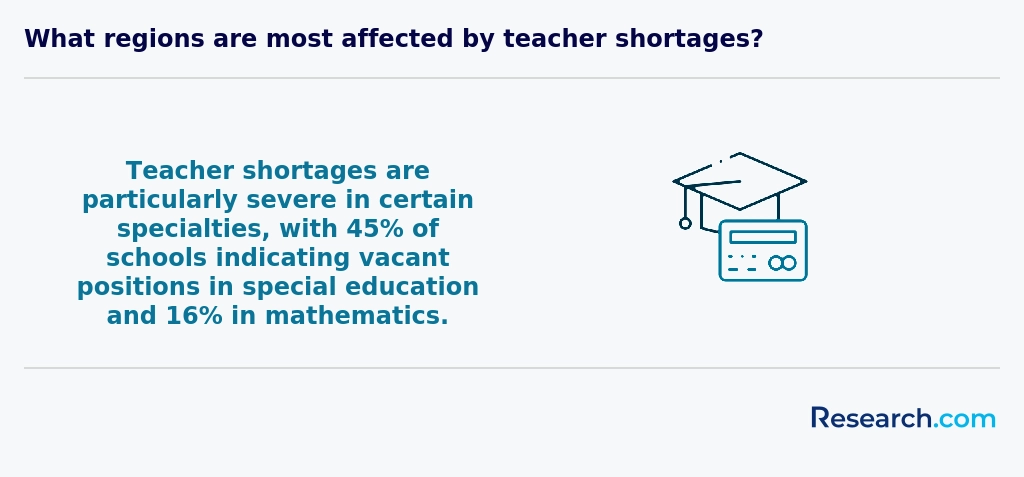
Graduates of an online education degree in Kentucky often find themselves stepping into rewarding roles such as classroom teachers, where the demand is especially strong in areas like math, science, and special education. Many graduates from popular universities like the University of Kentucky and Eastern Kentucky University share how their flexible online studies allowed them to balance work and family while preparing to earn teacher certification required by the state. This balance opens doors to diverse teaching job opportunities in Kentucky for education graduates, from early childhood to secondary education settings.
Beyond teaching, many leverage their degrees to become school administrators, curriculum coordinators, or instructional coaches-positions that build on the solid foundation the degree provides. Others have found passion in educational technology or adult education, tapping into Kentucky's growing focus on digital learning platforms. Graduates appreciate how their education equips them to help shape innovative learning environments.
For those eager to accelerate their path, pursuing a fast track bachelor's degree online can be a game-changer, opening career doors sooner while providing practical experience aligned with Kentucky's educational workforce needs. Exploring these options is crucial for anyone thinking about online education degree careers in Kentucky.
The job market for online education degree jobs Kentucky offers is encouraging, especially for graduates from well-known institutions like the University of Kentucky and Eastern Kentucky University. These graduates often find themselves stepping confidently into roles across public schools, benefiting from the state's push to fill teaching vacancies, particularly in rural areas. Many who pursued an online education degree have shared how their programs enabled them to balance work and study, making certification straightforward and practical.
Graduates report that the alignment of online coursework with Kentucky Education Professional Standards Board (EPSB) requirements smooths the path into teaching careers. This is vital as specialized fields like special education and STEM education show steady demand. Beyond the traditional classroom, career options have opened up in educational technology and curriculum development, reflecting the flexibility online programs support.
For those eager to accelerate their journey, exploring fast track college programs online can provide even more opportunities to enter the workforce quickly and confidently.
2027 Most Valuable Online Bachelor's in Education Degree Programs Ranking in Kentucky
Investing in your education is a significant decision that can profoundly impact your future, and the Research.com team fully recognizes the importance of making well-informed choices. To guide prospective students in Kentucky, we have diligently developed the "2027 Most Valuable Online Bachelor's in Education Degree Programs Ranking in Kentucky." Our dedication to quality, credibility, and accuracy shines through the thorough research and careful analysis underlying this ranking.
We utilized the following reputable data sources to ensure a comprehensive evaluation of online education degree programs:
By consulting this ranking, readers will obtain valuable insights into the most valuable online education degree programs offered in Kentucky, empowering them to make confident and informed educational decisions. For a detailed explanation of our criteria and process, please visit our Research.com methodology page.


# 3 position
Campbellsville University
Bachelor of Learning & Behavior Disorders (P-12)/Elementary Education (P-5)

Frequently Asked Questions About education
Students pursuing online education degrees in Kentucky can enhance their learning by actively engaging with course materials and participating in virtual discussions. Studies show that learners who interact regularly with instructors and peers tend to achieve higher grades and better retention. Utilizing Kentucky's educational resources, such as the Kentucky Virtual Library, also supports research and study needs effectively.
Time management is crucial for success in online programs. Setting a consistent study schedule helps students balance coursework with personal responsibilities. According to the Kentucky Council on Postsecondary Education, online degree enrollment increased by over 30% in recent years, highlighting the importance of self-discipline.
Finally, seeking academic advising and technical support offered by Kentucky's colleges ensures students stay on track and overcome any challenges during their studies.
Emerging niches in education are reshaping degree offerings, especially for online students in Kentucky. One growing area is special education, driven by increased awareness and state support for students with disabilities. According to the Kentucky Department of Education, roughly 15% of public school students receive special education services, boosting demand for trained educators in this field.
Another expanding niche is educational technology. As schools integrate digital tools, educators with expertise in technology-driven instruction are highly valued. Programs focusing on instructional design and e-learning skills prepare graduates to support virtual classrooms and hybrid learning environments.
Lastly, bilingual education is gaining importance, reflecting Kentucky's gradually diversifying student population. Educators trained in dual-language instruction help schools meet the needs of English language learners, an emerging priority in the region's education policy.
Graduates with online education degrees in Kentucky should begin preparing for the job market early by building a strong professional network. Joining state education organizations like the Kentucky Education Association (KEA) can provide valuable connections and job leads. Additionally, obtaining Kentucky teacher certification is essential for those seeking instructional roles; the Kentucky Department of Education outlines specific testing and application processes.
Internships or student teaching opportunities, even completed online, enhance practical experience and employability. According to the Kentucky Center for Education and Workforce Statistics, certified teachers in Kentucky earn a median salary of about $55,000, so aligning certification with market demands is critical.
Further, graduates should develop digital teaching skills and remain updated on Kentucky's education technology trends, as schools increasingly adopt online and hybrid models.
Employers in Kentucky value education degree graduates who demonstrate strong communication skills, both in writing and speaking. According to the Kentucky Department of Education, effective communication is essential for collaborating with students, parents, and colleagues.
Critical thinking and problem-solving abilities are also highly prized, enabling educators to adapt lesson plans and address diverse classroom challenges. Additionally, proficiency in technology integration is increasingly important, reflecting the rise of digital tools in education across the state.
Classroom management skills remain fundamental, helping teachers maintain a positive learning environment. Understanding Kentucky's education standards and regulations is another key attribute employers seek, ensuring compliance and effective teaching.
Finding internships in Kentucky relevant to an education degree involves several strategic steps. Start by exploring partnerships between online colleges and local school districts, as many programs collaborate with Kentucky school systems for placement opportunities.
The Kentucky Department of Education and organizations like the Kentucky Education Association often list internship openings or provide resources for aspiring educators. According to the Kentucky Center for Statistics, about 72% of education students complete internships or student teaching placements within the state, enhancing their job prospects.
Networking with school administrators and attending education career fairs in cities such as Louisville and Lexington also increases internship chances. Additionally, online platforms like Handshake and Kentucky's Higher Education Assistance Authority can connect students with relevant education internships.
Obtaining an online education degree in Kentucky can significantly enhance career mobility and advancement opportunities. The flexibility of online programs allows working professionals to earn credentials without interrupting their careers, making it easier to transition into higher roles. According to the Kentucky Department of Education, educators with advanced degrees often access higher salary scales and qualify for leadership positions within schools and districts.
Additionally, online degrees from accredited Kentucky institutions meet state certification requirements, an essential factor for career progression. The growing demand for skilled educators in Kentucky's expanding school districts creates favorable conditions for degree holders.
Data from the Bureau of Labor Statistics highlights that education professionals with bachelor's or higher degrees generally experience lower unemployment rates and higher job security statewide.
Studying for an education degree in Kentucky equips students with skills suited for interdisciplinary roles by emphasizing collaboration across multiple fields. Kentucky's online education programs often integrate coursework in psychology, technology, and social sciences, preparing graduates to address diverse learning needs. According to the Kentucky Council on Postsecondary Education, about 65% of education programs incorporate interdisciplinary approaches to better prepare teachers for real-world challenges.
Programs also focus on practical application, with students engaging in projects that involve communities, healthcare, and digital tools. This broad base helps future educators work effectively in diverse environments, from classrooms to social service organizations.
When choosing between a thesis and a non-thesis education degree program in Kentucky, students should consider their career goals and learning preferences. Thesis programs typically involve original research and a written dissertation, ideal for those who plan to pursue advanced studies or academic careers.
Non-thesis programs focus more on coursework and practical skills, which may suit students aiming for direct entry into teaching or administrative roles in Kentucky schools. According to data from the Kentucky Council on Postsecondary Education, online programs offering flexible, non-thesis tracks have grown by 15% since 2019, reflecting demand for more practice-oriented education degrees.
Applicants should also consider time commitment; thesis options usually require more months to complete due to research demands.
Students based in Kentucky seeking to study education abroad have several pathways available through U.S. institutions offering global online education programs. Many Kentucky universities partner with foreign institutions to provide international field experiences or virtual study abroad options tailored to education degrees.
According to the Kentucky Council on Postsecondary Education, over 35% of students enrolled in education programs explore global learning components, which can include internships or collaborative projects with schools overseas. These opportunities enrich teaching skills by exposing students to diverse educational systems and methodologies.
Students should also consider accredited online programs that include study abroad modules or international certification options while fulfilling Kentucky teaching licensure requirements. This approach combines global perspectives with practical local credentialing, ensuring graduates remain competitive in Kentucky's education job market.
Part-time job opportunities in Kentucky that complement education degree studies often center around roles in schools and educational programs. Positions such as teacher assistants, substitute teachers, and after-school program aides provide practical experience aligned with classroom learning.
According to the Kentucky Center for Statistics, the demand for teacher assistants in the state is expected to grow by 7% through 2028, making it a viable option for students gaining firsthand instructional experience. Additionally, working as a tutor-either independently or through community centers-helps reinforce educational concepts while building communication skills.
Libraries and nonprofit educational organizations in Kentucky also frequently seek part-time workers for literacy programs. These roles allow education students to apply teaching techniques and learn classroom management in real-world settings.
Online education students in Kentucky have access to several networking opportunities despite the virtual format. Institutions such as the University of Kentucky and Eastern Kentucky University offer online student organizations and virtual career fairs to connect peers and professionals. Additionally, the Kentucky Education Association hosts events that welcome online students, supporting networking within the state's education community.
Many programs also provide online discussion forums and group projects, fostering collaboration. The Kentucky Virtual Library offers resources that help students engage with educators and experts statewide. According to the Kentucky Council on Postsecondary Education, about 35% of education graduates participate in these types of networking activities.
Joining professional associations specific to education can further expand connections valuable for career growth.
Alumni networks play a crucial role in supporting online education degree students in Kentucky. They provide valuable opportunities for mentorship, career advice, and professional networking. Many Kentucky institutions report that alumni connections help graduates secure jobs faster, with some studies showing employment rates improving by up to 15% after graduation when leveraging alumni resources.
For online students, these networks bridge the gap created by distance learning, offering access to local job markets and educational communities. The Kentucky Council on Postsecondary Education highlights that strong alumni engagement can enhance student success and career growth statewide.
Alumni groups often host events, webinars, and forums, which are especially helpful for networking and staying updated on education trends in Kentucky schools.
Customizing an online education degree program in Kentucky allows students to focus their studies to better match career goals. Many Kentucky universities offer flexible curricula with elective courses in areas like special education, curriculum design, or educational technology. Students can often choose practicum experiences or internships that suit their interests. For example, the Kentucky Department of Education supports programs that align with state teacher certification requirements, enabling candidates to tailor their preparation for specific grade levels or subjects.
Additionally, online learners can select from graduate certificates or endorsements available through Kentucky institutions to enhance their skill sets. According to the National Center for Education Statistics, Kentucky's emphasis on specialized education tracks encourages targeted professional growth.
Online education students in Kentucky commonly face challenges related to access and support. According to the Kentucky Council on Postsecondary Education, limited high-speed internet connectivity in rural areas affects many learners, making it difficult to participate in live lectures or download course materials.
Another significant issue is balancing coursework with personal and professional responsibilities. Many online students are working adults, which can lead to stress and time-management difficulties.
Additionally, students often report feeling isolated due to a lack of face-to-face interaction, which can impact motivation and engagement.
Finally, navigating financial aid and understanding transfer credits remain complex processes for many.
With an online education degree in Kentucky, you can pursue several professional certifications that enhance your teaching credentials and career prospects. One common path is obtaining Kentucky teacher certification through the Kentucky Teacher Standards Board (KTSB), which requires passing the Praxis exams. This certification allows you to teach in public schools across the state.
Additionally, you may seek National Board Certification, recognized nationwide and respected for demonstrating advanced teaching knowledge. Other certifications include ESL (English as a Second Language) and Special Education endorsements, which address specific student needs and often increase job opportunities.
For those interested in administration, obtaining a Principal or Superintendent certification is possible with further graduate study. According to the Kentucky Department of Education, demand for certified teachers and administrators remains steady, emphasizing the value of these credentials.
Writing a winning application for an online education program in Kentucky requires careful preparation. Start by researching accredited institutions recognized by the Kentucky Council on Postsecondary Education. Admission committees value clear, concise personal statements that explain your motivation for pursuing education and how it aligns with your career goals.
Highlight relevant experience, such as previous teaching roles or volunteer work, to demonstrate commitment. Kentucky has seen a rise in online learning, with enrollment growing by 15% in recent years, reflecting increasing competition.
Ensure your application includes official transcripts, letters of recommendation from education professionals, and any required test scores. Proofread carefully and meet all deadlines to improve your chances of acceptance.
The view of an education career from a global perspective often highlights the importance of adaptability and cultural awareness. While Kentucky's online education degrees prepare students to meet local teacher certification requirements, educators worldwide face growing demands to understand diverse learning environments. The U.S. Department of Education reports that Kentucky had over 47,000 public school teachers in 2022, reflecting stable demand for qualified educators.
Globally, education careers emphasize lifelong learning and technology integration, skills Kentucky's programs increasingly incorporate. For students pursuing education degrees online in Kentucky, understanding global trends ensures they are competitive in an interconnected world. This approach aligns with the National Center for Education Statistics' findings on evolving teaching practices.
Gaining practical experience while studying for an online education degree in Kentucky is essential for career readiness. Many Kentucky universities with online programs partner with local schools to facilitate student teaching and internships. These opportunities allow students to apply theoretical knowledge in real classroom settings.
Additionally, Kentucky requires supervised clinical practice hours for teacher certification, ensuring students gain hands-on experience. According to the Kentucky Department of Education, aspiring teachers typically complete at least 12 weeks of practicum or student teaching.
Online students can also participate in volunteer tutoring programs or educational outreach within their communities to enhance practical skills.
Choosing the right concentration within an online education degree program in Kentucky starts with understanding your career goals. Concentrations often range from elementary education to special education or educational leadership. Kentucky's Department of Education reports a strong demand for teachers certified in special education and STEM fields, reflecting local workforce needs.
Research available concentrations at accredited Kentucky institutions to ensure alignment with state licensure requirements. Many programs emphasize practical training through virtual internships, which can influence your choice based on preferred learning methods. Additionally, consider salary prospects: the Kentucky Education Association shows educators with specialized certifications often earn higher average salaries.
Lastly, evaluate course flexibility and support services offered online to balance study with personal commitments. Using resources like the Kentucky Council on Postsecondary Education can help you compare programs efficiently.
- 2027 Most Valuable Online Bachelor's in Education Degree Programs Ranking in Indiana
- 2027 Most Valuable Online Bachelor's in Education Degree Programs Ranking in Ohio
- 2027 Most Valuable Online Bachelor's in Education Degree Programs Ranking in Virginia
- 2027 Most Valuable Online Bachelor's in Education Degree Programs Ranking in Missouri
- 2027 Most Valuable Online Bachelor's in Education Degree Programs Ranking in North Carolina
- 2027 Most Valuable Online Bachelor's in Education Degree Programs Ranking in Georgia
- 2027 Most Valuable Online Bachelor's in Education Degree Programs Ranking in Alabama
- 2027 Most Valuable Online Bachelor's in Education Degree Programs Ranking in Pennsylvania
- 2027 Most Valuable Online Bachelor's in Education Degree Programs Ranking in Michigan
- 2027 Most Valuable Online Bachelor's in Education Degree Programs Ranking in Wisconsin
See What Experts Have To Say About Studying Education
Read our interview with Education experts

Alan J. Singer
Education Expert
Professor of Teaching, Learning and Technology
Hofstra University


- Benefits of Networking for Students https://www.melioeducation.com/blog/benefits-of-networking-for-students/
- 5 Tips on Choosing the Right Course or Study Program - Edunation https://www.edunation.co/5-tips-on-choosing-the-right-course-or-study-program/
- The Future of Education: Emerging Trends Reshaping Learning Environments http://www.gesseducation.com/gess-talks/articles/future-education-emerging-trends-reshaping-learning-environments
- Online Education Degree Programs | University of Phoenix https://www.phoenix.edu/online-education-degrees.html
- Tips for Choosing Your Graduate Concentration - Graduate Programs for Educators https://www.graduateprogram.org/blog/tips-for-choosing-your-graduate-concentration/
- Online Degrees in Kentucky (KY) | Onlinedegrees.com https://www.onlinedegrees.com/kentucky/
- Can Higher Education Improve Long-Term Career Success https://studysphereadvisors.com/how-higher-education-influences-long-term-career-growth/
- How to Gain Real-World Experience While Studying Online | American National University https://an.edu/how-to-gain-real-world-experience-while-studying-online/
- International teaching and education jobs https://www.tes.com/jobs/search/international
- Is a thesis always mandatory in a master's degree program? - EFMU: The Euler-Franeker Memorial University and Institute https://euler.euclid.int/is-a-thesis-always-mandatory-in-masters-degree-program/


