
2027 Most Valuable Online Bachelor's in Education Degree Programs Ranking in Wisconsin

Co-Founder and Chief Data Scientist
Choosing the right online education degree program is an important step for aspiring teachers in Wisconsin. This article presents the 2027 Most Valuable Online Bachelor's in Education Degree Programs Ranking in Wisconsin, developed by the Research.com team of data scientists. It offers clear, data-driven insights to help you make an informed decision.
Whether you want to inspire future students or advance your career, earning a degree in education can open many doors. Reading this guide will give you confidence in selecting a program that fits your goals and values.
Key benefits of getting online education degree in Wisconsin
- Education degree graduates in Wisconsin can earn competitive salaries, such as $70,740 annually for elementary school teachers and up to $76,000 for special education teachers, offering strong financial rewards.
- Graduates from the University of Wisconsin often pursue careers as instructional designers, ESL teachers, or early childhood educators, providing diverse and fulfilling career paths.
- Online education degrees from institutions like the University of Wisconsin-Extension offer flexibility, allowing you to balance work and study while gaining practical skills in a supportive, convenient environment.
- 2027 Most Valuable Online Bachelor's in Education Degree Programs Ranking in Wisconsin
- What can I expect from online education degree in Wisconsin?
- Where can I work with online education degree in Wisconsin?
What can I expect from online education degree in Wisconsin?
The average cost of an online education degree in Wisconsin tends to reflect a balance between quality and affordability, with public universities often offering rates around $8,000 to $12,000 per year for full-time enrollment. Graduates from these online programs share stories of juggling family life and coursework without facing the heavy financial burdens typical of on-campus living-saving on housing and commuting adds up to genuine peace of mind. At popular institutions like University of Wisconsin campuses, students feel supported not only by accessible tuition but also by scholarships tailored to remote learners, easing concerns about debt.
Private colleges, while offering a more boutique experience and smaller class sizes, can tip the scale higher, sometimes reaching $20,000 annually. Yet many graduates fondly recall that investment opening doors to valuable licensure prep aligned with Wisconsin's DPI standards, accelerating their path to classrooms statewide. The financial flexibility paired with practical licensure arrangements crafts a story many online education candidates embrace-where aspiration and affordability blend.
Where can I work with online education degree in Wisconsin?
Graduates with an online education degree from Wisconsin's well-regarded universities often find themselves stepping confidently into classrooms across the state, whether in Milwaukee's bustling public schools or smaller districts near UW-Madison. Picture a fresh graduate applying innovative teaching strategies learned online while guiding lively classrooms in math or special education-this blend of virtual training and hands-on practice makes their impact palpable.
But the journey extends beyond traditional K-12 teaching roles. Alumni have shared stories of transitioning seamlessly into roles as curriculum architects or instructional coaches, helping schools reinvent how lessons come to life. Through partnerships with local districts already investing in educational technology, they design programs that resonate with today's digitally native students, making learning feel more like an adventure than a chore.
Many find joy working in early childhood centers or community organizations where their tailored educational skills breathe life into programs supporting young learners and families. Online degrees open pathways too to remote tutoring or digital instruction roles with emerging Wisconsin-based platforms, letting graduates shape futures from their own living rooms while contributing to a statewide rise in education innovation.
Graduates from online education programs in Wisconsin, such as those offered by the University of Wisconsin-Madison or Edgewood College, often find themselves stepping into roles with rewarding salaries that reflect their dedication and skill. For example, many elementary school teachers in Wisconsin earn a mean annual wage of about $70,740, a figure that sparks excitement among those envisioning their classroom careers.
Special education teachers, who often feel deeply fulfilled by their impactful daily work, can expect to earn even more, with annual salaries around $76,000. Imagine crafting individualized learning plans and making a difference, all while enjoying competitive pay.
For those with a flair for languages, ESL teaching jobs provide a median wage near $65,430, paired with the rich cultural exchanges that come with the role. Graduates drawn toward designing engaging learning experiences may pursue instructional designer positions, boasting mean annual salaries of $77,200, perfectly blending creativity and technology.
These figures reflect Wisconsin's commitment to valuing educators, and many of these graduates feel proud when their passion aligns with such promising economic outcomes. It's not just a job; it's a flourishing career path backed by solid data and real success stories across notable Wisconsin institutions.
- Wisconsin offers fully online bachelor's and master's education degrees from accredited universities without the need to relocate.
- In-state tuition for online bachelor's education degrees ranges between $8,000 and $12,000 per year at public institutions.
- Graduates typically earn around $42,000 annually initially, with median salaries increasing to about $58,000 as experience grows.
- The state expects steady demand for education professionals, especially in K-12 public schools and rural areas with teacher shortages.
- Online education degrees in Wisconsin meet state licensing requirements, often including preparation for certification exams and practical teaching experiences.
Imagine juggling work, family, and your dreams while earning an online education degree in Wisconsin. Most full-time students cruising through the University of Wisconsin system wrap up their bachelor's in about four years, just like the traditional classroom crowd. But if life demands a slower rhythm, part-time learners can take five to six years, crafting their own pace without losing momentum.
Picture a graduate balancing student teaching schedules with weekend deadlines, inching closer to the finish line but savoring every milestone. Transfer credits often act like fast-forward buttons, shaving months off the journey. Graduate students, meanwhile, dive deep into immersive studies, typically completing their master's in 18 months to three years, navigating the state's licensure maze with determination.
Tuition realities also weave into this tapestry, with many opting for part-time enrollment at schools like UW-Madison, allowing pockets of financial breathing room alongside steady progress. The path isn't just a timeline-it's a story of flexibility, perseverance, and tailored growth amid Wisconsin's supportive online education landscape.
Earning your online bachelor’s in education is only the first step; obtaining a valid teaching license through the Wisconsin Department of Public Instruction (DPI) ensures you can legally lead a classroom. Most online programs include a DPI-approved Educator Preparation Program (EPP), which integrates coursework with supervised student teaching experiences. Here’s what you need to know: 1. Complete an Accredited Educator Preparation Program • Enroll in a regionally accredited institution with DPI-approved coursework in pedagogy, subject methods, and inclusive practices. • Fulfill a minimum number of field hours-usually 12–16 weeks of student teaching-under the mentorship of a licensed educator. 2. Pass Required Examinations • Praxis Core: Demonstrates proficiency in reading, writing, and mathematics. • Praxis II: Subject-specific exam(s) tailored to your endorsement area (e.g., Elementary Education, ESL, Special Education). • edTPA (Teacher Performance Assessment): A work-product evaluation of your teaching practice, required by most EPPs. 3. Apply for Initial Licensure • Gather official transcripts, Praxis/edTPA scores, and a fingerprint‐based background check. • Submit an application through the DPI’s Educator Licensing Online (ELO) system and pay the current fee. • Track your application status and address any DPI requests for additional materials promptly. 4. Alternative and Reciprocal Pathways • Out-of-state graduates can use Wisconsin’s reciprocity agreements; ensure your program aligns with DPI standards or consider completing a short addendum. • Career changers may qualify for an Alternative Teacher License if they hold a bachelor’s in another field and pass subject‐area exams. 5. Renewal and Advancement • Licenses are renewable every five years with proof of professional development, such as workshops or graduate credits. • Consider advanced certifications or a master’s degree to move into leadership roles-explore cost-effective pathways in our Inexpensive Online Education Degree Programs Ranking in Murray, KY. Understanding the licensure process not only streamlines your journey from student to teacher but also reinforces the credibility and long-term value of your online education degree in Wisconsin.
Picture a graduate from the University of Wisconsin-Madison juggling family dinners while clicking through an asynchronous online lecture late at night. That's the allure of an online education degree in Wisconsin: freedom to learn on your clock. No morning commute, no racing the library's closing time-just pure flexibility. Meanwhile, a counterpart at Marquette University thrives on the buzz of campus life, where spontaneous discussions with professors spark fresh ideas and peer support feels immediate and tangible.
But don't mistake convenience for simplicity. Online students need self-motivation stronger than a Wisconsin winter's chill, mastering content mostly solo. Yet the payoff? Savings on housing and commuting, proven by steady enrollment rises in institutions statewide. Meanwhile, whether online or in person, those hands-on practicum moments-like teaching internships-bring all students face-to-face in real classrooms, cementing skills needed for Wisconsin's state certification.
At both Edgewood College or UW-Whitewater, education degrees dance with these contrasts-blending the digital and the tangible, cost-saving and community-building. It's about choosing how your journey fits your life, with a Wisconsin-shaped blueprint for success.
Online learning success starts with a structured approach that balances time management, technology use, and active engagement with the course content. To excel in an online education program, set a dedicated study schedule that clearly demarcates study time from personal or work responsibilities. This disciplined approach helps you stay on top of assignments and effectively manage deadlines. Additionally, leverage digital tools such as calendars, task managers, and note-taking apps to organize your learning materials and track your progress. It’s also vital to participate actively in discussion forums and virtual study groups to enhance your understanding of course topics and build a supportive learning community. Instructors and peers can help you navigate challenging concepts, and sharing experiences enriches the overall educational journey. Exploring complementary programs, such as most affordable edd programs, might also provide broader insights into advanced educational strategies and credential opportunities. Finally, cultivate a dedicated study environment free from distractions and ensure regular breaks to maintain concentration and prevent burnout. By combining these strategies, you not only optimize your online learning experience but also pave the way for long-term academic and professional success.
Imagining the financial journey of earning an online education degree in Wisconsin, graduates often describe it as a blend of challenge and opportunity. The average cost of an online education degree Wisconsin residents pay tends to revolve around a median total cost of about $50,620, a figure that reflects the dedication and investment required to open doors in the teaching profession. For students balancing family and work, this cost translates into manageable installments, especially when paired with scholarships, grants, or employer tuition assistance programs offered by schools renowned for their education programs, such as those in the University of Wisconsin system.
One graduate recalls navigating the landscape of tuition fees and discovering that total tuition and fees for education degree Wisconsin online learners face include not only the major tuition but also smaller, sometimes unexpected expenses like technology fees and textbooks. These can add up but are often outweighed by the joy of learning at a pace that suits one's life. Public universities offer rates that ease the financial burden for in-state students, creating a supportive environment for those who aspire to inspire future generations.
For anyone curious about the financial side of their education plans, it's worthwhile to explore the most affordable education schools in Wisconsin. Here, the emphasis is on accessibility and value, helping students find pathways where education doesn't feel like a distant dream but rather a reachable goal burning bright on the horizon.
When selecting an online education program in Wisconsin, it is essential to consider the cost and value of the program. Prospective students can visit our website to learn more about the most affordable education schools in Wisconsin to make informed decisions about their education. By choosing a program that aligns with their budget and career goals, students can set themselves up for success in their future careers. Additionally, exploring affordable options can help students avoid significant debt and financial stress, allowing them to focus on their studies and future endeavors. Ultimately, finding the right balance between cost and quality is crucial for prospective students, and our ranking provides a comprehensive overview to help them make the best decision.
Imagine starting your online education degree journey at the University of Wisconsin-Madison, feeling the weight of tuition loom-but then discovering a wave of financial aid that feels almost tailor-made. Federal aid like the Pell Grant can lift up to $7,395 off your yearly costs, a lifeline that many learners swear by. One graduate shared how applying through FAFSA was their gateway to this support, letting them focus more on lessons and less on bills.
Then there's the Wisconsin Grant, which feels like a hometown hug-residents enrolled in state institutions, including UW's online programs, receive need-based cash that often amounts to about $2,500 per year, easing the financial stress. Another uplifting story comes from a student at Edgewood College who credits the Wisconsin Tuition Grant with making private online education affordable, a reminder that state funds follow you even in virtual classrooms.
For those leaning into teaching careers, special programs like the Wisconsin Teacher Education Loan Forgiveness brighten the horizon, turning loan debt into a manageable pledge by rewarding dedication in high-need schools. This mosaic of aid makes pursuing an education degree online in Wisconsin feel not only feasible but genuinely supported every step of the way.
Before beginning your career as a licensed educator, online bachelor’s in education graduates must navigate Wisconsin’s certification process, governed by the Department of Public Instruction (DPI). First, ensure your chosen program holds national accreditation-typically through CAEP or NCATE-which is a prerequisite for DPI approval. Most Wisconsin institutions require completion of a state‐approved educator preparation program, including at least 24 weeks of supervised student teaching. Key Steps: 1. Complete Required Coursework and Praxis Exams • Submit official transcripts demonstrating completion of foundational and professional education courses. • Pass the Praxis Core Academic Skills for Educators (Core) and Praxis Subject Assessments in your specialization (e.g., Elementary Education or ESL). 2. Student Teaching and Clinical Practice • Fulfill a minimum of 12 credit hours in field experiences, culminating in a full‐term student teaching placement under a licensed mentor teacher. • Obtain positive evaluations on teaching performance from both university supervisors and school‐based mentors. 3. Apply for DPI License • Create an Educator Edison account, complete the online application, and pay the licensing fee. • Upload passing Praxis scores, official transcripts, and verification of completion from your preparation program. • Undergo a background check via the Wisconsin DOJ and FBI. 4. Transitioning from Out‐of‐State Programs • If you earned your degree or certification elsewhere, verify your program’s alignment with Wisconsin standards. • Additional coursework or assessment may be required to meet state competencies. Continuing Education and Renewal Wisconsin licenses must be renewed every five years. Educators must complete 50 hours of DPI‐approved professional development or earn nine semester credits in education‐related topics. To explore budget‐friendly pathways for meeting licensure requirements, consider our Inexpensive Online Education Degree Programs Ranking in Murray, KY, which highlights scalable options for ongoing professional growth.
Imagine starting your journey toward an online education degree in Wisconsin, where the first step is holding a high school diploma or GED-just like many proud graduates from institutions such as the University of Wisconsin-Madison or UW-Milwaukee. These foundational credentials act as your ticket into this vibrant academic world.
Many Wisconsin colleges expect you to have a minimum GPA around 2.5, a checkpoint that reassures you're ready to embrace the challenge without stress. A graduate once shared how securing transcripts from past schools felt like unlocking a treasure chest of achievements-proof you're prepared for the coursework ahead.
Standardized test scores might come into play, though some programs have become more flexible, recognizing the unique stories behind each applicant. Picture submitting letters of recommendation or a heartfelt personal statement, showcasing your passion and commitment to shaping future minds.
Background checks and clearances stand as essential reminders of your role's responsibility, especially when student teaching at respected Wisconsin colleges. It's about trust and readiness to make a positive impact on young learners.
Pursuing an online bachelor’s in education in Wisconsin isn’t just about coursework-it’s a pathway to state teacher licensure. Most accredited programs align their curriculum with Wisconsin Department of Public Instruction (DPI) standards, ensuring you complete the required content hours in foundational subjects (English, math, social studies, science) and pedagogical theory. You’ll typically engage in: • Clinical Field Experiences: Structured student-teaching placements under the supervision of certified educators, totaling at least 12 weeks in K–12 classrooms. • Performance Assessments: Preparation for and completion of the Educative Teacher Performance Assessment (edTPA), which evaluates planning, instruction, and assessment skills. • Licensure Examinations: Targeted coursework to help you pass the Wisconsin Foundations of Reading Test (FoRT) and the appropriate Praxis Subject Assessments. Programs often boast licensure exam pass rates above 85%, reflecting rigorous support systems such as exam prep workshops and dedicated DPI advisors. Additionally, many institutions partner with local school districts to streamline your transition from student teacher to licensed educator. If you’re also exploring cost-effective degree options that satisfy DPI requirements, consider our Inexpensive Online Education Degree Programs Ranking in Murray, KY for alternative pathways that balance quality and affordability.
Imagine diving into Wisconsin's online education degree and starting with Foundations of Education, where you unravel the stories behind the state's unique teaching landscape, feeling the thrill of connecting big-picture history to your local classroom future. Graduates from the University of Wisconsin system often recall how Educational Psychology felt like decoding the secret language of student minds, making every classroom challenge suddenly an exciting puzzle.
Courses like Curriculum Development and Instructional Strategies turn you into a lesson-planning artist, crafting activities that resonate with Wisconsin's academic standards-whether prepping for a virtual daycare or a high school literature class. A favorite for many is Technology in Education, where you learn to wield digital tools to spark real engagement from a screen miles away.
From Classroom Management that transforms chaos into harmony, to Special Education, where empathy meets strategy supporting diverse learners, Wisconsin's online pathways provide hands-on experiences. Many graduates from popular schools, like Marquette University, cherish how student teaching placements brought these lessons vibrantly to life near their hometowns.
Imagine diving into an online education degree in Wisconsin where you can tailor your journey just like the many graduates from UW-Madison or Marquette University have done. These programs pulse with energy through specializations like Elementary Education, where colleagues have shared the joy of sparking curiosity in young learners. Or you might find yourself among advocates of Secondary Education, crafting lessons in math or social studies, just like peers who felt empowered by the diverse Wisconsin school communities they serve.
The realm of online education degree specializations Wisconsin offers also embraces Special Education, addressing the needs of thousands of students with disabilities statewide-a path many graduates say feels profoundly rewarding. Others find their calling in Educational Leadership, stepping up as transformative principals or district visionaries. And for those drawn to linguistic diversity, the English as a Second Language concentration perfectly aligns with Wisconsin's ever-changing classrooms.
If customized pathways excite you, check the most affordable edd programs that can further support your ambitions.
Online education degrees here blend traditional values with fresh, forward-thinking approaches, opening doors for passionate educators ready to impact Wisconsin's future.
Imagine yourself as a Wisconsin student juggling a job and family while diving into an online education degree that truly fits your life. Choosing the best online education degrees Wisconsin offers means first finding a program with rock-solid accreditation-think of it as a sturdy foundation beneath your academic journey. Graduates from UW-Madison often recall how their programs balanced flexibility with rigorous coursework, preparing them for the Wisconsin Foundations of Reading Test with ease.
Cost matters, but so does value. Many find peace of mind comparing tuition against financial aid options before committing. For instance, some private colleges in Milwaukee have steeper price tags, but their support systems-including career counseling-help graduates confidently step into classrooms statewide. If saving money is your goal, exploring options like the Inexpensive Online Education Degree Programs Ranking in Murray, KY can spark fresh inspiration.
Remember, online programs with asynchronous classes mean no missed moments with family, a lifeline for many Kenosha alumni turned teachers. Finding a specialization that excites you-be it special education or leadership-can transform learning from a task into a passion. Dive deep, align offerings with Wisconsin's licensure needs, and picture your future self thriving in the vibrant school communities across the Badger State.
Picture yourself stepping into a bustling Milwaukee classroom or guiding a vibrant online discussion at the University of Wisconsin-Madison-graduates from these institutions often find their online education degree pathways branching into dynamic teaching careers across Wisconsin's public schools. Whether shaping young minds in math or sparking curiosity in literature, these online teaching careers in Wisconsin offer more than a job; they create opportunities to influence thousands of students in classrooms filled with promise.
Others discover their calling beyond the chalkboard, transitioning into administration roles-principals, vice principals, and coordinators-honing leadership skills cultivated during their online studies. At many Wisconsin colleges, graduates recount feeling empowered to handle educational challenges creatively, blending innovation with tradition.
Some graduates pursue ventures into cutting-edge curriculum design or serve as educational consultants, melding tech-savvy strategies with day-to-day teaching realities. The rise of digital classrooms has opened doors to roles focused on educational technology, a realm where passion meets progress.
For those curious about how to maximize their return on investment, exploring the highest paid certifications can illuminate promising avenues within education degree job opportunities Wisconsin hold.
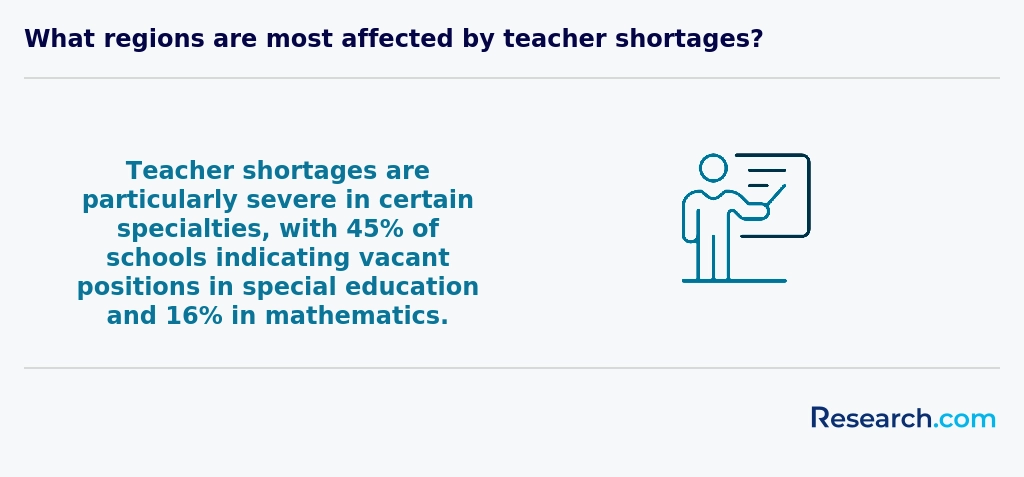
For graduates diving into the online education degree job outlook Wisconsin offers, the scene is rich with opportunity and steady demand. Imagine a graduate from the University of Wisconsin-Milwaukee stepping into a classroom in a bustling urban district, filling a vacancy that has challenged hiring managers for months. The state's focus on teacher quality in both city schools and rural areas means these graduates often find their skills being eagerly sought after. One recent graduate shared how their specially designed curriculum allowed them to secure roles in STEM education, a hot spot for openings across the state.
The teacher employment prospects in Wisconsin are shaped by a well-structured licensing system ensuring that candidates meet state standards before stepping into classrooms. Many graduates from popular institutions appreciate how this system opens doors not only in traditional teaching but also in roles like curriculum development and educational administration. Reflecting on their journeys, these educators express excitement about job stability and the chance to impact diverse communities.
Costs can vary, but many find pursuing degrees through flexible, online pathways well worth it-especially if you explore programs at the most popular online vocational schools. Graduates often highlight how these programs balance affordability with quality, preparing them for the varied landscapes of Wisconsin's classrooms and beyond.
2027 Most Valuable Online Bachelor's in Education Degree Programs Ranking in Wisconsin
Investing in your education is a significant decision that can impact your future, and the Research.com team recognizes the importance of providing trustworthy guidance. To support students seeking the best online bachelor's degrees in education in Wisconsin, we have carefully developed the "2027 Most Valuable Online Bachelor's in Education Degree Programs Ranking in Wisconsin." Our dedication to quality, credibility, and accuracy is demonstrated through rigorous research and data analysis.
We utilized the following reputable data sources to create a comprehensive and reliable ranking:
By consulting this ranking, readers can identify top-quality online education degree programs in Wisconsin and make informed decisions that align with their career goals. For a detailed explanation of our approach, please visit our Research.com methodology page.


Frequently Asked Questions About education
Students pursuing online education degrees in Wisconsin can maximize their learning by actively engaging with course materials and instructors. Research shows that online learners who participate regularly in discussion forums and virtual workshops tend to perform better academically.
Utilizing Wisconsin's statewide resources, such as the Wisconsin Educational Communications Board, can provide additional support and materials. Time management is crucial; setting a consistent study schedule helps balance coursework with personal responsibilities.
Moreover, accessing campus services remotely, including tutoring and library databases from institutions like the University of Wisconsin system, strengthens research skills. According to the National Center for Education Statistics, Wisconsin had over 35,000 online college students in recent years, highlighting the growing support for remote learners in the state.
Emerging niches within the education field in Wisconsin reflect broader national trends emphasizing technology integration and specialized learning needs. One significant area is educational technology, where educators develop skills to implement digital tools in classrooms; this aligns with Wisconsin's push for enhanced remote learning options, especially after the COVID-19 pandemic.
Another growth niche is special education, supported by rising awareness and legislation protecting students with disabilities. Wisconsin reports an increasing demand for professionals trained in inclusive practices and adaptive teaching methods.
Additionally, bilingual education is expanding due to the state's diverse population, necessitating educators skilled in dual-language instruction. According to the Wisconsin Department of Public Instruction, districts are prioritizing hiring teachers fluent in both English and other languages to better serve students.
These niches offer promising career paths for students pursuing online education degrees in Wisconsin.
After completing an online education degree in Wisconsin, preparing for the job market involves several key steps. Graduates should first secure teaching licensure through the Wisconsin Department of Public Instruction, which requires passing relevant exams and meeting background check criteria.
Networking with local schools and participating in job fairs can increase employment chances. Wisconsin's Department of Workforce Development highlights that education jobs in the state grow steadily, with teaching positions projected to increase by 6% through 2030.
Additionally, gaining experience through substitute teaching or internships helps build practical skills. Many Wisconsin school districts value candidates who engage in professional development and stay current with education technology trends, especially for those trained online.
Employers in Wisconsin prioritize education degree graduates who demonstrate strong communication skills. The ability to clearly convey ideas to students and collaborate with parents and colleagues is essential. Additionally, classroom management and adaptability are highly valued, especially as schools increasingly adopt diverse teaching methods and technologies. Knowledge of state educational standards, such as those outlined by the Wisconsin Department of Public Instruction, ensures graduates can design effective lesson plans. According to recent Wisconsin workforce reports, critical thinking and problem-solving skills also lead to better classroom outcomes. These competencies prepare graduates to succeed in Wisconsin's evolving educational environment.
Finding internships in Wisconsin relevant to an education degree often begins with utilizing university career services, which frequently partner with local school districts and educational organizations. Many institutions offering online education degrees, such as the University of Wisconsin system, provide access to internship placement resources tailored for education students. According to the Wisconsin Department of Public Instruction, internships can be arranged with public schools throughout the state, offering hands-on experience essential for licensure.
Additionally, students should explore opportunities through the Wisconsin Education Career Access Network (WECAN), a platform connecting candidates with open education roles, including internships. Networking with educators via professional associations like the Wisconsin Education Association Council can further enhance prospects. Early communication with advisors improves chances of securing internships aligned with state licensure requirements.
Online education degrees in Wisconsin play a significant role in career mobility and advancement, particularly in the teaching profession. According to the Wisconsin Department of Public Instruction, educators with bachelor's or advanced degrees often qualify for higher salary tiers and leadership roles within schools. Completing an online degree offers flexibility, allowing working professionals to upskill without pausing their careers.
Many Wisconsin school districts specifically recognize accredited online education degrees, making graduates eligible for teacher licensure and promotion. The state's emphasis on continuing education means that degree holders can access additional certifications, boosting career prospects.
Data from the National Center for Education Statistics indicate that Wisconsin's teacher salary scale increases substantially with higher academic qualifications, reinforcing the value of an online degree for career growth.
Studying for an education degree online in Wisconsin equips students with versatile skills suited for interdisciplinary roles. Programs often integrate coursework from psychology, sociology, and technology, reflecting the state's emphasis on comprehensive educator preparation. According to the Wisconsin Department of Public Instruction, about 65% of new teachers hold degrees that cross traditional subject boundaries, fostering collaboration across fields.
Online degrees emphasize practical application through culturally responsive teaching and digital literacy, preparing graduates to work in diverse educational settings. This approach aligns with the growing need for educators who can partner with specialists in health, social services, and community development. Wisconsin's focus on such integrative training supports adaptability in evolving professional roles within and beyond schools.
Choosing between a thesis and a non-thesis education degree program in Wisconsin depends largely on your career goals and learning preferences. Thesis programs involve conducting original research and writing a formal paper, which is ideal if you aim to pursue advanced graduate study or work in research-focused roles. Non-thesis options usually emphasize coursework and practical experience, suiting those who plan to enter the workforce immediately in teaching or administrative positions.
In Wisconsin, many online education programs offer both paths to accommodate diverse student needs. According to the Wisconsin Department of Public Instruction, educators holding advanced degrees with research experience often have better access to leadership roles.
Consider your time commitment and interest in research before deciding, as thesis programs typically require more independent study.
Students in Wisconsin interested in studying education abroad while pursuing an online degree have several options through partnerships and exchange programs. Many Wisconsin institutions, including the University of Wisconsin system, offer study abroad opportunities integrated into their education programs. These programs often allow students to earn credits remotely or through short-term international residencies.
According to the Institute of International Education, participation in study abroad by Wisconsin undergraduate students has steadily increased, which reflects growing interest. Additionally, some online education degrees feature global education components focusing on international teaching methods and multicultural competencies.
Wisconsin learners should also explore programs accredited by bodies recognized in the U.S., ensuring overseas credits transfer smoothly. Resources like the Wisconsin Department of Public Instruction provide guidance on maintaining licensure while studying abroad.
Part-time job opportunities in Wisconsin that complement education degree studies often focus on roles that build practical teaching skills. Many students find work as teacher aides or paraprofessionals in public schools, which is valuable experience given that Wisconsin employs over 70,000 teachers statewide as of recent data from the Wisconsin Department of Public Instruction.
School libraries and after-school programs offer positions as assistants or tutors. Such roles provide firsthand interaction with students and support educational development aligned with degree coursework.
Additionally, Wisconsin's community centers and nonprofit organizations frequently hire education students for mentoring, coaching, or youth program coordination. These jobs enhance communication and organizational skills critical for educators.
Substitute teaching is another common part-time job, allowed with a permit for students nearing degree completion, providing classroom management experience directly relevant to teaching careers.
Online education students in Wisconsin benefit from various networking opportunities designed to connect them with peers, faculty, and education professionals. Many public universities, such as the University of Wisconsin system, provide virtual student organizations and discussion boards where online learners can participate actively. These platforms enable collaboration on projects and sharing of resources.
Additionally, Wisconsin's education departments often host webinars and virtual career fairs that attract school administrators and hiring managers. Such events offer students a chance to build professional relationships and gain insights into local education trends. According to the Wisconsin Department of Public Instruction, participation in professional networks significantly improves graduate employment outcomes within the state.
Online students also have access to alumni networks, which include educators working across Wisconsin schools. These connections can lead to mentorships, internships, and job referrals. Furthermore, regional conferences and workshops increasingly offer remote attendance options, making it easier for distance learners to engage with the wider education community without relocating.
Alumni networks offer significant advantages to students pursuing online education degrees in Wisconsin. These networks connect current students with graduates who have experience navigating the local job market. Through Wisconsin-based alumni groups, students can access mentorship opportunities that boost career readiness and professional growth.
According to the Wisconsin Department of Public Instruction, networking plays an important role in teacher hiring processes statewide. Alumni connections often provide valuable insights about school districts and openings before they are widely advertised.
Many Wisconsin universities also host events and online forums exclusively for education graduates, fostering a strong community despite geographic distance. This engagement encourages collaboration, resource sharing, and lifelong support.
Overall, such networks enhance employability and professional confidence for online education students in Wisconsin.
In Wisconsin, you can customize your online education degree by choosing concentrations that align with your career goals. Many universities offer specialized tracks like early childhood education, special education, or educational leadership. This flexibility helps tailor your skills to specific teaching roles or administrative positions.
Additionally, some programs provide options to complete practicum hours locally, blending online coursework with in-person experience. Wisconsin's Department of Public Instruction reports rising demand for teachers skilled in special education and STEM fields, making these good areas to focus on.
Review program curricula carefully to ensure they meet Wisconsin licensure requirements and support your professional objectives.
Online education students in Wisconsin often face challenges related to technology access and digital literacy. Despite improvements, some rural areas still experience unreliable internet, which can hinder participation in synchronous classes and timely submission of assignments.
Another common issue is self-discipline and time management. Without the structure of on-campus classes, students must independently balance coursework with personal and professional responsibilities.
According to the Wisconsin Department of Public Instruction, online learners also report feelings of isolation and limited interaction with peers and instructors, which can affect motivation and academic performance.
Finally, navigating financial aid and understanding transfer credits remain complex for many students pursuing online education degrees in Wisconsin.
With an online education degree from a Wisconsin institution, students can pursue various professional certifications to enhance their careers. One common path is obtaining a Wisconsin teaching license, required for most K-12 teaching positions in the state. This license often requires passing the Praxis exams, which assess subject knowledge and teaching skills.
Beyond licensure, graduates may pursue certifications such as the Reading Teacher license or Administrator certificates to work in leadership roles. According to the Wisconsin Department of Public Instruction, over 90% of new educators in the state hold a valid teaching license, emphasizing the importance of certification.
Additional options include National Board Certification, which can bolster credentials nationally.
To write a winning application for an online education program in Wisconsin, begin by carefully researching each school's requirements and deadlines. Highlight your commitment to teaching and learning, referencing any relevant experience or volunteer work.
Wisconsin emphasizes practical readiness; therefore, showcasing skills like classroom management or curriculum development strengthens your application. Use clear, concise language in your personal statement, explaining why online education meets your needs and career goals.
Ensure your transcripts reflect strong academic performance, particularly in education-related courses. Wisconsin's Department of Public Instruction notes that many online programs prefer applicants with a GPA of 3.0 or higher.
Lastly, request recommendation letters from professionals familiar with your educational aptitude and work ethic to provide solid support for your candidacy.
Education careers are viewed globally as essential to societal development, and the United States remains a leader in shaping educational standards and practices. In Wisconsin, where the education sector employs roughly 180,000 workers (U.S. Bureau of Labor Statistics, 2023), there is a strong demand for qualified educators prepared through accredited online programs. Globally, teaching is increasingly valued not only as a profession but as a force for social equity and economic growth.
Many countries align with U.S. trends emphasizing lifelong learning and technology integration in education. Wisconsin's online education degrees prepare students with skills recognized internationally, helping graduates compete in diverse learning environments. Also, U.S. credentials often open doors for advanced roles worldwide.
Understanding this global context highlights education as a dynamic and growing career, offering wide-ranging opportunities for individuals in Wisconsin and beyond.
Gaining practical experience while studying for an online education degree in Wisconsin is possible through several key opportunities. Many programs align with local schools to offer virtual or in-person student teaching placements, which are required for teacher licensure in the state. The Wisconsin Department of Public Instruction mandates supervised field experiences, ensuring students apply theory in real classrooms.
Additionally, online students can participate in internships or volunteer in educational settings, helping to develop classroom management and instructional skills. Wisconsin's numerous public and private schools often welcome candidates from nearby universities, such as the University of Wisconsin system schools, for these roles.
Some online programs also incorporate simulation technologies to enhance practical learning remotely, which complements hands-on experience. According to recent data from the National Center for Education Statistics, Wisconsin institutions increasingly offer hybrid experiences to balance online course flexibility with practical training requirements.
Choosing the right concentration within an online education degree in Wisconsin begins with assessing your career goals. Wisconsin's Department of Public Instruction highlights areas like early childhood, special education, and secondary education as in-demand specialties. Understanding licensure requirements is crucial; for example, concentrations aligned with teaching certification ensure eligibility for Wisconsin state licensure.
Consider the regional job market. The Wisconsin Labor Market Information report shows strong growth in special education and STEM teaching jobs through 2028. Also, evaluate program flexibility and whether coursework matches your interests and professional needs. Many programs offer advisement to help tailor your concentration effectively.
- 2027 Most Valuable Online Bachelor's in Education Degree Programs Ranking in Michigan
- 2027 Most Valuable Online Bachelor's in Education Degree Programs Ranking in Indiana
- 2027 Most Valuable Online Bachelor's in Education Degree Programs Ranking in Missouri
- 2027 Most Valuable Online Bachelor's in Education Degree Programs Ranking in Ohio
- 2027 Most Valuable Online Bachelor's in Education Degree Programs Ranking in Kentucky
- 2027 Most Valuable Online Bachelor's in Education Degree Programs Ranking in North Dakota
- 2027 Most Valuable Online Bachelor's in Education Degree Programs Ranking in Kansas
- 2027 Most Valuable Online Bachelor's in Education Degree Programs Ranking in Pennsylvania
- 2027 Most Valuable Online Bachelor's in Education Degree Programs Ranking in Virginia
- 2027 Most Valuable Online Bachelor's in Education Degree Programs Ranking in Alabama
See What Experts Have To Say About Studying Education
Read our interview with Education experts


Nooshan Ashtari
Education Expert
Professor & Book Author
University of Southern California

- My Experience with Online Learning | Leeds Beckett University https://www.leedsbeckett.ac.uk/blogs/student-blog-squad/2020/09/my-experience-with-online-learning/
- FAQ MA/MSc (Thesis/Non-thesis) Applicants – Graduate School https://lee.yasar.edu.tr/en/faq-ma-msc-with-without-thesis-candidates/
- Global Perspectives on Employability https://www.forumea.org/news/global-perspectives-on-employability
- Can Higher Education Improve Long-Term Career Success https://studysphereadvisors.com/how-higher-education-influences-long-term-career-growth/
- The Advantages of Studying an Online Degree https://www.falmouth.ac.uk/news/advantages-studying-online-degree
- The Pros and Cons of Online Learning vs. Traditional Education https://www.sophia.org/blog/higher-education/pros-cons-online-learning-vs-traditional-education/
- Skills Employers Look for In Graduates https://careerdc.com.au/resources/what-skills-employers-want/
- Finding Your Path: How to Align Studies with Career Goals https://www.alfabetaglobal.com/blogs/finding-your-path-how-to-align-your-studies-with-your-career-goals
- Students: This is How You Should Prepare for the Job Market https://www.agencycentral.co.uk/articles/students-this-is-how-you-should-prepare-for-the-job-market/
- Study Abroad For Education Majors: Benefits, Tips & More https://www.semesteratsea.org/education-major-study-abroad/


